One Pot Chili Mac
One Pot Chili Mac came into my weeknight rotation the minute I realized I could turn pantry staples into a full bowl of comfort with almost no fuss. I still remember the first time I made it after a long day, when the smell of simmering tomato sauce and toasty onion filled the kitchen and I felt like I’d opened a warm, savory door to something familiar and satisfying.
That evening I grabbed a sturdy pot, some ground beef, a handful of spices, and a box of elbow macaroni, and within an hour we had a bubbling, cheesy skillet dinner that everyone went back for seconds of. I love how forgiving the recipe is, and how the ingredients sing in layers from the initial sauté of onion to the final melty crown of cheddar cheese. It’s the kind of meal I cook when I want cozy but uncomplicated, the sort that makes leftovers taste even better the next day.
I’ll never forget the way the sauce seemed to come alive after I stirred in a pinch of baking soda, softening the acidity of the tomatoes and letting the spices bloom. That small trick felt like a chef secret I was happy to share with friends. Over time I’ve learned little cues to watch for, and those are the moments that make this dish reliably great; once you know the right smells and visual hints you can practically make it with your eyes closed.
Recipe Snapshot
35 mins
10 mins
25 mins
Medium
600 kcal
American
Gluten-Free, Keto
Dinner
Dutch oven, Wooden spoon
Why This One Pot Chili Mac Hits Different
Comfort in a Single Pot
I adore recipes that reduce cleanup, and One Pot Chili Mac delivers that in spades. Cooking everything in one Dutch oven means you get layers of flavor building as each ingredient joins the pan, and there’s a cozy, unified texture at the end that split-pot methods rarely achieve.
Bold, Familiar Flavors
I love how the combination of chili powder, cumin, and paprika gives the dish warmth without overwhelming the family. The spice mix complements the umami of the tomato paste and diced tomatoes, producing a deep, savory base that makes the macaroni and cheese more interesting than a plain pasta.
Weeknight-Ready and Filling
When I need dinner fast, One Pot Chili Mac is my go-to. It uses pantry cans, dried pasta, and basic spices so I can pull it together in minutes, yet it feeds a crowd, making it excellent for busy nights or casual gatherings where people gravitate toward a hearty bowl.
Leftovers That Improve Overnight
I’ve found the flavors deepen after a night in the fridge, which makes this recipe perfect for meal prep. Reheating gently keeps the cheddar cheese creamy and the sauce rich, so you end up with an even better second-day dinner.
Family Friendly with Simple Swaps
I often tweak proportions to suit tastes, and the recipe handles adjustments gracefully. If someone prefers a milder bowl, I simply ease back on the chili powder. If you want it heartier, adding a few more beans stretches the meal while staying true to the original spirit.
Ingredients Overview for One Pot Chili Mac
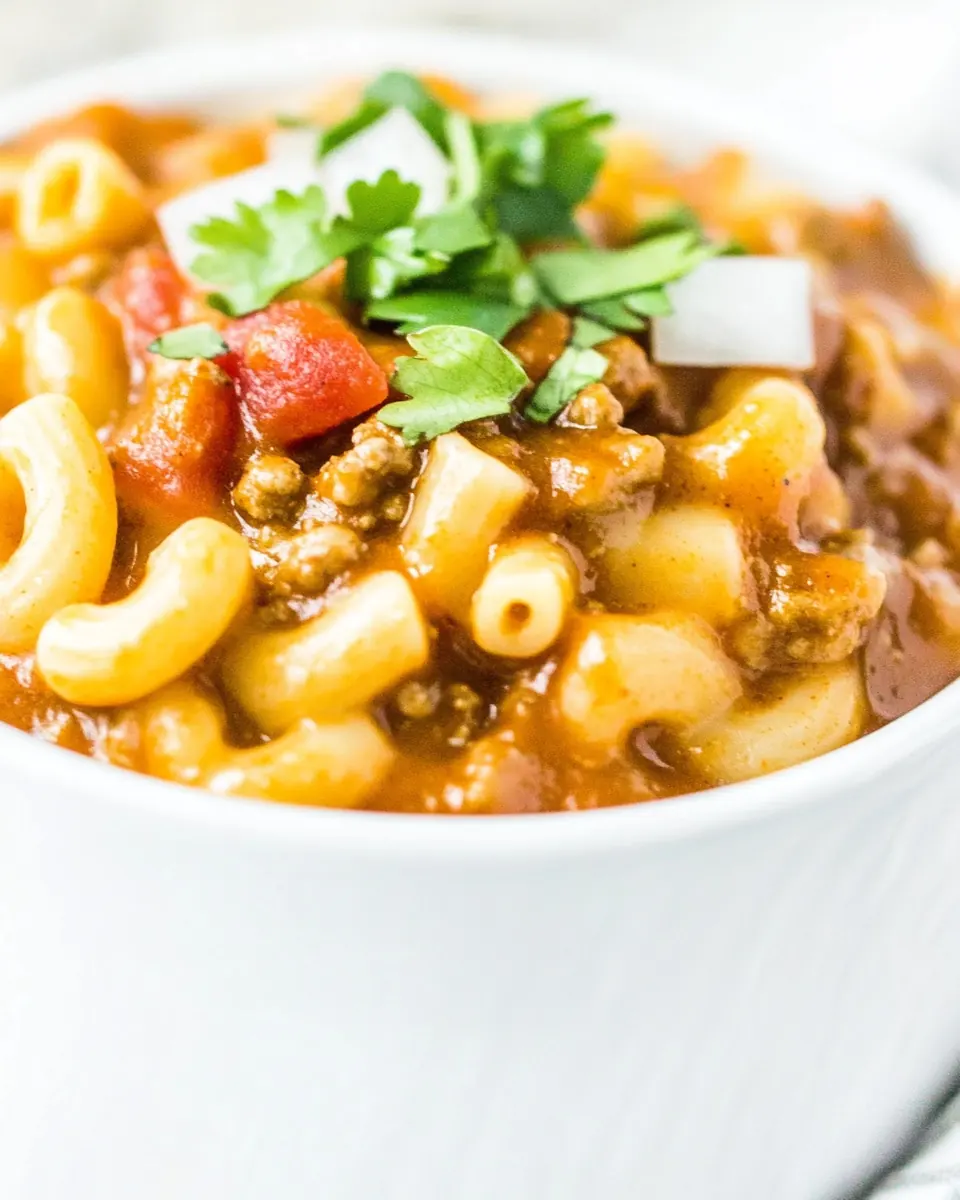
This ingredient list is built around hearty, pantry friendly items that work together to create a balanced, robust bowl. The key players are the protein rich ground beef, the tomato trio that builds depth, the warming spices that define the chili notes, and the elbow macaroni plus cheddar cheese that round everything into a comforting pasta meal.
- 2 lbs ground beef: Brown and crumble to provide a rich, savory base and substantial protein; render fat to help saute aromatics and coat pasta with flavor.
- 1 small yellow onion (finely diced): Finely dice and sauté to add sweet, aromatic depth and mellowed onion flavor that complements the tomato and spice components.
- 2 15 ounce cans diced tomatoes: Drain or include juices as desired and add bright, acidic tomato chunks that give texture and fresh tomato flavor throughout the dish.
- 1 15 ounce can tomato sauce: Pour in to contribute smooth tomato body and mild acidity, helping create a cohesive sauce that clings to pasta and beef.
- 1 6 ounce can tomato paste: Spoon in concentrated tomato intensity to thicken and deepen the sauce, balancing acidity and adding umami richness.
- 5 15 ounce cans water: Measure as liquid to cook the pasta and meld flavors; use water to adjust sauce consistency and ensure macaroni cooks through evenly.
- 1 15 ounce can kidney beans (drained and rinsed): Drain and rinse, then fold in to supply creamy, hearty bean texture and extra protein that boosts the chili-like character.
- 2 tbsp chili powder: Sprinkle and stir in to deliver warm, earthy heat and classic chili flavor; helps unify the meat, tomato, and bean elements.
- 2 tbsp garlic powder: Add to introduce mellowed garlic essence and round savory notes without overpowering; supports long-cooked depth when combined with other spices.
- 2 tbsp onion powder: Use to reinforce onion presence in powdered form for consistent savory backbone and to amplify overall flavor complexity.
- 2 tbsp cumin: Mix in for smoky, warm undertones and aromatic warmth; cumin anchors the chili profile and complements tomato and beef.
- 1 tbsp paprika: Stir in for mild smokiness and color, enhancing savory richness and contributing a subtle paprika sweetness to the sauce.
- 1/2 tbsp salt: Season sparingly to elevate flavors and balance acidity; aids in enhancing the overall taste profile without overwhelming other spices.
- 1 tsp ground black pepper: Grind and add to create mild heat and aromatic lift; black pepper brightens the savory elements and sharpens flavors.
- 3 cups elbow macaroni: Cook with the sauce as the starch component that soaks up flavors and provides tender, comforting body to the one-pot meal.
- 2 cups cheddar cheese (shredded): Sprinkle on at the end or fold in while hot to melt into a creamy, salty finish that adds richness and a cheesy bind.
- 1 tsp baking soda: Stir into boiling water or sauce to slightly raise pH and help prevent acidity-induced curdling, promoting pasta texture and smoothness.
Making This One Pot Chili Mac
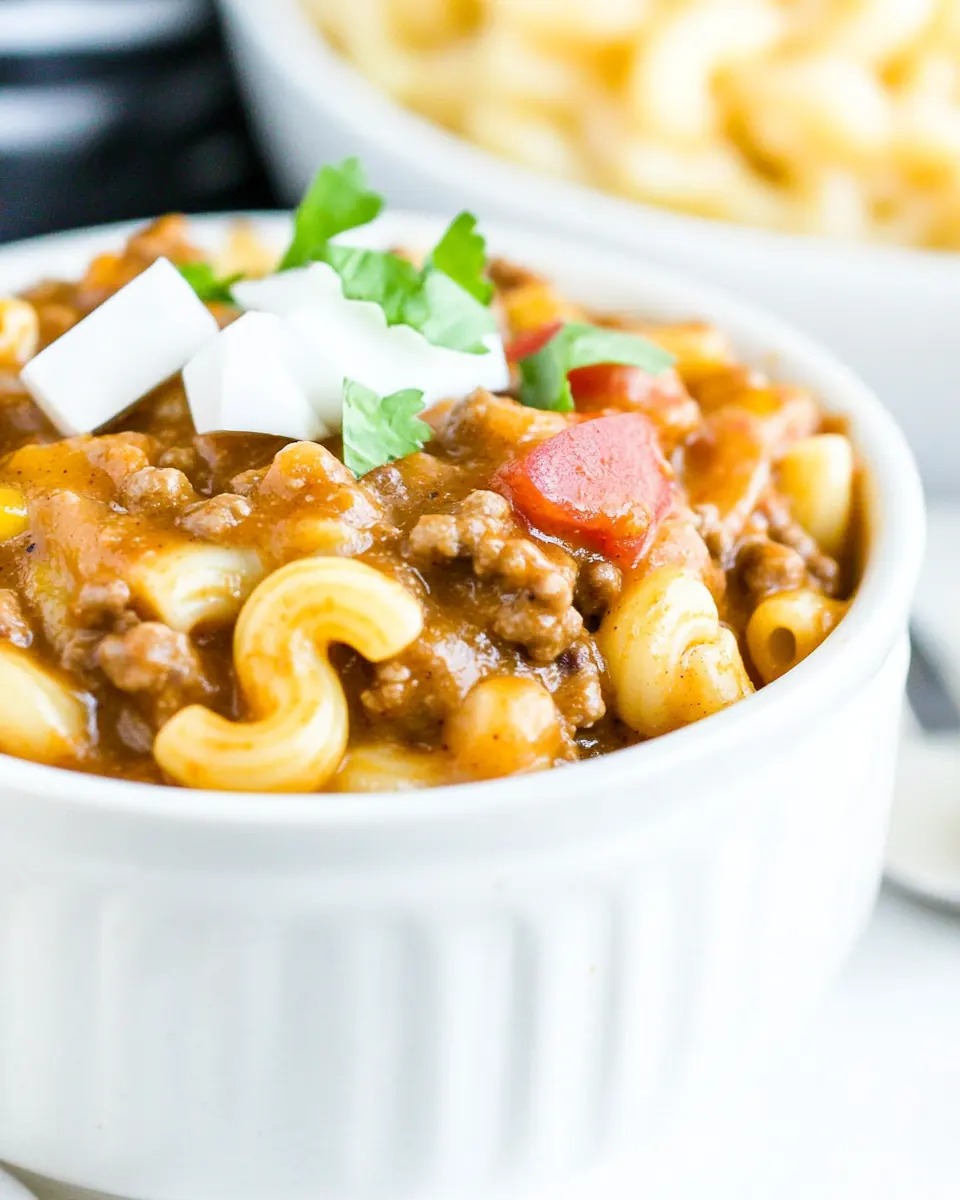
This is a forgiving, hands on set of steps that transforms simple ingredients into a saucy, cheesy pasta. The directions below walk you through building layers of flavor, and I’ll share sensory cues, why each technique matters, and what to watch out for so your One Pot Chili Mac turns out just right.
- In a large dutch oven, saute diced onions until translucent and they start to caramelize.: The kitchen should fill with a sweet, savory aroma as the onion softens and edges turn a light amber, a sign that natural sugars are developing. This step creates a flavor foundation that lifts the rest of the dish, because caramelized onion contributes both sweetness and depth. You will hear a gentle sizzle as moisture escapes, and visually the pieces become glossy and softer, not browned to a crisp. Stir frequently to prevent hot spots, and reduce heat if they begin to burn. A common mistake is rushing this step on high heat which yields bitter, charred bits instead of mellow sweetness, so be patient and keep the pan moving.
- Add ground meat and brown until just done. It’s okay if it still has some pink in it before you add the rest of the ingredients.: As the ground beef hits the pan you’ll hear a pronounced sizzle, and small browned bits will form on the pot surface, carrying concentrated flavor. Browning builds Maillard notes that enrich the sauce later, but avoid overcooking so the meat stays tender; slightly undercooking is fine because it will finish simmering in the sauce. Break the meat into even pieces so it cooks uniformly, and spoon off excess fat if the pot seems greasy, but preserve some for flavor. A pitfall here is cramming too much meat at once which steams instead of browns, so brown in batches if needed for an even crust.
- Add seasonings (minus the baking soda) and cook for 1-2 minutes, stirring continuously.: When you add the dry spices like chili powder , cumin , and paprika to the hot fat, you’ll immediately notice their aromas bloom into the air; this brief toasting unlocks essential oils that deepen the flavor. Stirring prevents burning and ensures each grain is coated, which helps distribute spice through the sauce. You should smell a toasty, warm fragrance rather than a sharp raw spice scent. Avoid leaving spices unmoved on the hot surface, since that causes bitterness; constant stirring for the short duration is the key technique here.
- Pour in the tomato sauce, diced tomatoes, water and tomato paste.: As you add the liquids, watch the pot change from dry and glossy to a bubbling, saucy pool. The tomato paste will dissolve and enrich the body of the sauce while the canned liquids loosen it. Visually you want a cohesive mixture where the paste has melted into the sauce and no raw paste clumps remain. Stir until evenly combined so pockets of concentrated paste do not cause uneven flavor. A common error is adding liquid to a pan that is too cold, which can leave clumps, so ensure the pot is warm and stir vigorously until smooth.
- Bring to a simmer over medium low heat and cook for about 10 minutes.: The sauce should develop gentle, steady bubbles that break on the surface rather than a rolling boil, a sign the flavors are marrying without reducing too quickly. During this time, the tomatoes will soften and the liquid will slightly thicken, concentrating the taste. You’ll smell a unified tomato and spice aroma instead of raw tomato. Keep the heat steady to avoid scorching, and stir occasionally to prevent sticking. Rushing with higher heat can cause separation or burnt flavors, so maintain that gentle simmer as the safest approach.
- Stir in the baking soda. The sauce will start to bubble up. Stir over medium heat until the bubbles have gone away.: When the baking soda hits the acidic tomato base it creates a noticeable fizz, and the bubbling is an expected reaction that quickly subsides as the pH balances. This alters the sauce flavor, rounding off sharp acidity and producing a smoother mouthfeel. You should stir until the foam dissipates and the sauce returns to a calm simmer, ensuring no pockets of foam remain. Avoid adding too much baking soda or the sauce can taste soapy, so stick to the specified small amount and watch the reaction unfold.
- Stir in beans and pasta. Simmer until macaroni is al dente. Remove from heat and sprinkle cheese on top and let it melt. Stir and serve.: As you add the kidney beans and elbow macaroni , the pot will thicken and the macaroni will begin absorbing the sauce, plumping and releasing a subtle starchy sheen that helps the mixture cling together. The bubbling sound becomes softer and the aroma richer as starch and tomato integrate. Cook until the pasta is tender but still slightly firm at the center, which ensures a pleasant bite rather than mush. After removing from heat, the hot surface will melt the cheddar cheese , creating ribbons of creamy texture. A common misstep is overcooking the macaroni to mush, so taste a piece early and often to achieve the perfect al dente finish.
- Top bowls with more cheese.: Serving each portion with an extra handful of shredded cheddar cheese adds a glossy, melty topping that creates contrast between the warm saucy base and the cool cheese as it softens. The cheese forms small pools and strings that add richness to every spoonful, and visually it looks inviting with a creamy sheen. If you prefer a crust, briefly broil portions to brown the cheese, watching closely to prevent burning. A typical error is adding cold cheese too early which prevents even melting, so top just before serving to achieve the best texture.
Change It Up
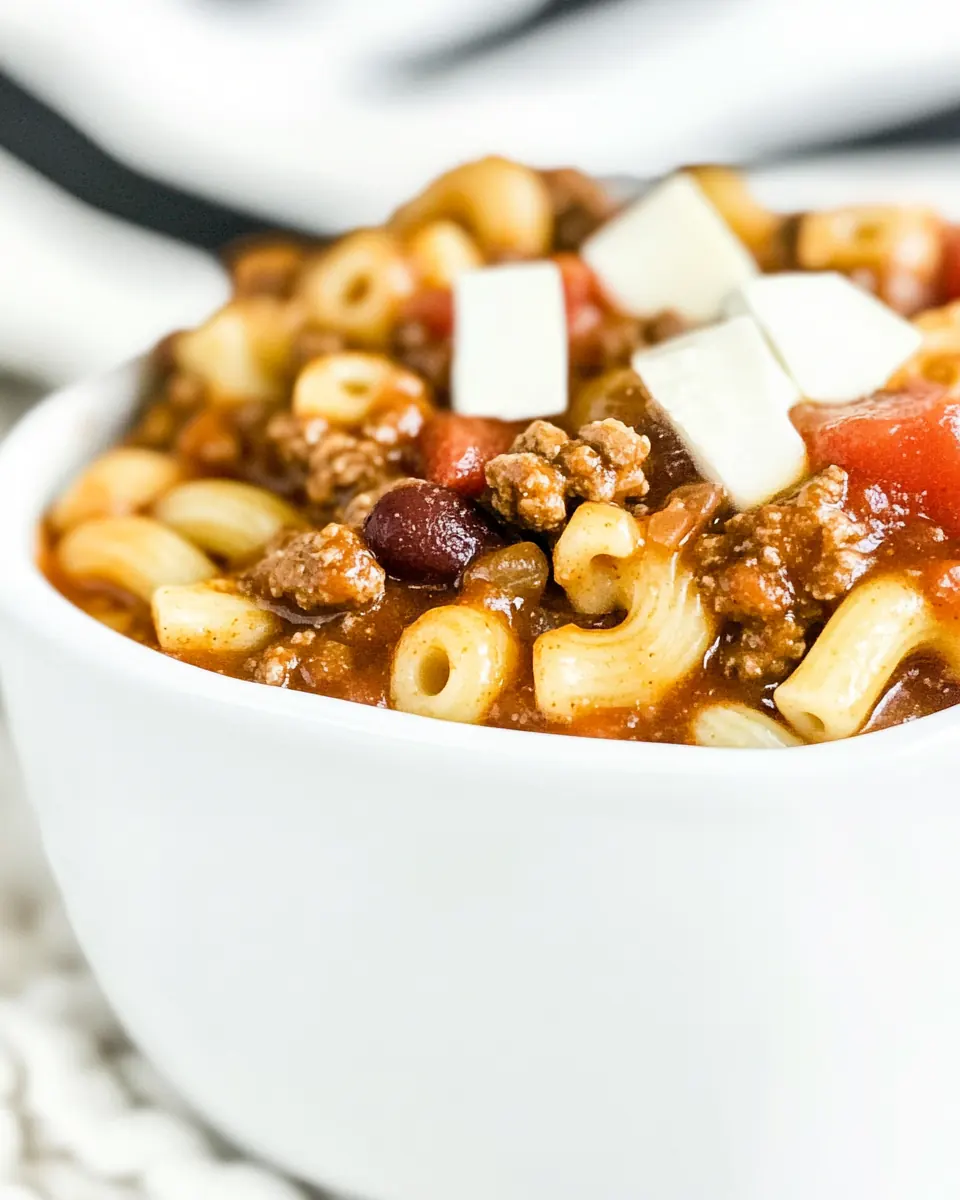
You can vary One Pot Chili Mac in small ways to change texture, heat, or presentation without altering the core method. Below are practical, tested ideas that keep the dish reliable while letting you personalize each batch.
- Make it milder Reduce the chili powder by half if you prefer a gentler spice level, and rely on paprika for color so the flavors remain balanced without intense heat.
- Stretch with beans Add an extra can of kidney beans to increase volume and fiber, which is helpful when feeding a larger group without changing cooking time significantly.
- Texture tweak Use a slightly shorter pasta time to keep some chew in the elbow macaroni, then allow the dish to sit off heat for a few minutes so the sauce thickens and coats each piece.
- Cheese swap Try a blend of cheeses by mixing the specified cheddar cheese with a small portion of a sharper cheese to add complexity while maintaining a creamy melt.
- Advance prep Brown the ground beef and cool it, then refrigerate for up to two days to cut active cooking time. Reheat gently with the sauce to finish the dish.
Perfect Pairings for One Pot Chili Mac
One Pot Chili Mac is inherently hearty, so pairings should balance richness, add bright contrast, and fit the casual vibe of the dish. Below are serving ideas, occasion fits, storage notes, and seasonal suggestions to help you plan meals around this dish.
- Side salad for brightness A crisp green salad with a tangy vinaigrette cuts through the richness, offering a refreshing counterpoint to the saucy pasta.
- Crusty bread for scooping Serve with warm bread to mop up sauce, making the meal feel extra comforting while adding a pleasant chew.
- Family dinners and weeknights This dish shines for busy evenings and casual family meals where you want something filling and fuss free; it feeds well and appeals to varied tastes.
- Meal prep and leftovers Store cooled portions in airtight containers for up to three days, and reheat gently on the stove or in the microwave to preserve texture and avoid drying out.
- Seasonal fit In colder months like winter, the warm spices and hearty profile make it an ideal comfort food; pair with roasted vegetables for a fuller winter plate.
- Occasion flexibility Serve it for casual gatherings where a big pot of something warming and shareable keeps guests satisfied without a lot of ceremony.
FAQ
Conclusion
What makes One Pot Chili Mac special is its ability to turn simple pantry items into a deeply flavored, comforting meal with minimal fuss and one pot to clean. It brings together a savory meat base, bold spices, tomato richness, and melty cheese in a way that appeals to both kids and adults. I hope you give it a try on a busy weeknight or when you need a bowl that warms both belly and mood. When you do, take notice of the little moments I mentioned, like the caramelized onion and the baking soda fizz, because those small steps are what turn a good meal into a memorable one.
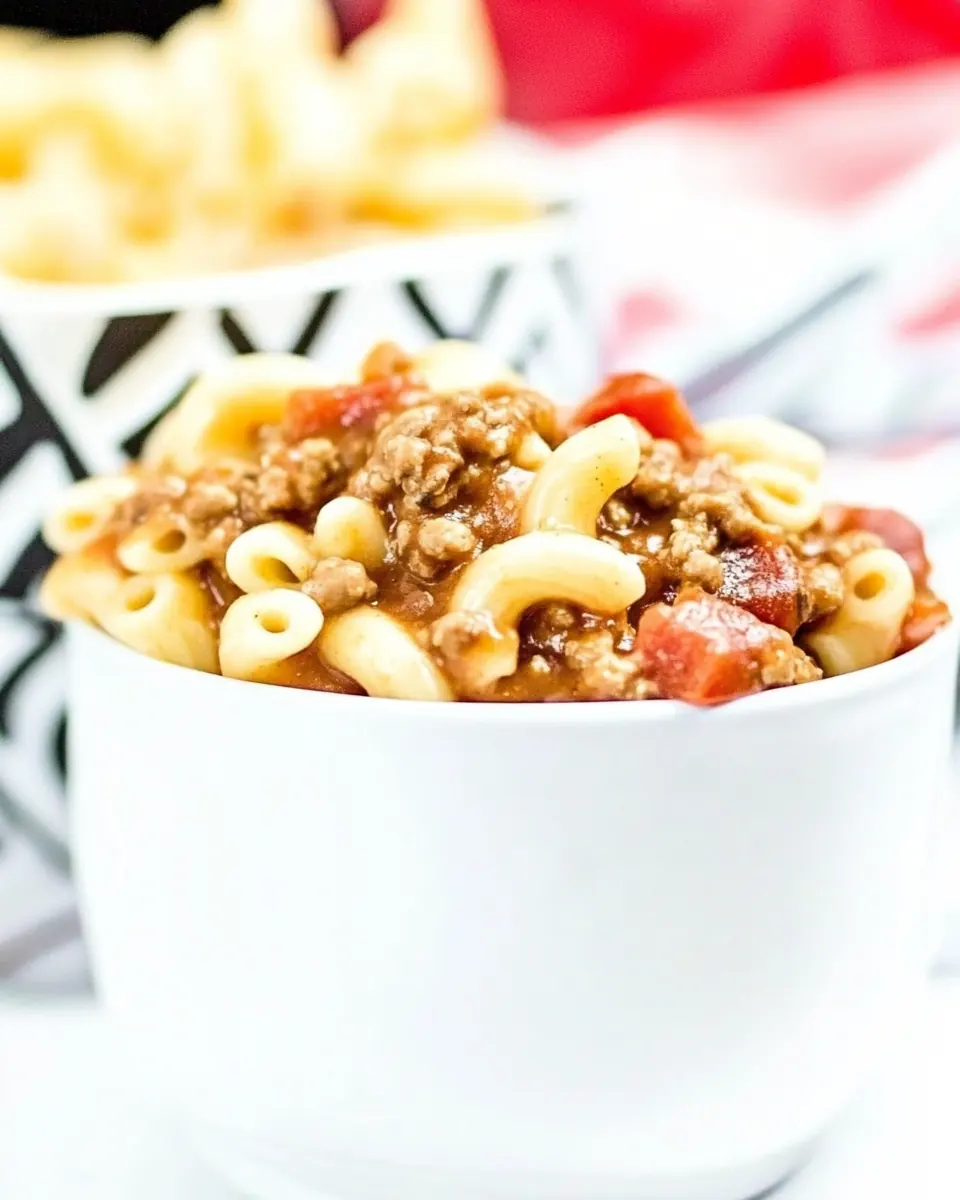
One Pot Chili Mac
Ingredients
Equipment
Method
- In a large dutch oven, saute diced onions until translucent and they start to caramelize.: The kitchen should fill with a sweet, savory aroma as the onion softens and edges turn a light amber, a sign that natural sugars are developing. This step creates a flavor foundation that lifts the rest of the dish, because caramelized onion contributes both sweetness and depth. You will hear a gentle sizzle as moisture escapes, and visually the pieces become glossy and softer, not browned to a crisp. Stir frequently to prevent hot spots, and reduce heat if they begin to burn. A common mistake is rushing this step on high heat which yields bitter, charred bits instead of mellow sweetness, so be patient and keep the pan moving.
- Add ground meat and brown until just done. It’s okay if it still has some pink in it before you add the rest of the ingredients.: As the ground beef hits the pan you’ll hear a pronounced sizzle, and small browned bits will form on the pot surface, carrying concentrated flavor. Browning builds Maillard notes that enrich the sauce later, but avoid overcooking so the meat stays tender; slightly undercooking is fine because it will finish simmering in the sauce. Break the meat into even pieces so it cooks uniformly, and spoon off excess fat if the pot seems greasy, but preserve some for flavor. A pitfall here is cramming too much meat at once which steams instead of browns, so brown in batches if needed for an even crust.
- Add seasonings (minus the baking soda) and cook for 1-2 minutes, stirring continuously.: When you add the dry spices like chili powder , cumin , and paprika to the hot fat, you’ll immediately notice their aromas bloom into the air; this brief toasting unlocks essential oils that deepen the flavor. Stirring prevents burning and ensures each grain is coated, which helps distribute spice through the sauce. You should smell a toasty, warm fragrance rather than a sharp raw spice scent. Avoid leaving spices unmoved on the hot surface, since that causes bitterness; constant stirring for the short duration is the key technique here.
- Pour in the tomato sauce, diced tomatoes, water and tomato paste.: As you add the liquids, watch the pot change from dry and glossy to a bubbling, saucy pool. The tomato paste will dissolve and enrich the body of the sauce while the canned liquids loosen it. Visually you want a cohesive mixture where the paste has melted into the sauce and no raw paste clumps remain. Stir until evenly combined so pockets of concentrated paste do not cause uneven flavor. A common error is adding liquid to a pan that is too cold, which can leave clumps, so ensure the pot is warm and stir vigorously until smooth.
- Bring to a simmer over medium low heat and cook for about 10 minutes.: The sauce should develop gentle, steady bubbles that break on the surface rather than a rolling boil, a sign the flavors are marrying without reducing too quickly. During this time, the tomatoes will soften and the liquid will slightly thicken, concentrating the taste. You’ll smell a unified tomato and spice aroma instead of raw tomato. Keep the heat steady to avoid scorching, and stir occasionally to prevent sticking. Rushing with higher heat can cause separation or burnt flavors, so maintain that gentle simmer as the safest approach.
- Stir in the baking soda. The sauce will start to bubble up. Stir over medium heat until the bubbles have gone away.: When the baking soda hits the acidic tomato base it creates a noticeable fizz, and the bubbling is an expected reaction that quickly subsides as the pH balances. This alters the sauce flavor, rounding off sharp acidity and producing a smoother mouthfeel. You should stir until the foam dissipates and the sauce returns to a calm simmer, ensuring no pockets of foam remain. Avoid adding too much baking soda or the sauce can taste soapy, so stick to the specified small amount and watch the reaction unfold.
- Stir in beans and pasta. Simmer until macaroni is al dente. Remove from heat and sprinkle cheese on top and let it melt. Stir and serve.: As you add the kidney beans and elbow macaroni , the pot will thicken and the macaroni will begin absorbing the sauce, plumping and releasing a subtle starchy sheen that helps the mixture cling together. The bubbling sound becomes softer and the aroma richer as starch and tomato integrate. Cook until the pasta is tender but still slightly firm at the center, which ensures a pleasant bite rather than mush. After removing from heat, the hot surface will melt the cheddar cheese , creating ribbons of creamy texture. A common misstep is overcooking the macaroni to mush, so taste a piece early and often to achieve the perfect al dente finish.
- Top bowls with more cheese.: Serving each portion with an extra handful of shredded cheddar cheese adds a glossy, melty topping that creates contrast between the warm saucy base and the cool cheese as it softens. The cheese forms small pools and strings that add richness to every spoonful, and visually it looks inviting with a creamy sheen. If you prefer a crust, briefly broil portions to brown the cheese, watching closely to prevent burning. A typical error is adding cold cheese too early which prevents even melting, so top just before serving to achieve the best texture.
Notes
- Make it milder Reduce the chili powder by half if you prefer a gentler spice level, and rely on paprika for color so the flavors remain balanced without intense heat.
- Stretch with beans Add an extra can of kidney beans to increase volume and fiber, which is helpful when feeding a larger group without changing cooking time significantly.
- Texture tweak Use a slightly shorter pasta time to keep some chew in the elbow macaroni, then allow the dish to sit off heat for a few minutes so the sauce thickens and coats each piece.
- Cheese swap Try a blend of cheeses by mixing the specified cheddar cheese with a small portion of a sharper cheese to add complexity while maintaining a creamy melt.
- Advance prep Brown the ground beef and cool it, then refrigerate for up to two days to cut active cooking time. Reheat gently with the sauce to finish the dish.