Sweet Potato Soup
Sweet Potato Soup came into my weeknight rotation the moment I needed something warm, nourishing, and a little bit bold after a long day in the kitchen and life outside of it. I can still recall the first time I ladled a steaming bowl and paused, because the aroma of coconut and curry pulled me back to a memory of a street stall meal on a chilly evening, even though I had made this at home in my own tiny apartment.
There is a comfort in stirring a pot and watching simple vegetables transform into silk. When I make Sweet Potato Soup I often think about the way a humble handful of spices can make a soup sing, and how the texture matters as much as the flavor. This recipe feels like company food, but also like solo comfort. Sometimes I cook it slowly on a night I want to decompress, other times I speed through the steps because a craving will not be denied. Either way, the result is always a bowl that feels like a small celebration.
Recipe Snapshot
1 hr 15 mins
40 mins
35 mins
Medium
250 kcal
American
Gluten-Free, Vegan
Soups
Large pot, Blender or food processor
Why This Sweet Potato Soup Shines
Deep, layered flavor without fuss
I love how the blend of sweet potatoes, coconut milk, and curry creates a soup that tastes composed yet approachable. The spices do the heavy lifting, building warmth and complexity while the vegetables provide a naturally sweet, earthy base. I find this combination hits the sweet spot between comfort and excitement.
Texture that feels luxurious
The pureed finish gives this soup a silky mouthfeel that feels decadent, even though it relies mostly on plant based ingredients. I always aim for a velvety texture because I know that the creaminess makes each spoonful feel satisfying and complete. When you blend it well, the soup clings to the spoon and coats the palate in the best way.
Flexible and forgiving
I appreciate recipes that tolerate small improvisations, and Sweet Potato Soup is forgiving. The recipe accepts slight variations in spice levels, and you can adjust the thickness by changing how much vegetable stock or coconut milk you add. I value this because life rarely hands you perfect produce or exact timing, and this soup still shines.
Simple pantry ingredients, impressive result
This recipe relies on things I usually have on hand, like onion, garlic, and spice jars, yet it produces an outcome that feels restaurant worthy. That contrast between humble ingredients and impressive flavor is one reason I keep making it. It also works well for both quiet dinners and casual gatherings, which makes it a reliable choice.
Comfort that travels well
I also love that leftovers hold up beautifully. The flavors deepen in the fridge and reheating is straightforward. For me, a recipe that gets better with time is a keeper, and this soup fits that bill perfectly.
Shopping List for Sweet Potato Soup
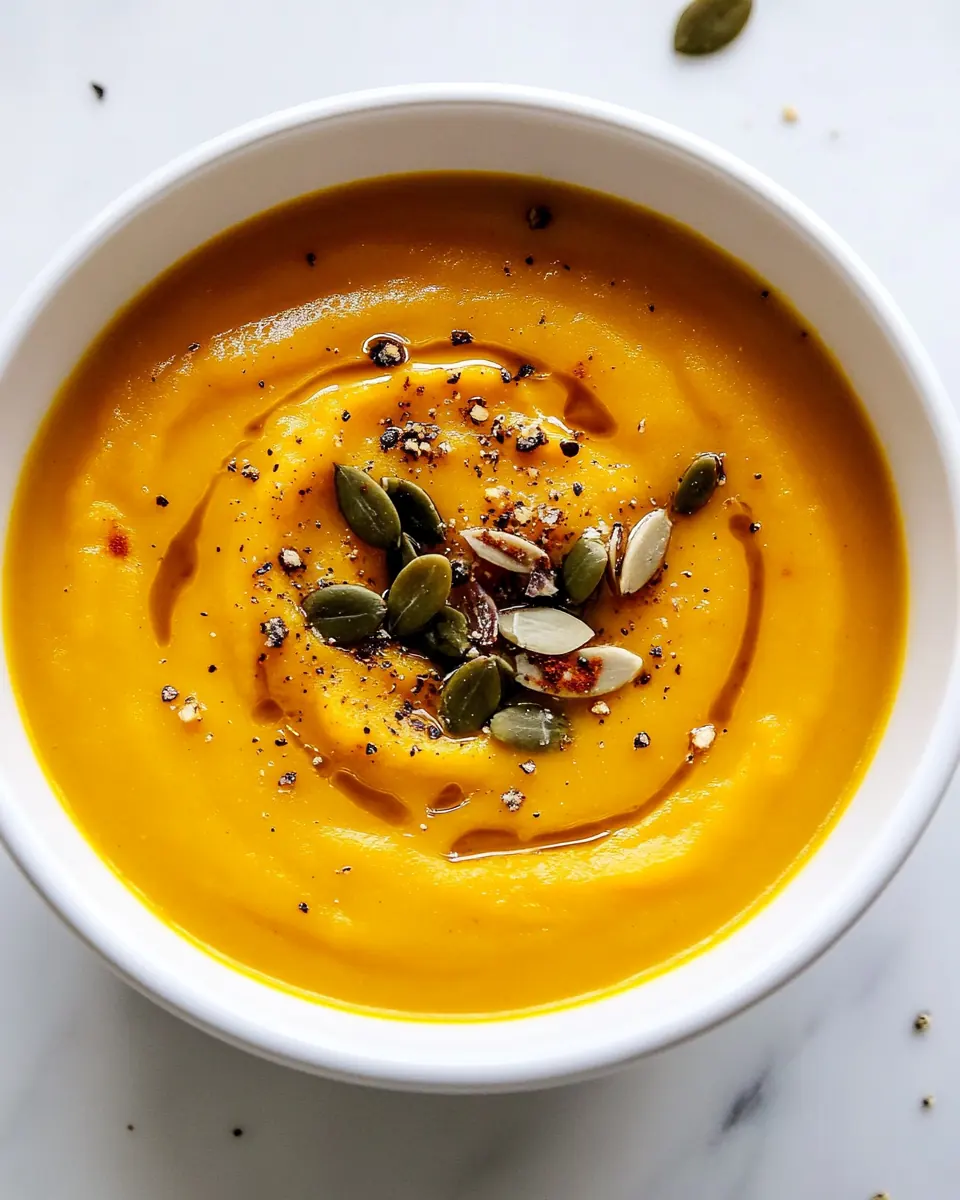
These ingredients are chosen to balance richness, warmth, and texture. The key players are the starchy sweet potatoes that provide body and sweetness, the creamy coconut milk that rounds the mouthfeel, and the spice trio that brings complexity. Together they create a soup that feels layered yet uncomplicated.
- 1/4 cup coconut oil measured when solid: Melted when heated and solid at room temperature, provides a rich, tropical fat that helps sauté aromatics and adds a subtle coconut flavor to the soup; contributes to a silky mouthfeel and aids in carrying fat-soluble spices.
- 1 cup finely diced yellow onion 1 large onion: Finely diced to soften quickly and release natural sweetness, contributes a savory base and aromatic depth when caramelized; adds texture and balances sweeter vegetables in the broth.
- 1 cup finely diced carrots 2 to 3 large carrots: Finely diced to cook through evenly, offers natural sweetness and body while complementing other root vegetables; contributes color and a tender bite that enhances the soup’s mouthfeel.
- 1 red pepper diced: Diced to add a bright, sweet bell pepper note and fresh vegetal flavor; contributes color contrast and a slight crispness when not fully cooked down.
- 1 tablespoon finely minced garlic 3 to 4 cloves: Finely minced to infuse a pungent, aromatic garlic character throughout the soup; provides savory umami and depth that enhances other seasonings.
- 1/2 tablespoon finely minced ginger 1-inch piece of ginger: Finely minced to deliver warm, zesty heat and a bright, slightly citrusy warmth; helps brighten the overall flavor profile and balances richer coconut elements.
- 1 tablespoon granulated sugar: Granulated sugar to gently amplify and balance savory and spicy components; rounds acidity and enhances the natural sweetness of the root vegetables.
- 2 tablespoons red curry paste I use Thai Kitchen: Red curry paste to introduce concentrated Thai-style spice, aromatics, and umami, forming the primary spicy base; blends with coconut milk for a layered curry flavor.
- 1 tablespoon yellow curry powder I use Simple Truth Organic: Yellow curry powder to provide warming, earthy curry notes and a mellow depth of flavor; complements red curry paste and enriches the overall spice blend.
- 1 teaspoon ground turmeric: Ground turmeric to add warm, slightly bitter earthiness along with a vibrant golden color and subtle anti-inflammatory qualities; supports the savory and curry flavors.
- 1/2 teaspoon ground cumin: Ground cumin to contribute warm, nutty, and slightly smoky undertones that deepen the curry profile; helps ground the brighter spices and aromatics.
- 1/2 teaspoon ground coriander: Ground coriander to supply citrusy, floral, and slightly sweet notes that lift the spice blend; pairs with cumin to create a balanced, layered seasoning.
- 1/4 teaspoon red pepper flakes (omit if sensitive to spice) (optional): Red pepper flakes to provide optional heat and a sharp, lingering spiciness when included; allows control over the soup’s overall spiciness level.
- Salt and pepper: Used to season and enhance all flavors when adjusted to taste; essential for balancing sweetness, spice, and richness in the finished soup.
- 5 cups chopped sweet potatoes 1/2-inch pieces, 2 to 3 large potatoes: Chopped into uniform half-inch pieces so they cook evenly, supplying the primary body, natural sweetness, and creamy texture once puréed; forms the soup’s substantive base.
- 2 (13.5-ounce) cans coconut milk regular, full-fat: Full-fat coconut milk to lend creamy richness, tropical coconut flavor, and a silky texture to the broth; mellows spices and enriches the soup’s mouthfeel.
- 2 cups vegetable stock I recommend Swanson’s: Vegetable stock to provide savory liquid, depth, and a balanced backbone for the soup while adding umami without meat; helps control consistency and dilutes the richness appropriately.
- Roasted and lightly salted pepita seeds , for garnish (optional): Roasted, lightly salted pepita seeds to garnish with crunchy texture and a nutty, toasty flavor while adding visual contrast; optional finishing touch that provides a pleasant bite.
Preparation Steps for Sweet Potato Soup
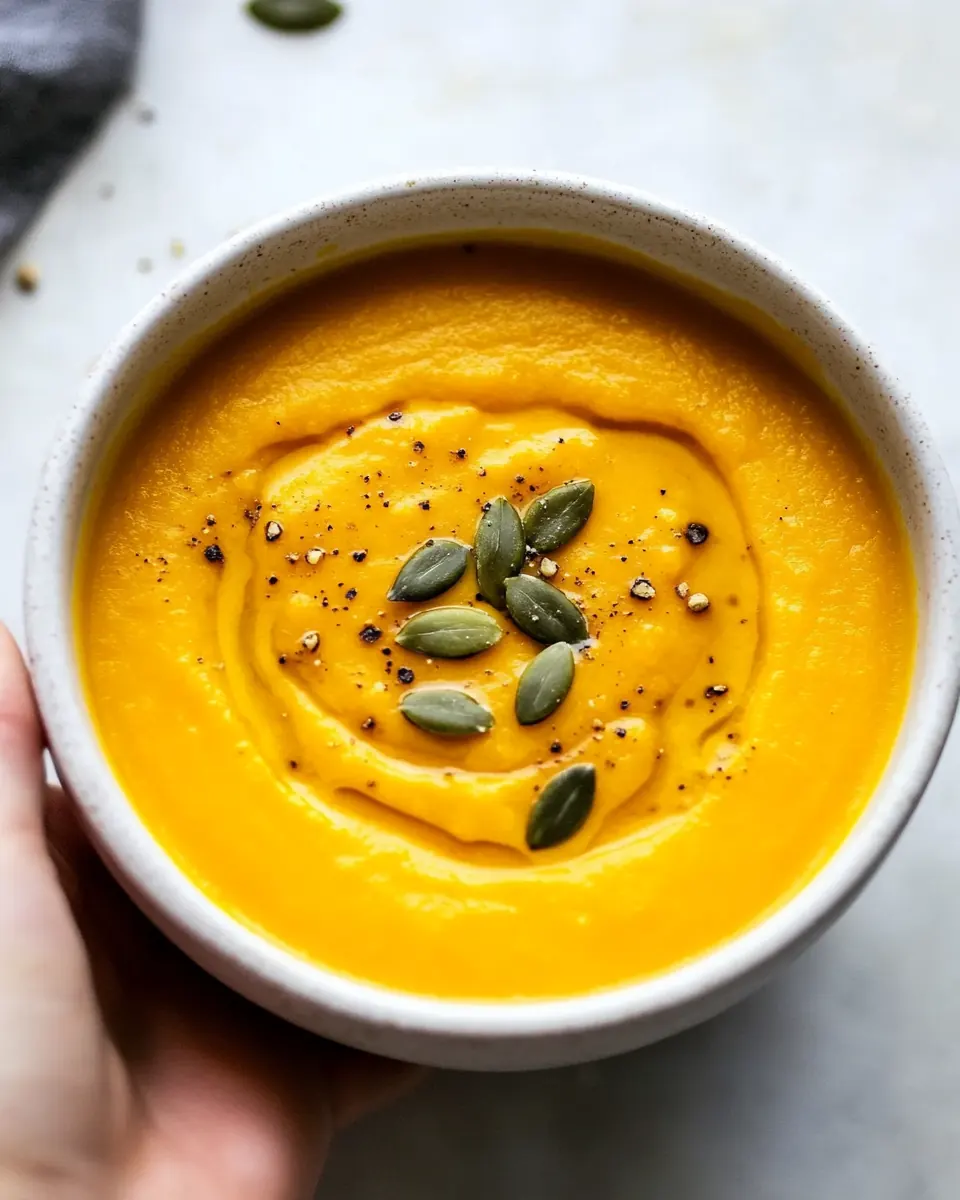
These directions are built to guide you from fragrant sautéing to a silky puree. I walk through each phase with sensory cues so you know what to look, smell, and listen for as the soup develops.
- Heat coconut oil in a large pot over medium heat. Add finely diced onion, carrots, pepper, minced garlic, and ginger. Season with 1/8 teaspoon each salt and pepper. Sauté, stirring occasionally, until onion is translucent and veggies begin to soften, 7–8 minutes.: You should notice the faint coconut scent as the solid coconut oil melts, creating a glossy surface on the pot. The oil will shimmer slightly when it is hot enough, but avoid smoking. This initial heat helps the vegetables release moisture and flavors. A common mistake is overheating the oil so it smokes, which can impart bitterness. If the pot starts to smoke, lower the heat and let it cool briefly before adding vegetables.
- Add in sugar; stir 3–4 more minutes to slightly caramelize veggies. Add red curry paste and seasonings: yellow curry powder, turmeric, ground cumin, ground coriander, red pepper flakes, and salt and pepper to taste (I add 1/4 teaspoon each). Sauté for 2–3 minutes, or until very fragrant, stirring constantly.: As these aromatics hit the pan, expect a soft sizzle and a burst of fragrant steam. The onion will begin to look translucent and the edges of the carrots and pepper will soften. Stir occasionally to ensure even cooking and prevent sticking. Why this matters, the gentle sweating draws out sugars that become the savory foundation. Troubleshoot if things stick by reducing heat and adding a splash of stock.
- Add diced sweet potatoes and season again with salt and pepper (I add 1/4 teaspoon each). Continue to cook over medium heat, stirring frequently, 8–10 minutes.: This light seasoning early on encourages the vegetables to release moisture and develop sweetness. You will notice the flavors opening up as the salt pulls aromatics forward. One misstep is under seasoning at this stage, which can lead to flat flavors later. If the pot tastes dull while cooking, a pinch more salt will help the ingredients sing.
- Pour in vegetable stock and coconut milk; season again with salt and pepper (I add 1/4 teaspoon salt and 1/8 teaspoon pepper; season to personal preference).: Listen for a soft sizzling and look for the onion to turn glossy and slightly golden at the edges. The vegetables will lose their raw bite and begin to smell sweeter. This stage builds the base, and rushing it will yield less depth. If you notice browning too quickly, lower the heat, because you want gentle caramelization, not burning.
- Bring to a boil over high heat and scrape up any bits that have formed on the bottom. Reduce heat to medium or until the soup is at a rapid simmer (bubbling at edges) but not boiling. Cook, stirring occasionally, until soup has reduced and thickened and sweet potatoes are tender, about 18–25 minutes.: The sugar helps deepen color and add a subtle caramel flavor, which enhances the final profile. You will see a slight darkening and smell a toasted sweetness. Stir constantly to avoid hot spots that can burn. A common error is adding too much sugar, which will make the soup overly sweet; stick to the small amount called for.
- Once sweet potatoes can be easily pierced with a fork, carefully transfer the soup (in batches if needed) to a blender or food processor. Puree the soup (see note 2), then return the smooth soup to the pot over medium-low heat. Season to taste with salt and pepper (I add in another 1/4 teaspoon each here). Serve, garnished with pepita seeds if desired.: yellow curry powder, turmeric, ground cumin, ground coriander, red pepper flakes, and salt and pepper to taste. : As the spices toast in the hot oil, a fragrant plume should rise, releasing their essential oils. This is aromatic brilliance, and it transforms the dish. Keep stirring constantly during this brief step to bloom the spices and avoid burning. If spices darken too fast, reduce the heat immediately; burnt spices will create bitterness.
- Sauté for 2 to 3 minutes, or until very fragrant, stirring constantly.: You’ll recognize this moment by a strong curry aroma and a richer color on the vegetables. Blooming the spices unlocks depth and makes the seasoning more integrated. This step is short but pivotal, so don’t skip it. If the mixture seems dry, add a tablespoon of stock to prevent scorching and to capture any browned bits.
- Add diced sweet potatoes and season again with salt and pepper.: When the sweet potatoes hit the pot, they will momentarily cool the pan and release a subtle starch scent as they heat. Seasoning them helps distribute flavor into the chunks as they cook. Stir so they are coated with the spiced oil. A common mistake is crowding the pot too much, which can steam instead of sauté; give the pieces space for even cooking.
- Continue to cook over medium heat, stirring frequently, 8 to 10 minutes.: The sweet potato pieces will begin to soften and edges may take on a little color. You want them tender enough to pierce with a fork later, but not falling apart yet. Frequent stirring prevents sticking and ensures even cooking. If some pieces brown unevenly, scrape the bottom to incorporate those browned bits into the flavor.
- Pour in vegetable stock and coconut milk; season again with salt and pepper.: As the liquid hits the pot, you’ll hear a louder simmer and steam will rise. The mixture will transform from a sautéed base into a bubbling stew, and the coconut milk adds a glossy, creamy sheen. This liquid is what cooks the sweet potatoes through and builds the body. Avoid adding too little liquid which can make the soup too thick mid simmer; if it looks too concentrated, add extra stock.
- Bring to a boil over high heat and scrape up any bits that have formed on the bottom.: The boil will loosen flavorful fond from the pot, and scraping incorporates those caramelized pieces back into the soup. Once it reaches a boil, reduce to a rapid simmer that bubbles at the edges. Boiling too vigorously can cause splatter and uneven cooking, so ease the heat down to maintain control.
- Reduce heat to medium or until the soup is at a rapid simmer but not boiling.: A controlled simmer ensures gentle breakdown of the sweet potatoes without breaking emulsions in the coconut milk . You should see steady small bubbles around the edge and a warm steam, not a rolling boil. Overcooking at high heat can separate the coconut fat, so keep it steady.
- Cook, stirring occasionally, until soup has reduced and thickened and sweet potatoes are tender, about 18 to 25 minutes.: Expect the kitchen to fill with warm curry and coconut aromas, and watch for the soup to thicken slightly as potatoes soften and release starch. Stir occasionally to prevent sticking and to check tenderness with a fork. A mistake to avoid is under cooking, which yields chunky, uneven texture; test a few pieces to confirm tenderness before proceeding.
- Once sweet potatoes can be easily pierced with a fork, carefully transfer the soup to a blender or food processor.: The steam will be hot and the soup heavy, so use caution and work in batches if necessary. When you pour into the blender, you may notice a rich, silky liquid that begs to be pureed. If you skip this step or rush it, you’ll miss the smooth, luxurious texture. Never seal a hot blender lid fully; vent to avoid pressure buildup.
- Puree the soup then return the smooth soup to the pot over medium low heat.: The soup should blend into a silky, cohesive liquid with no lumps. On the stove, a gentle reheat brings everything together and allows final seasoning adjustments. If the texture feels too thick, thin with a splash of stock. Overblending can make it too thin, so pulse to the desired consistency.
- Season to taste with salt and pepper and serve, garnished with pepita seeds if desired.: At this point the aroma is integrated and the flavor should be balanced. Taste and adjust seasoning to your preference, then ladle into bowls and sprinkle roasted pepita seeds for texture. The most common error here is under seasoning, so be bold and add what it needs for your palate.
Recipe Variations about Sweet Potato Soup
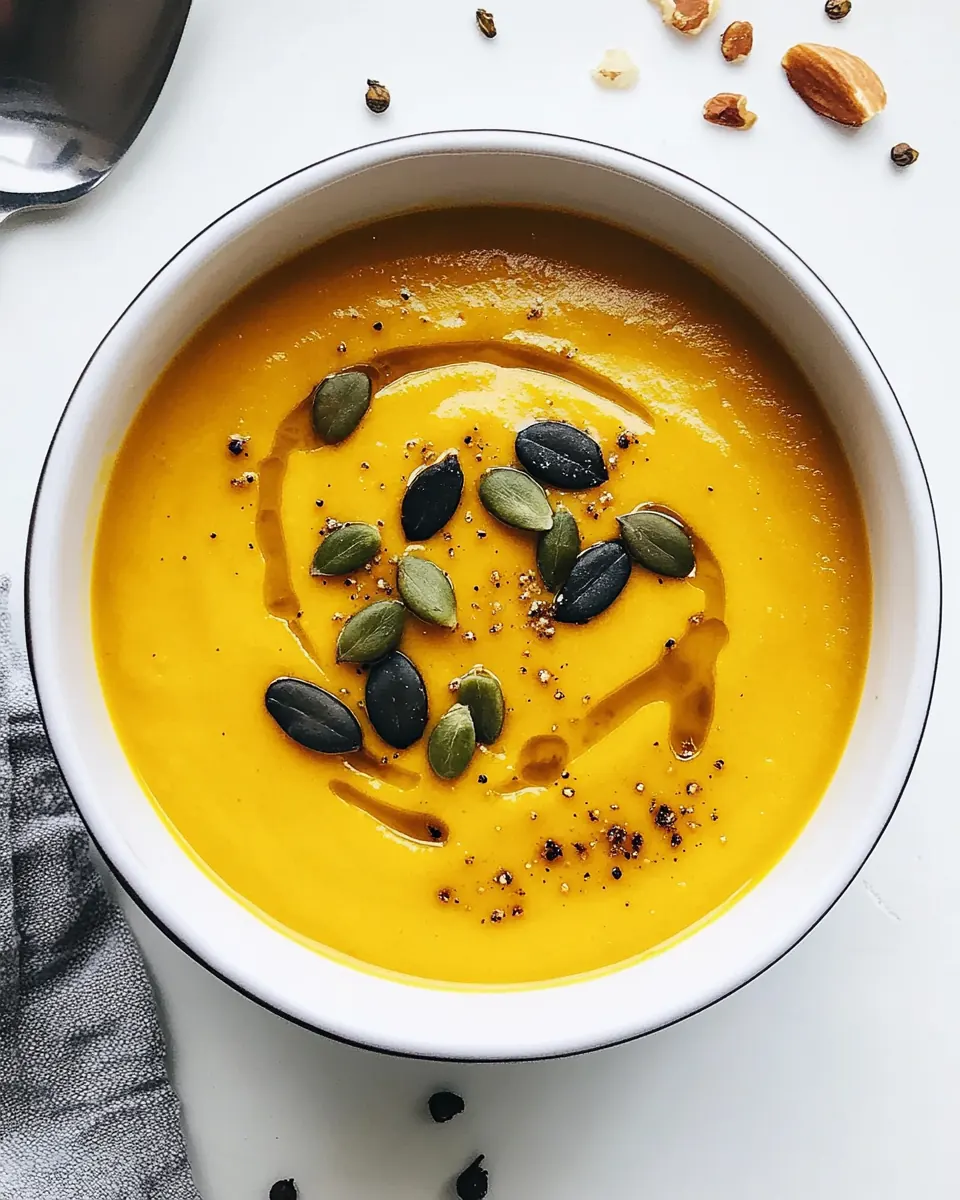
This section offers practical twists and helpful adjustments to make the recipe your own. Each tip starts with a bold phrase for quick scanning, followed by a focused explanation.
- Richer coconut base Use full fat coconut milk as recommended to create the richest mouthfeel, which helps the pureed soup feel luxurious and satisfying without dairy.
- Mild or spicy Control heat by omitting the red pepper flakes or increasing them slightly, tasting as you go to keep the spice level friendly for your guests.
- Texture adjustments If you prefer a chunkier soup, reserve one cup of cooked sweet potatoes before pureeing and stir them back in at the end for pleasant bite.
- Blending safety When transferring hot soup to a blender, work in small batches and vent the lid with a towel to prevent steam pressure buildup and splatters.
- Storage notes Cool the soup to room temperature before refrigerating in an airtight container; it will keep well for up to five days and flavors deepen over time.
- Garnish ideas Roasted pepita seeds add a toasty crunch, or keep them off if you prefer a fully smooth texture; add just before serving to maintain crispness.
Perfect Pairings for Sweet Potato Soup
How you serve this soup shapes the whole experience. Below are thoughtful pairings and occasions that elevate the meal, each item starting with a highlighted serving suggestion.
- Casual weeknight dinner Pair a bowl with a simple green salad for a light, balanced meal that feels complete without much fuss, ideal for busy evenings.
- Cozy dinner party Offer small bowls as a starter to warm guests, followed by a heartier main; the soup’s richness sets a comforting tone for the meal.
- Ramadan or fasting meals Serve this soup as part of Iftar because it is warming and nourishing, providing easy to digest energy and gentle flavors after a fast.
- Storage and freezing Cool completely, then refrigerate up to five days or freeze portions for up to three months; thaw slowly and reheat gently on low to preserve texture.
- Seasonal pairing This is especially fitting for fall menus when sweet potatoes are at their peak and people crave warming dishes with spice.
- Presentation tips Garnish with pepita seeds just before serving to add visual contrast and textural interest on top of the creamy surface.
FAQ
Conclusion
This Sweet Potato Soup stands out for its creamy texture and warm, spice forward character that feels both comforting and elevated. I encourage you to give it a try because it is forgiving, uses pantry friendly ingredients, and rewards you with a bowl that warms from the first spoonful to the last. Serve it on a cool evening or pack leftovers for a nourishing lunch, and you’ll see why it has become a staple in my rotation.
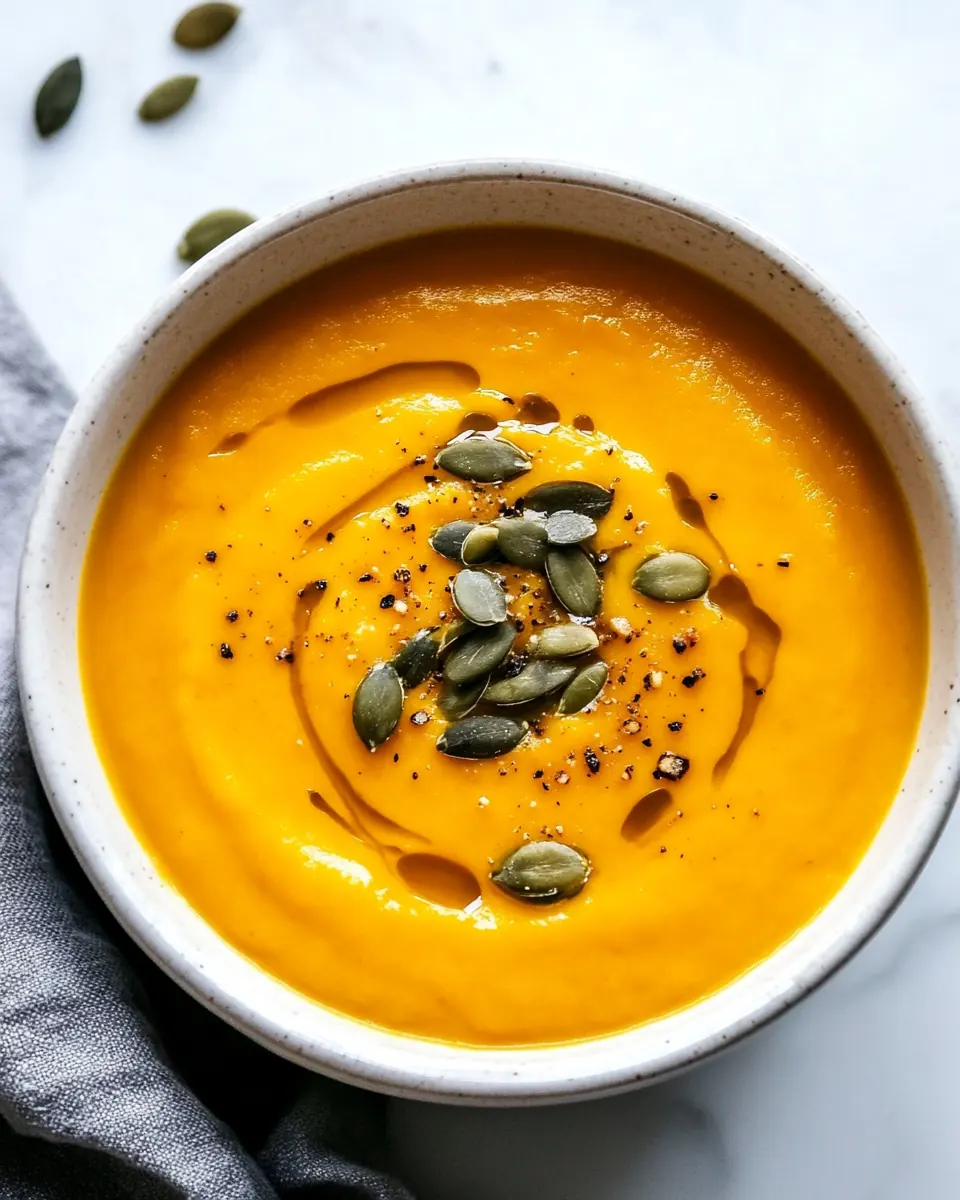
Sweet Potato Soup
Ingredients
Equipment
Method
- Heat coconut oil in a large pot over medium heat. Add finely diced onion, carrots, pepper, minced garlic, and ginger. Season with 1/8 teaspoon each salt and pepper. Sauté, stirring occasionally, until onion is translucent and veggies begin to soften, 7–8 minutes.: You should notice the faint coconut scent as the solid coconut oil melts, creating a glossy surface on the pot. The oil will shimmer slightly when it is hot enough, but avoid smoking. This initial heat helps the vegetables release moisture and flavors. A common mistake is overheating the oil so it smokes, which can impart bitterness. If the pot starts to smoke, lower the heat and let it cool briefly before adding vegetables.
- Add in sugar; stir 3–4 more minutes to slightly caramelize veggies. Add red curry paste and seasonings: yellow curry powder, turmeric, ground cumin, ground coriander, red pepper flakes, and salt and pepper to taste (I add 1/4 teaspoon each). Sauté for 2–3 minutes, or until very fragrant, stirring constantly.: As these aromatics hit the pan, expect a soft sizzle and a burst of fragrant steam. The onion will begin to look translucent and the edges of the carrots and pepper will soften. Stir occasionally to ensure even cooking and prevent sticking. Why this matters, the gentle sweating draws out sugars that become the savory foundation. Troubleshoot if things stick by reducing heat and adding a splash of stock.
- Add diced sweet potatoes and season again with salt and pepper (I add 1/4 teaspoon each). Continue to cook over medium heat, stirring frequently, 8–10 minutes.: This light seasoning early on encourages the vegetables to release moisture and develop sweetness. You will notice the flavors opening up as the salt pulls aromatics forward. One misstep is under seasoning at this stage, which can lead to flat flavors later. If the pot tastes dull while cooking, a pinch more salt will help the ingredients sing.
- Pour in vegetable stock and coconut milk; season again with salt and pepper (I add 1/4 teaspoon salt and 1/8 teaspoon pepper; season to personal preference).: Listen for a soft sizzling and look for the onion to turn glossy and slightly golden at the edges. The vegetables will lose their raw bite and begin to smell sweeter. This stage builds the base, and rushing it will yield less depth. If you notice browning too quickly, lower the heat, because you want gentle caramelization, not burning.
- Bring to a boil over high heat and scrape up any bits that have formed on the bottom. Reduce heat to medium or until the soup is at a rapid simmer (bubbling at edges) but not boiling. Cook, stirring occasionally, until soup has reduced and thickened and sweet potatoes are tender, about 18–25 minutes.: The sugar helps deepen color and add a subtle caramel flavor, which enhances the final profile. You will see a slight darkening and smell a toasted sweetness. Stir constantly to avoid hot spots that can burn. A common error is adding too much sugar, which will make the soup overly sweet; stick to the small amount called for.
- Once sweet potatoes can be easily pierced with a fork, carefully transfer the soup (in batches if needed) to a blender or food processor. Puree the soup (see note 2), then return the smooth soup to the pot over medium-low heat. Season to taste with salt and pepper (I add in another 1/4 teaspoon each here). Serve, garnished with pepita seeds if desired.: yellow curry powder, turmeric, ground cumin, ground coriander, red pepper flakes, and salt and pepper to taste. : As the spices toast in the hot oil, a fragrant plume should rise, releasing their essential oils. This is aromatic brilliance, and it transforms the dish. Keep stirring constantly during this brief step to bloom the spices and avoid burning. If spices darken too fast, reduce the heat immediately; burnt spices will create bitterness.
- Sauté for 2 to 3 minutes, or until very fragrant, stirring constantly.: You’ll recognize this moment by a strong curry aroma and a richer color on the vegetables. Blooming the spices unlocks depth and makes the seasoning more integrated. This step is short but pivotal, so don’t skip it. If the mixture seems dry, add a tablespoon of stock to prevent scorching and to capture any browned bits.
- Add diced sweet potatoes and season again with salt and pepper.: When the sweet potatoes hit the pot, they will momentarily cool the pan and release a subtle starch scent as they heat. Seasoning them helps distribute flavor into the chunks as they cook. Stir so they are coated with the spiced oil. A common mistake is crowding the pot too much, which can steam instead of sauté; give the pieces space for even cooking.
- Continue to cook over medium heat, stirring frequently, 8 to 10 minutes.: The sweet potato pieces will begin to soften and edges may take on a little color. You want them tender enough to pierce with a fork later, but not falling apart yet. Frequent stirring prevents sticking and ensures even cooking. If some pieces brown unevenly, scrape the bottom to incorporate those browned bits into the flavor.
- Pour in vegetable stock and coconut milk; season again with salt and pepper.: As the liquid hits the pot, you’ll hear a louder simmer and steam will rise. The mixture will transform from a sautéed base into a bubbling stew, and the coconut milk adds a glossy, creamy sheen. This liquid is what cooks the sweet potatoes through and builds the body. Avoid adding too little liquid which can make the soup too thick mid simmer; if it looks too concentrated, add extra stock.
- Bring to a boil over high heat and scrape up any bits that have formed on the bottom.: The boil will loosen flavorful fond from the pot, and scraping incorporates those caramelized pieces back into the soup. Once it reaches a boil, reduce to a rapid simmer that bubbles at the edges. Boiling too vigorously can cause splatter and uneven cooking, so ease the heat down to maintain control.
- Reduce heat to medium or until the soup is at a rapid simmer but not boiling.: A controlled simmer ensures gentle breakdown of the sweet potatoes without breaking emulsions in the coconut milk . You should see steady small bubbles around the edge and a warm steam, not a rolling boil. Overcooking at high heat can separate the coconut fat, so keep it steady.
- Cook, stirring occasionally, until soup has reduced and thickened and sweet potatoes are tender, about 18 to 25 minutes.: Expect the kitchen to fill with warm curry and coconut aromas, and watch for the soup to thicken slightly as potatoes soften and release starch. Stir occasionally to prevent sticking and to check tenderness with a fork. A mistake to avoid is under cooking, which yields chunky, uneven texture; test a few pieces to confirm tenderness before proceeding.
- Once sweet potatoes can be easily pierced with a fork, carefully transfer the soup to a blender or food processor.: The steam will be hot and the soup heavy, so use caution and work in batches if necessary. When you pour into the blender, you may notice a rich, silky liquid that begs to be pureed. If you skip this step or rush it, you’ll miss the smooth, luxurious texture. Never seal a hot blender lid fully; vent to avoid pressure buildup.
- Puree the soup then return the smooth soup to the pot over medium low heat.: The soup should blend into a silky, cohesive liquid with no lumps. On the stove, a gentle reheat brings everything together and allows final seasoning adjustments. If the texture feels too thick, thin with a splash of stock. Overblending can make it too thin, so pulse to the desired consistency.
- Season to taste with salt and pepper and serve, garnished with pepita seeds if desired.: At this point the aroma is integrated and the flavor should be balanced. Taste and adjust seasoning to your preference, then ladle into bowls and sprinkle roasted pepita seeds for texture. The most common error here is under seasoning, so be bold and add what it needs for your palate.
Notes
- Richer coconut base Use full fat coconut milk as recommended to create the richest mouthfeel, which helps the pureed soup feel luxurious and satisfying without dairy.
- Mild or spicy Control heat by omitting the red pepper flakes or increasing them slightly, tasting as you go to keep the spice level friendly for your guests.
- Texture adjustments If you prefer a chunkier soup, reserve one cup of cooked sweet potatoes before pureeing and stir them back in at the end for pleasant bite.
- Blending safety When transferring hot soup to a blender, work in small batches and vent the lid with a towel to prevent steam pressure buildup and splatters.
- Storage notes Cool the soup to room temperature before refrigerating in an airtight container; it will keep well for up to five days and flavors deepen over time.
- Garnish ideas Roasted pepita seeds add a toasty crunch, or keep them off if you prefer a fully smooth texture; add just before serving to maintain crispness.