Milk Bars Salted Chocolate Chip Cookies
Milk Bars Salted Chocolate Chip Cookies are the kind of cookie I reach for when I want something nostalgic but unmistakably modern, with that crunchy top and soft, almost custardy interior. The first time I tried them, I remember the way the butter scent filled my kitchen and how the flaky salt on top made each bite sing, so I started making them for late night catch ups with friends and for Sunday baking sessions that stretch into the afternoon.
I learned to respect the balance between sweet and salty with this recipe, and over time I tuned small habits, like letting the melted butter cool to just–warm and stirring until the dough shines, which quietly changes the texture. These cookies have a personality, and baking them feels like coaxing out that character: they crackle at the edges, they’re tender in the middle, and the chocolate pockets create those joyful molten spots you accidentally press with your thumb.
Recipe Snapshot
20 mins
10 mins
10 mins
Easy
150 kcal
American
Gluten-Free, Low FODMAP
Desserts
Large bowl, Wooden spoon, Measuring cup, Scoop or hands, Sheet pan, Parchment paper, Cooling rack
The Beauty of This Milk Bars Salted Chocolate Chip Cookies
Salted Sweet Contrast
I love how Milk Bars Salted Chocolate Chip Cookies make salt the star. A light sprinkle of flaky sea salt on top transforms otherwise familiar cookie notes, elevating the chocolate and brown sugar without overpowering them. I often pause and taste a crumb just to appreciate that clean mineral pop against the rich, buttery base. It turns a humble cookie into something memorable.
Texture Play
The texture is the real hook for me. These cookies come out golden on the edges and soft in the middle, and the use of melted butter and milk powder gives a tender, slightly chewy crumb. I like watching the edges crisp while the center stays glossy, it signals the right moment to pull them from the oven. That contrast between crisp and pillowy is what keeps me reaching for another.
Simple Technique Powerful Outcome
What I appreciate most is how little fuss yields big rewards. Stirring the sugars and melted butter until shiny, not overmixing once the flour goes in, and using a modest scoop size gives consistent cookies every time. I enjoy teaching friends that small steps, done with attention, beat complicated shortcuts. This recipe proves that technique, not ingredients, often decides the result.
Flexible Yet Distinctive
Although the formula is distinct, it is forgiving. I sometimes swap chocolate chip types when I want a different mood, and the dough tolerates slight variations without collapsing. Still, the recipe retains its identity thanks to the milk powder and the salt finish, which are the quiet signatures. I love having a reliable base to riff from, and these cookies handle gentle improvisation gracefully.
Everyday Celebration
Finally, they feel like a small celebration. Whether I’m packing them for a neighbor or serving them at an informal gathering, the cookies read as thoughtful and homey. There is an ease about them that makes them suitable for everyday treats or casual entertaining, which is why I keep the recipe on rotation. I always feel proud handing someone a warm one straight from the cooling rack.
Milk Bars Salted Chocolate Chip Cookies Ingredients
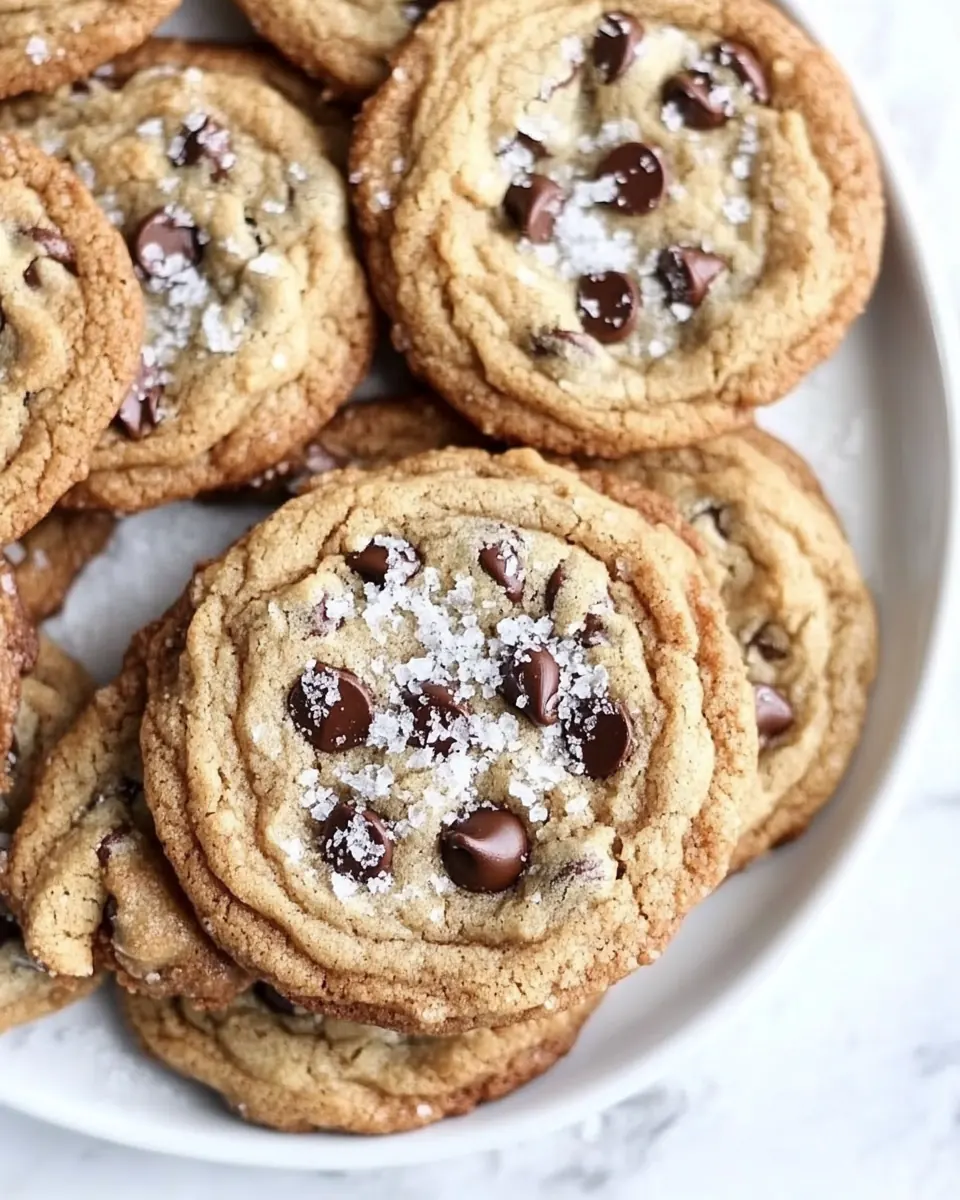
I believe good cookies start with clear, purposeful ingredients. These items work together to build a rich, tender crumb, pockets of melting chocolate, and that signature salty finish. The key players are the butter for richness, the brown sugar for molasses warmth, and the milk powder for depth. Each measure matters because texture and flavor hinge on balance.
- 1/2 pound (2 sticks) unsalted butter, melted and just warm to the touch: Melted and just warm to the touch to provide rich fat and create a tender, slightly chewy cookie texture; contributes buttery flavor and helps dissolve sugars for a uniform dough. Allows for quick incorporation with sugars and eggs, producing a glossy batter that spreads evenly during baking.
- 3/4 cup packed light brown sugar: Packed light to add moistness and deep caramelized flavor while contributing to the overall chewiness and color of the cookies. Helps retain moisture during baking, balancing sweetness and enhancing the chocolate notes.
- 1/2 cup granulated sugar: Granulated to supply primary sweetness and promote crisp edges by aiding caramelization and structure through sugar crystallization. Works with brown sugar to create balanced texture and sweetness in the finished cookie.
- 1 egg: Beaten to bind ingredients, add moisture, and introduce structure through protein setting during baking; also contributes to leavening and richness. Helps emulsify fats and liquids for a cohesive dough.
- 2 teaspoons vanilla extract: Added for aromatic sweetness and flavor depth, enhancing the overall profile of the cookie without adding moisture. Provides warmth and rounds out the chocolate and brown sugar notes.
- 1 3/4 cups all-purpose flour: Measured to build structure and bulk, supplying proteins and starches that set during baking for chew and crumb. Balances with leavening agents to ensure proper rise and texture without overpowering flavor.
- 2 tablespoons nonfat milk powder: Included to boost dairy flavor and contribute to a slightly firmer crumb by adding concentrated milk solids; enhances browning and mouthfeel. Works well with butter and sugars to intensify classic cookie flavor.
- 1 1/4 teaspoons kosher salt: Used to season the dough and heighten flavors, balancing sweetness and amplifying chocolate complexity; also influences gluten behavior slightly. Carefully measured to avoid over-salting while providing a savory counterpoint.
- 1/2 teaspoon baking powder: Added to provide mild leavening lift and a tender crumb by reacting during baking, complementing baking soda for balanced rise. Helps prevent dense cookies and contributes to delicate texture.
- 1/4 teaspoon baking soda: Used for additional leavening and browning control by reacting with acidic components, aiding spread and creating a light interior. Works in tandem with baking powder to fine-tune cookie rise and texture.
- 12 ounces semisweet chocolate chips: Folded in to deliver concentrated chocolate flavor and melt pockets throughout the cookie, offering texture contrast and richness. Distributes chocolate evenly so each bite contains satisfying bursts of semisweet balance.
- 1/4 cup flaky sea salt, for sprinkling on top before baking: Sprinkled on top before baking to add a bright, crunchy finish and a pronounced salty contrast to sweet chocolate and sugars. Creates visual appeal and bursts of savory flavor that elevate each bite.
How to Prepare Milk Bars Salted Chocolate Chip Cookies
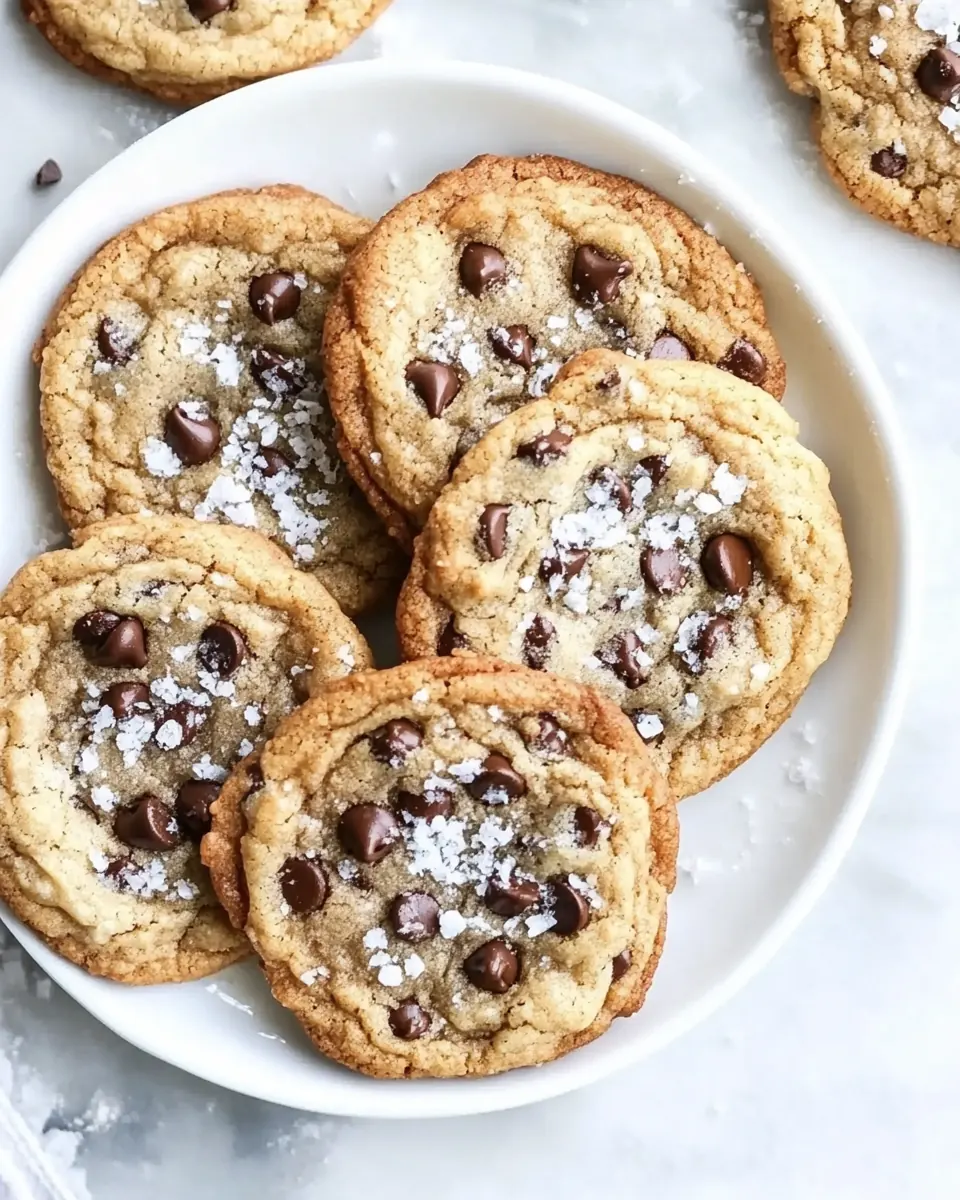
These instructions guide you step by step, focusing on sensory cues so you know when each stage is right. I like to keep my station organized and trust the dough’s look and feel as much as the clock. With simple attention to temperature and texture, you will get consistent results.
- Preheat the oven to 375ºF.: You will notice a dry, warm air in the oven as it approaches temperature, and that initial heat jump is essential for forming the crisp edges while keeping the centers soft. Preheating gives a consistent environment so cookies start baking immediately, creating the right spread. A common mistake is putting dough into an oven that is not fully heated, which yields uneven browning and underbaked centers. If your oven runs hot, rotate the pan midway for even color.
- With a wooden spoon, mix the sugars together in a large bowl and add the melted butter. Stir vigorously for about a minute or more. Mix the egg and vanilla in the measuring cup you used for the sugar and add to the mixture. Stir until the mix gathers a glossy sheen, about 1 more minute.: At this point, you should feel the sugars softening as they absorb the warm butter , and the aroma will be rich and buttery. Stirring vigorously helps dissolve some granules, producing a glossy texture, which contributes to an even, shiny dough. If you stir too little, the mixture can be grainy and not bind properly; stir until the sugars and butter meld into a smooth, satiny mass. Avoid overheating the butter before combining to protect the egg you'll add next.
- Mix in the flour, milk powder, kosher salt, baking powder, and baking soda until just combined. Stir in the chocolate chips and mix until evenly distributed.: You should see the mixture lighten slightly and gain elasticity as the egg emulsifies with the sugared butter , giving the dough structure and moisture. The vanilla scent will lift the aroma, and the dough should feel cohesive and slightly tacky. The trap here is adding a cold egg , which can seize the warm butter ; ensure the egg is room temperature to promote smooth blending.
- Use a #24 squeeze handle scoop to portion the dough (or lightly form it into balls about the size of a golf ball) and place them on a sheet pan lined with parchment paper about 2 to 3 inches apart. Sprinkle the tops of each cookie with some of the flaky sea salt (note that you may not need to use all of the 1/4 cup of salt).: As you continue to stir, watch for that glossy sheen which signals proper emulsification, and the mixture will become slightly more fluid and shiny. This sheen helps with even folding of the dry ingredients and encourages proper spreading during baking. Overbeating at this point can incorporate too much air, making cookies cakier, so stop when you see a consistent shine.
- Bake for 9-11 minutes or until golden brown around the edges but still soft in the middle. The cookies will fall as they cool. Transfer to a cooling rack to cool completely.: After adding these dry elements, the mixture will thicken and become more dough like, with a soft, slightly sticky feel. You should stop when streaks of flour disappear, because overmixing develops gluten and yields tougher cookies. A common error is trying to make the dough perfectly uniform; a few small flour streaks are okay and will disappear with gentle folding.
- Stir in the chocolate chips and mix until evenly distributed.: Folding in the chocolate chips gives the dough pockets of rich, molten goodness, and you will see chocolate peeking through the surface. Distribute them evenly so each cookie gets chocolate, but avoid vigorous mixing which can break chips into crumbs and overwork the dough. If you notice large clumps of chips, redistribute them with your hands to ensure even portions.
- Use a #24 squeeze handle scoop to portion the dough (or lightly form it into balls about the size of a golf ball) and place them on a sheet pan lined with parchment paper about 2 to 3 inches apart.: As you portion, the dough should hold its shape, slightly domed and mottled with chocolate. Leaving space allows heat to circulate so they spread evenly and gain nicely browned edges. A frequent mistake is crowding the pan, causing cookies to merge and bake inconsistently. For best results, rotate pans if baking multiple sheets to maintain uniform color.
- Sprinkle the tops of each cookie with some of the flaky sea salt (note that you may not need to use all of the 1/4 cup of salt).: The flakes should land delicately and glisten, creating visible crystals that will crisp slightly in the oven. This salt adds bright pops of flavor against the sweet dough. Heavy sprinkling can overwhelm the bite, so use a light, even dusting. If your flakes are large, press them gently so they adhere and do not blow off in the oven.
- Bake for 9 to 11 minutes or until golden brown around the edges but still soft in the middle.: During baking you will notice the edges taking on a light amber color and the centers remaining glossy; that is the sign to remove them. The smell becomes rich and toasty, with chocolate and caramelizing sugars blending. Overbaking dries the centers and removes that tender contrast, so err on the side of underbaking slightly, as they finish setting while cooling on the rack.
- The cookies will fall as they cool. Transfer to a cooling rack to cool completely.: After removing from the oven the cookies will gently deflate, creating that signature crinkled top, and the interior will set into a tender, slightly chewy crumb. Transferring to a rack lets air circulate and prevents sogginess from trapped steam. A common misstep is leaving them on a hot pan too long, which can overcook bottoms; move them after a few minutes once they hold their shape.
Ways to Adapt This Recipe
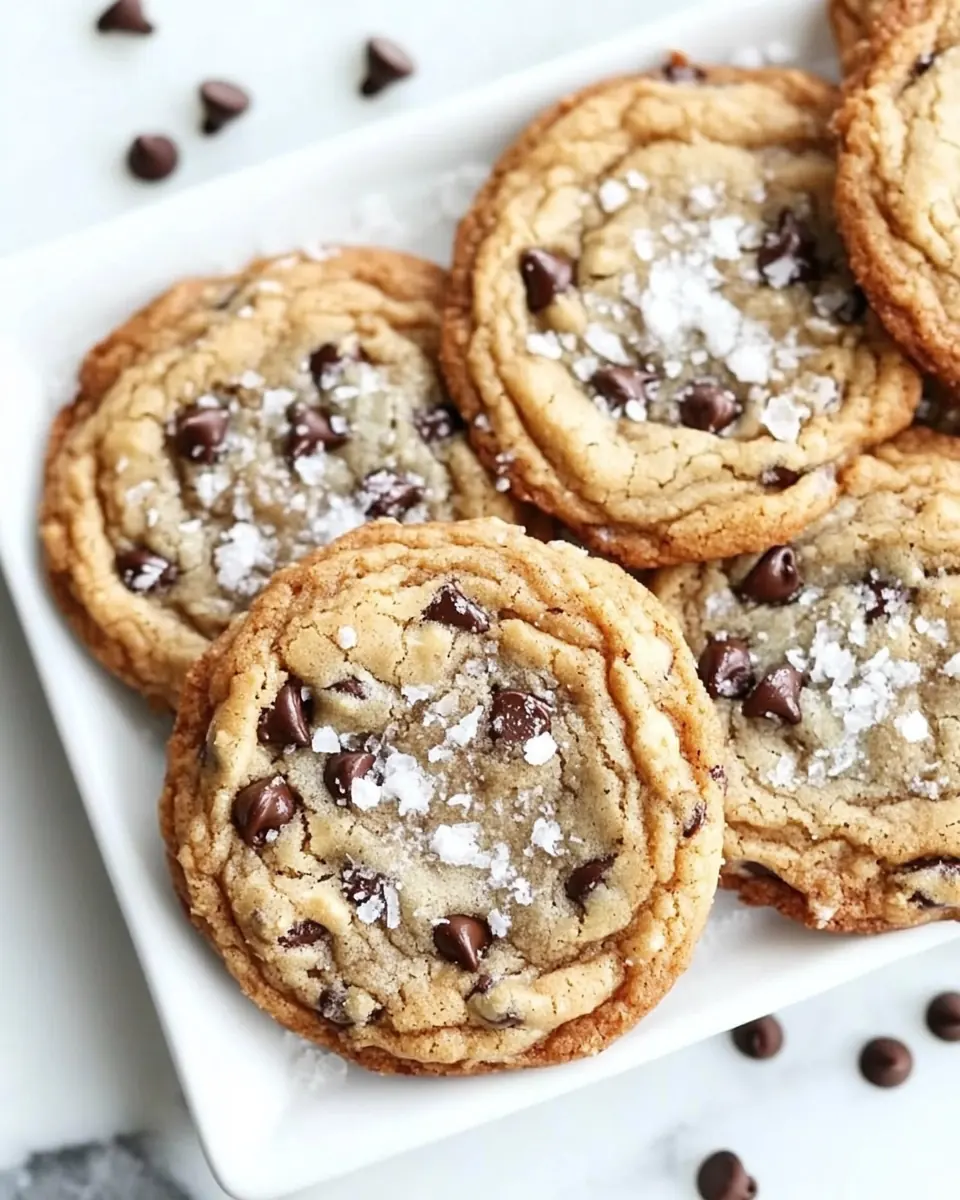
These adaptation tips will help you tailor Milk Bars Salted Chocolate Chip Cookies to your pantry or preferences while keeping the signature texture and flavor. Below are practical ideas I use and recommend when I want a slight twist or a baking shortcut that still honors the original cookie spirit.
- Swap chocolate type: Use dark chocolate chunks for a more intense, less sweet profile, chopping them to create varied melt pockets that add textural interest.
- Chilled dough option: Chill the dough for 30 to 60 minutes to reduce spread and concentrate flavors, which can be useful if your kitchen is warm or you prefer a thicker cookie.
- Adjust salt finish: Try a finer sprinkle of flaky salt if you want a subtler pop of salinity instead of prominent crystals on top.
- Alternative portioning: If you do not have a scoop, roll dough lightly by hand into even balls to ensure uniform size and consistent bake times across the batch.
- Storage method: Freeze baked cookies between sheets of parchment in an airtight container for up to a month, and thaw on the counter to preserve texture.
Serve This Milk Bars Salted Chocolate Chip Cookies With
These cookies are delightfully versatile when it comes to serving. Whether you are packing them for lunchboxes, presenting them at a casual gathering, or enjoying them with an afternoon coffee, they hold up beautifully. Below are thoughtful serving ideas and pairings I use depending on the occasion.
- Casual gatherings: Arrange on a platter with napkins and a small bowl of extra flaky sea salt for guests to add more if they wish, making the cookies feel curated and interactive.
- Lunchbox treats: Individually wrap cooled cookies in parchment or wax paper to keep them from sticking and to maintain the texture until snack time.
- After dinner: Offer a warm cookie with a small scoop of chilled vanilla ice cream for contrast, letting the hot chocolate and cold ice cream create a delightful pairing.
- Seasonal gifting: Stack cookies in a decorative tin with parchment between layers, and include a small label noting they are best eaten within a few days for peak freshness.
- Storage tips: Store at room temperature in an airtight container for up to 4 days, or freeze baked cookies for longer storage; reheat briefly in a low oven to restore warmth and softness.
- Occasion ideas: These cookies suit afternoon tea, casual parties, or as a thoughtful Ramadan treat after iftar where a sweet, shareable item is appreciated.
FAQ
Conclusion
These cookies stand out for their buttery base, glossy dough, and the clever finish of flaky salt that balances the sweet chocolate. Give them a try the next time you want a reliably impressive bake without fuss. They are a satisfying treat to share with friends or to keep on hand for a comforting snack, and I hope they become a staple in your baking rotation.
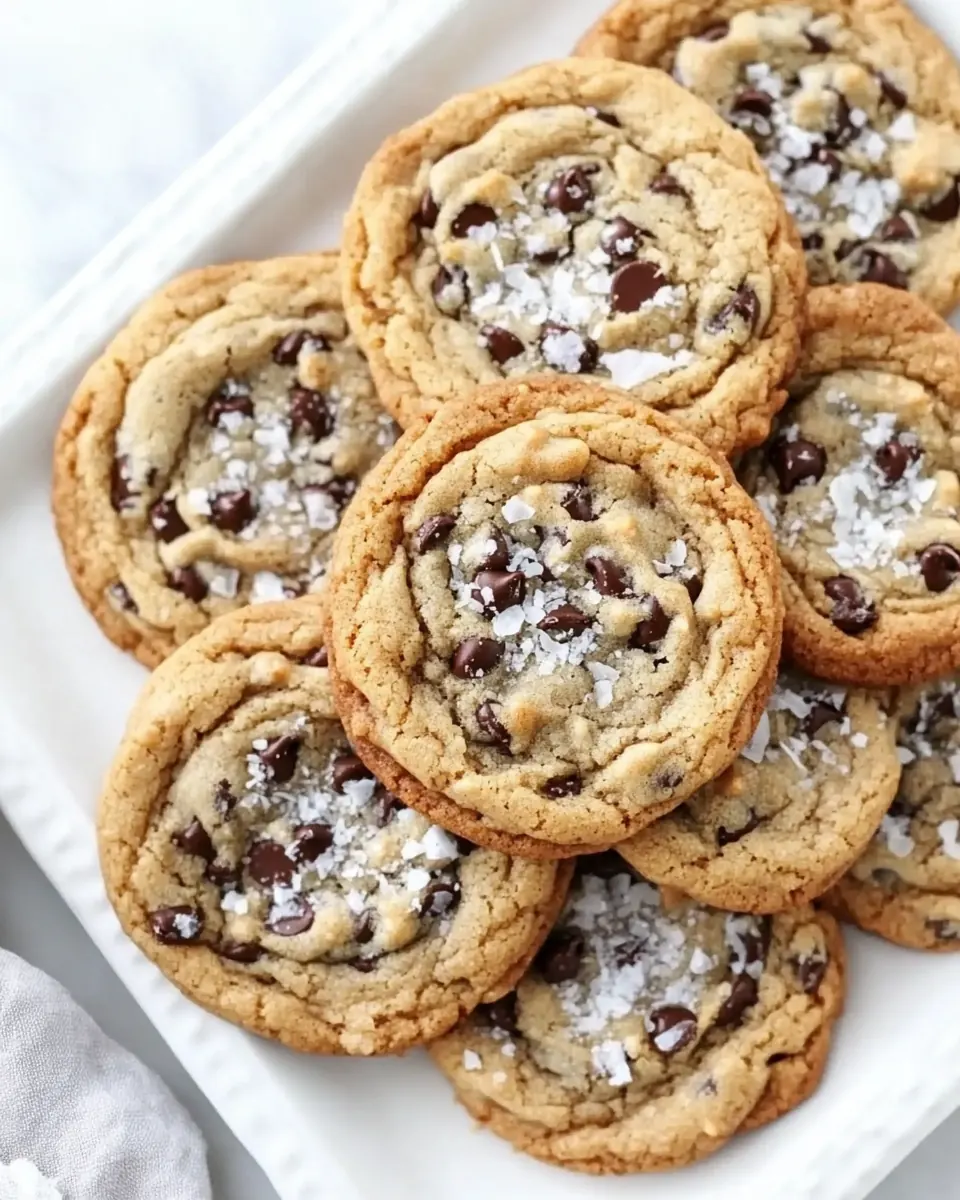
Milk Bars Salted Chocolate Chip Cookies
Ingredients
Equipment
Method
- Preheat the oven to 375ºF.: You will notice a dry, warm air in the oven as it approaches temperature, and that initial heat jump is essential for forming the crisp edges while keeping the centers soft. Preheating gives a consistent environment so cookies start baking immediately, creating the right spread. A common mistake is putting dough into an oven that is not fully heated, which yields uneven browning and underbaked centers. If your oven runs hot, rotate the pan midway for even color.
- With a wooden spoon, mix the sugars together in a large bowl and add the melted butter. Stir vigorously for about a minute or more. Mix the egg and vanilla in the measuring cup you used for the sugar and add to the mixture. Stir until the mix gathers a glossy sheen, about 1 more minute.: At this point, you should feel the sugars softening as they absorb the warm butter , and the aroma will be rich and buttery. Stirring vigorously helps dissolve some granules, producing a glossy texture, which contributes to an even, shiny dough. If you stir too little, the mixture can be grainy and not bind properly; stir until the sugars and butter meld into a smooth, satiny mass. Avoid overheating the butter before combining to protect the egg you'll add next.
- Mix in the flour, milk powder, kosher salt, baking powder, and baking soda until just combined. Stir in the chocolate chips and mix until evenly distributed.: You should see the mixture lighten slightly and gain elasticity as the egg emulsifies with the sugared butter , giving the dough structure and moisture. The vanilla scent will lift the aroma, and the dough should feel cohesive and slightly tacky. The trap here is adding a cold egg , which can seize the warm butter ; ensure the egg is room temperature to promote smooth blending.
- Use a #24 squeeze handle scoop to portion the dough (or lightly form it into balls about the size of a golf ball) and place them on a sheet pan lined with parchment paper about 2 to 3 inches apart. Sprinkle the tops of each cookie with some of the flaky sea salt (note that you may not need to use all of the 1/4 cup of salt).: As you continue to stir, watch for that glossy sheen which signals proper emulsification, and the mixture will become slightly more fluid and shiny. This sheen helps with even folding of the dry ingredients and encourages proper spreading during baking. Overbeating at this point can incorporate too much air, making cookies cakier, so stop when you see a consistent shine.
- Bake for 9-11 minutes or until golden brown around the edges but still soft in the middle. The cookies will fall as they cool. Transfer to a cooling rack to cool completely.: After adding these dry elements, the mixture will thicken and become more dough like, with a soft, slightly sticky feel. You should stop when streaks of flour disappear, because overmixing develops gluten and yields tougher cookies. A common error is trying to make the dough perfectly uniform; a few small flour streaks are okay and will disappear with gentle folding.
- Stir in the chocolate chips and mix until evenly distributed.: Folding in the chocolate chips gives the dough pockets of rich, molten goodness, and you will see chocolate peeking through the surface. Distribute them evenly so each cookie gets chocolate, but avoid vigorous mixing which can break chips into crumbs and overwork the dough. If you notice large clumps of chips, redistribute them with your hands to ensure even portions.
- Use a #24 squeeze handle scoop to portion the dough (or lightly form it into balls about the size of a golf ball) and place them on a sheet pan lined with parchment paper about 2 to 3 inches apart.: As you portion, the dough should hold its shape, slightly domed and mottled with chocolate. Leaving space allows heat to circulate so they spread evenly and gain nicely browned edges. A frequent mistake is crowding the pan, causing cookies to merge and bake inconsistently. For best results, rotate pans if baking multiple sheets to maintain uniform color.
- Sprinkle the tops of each cookie with some of the flaky sea salt (note that you may not need to use all of the 1/4 cup of salt).: The flakes should land delicately and glisten, creating visible crystals that will crisp slightly in the oven. This salt adds bright pops of flavor against the sweet dough. Heavy sprinkling can overwhelm the bite, so use a light, even dusting. If your flakes are large, press them gently so they adhere and do not blow off in the oven.
- Bake for 9 to 11 minutes or until golden brown around the edges but still soft in the middle.: During baking you will notice the edges taking on a light amber color and the centers remaining glossy; that is the sign to remove them. The smell becomes rich and toasty, with chocolate and caramelizing sugars blending. Overbaking dries the centers and removes that tender contrast, so err on the side of underbaking slightly, as they finish setting while cooling on the rack.
- The cookies will fall as they cool. Transfer to a cooling rack to cool completely.: After removing from the oven the cookies will gently deflate, creating that signature crinkled top, and the interior will set into a tender, slightly chewy crumb. Transferring to a rack lets air circulate and prevents sogginess from trapped steam. A common misstep is leaving them on a hot pan too long, which can overcook bottoms; move them after a few minutes once they hold their shape.
Notes
- Swap chocolate type: Use dark chocolate chunks for a more intense, less sweet profile, chopping them to create varied melt pockets that add textural interest.
- Chilled dough option: Chill the dough for 30 to 60 minutes to reduce spread and concentrate flavors, which can be useful if your kitchen is warm or you prefer a thicker cookie.
- Adjust salt finish: Try a finer sprinkle of flaky salt if you want a subtler pop of salinity instead of prominent crystals on top.
- Alternative portioning: If you do not have a scoop, roll dough lightly by hand into even balls to ensure uniform size and consistent bake times across the batch.
- Storage method: Freeze baked cookies between sheets of parchment in an airtight container for up to a month, and thaw on the counter to preserve texture.