Quick and Easy Broiled Steak With Mustard Sauce
Quick and Easy Broiled Steak With Mustard Sauce is the sort of dinner I turn to when I want something impressive without fuss. The first time I made it I was running late after a long day, but I still wanted a meal that tasted like I had taken my time. I seared the steak in the broiler and whisked together a tangy mustard sauce that brightened every bite. That evening taught me how a few bold ingredients can change a rushed weeknight into a memorable meal.
Over the years I have tweaked the routine so the steps fit neatly into a short window, and now this dish feels like a reliable friend on busy nights. I love the contrast between the browned edges of the steak and the creamy mustard sauce. I often tell friends this is a great recipe when you want to feel like a host without spending hours in the kitchen. The steam from the green beans and the aroma of sautéed mushrooms always bring people to the table. Small rituals, like letting the steak rest and slicing across the grain, make a big difference to texture and tenderness.
Recipe Snapshot
28 mins
8 mins
20 mins
Medium
400 kcal
American
Gluten-Free, Keto
Dinner
Rimmed baking sheet, Aluminum foil, Medium skillet, Tongs, Whisk
The Beauty of This Quick and Easy Broiled Steak With Mustard Sauce
Uncomplicated but impressive
I adore how Quick and Easy Broiled Steak With Mustard Sauce looks and tastes like a restaurant plate while still being totally approachable at home. The broiler gives the steak that charred edge quickly, which means you get dramatic flavor with minimal babysitting. I find friends are always surprised this came together so fast.
Bold sauce, small effort
The mustard and sour cream sauce is a masterclass in balance, it adds tang and a silky texture that complements the beef. I like that the sauce comes together while the steak rests, so you avoid a crowding of tasks. The technique makes every forkful lively without adding complicated steps.
Textural contrast
The combination of juicy top sirloin, sautéed mushrooms, and crisp steamed green beans provides delightful texture contrasts. I often tell people texture is what turns a good dish into a great one, and this recipe delivers on that promise in every bite.
Simple ingredients, big payoff
You do not need exotic items to make something memorable. Pantry staples like Dijon mustard and a splash of beef broth transform humble components into a cohesive dish. I appreciate recipes that celebrate a few strong elements rather than disguising them with too many competing flavors.
Flexible and forgiving
This recipe adapts well to small changes, and the method works whether you have one steak or two. I have doubled it for company and kept it just as reliable. The forgiving nature of the sauce and the quick broil make it an easy weeknight repeat.
Shopping List for Quick and Easy Broiled Steak With Mustard Sauce
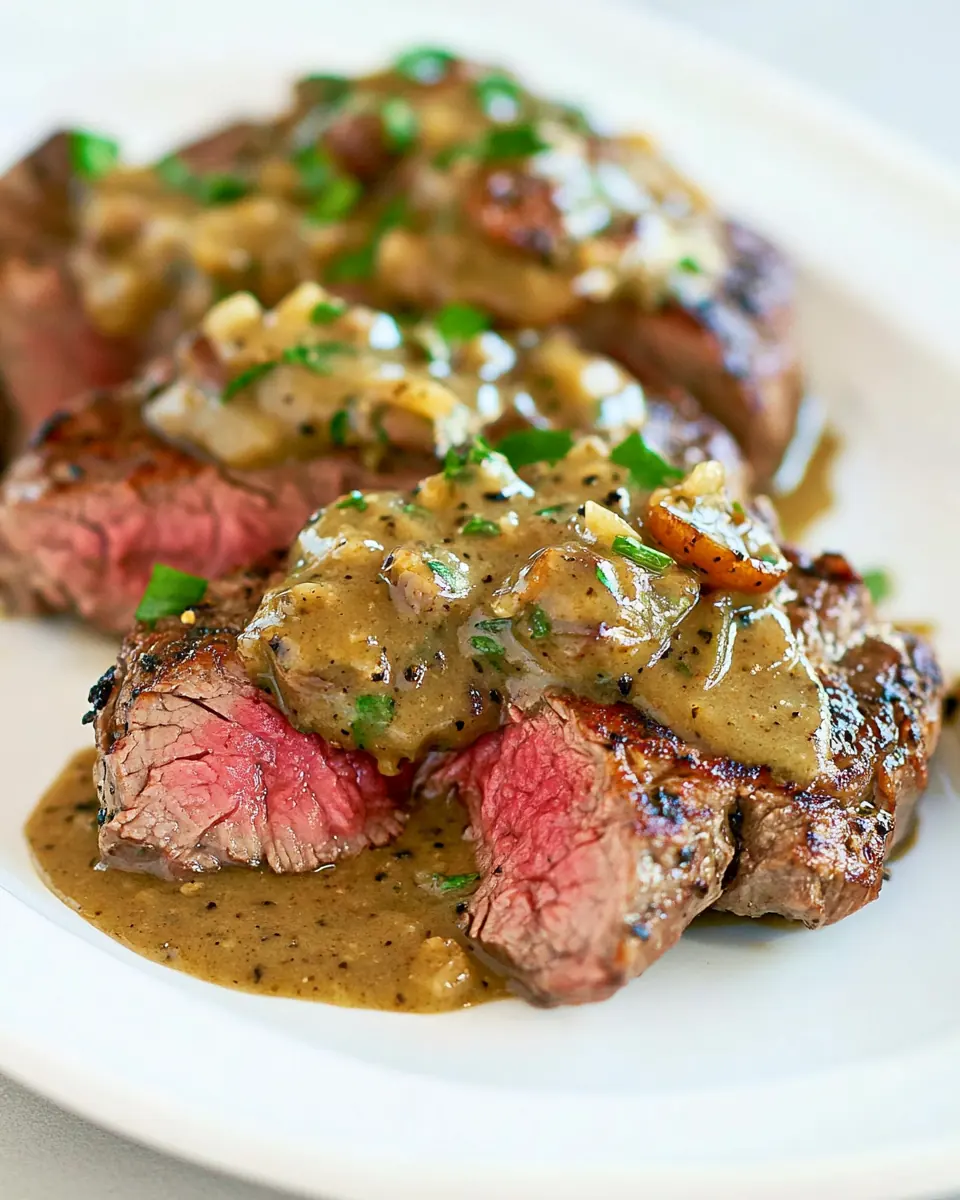
These ingredients are built around a simple philosophy: highlight a good cut of top sirloin, support it with savory aromatics, and finish with a tangy, creamy sauce. The key players are the steak for richness, the mushrooms and green onion for depth, and the Dijon mustard and sour cream for bright balance. When combined they create a dinner that feels both grounded and elevated.
- 10 ounces top sirloin: Season and provide rich beef flavor while offering a hearty, tender protein focus for the dish; cook to preferred doneness under the broiler and rest briefly to retain juices. Handle simply with high heat to develop a savory crust that complements the sauce and vegetables.
- Freshly ground black pepper: Enhance flavor with pungent heat and aromatic complexity, freshly ground to taste to finish the steak and sauce; adjust sparingly to avoid overpowering. Sprinkle after cooking to brighten flavors and balance richness from the meat and cream.
- Salt: Season and balance taste by amplifying savory notes and controlling overall saltiness; add before or after cooking according to preference. Use moderate amounts to elevate the natural beef and mushroom flavors without masking them.
- 1 cup sliced mushrooms: Add earthy, savory body and texture to the sauce while absorbing braising liquid for depth; sauté briefly to release moisture and concentrate flavor. Slice uniformly so mushrooms cook evenly and contribute a meaty counterpoint to the steak.
- 1 green onion thinly sliced: Provide a mild oniony crunch and fresh, green aroma that brightens the finished plate; sprinkle thinly sliced as a garnish or fold into the sauce at the end for subtle sharpness. Use both white and green parts as desired to vary intensity.
- 1 clove garlic diced: Impart aromatic depth and savory umami when diced and sautéed; cook briefly to mellow pungency and blend with mushrooms and broth. Mince finely so garlic distributes through the sauce without large bites of raw garlic.
- 1 cup beef broth: Build a savory, concentrated base for the pan sauce and deglaze browned bits from the steak; simmer to reduce slightly and intensify flavor. Use low-sodium if preferred to better control seasoning in the final sauce.
- 2 tablespoons sour cream: Contribute creamy tang and smooth texture to the mustard sauce, balancing acidity and heat; stir in off heat to prevent curdling for a velvety finish. Adjust amount to reach desired creaminess without overwhelming the mustard flavor.
- 1 tablespoon Dijon mustard: Provide sharp, piquant flavor and emulsifying lift to the sauce, cutting through richness and adding complexity; whisk into sour cream and broth for a cohesive mustard sauce. Start with one tablespoon and taste, increasing if a bolder mustard presence is desired.
- Steamed green beans: Offer a crisp, vibrant vegetable accompaniment that contrasts the steak's richness and adds color to the plate; steam until tender-crisp to preserve nutrients and texture. Season lightly with salt and pepper and finish with a toss of butter or olive oil if desired.
Making This Quick and Easy Broiled Steak With Mustard Sauce
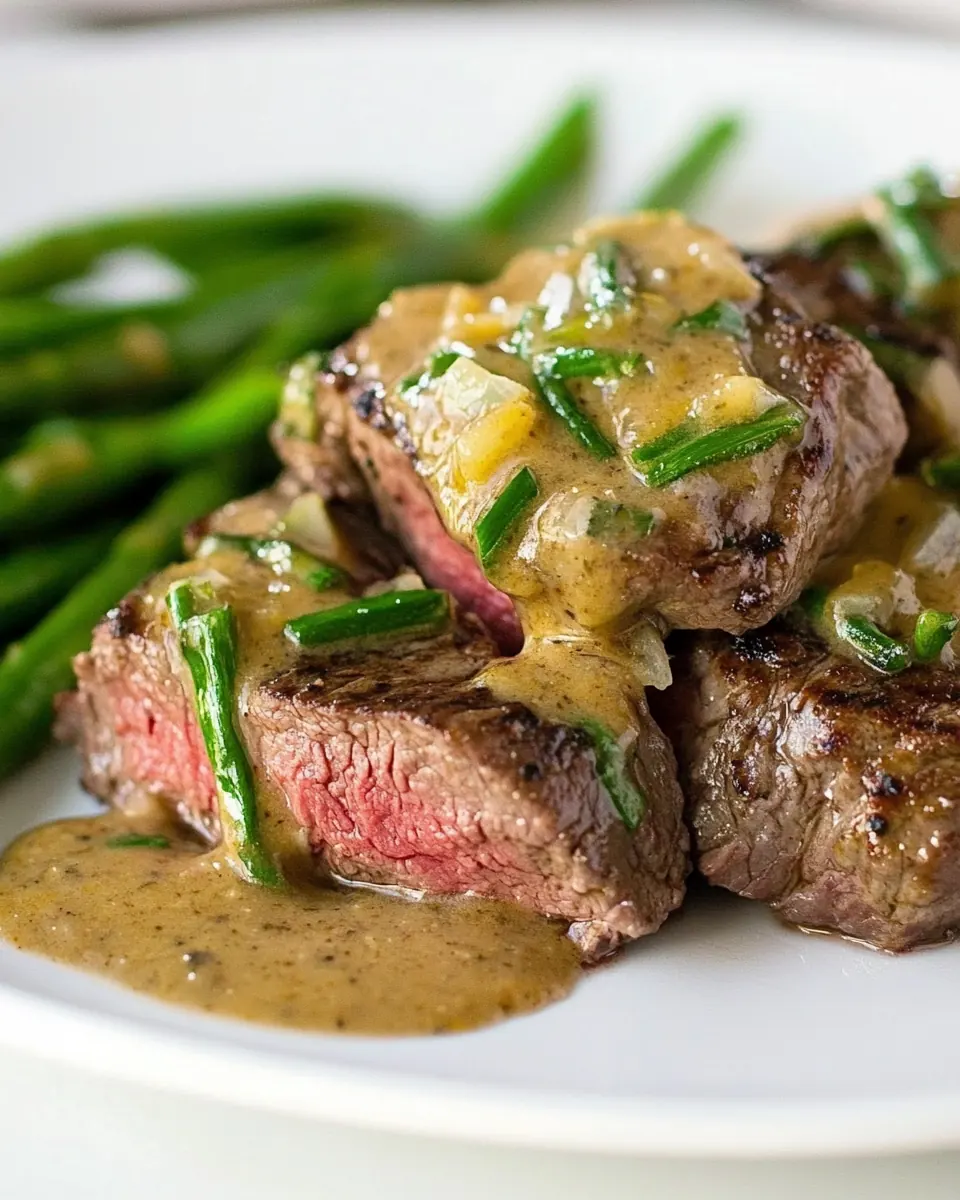
I like to keep the rhythm of cooking relaxed, so I start the broiler and prep while the pan heats for the sauce. The method is fast but intentional, and good timing between broiling and sauce reduction is what brings the dish together. Below I expand each instruction into detailed steps so you can follow sensory cues and avoid common mistakes.
- Preheat your broiler on high and line a rimmed baking sheet with foil and lightly grease.: The broiler should be intensely hot to create rapid browning, which gives you that savory crust on the steak. When the oven rumbles with heat, you will notice a sharp, dry warmth and the metal rack will become almost too hot to touch, signaling readiness. Lining the rimmed baking sheet with foil makes cleanup simple and also reflects heat, while a light grease prevents sticking and encourages even browning. Use a thin, even layer of oil or spray so it does not smoke excessively under the broiler, because too much oil can lead to flare ups or burning. A common error is not placing the rack close enough to the heat source, which results in less browning and a paler steak. Take care to set the oven rack four to six inches from the broiler element depending on your oven's strength.
- Lightly score 4 shallow cuts on both sides of the steak, two in each direction (per piece of meat if your sirloin is in smaller pieces).: Scoring creates texture that helps the heat penetrate evenly and prevents the steak from curling, while providing small edges that brown nicely. You will feel the blade glide just through the fat cap or surface, without cutting into the meat itself, producing a faint crosshatch that catches light and becomes crisp. The slight incisions also allow seasonings to nestle in, intensifying the crust flavor. Avoid deep cuts which will cause juices to escape, leaving the meat drier. If you score too aggressively, those meat juices will flow away during cooking, reducing succulence.
- Sprinkle both sides generously with freshly cracked pepper and salt.: Seasoning just before broiling ensures the salt draws minimal moisture while still enhancing flavor, and freshly cracked pepper releases aromatic oils that bloom under heat. As you grind the pepper over the steak, you will notice the scent grow more pungent and lively, which predicts the taste after cooking. Salt helps form the crust and intensifies the beefy notes, so apply evenly to both sides for balance. One mistake is salting too early without resting time, which can draw out too much moisture on thinner cuts; for this quick broil, seasoning immediately before is ideal.
- Place steak on the prepared baking sheet and broil for 4 to 6 minutes per side, until steak reaches your desired level of doneness. Remove from oven, tent with foil, and allow to rest for at least 5 minutes before slicing across the grain.: Under the broiler the steak will sizzle and darken quickly, creating audible crackles and a rising meaty aroma that fills the kitchen. Look for the surface to develop a deep caramelized color and edges that appear shrunken slightly, signs the heat has created a crust. Use an instant read thermometer for precision if you like, aiming for your preferred internal temperature, and remember the steak will continue cooking slightly while it rests. A frequent misstep is flipping too often; let the steak sit undisturbed to allow the crust to form. Also watch the broiler closely because thin steaks can go from perfect to overdone in moments.
- While your steak is cooking, heat a medium skillet over medium heat and lightly grease with cooking spray or a small drizzle of olive oil. Add mushrooms and sliced green onions. Saute until mushrooms are lightly browned, 3 to 4 minutes. Add garlic and cook for 30 seconds.: Resting is where the steak regains its juices, which redistribute throughout the muscle rather than spilling out the moment you slice. You will notice the surface steam a bit and the meat relax, becoming slightly firmer to the touch, which means it is ready to be cut. Slicing across the grain shortens the muscle fibers, making each bite tender and easy to chew. If you skip resting, juices will run out onto the plate and the steak will seem drier. A common error is slicing too soon while the meat is still sizzling, which wastes its flavor.
- Transfer vegetables to a plate and return pan to heat.: As the pan warms you will smell a faint toasted scent from the oil, and when you add the mushrooms they will release moisture, hissing softly as it evaporates. Watching for color change is key, the mushrooms should develop golden edges and a deeper, concentrated aroma after a few minutes. Adding the green onion early softens it and blends its fresh oniony notes with the mushrooms, while the garlic should be added last for just seconds so it becomes fragrant without turning bitter. Overcrowding the pan prevents caramelization, so give the mushrooms space or work in batches. Burning the garlic is a common trap; keep the heat moderate and move quickly.
- Add beef broth to your pan and bring to a simmer. Simmer for 3 to 4 minutes until reduced by half. Remove from heat and whisk in sour cream and mustard. Add salt and pepper to taste (if you use full-sodium beef broth, you probably won't need salt). If not ready to serve, you can keep the mixture warm over very low heat–do not boil.: Moving the browned vegetables out of the pan gives you a clean surface to build the sauce and prevents them from overcooking. You will see brown bits stuck to the pan bottom, those fond pieces hold concentrated flavor that will dissolve once liquid is added, enriching the sauce. Leaving the pan on medium heat keeps it primed to simmer the broth without losing temperature. A frequent mistake is letting the pan cool too much, which can prolong reduction time and mutate the sauce texture.
- Serve steak alongside steamed green beans, with mustard sauce spooned over both. Enjoy!: When the broth hits the hot pan it will sizzle briefly and lift those browned bits into the liquid, releasing an intoxicating aroma. Simmering concentrates the flavor and reduces the broth, which is crucial for a sauce with body rather than a thin au jus. You will notice small bubbles forming at the edges and the liquid gaining a richer color as it reduces. Stir occasionally to scrape up the fond, which amplifies savory depth. A common misstep is boiling vigorously, which can reduce too quickly and concentrate saltiness; maintain a gentle simmer.
- Simmer for 3 to 4 minutes until reduced by half Remove from heat and whisk in sour cream and mustard Add salt and pepper to taste If not ready to serve, you can keep the mixture warm over very low heat do not boil: As the liquid reduces it thickens slightly and the scent becomes more robust and beefy; this is the stage where the sauce builds flavor. Removing the pan from direct heat before adding sour cream prevents curdling and creates a smooth, silky finish when you whisk it in with the Dijon mustard . Whisking incorporates air and gives the sauce a glossy sheen, while a brief taste test lets you adjust seasoning carefully. The sauce should coat the back of a spoon, not run like water. Reheating too aggressively will split the dairy, so keep the temperature very gentle if you hold it before serving.
- Serve steak alongside steamed green beans with mustard sauce spooned over both: The final presentation is satisfying, with the browned steak slices arranged beside bright, verdant steamed green beans and the mustard sauce draped over everything for unified flavor. You will notice how the sauce glossy sheen makes the plate look inviting, and the warmth of the steak slightly wilts the green beans where the sauce touches, creating a pleasing meld. Spoon the sauce deliberately so each element gets some, and encourage diners to take a bit of mushroom with their meat for added savor. A common error is over saucing, which can drown the textures, so apply judiciously and enjoy immediately.
Customization Ideas
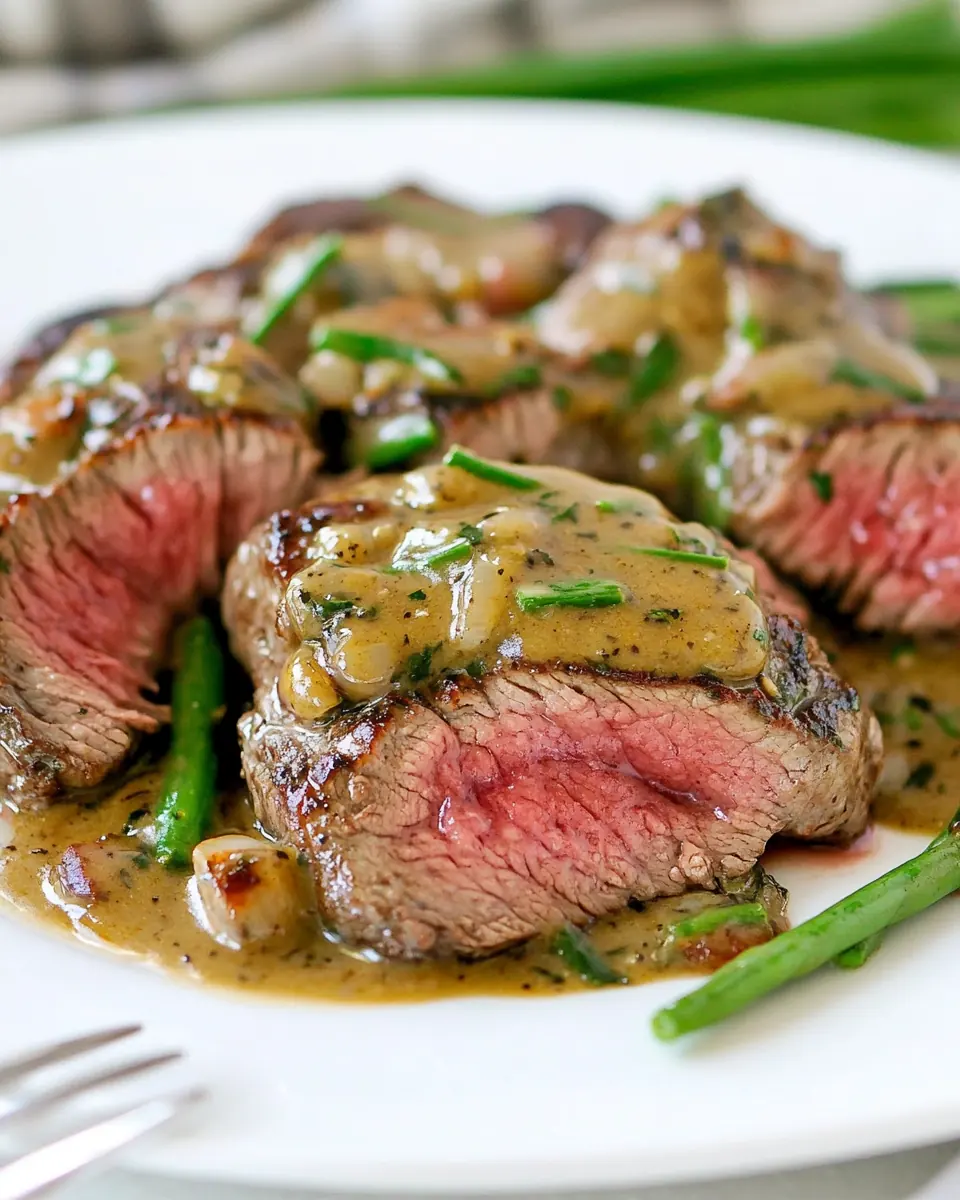
If you enjoy tweaking dishes to match your pantry or mood, these customization ideas will help you personalize the sauce, sides, or method. Small swaps change the character while keeping the spirit of the recipe intact.
- Use different mushrooms Try cremini or shiitake in place of button mushrooms for earthier flavor and meatier texture which pairs beautifully with the steak.
- Adjust mustard intensity If you prefer a milder tang, reduce the Dijon mustard slightly or whisk in an extra tablespoon of sour cream to soften the bite.
- Make it herbaceous Stir in finely chopped fresh parsley or chives off heat to add a bright herbal note that complements the rich sauce.
- Swap the green beans Serve with steamed asparagus or a simple salad if you want a different green vegetable with a similar crisp contrast.
- Double the sauce If you love extra sauce, double the broth and dairy amounts, but simmer a bit longer to reach the same richness without diluting flavor.
What to Pair With Quick and Easy Broiled Steak With Mustard Sauce
This dish pairs well with bright, textural sides and simple starches that soak up the luscious mustard sauce. Think about occasions, temperature contrasts, and how the meal will be served across seasons. Below are thoughtful pairings, serving styles, and storage notes to help you plan the full plate.
- Steamed green beans are the recipe’s original companion, offering crisp freshness and a clean palate between rich bites of steak and sauce.
- Roasted or mashed potatoes provide comforting starch that soaks up the mustard sauce, turning every forkful into a hearty mouthful ideal for dinner occasions.
- Simple grain side such as plain rice or quinoa can lend an understated base that balances the savory intensity of the steak and sauce, useful for weeknight meals.
- Weeknight dinner Serve this recipe for an easy weeknight dinner when you want something special but fast, the quick broil keeps the timeline short and reliable.
- Casual dinner party This dish works for a small gathering, where the dramatic plating and bold flavors make a strong impression without advanced preparation.
- Make ahead and store Keep the sauce separate from the steak if you plan to store leftovers; refrigerate in airtight containers for up to three days and gently rewarm the sauce over low heat to avoid splitting.
- Seasonal pairing In cooler months pair with heartier roasted root vegetables, while in spring serve with simply steamed greens to keep the plate bright and fresh.
- Serving style Slice the steak just before serving and spoon the sauce over both steak and green beans so each plate looks composed and inviting.
FAQ
Conclusion
This recipe stands out because it combines quick broiled steak with a tangy, creamy mustard sauce for a big flavor payoff in minimal time. I encourage you to try it when you want a polished meal without a long prep, and to savor the contrast of the browned steak, sautéed mushrooms, and bright mustard sauce. It is friendly enough for busy weeknights and impressive enough for a casual dinner with friends, offering a dependable, satisfying plate you can make again and again.
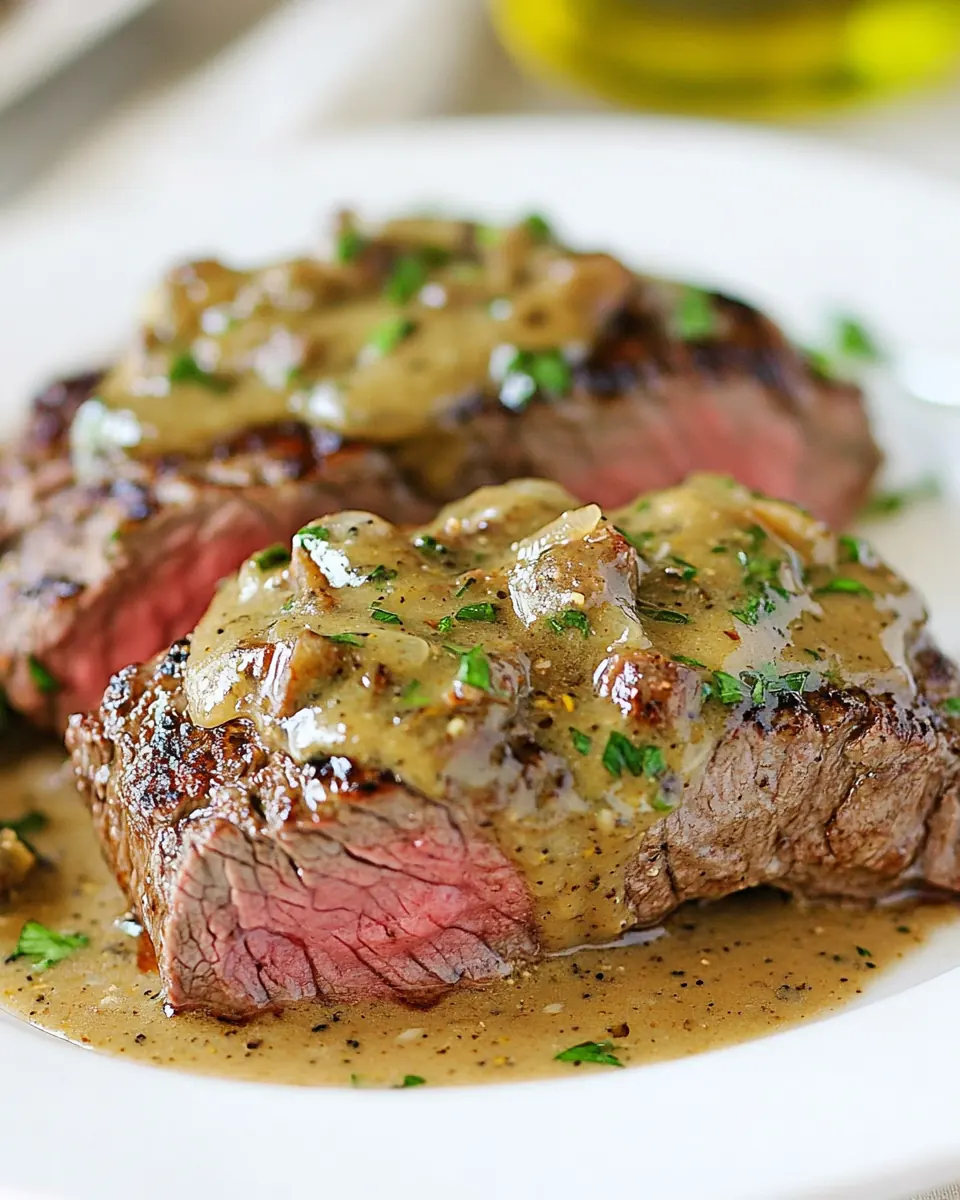
Quick and Easy Broiled Steak With Mustard Sauce
Ingredients
Equipment
Method
- Preheat your broiler on high and line a rimmed baking sheet with foil and lightly grease.: The broiler should be intensely hot to create rapid browning, which gives you that savory crust on the steak. When the oven rumbles with heat, you will notice a sharp, dry warmth and the metal rack will become almost too hot to touch, signaling readiness. Lining the rimmed baking sheet with foil makes cleanup simple and also reflects heat, while a light grease prevents sticking and encourages even browning. Use a thin, even layer of oil or spray so it does not smoke excessively under the broiler, because too much oil can lead to flare ups or burning. A common error is not placing the rack close enough to the heat source, which results in less browning and a paler steak. Take care to set the oven rack four to six inches from the broiler element depending on your oven's strength.
- Lightly score 4 shallow cuts on both sides of the steak, two in each direction (per piece of meat if your sirloin is in smaller pieces).: Scoring creates texture that helps the heat penetrate evenly and prevents the steak from curling, while providing small edges that brown nicely. You will feel the blade glide just through the fat cap or surface, without cutting into the meat itself, producing a faint crosshatch that catches light and becomes crisp. The slight incisions also allow seasonings to nestle in, intensifying the crust flavor. Avoid deep cuts which will cause juices to escape, leaving the meat drier. If you score too aggressively, those meat juices will flow away during cooking, reducing succulence.
- Sprinkle both sides generously with freshly cracked pepper and salt.: Seasoning just before broiling ensures the salt draws minimal moisture while still enhancing flavor, and freshly cracked pepper releases aromatic oils that bloom under heat. As you grind the pepper over the steak, you will notice the scent grow more pungent and lively, which predicts the taste after cooking. Salt helps form the crust and intensifies the beefy notes, so apply evenly to both sides for balance. One mistake is salting too early without resting time, which can draw out too much moisture on thinner cuts; for this quick broil, seasoning immediately before is ideal.
- Place steak on the prepared baking sheet and broil for 4 to 6 minutes per side, until steak reaches your desired level of doneness. Remove from oven, tent with foil, and allow to rest for at least 5 minutes before slicing across the grain.: Under the broiler the steak will sizzle and darken quickly, creating audible crackles and a rising meaty aroma that fills the kitchen. Look for the surface to develop a deep caramelized color and edges that appear shrunken slightly, signs the heat has created a crust. Use an instant read thermometer for precision if you like, aiming for your preferred internal temperature, and remember the steak will continue cooking slightly while it rests. A frequent misstep is flipping too often; let the steak sit undisturbed to allow the crust to form. Also watch the broiler closely because thin steaks can go from perfect to overdone in moments.
- While your steak is cooking, heat a medium skillet over medium heat and lightly grease with cooking spray or a small drizzle of olive oil. Add mushrooms and sliced green onions. Saute until mushrooms are lightly browned, 3 to 4 minutes. Add garlic and cook for 30 seconds.: Resting is where the steak regains its juices, which redistribute throughout the muscle rather than spilling out the moment you slice. You will notice the surface steam a bit and the meat relax, becoming slightly firmer to the touch, which means it is ready to be cut. Slicing across the grain shortens the muscle fibers, making each bite tender and easy to chew. If you skip resting, juices will run out onto the plate and the steak will seem drier. A common error is slicing too soon while the meat is still sizzling, which wastes its flavor.
- Transfer vegetables to a plate and return pan to heat.: As the pan warms you will smell a faint toasted scent from the oil, and when you add the mushrooms they will release moisture, hissing softly as it evaporates. Watching for color change is key, the mushrooms should develop golden edges and a deeper, concentrated aroma after a few minutes. Adding the green onion early softens it and blends its fresh oniony notes with the mushrooms, while the garlic should be added last for just seconds so it becomes fragrant without turning bitter. Overcrowding the pan prevents caramelization, so give the mushrooms space or work in batches. Burning the garlic is a common trap; keep the heat moderate and move quickly.
- Add beef broth to your pan and bring to a simmer. Simmer for 3 to 4 minutes until reduced by half. Remove from heat and whisk in sour cream and mustard. Add salt and pepper to taste (if you use full-sodium beef broth, you probably won't need salt). If not ready to serve, you can keep the mixture warm over very low heat--do not boil.: Moving the browned vegetables out of the pan gives you a clean surface to build the sauce and prevents them from overcooking. You will see brown bits stuck to the pan bottom, those fond pieces hold concentrated flavor that will dissolve once liquid is added, enriching the sauce. Leaving the pan on medium heat keeps it primed to simmer the broth without losing temperature. A frequent mistake is letting the pan cool too much, which can prolong reduction time and mutate the sauce texture.
- Serve steak alongside steamed green beans, with mustard sauce spooned over both. Enjoy!: When the broth hits the hot pan it will sizzle briefly and lift those browned bits into the liquid, releasing an intoxicating aroma. Simmering concentrates the flavor and reduces the broth, which is crucial for a sauce with body rather than a thin au jus. You will notice small bubbles forming at the edges and the liquid gaining a richer color as it reduces. Stir occasionally to scrape up the fond, which amplifies savory depth. A common misstep is boiling vigorously, which can reduce too quickly and concentrate saltiness; maintain a gentle simmer.
- Simmer for 3 to 4 minutes until reduced by half Remove from heat and whisk in sour cream and mustard Add salt and pepper to taste If not ready to serve, you can keep the mixture warm over very low heat do not boil: As the liquid reduces it thickens slightly and the scent becomes more robust and beefy; this is the stage where the sauce builds flavor. Removing the pan from direct heat before adding sour cream prevents curdling and creates a smooth, silky finish when you whisk it in with the Dijon mustard . Whisking incorporates air and gives the sauce a glossy sheen, while a brief taste test lets you adjust seasoning carefully. The sauce should coat the back of a spoon, not run like water. Reheating too aggressively will split the dairy, so keep the temperature very gentle if you hold it before serving.
- Serve steak alongside steamed green beans with mustard sauce spooned over both: The final presentation is satisfying, with the browned steak slices arranged beside bright, verdant steamed green beans and the mustard sauce draped over everything for unified flavor. You will notice how the sauce glossy sheen makes the plate look inviting, and the warmth of the steak slightly wilts the green beans where the sauce touches, creating a pleasing meld. Spoon the sauce deliberately so each element gets some, and encourage diners to take a bit of mushroom with their meat for added savor. A common error is over saucing, which can drown the textures, so apply judiciously and enjoy immediately.
Notes
- Use different mushrooms Try cremini or shiitake in place of button mushrooms for earthier flavor and meatier texture which pairs beautifully with the steak.
- Adjust mustard intensity If you prefer a milder tang, reduce the Dijon mustard slightly or whisk in an extra tablespoon of sour cream to soften the bite.
- Make it herbaceous Stir in finely chopped fresh parsley or chives off heat to add a bright herbal note that complements the rich sauce.
- Swap the green beans Serve with steamed asparagus or a simple salad if you want a different green vegetable with a similar crisp contrast.
- Double the sauce If you love extra sauce, double the broth and dairy amounts, but simmer a bit longer to reach the same richness without diluting flavor.