Solo Cup Chocolate Bombs
Solo Cup Chocolate Bombs started as a chaotic holiday experiment in my tiny kitchen, and it quickly became a ritual I look forward to every cold evening. The first time I made these, a storm rolled in and the power flickered, so I wrapped my hands around a warm mug and watched as the little chocolate domes melted into an unbelievable swirl of cocoa and marshmallow. I remember laughing when one of the cups cracked as I tried to pry it out of the mold, and that imperfection somehow felt like proof that these treats were made by hand, not a factory.
Since then, I make a batch whenever friends come over, because they are such an interactive and joyful way to share a drink. I love how everyone gathers around the kettle, each person choosing a peppermint stick, because it turns a simple cup of hot milk into a tiny performance. The texture contrast between the crisp chocolate shell and the powdery hot cocoa inside always surprises people, and the dehydrated mallow bits add a snowy pop right on top. I also learned a few tricks the hard way, like reinforcing thin spots and using packaging tape to help remove the mold cleanly, which makes the whole process less stressful.
Recipe Snapshot
31 mins
30 mins
1 mins
Hard
200 kcal
American
Keto, Gluten-Free
Desserts
Microwave, Small bowls, Pastry brush, Freezer, Sharp scissors, Small skillet
Why You Need This Solo Cup Chocolate Bombs
They are playful and social
I love how Solo Cup Chocolate Bombs turn a single mug of warm milk into an event. Guests get to participate, choosing when to drop in their bomb and stir with a peppermint stick, which creates a cozy, communal vibe. This hands on factor makes them perfect for small gatherings and festive nights.
Layered chocolate builds strength and texture
Using both white almond bark and chocolate almond bark to form the shells gives a beautiful marbled look and real structural integrity. I learned that double layering prevents leaks and keeps the cocoa secure until you are ready to melt it. The contrast between the thin crisp shell and the soft interior is part of what makes these so addictive.
Easy to customize and gift
These bombs are straightforward to personalize, and they travel well when wrapped carefully. I like to add different hot cocoa powders or colored sprinkles for seasonal flair. Because the ingredients are minimal, they make thoughtful handmade gifts that feel elevated but are simple to produce in small batches.
Quick wins with simple tools
All you need are basic items like small shot glass solo cups, a microwave, and a pastry brush. The process is approachable even if you are not a confectioner. The small, practical steps let you focus on technique rather than complicated equipment, which is why I keep making them.
Comfort in every cup
The final reason I adore these is the sensory experience. When hot milk hits the chocolate, you get an aromatic release of cocoa and peppermint, and the tiny marshmallow bits bloom. It is a comforting ritual that feels indulgent, but it is also quick enough to fit into a busy winter evening.
Essential Ingredients for Solo Cup Chocolate Bombs
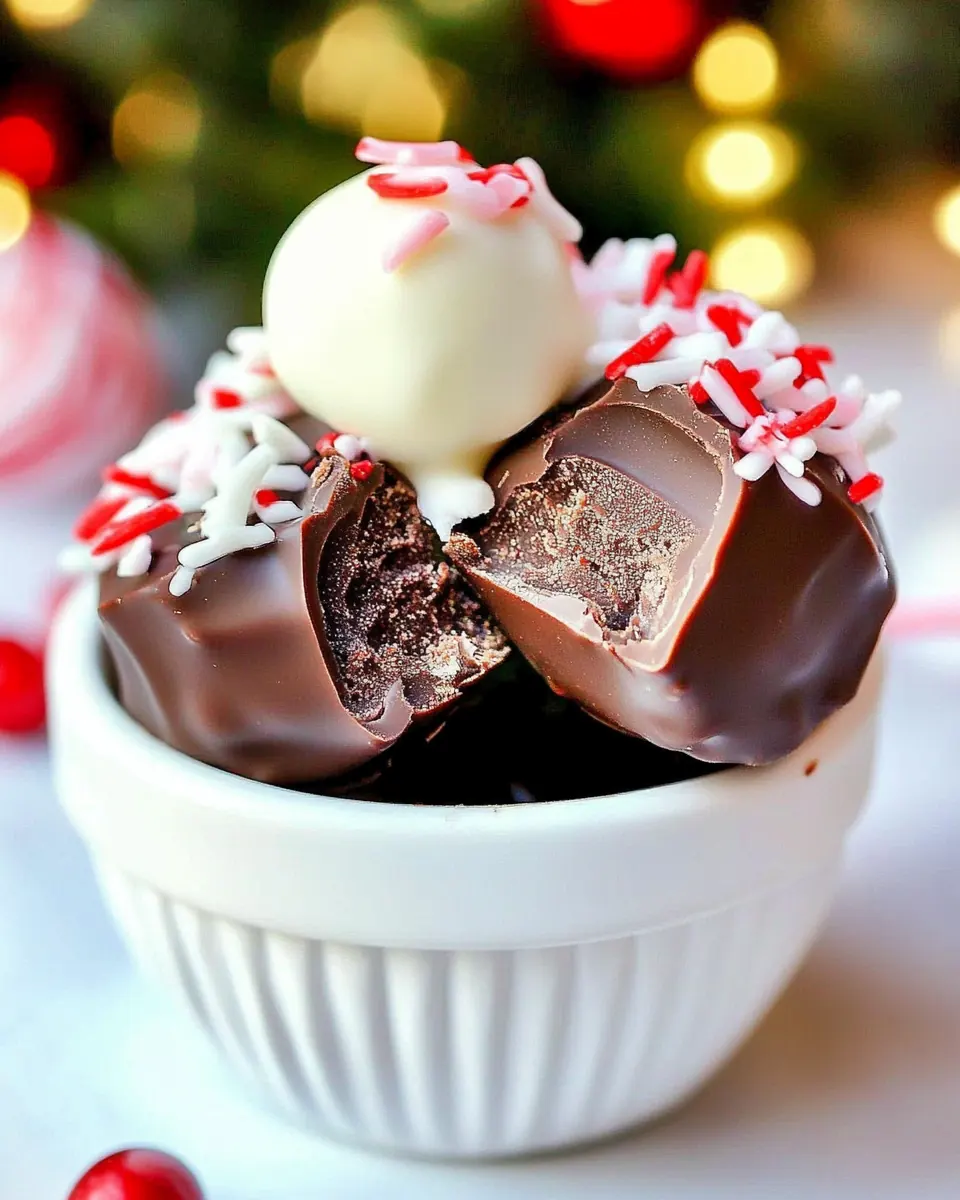
These ingredients are intentionally simple, each playing a specific role in creating a stable, delicious cocoa bomb. The two types of almond bark form the structural shell and visual contrast. The hot chocolate powder mix is the flavor heart that dissolves into milk, while the dehydrated mallow bits add texture and nostalgic marshmallow notes. The small shot glass solo cups act as inexpensive molds, and packaging tape helps with clean removal. Together they balance structure, flavor, and presentation.
- 4 oz . white almond bark: Melted to create a smooth, pourable coating that forms the white exterior of the chocolate bomb; provides a sweet, creamy contrast when combined with darker chocolate and helps seal filled cavities once cooled. Can be tempered for a glossy finish and added visual appeal, and its mild almond flavor complements cocoa-based fillings.
- 4 oz . chocolate almond bark: Melted to form the rich, dark shell of the chocolate bomb and provide deep chocolate flavor that balances the sweetness of white coating and hot cocoa mix. Acts as the primary structural component for the sphere, hardening to hold fillings in place and create a satisfying snap when broken.
- hot chocolate powder mix: Stirred into the cavity of the chocolate bomb to dissolve and create a flavorful hot beverage when the bomb is placed in hot milk or water; delivers the core cocoa flavor and sweetness to the final drink. Also adds soluble solids and spices or sweetness that complement the marshmallow bits for a classic hot chocolate experience.
- dehydrated mallow bits: Sprinkled into the center of the chocolate bomb to provide a fluffy, sweet marshmallow texture that melts into the beverage and enhances mouthfeel. Adds visual charm and a traditional hot chocolate topping sensation when the bomb dissolves.
- small shot glass solo cups: Used as a disposable mold to form individual, uniform spherical shells and hold melted chocolate while it sets; sized for single servings and convenient for making solo bombs without complex molds. Facilitates easy removal by gently flexing the cup once the chocolate has hardened.
- packaging tape: Secured around packaging or used to close wraps, ensuring assembled chocolate bombs remain sealed and protected for storage or gifting. Helps prevent accidental opening during transport and can be used decoratively to fasten labels or tags.
Preparation Steps for Solo Cup Chocolate Bombs
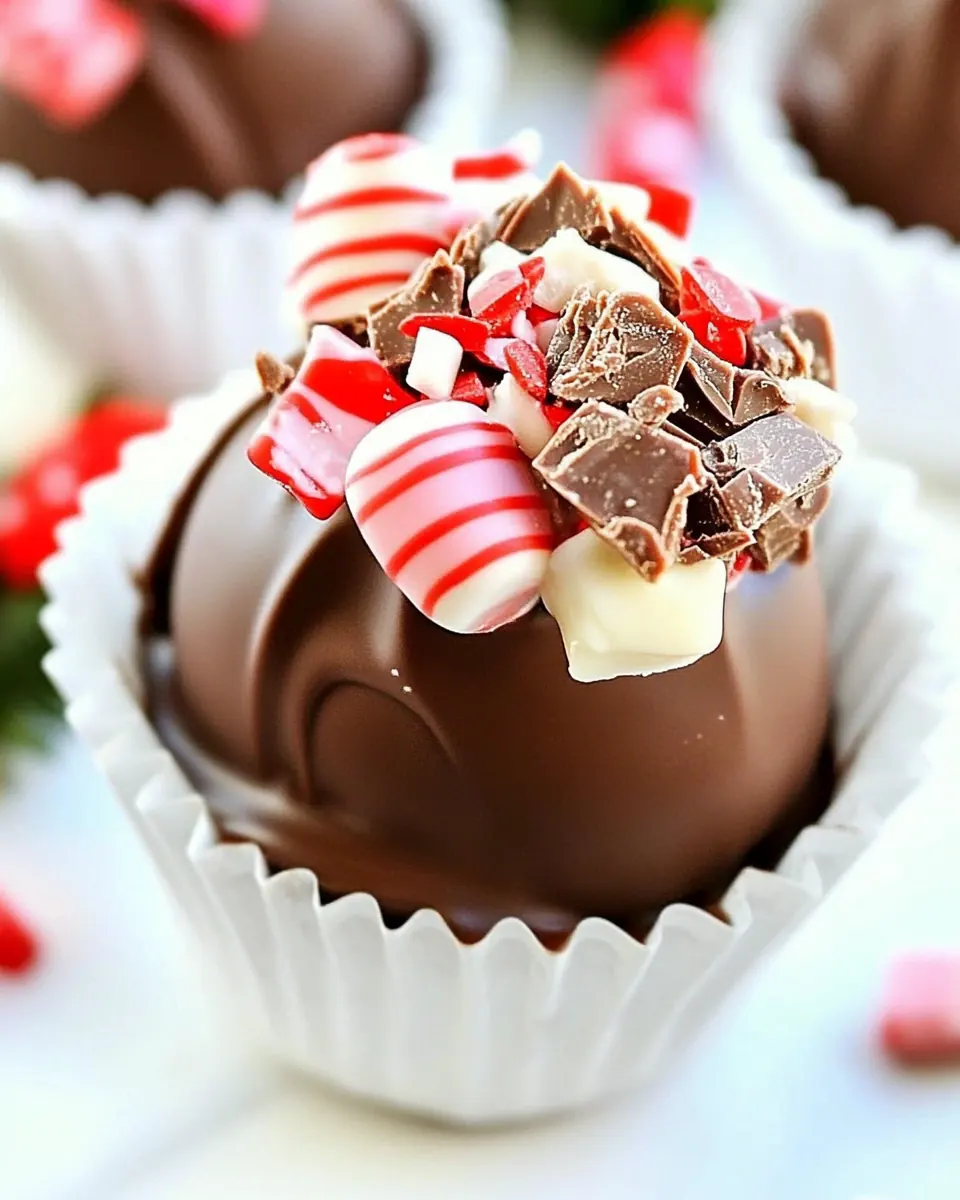
These directions walk you through every stage with sensory cues so you know when each step is right. I like to move slowly and enjoy the tactile process, because rushing here leads to cracked shells or messy seals. Keep your workspace tidy and have all ingredients and tools within reach.
- Using scissors, snip one side of the mini red solo cups from the top to the bottom. Typically you will need pretty sharp scissors and take care not to get a finger.: Right away you will notice the plastic squeaks faintly as you cut, and the thin edge should separate cleanly if your scissors are sharp. This cut creates an opening that lets you remove the mold in one piece later, and taking care here prevents jagged edges that could tear the shell during extraction. One pitfall is using dull scissors, which can crush the plastic and cause irregular edges, so sharp scissors are essential to maintaining a smooth mold outline.
- Use a small piece of packaging tape, folded in half, to cover the cut on the glass. The "half" will act as a tab to rip off the tape to remove the cup from the mold. Set aside.: The tape will feel slightly tacky as you fold it, and when pressed over the seam it creates a tab that stays attached to the plastic, but does not adhere to the chocolate. This little tab makes removal predictable, and it keeps the chocolate from sticking to the inside of the cup at the cut. A common mistake is using tape that is too strong or not folding it properly, which can pull the chocolate when removed instead of the plastic.
- Add white almond bark to a small microwave safe bowl and the chocolate almond bark to another small bowl.: The bowls should be dry and clean, because any splash of water can seize the melted bark into small hard clumps. You will hear a faint sizzle if the bowls are slightly warmed, and the bark will begin to soften as you stir. Separating the colors keeps control over the visual effect as you drizzle. Avoid adding liquids or overheating the bowls, which could cause uneven melting.
- Microwave the chocolate on 50% power for 60 seconds and stir. Repeat the process until the chocolate is melted.: You will see glossy pools of melted chocolate form around the edges after the initial microwaving, and stirring brings the heat inward to melt the remaining bits without burning. The 50 percent power helps prevent scorching, which smells acrid and ruins the smooth texture. Repeat the process until the chocolate is melted, stirring between bursts so the residual heat finishes the job. A typical error is microwaving at full power, which can create a scorched smell and grainy texture.
- Drizzle one spoonful of each color of melted chocolate into each mold, swirling and spreading it to evenly coat with a pastry brush. Pop into the freezer for 10 minutes or until chocolate is set.: As you drizzle, the chocolate will spread into a thin glossy film, and the pastry brush lets you feather it to the edges for a uniform shell. You want a translucent coating initially that will set into a shiny surface in the freezer. When you pop molds into the freezer for 10 minutes, the bark firms quickly, giving you a tactile crunch when set. If you coat too thinly, you will notice fragile areas that are more likely to crack later, so build even coats and don't rush the brushing.
- Repeat the process with the remaining chocolate. Make sure there are no weak points of chocolate and it's fine to make it with double or triple layers of chocolate to ensure a strong Bomb Cup.: Building multiple thin layers rather than one thick pour creates a stronger shell and reduces the chance of air pockets. Each layer should feel smooth and firm after freezing briefly, and the alternating colors form a pretty marbled effect. I often make double or triple layers to ensure no weak points, and this creates a satisfying audible snap when you press the shell. A mistake here is applying the next layer before the first is fully set, which can smear the surface and create uneven thickness.
- Add any leftover chocolate into a ziplock baggie and set aside.: The chocolate in the bag will feel warm and pliable, which is perfect for piping later as a seal. Folding the bag and setting it on the counter preserves heat, and if it firms too much, a quick low power microwave burst softens it. Keeping leftover chocolate warm prevents waste and gives you an easy tool to seal the bombs neatly. Don’t overfill the bag, because a clogged tip makes piping messy and uneven.
- Let the red solo cups harden in the freezer for 10 minutes.: The freezer creates a crisp shell that will pop from the mold more predictably. You will notice the chocolate shine dull slightly as it sets, and the texture goes from tacky to firm. This pause is crucial before attempting removal, because warm shells can deform. Avoid leaving them too long next to strong odors in the freezer, which can be absorbed by the chocolate.
- To cut candy canes, use a sharp knife to whack off the curved end. Discard the curves and keep the sticks.: When you strike the candy cane with a controlled motion, the straight stick snaps cleanly, leaving a crisp peppermint scent in the air. Using a sharp knife lets you get uniform pieces that fit neatly into the cups. Save yourself frustration by keeping the cuts consistent, because oddly sized sticks make stirring messy. Be careful with the knife, because uneven force can shatter the candy into shards.
- NOTE: Prior to removing chocolate if you notice any thin spots, add another layer of chocolate and freeze before attempting to remove. To remove cups from molds, remove the tape and gently peel away the cup from the chocolate. Some of them required tearing the cup, some popped out easily. Discard plastic cups.: At this point your eyes will spot faintly shiny or translucent patches that feel fragile to the touch, signaling thin areas. Adding another layer fills these spots and prevents leaks when the bomb dissolves in hot milk. Freeze briefly after patching so the added chocolate bonds and firms. A common oversight is trying to remove cups with thin areas, which often results in cracked bombs and wasted effort.
- Preheat a small skillet over medium heat and remove. Gently place the chocolate cups, top side down, onto the skillet to even the top and smooth the chocolate. This only takes a few seconds. Set aside to harden.: The tape tab lets you lift the plastic slowly, and you should hear a soft popping or slipping sound as the cup releases. If the cup resists, placing it at room temperature for a minute can help the plastic flex slightly, easing removal. Some cups may require tearing if they stick, but try to avoid tearing as it can pull fragile chocolate with it. If a shell tears, press melted chocolate over the area to patch it before sealing.
- Place about 2 scoops of hot cocoa powder into the chocolate cups and place a candy cane in the cup. Add additional cocoa until full. Smooth the tops and tamp down lightly to settle the powder.: Warming a skillet briefly and then removing it to a cooler spot provides residual heat that smooths the edges without melting the entire shell. When you gently press the top side down for a few seconds, you will notice the surface soften and even out, creating a neat rim. This tactile smoothing is quick and produces a polished look. Be careful not to let the skillet stay too hot, since extended contact will melt the shell excessively.
- Melt the excess chocolate in the bag if hardened. Microwave at 50% power for 30 seconds, kneading until smooth.: Filling the cup with powder creates the flavor core, and the peppermint stick sits upright to stir later. The powder should look evenly mounded and feel slightly compacted when you tamp it lightly, ensuring it will disperse properly into milk. If you overpack, there will be little room to seal the cup cleanly, so measure thoughtfully to maintain balance between filling and sealing.
- Snip the tip of the baggie and pipe the chocolate on top of the cups to seal the cocoa in a layer of chocolate all the way to the edges.: When you knead the bag after a brief burst at 50 percent power, the chocolate will become glossy and pourable again. This pliable chocolate is perfect for piping to seal the bomb, and reheating in short intervals prevents burning. Watch for any grainy texture, which signals overheating, and stop microwaving if graininess appears.
- Top with dehydrated mallow bits while the chocolate is melted. Press in slightly if necessary. Let stand completely until the chocolate is hard.: As you pipe, you will see the chocolate spread and create a shiny seam that bonds the two halves, and your finger can smooth any exposed edges gently. The seal should be continuous to prevent powder from escaping when the bomb melts. A frequent misstep is cutting too large a hole, which causes too much chocolate to flood the top and obscures decoration.
- To enjoy: Serve with a cup of warm milk. Add the cocoa bomb and stir using the peppermint stick until melted and mixed well. The hot cocoa mix will release into the hot milk.: Pressing a few bits into the warm chocolate gives a snowy, festive finish and adds texture when the bomb dissolves. They will adhere easily if added while the chocolate is still soft, and they rehydrate into pillowy marshmallows in hot milk. If you wait too long and the chocolate firms, the bits will not stick and may fall off during storage.
- Let stand completely until the chocolate is hard: The final hardening is when the seam sets and the bomb becomes stable for storage or gifting. You can test by gently touching the top to ensure it is firm and does not dent. Proper curing prevents premature melting when placed in room temperature. Avoid stacking bombs until fully set, or they can deform under weight.
- To enjoy Serve with a cup of warm milk: Pour warm milk into a mug and drop the bomb in, then stir with the peppermint stick until the shell melts and the cocoa dissolves. You will see a swirl of cocoa and marshmallow that transforms the milk into a rich, flavored drink, and the scent of peppermint and chocolate will be immediate. If stirring too slowly, the shell may take longer to melt evenly, so be patient and keep stirring until smooth.
Helpful Hints
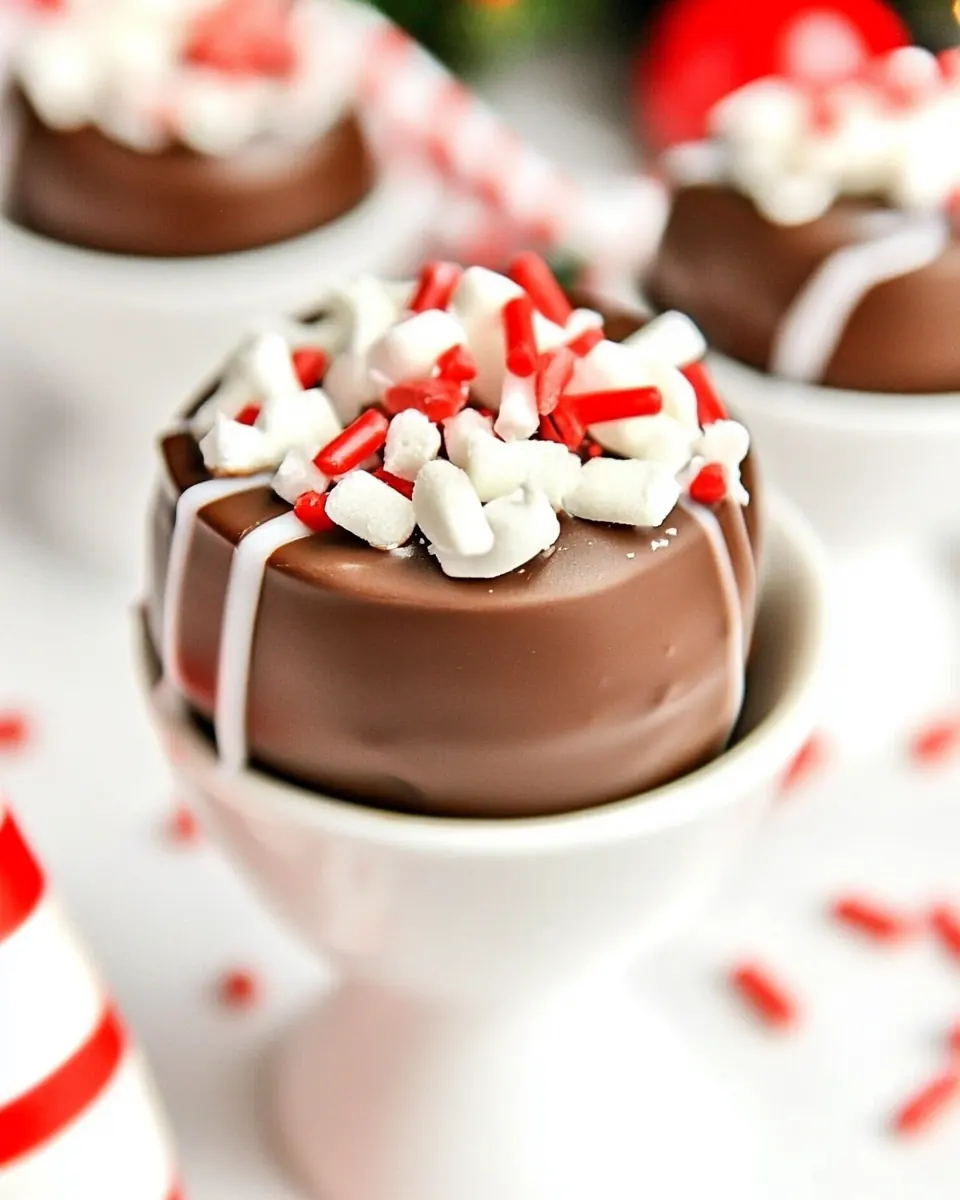
I keep these hints short and practical because the process rewards patience and gentle handling. Below are expanded tips based on what I learned after several batches, covering melting technique, mold handling, and finishing touches.
- Heat gently: Always microwave at 50 percent power in short bursts to avoid burning the almond bark. Stir between bursts so residual heat finishes melting the small unmelted bits, which prevents a scorched smell and grainy texture.
- Work cold to set fast: Use the freezer for initial setting to firm the shells quickly, which helps them release from the plastic more cleanly and reduces fingerprints on the surface.
- Build layers: Apply multiple thin layers of chocolate instead of one thick pour; this prevents air pockets and creates a stronger shell that snaps satisfyingly.
- Use a tape tab: Folding packaging tape into a small tab over the seam of the solo cup makes removing the mold predictable and saves many cracked bombs.
- Patch thin areas: If you notice translucent spots, add another layer of melted chocolate and refreeze; this prevents leaks and ensures the bomb holds together when placed in hot milk.
Serving This Solo Cup Chocolate Bombs
Serving these is part of the fun, so I focus on the ritual and a few simple presentation choices that feel special. They are casual, interactive treats that work well at holiday gatherings, cozy nights, and as thoughtful homemade gifts.
- Serve warm milk in preheated mugs: Warm the mugs briefly so the bomb melts evenly and you get a smooth, hot cup right away.
- Provide peppermint sticks for stirring: They act both as a stirrer and a flavoring tool, releasing mint as you stir and making the presentation playful.
- Arrange on a tray: Present the bombs on a platter lined with parchment for easy picking and a tidy display when guests serve themselves.
- Gifting: Wrap individual bombs in small boxes or cellophane and tie with ribbon; include a note that recommends heating milk and stirring until fully dissolved.
- Storage tips: Keep bombs in an airtight container at room temperature away from strong odors to preserve flavor and prevent melting.
- Occasions: Great for winter evenings, holiday parties, and casual gatherings where a warm, comforting drink is welcome.
FAQ
Conclusion
What makes these Solo Cup Chocolate Bombs special is the way simple ingredients and small rituals turn an ordinary mug of milk into a moment of delight. The crisp, marbled shells and the surprise of hot cocoa and marshmallow inside create a warming, interactive treat that feels both playful and thoughtful. I encourage you to give them a try this season, invite someone to share the experience, and savor how a few careful steps can make a cozy, memorable drink. They are easy to adapt, fun to assemble, and each cup delivers that little bit of comfort we all crave on chilly nights.
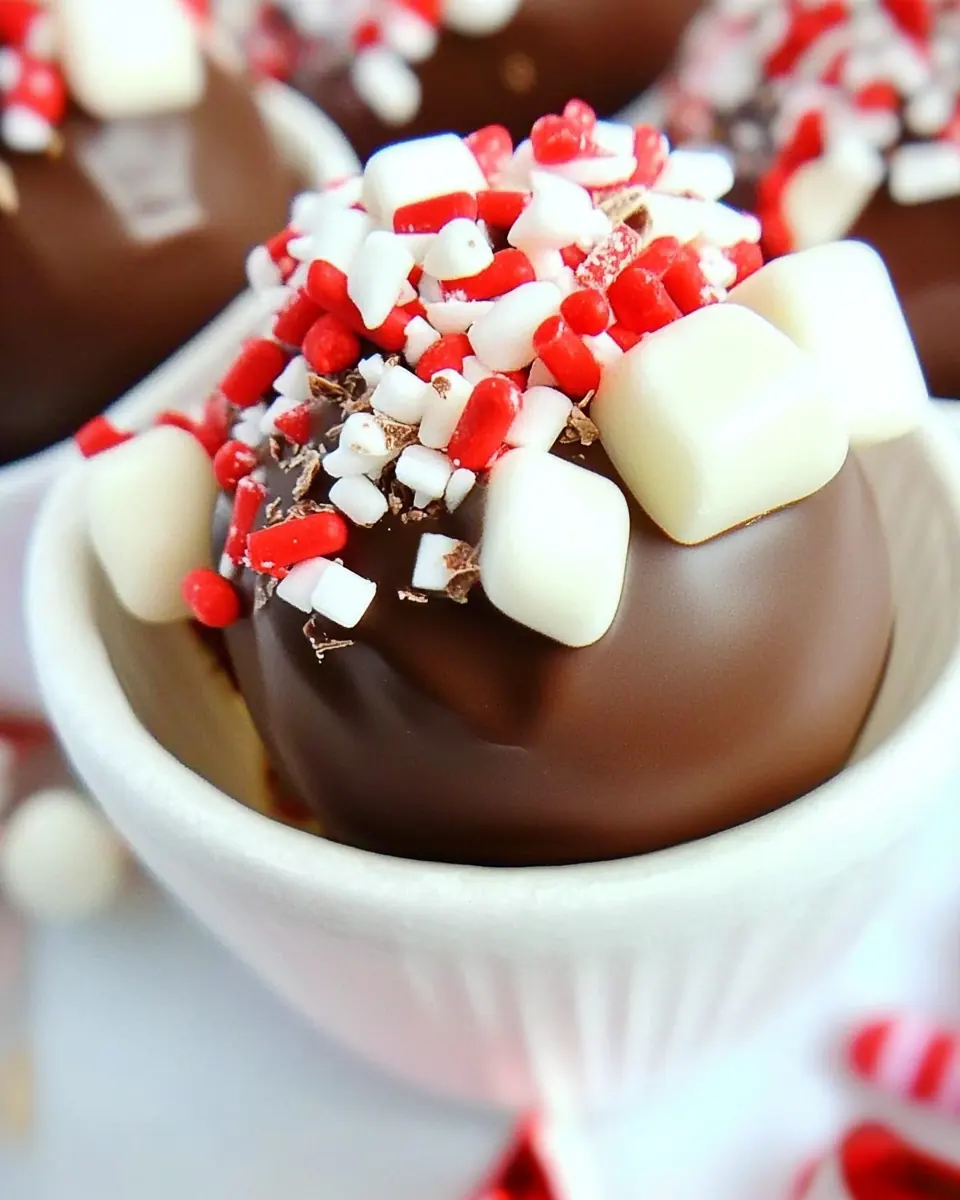
Solo Cup Chocolate Bombs
Ingredients
Equipment
Method
- Using scissors, snip one side of the mini red solo cups from the top to the bottom. Typically you will need pretty sharp scissors and take care not to get a finger.: Right away you will notice the plastic squeaks faintly as you cut, and the thin edge should separate cleanly if your scissors are sharp. This cut creates an opening that lets you remove the mold in one piece later, and taking care here prevents jagged edges that could tear the shell during extraction. One pitfall is using dull scissors, which can crush the plastic and cause irregular edges, so sharp scissors are essential to maintaining a smooth mold outline.
- Use a small piece of packaging tape, folded in half, to cover the cut on the glass. The "half" will act as a tab to rip off the tape to remove the cup from the mold. Set aside.: The tape will feel slightly tacky as you fold it, and when pressed over the seam it creates a tab that stays attached to the plastic, but does not adhere to the chocolate. This little tab makes removal predictable, and it keeps the chocolate from sticking to the inside of the cup at the cut. A common mistake is using tape that is too strong or not folding it properly, which can pull the chocolate when removed instead of the plastic.
- Add white almond bark to a small microwave safe bowl and the chocolate almond bark to another small bowl.: The bowls should be dry and clean, because any splash of water can seize the melted bark into small hard clumps. You will hear a faint sizzle if the bowls are slightly warmed, and the bark will begin to soften as you stir. Separating the colors keeps control over the visual effect as you drizzle. Avoid adding liquids or overheating the bowls, which could cause uneven melting.
- Microwave the chocolate on 50% power for 60 seconds and stir. Repeat the process until the chocolate is melted.: You will see glossy pools of melted chocolate form around the edges after the initial microwaving, and stirring brings the heat inward to melt the remaining bits without burning. The 50 percent power helps prevent scorching, which smells acrid and ruins the smooth texture. Repeat the process until the chocolate is melted, stirring between bursts so the residual heat finishes the job. A typical error is microwaving at full power, which can create a scorched smell and grainy texture.
- Drizzle one spoonful of each color of melted chocolate into each mold, swirling and spreading it to evenly coat with a pastry brush. Pop into the freezer for 10 minutes or until chocolate is set.: As you drizzle, the chocolate will spread into a thin glossy film, and the pastry brush lets you feather it to the edges for a uniform shell. You want a translucent coating initially that will set into a shiny surface in the freezer. When you pop molds into the freezer for 10 minutes, the bark firms quickly, giving you a tactile crunch when set. If you coat too thinly, you will notice fragile areas that are more likely to crack later, so build even coats and don't rush the brushing.
- Repeat the process with the remaining chocolate. Make sure there are no weak points of chocolate and it's fine to make it with double or triple layers of chocolate to ensure a strong Bomb Cup.: Building multiple thin layers rather than one thick pour creates a stronger shell and reduces the chance of air pockets. Each layer should feel smooth and firm after freezing briefly, and the alternating colors form a pretty marbled effect. I often make double or triple layers to ensure no weak points, and this creates a satisfying audible snap when you press the shell. A mistake here is applying the next layer before the first is fully set, which can smear the surface and create uneven thickness.
- Add any leftover chocolate into a ziplock baggie and set aside.: The chocolate in the bag will feel warm and pliable, which is perfect for piping later as a seal. Folding the bag and setting it on the counter preserves heat, and if it firms too much, a quick low power microwave burst softens it. Keeping leftover chocolate warm prevents waste and gives you an easy tool to seal the bombs neatly. Don’t overfill the bag, because a clogged tip makes piping messy and uneven.
- Let the red solo cups harden in the freezer for 10 minutes.: The freezer creates a crisp shell that will pop from the mold more predictably. You will notice the chocolate shine dull slightly as it sets, and the texture goes from tacky to firm. This pause is crucial before attempting removal, because warm shells can deform. Avoid leaving them too long next to strong odors in the freezer, which can be absorbed by the chocolate.
- To cut candy canes, use a sharp knife to whack off the curved end. Discard the curves and keep the sticks.: When you strike the candy cane with a controlled motion, the straight stick snaps cleanly, leaving a crisp peppermint scent in the air. Using a sharp knife lets you get uniform pieces that fit neatly into the cups. Save yourself frustration by keeping the cuts consistent, because oddly sized sticks make stirring messy. Be careful with the knife, because uneven force can shatter the candy into shards.
- NOTE: Prior to removing chocolate if you notice any thin spots, add another layer of chocolate and freeze before attempting to remove. To remove cups from molds, remove the tape and gently peel away the cup from the chocolate. Some of them required tearing the cup, some popped out easily. Discard plastic cups.: At this point your eyes will spot faintly shiny or translucent patches that feel fragile to the touch, signaling thin areas. Adding another layer fills these spots and prevents leaks when the bomb dissolves in hot milk. Freeze briefly after patching so the added chocolate bonds and firms. A common oversight is trying to remove cups with thin areas, which often results in cracked bombs and wasted effort.
- Preheat a small skillet over medium heat and remove. Gently place the chocolate cups, top side down, onto the skillet to even the top and smooth the chocolate. This only takes a few seconds. Set aside to harden.: The tape tab lets you lift the plastic slowly, and you should hear a soft popping or slipping sound as the cup releases. If the cup resists, placing it at room temperature for a minute can help the plastic flex slightly, easing removal. Some cups may require tearing if they stick, but try to avoid tearing as it can pull fragile chocolate with it. If a shell tears, press melted chocolate over the area to patch it before sealing.
- Place about 2 scoops of hot cocoa powder into the chocolate cups and place a candy cane in the cup. Add additional cocoa until full. Smooth the tops and tamp down lightly to settle the powder.: Warming a skillet briefly and then removing it to a cooler spot provides residual heat that smooths the edges without melting the entire shell. When you gently press the top side down for a few seconds, you will notice the surface soften and even out, creating a neat rim. This tactile smoothing is quick and produces a polished look. Be careful not to let the skillet stay too hot, since extended contact will melt the shell excessively.
- Melt the excess chocolate in the bag if hardened. Microwave at 50% power for 30 seconds, kneading until smooth.: Filling the cup with powder creates the flavor core, and the peppermint stick sits upright to stir later. The powder should look evenly mounded and feel slightly compacted when you tamp it lightly, ensuring it will disperse properly into milk. If you overpack, there will be little room to seal the cup cleanly, so measure thoughtfully to maintain balance between filling and sealing.
- Snip the tip of the baggie and pipe the chocolate on top of the cups to seal the cocoa in a layer of chocolate all the way to the edges.: When you knead the bag after a brief burst at 50 percent power, the chocolate will become glossy and pourable again. This pliable chocolate is perfect for piping to seal the bomb, and reheating in short intervals prevents burning. Watch for any grainy texture, which signals overheating, and stop microwaving if graininess appears.
- Top with dehydrated mallow bits while the chocolate is melted. Press in slightly if necessary. Let stand completely until the chocolate is hard.: As you pipe, you will see the chocolate spread and create a shiny seam that bonds the two halves, and your finger can smooth any exposed edges gently. The seal should be continuous to prevent powder from escaping when the bomb melts. A frequent misstep is cutting too large a hole, which causes too much chocolate to flood the top and obscures decoration.
- To enjoy: Serve with a cup of warm milk. Add the cocoa bomb and stir using the peppermint stick until melted and mixed well. The hot cocoa mix will release into the hot milk.: Pressing a few bits into the warm chocolate gives a snowy, festive finish and adds texture when the bomb dissolves. They will adhere easily if added while the chocolate is still soft, and they rehydrate into pillowy marshmallows in hot milk. If you wait too long and the chocolate firms, the bits will not stick and may fall off during storage.
- Let stand completely until the chocolate is hard: The final hardening is when the seam sets and the bomb becomes stable for storage or gifting. You can test by gently touching the top to ensure it is firm and does not dent. Proper curing prevents premature melting when placed in room temperature. Avoid stacking bombs until fully set, or they can deform under weight.
- To enjoy Serve with a cup of warm milk: Pour warm milk into a mug and drop the bomb in, then stir with the peppermint stick until the shell melts and the cocoa dissolves. You will see a swirl of cocoa and marshmallow that transforms the milk into a rich, flavored drink, and the scent of peppermint and chocolate will be immediate. If stirring too slowly, the shell may take longer to melt evenly, so be patient and keep stirring until smooth.
Notes
- Heat gently: Always microwave at 50 percent power in short bursts to avoid burning the almond bark. Stir between bursts so residual heat finishes melting the small unmelted bits, which prevents a scorched smell and grainy texture.
- Work cold to set fast: Use the freezer for initial setting to firm the shells quickly, which helps them release from the plastic more cleanly and reduces fingerprints on the surface.
- Build layers: Apply multiple thin layers of chocolate instead of one thick pour; this prevents air pockets and creates a stronger shell that snaps satisfyingly.
- Use a tape tab: Folding packaging tape into a small tab over the seam of the solo cup makes removing the mold predictable and saves many cracked bombs.
- Patch thin areas: If you notice translucent spots, add another layer of melted chocolate and refreeze; this prevents leaks and ensures the bomb holds together when placed in hot milk.