Shrimp Marinade
Shrimp Marinade has been my go to shortcut for turning ordinary weeknight meals into something bright and unforgettable. The first time I mixed these simple pantry staples and tossed them with shrimp, I remember the kitchen filling with a citrusy steam that promised summer on a plate. Over time I learned to tweak the balance so the flavors cling to the shrimp without masking its natural sweetness.
I like to think of this Shrimp Marinade as a little ritual. On busy evenings, I mix the liquid components while the garlic gets finely minced, and then I let the bowl sit in the fridge so the flavors have a chance to calm down and become friends. Friends often ask how long to marinate, and I tell them that patience pays off, especially when the marinade softens the surface of the shrimp and infuses it with tang and warmth.
Sometimes I make a double batch and keep some to brush on grilled vegetables, because the combination of olive oil, lemon juice, and a touch of honey becomes addictively bright. Other times I use the marinade as a finishing drizzle to lift a bowl of rice and greens. Either way, Shrimp Marinade is one of those small techniques that makes simple ingredients sing in harmony.
Recipe Snapshot
40 mins
30 mins
10 mins
Easy
220 kcal
Mediterranean
Paleo, Gluten-Free
Dinner
Large bowl, Whisk, Tongs, Refrigerator, Pan or Grill
Why This Shrimp Marinade Is a Winner
Bright, balanced flavor
I love how this Shrimp Marinade hits multiple flavor notes at once. The combination of lemon juice and honey gives a lively sweet acidity that complements the natural brininess of shrimp. I rely on that balance to make every bite sing without tasting flat.
Fast and flexible
One of the reasons I reach for this Shrimp Marinade on hectic nights is its speed. You whisk the components together and the marinade does the heavy lifting while you finish other tasks. I often vary the marinating time depending on how firm or tender I want the shrimp to be, and it adapts well to pan searing, grilling, or broiling.
Minimal ingredients, maximum impact
I appreciate recipes that demand only a handful of high quality items. With staples like olive oil, garlic, and dried herbs such as dried basil and dried oregano, this Shrimp Marinade turns a plain protein into something layered and interesting. The herbs add depth without complexity, so the final dish still feels clean.
Easy to scale and customize
I often double this Shrimp Marinade when hosting friends. The proportions remain reliable, and if someone prefers heat I nudge up the red pepper flakes. If you want something milder, reduce the pepper flakes and let the lemon juice do the heavy lifting. It’s forgiving and chef friendly.
Versatile serving options
Finally, I adore how this marinade works across meals. Use it to toss shrimp for tacos, pile the cooked shrimp over salad, or thread it onto skewers for a quick grill. The bright character of this Shrimp Marinade keeps every serving lively and memorable.
What Goes Into Shrimp Marinade
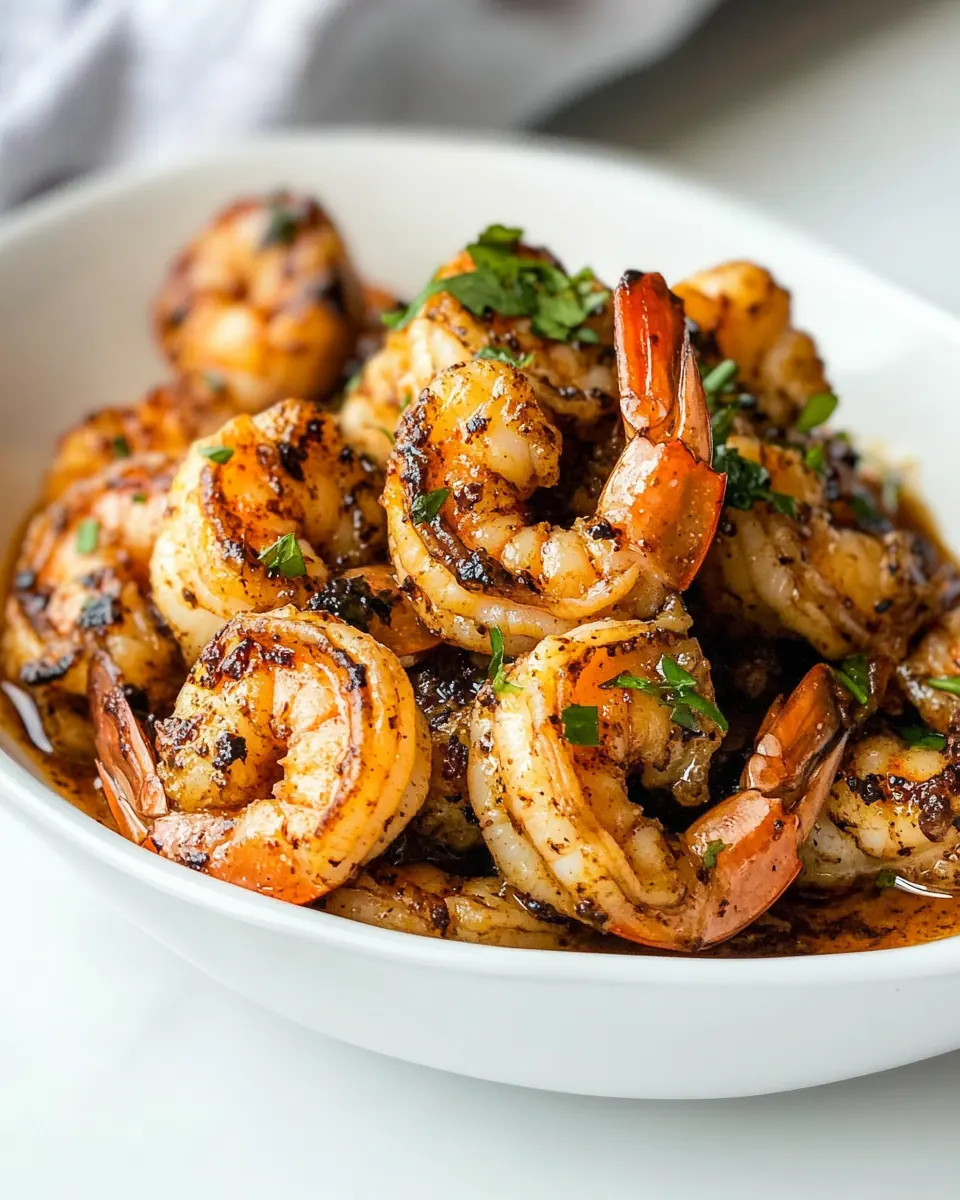
These components play well together because each has a clear role. The olive oil carries flavor and helps the marinade cling to the shrimp. Lemon juice brightens and tenderizes, while honey rounds out acidity with a gentle sweetness. Aromatics like garlic and dried herbs add savory backbone, and the small pinch of red pepper flakes can provide a background warmth. Altogether the mix creates a balanced coating that enhances, rather than overpowers, the shrimp.
- 1 pound large shrimp, peeled and deveined: Provide a sweet, briny protein base that absorbs flavors quickly when marinated; use peeled and deveined shrimp for even seasoning and quick cooking. Handle gently to avoid tearing and marinate briefly to prevent over-tenderizing from acidic ingredients. Serve immediately after cooking for best texture and flavor.
- 1/4 cup olive oil: Add a rich, smooth fat that helps carry and meld the flavors of aromatics and spices throughout the shrimp. Emulsify with acidic ingredients to create a cohesive marinade that coats evenly. Choose good-quality oil for a clean mouthfeel and pleasant finish.
- 3 tablespoons lemon juice: Brighten and tenderize by offering acidity that balances richness and helps penetrate the shrimp for deeper flavor. Combine with oil to form a balanced dressing and avoid over-marinating to prevent a mushy texture. Freshly squeezed juice delivers the freshest citrus aroma and sharpness.
- 2 tablespoons honey: Contribute sweetness and a subtle sticky glaze that balances the tartness of lemon and the heat of spices; honey also helps with caramelization when cooking. Dissolve into the oil and acid mixture to round out flavors and create a gentle counterpoint to savory notes. Adjust quantity to taste for desired sweetness.
- 3 cloves garlic, minced: Infuse pungent, savory depth and aromatic sharpness that complements seafood and melds with herbs and spices. Mince finely to release juices and distribute flavor evenly throughout the marinade. Allow a short rest time for garlic to mellow and integrate.
- 1/2 teaspoon paprika: Impart a warm, slightly smoky flavor and a hint of color that complements the seafood and other seasonings. Use sparingly to avoid overwhelming delicate shrimp; it enhances overall savory character. Pair well with other dried herbs for a balanced profile.
- 1/4 teaspoon red pepper flakes (optional): Contribute a touch of heat and a fruity, sharp background note when used; mark as optional to suit individual heat preferences. Crush lightly before adding to release oils and increase flavor impact. Adjust amount or omit to control spiciness.
- 1 teaspoon kosher salt: Provide essential salinity that enhances overall flavor and helps proteins bind moisture, improving texture during cooking. Use kosher salt for even distribution and easier pinch control; dissolve into liquid for uniform seasoning. Taste and adjust cautiously to avoid over-salting.
- 1/2 teaspoon black pepper: Offer subtle earthy heat and aromatic depth that rounds out the seasoning blend without overpowering the shrimp. Grind freshly or use pre-ground to match desired intensity; distribute evenly in the marinade. Complements both sweet and acidic components.
- 1/2 teaspoon dried basil: Deliver a sweet, slightly minty herbal note that adds Mediterranean character and freshness to the marinade. Use dried form for convenience and long shelf life, and rehydrate briefly in the marinade to release flavor. Combine with oregano and thyme for classic herb layering.
- 1/2 teaspoon dried oregano: Add a savory, slightly floral and lemony note that enhances the herbal complexity of the marinade. Use dried oregano for a robust, earthy backbone that supports other flavors; integrate evenly into the mixture. Works well with basil and thyme for balanced herbiness.
- 1/4 teaspoon dried thyme: Provide a delicate, woody and lemon-scented herbal nuance that adds subtle complexity without dominating the profile. Use sparingly due to concentrated flavor in dried form and distribute evenly in the marinade. Complements other Mediterranean herbs for cohesion.
- 1 tablespoon fresh parsley, finely chopped: Garnish with fresh, bright herbiness that adds color, freshness, and a final aromatic lift when folded in after marinating. Finely chop to release essential oils and sprinkle over cooked shrimp or stir into the marinade briefly. Use fresh parsley for a clean, grassy finish.
The Process for Making Shrimp Marinade
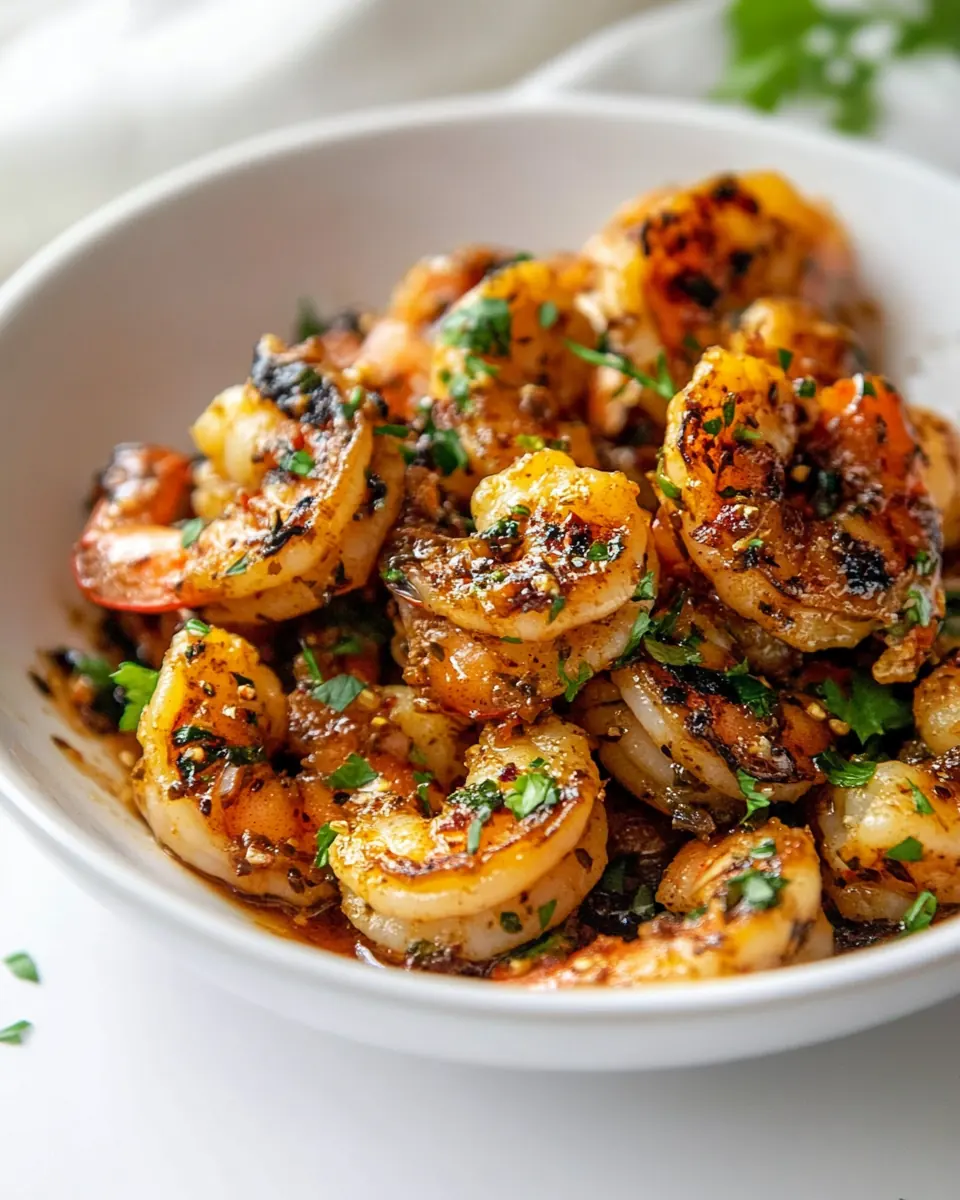
Below I expand each instruction into detailed, sensory rich steps so you know what to expect from aroma to final texture. These notes will help you get consistent results whether you sear, grill, or broil the shrimp.
- In a large bowl, combine all ingredients except for shrimp. Whisk until fully combined.: The bowl will quickly perfume your kitchen with bright citrus and warm garlic. As you whisk, notice the olive oil emulsifying with the lemon juice , creating a slightly glossy mixture that looks cohesive rather than separated. You should hear gentle whisking sounds and see small suspended droplets of oil in the liquid, a sign the emulsion is taking place. This step matters because it ensures every piece of shrimp will be evenly coated, which promotes uniform flavor and browning during cooking. A common mistake is under whisking, which leaves oil pooling and causes uneven seasoning. If you see separation, whisk a bit longer or add a tiny extra splash of olive oil while whisking to bring it together.
- Add the shrimp to the bowl and toss to coat evenly with the marinade. Cover and refrigerate for 30 minutes to 1 hour to allow flavors to meld.: When the shrimp hits the bowl, use tongs or your hands to fold them gently, ensuring each piece wears a thin layer of the mixture. You'll feel the slickness of the olive oil and the slightly grainy texture from the minced garlic and dried herbs. The goal is light, even coverage rather than drowning the protein, so toss just until coated. This technique matters because it prevents the shrimp from becoming too soft or sitting in too much acid. A common error is overhandling, which can mush the shrimp ; be gentle and quick when tossing.
- Remove shrimp from the marinade and cook using preferred cooking method.: Place the bowl in the refrigerator so the flavors have time to marry and the lemon juice begins to gently work on the surface of the shrimp . You will notice the aroma deepen after chilling, and the marinade will cling more effectively. This resting time is a balance point: 30 minutes gives a bright coating while 1 hour allows more penetration without turning the texture mealy. The reason this matters is that acid can start to partially cook seafood if left too long, so avoid exceeding the upper time if you want tender shrimp . A typical mistake is leaving them overnight, which can make the texture mushy and overly acidic. Keep an eye on the clock and set a timer for reliability.
- Remove shrimp from the marinade and cook using preferred cooking method: As you take the shrimp from the bowl, let excess marinade drip off so you avoid steaming instead of searing. You will hear an immediate sizzle if you use a hot pan or grill, and the surface should take on a quick, golden edge. The aroma will intensify into caramelized garlic notes and warmed herbs that promise depth. This step is crucial because high heat creates Maillard browning that adds complexity to the final taste. A common error is overcrowding the pan which causes steaming instead of browning; cook in batches if needed, and keep a hot surface to get that desirable color and texture.
Helpful Hints
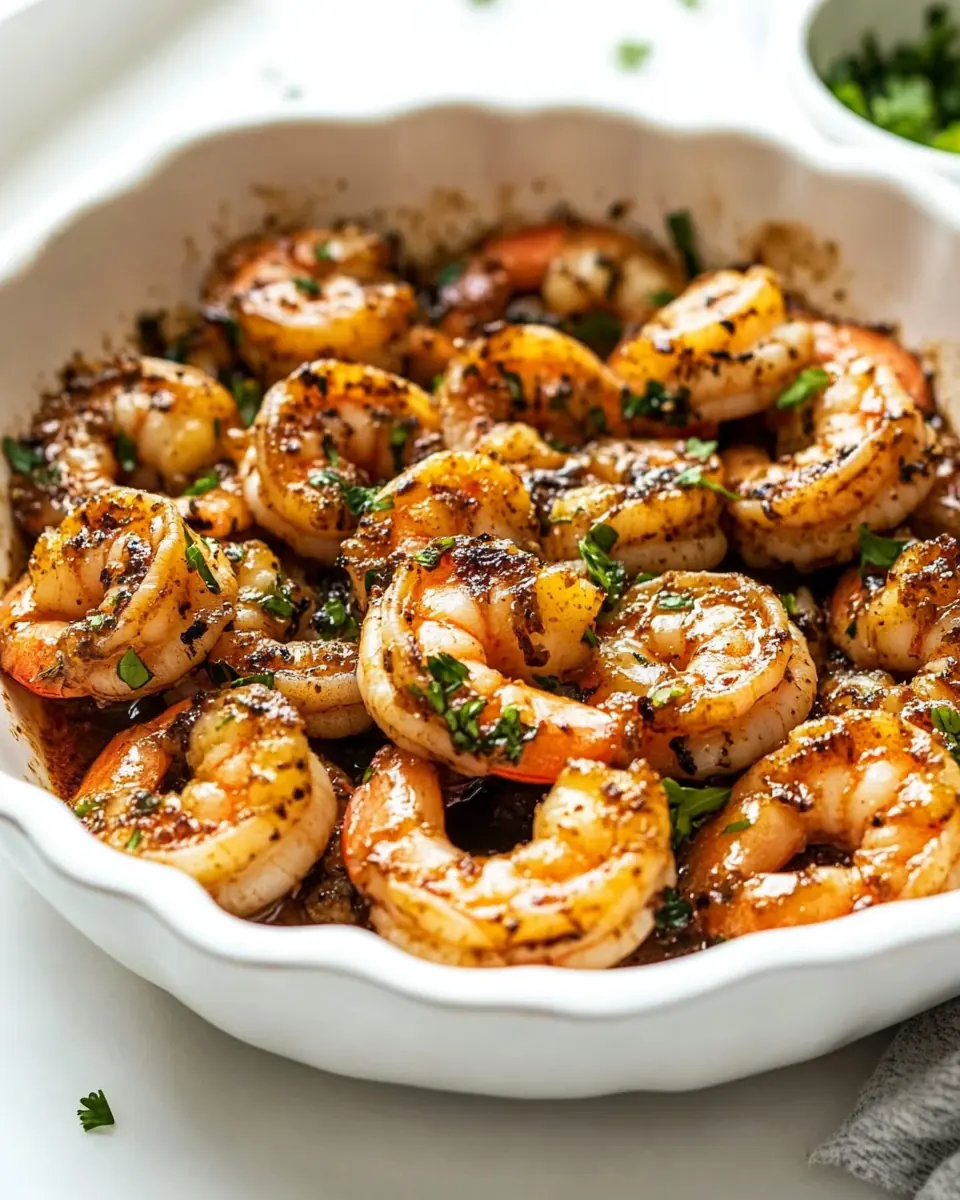
I like to tuck these practical tips into the margins while I cook. They reflect small habits that yield big improvements in texture and flavor, and they keep things predictable whether you are pan searing or grilling the shrimp.
- Prep first: Have all your ingredients measured and the garlic minced before combining, so the marinade comes together quickly and evenly.
- Pat dry: Before marinating, pat the shrimp dry to help the marinade adhere and to promote better browning when cooked.
- Short marination: Stick to 30 minutes to 1 hour to avoid the lemon juice starting to overcook the surface of the shrimp.
- High heat finish: Use a hot pan or grill to sear quickly for a pleasing crust and to keep the interior tender.
- Batch cooking: Cook the shrimp in small batches to prevent crowding, which causes steaming rather than browning.
- Fresh herbs last: Stir in the chopped parsley right after cooking to keep its color and fresh aroma vibrant.
Serve This Shrimp Marinade With
This marinade is versatile, and how you serve the finished shrimp can change the whole mood of the meal. Below I outline several pairings and serving approaches that work for casual weeknights and small gatherings alike.
- Over rice: Spoon the cooked shrimp and any pan juices over steamed rice for a simple, comforting plate that soaks up the flavors.
- With salad: Toss cooked shrimp into a crunchy green salad for a light lunch or dinner that balances bright citrus with fresh textures.
- As tacos: Pile the shrimp into tortillas with cabbage and a squeeze of extra lemon juice for an informal handheld meal.
- For gatherings: Thread the marinated shrimp onto skewers and grill for an easy appetizer or main that is great for entertaining.
- Storage tips: Refrigerate cooked shrimp in an airtight container for up to two days, and reheat briefly to avoid a rubbery texture.
- Seasonal pairing: This bright profile suits summer produce, so consider serving alongside grilled vegetables or a chilled corn salad.
- Occasions: Works well for weeknight dinners, casual outdoor gatherings, and Ramadan if served as part of a larger meal.
FAQ
Conclusion
What makes this recipe special is how a handful of pantry ingredients transform plain shrimp into a bright, flavorful centerpiece with minimal effort. The balance of citrus, honey, and savory aromatics creates a marinade that is fast, forgiving, and versatile enough for weeknight dinners or casual gatherings. I encourage you to try this marinade and play with the heat and herbs to match your taste. It s a small technique that delivers big returns, and after a few tries you ll have your own signature twist to serve confidently.
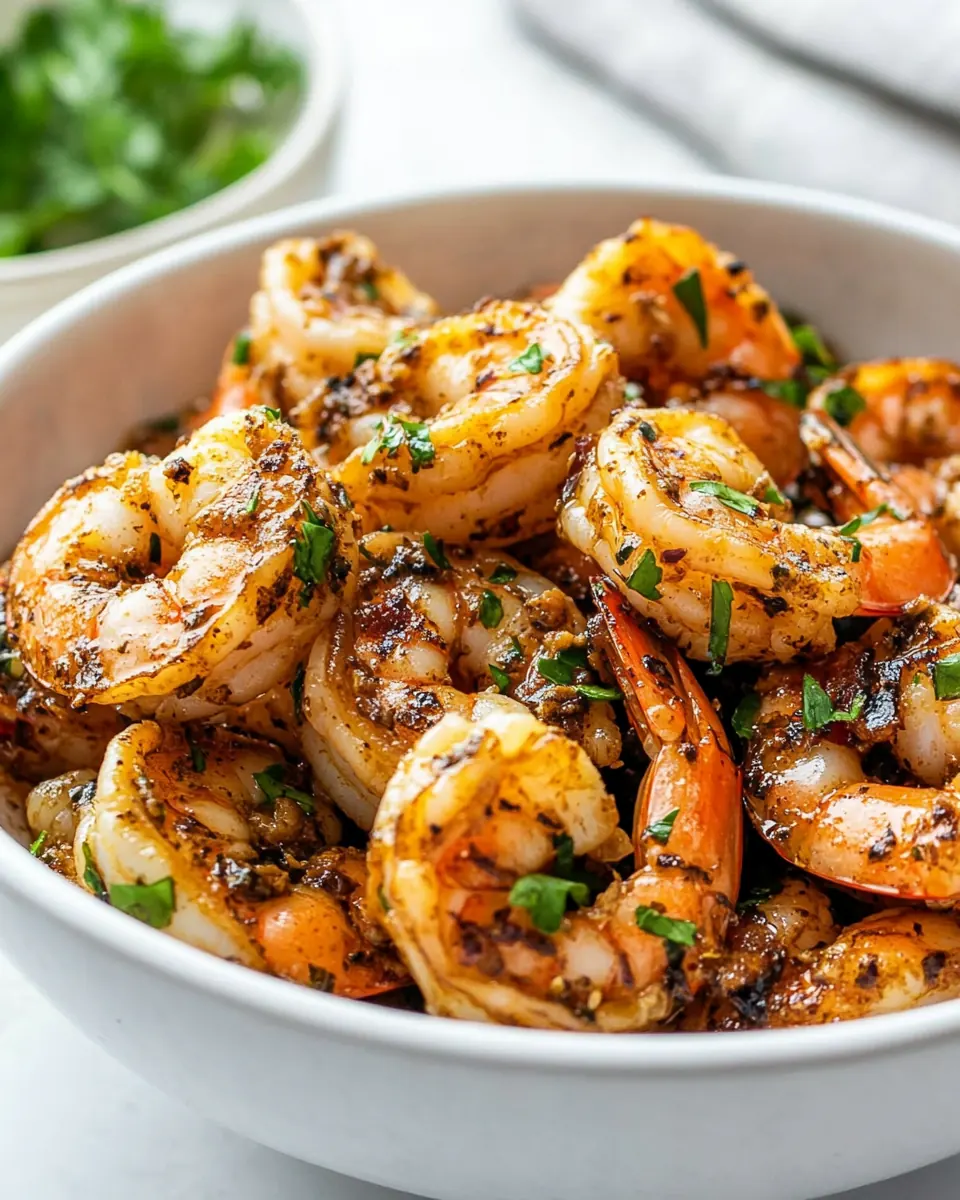
Shrimp Marinade
Ingredients
Equipment
Method
- In a large bowl, combine all ingredients except for shrimp. Whisk until fully combined.: The bowl will quickly perfume your kitchen with bright citrus and warm garlic. As you whisk, notice the olive oil emulsifying with the lemon juice , creating a slightly glossy mixture that looks cohesive rather than separated. You should hear gentle whisking sounds and see small suspended droplets of oil in the liquid, a sign the emulsion is taking place. This step matters because it ensures every piece of shrimp will be evenly coated, which promotes uniform flavor and browning during cooking. A common mistake is under whisking, which leaves oil pooling and causes uneven seasoning. If you see separation, whisk a bit longer or add a tiny extra splash of olive oil while whisking to bring it together.
- Add the shrimp to the bowl and toss to coat evenly with the marinade. Cover and refrigerate for 30 minutes to 1 hour to allow flavors to meld.: When the shrimp hits the bowl, use tongs or your hands to fold them gently, ensuring each piece wears a thin layer of the mixture. You'll feel the slickness of the olive oil and the slightly grainy texture from the minced garlic and dried herbs. The goal is light, even coverage rather than drowning the protein, so toss just until coated. This technique matters because it prevents the shrimp from becoming too soft or sitting in too much acid. A common error is overhandling, which can mush the shrimp ; be gentle and quick when tossing.
- Remove shrimp from the marinade and cook using preferred cooking method.: Place the bowl in the refrigerator so the flavors have time to marry and the lemon juice begins to gently work on the surface of the shrimp . You will notice the aroma deepen after chilling, and the marinade will cling more effectively. This resting time is a balance point: 30 minutes gives a bright coating while 1 hour allows more penetration without turning the texture mealy. The reason this matters is that acid can start to partially cook seafood if left too long, so avoid exceeding the upper time if you want tender shrimp . A typical mistake is leaving them overnight, which can make the texture mushy and overly acidic. Keep an eye on the clock and set a timer for reliability.
- Remove shrimp from the marinade and cook using preferred cooking method: As you take the shrimp from the bowl, let excess marinade drip off so you avoid steaming instead of searing. You will hear an immediate sizzle if you use a hot pan or grill, and the surface should take on a quick, golden edge. The aroma will intensify into caramelized garlic notes and warmed herbs that promise depth. This step is crucial because high heat creates Maillard browning that adds complexity to the final taste. A common error is overcrowding the pan which causes steaming instead of browning; cook in batches if needed, and keep a hot surface to get that desirable color and texture.
Notes
- Prep first: Have all your ingredients measured and the garlic minced before combining, so the marinade comes together quickly and evenly.
- Pat dry: Before marinating, pat the shrimp dry to help the marinade adhere and to promote better browning when cooked.
- Short marination: Stick to 30 minutes to 1 hour to avoid the lemon juice starting to overcook the surface of the shrimp.
- High heat finish: Use a hot pan or grill to sear quickly for a pleasing crust and to keep the interior tender.
- Batch cooking: Cook the shrimp in small batches to prevent crowding, which causes steaming rather than browning.
- Fresh herbs last: Stir in the chopped parsley right after cooking to keep its color and fresh aroma vibrant.