Quick Easy Stovetop Mac and Cheese
Quick Easy Stovetop Mac and Cheese is the kind of dish I turn to when I want something comforting, honest, and fast. The very first time I made this, I was short on time and long on craving for something creamy, and the result reminded me how a few simple pantry staples can feel like a warm hug. I remember stirring the sauce and thinking how forgiving this recipe is, forgiving enough that even a distracted cook can still end up with something wonderful.
Over the years I have tweaked the rhythm of making this, and each pass taught me a small lesson about heat, timing, and the character of cheese. Sometimes I serve it as the star of a casual supper, other times it plays a supporting role beside a roasted vegetable. The memories tied to this recipe are small, domestic, and very present for me, like the sound of boiling water and the sight of a glossy, golden sauce when the cheeses melt in.
Recipe Snapshot
30 mins
10 mins
20 mins
Easy
400 kcal
American
Gluten-Free, Low FODMAP
Dinner
Large pot, Another pot, Whisk, Colander
The Magic of This Quick Easy Stovetop Mac and Cheese
Comfort in Minutes
I love that Quick Easy Stovetop Mac and Cheese delivers richness without a long commitment. When life gets busy, this recipe is my shortcut to cozy. The texture is creamy yet structured, so it does not collapse into a gloopy mess if you give it a quick toss before serving.
Straightforward Techniques
There is something satisfying about a roux and a careful whisk. I enjoy the simple chemistry here, where butter and flour build body for the sauce, and the evaporated milk brings concentrated creaminess. These steps are approachable whether you are a confident home cook or new to stovetop sauces.
Real Cheese Flavor
Using freshly grated cheddar and parmesan elevates the dish in ways pre-shredded cheese cannot. I always recommend grating your own, because the melt and mouthfeel are noticeably better. The flavor profiles layer so the final bite tastes rounded and satisfying.
Flexible Serving
This recipe is at home on a weeknight table or a relaxed gathering. I appreciate that the proportions scale neatly, and that the final sauce will partner well with plain sides or heartier additions when you want them. The pepper and seasonings let you nudge the flavor gently without changing the base technique.
Reliable Results
When I want predictability, I reach for this version. The directions are forgiving, and the sensory cues are clear; watch for that glossy sheen when the cheese melts and you are rewarded with a silky finish. If something seems off, small tweaks to seasoning or heat usually fix it fast.
Quick Easy Stovetop Mac and Cheese Shopping List

These ingredients are purposefully simple, chosen to create a sauce that is both creamy and structured. The key players are the starch from the macaroni, the fat and thickener from butter and flour, and the concentrated creaminess of the evaporated milk. The cheeses bring body, flavor, and meltability, while the seasonings lift the profile so every bite feels balanced.
- 1 pound uncooked macaroni: Cook until al dente in salted boiling water to provide the pasta base and texture for the dish; drain well to avoid a watery sauce and set aside for mixing with cheese.
- 1/4 cup butter (1/2 stick): Melt in a saucepan to create a rich, silky fat base that helps bind the roux; contributes buttery flavor and smooth mouthfeel throughout the sauce.
- 1/4 cup flour: Whisk into melted butter to form a roux that thickens the sauce; cooks briefly to eliminate raw flour taste while building body and stability.
- 2 (12 ounce) cans evaporated milk see note: Pour into the roux gradually while whisking to create a creamy, custard-like sauce; adds concentrated dairy richness for a velvety mac and cheese consistency.
- 1/2 teaspoon garlic powder: Sprinkle in for gentle savory aromatics that enhance depth without overpowering; blends seamlessly into the sauce to boost overall flavor.
- 1/2 teaspoon mustard powder: Stir in to provide subtle sharpness and complexity that mimics mustardy undertones; helps brighten the cheese flavors and balance richness.
- 1/2 teaspoon salt: Add to season and lift all other flavors; essential for bringing out the cheeses and balancing the dish's overall taste profile.
- 2 cups freshly grated cheddar: Fold in while warm to melt smoothly into the sauce and deliver the primary cheesy flavor; freshly grated texture ensures optimal melting and creamy consistency.
- 1/2 cup freshly grated parmesan cheese: Sprinkle and stir into the sauce for a nutty, salty finish that enhances complexity; freshly grated form helps it incorporate evenly and thicken slightly.
- Pepper to taste: Season at the end to taste for balanced seasoning and a mild spicy lift; freshly ground provides variable heat to complement the cheesy richness.
Making This Quick Easy Stovetop Mac and Cheese
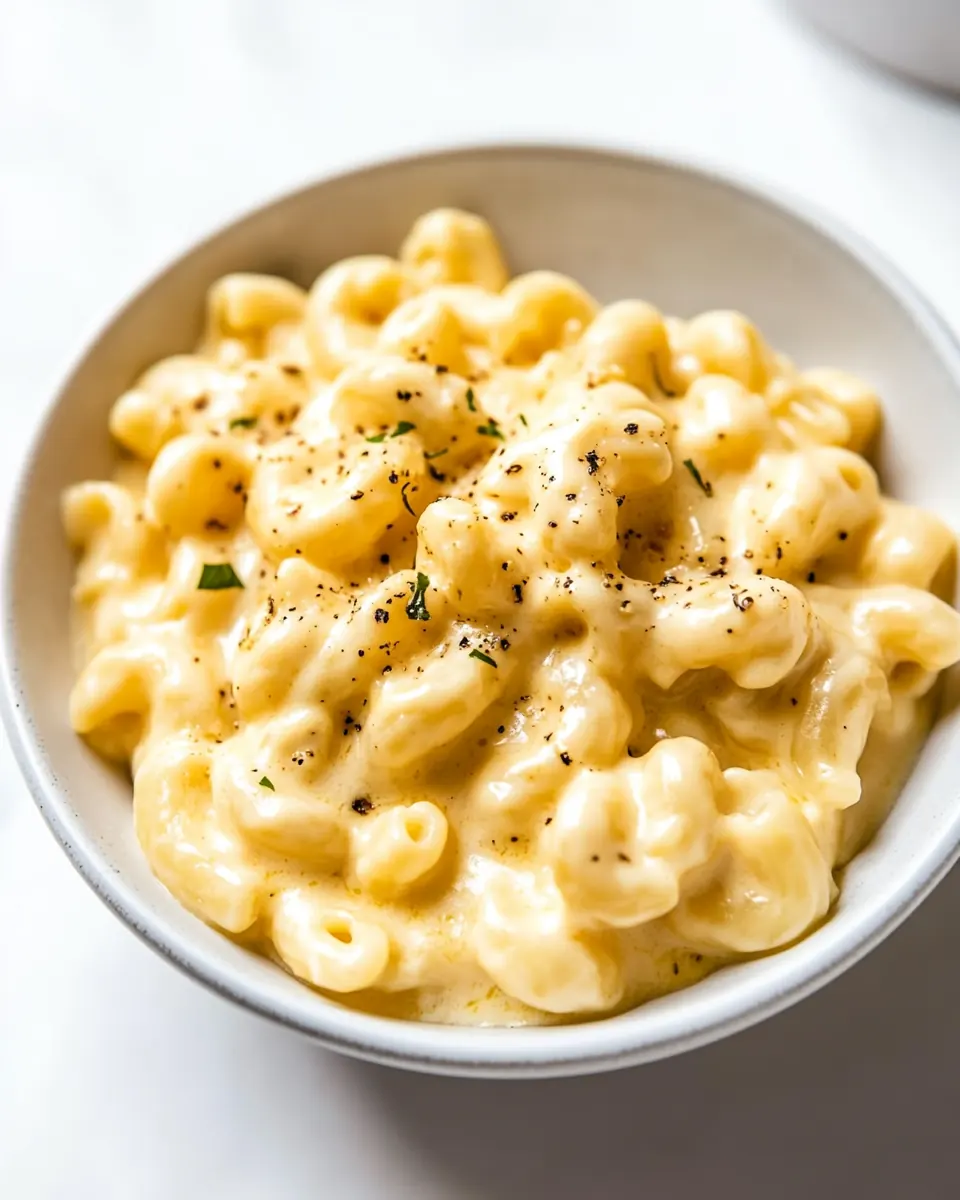
This is a hands on, comforting procedure that relies on simple technique and attention to sensory cues. I like to keep everything prepped and ready before I start so the sauce comes together without a rush. The following steps are written to help you recognize the right visual and aromatic signals as you go.
- Boil a large salted pot of water for the macaroni, and cook it al dente according to package instructions.: The pot should be loudly bubbling and the steam will smell faintly starchy as the water reaches a rolling boil, which tells you it is ready for the macaroni . Salt the water generously so the pasta itself is seasoned from the inside out, and watch the timer closely so the noodles finish with a firm bite rather than soft or sticky. A common mistake is under salting the water which results in a flat final dish, and another is overcooking the pasta which causes it to continue breaking down when mixed with the hot sauce.
- Meanwhile, in another pot, melt the butter over medium heat. Stir in the flour and cook it, stirring often, until golden (about 3-5 minutes).: As the butter melts you will see it foam then calm, releasing a rich, creamy aroma that signals it is ready for the flour . Keep the heat moderate so it does not brown, unless you prefer a nutty depth, and stir as you add the flour to prevent clumping. If the heat is too high the roux will darken quickly and change the sauce color and flavor; if it is too low the mixture can become pasty and grainy.
- Slowly whisk in the evaporated milk, then whisk in the seasonings. Cook for a few minutes until the sauce starts to thicken up (this happens quite fast, so be careful not to let it get too thick).: You will notice the texture shift from pasty to velvety, and a toasty, wheaty smell develops which indicates the raw starch is cooked out. This stage is essential because it removes the floury bite and allows the roux to properly thicken the sauce later. Stirring prevents hot spots and ensures even cooking, and forgetting to cook the flour long enough can leave a raw taste in the final sauce.
- Take the pot off the heat and stir in the cheeses.: As you add the evaporated milk slowly, the mixture will smooth out and the whisking sound changes to a steady, light clinking as it becomes homogenous. Adding it in stages prevents lumps and helps you control thickness. The aroma turns more dairy forward, and the sauce immediately begins to look silkier. A typical error is adding the milk too quickly which traps lumps, so patience here is the ticket to a glossy finish.
- Stir in the drained macaroni and toss to coat in the cheese sauce. Add pepper to taste (and more salt if needed). It's best enjoyed immediately.: Watch for the sauce to coat the back of a spoon, with steam rising gently and a sheen across the surface. The thickness should be saucy rather than pasty, because once you add the cheese it will loosen slightly. Stir frequently to keep the texture smooth; neglecting this step can lead to scorching on the bottom, and an overheated sauce can break, separating fat from the liquid.
- Take the pot off the heat and stir in the cheeses: Removing the pot from direct heat prevents the cheddar and parmesan from seizing into stringy or oily clumps. As you stir, the cheeses melt into a glossy, velvety sauce and the scent becomes richer and more savory. This resting step preserves a smooth mouthfeel; adding cheese over high heat risks graininess or breakdown of the emulsion.
- Stir in the drained macaroni and toss to coat in the cheese sauce: The moment you combine the macaroni with the warm sauce you will see the pasta become glossy and saturated, and the kitchen will fill with a buttery, cheesy aroma that signals readiness. Toss gently so each tube is evenly coated; overly vigorous stirring can shear the pasta and make the texture mushy. Taste and adjust with pepper and a touch more salt if needed, being mindful that the cheeses contributed salt already.
- Add pepper to taste and serve immediately: Freshly ground pepper sprinkled at the end gives a fragrant lift that contrasts the rich sauce. Serve while the dish is hot so the sauce feels silky rather than congealed, and enjoy the warm, savory aroma that fills the room. A common pitfall is letting the dish sit too long which causes the sauce to thicken and lose its glossy texture, so plate promptly for the best experience.
Change It Up
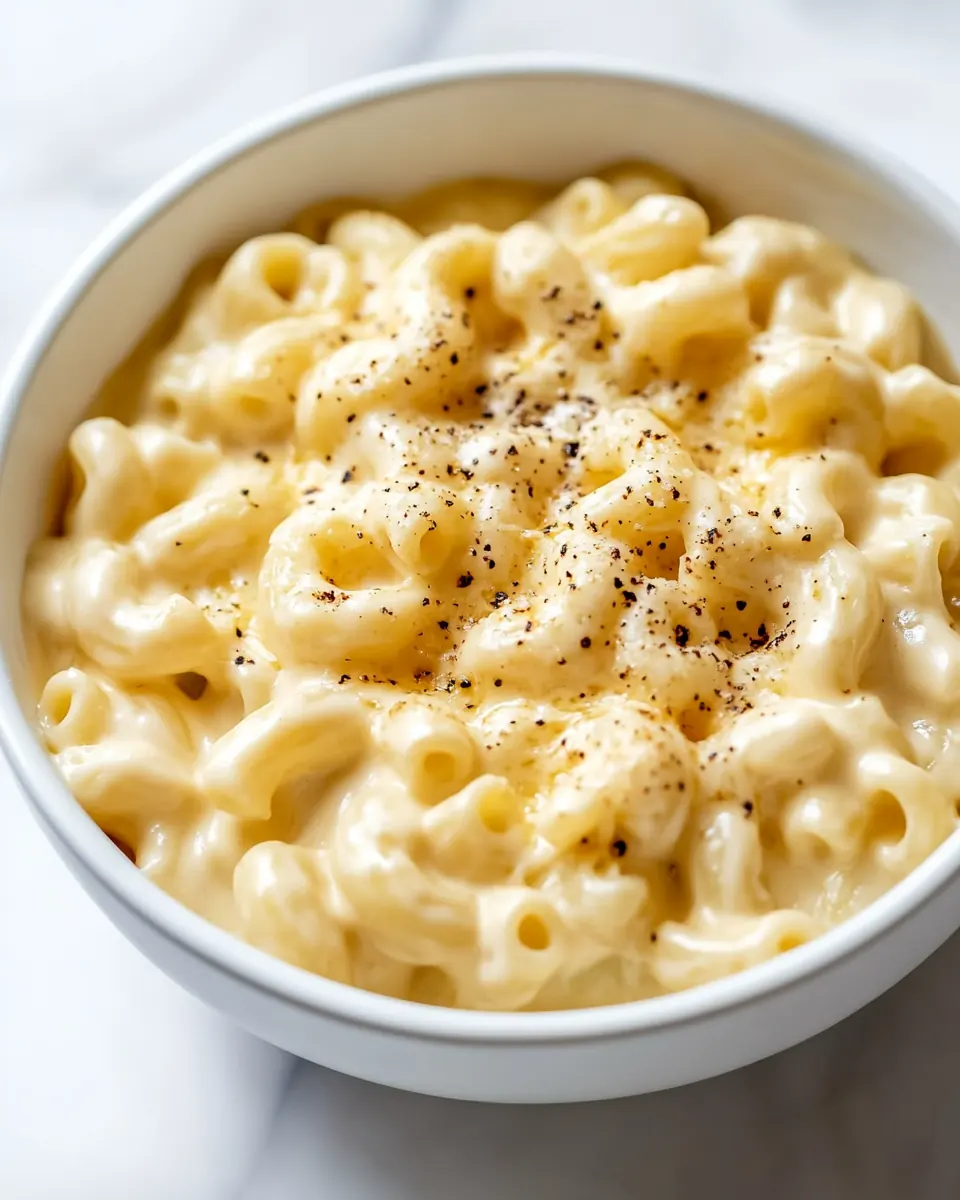
If you want to vary the recipe, small adjustments go a long way. Below are ideas and practical changes that keep the technique consistent while offering different flavor directions. Each tip begins with a short bold phrase to help you scan quickly.
- Swap cheese intensities, choose a sharper cheddar for bolder flavor, or a milder one for a creamier, less assertive profile; this changes the dish without altering the method.
- Try a different milk base, if you cannot find canned evaporated milk you can use whole milk or half and half, though expect a slightly thinner sauce and adjust your roux timing to achieve the same body.
- Boost the umami, stir a little extra parmesan into the sauce at the end for a savory kick that deepens the overall flavor and complements the cheddar.
- Adjust texture with pasta type, swap the macaroni for a similar tubular pasta to change how the sauce clings, noting that smaller shapes will emphasize the creaminess more on each bite.
- Control spice intensity, add pepper gradually and taste as you go, since it can move from background warmth to forward heat quickly depending on grind and quantity.
- Scale confidently, this formula scales well when you maintain the roux to liquid ratio, so double carefully and stir often to ensure even cooking and melting.
- Mind the cheese temperature, let refrigerated cheeses sit for a few minutes at room temperature before grating to improve melting and reduce clumping.
- Use a heavy bottom pot, it helps distribute heat evenly for the roux and prevents hot spots that can scorch the sauce or cause separation.
- Finish with a buttered breadcrumb top, for a crunchy contrast brown some breadcrumbs in butter and sprinkle lightly before serving if you want texture variation.
- Keep it saucy, if the sauce tightens as it sits, stir in a splash of milk to loosen it and restore a silky mouthfeel without changing the flavor.
Serving Ideas for Quick Easy Stovetop Mac and Cheese
This dish is incredibly versatile and suits many occasions. Whether you serve it as a main or a side, it pairs with seasonal produce and simple proteins beautifully. Below are detailed serving suggestions and storage notes laid out so you can match the mood and timing of your meal.
- As a main for weeknight dinners, serve a generous portion of the warm Quick Easy Stovetop Mac and Cheese with a crisp green salad to balance the richness. The contrast between a bright salad and the creamy sauce keeps the meal satisfying without feeling heavy.
- As a side for gatherings, portion it into a shallow serving dish and keep warm in a low oven briefly while guests arrive. The dish complements roasted or simply prepared vegetables and small protein plates that need a comforting partner.
- Seasonal pairings, in winter I like to serve this next to roasted root vegetables or a simple braised green, the warmth and texture harmonize with the creamy pasta. The recipe’s winter seasonality fits cozy tables and simple holiday spreads when needed.
- Storage tips, cool leftovers quickly and transfer to an airtight container in the refrigerator for up to three days. Reheat gently on the stovetop with a splash of milk to restore creaminess, stirring frequently to avoid scorching.
- Portion guidance, this recipe lists servings for eight, which works well if you are serving it as a side; as a main plan for slightly larger portions. Serve immediately for the best texture, and avoid extended holding times which can dry out the sauce.
- Occasions to serve, bring this to a casual potluck, a comforting family dinner, or a cozy winter meal. Its familiarity and ease make it welcome in most relaxed settings.
FAQ
Conclusion
This Quick Easy Stovetop Mac and Cheese stands out because it combines straightforward technique with deeply satisfying flavor. I find it comforting, reliable, and quick to pull together when time is short, and the sensory payoff is always worth the few attentive minutes at the stove. Give it a try on a blustery evening or a busy weeknight, and you may discover it becomes one of your go to comfort recipes. I hope it brings the same warm, cheesy satisfaction to your table that it has to mine—simple food, lovingly made.
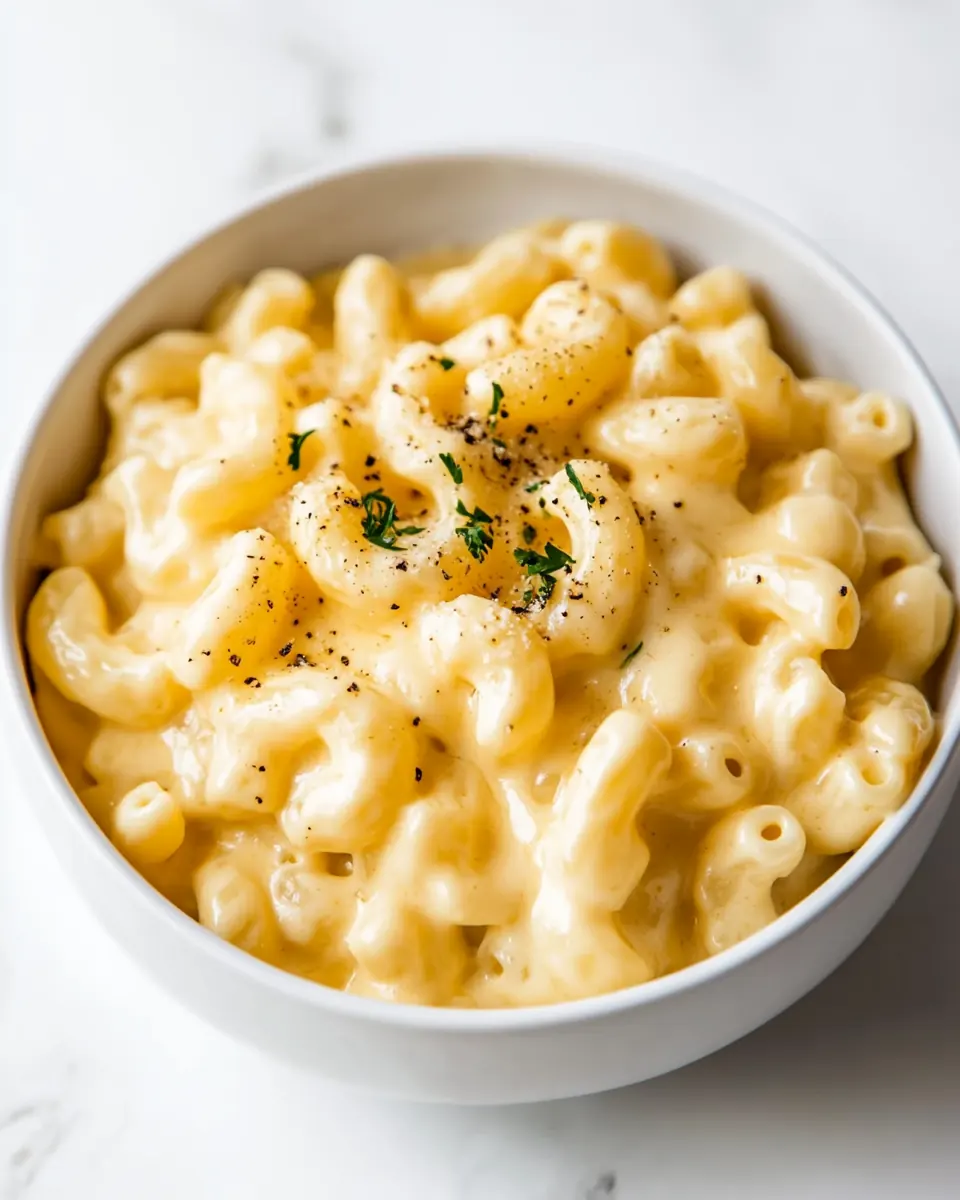
Quick Easy Stovetop Mac and Cheese
Ingredients
Equipment
Method
- Boil a large salted pot of water for the macaroni, and cook it al dente according to package instructions.: The pot should be loudly bubbling and the steam will smell faintly starchy as the water reaches a rolling boil, which tells you it is ready for the macaroni . Salt the water generously so the pasta itself is seasoned from the inside out, and watch the timer closely so the noodles finish with a firm bite rather than soft or sticky. A common mistake is under salting the water which results in a flat final dish, and another is overcooking the pasta which causes it to continue breaking down when mixed with the hot sauce.
- Meanwhile, in another pot, melt the butter over medium heat. Stir in the flour and cook it, stirring often, until golden (about 3-5 minutes).: As the butter melts you will see it foam then calm, releasing a rich, creamy aroma that signals it is ready for the flour . Keep the heat moderate so it does not brown, unless you prefer a nutty depth, and stir as you add the flour to prevent clumping. If the heat is too high the roux will darken quickly and change the sauce color and flavor; if it is too low the mixture can become pasty and grainy.
- Slowly whisk in the evaporated milk, then whisk in the seasonings. Cook for a few minutes until the sauce starts to thicken up (this happens quite fast, so be careful not to let it get too thick).: You will notice the texture shift from pasty to velvety, and a toasty, wheaty smell develops which indicates the raw starch is cooked out. This stage is essential because it removes the floury bite and allows the roux to properly thicken the sauce later. Stirring prevents hot spots and ensures even cooking, and forgetting to cook the flour long enough can leave a raw taste in the final sauce.
- Take the pot off the heat and stir in the cheeses.: As you add the evaporated milk slowly, the mixture will smooth out and the whisking sound changes to a steady, light clinking as it becomes homogenous. Adding it in stages prevents lumps and helps you control thickness. The aroma turns more dairy forward, and the sauce immediately begins to look silkier. A typical error is adding the milk too quickly which traps lumps, so patience here is the ticket to a glossy finish.
- Stir in the drained macaroni and toss to coat in the cheese sauce. Add pepper to taste (and more salt if needed). It's best enjoyed immediately.: Watch for the sauce to coat the back of a spoon, with steam rising gently and a sheen across the surface. The thickness should be saucy rather than pasty, because once you add the cheese it will loosen slightly. Stir frequently to keep the texture smooth; neglecting this step can lead to scorching on the bottom, and an overheated sauce can break, separating fat from the liquid.
- Take the pot off the heat and stir in the cheeses: Removing the pot from direct heat prevents the cheddar and parmesan from seizing into stringy or oily clumps. As you stir, the cheeses melt into a glossy, velvety sauce and the scent becomes richer and more savory. This resting step preserves a smooth mouthfeel; adding cheese over high heat risks graininess or breakdown of the emulsion.
- Stir in the drained macaroni and toss to coat in the cheese sauce: The moment you combine the macaroni with the warm sauce you will see the pasta become glossy and saturated, and the kitchen will fill with a buttery, cheesy aroma that signals readiness. Toss gently so each tube is evenly coated; overly vigorous stirring can shear the pasta and make the texture mushy. Taste and adjust with pepper and a touch more salt if needed, being mindful that the cheeses contributed salt already.
- Add pepper to taste and serve immediately: Freshly ground pepper sprinkled at the end gives a fragrant lift that contrasts the rich sauce. Serve while the dish is hot so the sauce feels silky rather than congealed, and enjoy the warm, savory aroma that fills the room. A common pitfall is letting the dish sit too long which causes the sauce to thicken and lose its glossy texture, so plate promptly for the best experience.
Notes
- Swap cheese intensities, choose a sharper cheddar for bolder flavor, or a milder one for a creamier, less assertive profile; this changes the dish without altering the method.
- Try a different milk base, if you cannot find canned evaporated milk you can use whole milk or half and half, though expect a slightly thinner sauce and adjust your roux timing to achieve the same body.
- Boost the umami, stir a little extra parmesan into the sauce at the end for a savory kick that deepens the overall flavor and complements the cheddar.
- Adjust texture with pasta type, swap the macaroni for a similar tubular pasta to change how the sauce clings, noting that smaller shapes will emphasize the creaminess more on each bite.
- Control spice intensity, add pepper gradually and taste as you go, since it can move from background warmth to forward heat quickly depending on grind and quantity.
- Scale confidently, this formula scales well when you maintain the roux to liquid ratio, so double carefully and stir often to ensure even cooking and melting.
- Mind the cheese temperature, let refrigerated cheeses sit for a few minutes at room temperature before grating to improve melting and reduce clumping.
- Use a heavy bottom pot, it helps distribute heat evenly for the roux and prevents hot spots that can scorch the sauce or cause separation.
- Finish with a buttered breadcrumb top, for a crunchy contrast brown some breadcrumbs in butter and sprinkle lightly before serving if you want texture variation.
- Keep it saucy, if the sauce tightens as it sits, stir in a splash of milk to loosen it and restore a silky mouthfeel without changing the flavor.