Slow Cooker Maple Brown Sugar Oatmeal
Slow Cooker Maple Brown Sugar Oatmeal is my go to cozy breakfast on cold mornings, the kind I lean into when I need something warm, comforting, and reliably good. The first time I made it, I remember the house filling with a gentle, sweet aroma that felt like a soft blanket, and ever since I keep the crockpot ready so I can wake up to bowl after bowl of creamy oats.
Some weekends I let it simmer while I read, other times I tuck it into weekday routines so my family can grab a hearty serving before school. I love that the recipe behaves like a patient friend, doing the slow work while I get on with the day. Over time I learned small tweaks, like stirring in a bit more milk at the end for silkier texture, or sprinkling chopped nuts for spice and crunch.
Recipe Snapshot
6 hr 5 mins
5 mins
360 mins
Hard
220 kcal
American
Gluten-Free, Low FODMAP
Breakfast
Slow Cooker
What We Adore About This Slow Cooker Maple Brown Sugar Oatmeal
Comfort in a Bowl
I adore how Slow Cooker Maple Brown Sugar Oatmeal delivers consistent, cozy results with very little babysitting. The long, gentle heat transforms stubborn steel cut oats into a tender, creamy porridge, giving you the texture of a slow cooked kitchen without fuss. I always feel proud serving something that tastes indulgent yet wholesome.
Hands Off Convenience
One of the biggest wins is the hands off nature. Pop everything into the Slow Cooker and let it go, which frees up the morning for other things. I often prep the night before, and waking up to a warm breakfast feels like a small luxury that changes the tone of the day.
Flavor Harmony
The balance of maple syrup and brown sugar creates a rounded sweetness that is never cloying, while cinnamon adds familiarity and depth. I like how these flavors marry during the slow cook, producing layers of taste that feel both nostalgic and new.
Flexible and Friendly
This recipe is forgiving, which I appreciate when life is hectic. You can nudge texture by altering cooking time a couple hours, and you can use different milks to suit diets or preferences. That adaptability makes it a recipe I keep coming back to.
Great for Sharing
I often make a batch when friends are staying over, because Slow Cooker Maple Brown Sugar Oatmeal feeds a crowd without extra effort. It’s the kind of warm, welcoming dish that invites conversation and second helpings.
Main Ingredients for Slow Cooker Maple Brown Sugar Oatmeal
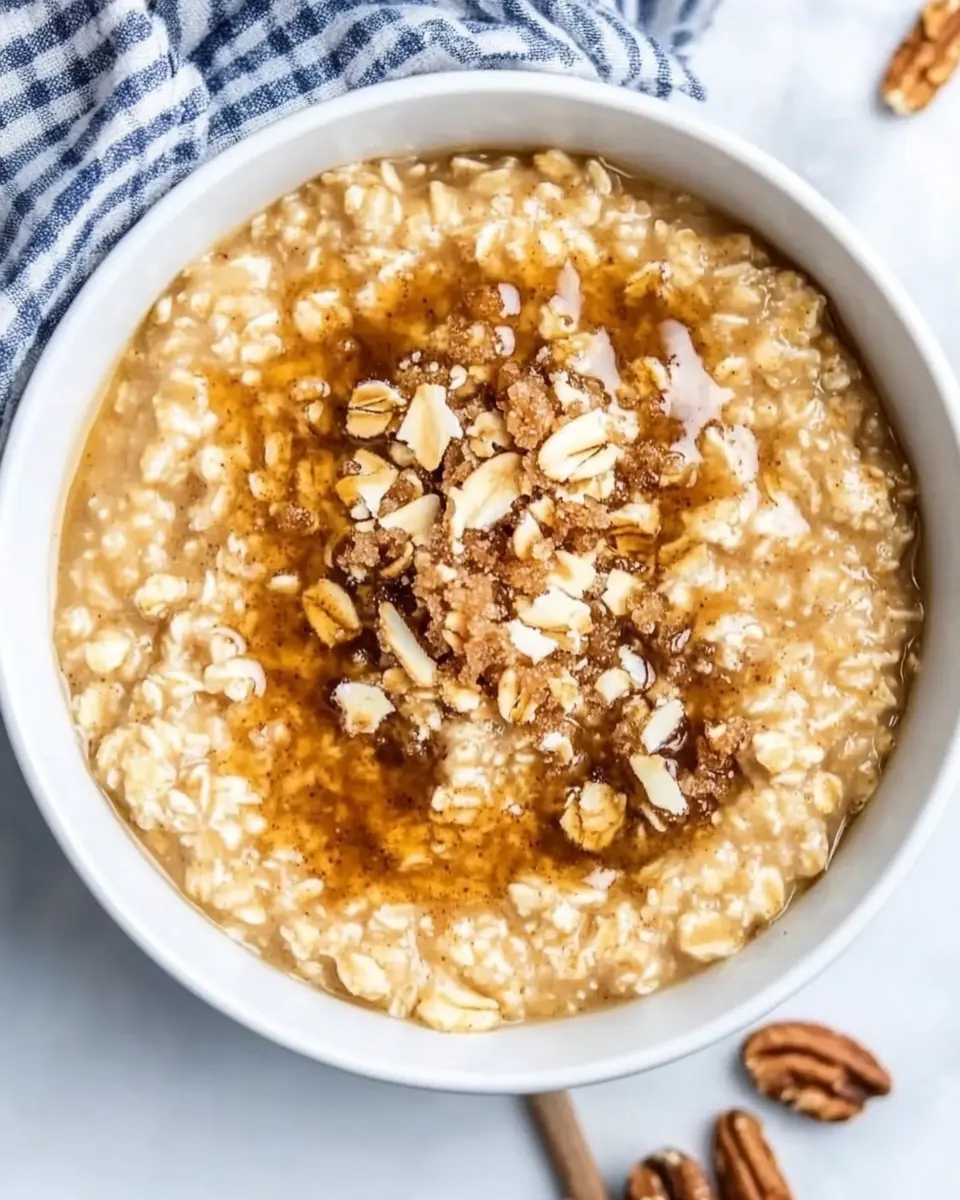
This lineup aims for creamy texture and gently layered sweetness. The key players are the sturdy steel-cut oats which hold up to long cooking, the combination of water and milk which controls creaminess, and the sweeteners plus cinnamon that build warm flavor. Each ingredient has a clear role, and together they create a balanced, comforting bowl.
- 1 teaspoon melted coconut oil, butter, or cooking spray, for greasing crockpot: Lightly grease the crockpot with melted coconut oil, butter, or cooking spray to prevent sticking and promote easy cleanup; ensure even coating on the inner surface for best results. Allow the fat to melt or the spray to set before adding ingredients to maintain texture and prevent oats from scorching.
- 2 cups regular steel-cut oats, no substitution: Provide hearty texture and nutty flavor using regular steel-cut oats; do not substitute as their firm structure holds up to long slow cooking and yields traditional chewy oatmeal. Measure precisely to maintain liquid ratio and cooking time for consistent creamy results.
- 4 cups water: Contribute essential hydration and help cook the steel-cut oats evenly by using water; combine with milk to balance creaminess and control thickness. Use measured amount to achieve desired porridge consistency without becoming too watery or overly dense.
- 3 cups milk, any variety: Add creaminess and richness with any variety of milk; adjust type to control fat content and final texture, from lighter to very rich results. Stir into the oats and water mixture so proteins and sugars integrate during slow cooking for a smooth oatmeal base.
- 2 teaspoons cinnamon: Infuse warm, aromatic spice using cinnamon to enhance overall flavor profile; distribute evenly to avoid clumps and to complement the oats and sweeteners. Add at the start of cooking so the spice mellows and permeates the porridge.
- 1/4 cup maple syrup: Sweeten naturally and add maple flavor using maple syrup; incorporate into the cooking liquid so its sugars meld with the oats for balanced sweetness. Adjust amount to taste but maintain specified quantity for recipe balance and characteristic maple notes.
- 1 teaspoon vanilla extract: Enhance and round out flavor using vanilla extract; add to the cooked oatmeal to preserve delicate aromatics and boost perceived sweetness. Use measured amount to avoid overpowering other flavors while contributing a subtle, warm finish.
- 1/4 teaspoon kosher salt: Regulate and enhance flavor using kosher salt by balancing sweetness and bringing out other ingredient flavors; dissolve into the liquid to ensure even seasoning. Keep quantity precise to avoid oversalting, especially when using salted dairy alternatives.
- 1/4 cup brown sugar: Provide additional sweetness and depth with brown sugar, contributing molasses notes and a touch of caramelization during slow cooking. Stir in toward the end or during cooking to ensure it dissolves and integrates for consistent flavor throughout.
- chopped nuts, for serving: Add texture and a crunchy contrast by serving chopped nuts on top; choose preferred nuts to complement maple and cinnamon flavors for added richness. Toast nuts lightly for intensified flavor and sprinkle just before serving to retain crunch.
Recipe Steps for Slow Cooker Maple Brown Sugar Oatmeal
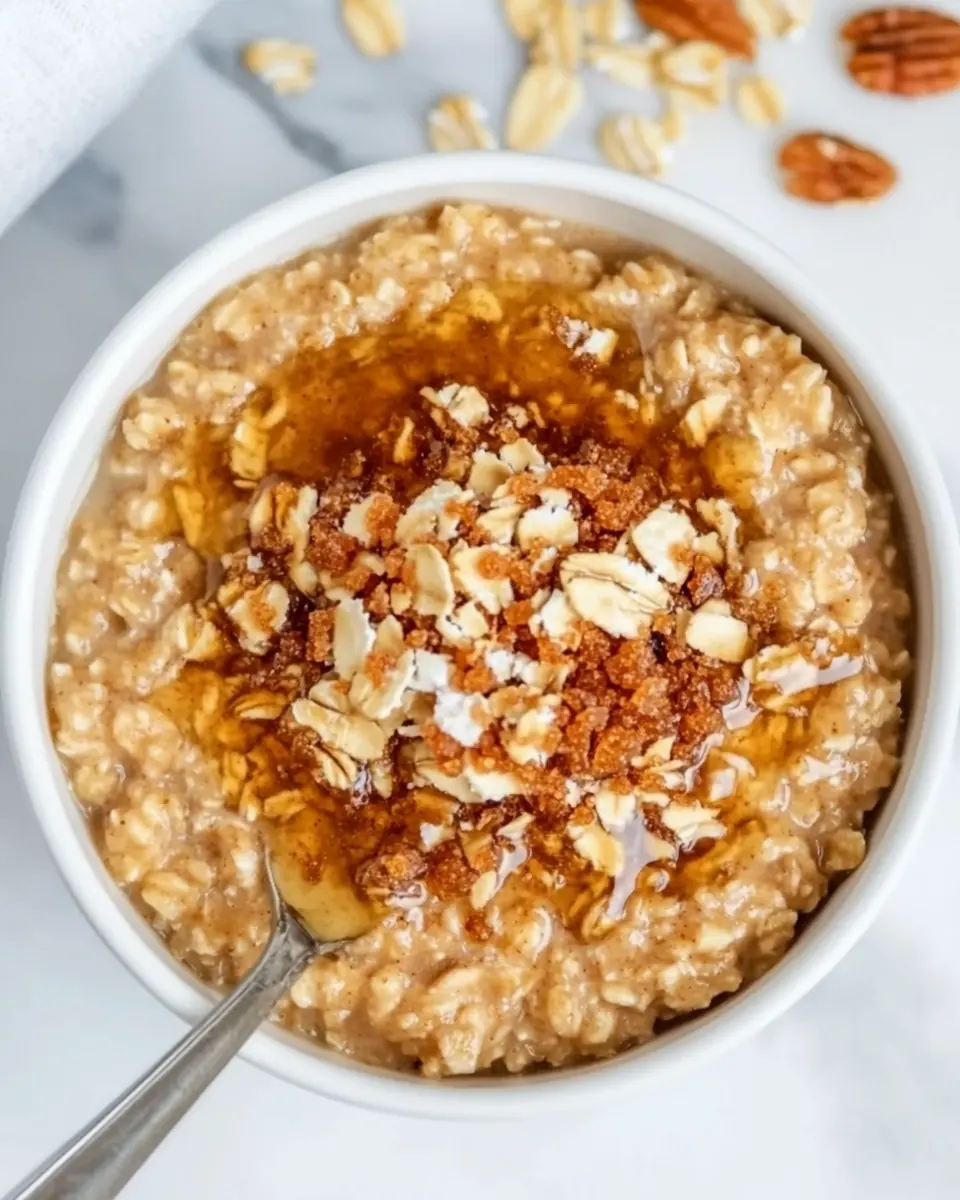
This method is deliberately simple and forgiving, but paying attention to small sensory cues will help you get the perfect texture. I like to prep in the evening so my morning starts with a warm, ready breakfast. Below, each step includes what to look for and common pitfalls to avoid.
- Grease the bottom and sides of the slow cooker insert using coconut oil, cooking spray, or butter.: You will notice a faint sheen across the insert surface, which is the sign you applied enough fat to prevent sticking. When the insert is properly greased, the rim where the insert meets the pot will be slick, and you may smell a subtle hint of the fat you used, especially if it was butter . This step matters because it prevents the thin, dry crust from forming as the oats cook slowly, a crust that can sometimes burn and taint the rest of the batch. A common mistake is skipping this step entirely, leading to stubborn bits adhering to the bottom; if that happens, resist stirring the burned portion back in, and scoop from the unmarred portion instead.
- Combine the steel-cut oats, water, milk, maple syrup, brown sugar, cinnamon, vanilla, and salt together in the slow cooker.: As you add each component, listen for the gentle plop of liquid meeting oats and the soft clink of the measuring cups. The mixture should look homogenous, with no dry pockets of steel-cut oats visible. The aroma will start to pick up — the maple syrup and brown sugar lend a caramel whisper while the cinnamon adds woodsy spice. Combining ingredients evenly ensures uniform hydration, which is why you should stir briefly until everything is distributed. A trap I see is adding too much milk or too little water; adhere to the totals for a predictable texture, and if you must change liquid ratios later, do so conservatively.
- Place the lid on the slow cooker and cook for 6 hours on low for a firm texture and 8 hours on low for a softer texture. Alternatively, cook on high for 3-4 hours.: While the oats cook, you will notice the pot emit a steady, comforting steam and the highest scents of maple and cinnamon wafting. Visually, the mixture will transform from distinct grains to a thickening porridge, with tiny bubbles breaking at the surface as starches gelatinize. The long, low heat is what yields the best mouthfeel, because it slowly breaks down the oat kernels without turning them gluey. Common errors include lifting the lid repeatedly, which drops the pot temperature and can extend cooking time; resist checking often. If your slow cooker runs hot, check at the earlier end of the time range to avoid over softening the oats.
- To serve, dish up oats and top with additional maple syrup and chopped nuts if desired.: When you scoop the finished porridge, note its sheen and viscosity, it should move slowly off the spoon and feel warm and silky on the tongue. The sound is quiet, mostly the soft scrape of spoon on bowl, while the aroma will be richly sweet and spiced, begging for a sprinkle of crunch. Adding extra maple syrup brightens sweetness and chopped nuts introduce contrast, both in flavor and texture. A typical misstep is overheating leftovers without adding a splash of milk, which can leave the oats dryer than you expect; when reheating, stir in a little milk to revive creaminess.
Tips for Success
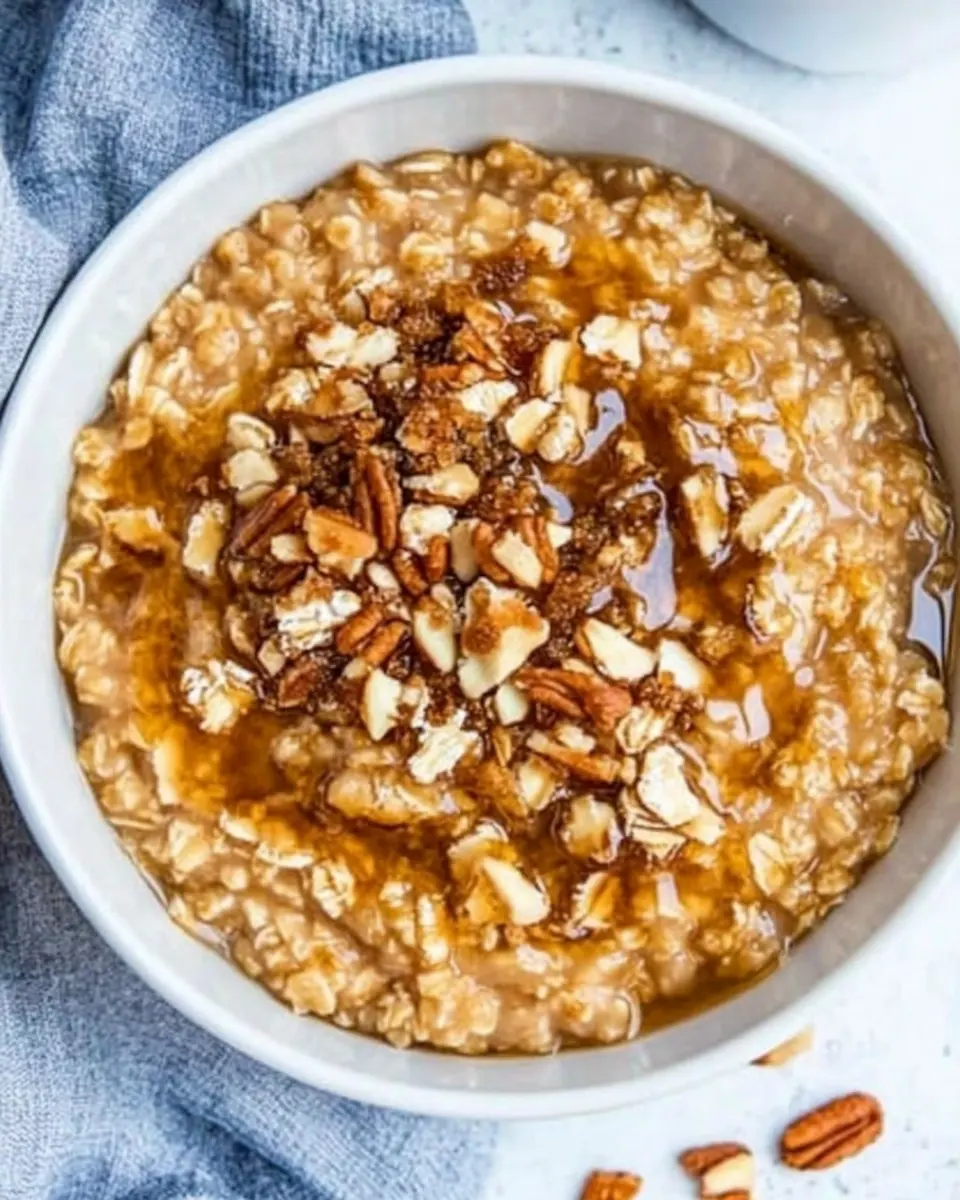
These tips come from repeated batches and small experiments, and they are meant to help you get the texture and flavor you crave. I include practical notes on timing, adjustments, and storage so you feel confident with this slow cooked favorite.
- Measure liquids precisely, the total of 7 cups of liquid is calibrated for these oat proportions and affects final thickness significantly, so use proper measuring cups.
- Choose your milk wisely, full fat dairy yields creamier results while plant based milks create a lighter mouthfeel and can slightly alter the aroma.
- Set and forget mostly, avoid opening the lid often; every lid lift cools the pot and can extend cooking time unpredictably.
- Add crunchy toppings at serving, nuts stay crisp when added just before eating, which creates a pleasing textural contrast to the creamy oats.
- Adjust cook time for texture, 6 hours on low gives a firmer bite while 8 hours yields softer porridge, so tune it to personal preference.
- Handle burnt bits carefully, if the bottom scorches, do not stir it into the rest, scoop around the affected area to preserve the batch.
How to Enjoy Slow Cooker Maple Brown Sugar Oatmeal
This oatmeal works beautifully across seasons and occasions, and you can style it simply or with a flourish depending on who you are feeding. Serve it warm with contrasting textures and think about pairing options that complement the maple sweetness and nutty oats.
- Breakfast routine, serve a warm bowl with a drizzle of extra maple syrup and a sprinkle of chopped nuts for a wholesome family morning meal.
- Brunch spread, set a slow cooker on the table alongside fruit, yogurt, and toasted breads so guests can customize toppings for a relaxed gathering.
- Comfort food nights, present the oatmeal as a cozy dessert style option after a light dinner, especially on cold evenings where a warm bowl soothes.
- Storage tips, refrigerate cooled leftovers in an airtight container for 4 to 5 days, and reheat individual portions with a splash of milk to revive creaminess.
- Freezing, portion into freezer safe containers for up to 3 months, thaw overnight in the fridge and warm gently when ready to enjoy.
- Occasions, this is ideal for winter mornings, holiday breakfasts, or anytime you want easy, make ahead comfort for a group.
FAQ
Conclusion
This recipe stands out because it turns humble steel cut oats into a luxuriously creamy, warmly sweet breakfast with minimal work. I encourage you to give it a try, whether for a busy weekday morning or a leisurely weekend brunch. It’s forgiving, feeds a group, and the scent that fills your kitchen is part of the pleasure. Once you make a batch, you’ll appreciate how reliably comforting it is, and you may find yourself keeping the slow cooker ready for the next chilly morning.
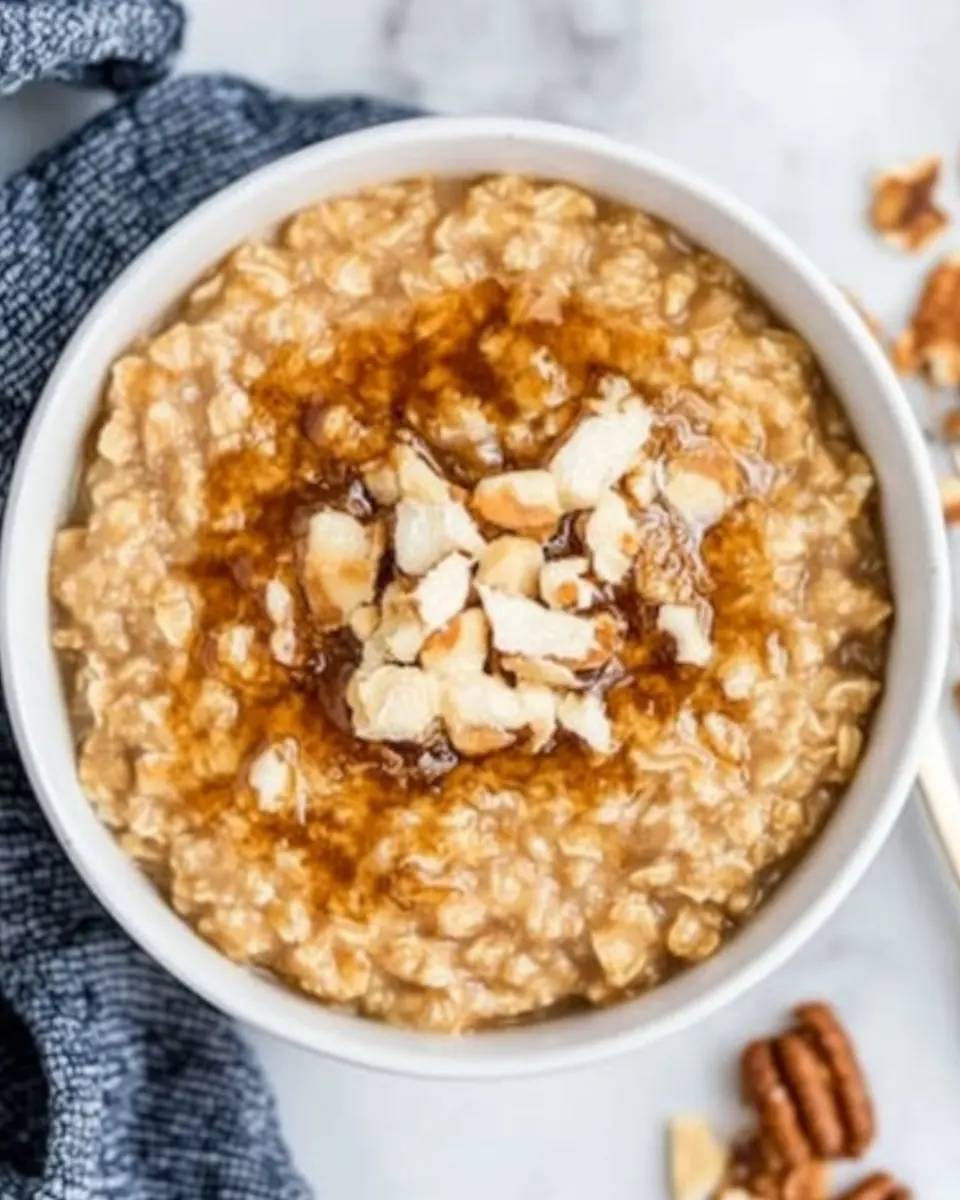
Slow Cooker Maple Brown Sugar Oatmeal
Ingredients
Equipment
Method
- Grease the bottom and sides of the slow cooker insert using coconut oil, cooking spray, or butter.: You will notice a faint sheen across the insert surface, which is the sign you applied enough fat to prevent sticking. When the insert is properly greased, the rim where the insert meets the pot will be slick, and you may smell a subtle hint of the fat you used, especially if it was butter . This step matters because it prevents the thin, dry crust from forming as the oats cook slowly, a crust that can sometimes burn and taint the rest of the batch. A common mistake is skipping this step entirely, leading to stubborn bits adhering to the bottom; if that happens, resist stirring the burned portion back in, and scoop from the unmarred portion instead.
- Combine the steel-cut oats, water, milk, maple syrup, brown sugar, cinnamon, vanilla, and salt together in the slow cooker.: As you add each component, listen for the gentle plop of liquid meeting oats and the soft clink of the measuring cups. The mixture should look homogenous, with no dry pockets of steel-cut oats visible. The aroma will start to pick up -- the maple syrup and brown sugar lend a caramel whisper while the cinnamon adds woodsy spice. Combining ingredients evenly ensures uniform hydration, which is why you should stir briefly until everything is distributed. A trap I see is adding too much milk or too little water; adhere to the totals for a predictable texture, and if you must change liquid ratios later, do so conservatively.
- Place the lid on the slow cooker and cook for 6 hours on low for a firm texture and 8 hours on low for a softer texture. Alternatively, cook on high for 3-4 hours.: While the oats cook, you will notice the pot emit a steady, comforting steam and the highest scents of maple and cinnamon wafting. Visually, the mixture will transform from distinct grains to a thickening porridge, with tiny bubbles breaking at the surface as starches gelatinize. The long, low heat is what yields the best mouthfeel, because it slowly breaks down the oat kernels without turning them gluey. Common errors include lifting the lid repeatedly, which drops the pot temperature and can extend cooking time; resist checking often. If your slow cooker runs hot, check at the earlier end of the time range to avoid over softening the oats.
- To serve, dish up oats and top with additional maple syrup and chopped nuts if desired.: When you scoop the finished porridge, note its sheen and viscosity, it should move slowly off the spoon and feel warm and silky on the tongue. The sound is quiet, mostly the soft scrape of spoon on bowl, while the aroma will be richly sweet and spiced, begging for a sprinkle of crunch. Adding extra maple syrup brightens sweetness and chopped nuts introduce contrast, both in flavor and texture. A typical misstep is overheating leftovers without adding a splash of milk, which can leave the oats dryer than you expect; when reheating, stir in a little milk to revive creaminess.
Notes
- Measure liquids precisely, the total of 7 cups of liquid is calibrated for these oat proportions and affects final thickness significantly, so use proper measuring cups.
- Choose your milk wisely, full fat dairy yields creamier results while plant based milks create a lighter mouthfeel and can slightly alter the aroma.
- Set and forget mostly, avoid opening the lid often; every lid lift cools the pot and can extend cooking time unpredictably.
- Add crunchy toppings at serving, nuts stay crisp when added just before eating, which creates a pleasing textural contrast to the creamy oats.
- Adjust cook time for texture, 6 hours on low gives a firmer bite while 8 hours yields softer porridge, so tune it to personal preference.
- Handle burnt bits carefully, if the bottom scorches, do not stir it into the rest, scoop around the affected area to preserve the batch.