Vegetarian Baked Beans
Vegetarian Baked Beans is the kind of dish I turn to when I want something warm, honest, and effortlessly comforting on the table. The first time I made this I was racing home from a chilly farmers market, arms full of root vegetables and a head full of plans, and all I really wanted was a bowl that tasted like slow afternoons and familiar kitchens. This recipe delivers that same sense of cozy without demanding a lot of fuss.
I remember stirring the sauce and testing a spoonful, then laughing out loud because the sweetness of the molasses and brown sugar balanced the bright bite of yellow mustard in such a nostalgic way. It felt like childhood campfires and Sunday potlucks, but updated for weeknight life. Once the navy beans soak up that glossy, slightly smoky sauce in the oven, they take on an almost meaty texture that makes the dish satisfying and versatile. I love that it can star as the main attraction for casual dinners, or play a supporting role next to roasted vegetables and bread.
Over time I’ve learned a few small instincts that change everything a little, like letting the beans rest before serving so the sauce thickens and flavors deepen. That five minute pause is often the difference between a flat bake and a soulful plate. If you enjoy food that feels familiar but honest, you’ll find yourself returning to Vegetarian Baked Beans again and again. Each spoonful carries a little history and a whole lot of comfort.
Recipe Snapshot
30 mins
5 mins
25 mins
Easy
250 kcal
American
Vegan, Gluten-Free
Dinner
Oven, Oven safe dish, Whisk
Why This Vegetarian Baked Beans Stands Out
Classic Comfort Without Fuss
I love how Vegetarian Baked Beans captures the essence of comfort food while staying incredibly simple. The sauce comes together in one bowl, and the oven does the heavy lifting. That makes it perfect for busy weeknights when you still want something warm and satisfying.
Balanced Sweet and Tangy Flavor
The interplay of molasses and brown sugar with the tang of ketchup and yellow mustard gives the dish an even, layered profile. I appreciate recipes where every ingredient has a clear job, and here each element nudges the final taste toward sweet, savory, and slightly bright.
Textural Satisfaction
The navy beans hold their shape while absorbing the glossy sauce. I love the way the edges get a little more concentrated and the centers stay tender, giving you contrast in every bite. That texture makes this a crowd pleaser and keeps it interesting spoon after spoon.
Great for Batch Cooking and Leftovers
I often double this recipe because it reheats so well. Leftovers taste even better the next day after the flavors have had time to mingle. That makes Vegetarian Baked Beans a practical choice for meal prep and for feeding a hungry group without fuss.
Simple Ingredients, Big Impact
Everything called for is pantry friendly, and you probably already have most items on hand. I like recipes that minimize grocery runs, and this one rewards modest effort with a mouthwatering payoff.
Ingredients Required for Vegetarian Baked Beans
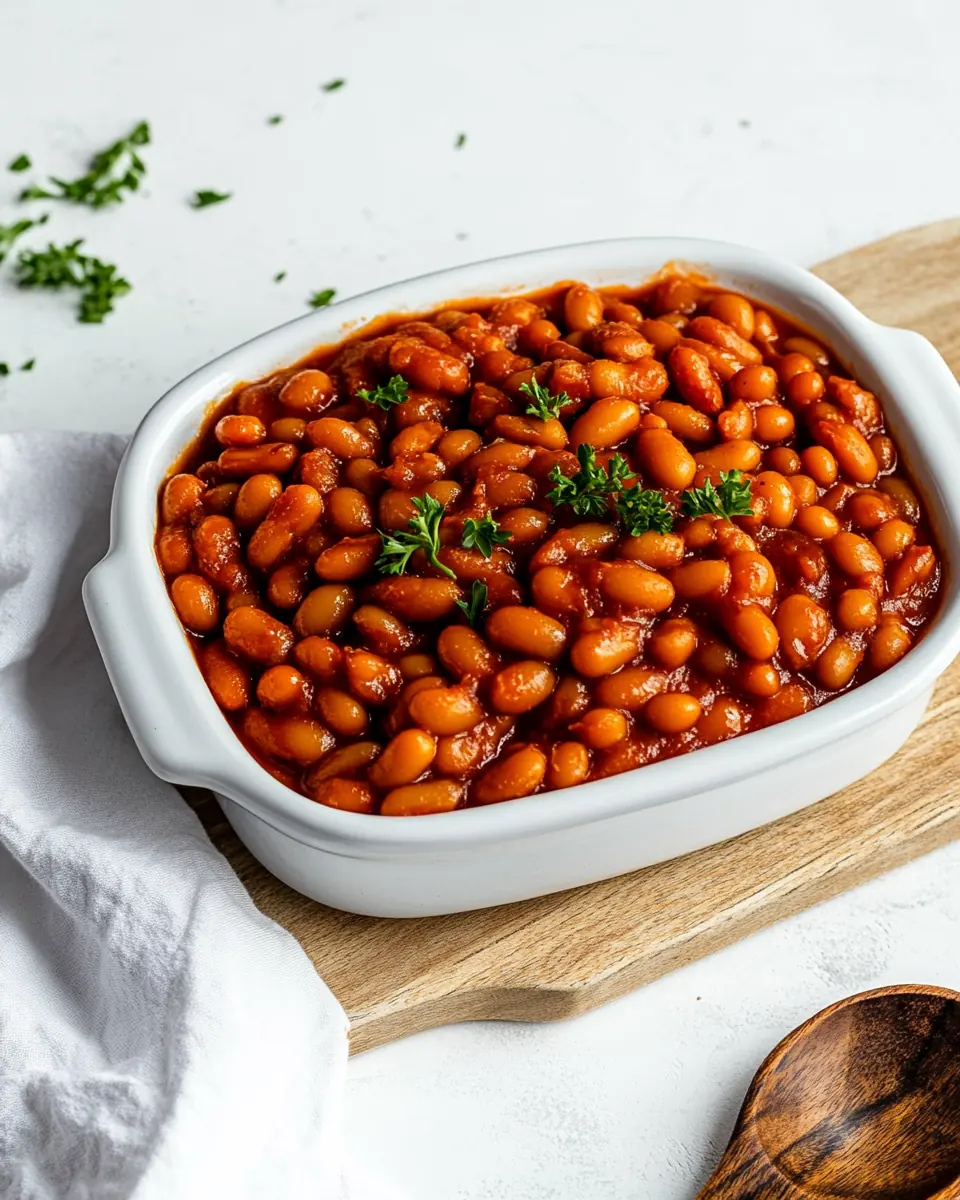
These ingredients form a straightforward but powerful lineup. The sauce components carry the flavor, while the beans provide body and comfort. Together they create a dish that is both nostalgic and adaptable, relying on balance more than complexity. The key players are the sweet elements that round the sauce, the tangy counterpoints that keep it lively, and the humble navy beans that bring everything together.
- 1/2 cup unsulphured molasses: Adds deep, robust sweetness and a characteristic molasses tang that balances savory notes; helps create a dark, rich sauce and contributes to the dish’s color and body.
- 1/2 cup brown sugar: Provides sweet, caramelized flavor and moistness to enhance the sauce; helps round out acidity and adds a gentle, brown–sugar warmth to the overall profile.
- 4 tablespoons ketchup: Contributes concentrated tomato sweetness and umami while adding thickness to the sauce; helps bind flavors and gives a familiar baked-bean tomato base.
- 3 tablespoons yellow mustard: Imparts bright, sharp acidity and a mild pungent heat that cuts through sweetness; helps lift flavors and adds a classic mustard tang to the beans.
- 3/4 teaspoon onion powder: Delivers a subtle, savory onion background that enhances overall depth without adding texture; helps boost aromatics and meld other seasonings together.
- 1/2 teaspoon baking soda: Acts as a leavening-related alkaline component to slightly soften cooking liquid and can help beans remain tender; helps neutralize acidity for better mouthfeel.
- 1/2 teaspoon smoked paprika: Adds smoky, mildly spicy complexity and a warm pepper note to complement sweet and tangy elements; helps evoke a barbecue-like flavor profile.
- 1/2 teaspoon kosher salt plus more, to taste: Provides general seasoning and enhances all other flavors while allowing for final adjustment to taste; helps control overall saltiness and balance.
- 2 cans navy beans (15.5 ounces) drained and rinsed: Contributes creamy texture, protein, and a neutral bean base that soaks up the sauce; supplies substance and makes the dish hearty and satisfying.
Step by Step Instructions for Vegetarian Baked Beans
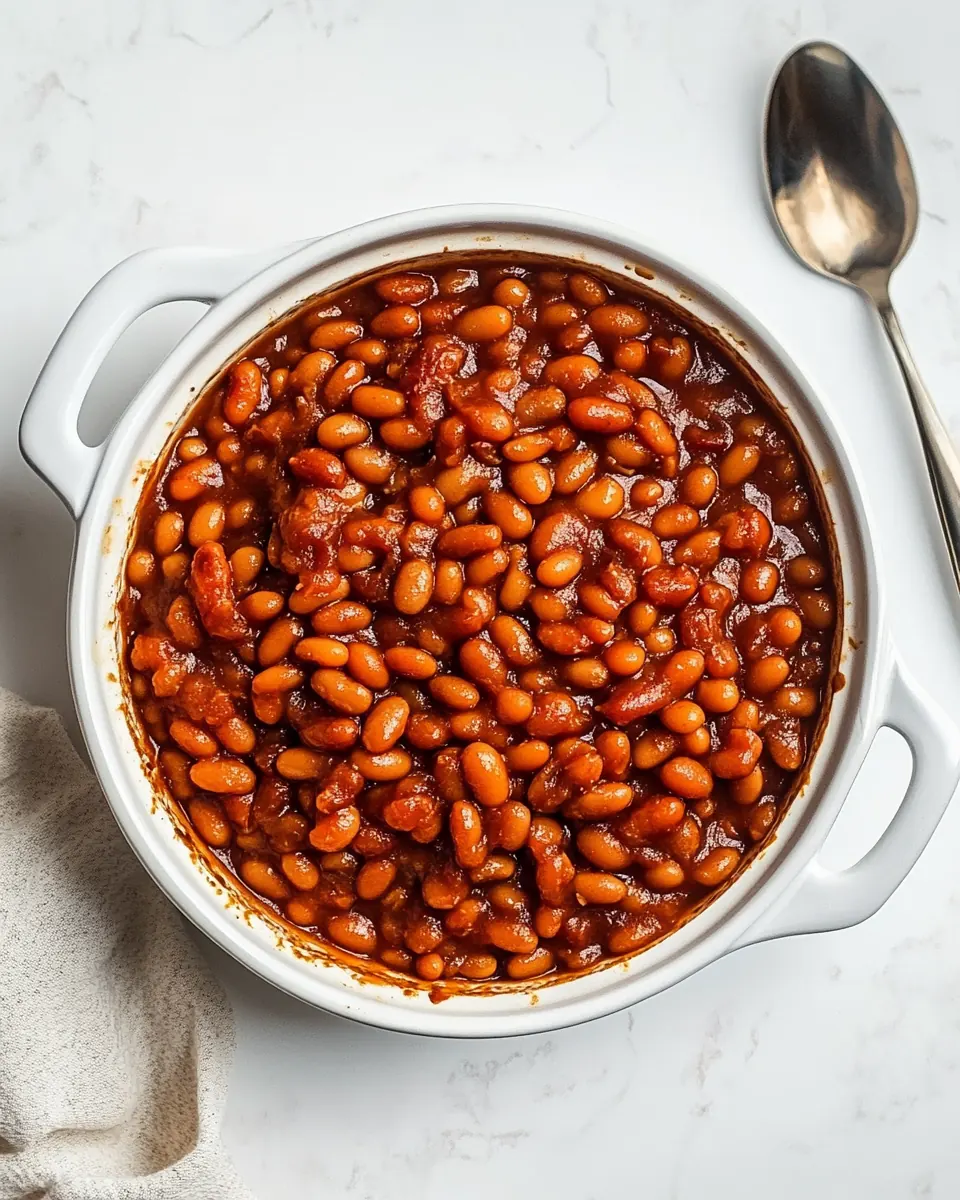
This recipe is straightforward, but I like to walk you through each stage so you get confident results. The oven mainly melds flavors and concentrates the sauce, and small details like stirring halfway through make a noticeable difference. Read through slowly, then follow along with your senses.
- Preheat your oven to 400°F. This ensures the beans cook evenly.: The warm dry air of a properly heated oven creates a gentle convection that helps the sauce reduce and the flavors concentrate, giving the dish a pleasingly thick texture and a faintly caramelized aroma. You should feel the heat from the oven door and notice a light toasty odor as it reaches temperature. If the oven is too cool, the sauce will remain runny and the beans will not develop those subtle roasted notes, so always wait until the gauge indicates full heat.
- In an oven-safe dish, whisk together the molasses, brown sugar, ketchup, yellow mustard, onion powder, baking soda, smoked paprika, and kosher salt until smooth.: As you whisk, the mixture will transform from separate wet elements into a glossy sauce, and the fragrance will shift from sharp vinegar to warm molasses and smoke. Whisking ensures the molasses fully dissolves and the baking soda distributes evenly, which prevents uneven texture. A common mistake is under-whisking, leaving pockets of sugar or molasses that do not melt, so whisk until fully homogeneous.
- Stir in the drained and rinsed navy beans until evenly coated with the sauce.: When you fold the navy beans into the sauce, you should hear a soft rustle and see the beans become glossy and slick. Each bean should be mostly covered so the sauce can penetrate during baking. This step is where the dish gains cohesion, so avoid overcrowding the dish because it can prevent even saucing and heat circulation.
- Bake in the preheated oven for 20-25 minutes. Stir halfway through to help the sauce thicken and the flavors meld.: During baking the sauce will begin to bubble gently at the edges and give off a caramelized, sweet aroma that signals flavor concentration. Look for tiny bubbling and a slight thickening of the sauce, with a few beans showing a deeper color. If the top looks too dry, you can tent lightly with foil, but do not overbake because the beans can dry out and become mealy rather than tender.
- Remove from the oven. Let sit for 5 minutes before serving. Adjust salt if needed.: When you stir at the midpoint, you will release steam and redistribute the sauce so the beans cook evenly, and you will notice the sauce become smoother and more uniform in color. The sound will be a soft, wet stir and you should see the sauce cling more to the beans. Avoid vigorous stirring which can mash the beans, instead fold gently to preserve texture.
- Remove from the oven: After baking you will see a glossy, slightly reduced sauce and smell the melded aroma of sweet and smoke. The dish should look cohesive, with sauce pooling slightly around the beans rather than running. A common mistake is serving immediately without resting, which can leave the sauce thin; allow the dish to sit briefly so the sauce sets.
- Let sit for 5 minutes before serving: This brief rest allows steam to settle and the sauce to thicken, improving mouthfeel and flavor integration. You will notice the sauce cling to the spoon rather than run off, and the temperature becomes perfect for serving. Jumping the rest step can lead to a watery presentation and muted flavors.
- Adjust salt if needed: After tasting, sprinkle a little more kosher salt if the dish tastes flat, because salt brightens the other flavors and balances sweetness. Start with a small pinch and taste again, since it is easier to add than take away. Over seasoning is a common error, so proceed cautiously and rely on tasting.
Recipe Variations about Vegetarian Baked Beans
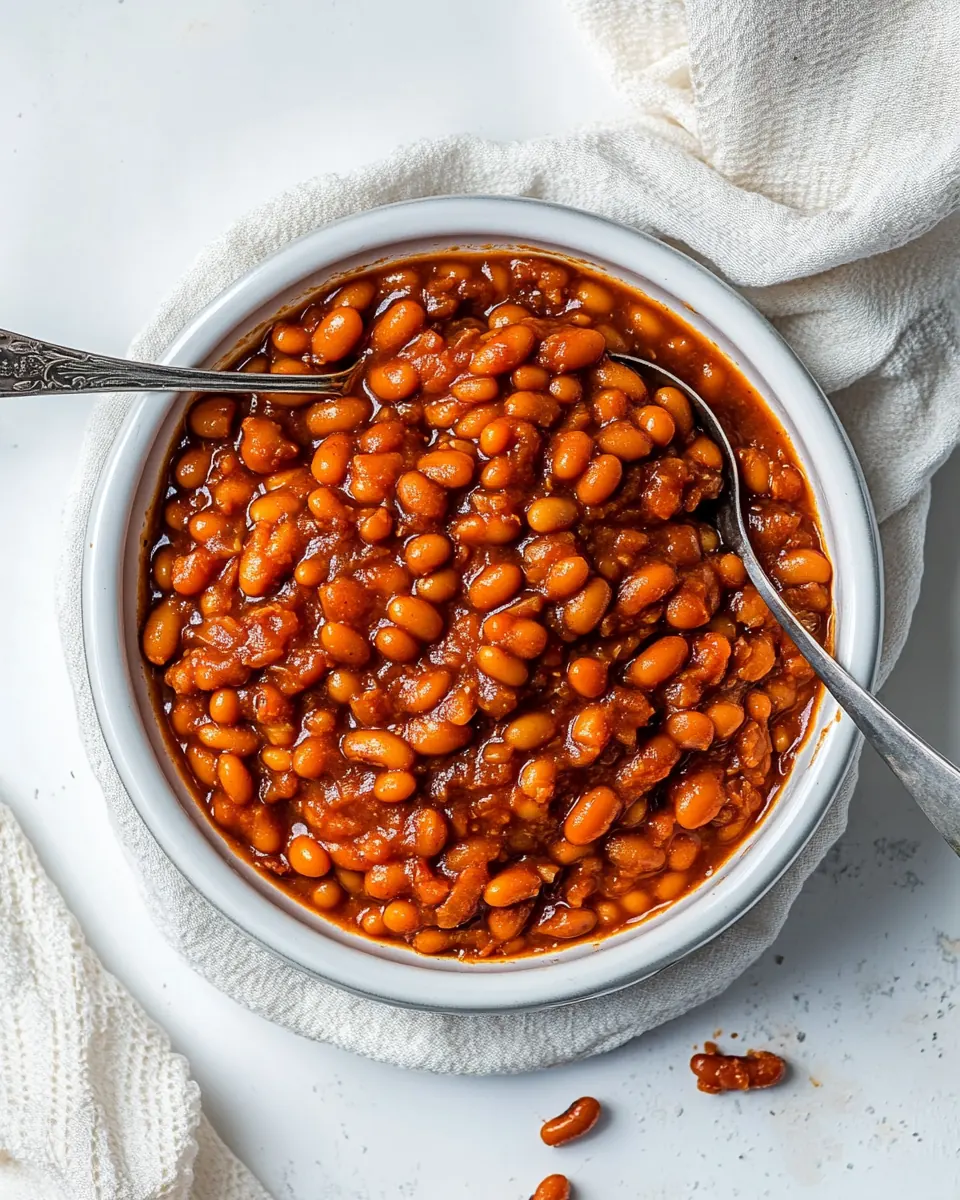
This recipe adapts well to small changes that tune sweetness, texture, and smokiness. Below are several focused ideas to help you customize the bake while keeping the core profile intact. Each tip starts with a highlighted action to use as a quick indicator.
- Adjust sweetness by reducing the brown sugar by one quarter if you prefer a less sweet finish, or increase slightly for a more dessert like glaze; always taste after baking and adjust salt to keep balance.
- Increase tang by adding a touch more yellow mustard for brightness; add in small increments to avoid overpowering the sauce.
- Boost smoky depth by increasing the smoked paprika a fraction, which deepens the savory notes without introducing heat; measure carefully because it can dominate.
- Make it ahead by assembling the sauce and beans in the dish, refrigerating overnight, then baking from cold and adding a few extra minutes to the cook time for even reheating.
- Control salt by omitting the initial kosher salt and seasoning at the end, especially if your canned beans are high in sodium; this gives you a better final tasting control.
Great Combinations for Vegetarian Baked Beans
This section outlines thoughtful serving ideas that highlight the hearty texture and balanced sweetness of the bake. Consider pairing styles, occasions, and storage approaches to get the most from each batch. Below are approachable combinations and practical serving notes.
- Casual weeknight dinner: Serve Vegetarian Baked Beans with crusty bread and a simple green salad for a grounding, easy meal that comes together quickly.
- Barbecue side: Offer the beans alongside roasted vegetables and grilled breads to complement smoky flavors and add a sweet contrast on the plate.
- Meal prep friendly: Store cooled leftovers in airtight containers in the refrigerator for up to four days, reheating gently on the stove or in the oven to preserve texture.
- Brunch addition: Place a warm bowl of these beans on the table for a comforting brunch spread, pairing with eggs and roasted potatoes for a hearty lineup.
- Comfort food for colder months: The rich, warming sauce and tender navy beans make this a lovely choice for fall evenings when you want filling, homey flavors.
- Simple potluck pick: Bring the recipe in an oven safe dish and reheat on site, it travels well and appeals to a wide range of palates.
FAQ
Conclusion
Vegetarian Baked Beans stands out for its simple ingredient list and deeply satisfying flavor, where sweet molasses and brown sugar meet tangy ketchup and mustard for a balanced, cozy dish. Give it a try when you want something effortless yet comforting, whether for a weeknight meal or a make ahead option for gatherings. It rewards small care like stirring halfway through and letting it rest, producing a glossy sauce and tender beans that bring warmth to the table. I hope this recipe becomes one of your go to favorites for easy, soulful meals.
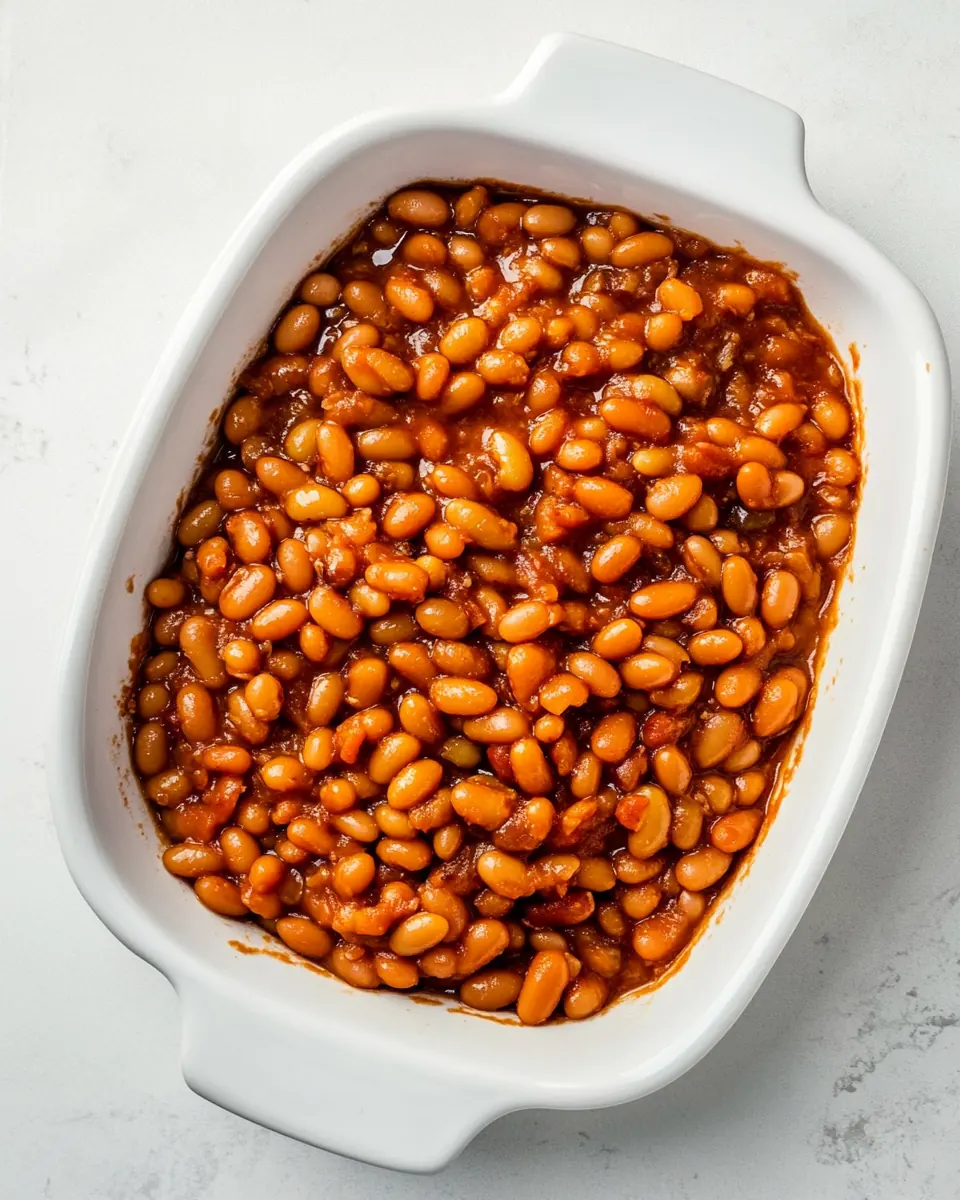
Vegetarian Baked Beans
Ingredients
Equipment
Method
- Preheat your oven to 400°F. This ensures the beans cook evenly.: The warm dry air of a properly heated oven creates a gentle convection that helps the sauce reduce and the flavors concentrate, giving the dish a pleasingly thick texture and a faintly caramelized aroma. You should feel the heat from the oven door and notice a light toasty odor as it reaches temperature. If the oven is too cool, the sauce will remain runny and the beans will not develop those subtle roasted notes, so always wait until the gauge indicates full heat.
- In an oven-safe dish, whisk together the molasses, brown sugar, ketchup, yellow mustard, onion powder, baking soda, smoked paprika, and kosher salt until smooth.: As you whisk, the mixture will transform from separate wet elements into a glossy sauce, and the fragrance will shift from sharp vinegar to warm molasses and smoke. Whisking ensures the molasses fully dissolves and the baking soda distributes evenly, which prevents uneven texture. A common mistake is under-whisking, leaving pockets of sugar or molasses that do not melt, so whisk until fully homogeneous.
- Stir in the drained and rinsed navy beans until evenly coated with the sauce.: When you fold the navy beans into the sauce, you should hear a soft rustle and see the beans become glossy and slick. Each bean should be mostly covered so the sauce can penetrate during baking. This step is where the dish gains cohesion, so avoid overcrowding the dish because it can prevent even saucing and heat circulation.
- Bake in the preheated oven for 20-25 minutes. Stir halfway through to help the sauce thicken and the flavors meld.: During baking the sauce will begin to bubble gently at the edges and give off a caramelized, sweet aroma that signals flavor concentration. Look for tiny bubbling and a slight thickening of the sauce, with a few beans showing a deeper color. If the top looks too dry, you can tent lightly with foil, but do not overbake because the beans can dry out and become mealy rather than tender.
- Remove from the oven. Let sit for 5 minutes before serving. Adjust salt if needed.: When you stir at the midpoint, you will release steam and redistribute the sauce so the beans cook evenly, and you will notice the sauce become smoother and more uniform in color. The sound will be a soft, wet stir and you should see the sauce cling more to the beans. Avoid vigorous stirring which can mash the beans, instead fold gently to preserve texture.
- Remove from the oven: After baking you will see a glossy, slightly reduced sauce and smell the melded aroma of sweet and smoke. The dish should look cohesive, with sauce pooling slightly around the beans rather than running. A common mistake is serving immediately without resting, which can leave the sauce thin; allow the dish to sit briefly so the sauce sets.
- Let sit for 5 minutes before serving: This brief rest allows steam to settle and the sauce to thicken, improving mouthfeel and flavor integration. You will notice the sauce cling to the spoon rather than run off, and the temperature becomes perfect for serving. Jumping the rest step can lead to a watery presentation and muted flavors.
- Adjust salt if needed: After tasting, sprinkle a little more kosher salt if the dish tastes flat, because salt brightens the other flavors and balances sweetness. Start with a small pinch and taste again, since it is easier to add than take away. Over seasoning is a common error, so proceed cautiously and rely on tasting.
Notes
- Adjust sweetness by reducing the brown sugar by one quarter if you prefer a less sweet finish, or increase slightly for a more dessert like glaze; always taste after baking and adjust salt to keep balance.
- Increase tang by adding a touch more yellow mustard for brightness; add in small increments to avoid overpowering the sauce.
- Boost smoky depth by increasing the smoked paprika a fraction, which deepens the savory notes without introducing heat; measure carefully because it can dominate.
- Make it ahead by assembling the sauce and beans in the dish, refrigerating overnight, then baking from cold and adding a few extra minutes to the cook time for even reheating.
- Control salt by omitting the initial kosher salt and seasoning at the end, especially if your canned beans are high in sodium; this gives you a better final tasting control.