Roast Garlic
Roast Garlic has a way of turning an ordinary kitchen moment into something quietly celebratory for me.
When I first learned to roast garlic, I was teaching myself patience more than technique, standing over the oven with a cup of tea and the faint scent of caramelizing cloves filling the air. Over time, that small ritual became a shortcut to comfort food, a single jar of soft, sweet garlic that could lift a weeknight pasta or transform a slice of bread. I love how the process is forgiving, requiring little more than time and a warm oven to coax out a mellow, nutty flavor.
Some evenings I roast a whole head garlic to spread on warm bread, other times I do individual garlic cloves for a smoother puree. Each approach has its own personality, and I enjoy choosing which fits the moment. Once, I invited friends over for an impromptu tasting, and everyone kept going back to that jar of roasted garlic, finding new ways to pair it with simple ingredients. That memory sealed it for me: roasted garlic is more than an ingredient, it is a small, versatile celebration in a spoon.
Recipe Snapshot
35 mins
5 mins
30 mins
Easy
100 kcal
Mediterranean
Keto, Paleo
Side Dishes
Heavy-duty foil
Why This Roast Garlic Shines
Deep, mellow flavor with little effort
I love that Roast Garlic yields a complex, sweet, almost caramelized aroma while asking very little from you. The slow heat softens the pungency of raw garlic, converting sharp sulfur notes into butterlike, savory richness. For busy cooks, this means a big flavor payoff for minimal active time, and I often rely on it when I want depth without fuss.
Versatility on the fly
We use roasted garlic in so many ways. Mash it into a paste for a quick spread, stir it into warm pasta to create an instant sauce, or blend it into dressings for a silky finish. I keep a small jar in the fridge for last minute boosts, and it saves me from reaching for complicated sauces.
Kid friendly and approachable
In my experience, roasted garlic appeals to picky eaters because the sharp bite of raw garlic is gone. The cloves become sweet and soft, which makes them more approachable when mixed into mashed potatoes or spread on roasted vegetables. I once turned a reluctant toddler into a fan by slipping roasted garlic into a simple buttered roll, and the rest is history.
Long shelf life and make ahead ease
I like prepping roasted garlic ahead of time. Stored in a small airtight container with a drizzle of Olive oil, it keeps for several days in the fridge, offering quick access to concentrated flavor. That planning flexibility means dinner feels less stressful on busy nights.
Cost effective gourmet
There is a humble joy in turning a few heads of garlic into something that tastes gourmet. For a little cost and a bit of oven time, you unlock a flavor profile that elevates soups, spreads, and sauces. I often recommend it to friends who want gourmet results without the gourmet price or fuss.
What’s In This Roast Garlic
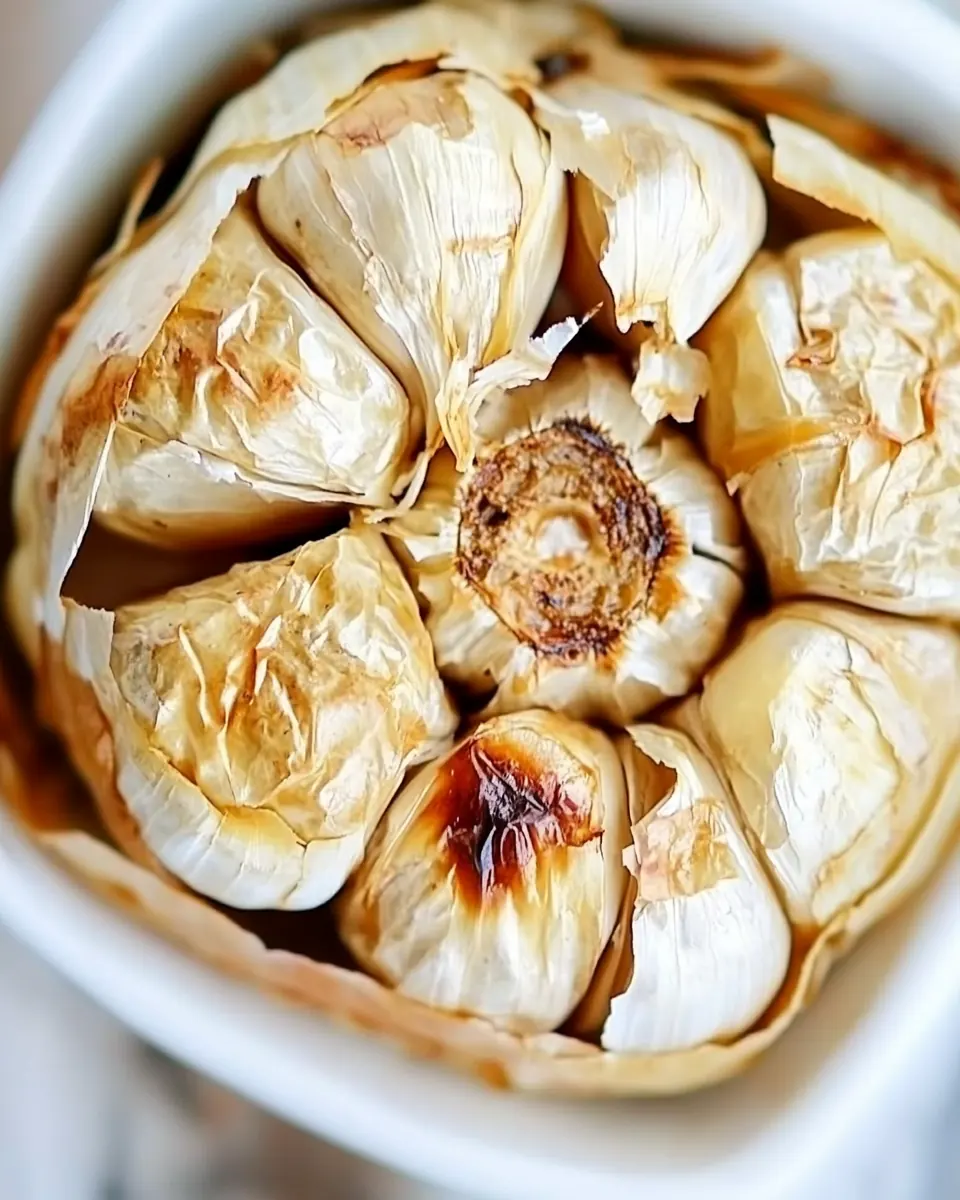
The ingredient list is wonderfully short and purposeful. Each player brings a clear role: the head garlic or individual garlic cloves provide the sweet, concentrated flavor, while Olive oil helps conduct heat, lock in moisture, and boost mouthfeel. Together they create a silky, spreadable condiment that can stand on its own or lift an entire dish.
- 1 head garlic or individual garlic cloves: Roast to mellow sharpness and develop sweet, caramelized flavors; cloves can be roasted whole in their papery skins or separated and wrapped in foil to prevent burning. Use as a spread, mashed into sauces, or added to roasted vegetables and meats to impart a soft, rich garlic character; squeeze or peel roasted cloves easily once cooled.
- Olive oil: Coat lightly to promote even browning and prevent drying out during roasting; drizzle over garlic or toss garlic cloves to help transfer heat and encourage caramelization. Use extra-virgin varieties for flavor depth and whisk into dressings or finishing dishes after roasting to complement the sweetened garlic notes.
How to Cook Roast Garlic
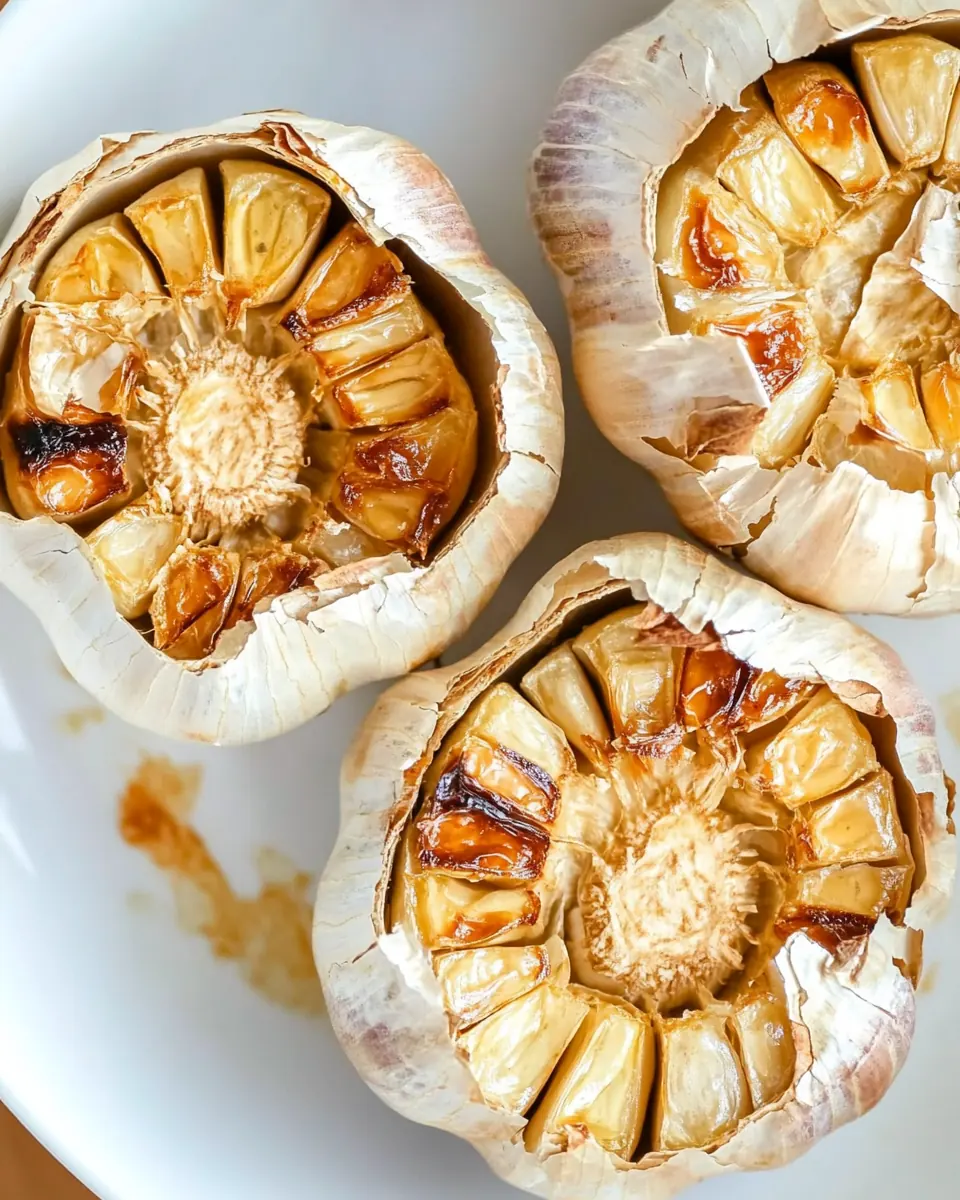
These steps are straightforward, but paying attention to subtle cues will reward you with perfectly softened, richly flavored cloves. I walk you through two small methods so you can pick the one that suits your time and needs.
- Preheat oven to 400°F.: As the oven warms, you will notice a faint dry heat that helps create an even roast. A properly preheated oven prevents long periods of uneven cooking that can toughen the cloves. If your oven is cooler than the set temperature, the garlic will take longer and may not reach the desired caramelization; avoid opening the door frequently during preheat to keep the temperature steady.
- Cut about 1/2 inch off the top of the head of garlic, exposing the individual cloves. Drizzle the top with olive oil, wrap in foil, and place in the oven for 35-40 minutes, until soft. Remove from the oven and allow to cool slightly; once cool enough to handle, squeeze the softened cloves into a bowl to use.: You will smell a warm, toasty sweetness as the sugars start to brown, and the head should feel tender when gently pressed. Wrapping in foil traps steam and allows the cloves to steam roast, producing a spreadable texture. One pitfall is cutting too deep into the cloves, which can dry them during roasting; slice just the very top to expose the tips.
- Preheat oven to 400°F.: Warming the oven again ensures the small pouch will roast quickly and evenly. The consistent oven temperature gives the cloves a chance to develop golden edges while turning tender inside. Avoid placing the foil pouch on the bottom rack if the oven has hotspots, as that can lead to uneven color development.
- Peel the garlic cloves. Place the cloves in a piece of heavy-duty foil – drizzle with a small amount of olive oil, then wrap in the foil, leaving a small opening at the top of the pouch. Place in the oven for 25-30 minutes, or until garlic is soft and starting to turn golden. Allow to cool.: As the cloves roast, they emit a sweet, almost hazelnut aroma and may glisten slightly where the oil contacts them. Leaving a small vent in the foil prevents excess condensation from pooling, which helps the edges caramelize. A common mistake is overcrowding the pouch, which can cause uneven cooking, so give the cloves room to roast in a single layer when possible.
Make It Your Own
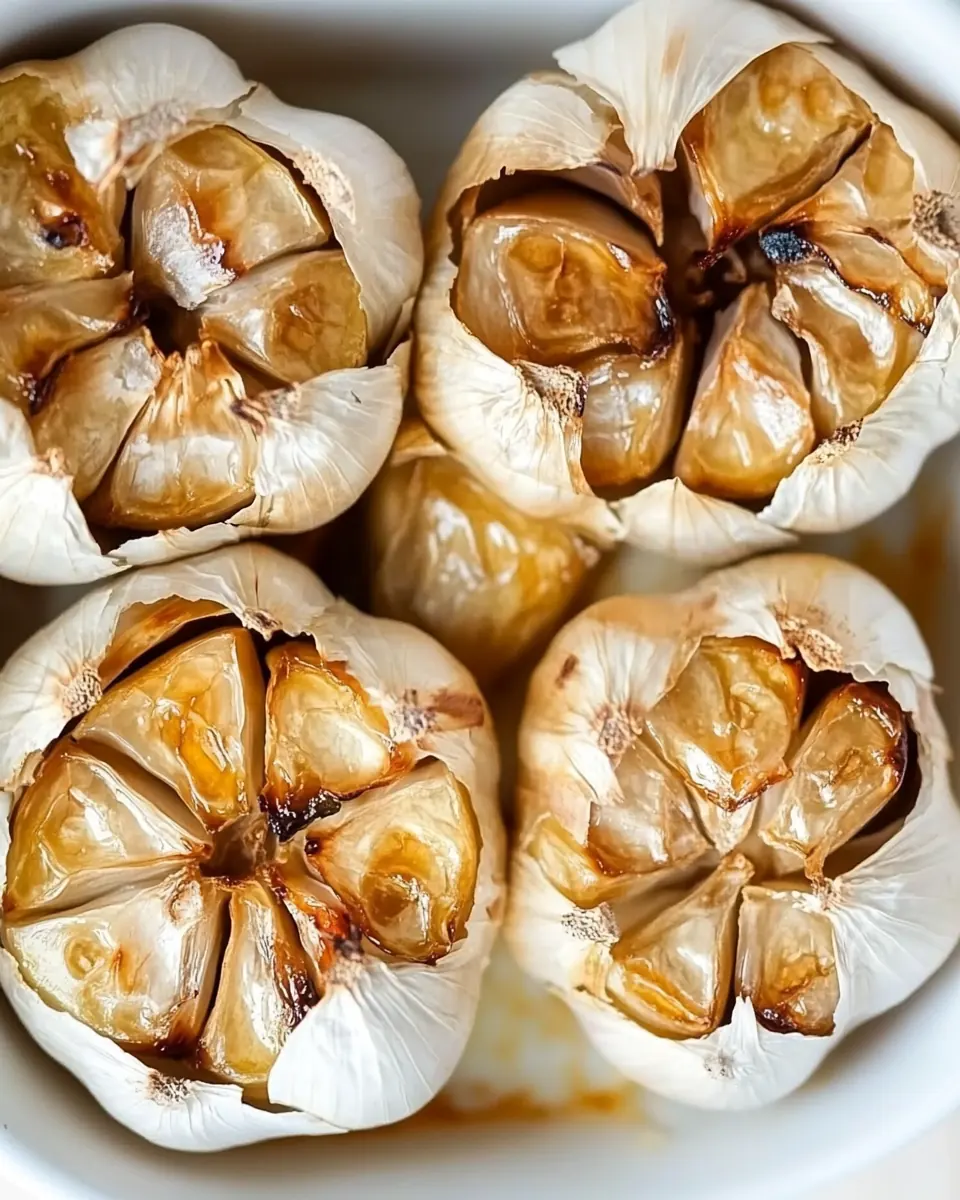
Roasting garlic is forgiving, and small tweaks let you tailor the end result to your preferences. The list below offers practical ways to adjust texture, intensity, and storage so the finished product fits your cooking habits.
- Use whole heads for spreads: Roast intact bulbs to create soft cloves that mash easily into a spreadable paste, ideal for bread or mixing into warm pasta. This method concentrates the flavor while preserving moisture, making the garlic silkier and less sharp.
- Roast individual cloves for quick use: If you want smaller portions or a slightly faster roast, peel the cloves and roast them in a foil pouch. They brown faster and are easier to blend into sauces with a more pronounced toasty note.
- Control intensity with roast time: Shorter roasting keeps some brightness and tender texture, while longer roasting deepens sweetness and rounds out sulfurous edges. Check the cloves visually for a golden tint to judge doneness rather than relying only on minutes.
- Store with oil for texture and preservation: After cooling, place the roasted cloves in a jar and cover lightly with Olive oil to maintain softness and to keep air out. This extends usability for several days and makes scooping easier when you need a quick flavor boost.
- Use a garlic press after roasting: For seamlessly integrated flavor in dressings or sauces, press the softened cloves; the result blends into liquids with minimal texture. This is especially helpful when you want the garlic to disappear into a sauce while adding depth.
What to Serve With Roast Garlic
Roasted garlic pairs beautifully across meals and occasions, from casual lunches to more reflective dinners. Think about textures and temperature contrasts when planning accompaniments, and let the mellow sweetness of the cloves lead your choices.
- Warm crusty bread: Slather roasted cloves on toasted slices for a simple starter that is always welcome at dinner gatherings or as a snack.
- Pasta dishes: Mix mashed roasted cloves into hot pasta with pasta water and a drizzle of Olive oil for an easy, comforting main suitable for weeknight dinners.
- Roasted vegetables: Toss vegetables with a little of the roasted garlic paste to deepen their savory profile, ideal for seasonal sides during harvest meals.
- Cheese boards: Add a spoonful alongside cheeses and olives for a spreadable, savory element that complements mild and aged cheeses alike at gatherings.
- Storage and leftovers: Keep leftover roasted cloves refrigerated in a sealed jar with a film of Olive oil. For longer keeping, freeze scoops in an ice cube tray and transfer to a bag for convenient single use portions.
- Occasions: Perfect for casual lunches, cozy dinners, or as a component in holiday side dishes where you want deep flavor without complicated steps.
FAQ
Conclusion
Roasted Garlic stands out because it converts a humble ingredient into a silky, sweet, savory component that lifts countless dishes. Give it a try the next time you want an easy, high impact flavor boost; the process is forgiving and the results feel a little luxurious. Once you’ve roasted a bulb or two, you will find yourself reaching for that jar more often than you expect, using it to make simple meals sing and to add warmth to shared moments.
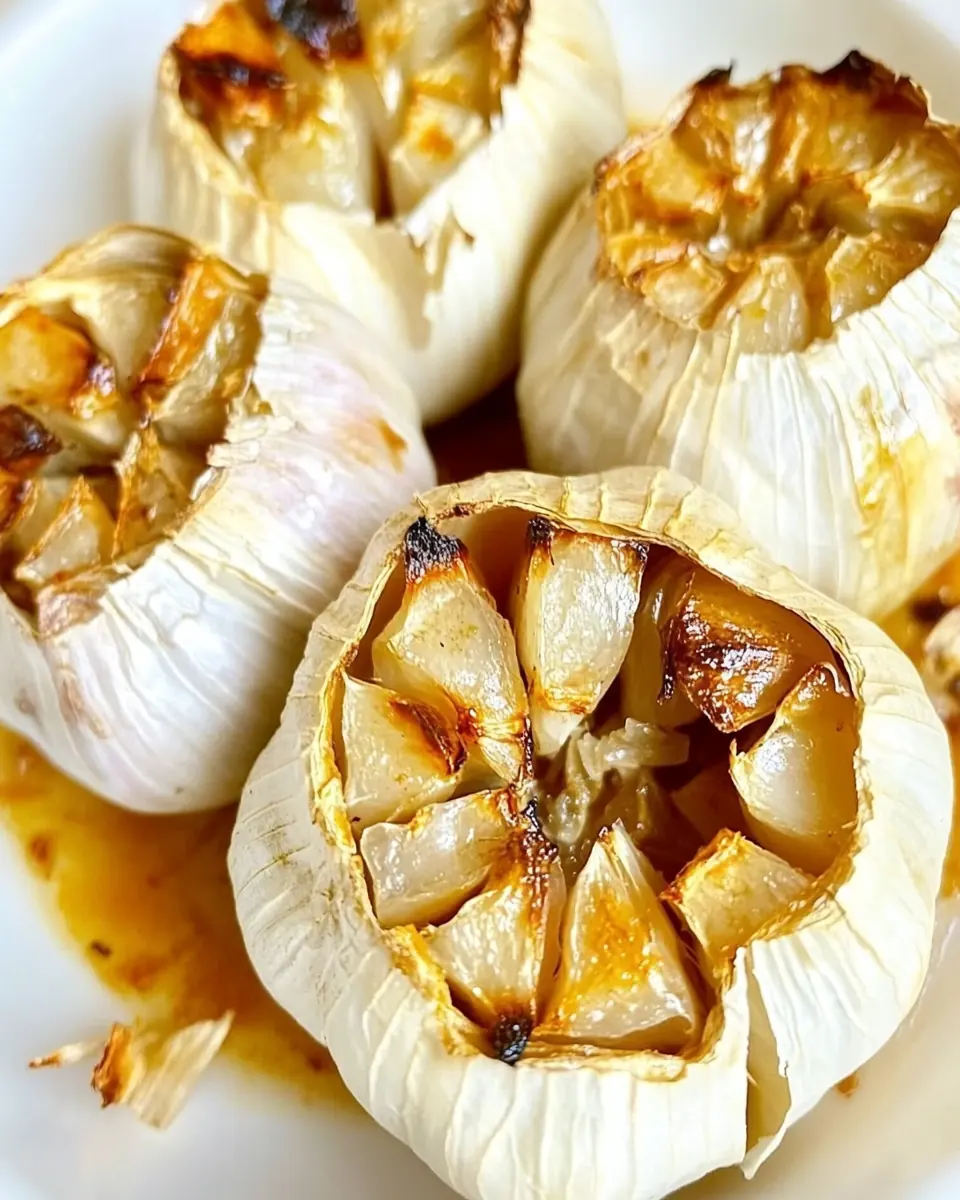
Roast Garlic
Ingredients
Equipment
Method
- Preheat oven to 400°F.: As the oven warms, you will notice a faint dry heat that helps create an even roast. A properly preheated oven prevents long periods of uneven cooking that can toughen the cloves. If your oven is cooler than the set temperature, the garlic will take longer and may not reach the desired caramelization; avoid opening the door frequently during preheat to keep the temperature steady.
- Cut about 1/2 inch off the top of the head of garlic, exposing the individual cloves. Drizzle the top with olive oil, wrap in foil, and place in the oven for 35-40 minutes, until soft. Remove from the oven and allow to cool slightly; once cool enough to handle, squeeze the softened cloves into a bowl to use.: You will smell a warm, toasty sweetness as the sugars start to brown, and the head should feel tender when gently pressed. Wrapping in foil traps steam and allows the cloves to steam roast, producing a spreadable texture. One pitfall is cutting too deep into the cloves, which can dry them during roasting; slice just the very top to expose the tips.
- Preheat oven to 400°F.: Warming the oven again ensures the small pouch will roast quickly and evenly. The consistent oven temperature gives the cloves a chance to develop golden edges while turning tender inside. Avoid placing the foil pouch on the bottom rack if the oven has hotspots, as that can lead to uneven color development.
- Peel the garlic cloves. Place the cloves in a piece of heavy-duty foil – drizzle with a small amount of olive oil, then wrap in the foil, leaving a small opening at the top of the pouch. Place in the oven for 25-30 minutes, or until garlic is soft and starting to turn golden. Allow to cool.: As the cloves roast, they emit a sweet, almost hazelnut aroma and may glisten slightly where the oil contacts them. Leaving a small vent in the foil prevents excess condensation from pooling, which helps the edges caramelize. A common mistake is overcrowding the pouch, which can cause uneven cooking, so give the cloves room to roast in a single layer when possible.
Notes
- Use whole heads for spreads: Roast intact bulbs to create soft cloves that mash easily into a spreadable paste, ideal for bread or mixing into warm pasta. This method concentrates the flavor while preserving moisture, making the garlic silkier and less sharp.
- Roast individual cloves for quick use: If you want smaller portions or a slightly faster roast, peel the cloves and roast them in a foil pouch. They brown faster and are easier to blend into sauces with a more pronounced toasty note.
- Control intensity with roast time: Shorter roasting keeps some brightness and tender texture, while longer roasting deepens sweetness and rounds out sulfurous edges. Check the cloves visually for a golden tint to judge doneness rather than relying only on minutes.
- Store with oil for texture and preservation: After cooling, place the roasted cloves in a jar and cover lightly with Olive oil to maintain softness and to keep air out. This extends usability for several days and makes scooping easier when you need a quick flavor boost.
- Use a garlic press after roasting: For seamlessly integrated flavor in dressings or sauces, press the softened cloves; the result blends into liquids with minimal texture. This is especially helpful when you want the garlic to disappear into a sauce while adding depth.