Maple Custard Orange Sauce
Maple Custard Orange Sauce has been one of those recipes that sneaks into my heart the moment the kitchen fills with the scent of caramelized maple and bright citrus.
I first encountered this dessert leaning over a communal table at a winter potluck where the hostess, a soft spoken home cook, set down little porcelain cups that gleamed with a pale custard and a pool of orange sauce at the rim. I remember the hush, the clink of spoons, and how everyone leaned in to taste. That evening I decided I wanted a dessert that felt both old fashioned and modern, something that comforts like a warm throw yet sparkles like a holiday ornament. Over the years I tweaked the balance between maple and orange to let each note sing without drowning the other.
There’s also a ritual to this dessert that I love. It asks for patience, a slow, attentive approach, and the payoff is worth it: custards that wobble just so, with a glossy, tangy syrup to crown them. When I make Maple Custard Orange Sauce for guests, I enjoy the quiet moments while the custards rest in the refrigerator overnight, knowing the flavors will knit together by morning. Serving it stirred memories into the conversation, and there is a gentle pride in presenting something layered yet simple.
Recipe Snapshot
1 hr 40 mins
20 mins
80 mins
Medium
300 kcal
American
Gluten-Free, Low FODMAP
Desserts
Small saucepan, Medium saucepan, Whisk, Ladle, Medium mixing bowl, Roasting pan, Custard or soufflé cups
The Magic of This Maple Custard Orange Sauce
Comfort Meets Elegance
I love how Maple Custard Orange Sauce balances homey comfort with refined presentation. The custard base is creamy and lush, carrying the warm, woody notes of maple syrup. At the same time the orange sauce cuts through with bright acidity, making each spoonful feel polished rather than cloying. When I serve this, people often say it tastes nostalgic yet surprising.
Texture That Rewards Patience
The slow bake in a water bath yields a custard texture that is silky rather than rubbery. I find that letting the custards chill overnight helps them set with a gentle wobble that melts on the tongue. The mouthfeel is a major reason I keep coming back to this dish.
Simple Ingredients, Big Flavor
What stands out to me is how a handful of straightforward ingredients like eggs, milk, cream, and maple syrup transform into something complex. The orange sauce is equally honest with orange juice, sugar, and butter, yet when combined they create layers of caramelized sweetness and citrus brightness. I appreciate recipes that rely on technique rather than a long ingredient list.
Make Ahead Friendly
I often prepare the custards a day ahead because chilling deepens the flavor and simplifies entertaining. The fact that these keep well in the refrigerator makes them ideal for holiday menus or dinner parties where timing matters. It gives me one less thing to rush on the day of the event.
Visual and Sensory Appeal
There is something theatrical about unmolding a glossy custard or ladling fragrant orange sauce over the top. I watch the caramelized maple steam away when it’s hot, and the orange zest sparkles against the syrup. Those sensory moments are small pleasures that elevate the whole experience.
What Goes Into Maple Custard Orange Sauce
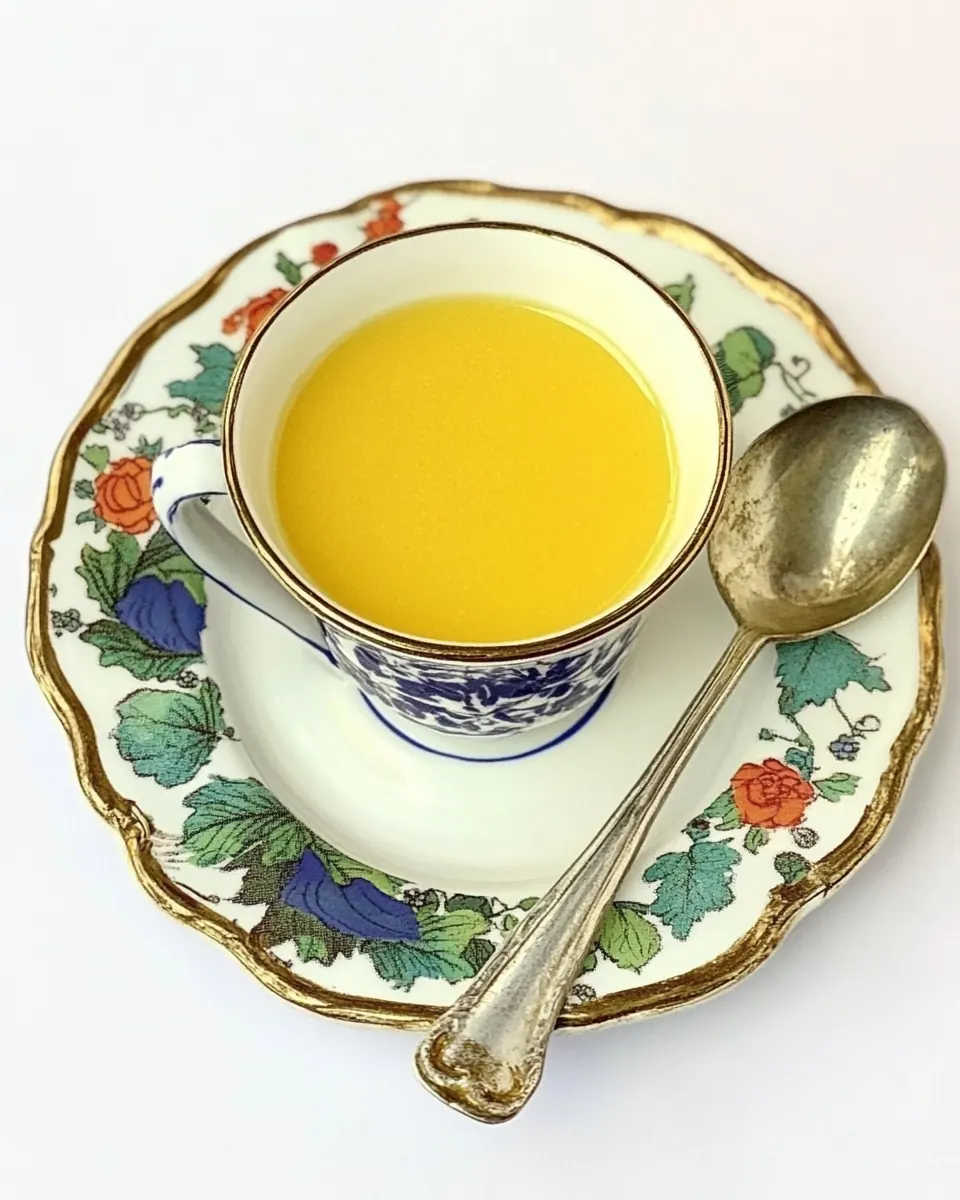
The ingredient list for Maple Custard Orange Sauce reads like a study in balance: rich dairy and eggs create the custard structure, while maple syrup brings warm sweetness and the orange sauce provides acidity and brightness. The key players are the egg yolks and whole eggs for body, the milk and cream for silkiness, and the maple syrup for character. The orange sauce components finish the dish with a glossy, tangy lift.
- 3 large egg yolks: Whisk vigorously to enrich and thicken the custard base; yolks provide richness, silkiness, and color while helping stabilize the mixture during gentle cooking. Use room-temperature yolks to incorporate evenly and avoid curdling when tempering with hot liquids.
- 2 large eggs: Beat briefly to add structure and body to the custard; whole eggs contribute additional protein and emulsification that support a creamy texture. Incorporate gradually to prevent overcoagulation and ensure a smooth final sauce.
- 2 cups milk: Heat gently as the primary liquid medium for the custard; milk supplies moisture, delicate dairy flavor, and helps create a smooth, pourable sauce. Choose whole milk for better mouthfeel and temper into eggs slowly to avoid scrambling.
- 1 cup heavy whipping cream: Fold in to increase creaminess and richness; heavy whipping cream elevates texture, adds luxurious mouthfeel, and helps stabilize the custard. Add with care to balance fat content so the sauce remains silky without becoming overly heavy.
- 2/3 cup maple syrup: Stir in as the main sweetener with distinct flavor; maple syrup offers complex caramel and woody notes that complement orange and add depth to the sauce. Measure precisely to balance sweetness and preserve the custard's smoothness during cooking.
- 2 tablespoons sugar: Sprinkle lightly to adjust sweetness and help with slight thickening; granulated sugar integrates with liquids to enhance flavor and support texture when combined with eggs and flour. Dissolve fully during heating to prevent grittiness in the finished sauce.
- 1/4 teaspoons salt: Season sparingly to enhance overall flavors; salt brightens sweetness and balances the custard's taste, making citrus and maple notes more pronounced. Use the specified small amount to avoid altering the sauce's delicate profile.
- 1 cup freshly squeezed orange juice: Pour freshly squeezed to provide bright citrus acidity and natural sweetness; orange juice adds lively flavor that cuts through the richness of the custard and complements maple syrup. Strain if desired to remove pulp for a smoother consistency.
- 1 cup sugar: Combine with maple syrup to deepen sweetness and texture; additional sugar helps achieve desired sweetness level and can aid in achieving a glossy finish when warmed. Dissolve completely to avoid grainy textures in the sauce.
- 1/2 cup butter: Melt gently to add richness and a silky finish; butter enhances flavor, adds gloss, and helps emulsify the sauce for a smooth mouthfeel. Incorporate off heat or slowly to prevent separation and maintain a cohesive texture.
- 3 tablespoons flour: Whisk in as a thickening agent to give body and stability; flour helps bind the custard and creates a slightly thicker pouring consistency when cooked properly. Cook briefly to remove raw flour taste while whisking constantly to prevent lumps.
- 1 teaspoon orange zest: Zest finely to infuse concentrated citrus aroma and bright top notes; orange zest delivers essential oils that intensify orange flavor without adding extra liquid. Use sparingly and add near the end of cooking or as a finishing touch for maximum fragrance.
Maple Custard Orange Sauce Instructions
These directions ask for attention and gentle hands, but they reward you with custards that are silky and a sauce that shines. Take your time with each heating and tempering step, and set aside ample chilling time. I like to read through the steps once before starting so everything moves smoothly.
- Preheat oven to 325 degrees F and butter the inside of the custard cups. Heat sugar and maple syrup in a small saucepan over medium heat.: As the oven warms you will notice a dry, warm scent in the kitchen, signaling the environment that will cook the custards gently. Properly buttered custard cups help prevent sticking and encourage an easy release if you decide to unmold. Be generous with the butter but avoid pooling fat at the base, which can steam. A common mistake is assuming any temperature is fine, but under preheating can lead to uneven baking.
- Cook until large bubbles form and pile up on top of one another, as opposed to just boiling. Remove from heat.: The mixture will begin to liquefy and shimmer as the sugar dissolves into the maple syrup . You should hear a soft, gentle bubbling as the liquid warms. This step builds depth of flavor through gentle caramelization, so stay attentive to prevent sudden burning. Stirring helps distribute heat evenly, and a typical error is walking away which risks scorching.
- In a medium saucepan, combine milk, cream and salt, heat, slowly bring to a boil. Immediately turn off the heat when the mixture begins to boil.: When the syrup stage is reached, you will see sustained, rounded bubbles that cluster and look thicker than simple boiling. This signals the syrup has reached a higher concentration and flavor focus. Removing it promptly avoids bitterness. The pitfall is leaving it too long, resulting in a burnt taste and dark color.
- While whisking, slowly pour the syrup mixture into the milk mixture. Whisk until well combined and set aside.: The dairy will steam and release a faint sweet dairy aroma as it approaches boiling. That moment right before a full boil is crucial for integrating with the hot syrup safely; overheating can alter texture. Turning off the heat immediately preserves the tenderness of the liquids. Many cooks err by letting a rolling boil develop, which can scald and create off flavors.
- In a medium mixing bowl, beat together the whole eggs and egg yolks. While whisking, slowly ladle the cream and syrup mixture into the beaten eggs, a little at a time. Continue adding until everything is well combined.: As you add the syrup you will notice the color deepen and a warm, toasty scent mingle with cream. Continuous whisking ensures a smooth emulsion and prevents the syrup from seizing. Set the combined mixture aside briefly to temper temperature before it touches eggs. A common mistake here is pouring too quickly which can create separation.
- Place the custard cups into the bottom of a large roasting pan. Pour the custard mixture into the buttered custard cups, leaving roughly 1/2" of head space. This can be done easily by transferring the custard mixture to a large measuring cup with a pouring spout. Add warm water to the bottom of the pan until it reaches 2/3 the way up the sides of the custard cups. Place the pan in the oven and carefully top off with enough water so that it is level with the filling in the custard cups. This prevents water from spilling over into the cups as you're transferring the pan to the oven.: The eggs will brighten in color as they incorporate the warm dairy, and the whisking should feel steady and rhythmic. This tempering prevents curdling by gently raising the eggs temperature. The why is simple, it keeps the custard smooth. Avoid dumping all the hot liquid in at once, or you'll end up with scrambled egg bits.
- Add warm water to the bottom of the pan until it reaches 2/3 the way up the sides of the custard cups. Place the pan in the oven and carefully top off with enough water so that it is level with the filling in the custard cups. This prevents water from spilling over into the cups as you're transferring the pan to the oven. Bake for 80-90 minutes, or until the centers of the custards are set.: As you pour the custard into the cups, you should see a glossy surface that captures light. The water bath creates a gentle, even heat and prevents the edges from cooking faster than the center. Leaving head space accommodates slight expansion and prevents boil over. A common misstep is using cold water, which can shock the cooking environment and lead to uneven textures.
- Remove the custards from the oven. Cover and allow them to set up in the refrigerator overnight. To make the orange sauce, combine the ingredients in a small saucepan. Stir to combine and heat until thickened. Remove from heat and allow to come to room temperature before serving.: In the oven the custards will slowly firm from the edges inward, and you may hear an almost inaudible quiet as they settle. Visual cues include a slight jiggle in the center and a matte surface that has lost its raw sheen. The long, gentle bake creates that creamy set without curdling. A mistake is checking too early, which can cause unnecessary temperature swings that affect the final texture.
- Serve the custards with the orange sauce and fresh whipped cream. They can be served directly in the cups (I prefer it this way) or un-molded by running a thin knife around the edge and turning out onto a serving plate. If the custard is stubborn to come loose, dip the bottoms of the custard bowls into a dish of hot water for a few seconds to help the custard inside loosen a bit.: Once out of the oven the custards will settle and continue to firm as they cool, and chilling overnight helps flavors meld while the texture becomes silkier. For the sauce, simmering will concentrate the orange juice and sugar , releasing bright citrus aromas and developing a glossy sheen. Cooling the sauce prevents it from breaking the chilled custard's texture when plated. A common error is rushing the chill time, leaving a custard too loose at serving.
- Serve the custards with the orange sauce and fresh whipped cream. They can be served directly in the cups (I prefer it this way) or un-molded by running a thin knife around the edge and turning out onto a serving plate. If the custard is stubborn to come loose, dip the bottoms of the custard bowls into a dish of hot water for a few seconds to help the custard inside loosen a bit: The final presentation combines textures and temperatures, a cool silky custard with a slightly warm or room temperature sauce, and if you choose to add whipped cream it provides an airy contrast. When unmolding, a confident twist will release the custard cleanly and the surface should glisten. A frequent slip is forcing an unmold which can crack the custard; gentle coaxing usually works best.
Change It Up
I like offering variations that keep the spirit of Maple Custard Orange Sauce while giving cooks room to personalize. These tips are practical and rooted in technique so your results stay reliable.
- Swap dairy balance by adjusting the ratio of milk to cream to change richness, using more milk for a lighter custard and more cream for silkier mouthfeel.
- Maple intensity can be tuned by reducing the maple syrup slightly if you prefer a subtler note, or increasing it for a stronger caramel profile.
- Sauce thickness control cook the orange sauce to a thinner consistency for pouring, or cook longer to achieve a syrup that clings to a spoon for more glaze like presentation.
- Use fresh zest at plating to add an aromatic burst that feels freshly finished and elevates the sauce visually and aromatically.
- Individual serving ideas serve directly in the cups for rustic charm, or unmold for a polished plated dessert when hosting a formal dinner.
Serve This Maple Custard Orange Sauce With
This dessert is versatile for many occasions, from intimate dinners to festive gatherings. Think about complementary textures and flavors when planning pairings, and consider seasonal produce to round out the menu. The list below gives serving ideas and practical storage notes to help you present the dish with confidence.
- Serve with fresh fruit for a light counterpoint, choose berries or thinly sliced stone fruit when in season to add freshness and color.
- Offer small biscuits or toasted nuts alongside to provide a crunchy contrast that pairs nicely with the custard’s silkiness.
- Great for dinner parties, prepare the custards the day before to free up your time for last minute details and host without stress.
- Holiday friendly, the warm maple note and bright orange sauce make this well suited for winter celebrations and festive tables.
- Storage tips keep custards covered in the refrigerator for up to 3 days, and store the orange sauce separately in a sealed container to preserve its brightness.
- Seasonal pairings serve with citrus forward garnishes in winter, or lighter berries in summer to reflect the season on your plate.
FAQ
Conclusion
What makes this recipe special is the way simple, quality ingredients transform into a dessert that feels both homey and elegant. The combination of warm maple flavors in a silky custard with a bright orange sauce creates an irresistible balance of richness and acidity. I encourage you to give it a try, take your time with the tempering and the water bath, and enjoy the small ritual of patience that this dessert asks for. Serve it chilled and watch how a modest ingredient list turns into a memorable finish to any meal.
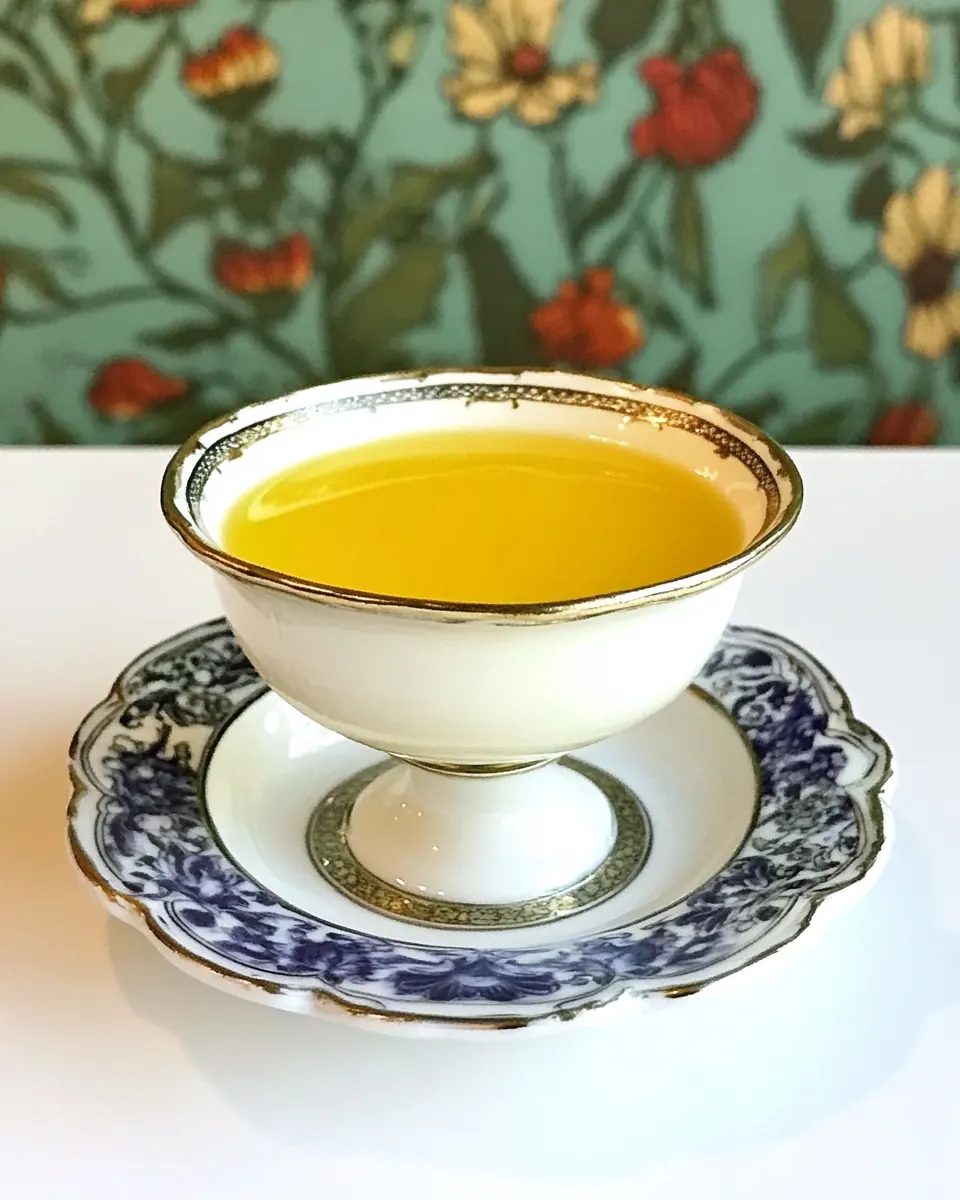
Maple Custard Orange Sauce
Ingredients
Equipment
Method
- Preheat oven to 325 degrees F and butter the inside of the custard cups. Heat sugar and maple syrup in a small saucepan over medium heat.: As the oven warms you will notice a dry, warm scent in the kitchen, signaling the environment that will cook the custards gently. Properly buttered custard cups help prevent sticking and encourage an easy release if you decide to unmold. Be generous with the butter but avoid pooling fat at the base, which can steam. A common mistake is assuming any temperature is fine, but under preheating can lead to uneven baking.
- Cook until large bubbles form and pile up on top of one another, as opposed to just boiling. Remove from heat.: The mixture will begin to liquefy and shimmer as the sugar dissolves into the maple syrup . You should hear a soft, gentle bubbling as the liquid warms. This step builds depth of flavor through gentle caramelization, so stay attentive to prevent sudden burning. Stirring helps distribute heat evenly, and a typical error is walking away which risks scorching.
- In a medium saucepan, combine milk, cream and salt, heat, slowly bring to a boil. Immediately turn off the heat when the mixture begins to boil.: When the syrup stage is reached, you will see sustained, rounded bubbles that cluster and look thicker than simple boiling. This signals the syrup has reached a higher concentration and flavor focus. Removing it promptly avoids bitterness. The pitfall is leaving it too long, resulting in a burnt taste and dark color.
- While whisking, slowly pour the syrup mixture into the milk mixture. Whisk until well combined and set aside.: The dairy will steam and release a faint sweet dairy aroma as it approaches boiling. That moment right before a full boil is crucial for integrating with the hot syrup safely; overheating can alter texture. Turning off the heat immediately preserves the tenderness of the liquids. Many cooks err by letting a rolling boil develop, which can scald and create off flavors.
- In a medium mixing bowl, beat together the whole eggs and egg yolks. While whisking, slowly ladle the cream and syrup mixture into the beaten eggs, a little at a time. Continue adding until everything is well combined.: As you add the syrup you will notice the color deepen and a warm, toasty scent mingle with cream. Continuous whisking ensures a smooth emulsion and prevents the syrup from seizing. Set the combined mixture aside briefly to temper temperature before it touches eggs. A common mistake here is pouring too quickly which can create separation.
- Place the custard cups into the bottom of a large roasting pan. Pour the custard mixture into the buttered custard cups, leaving roughly 1/2" of head space. This can be done easily by transferring the custard mixture to a large measuring cup with a pouring spout. Add warm water to the bottom of the pan until it reaches 2/3 the way up the sides of the custard cups. Place the pan in the oven and carefully top off with enough water so that it is level with the filling in the custard cups. This prevents water from spilling over into the cups as you're transferring the pan to the oven.: The eggs will brighten in color as they incorporate the warm dairy, and the whisking should feel steady and rhythmic. This tempering prevents curdling by gently raising the eggs temperature. The why is simple, it keeps the custard smooth. Avoid dumping all the hot liquid in at once, or you'll end up with scrambled egg bits.
- Add warm water to the bottom of the pan until it reaches 2/3 the way up the sides of the custard cups. Place the pan in the oven and carefully top off with enough water so that it is level with the filling in the custard cups. This prevents water from spilling over into the cups as you're transferring the pan to the oven. Bake for 80-90 minutes, or until the centers of the custards are set.: As you pour the custard into the cups, you should see a glossy surface that captures light. The water bath creates a gentle, even heat and prevents the edges from cooking faster than the center. Leaving head space accommodates slight expansion and prevents boil over. A common misstep is using cold water, which can shock the cooking environment and lead to uneven textures.
- Remove the custards from the oven. Cover and allow them to set up in the refrigerator overnight. To make the orange sauce, combine the ingredients in a small saucepan. Stir to combine and heat until thickened. Remove from heat and allow to come to room temperature before serving.: In the oven the custards will slowly firm from the edges inward, and you may hear an almost inaudible quiet as they settle. Visual cues include a slight jiggle in the center and a matte surface that has lost its raw sheen. The long, gentle bake creates that creamy set without curdling. A mistake is checking too early, which can cause unnecessary temperature swings that affect the final texture.
- Serve the custards with the orange sauce and fresh whipped cream. They can be served directly in the cups (I prefer it this way) or un-molded by running a thin knife around the edge and turning out onto a serving plate. If the custard is stubborn to come loose, dip the bottoms of the custard bowls into a dish of hot water for a few seconds to help the custard inside loosen a bit.: Once out of the oven the custards will settle and continue to firm as they cool, and chilling overnight helps flavors meld while the texture becomes silkier. For the sauce, simmering will concentrate the orange juice and sugar , releasing bright citrus aromas and developing a glossy sheen. Cooling the sauce prevents it from breaking the chilled custard's texture when plated. A common error is rushing the chill time, leaving a custard too loose at serving.
- Serve the custards with the orange sauce and fresh whipped cream. They can be served directly in the cups (I prefer it this way) or un-molded by running a thin knife around the edge and turning out onto a serving plate. If the custard is stubborn to come loose, dip the bottoms of the custard bowls into a dish of hot water for a few seconds to help the custard inside loosen a bit: The final presentation combines textures and temperatures, a cool silky custard with a slightly warm or room temperature sauce, and if you choose to add whipped cream it provides an airy contrast. When unmolding, a confident twist will release the custard cleanly and the surface should glisten. A frequent slip is forcing an unmold which can crack the custard; gentle coaxing usually works best.
Notes
- Swap dairy balance by adjusting the ratio of milk to cream to change richness, using more milk for a lighter custard and more cream for silkier mouthfeel.
- Maple intensity can be tuned by reducing the maple syrup slightly if you prefer a subtler note, or increasing it for a stronger caramel profile.
- Sauce thickness control cook the orange sauce to a thinner consistency for pouring, or cook longer to achieve a syrup that clings to a spoon for more glaze like presentation.
- Use fresh zest at plating to add an aromatic burst that feels freshly finished and elevates the sauce visually and aromatically.
- Individual serving ideas serve directly in the cups for rustic charm, or unmold for a polished plated dessert when hosting a formal dinner.