Easy Clementine Cake
Easy Clementine Cake has been one of those recipes that sneaks into my kitchen on chilly afternoons when I crave something bright, cozy, and utterly honest. The first time I made it I was juggling a cranky toddler and a stack of mail, yet the aroma of simmered clementines bubbling away on the stove turned the chaos into a tiny celebration. I remember pausing with a mug in hand, watching steam curl from the pot and thinking this simple dessert might actually belong in my weeknight rotation.
Over time this Easy Clementine Cake became my go to for low fuss gatherings, the dessert I trusted to show up looking elegant without demanding ceremony. I learned which small moves matter, like giving the clementines enough time to soften so the batter becomes almost custardy, and why the batter’s texture tells you if you measured the almond flour properly. Each time it came out with a tender crumb and a heady citrus perfume that filled the whole house.
Recipe Snapshot
55 mins
5 mins
50 mins
Medium
250 kcal
American
Gluten-Free, Low FODMAP
Desserts
Pot, Food Processor, Large Bowl, Whisk, 20 cm / 8 inch Cake Tin, Cooling Rack
Why This Easy Clementine Cake Shines
Bright, seasonal citrus flavor
I love how the Easy Clementine Cake captures the clean, sunlit taste of clementines. Because the fruit is cooked and pureed whole, you get the fragrant oils from the peel and the sweet tang from the flesh. That combination yields a cake that feels both light and deeply citrusy, which is rare for such a simple batter.
Minimal, pantry friendly ingredients
We rely on a short list of staples like eggs, sugar, and almond flour. This matters to me on busy nights, because it means I don’t need a long shopping list. The recipe’s focus on a few quality items makes each one sing, and the streamlined ingredient deck speeds up the whole process so you can delight guests with minimal fuss.
Moist, tender crumb without heavy butter
Because the clementines become the moisture base, this cake stays succulent without relying on large amounts of butter or oil. That gives the crumb a pleasing, almost custard like softness, and it feels lighter on the palate. I enjoy serving it when I want dessert that comforts but does not overwhelm.
Forgiving technique for home bakers
I find this cake very forgiving. The mixing method is straightforward, and small timing variations rarely ruin the result. If you slightly overblend or underbake a touch, the texture still holds up, which is perfect for cooks who prefer relaxed precision rather than rigid rules.
Versatile for occasions
From casual tea to holiday gatherings in the colder months, the Easy Clementine Cake adapts beautifully. It feels seasonal and special without being intimidating, which is why I reach for it when I want a dessert that’s elegant and effortless at once.
Ingredients Overview for Easy Clementine Cake

This ingredient list leans into a simple philosophy: let the clementines lead, while supporting players provide structure and sweetness. The key performers are the fruit and the almond flour, which together create a moist, tender crumb. Eggs add lift and stability, sugar balances the citrus brightness, and a touch of baking powder ensures a gentle rise. The glaze brings a final glossy note and a little extra sweetness.
The ingredients below are shown in the original order, each followed by a brief note to help you understand its role and how to choose it.
- 375 g clementines, approx. 5 medium-sized ones: Provide natural sweetness and moisture while contributing citrus aroma; whole clementines are boiled and blended to incorporate peels for intense flavor. Use about 375 g (roughly five medium) to balance texture and ensure the cake remains tender and fragrant.
- 6 medium-large eggs: Bind the batter and add richness with eggs, which help structure the cake through coagulation when baked. Use six medium–large eggs to create a stable, airy crumb and help the almond flour set properly.
- 225 g sugar: Sweeten the cake and assist with browning when creamed into the egg mixture; sugar also helps tenderize by interfering with gluten-like interactions in almond-based batters. Measure 225 g to achieve a balanced sweetness that complements the citrus.
- 250 g almond flour: Provide bulk, a moist crumb, and a delicate nutty flavor while keeping the cake gluten-free; almond flour tenderizes more than wheat flour due to its fat content. Use 250 g to create a dense yet tender cake structure and to pair well with the clementine purée.
- 1 teaspoon baking powder: Leaven the cake mildly by producing gas bubbles that expand in the batter, giving a lighter texture and lift to the otherwise dense almond-based cake. Include one teaspoon to ensure adequate rise without creating a coarse crumb.
- 1 teaspoon orange zest (optional): Enhance aromatic citrus notes and add fresh perfume without extra liquid; orange zest can intensify the fruit character when used. Add one teaspoon optionally to deepen the citrus profile if desired.
- 50 g powdered sugar: Dust the finished cake with powdered sugar for a delicate sweet finish and visual appeal; it dissolves quickly and creates an attractive surface. Use 50 g to lightly sweeten the top without overpowering the clementine flavor.
- 1 teaspoon clementine or orange juice: Add a small amount of bright acidity to balance sweetness and deepen citrus flavor; a teaspoon of clementine or orange juice also helps adjust batter consistency slightly. Use it sparingly to lift the cake's overall taste.
How to Make Easy Clementine Cake
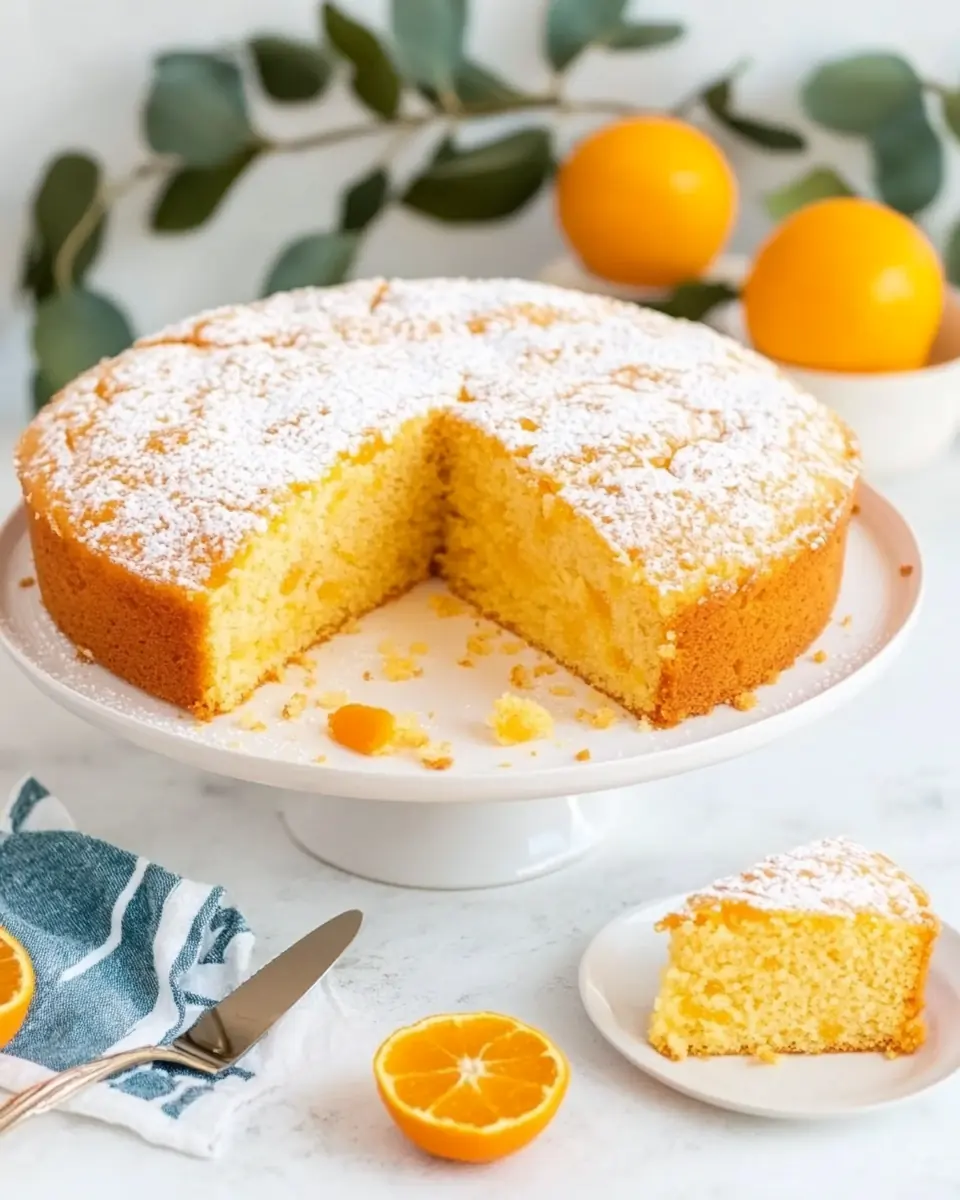
This method is approachable and rhythmic, so I like to set everything out before I begin. Start by preparing the clementines on the stove, then assemble the batter with your processor. Keep an eye on the oven toward the end of baking so the top doesn’t overbrown.
- Place the clementines in a pot and cover with cold water. Bring to a boil, then simmer for 50 minutes and drain.: As the clementines simmer, the peels soften and the membranes mellow, creating a cooked fruit that blends into a silky puree. You will notice a fragrant citrus steam and a deeper, sweeter scent than raw fruit; that gentle scent signals the peel oils have released into the flesh. This long simmer also reduces bitterness that can lurk in the pith. One common mistake is undercooking them, which leaves a sharper, more bitter edge; make sure they are tender when you pierce them with a fork. After draining, allow them to cool fully so they are easier to handle and so the batter temperature stays moderate when mixed.
- Preheat oven to 180ºC/160°C Fan/360ºF. Grease and line with parchment paper a 20 cm / 8-inch cake tin. Arrange a baking rack onto the middle shelf of the oven.: Heating the oven in advance stabilizes the bake so the cake starts rising immediately on contact with heat. Use the middle rack for even air circulation, which helps the cake set uniformly and prevents a sunken center. Greasing and lining the pan ensures easy release later, especially since the crumb stays tender. A frequent oversight is placing the pan too low or too high in the oven, which can lead to uneven browning; middle placement is safest.
- Once cool, cut the clementines in half and remove any seeds, then place them in the bowl of a food processor and blend until pureed and creamy, about 1 minute.: The texture you want here is smooth and velvety, with no large pieces remaining. As you process, the sound will shift from chunky chopping to a steady hum, and the puree should have a glossy sheen. This smoothness is crucial because it disperses moisture evenly through the batter, helping the cake set with a tender crumb. If seeds remain, they can create unwanted bitter specks, so double check; a common mistake is skipping the seed removal and finding tiny bitter bites in the finished cake.
- In a large bowl whisk the eggs with the sugar until light and pale, about 3 minutes.: When you whisk the eggs and sugar to a pale, slightly ribboning stage, you incorporate air that lifts the cake. Visually, the mixture will double slightly in volume and turn a soft lemon color; it should fall back into the bowl slowly when you lift the whisk. The tactile clue is a silky, slightly thickened liquid. Not whipping long enough results in a denser cake, while overwhipping can make the mixture collapse later; aim for that gentle volume increase.
- Add the whisked eggs, almond flour, baking powder, and optional orange zest in the food processor. Blitz for 5 – 10 seconds until combined.: This short pulse keeps the batter homogeneous without overworking the almond flour . You should hear quick, even pulses and see the batter just come together into a slightly glossy mass. Overprocessing can break down air pockets and make the texture heavy, so brief bursts are best. If the batter looks grainy, a couple more seconds are fine, but avoid long continuous blending which can heat the batter and affect lift.
- Pour the batter into a cake pan. Bake for 50 minutes until the surface is golden and a toothpick inserted into the centre comes out clean. After 40 minutes, you might need to cover the cake with foil to prevent the surface from browning too much.: During baking you will notice a fragrant, toasty citrus aroma and the top will change from pale to a warm golden tone. The sound of the oven is steady; there should be no large oven eruptions like smoke. The toothpick test tells you when the interior has set; if it comes out with a few moist crumbs, that is okay as they will firm slightly while cooling. A common slip is removing it too early, which yields an underbaked middle, so err on the side of checking a couple times toward the end and tenting with foil if the top browns ahead of doneness.
- Remove the pan from the oven and arrange it over a cooling rack, but leave the cake in the pan to cool.: Cooling in the pan helps the cake settle without cracking, preserving its delicate structure. You will notice the aroma mellow and the surface become slightly matte as steam escapes. If you try to unmold it while hot, it may break apart because the crumb is still fragile. The cake will also firm up a bit as it cools, so patience prevents a ruined presentation; wait until it is mostly at room temperature before attempting to lift it out.
- Mix the glaze ingredients until you have a thick but spreadable glaze. Pour it over the top of the clementine cake and serve.: The glaze should be glossy and slightly viscous so it spreads without running off the edges. When you spoon it on, you should see a smooth ribbon that quickly flattens into a thin coat, highlighting the cake’s surface. This final touch brings a concentrated citrus brightness and a sweet sheen. A common error is thinning the glaze too much with liquid, making it run; add juice sparingly to keep a spreadable consistency.
Ways to Customize

This cake is a friendly canvas for small tweaks, and customization can be as subtle as adding a zestier note or as structural as choosing a different pan. Below are helpful tips to adapt the recipe based on equipment, presentation, and time. Each tip starts with a short bolded action to guide you quickly.
- Speed up ahead of time Boil the clementines the night before, drain, and keep them chilled to shorten active prep time the next day.
- Use different pan sizes Try a 23 cm/9 inch pan for a wider, shallower cake or an 20 cm/8 inch pan for a taller profile; baking time will change, so check with a toothpick.
- Adjust sweetness gently Reduce the sugar by 10 to 15 percent if your clementines are especially sweet, tasting the puree if needed to guide adjustments.
- Swap presentation format Bake in a square pan for neat, individual squares that are easier to serve at gatherings, while a round tin feels more traditional for holiday tables.
- Whisk method alternatives If you do not have a food processor, finely chop the cooked clementines and vigorously whisk them into the eggs and sugar; the texture will still be lovely though slightly less uniform.
How to Enjoy Easy Clementine Cake
This cake fits many occasions, from an everyday treat with coffee to a centerpiece at a seasonal gathering. Think about texture contrasts and simple accompaniments that highlight the citrus notes and soft crumb. Serve slightly warm or at room temperature depending on preference.
- Serve with warm tea or coffee The gentle citrus pairs beautifully with a cup of tea or a mild coffee for a relaxed afternoon snack.
- Bring to winter gatherings This is a great choice for winter parties and holiday tables where citrus offers a bright counterpoint to heavier dishes.
- Store properly Keep the cake in an airtight container at room temperature for up to 2 days, or refrigerate if your kitchen is warm; bring back to room temperature before serving.
- Pair with light toppings A simple dollop of unsweetened whipped cream or a few fresh segments of clementines adds contrast without overwhelming the cake.
- Slice carefully Use a sharp knife and wipe between cuts for clean slices, especially if you used a glaze that sets on the surface.
FAQ
Conclusion
This Easy Clementine Cake stands out because it transforms simple, seasonal clementines into a tender, aromatic cake that feels both homey and special. The balance of bright citrus, nutty almond flour, and a glossy glaze creates a dessert that is effortless to prepare and pleasing to serve. Give it a try on a cool afternoon or at a small winter gathering, and let the fragrant citrus warmth fill your kitchen. I hope it becomes one of the recipes you return to when you want something reliable, flavorful, and comfortingly simple.

Easy Clementine Cake
Ingredients
Equipment
Method
- Place the clementines in a pot and cover with cold water. Bring to a boil, then simmer for 50 minutes and drain.: As the clementines simmer, the peels soften and the membranes mellow, creating a cooked fruit that blends into a silky puree. You will notice a fragrant citrus steam and a deeper, sweeter scent than raw fruit; that gentle scent signals the peel oils have released into the flesh. This long simmer also reduces bitterness that can lurk in the pith. One common mistake is undercooking them, which leaves a sharper, more bitter edge; make sure they are tender when you pierce them with a fork. After draining, allow them to cool fully so they are easier to handle and so the batter temperature stays moderate when mixed.
- Preheat oven to 180ºC/160°C Fan/360ºF. Grease and line with parchment paper a 20 cm / 8-inch cake tin. Arrange a baking rack onto the middle shelf of the oven.: Heating the oven in advance stabilizes the bake so the cake starts rising immediately on contact with heat. Use the middle rack for even air circulation, which helps the cake set uniformly and prevents a sunken center. Greasing and lining the pan ensures easy release later, especially since the crumb stays tender. A frequent oversight is placing the pan too low or too high in the oven, which can lead to uneven browning; middle placement is safest.
- Once cool, cut the clementines in half and remove any seeds, then place them in the bowl of a food processor and blend until pureed and creamy, about 1 minute.: The texture you want here is smooth and velvety, with no large pieces remaining. As you process, the sound will shift from chunky chopping to a steady hum, and the puree should have a glossy sheen. This smoothness is crucial because it disperses moisture evenly through the batter, helping the cake set with a tender crumb. If seeds remain, they can create unwanted bitter specks, so double check; a common mistake is skipping the seed removal and finding tiny bitter bites in the finished cake.
- In a large bowl whisk the eggs with the sugar until light and pale, about 3 minutes.: When you whisk the eggs and sugar to a pale, slightly ribboning stage, you incorporate air that lifts the cake. Visually, the mixture will double slightly in volume and turn a soft lemon color; it should fall back into the bowl slowly when you lift the whisk. The tactile clue is a silky, slightly thickened liquid. Not whipping long enough results in a denser cake, while overwhipping can make the mixture collapse later; aim for that gentle volume increase.
- Add the whisked eggs, almond flour, baking powder, and optional orange zest in the food processor. Blitz for 5 - 10 seconds until combined.: This short pulse keeps the batter homogeneous without overworking the almond flour . You should hear quick, even pulses and see the batter just come together into a slightly glossy mass. Overprocessing can break down air pockets and make the texture heavy, so brief bursts are best. If the batter looks grainy, a couple more seconds are fine, but avoid long continuous blending which can heat the batter and affect lift.
- Pour the batter into a cake pan. Bake for 50 minutes until the surface is golden and a toothpick inserted into the centre comes out clean. After 40 minutes, you might need to cover the cake with foil to prevent the surface from browning too much.: During baking you will notice a fragrant, toasty citrus aroma and the top will change from pale to a warm golden tone. The sound of the oven is steady; there should be no large oven eruptions like smoke. The toothpick test tells you when the interior has set; if it comes out with a few moist crumbs, that is okay as they will firm slightly while cooling. A common slip is removing it too early, which yields an underbaked middle, so err on the side of checking a couple times toward the end and tenting with foil if the top browns ahead of doneness.
- Remove the pan from the oven and arrange it over a cooling rack, but leave the cake in the pan to cool.: Cooling in the pan helps the cake settle without cracking, preserving its delicate structure. You will notice the aroma mellow and the surface become slightly matte as steam escapes. If you try to unmold it while hot, it may break apart because the crumb is still fragile. The cake will also firm up a bit as it cools, so patience prevents a ruined presentation; wait until it is mostly at room temperature before attempting to lift it out.
- Mix the glaze ingredients until you have a thick but spreadable glaze. Pour it over the top of the clementine cake and serve.: The glaze should be glossy and slightly viscous so it spreads without running off the edges. When you spoon it on, you should see a smooth ribbon that quickly flattens into a thin coat, highlighting the cake’s surface. This final touch brings a concentrated citrus brightness and a sweet sheen. A common error is thinning the glaze too much with liquid, making it run; add juice sparingly to keep a spreadable consistency.
Notes
- Speed up ahead of time Boil the clementines the night before, drain, and keep them chilled to shorten active prep time the next day.
- Use different pan sizes Try a 23 cm/9 inch pan for a wider, shallower cake or an 20 cm/8 inch pan for a taller profile; baking time will change, so check with a toothpick.
- Adjust sweetness gently Reduce the sugar by 10 to 15 percent if your clementines are especially sweet, tasting the puree if needed to guide adjustments.
- Swap presentation format Bake in a square pan for neat, individual squares that are easier to serve at gatherings, while a round tin feels more traditional for holiday tables.
- Whisk method alternatives If you do not have a food processor, finely chop the cooked clementines and vigorously whisk them into the eggs and sugar; the texture will still be lovely though slightly less uniform.