Sausage Mac and Cheese
Sausage Mac and Cheese is the kind of cozy food I turn to on chilly evenings when I want something that hugs you from the inside out. The first time I made this, it was a snowed in weekend, and I had a hungry crowd of friends who needed something satisfying after shoveling the driveway. I kept the approach simple, focused on building layers of flavor, and learned that small choices make a big difference, like browning the sausage well and using freshly shredded cheese for the silkiest sauce.
Over the years I’ve tweaked the recipe so it feeds a crowd without feeling like work. There is comfort in the creamy texture of the sauce and the toothsome bite of the pasta, and I love how the aromatic onion and garlic lift the whole dish. When I serve it, people slow down and really taste it, which is the best compliment. This version is forgiving, so even if you are juggling other dishes, it holds up and warms up beautifully the next day. I often make a double batch for gatherings, and it always disappears faster than I expect.
Recipe Snapshot
50 mins
20 mins
30 mins
Medium
450 kcal
Italian
Gluten-Free, Low FODMAP
Dinner
Large pot, Wooden spoon, Colander
What Sets This Sausage Mac and Cheese Apart
Comfort in Every Bite
I adore how Sausage Mac and Cheese delivers the ideal creamy, savory scoop with every forkful. The melting cheese creates a luscious mouthfeel that contrasts with the slightly crisped edges when baked or reheated, giving texture that keeps each bite interesting. For me, this is ultimate comfort food, something that comforts without being fussy.
Built for a Crowd
I love recipes that scale, and this one stretches to feed many without losing its charm. The proportions are generous, so whether it is a family dinner or a potluck, you get consistent results. I appreciate that it reheats well, saving time and stress when hosting, and it still tastes freshly made the next day.
Flavor Layers
This dish is more than creamy dairy and pasta, it is a balance of savory sausage, aromatic onion and garlic, and a seasoned white sauce. Each element plays a role. I rely on browning to deepen the savory notes, and the gentle simmer of the sauce to develop richness. The optional dry mustard adds a whisper of tang that brightens the profile.
Flexible and Forgiving
I often change small things based on what is in my kitchen. Use the sausage you prefer, swap milk fat levels, or mix cheeses for nuance. This flexibility makes Sausage Mac and Cheese a weeknight hero for me, because a few smart choices result in a reliable, craveable meal without a lot of stress.
Quick Satisfaction
Despite its comforting nature, this is not a fussy dish. From boiling the pasta to stirring in the cheese, the process is straightforward. I like that it gives big payoff for modest effort, and that makes it one of my go to meals when time and appetite both matter.
Everything You Need for Sausage Mac and Cheese
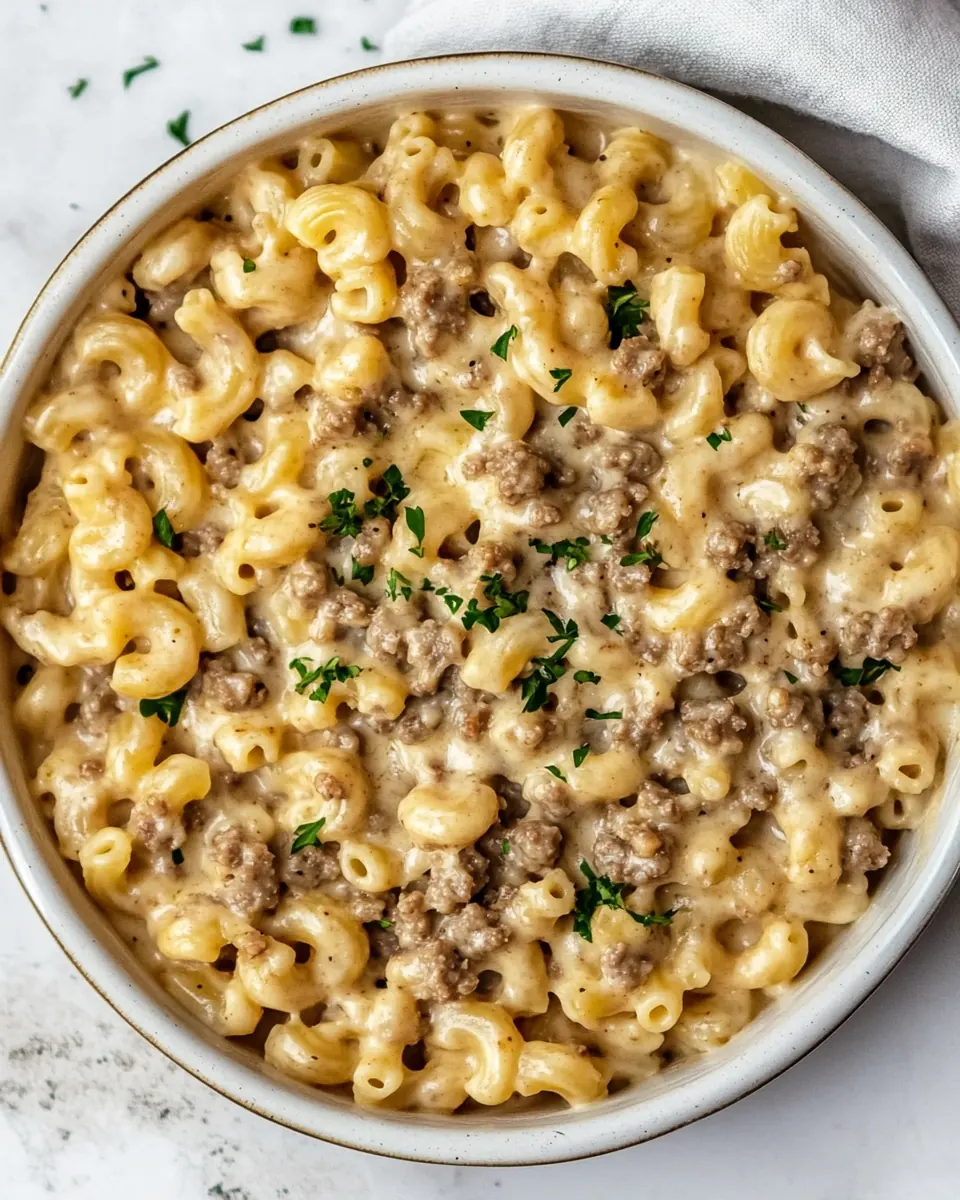
These ingredients come together with a clear purpose: hearty pasta for structure, savory sausage for umami, a simple roux and milk for a silky sauce, and plenty of shredded cheese for richness. The key players are the sausage, which provides meatiness and seasoning, and the cheese, which defines the texture and flavor of the sauce. Together they create a balanced, comforting dish that is both filling and familiar.
- 14 16 ounces dry pasta (any shape; I like using elbows): Provide the carbohydrate backbone of the dish, supplying bulk and a neutral base to carry sauce and cheese; cook to al dente to avoid becoming mushy when baked or mixed. Choose the shape for sauce cling and portion size, and drain but reserve some pasta water if needed to adjust sauce consistency.
- 1 pound bulk Italian sausage (mild, sweet, or hot, or even turkey sausage): Add savory, spiced protein and rich umami, browning to render fat that flavors the sauce and pasta; choose mild, sweet, hot, or turkey based on desired heat and fat content. Break into small pieces while cooking so it distributes evenly throughout the mac and cheese.
- 1 medium (134 g) onion, diced (about 1 cup): Contribute a sweet, aromatic foundation when softened, adding moisture and depth; dice to a uniform size to ensure even cooking and mellow flavor throughout the dish. Sauté until translucent to release natural sugars and prevent raw sharpness in the finished sauce.
- 2 cloves (9 g) garlic, minced: Provide sharp, pungent flavor and aromatic lift when minced and briefly cooked to avoid bitterness; add toward the end of sautéing onions so garlic flavor remains fresh and fragrant. Mince finely so it integrates smoothly into the sauce without large raw bites.
- 4 tablespoons (57 g) butter: Create a rich, silky base for the roux and sauce, contributing butterfat for mouthfeel and flavor; melt gently to avoid browning before adding flour. Measure accurately to balance the roux and ensure smooth béchamel consistency for the cheese sauce.
- 4 tablespoons (31 g) all-purpose flour: Form the thickening agent for the béchamel by combining with melted butter to make a roux, controlling sauce body and preventing separation. Whisk thoroughly when adding milk to avoid lumps and cook briefly to remove raw flour taste.
- 4 cups milk regular, lowfat, or nonfat: Provide the liquid foundation for the béchamel, determining the sauce's creaminess and thickness; use regular, lowfat, or nonfat according to desired richness and calorie content. Warm slightly before adding to the roux to help create a smooth, lump-free sauce.
- 1/2 teaspoon dry Italian seasoning: Impart an herby, aromatic Mediterranean flavor profile and subtle complexity when added to the sauce; use dried seasoning for convenience and concentrated flavor. Measure modestly to complement other seasonings without overpowering the cheese.
- 1/4 teaspoon ground black pepper: Contribute mild heat and balance to the cheese sauce without overwhelming other flavors; grind fresh if possible for best aroma. Adjust to taste alongside salt so the final dish achieves proper seasoning.
- 1/4 teaspoon dry mustard () (optional): Introduce a bright, tangy depth to cut through richness when included, enhancing cheese flavor and complexity; add sparingly as it is optional but effective. Whisk into the béchamel to disperse evenly and avoid clumping.
- 5 cups shredded cheese (see note): Deliver melty, savory richness and creamy texture that defines mac and cheese; choose a blend of cheeses for flavor complexity and good melting properties. Shred freshly for better melting and measure packed to achieve the intended cheesiness of the recipe.
- Salt and pepper to taste: Allow final seasoning tweaks to balance flavors, enhancing saltiness and controlling overall taste; add gradually and taste as you go. Use coarse or fine salt depending on preference and adjust pepper to finish with desired spiciness.
How to Make Sausage Mac and Cheese
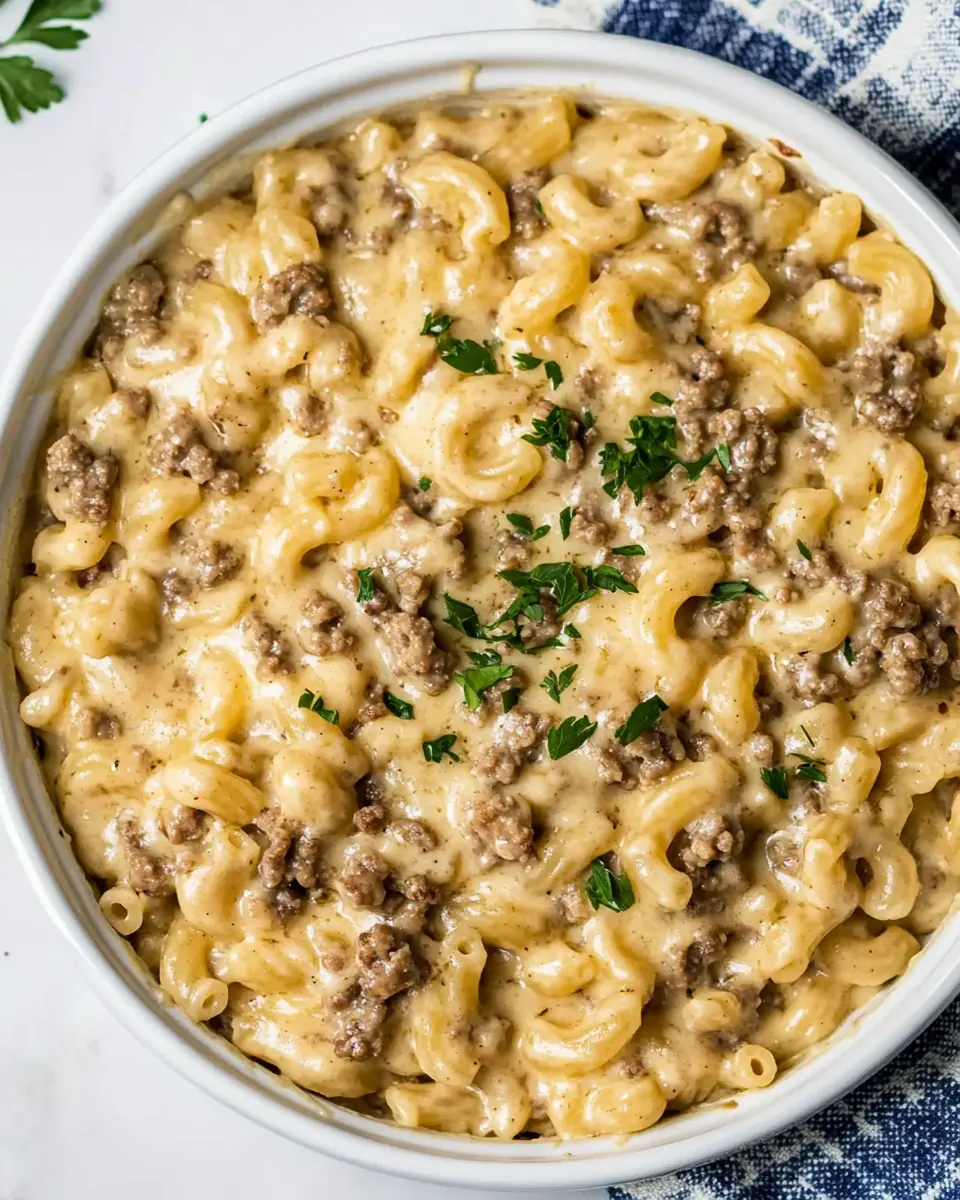
Bring your ingredients together in a steady, confident rhythm. The key moments are browning the sausage, building a proper roux, and coaxing the cheese into a silky sauce. Pay attention to texture and aroma, and you will be rewarded with a deeply satisfying dish.
- Cook pasta according to package directions – be sure to salt the boiling water. Drain well.: The boiling salted water is your opportunity to season the pasta from the inside out, so the mouthfeel is seasoned rather than relying only on the sauce. Listen for the gentle roll of the boil and watch the pasta edges as they become tender but still firm to the bite. Drain well so the sauce does not become diluted, tossing immediately into a warm bowl will keep it from sticking. A common mistake is overcooking, which leads to mushy texture, so check early for al dente and stop cooking when the center still has a slight give.
- While the pasta is cooking, cook the sausage over medium heat in a large pot (at least 5 Qt). Use a wooden spoon to break up the sausage into small bits. This takes about 5-10 minutes. Once the sausage is cooked through, remove it to a plate or bowl and set aside.: You'll hear a satisfying sizzle as the sausage hits the pan and smell the Maillard notes as it browns, which is crucial for deep savory flavor. Breaking the meat into small pieces increases surface area, encouraging crisped bits that contribute texture and flavor. Remove it once cooked to avoid drying it out, and leave any rendered fat in the pan to flavor the sauce. Avoid crowding the pan, which causes steaming rather than browning, leading to less developed flavor.
- Melt the butter in the sausage pan over medium heat. Add the onion and cook until soft, about 2-3 minutes. Add the garlic and cook 1 more minute. Stir in the flour completely and cook for 1 minute, then add the milk. Stir to combine the mixture, then add the Italian seasoning, pepper, and dry mustard.: As the butter melts you will see it foam and then settle, creating an ideal surface to gently soften the onion . The aroma will shift from sharp to sweet once the onion is translucent. Adding the garlic for only a short time prevents bitterness while releasing aromatic oils. When you stir in the flour it should coat the softened vegetables, and a minute of cooking removes raw flour taste. Pouring in the milk gradually while stirring prevents lumps, and you will notice the mixture becoming cohesive. If lumps form, whisk vigorously and reduce heat, as overenthusiastic high heat can scorch the roux.
- Cook over medium heat, stirring constantly, until the mixture thickens, about 10 minutes or so. It should be the consistency of a creamy soup. Stir in the cheese until melted. Add salt to taste (and more pepper, if desired).: As the sauce simmers you will see it transform from thin to velvety, and you may hear a low bubbling that indicates gentle thickening. Stirring constantly keeps the bottom from scorching and promotes even heat, which is essential for a smooth finish. When the sauce reaches a creamy soup consistency it will coat the back of a spoon, a reliable visual cue. Add the shredded cheese off heat or on very low heat to avoid graininess, stirring until fully melted. A common pitfall is overheating the sauce after adding cheese which can cause separation, so keep heat low and stir patiently.
- Add sausage and pasta into the cheese sauce and stir until combined. Remove from heat and serve hot.: The moment you fold the browned sausage and drained pasta into the sauce, steam and a creamy sheen will rise, signaling readiness. The contrast of savory meat and creamy cheese should be balanced, and the dish should cling together without being gluey. Serve immediately for the creamiest texture, as standing time will allow the sauce to settle. If the mixture seems too thick after combining, a splash of warm milk can loosen it; the mistake to avoid is adding cold liquid which can cool the dish excessively and disrupt the melt.
- Store in an airtight container for up to 3 days. This can be made one day ahead and reheated in the oven as well.: When cooled slightly before storing, the flavors continue to meld and the texture firms up for easier reheating. Reheating in an oven with a splash of milk restores creaminess and can create appealing slightly crisped edges. Avoid microwaving from frozen without adding moisture, because that tends to produce dry spots and uneven warming. For best results, reheat gently and stir occasionally to redistribute heat and preserve a smooth sauce.
Substitutions and Tips
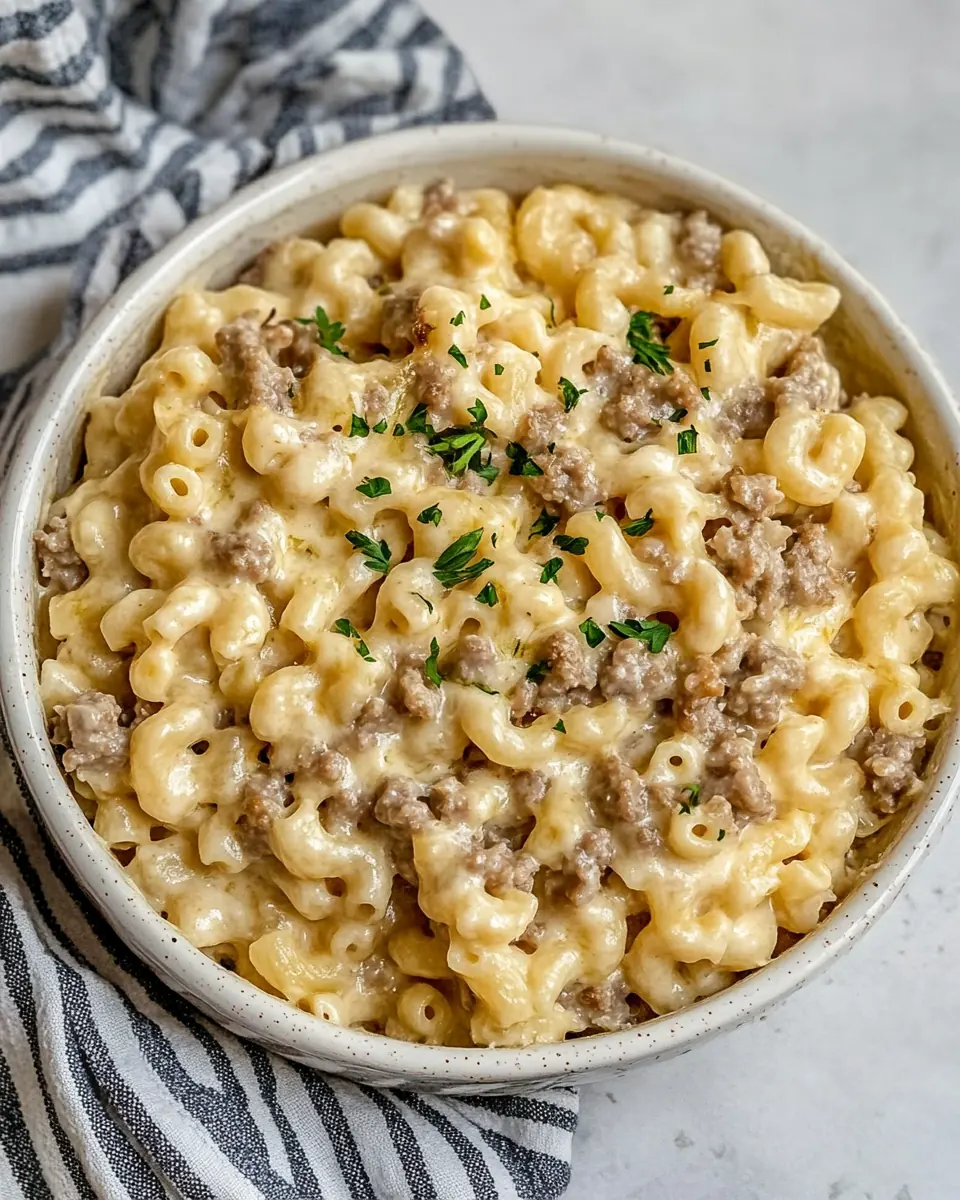
I like to offer practical swaps and technique notes so you can adapt this recipe confidently. Below you will find detailed, actionable tips that respect the original ingredient list while offering flexibility for preferences and pantry limits.
- Cheese choice: Use at least three cups of cheddar and feel free to blend in a melting cheese like mozzarella for stretch, or grueyere for nutty depth, shredding your own yields the best melt.
- Milk options: Whole milk gives the richest sauce, but lower fat milks will work; if using nonfat, expect a thinner body and consider a tiny extra pat of butter for mouthfeel.
- Sausage heat level: Choose mild for families or hot for a kick, turkey sausage is leaner and will still provide savory flavor though texture varies slightly.
- Make ahead: Prepare up to a day in advance, store in an airtight container, and reheat in the oven with a splash of warm milk to restore creaminess and avoid dry spots.
- Roux technique: Cook the flour in the melted butter for a full minute to remove raw taste, adding the milk slowly while whisking prevents lumps and delivers a smooth base for the cheese.
- Serving adjustments: If the assembled dish seems heavy, stir in a little reserved pasta water or warm milk to loosen, which keeps the sauce glossy without diluting the flavor.
How to Serve Sausage Mac and Cheese
This dish is versatile, hearty, and suits casual meals or larger gatherings. Serve it hot for the creamiest texture and consider simple accompaniments that bring brightness and contrast to the rich profile. Below are serving ideas and storage notes to make the most of each batch.
- Casual weeknight dinner: Plate a generous scoop of Sausage Mac and Cheese alongside a crisp green salad to balance the richness, perfect for an easy family meal.
- Potluck or party: Keep it warm in a shallow baking dish on low heat so edges develop a light crust, which many guests love, and provide serving spoons for self service.
- Holiday or winter gatherings: This is a satisfying comfort side for cold season meals, especially when you want something crowd pleasing and filling for many guests.
- Leftover strategy: Store in an airtight container for up to three days, reheat in a moderate oven with a splash of warm milk to revive creaminess, stirring once during reheating improves evenness.
- Portioning: For buffet style service, keep portions to about one cup per person for generous sides, or larger for main course servings, which helps with planning for groups.
- Occasions: Ideal for casual dinners, game day spreads, or any time you want comforting, filling food that travels well and reheats reliably.
FAQ
Conclusion
What makes this recipe special is the way simple components come together to create a deeply satisfying, crowd pleasing dish. The combination of browned sausage, tender pasta, and a silky cheese sauce gives you comfort food that feels both hearty and refined. I encourage you to try it on a chilly night or for your next gathering, because it scales well and rewards a little attention to technique. Enjoy the process, and don’t be afraid to make it your own.
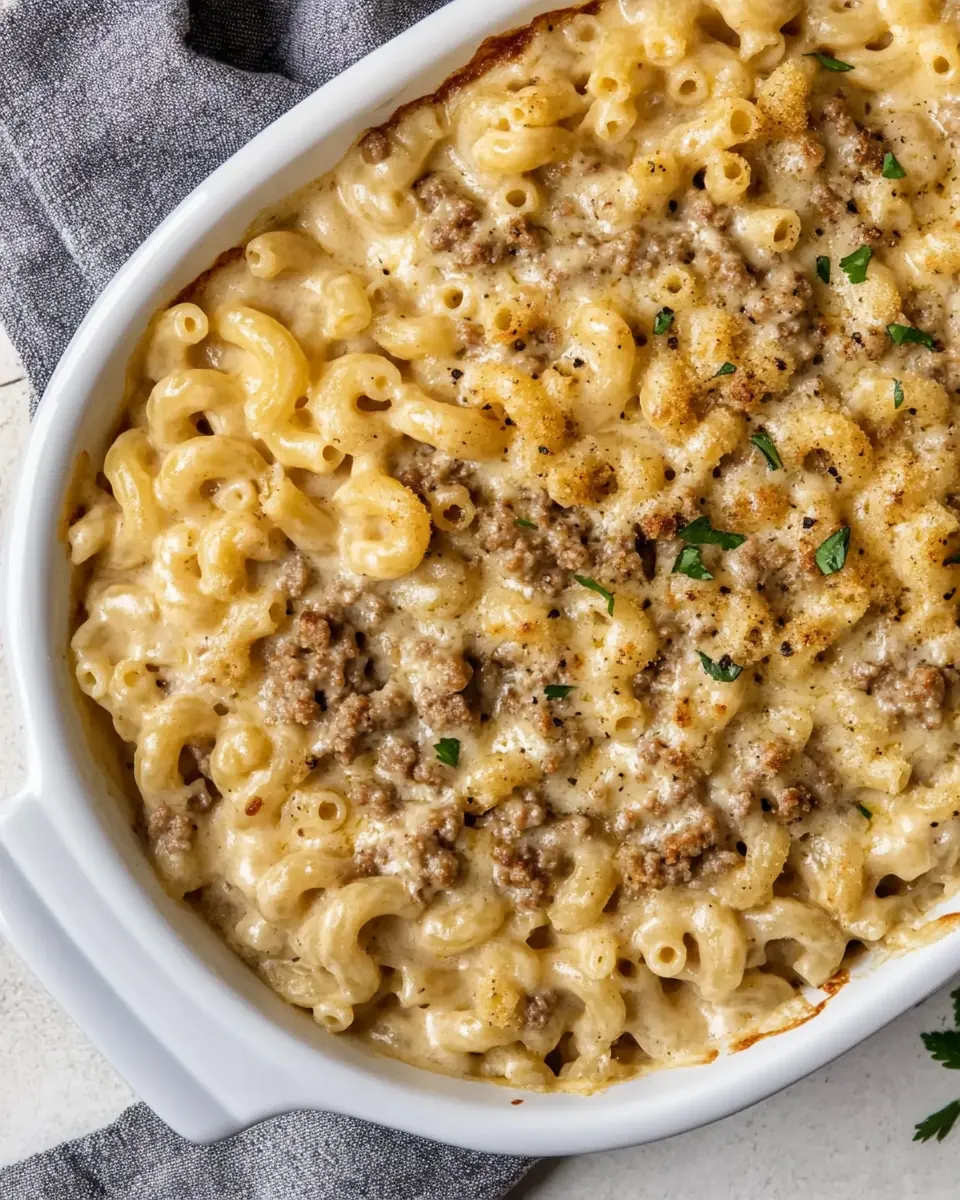
Sausage Mac and Cheese
Ingredients
Equipment
Method
- Cook pasta according to package directions – be sure to salt the boiling water. Drain well.: The boiling salted water is your opportunity to season the pasta from the inside out, so the mouthfeel is seasoned rather than relying only on the sauce. Listen for the gentle roll of the boil and watch the pasta edges as they become tender but still firm to the bite. Drain well so the sauce does not become diluted, tossing immediately into a warm bowl will keep it from sticking. A common mistake is overcooking, which leads to mushy texture, so check early for al dente and stop cooking when the center still has a slight give.
- While the pasta is cooking, cook the sausage over medium heat in a large pot (at least 5 Qt). Use a wooden spoon to break up the sausage into small bits. This takes about 5-10 minutes. Once the sausage is cooked through, remove it to a plate or bowl and set aside.: You'll hear a satisfying sizzle as the sausage hits the pan and smell the Maillard notes as it browns, which is crucial for deep savory flavor. Breaking the meat into small pieces increases surface area, encouraging crisped bits that contribute texture and flavor. Remove it once cooked to avoid drying it out, and leave any rendered fat in the pan to flavor the sauce. Avoid crowding the pan, which causes steaming rather than browning, leading to less developed flavor.
- Melt the butter in the sausage pan over medium heat. Add the onion and cook until soft, about 2-3 minutes. Add the garlic and cook 1 more minute. Stir in the flour completely and cook for 1 minute, then add the milk. Stir to combine the mixture, then add the Italian seasoning, pepper, and dry mustard.: As the butter melts you will see it foam and then settle, creating an ideal surface to gently soften the onion . The aroma will shift from sharp to sweet once the onion is translucent. Adding the garlic for only a short time prevents bitterness while releasing aromatic oils. When you stir in the flour it should coat the softened vegetables, and a minute of cooking removes raw flour taste. Pouring in the milk gradually while stirring prevents lumps, and you will notice the mixture becoming cohesive. If lumps form, whisk vigorously and reduce heat, as overenthusiastic high heat can scorch the roux.
- Cook over medium heat, stirring constantly, until the mixture thickens, about 10 minutes or so. It should be the consistency of a creamy soup. Stir in the cheese until melted. Add salt to taste (and more pepper, if desired).: As the sauce simmers you will see it transform from thin to velvety, and you may hear a low bubbling that indicates gentle thickening. Stirring constantly keeps the bottom from scorching and promotes even heat, which is essential for a smooth finish. When the sauce reaches a creamy soup consistency it will coat the back of a spoon, a reliable visual cue. Add the shredded cheese off heat or on very low heat to avoid graininess, stirring until fully melted. A common pitfall is overheating the sauce after adding cheese which can cause separation, so keep heat low and stir patiently.
- Add sausage and pasta into the cheese sauce and stir until combined. Remove from heat and serve hot.: The moment you fold the browned sausage and drained pasta into the sauce, steam and a creamy sheen will rise, signaling readiness. The contrast of savory meat and creamy cheese should be balanced, and the dish should cling together without being gluey. Serve immediately for the creamiest texture, as standing time will allow the sauce to settle. If the mixture seems too thick after combining, a splash of warm milk can loosen it; the mistake to avoid is adding cold liquid which can cool the dish excessively and disrupt the melt.
- Store in an airtight container for up to 3 days. This can be made one day ahead and reheated in the oven as well.: When cooled slightly before storing, the flavors continue to meld and the texture firms up for easier reheating. Reheating in an oven with a splash of milk restores creaminess and can create appealing slightly crisped edges. Avoid microwaving from frozen without adding moisture, because that tends to produce dry spots and uneven warming. For best results, reheat gently and stir occasionally to redistribute heat and preserve a smooth sauce.
Notes
- Cheese choice: Use at least three cups of cheddar and feel free to blend in a melting cheese like mozzarella for stretch, or grueyere for nutty depth, shredding your own yields the best melt.
- Milk options: Whole milk gives the richest sauce, but lower fat milks will work; if using nonfat, expect a thinner body and consider a tiny extra pat of butter for mouthfeel.
- Sausage heat level: Choose mild for families or hot for a kick, turkey sausage is leaner and will still provide savory flavor though texture varies slightly.
- Make ahead: Prepare up to a day in advance, store in an airtight container, and reheat in the oven with a splash of warm milk to restore creaminess and avoid dry spots.
- Roux technique: Cook the flour in the melted butter for a full minute to remove raw taste, adding the milk slowly while whisking prevents lumps and delivers a smooth base for the cheese.
- Serving adjustments: If the assembled dish seems heavy, stir in a little reserved pasta water or warm milk to loosen, which keeps the sauce glossy without diluting the flavor.