Cheesecake Factory Chocolate Blackout Cake
Cheesecake Factory Chocolate Blackout Cake always feels like the ultimate indulgence when I need to celebrate something properly, even if that something is just making it through a long week. The first time I made this cake I remember the kitchen filling with the warm, bittersweet scent of melting <strong>chocolatestrong> while the puddings and ganaches came together, and I felt like I was rehearsing for a small, delicious performance. I like that it is theatrical without being fussy, a layered experience that rewards patience with deep, comforting <strong>chocolatestrong> flavor.
Over the years I have adapted my approach slightly, learning which steps coax the most intense aroma from the cocoa and where patience truly pays off. There is a certain rhythm to assembling the layers and spreading the pudding that makes the whole process almost meditative for me, and friends always comment on the texture contrast between the moist cake, the silky pudding, and the glossy frosting. When you make Cheesecake Factory Chocolate Blackout Cake you get to play with textures, from soft crumbs to smooth ganache, and that interplay is what keeps me coming back.
Recipe Snapshot
2 hr 35 mins
120 mins
35 mins
Hard
450 kcal
American
Gluten-Free, Low FODMAP
Desserts
Mixing bowls, Saucepan, Whisk, 8 inch round baking pans, Parchment paper, Offset spatula, Serrated knife, Refrigerator
Why This Cheesecake Factory Chocolate Blackout Cake Stands Out
Deep <strong>Chocolatestrong> Layers That Aren’t Overly Sweet
I love how this cake balances intense <strong>chocolatestrong> with measured sweetness. The combination of Dutch <strong>processedstrong> cocoa powder, <strong>Belgianstrong> chocolates, and carefully portioned granulated sugar and brown sugar produces a rich profile that tastes luxurious rather than cloying. I often find desserts labeled ultra <strong>chocolatestrong> are just sugar with color, but this recipe truly showcases <strong>chocolatestrong> depth.
Multi Textures That Tell a Story
There is a real pleasure in biting through soft cake, creamy pudding, and glossy frosting. The pudding layer, made with whole milk and <strong>meltedstrong> semisweet Belgian chocolate, brings a custardy silkiness, while the cake crumb gives you tender structure, and the frosting adds a shiny, spreadable finish. When I slice into it, those textures read like chapters in a book.
Built for Sharing, Yet Worth the Leftovers
This cake is designed to feed a crowd, and that communal quality appeals to me. Whether you are bringing it to a potluck or enjoying it over several evenings, it holds up well in the fridge, and the flavors often deepen overnight. I appreciate desserts that reward making ahead, it takes the pressure off the day of the event.
Ingredient-Forward Techniques
The method highlights technique over gimmicks. Temperatures, like melting <strong>chocolatestrong> slowly or chilling the frosting until spreadable, are small moves that yield glossy ganache and stable pudding. I find these deliberate steps help less experienced bakers get professional results without exotic equipment.
Room for Personal Touches
While this is a showstopper on its own, it invites subtle personalization. I like pressing <strong>cake crumbsstrong> and <strong>toastedstrong> nuts onto the sides for texture and a rustic look. You could also vary the <strong>chocolatestrong> percentages for a slightly different bitterness or swap nuts to suit your crowd, which makes it adaptable without losing its character.
<strong>Cheesecake Factory <strong>Chocolatestrong> Blackout Cakestrong> Ingredients
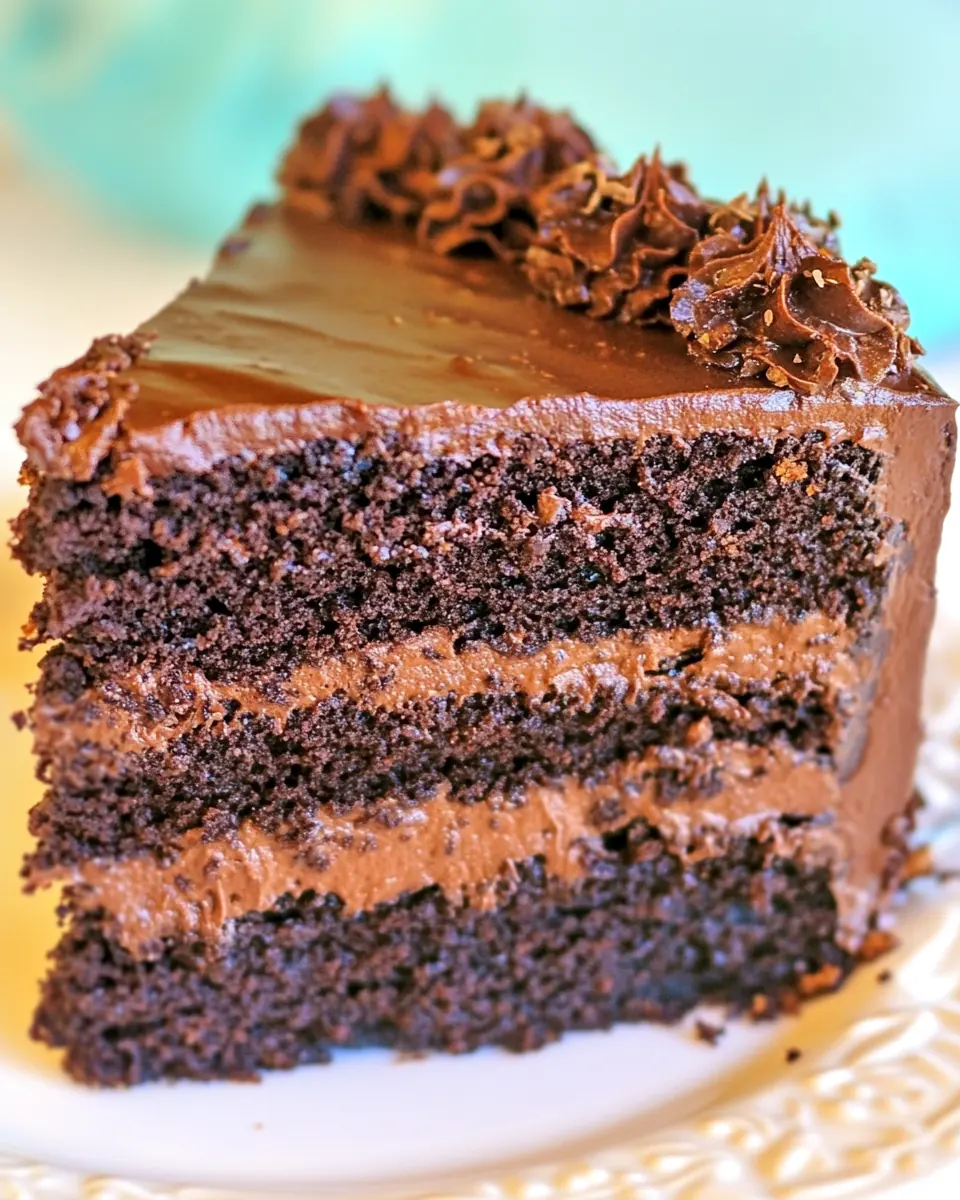
These ingredients work in harmony to create deep <strong>chocolatestrong> flavor, structure, and silky finishes. The recipe brings together dry and wet players, where the flours and leaveners give lift while the varying chocolates and sugars craft layers of nuanced <strong>chocolatestrong>. Key players like Dutch processed cocoa powder, <strong>Belgianstrong> chocolates, and unsalted butter contribute richness, whereas the buttermilk and coffee amplify and balance that intensity.
- 1/4 cup granulated sugar: Sweeten and balance acidity while dissolving easily; helps create a smooth texture in fillings and batters when combined with wet ingredients, and promotes browning during <strong>bakingstrong>.
- 1/4 cup brown sugar packed: Provide moistness and a deeper caramel flavor when <strong>packedstrong>; contributes to chewiness and color in cakes and fillings while enhancing overall sweetness.
- 2 tablespoons cornstarch: Thicken custards and fillings by absorbing liquid and forming a glossy gel when heated; helps stabilize mixtures and prevent separation in cream components.
- 1/4 teaspoons ea salt: Season and enhance flavors subtly; balances sweetness and strengthens other flavors while preventing flatness in both batters and creams.
- 1 1/2 cups whole milk: Add richness and body to custards and batters with natural fats; helps produce a silkier mouthfeel and improves texture when warmed and combined with <strong>chocolatestrong>.
- 6 ounces semisweet Belgian chocolate chopped: Contribute concentrated <strong>chocolatestrong> flavor and structure to fillings or ganache when <strong>meltedstrong>; provide smoothness and depth due to cocoa solids and cocoa butter.
- 1 teaspoon vanilla extract: Enhance and brighten overall flavor profile; balances sweetness and deepens the aroma of <strong>chocolatestrong> components when added to warm mixtures.
- 1 1/2 cups all-purpose flour: Form the structural basis of the cake crumb; provides gluten and bulk that combine with leaveners, liquids, and fats to create the cake's body.
- 2 teaspoons baking powder: Leaven and lift the cake by producing carbon dioxide when activated by moisture and heat; important for achieving a tender, airy crumb.
- 1/2 teaspoon baking soda: React with acidic ingredients to create additional lift and tenderness; helps neutralize acidity and contributes to fine crumb texture.
- 1/4 teaspoons ea salt: Season and enhance taste throughout the batter and fillings; strengthens <strong>chocolatestrong> flavor and balances sweetness when used sparingly.
- 1/2 cup unsalted butter cubed: Add richness, moisture, and tenderness to the cake; when cubed and incorporated, helps create a fine, flavorful crumb and adds fat for mouthfeel.
- 6 ounces Belgian dark chocolate melted: Provide intense <strong>chocolatestrong> flavor and glossy texture when <strong>meltedstrong> into glazes or batters; contributes cocoa solids and fat for depth and sheen.
- 1 cup Dutch-processed cocoa powder: Deliver deep <strong>chocolatestrong> taste and color while contributing to dry structure; helps create a rich, dark crumb and intensifies cocoa flavor.
- 1 cup granulated sugar: Sweeten and provide bulk to batters and frostings; <strong><strong>granulatedstrong> sugarstrong> aids in aeration when creamed and contributes to moisture retention.
- 1 cup brown sugar packed: Add moistness and complex molasses flavor; <strong>packedstrong> brown sugar increases chewiness and enriches the cake's overall taste profile.
- 1 cup buttermilk: Tenderize the crumb and add tang while reacting with leaveners; contributes moisture and a slight acidity that brightens flavor.
- 1 cup strong brewed coffee: Infuse pronounced <strong>coffeestrong> and roasted notes to intensify <strong>chocolatestrong> flavors; contributes liquid for batter and enhances overall depth of taste.
- 1 teaspoon vanilla extract: Brighten and round out flavors with aromatic complexity; helps lift and unify the <strong>chocolatestrong> and <strong>coffeestrong> notes when added to mixtures.
- 2 large eggs room temperature: Provide structure and richness while trapping air for lift; eggs contribute to emulsification, color, and a stable cake crumb when at room <strong>temperaturestrong>.
- 16 ounces Belgian semisweet chocolate chopped: Deepen <strong>chocolatestrong> flavor and add rich texture when <strong>choppedstrong> into batters or <strong>meltedstrong> for ganache; contributes cocoa solids and sweetness balance.
- 1 cup unsalted butter cubed: Contribute significant fat for tenderness and richness; cubed butter helps create a moist crumb and improves mouthfeel when creamed or <strong>meltedstrong>.
- 2/3 cups hot water: Hydrate dry cocoa and help dissolve <strong>chocolatestrong> components when combined; <strong>hot waterstrong> blooms cocoa and aids in achieving a smoother batter consistency.
- 2 tablespoons light corn syrup: Add shine and prevent crystallization in glazes or syrups while contributing slight sweetness; helps maintain a silky texture in <strong>chocolatestrong> sauces.
- 1 teaspoon vanilla extract: Enhance aroma and flavor continuity across components; provides a final flavor lift and ties together <strong>chocolatestrong>, <strong>coffeestrong>, and nut elements.
- Cake crumbs: Provide textural contrast and additional <strong>chocolatestrong> coating material; <strong>cake crumbsstrong> are used for layering, coating, or adding moisture in assembled desserts.
- 1/2 cup toasted peanuts or almonds: Offer crunchy texture and nutty flavor when <strong>toastedstrong>; complements <strong>chocolatestrong> richness and adds a pleasant contrast to creamy components.
Instructions for <strong>Cheesecake Factory <strong>Chocolatestrong> Blackout Cakestrong>
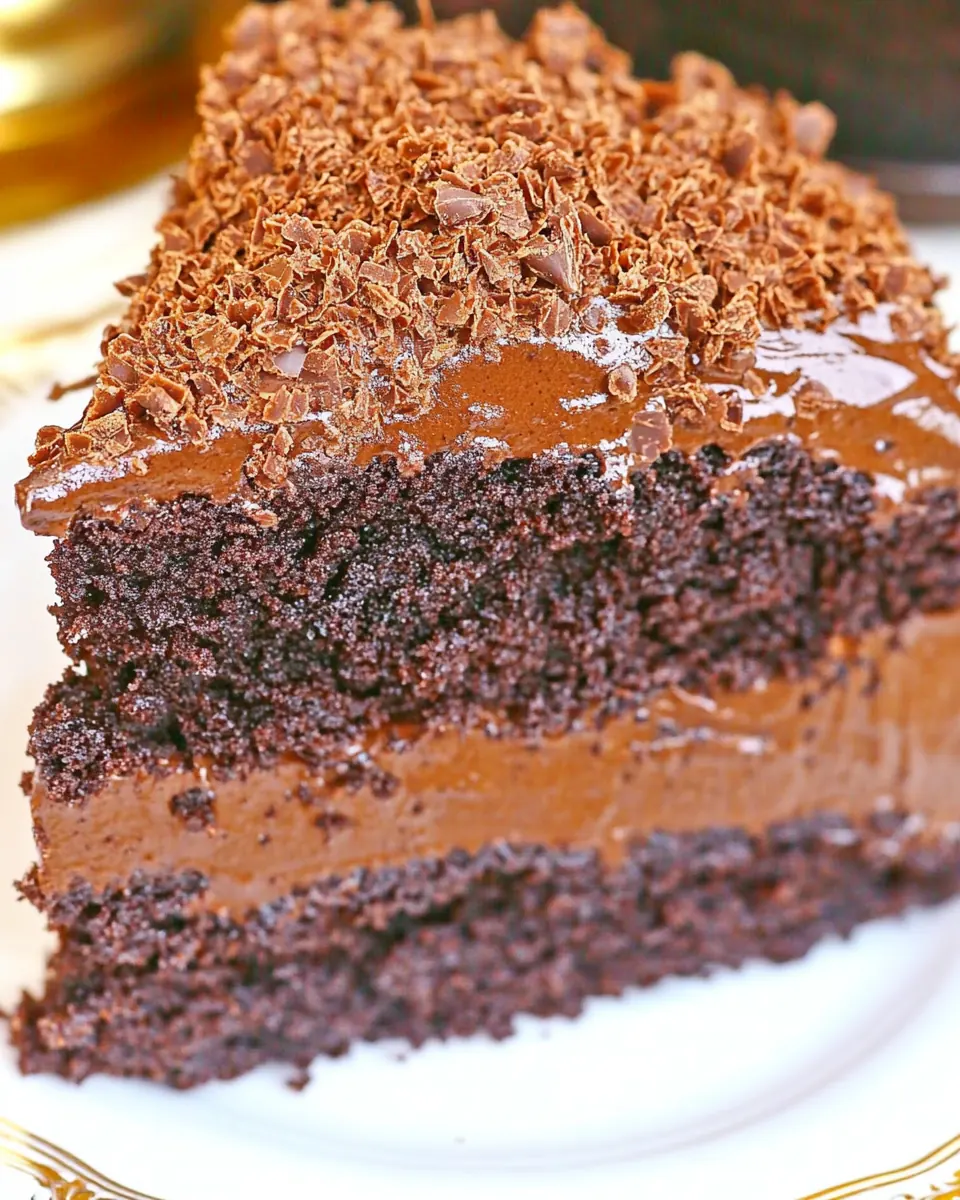
We are going layer by layer through a recipe that asks for patience and attention, but rewards you with dramatic <strong>chocolatestrong> results. The directions below expand each CSV step into rich sensory guidance, so you will recognize exactly what to look and listen for at every moment.
- In a saucepan over medium heat, combine sugars, cornstarch, salt, and milk. Stir until thickened and bubbly. Lower the heat and continue to cook for 2 minutes.: You will notice the aroma shift as the milk warms and the sugars dissolve, releasing an inviting, toasty sweetness; the mixture should transform from thin to noticeably thicker, gaining body and slowly forming tiny bubbles around the edges, not an aggressive boil but a steady simmer. Stir consistently with a whisk to prevent hot spots and to dissolve the <strong>cornstarchstrong> , which is responsible for the pudding's silky set; if you stop stirring the custard can cling and scorch on the pan, leaving brown bits and a burnt taste. Aim for a texture that coats the back of a spoon, and when you dip a spoon and run your finger across it the line should hold briefly. If the mixture stays watery, continue gentle simmering but be mindful because overcooking will make it gummy and overly thick; if lumps form, remove from heat and whisk vigorously to smooth them out.
- Add the chocolate and stir until melted.: Once the base is thick, sending in the <strong>choppedstrong> <strong>semisweetstrong> <strong>Belgianstrong> <strong>chocolatestrong> will change the texture and perfume the kitchen with deep cocoa notes; stir continuously so the residual heat melts the pieces to a glossy sheen rather than leaving streaks. You should watch the <strong>chocolatestrong> lose its rigid shape and become a shiny ribbon that blends into the pudding, signaling a homogeneous mixture. Stirring too slowly can cause uneven melting and small unmelted bits, while stirring too vigorously risks incorporating air that may thin the custard; aim for smooth, patient strokes. If the <strong>chocolatestrong> seems stubborn, remove the pan briefly from heat and keep stirring off-heat to avoid scorching the <strong>chocolatestrong>'s delicate flavor.
- Pour the mixture into a bowl and stir in the vanilla extract. Allow to cool slightly and cover the pudding with plastic wrap. Place in the fridge for at least 2 hours or until cold.: After adding the <strong><strong>vanillastrong> <strong>extractstrong>strong> , you will get a fragrant, layered aroma where floral <strong>vanillastrong> tempers the <strong>chocolatestrong>; pour into a shallow bowl to speed cooling, and press plastic wrap directly onto the pudding surface to prevent a skin from forming. Cooling gradually mellows the <strong>chocolatestrong> and helps the texture firm to a spreadable, mousse like consistency; impatience here leads to a runny layer that slides, so plan at least the stated two hours. If you chill it uncovered, you will likely get an undesirable skin that changes mouthfeel, so always seal it closely.
- Preheat the oven to 325 degrees F. Grease 4 8-inch round baking pans and line the bottoms with parchment paper.: Heating the oven to a steady 325 degrees F ensures even rising and a tender crumb rather than a domed, overbrowned top; the preheated environment sets batter structure quickly. Greasing and lining with parchment prevents sticking and aids clean release, so you will flip the cakes confidently onto racks; if you skip parchment you risk tearing the delicate layers when turning them out. Take a moment to place racks in the center of the oven for uniform <strong>bakingstrong>.
- In a medium bowl mix flour, baking powder, baking soda, and salt.: Combine the dry all <strong>purposestrong> flour with leaveners and salt to get an even distribution, which prevents pockets of rising agent that can cause uneven texture. Whisking these dry components creates an airy, homogenous blend that is easier to fold into wet ingredients without overworking the batter. If you add the flour directly without sifting or whisking, you may end up with lumps or dense spots in the finished cake, so take the few minutes to mix well.
- Place a large saucepan over medium heat and melt the butter. Stir in cocoa and cook for a few minutes. After that, stir in sugars and chocolate until melted.: As the <strong>unsaltedstrong> butter melts, it will foam briefly and then calm, creating a glossy base for the Dutch <strong>processedstrong> cocoa <strong>powderstrong> to bloom, releasing dark, roasted <strong>chocolatestrong> notes; cooking them together briefly helps integrate flavor and remove raw cocoa edge. When you add both <strong><strong>granulatedstrong> sugarstrong> and brown sugar , they begin to dissolve into the warm fat, softening the batter's texture and increasing moisture. Introducing <strong>choppedstrong> <strong>Belgianstrong> dark <strong>chocolatestrong> at the end allows it to melt into a silky mass, offering sheen and depth. A common mistake here is overheating which can scorch the cocoa or burn the butter, giving bitter, off flavors; keep it gentle and stir continuously for a uniform emulsion.
- After that, remove the mixture from the heat and stir in buttermilk, coffee, and vanilla extract.: Off the heat, the hot <strong>chocolatestrong> mixture accepts cool liquids like <strong>buttermilkstrong> and <strong>coffeestrong> without curdling, and you will notice the batter loosen and steam rise as these ingredients integrate; the acidity in the <strong>buttermilkstrong> reacts with <strong><strong>bakingstrong> sodastrong> later to tenderize crumb, while the hot <strong>coffeestrong> intensifies <strong>chocolatestrong> notes via flavor synergy. Adding liquids off heat prevents the eggs from cooking prematurely in the next step, keeping batter smooth. If the mixture is too hot before you add eggs, you risk scrambling them, so always allow a brief cool down.
- Whisk in the eggs one by one.: As you incorporate each large egg , the batter will lighten slightly and look glossier, creating structure through proteins that will set during <strong>bakingstrong>. Whisking gradually ensures even distribution, avoiding streaks of egg white or thick pockets. If you add all eggs at once, you may overwhelm the emulsion and create separation, so patience yields a cohesive, homogeneous batter ready to accept dry ingredients.
- Slowly, while stirring add the flour mixture, and mix until fully combined and the batter is smooth.: Adding the dry mix slowly while stirring prevents flour dusting and ensures the batter becomes smooth without overmixing; you want to blend until there are no visible streaks of flour, but avoid vigorous mixing which builds gluten and leads to a tough cake. The final batter should be <strong>chocolatestrong> glossy and pourable, not dense, signaling it will bake into a tender crumb. If you see heavy streaks or a lumpy texture, fold gently until smooth rather than whipping vigorously.
- Pour the batter into the prepared pans. Bake for about 35 minutes, or until a toothpick inserted in the center comes out clean or with just a few crumbs.: As the pans go into the 325 degrees F oven, you will hear no audible change but visually the batter will set and pull slightly from the pan edges; aroma will intensify after about 20 minutes, filling your kitchen with roasted <strong>chocolatestrong> notes. The toothpick test should yield a few moist crumbs, not wet batter, indicating perfect doneness and a tender crumb. Overbaking dries the layers, while underbaking leaves gummy centers, so check at the thirty five minute mark and adjust slightly if needed based on your oven's temperament.
- Remove the pans from the oven, and let them cool for 10 minutes before inverting the cakes on a cooling rack. Allow to cool completely before adding the frosting.: Resting the pans ten minutes helps the cake set and reduces the chance of it breaking when inverted; the steam escapes and crumb firms just enough to release cleanly. Inverting onto a rack allows air to circulate, preventing sogginess on the bottom. If you try to frost while warm, the frosting will melt and slide, so be patient until the layers reach room <strong>temperaturestrong>.
- First, melt the chocolate and butter over hot water in a double boiler or in the microwave in 30-40 seconds increments. Once melted, gradually whisk in the hot water, corn syrup, and vanilla.: Melting over a gentle double boiler keeps the <strong>chocolatestrong> glossy and prevents seizing, and microwaving in short bursts with stirring can achieve the same effect if you watch carefully; once shiny, the addition of <strong>hot waterstrong> and <strong>light corn syrupstrong> loosens the ganache to a spreadable consistency and adds sheen, while the <strong>vanillastrong> ties the layers together aromatically. Adding water bit by bit prevents the ganache from becoming too thin, and whisking continuously creates a smooth emulsion. If you pour liquid too quickly, the mixture can split or become runny, so proceed slowly and test spreadability.
- Chill the mixture in the fridge for 25-30 minutes, or until spreadable.: Chilling firms the frosting so it will hold shape on the cake and pipe into decorative touches rather than sliding; you will feel the texture change from syrup like to a thick, spreadable paste that yields to a knife and holds peaks. Keep an eye on timing, because overchilling can make it too stiff to spread, while underchilling risks slippage. If it becomes too firm, let it sit a few minutes at room <strong>temperaturestrong> and stir to soften gently.
- Cut the top of each cake horizontally with a long serrated knife to make it flat. Add the tops to a bowl and use your hands to make them into crumbs.: Leveling creates even layers for stable stacking and attractive slices, while reserved tops turned into <strong>cake crumbsstrong> provide texture for the outside. Use a gentle sawing motion with a long serrated knife to avoid tearing, and handle crumbs with clean, dry hands to prevent clumping. If you slice too deeply you waste height, so aim for a thin even layer removal.
- Arrange each cake layer on a serving plate and distribute the pudding mixture over each layer. Layer the cakes on top of each other.: Spreading the chilled pudding on each layer adds a cool, creamy contrast to the warm, tender cake; press lightly so the pudding adheres without squeezing out. Layering requires alignment so slices look clean, so rotate as you stack to match edges. Too much pudding between layers can cause slipping, so use measured amounts for stability and even distribution.
- Cover the sides and top of the cake with frosting. Pipe also some roses on top.: When you crumb coat and then fully frost with the glossy ganache, the cake will acquire a professional, reflective finish; use an offset spatula for smooth coverage and a piping bag for decorative roses that hold shape. Work with slightly chilled cake if the pudding seems soft, and clean the spatula between passes for a sleek look. If you rush and the filling is too soft, the frosting will tear the layers, so chill as needed between steps.
- Sprinkle the cake crumbs and toasted peanuts or almonds over the sides of the cake and press lightly to adhere.: Pressing crumbs and <strong><strong>toastedstrong> <strong>peanutsstrong> or <strong>almondsstrong>strong> into the sides provides contrast and a rustic finish while adding nutty crunch; do this while the frosting is tacky so pieces stick easily. <strong>Toastedstrong> nuts should be cooled before adding to prevent oil transfer that can soften the coating. Apply gently to avoid dislodging frosting or creating bare patches.
- Place in the refrigerator to chill for at least 8 hours before serving.: Extended chilling lets flavors meld and the pudding set fully so slices are clean and the ganache firms to a sliceable texture; after eight hours the cake is cohesive and the <strong>chocolatestrong> profile deepens as components marry. If served too soon the layers may shift and frosting will be softer, so plan ahead for this resting period. Protect the cake from absorbing other fridge odors by covering lightly while chilling.
Tips and Tricks about <strong>Cheesecake Factory <strong>Chocolatestrong> Blackout Cakestrong>
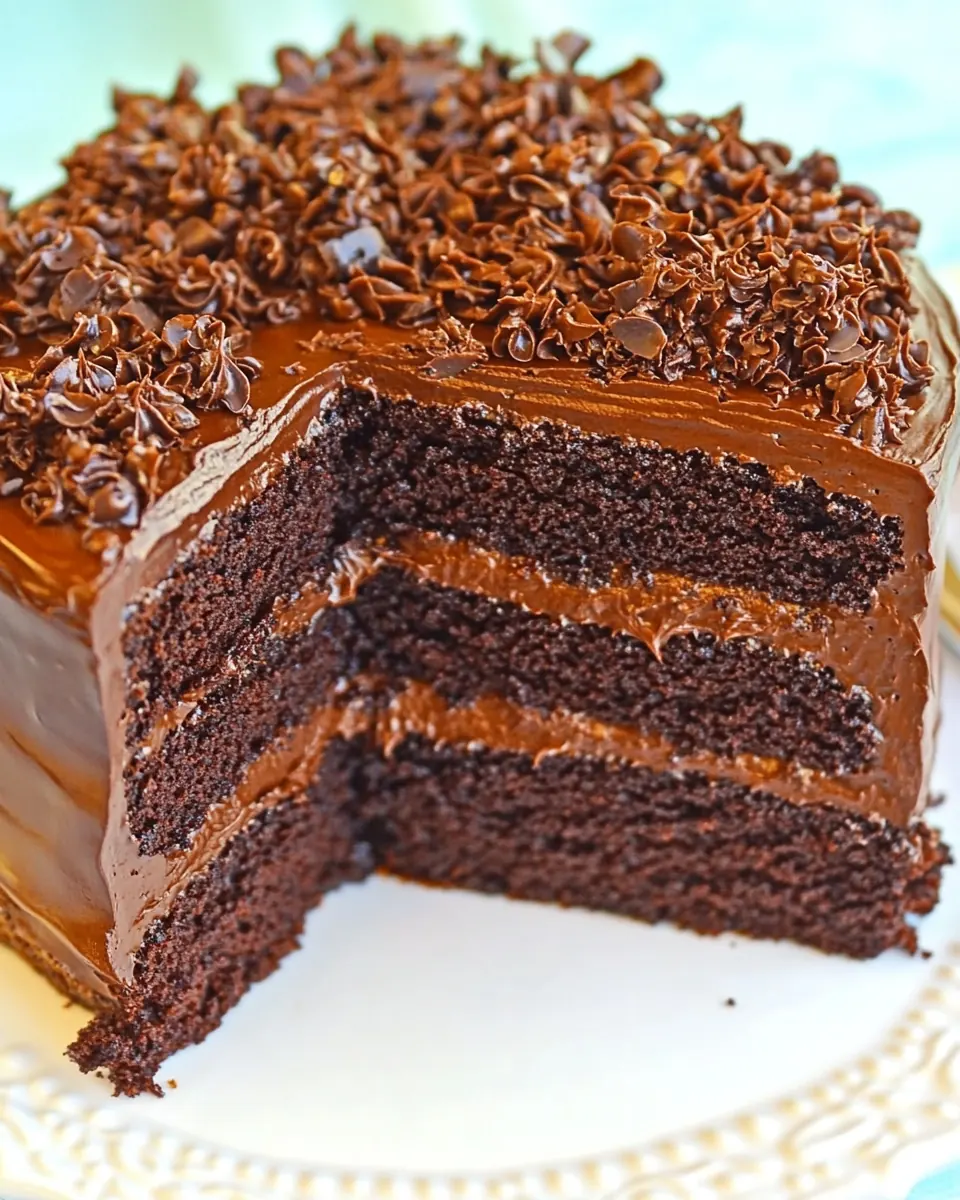
This cake benefits from small technique focused tips that make a big difference in final texture and presentation. Below are practical pointers I use to avoid common pitfalls and to get a glossy, professional finish.
- Temperature matters: Bring eggs and buttermilk to room <strong>temperaturestrong> for smoother batter and even rise.
- Slow chocolate melting: Melt <strong>choppedstrong> chocolates gently over a double boiler or in short microwave bursts to prevent seizing and retain sheen.
- Prevent pudding skin: Press plastic wrap onto the pudding surface while it cools to keep it creamy and uniform.
- Check leaveners: Ensure baking powder and baking soda are fresh, as old leaveners produce flat, dense layers.
- Even layers: Use a long serrated knife and a gentle sawing motion to level cakes and create uniform layers for stacking.
- Chill between steps: If the filling seems soft while assembling, refrigerate briefly to stabilize layers before continuing to frost.
What to Serve Alongside <strong>Cheesecake Factory <strong>Chocolatestrong> Blackout Cakestrong>
The richness of this <strong>chocolatestrong> cake invites simple, bright companions and thoughtful serving ideas to make the experience balanced and special. Below are pairing suggestions and serving contexts to help you plan for occasions ranging from casual gatherings to celebratory dinners.
- Fresh berries: A bowl of fresh strawberries or raspberries offers bright acid contrast that cuts through the <strong>chocolatestrong> richness.
- Whipped cream: Lightly sweetened whipped cream provides an airy counterpoint to dense pudding and ganache.
- Strong coffee or espresso: <strong>Coffeestrong> served alongside echoes the cake‘s <strong>coffeestrong> enhanced notes and provides a pleasant palate cleanse.
- Vanilla bean ice cream: A scoop of <strong>vanillastrong> bean ice cream adds <strong>temperaturestrong> contrast and a creamy backdrop that complements the ganache.
- Occasion settings: Serve this cake for birthdays, dinner parties, or Ramadan if you are looking for a shareable, celebratory dessert that holds up well when made ahead.
- Storage tips: Store covered in the refrigerator for up to four days; for longer storage freeze slices wrapped tightly for up to one month and thaw overnight in the fridge.
- Seasonal pairing: During winter, serve with spiced poached pears for warmth; in summer a platter of chilled berries brightens the plate.
FAQ
Conclusion
This Cheesecake Factory Chocolate Blackout Cake stands out for its dramatic layers and deep, balanced chocolate flavor. Give it time and patience and you will be rewarded with a dessert that combines moist cake, silky pudding, and glossy ganache for an impressive finish. I encourage you to try it for your next celebration or when you want a make ahead showstopper that slices beautifully and improves after resting. Share it with friends or savor it slowly, either way it brings a memorable chocolate moment.
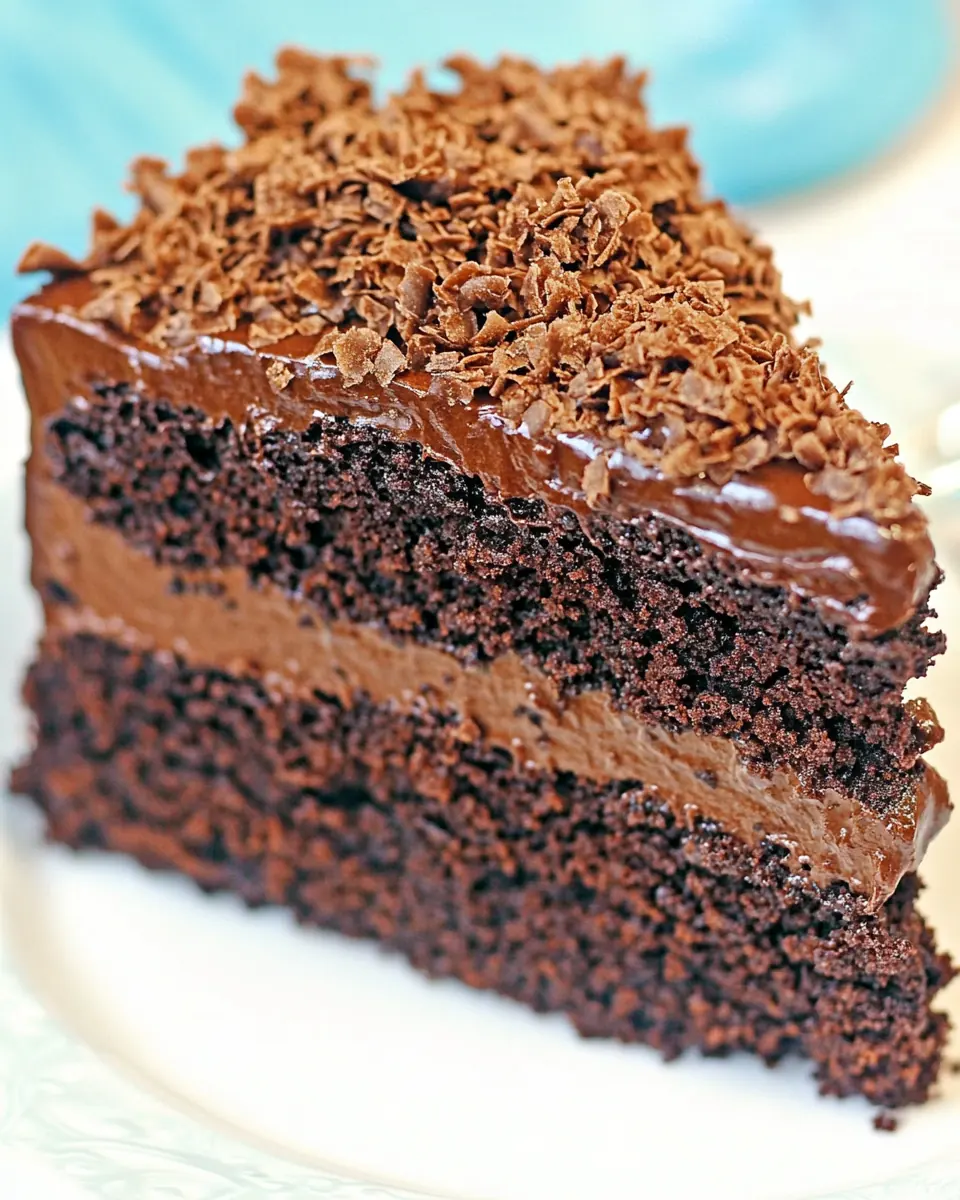
Cheesecake Factory Chocolate Blackout Cake
Ingredients
Equipment
Method
- In a saucepan over medium heat, combine sugars, cornstarch, salt, and milk. Stir until thickened and bubbly. Lower the heat and continue to cook for 2 minutes.: You will notice the aroma shift as the milk warms and the sugars dissolve, releasing an inviting, toasty sweetness; the mixture should transform from thin to noticeably thicker, gaining body and slowly forming tiny bubbles around the edges, not an aggressive boil but a steady simmer. Stir consistently with a whisk to prevent hot spots and to dissolve the cornstarch , which is responsible for the pudding's silky set; if you stop stirring the custard can cling and scorch on the pan, leaving brown bits and a burnt taste. Aim for a texture that coats the back of a spoon, and when you dip a spoon and run your finger across it the line should hold briefly. If the mixture stays watery, continue gentle simmering but be mindful because overcooking will make it gummy and overly thick; if lumps form, remove from heat and whisk vigorously to smooth them out.
- Add the chocolate and stir until melted.: Once the base is thick, sending in the chopped semisweet Belgian chocolate will change the texture and perfume the kitchen with deep cocoa notes; stir continuously so the residual heat melts the pieces to a glossy sheen rather than leaving streaks. You should watch the chocolate lose its rigid shape and become a shiny ribbon that blends into the pudding, signaling a homogeneous mixture. Stirring too slowly can cause uneven melting and small unmelted bits, while stirring too vigorously risks incorporating air that may thin the custard; aim for smooth, patient strokes. If the chocolate seems stubborn, remove the pan briefly from heat and keep stirring off-heat to avoid scorching the chocolate's delicate flavor.
- Pour the mixture into a bowl and stir in the vanilla extract. Allow to cool slightly and cover the pudding with plastic wrap. Place in the fridge for at least 2 hours or until cold.: After adding the vanilla extract , you will get a fragrant, layered aroma where floral vanilla tempers the chocolate; pour into a shallow bowl to speed cooling, and press plastic wrap directly onto the pudding surface to prevent a skin from forming. Cooling gradually mellows the chocolate and helps the texture firm to a spreadable, mousse like consistency; impatience here leads to a runny layer that slides, so plan at least the stated two hours. If you chill it uncovered, you will likely get an undesirable skin that changes mouthfeel, so always seal it closely.
- Preheat the oven to 325 degrees F. Grease 4 8-inch round baking pans and line the bottoms with parchment paper.: Heating the oven to a steady 325 degrees F ensures even rising and a tender crumb rather than a domed, overbrowned top; the preheated environment sets batter structure quickly. Greasing and lining with parchment prevents sticking and aids clean release, so you will flip the cakes confidently onto racks; if you skip parchment you risk tearing the delicate layers when turning them out. Take a moment to place racks in the center of the oven for uniform baking.
- In a medium bowl mix flour, baking powder, baking soda, and salt.: Combine the dry all purpose flour with leaveners and salt to get an even distribution, which prevents pockets of rising agent that can cause uneven texture. Whisking these dry components creates an airy, homogenous blend that is easier to fold into wet ingredients without overworking the batter. If you add the flour directly without sifting or whisking, you may end up with lumps or dense spots in the finished cake, so take the few minutes to mix well.
- Place a large saucepan over medium heat and melt the butter. Stir in cocoa and cook for a few minutes. After that, stir in sugars and chocolate until melted.: As the unsalted butter melts, it will foam briefly and then calm, creating a glossy base for the Dutch processed cocoa powder to bloom, releasing dark, roasted chocolate notes; cooking them together briefly helps integrate flavor and remove raw cocoa edge. When you add both granulated sugar and brown sugar , they begin to dissolve into the warm fat, softening the batter's texture and increasing moisture. Introducing chopped Belgian dark chocolate at the end allows it to melt into a silky mass, offering sheen and depth. A common mistake here is overheating which can scorch the cocoa or burn the butter, giving bitter, off flavors; keep it gentle and stir continuously for a uniform emulsion.
- After that, remove the mixture from the heat and stir in buttermilk, coffee, and vanilla extract.: Off the heat, the hot chocolate mixture accepts cool liquids like buttermilk and coffee without curdling, and you will notice the batter loosen and steam rise as these ingredients integrate; the acidity in the buttermilk reacts with baking soda later to tenderize crumb, while the hot coffee intensifies chocolate notes via flavor synergy. Adding liquids off heat prevents the eggs from cooking prematurely in the next step, keeping batter smooth. If the mixture is too hot before you add eggs, you risk scrambling them, so always allow a brief cool down.
- Whisk in the eggs one by one.: As you incorporate each large egg , the batter will lighten slightly and look glossier, creating structure through proteins that will set during baking. Whisking gradually ensures even distribution, avoiding streaks of egg white or thick pockets. If you add all eggs at once, you may overwhelm the emulsion and create separation, so patience yields a cohesive, homogeneous batter ready to accept dry ingredients.
- Slowly, while stirring add the flour mixture, and mix until fully combined and the batter is smooth.: Adding the dry mix slowly while stirring prevents flour dusting and ensures the batter becomes smooth without overmixing; you want to blend until there are no visible streaks of flour, but avoid vigorous mixing which builds gluten and leads to a tough cake. The final batter should be chocolate glossy and pourable, not dense, signaling it will bake into a tender crumb. If you see heavy streaks or a lumpy texture, fold gently until smooth rather than whipping vigorously.
- Pour the batter into the prepared pans. Bake for about 35 minutes, or until a toothpick inserted in the center comes out clean or with just a few crumbs.: As the pans go into the 325 degrees F oven, you will hear no audible change but visually the batter will set and pull slightly from the pan edges; aroma will intensify after about 20 minutes, filling your kitchen with roasted chocolate notes. The toothpick test should yield a few moist crumbs, not wet batter, indicating perfect doneness and a tender crumb. Overbaking dries the layers, while underbaking leaves gummy centers, so check at the thirty five minute mark and adjust slightly if needed based on your oven's temperament.
- Remove the pans from the oven, and let them cool for 10 minutes before inverting the cakes on a cooling rack. Allow to cool completely before adding the frosting.: Resting the pans ten minutes helps the cake set and reduces the chance of it breaking when inverted; the steam escapes and crumb firms just enough to release cleanly. Inverting onto a rack allows air to circulate, preventing sogginess on the bottom. If you try to frost while warm, the frosting will melt and slide, so be patient until the layers reach room temperature.
- First, melt the chocolate and butter over hot water in a double boiler or in the microwave in 30-40 seconds increments. Once melted, gradually whisk in the hot water, corn syrup, and vanilla.: Melting over a gentle double boiler keeps the chocolate glossy and prevents seizing, and microwaving in short bursts with stirring can achieve the same effect if you watch carefully; once shiny, the addition of hot water and light corn syrup loosens the ganache to a spreadable consistency and adds sheen, while the vanilla ties the layers together aromatically. Adding water bit by bit prevents the ganache from becoming too thin, and whisking continuously creates a smooth emulsion. If you pour liquid too quickly, the mixture can split or become runny, so proceed slowly and test spreadability.
- Chill the mixture in the fridge for 25-30 minutes, or until spreadable.: Chilling firms the frosting so it will hold shape on the cake and pipe into decorative touches rather than sliding; you will feel the texture change from syrup like to a thick, spreadable paste that yields to a knife and holds peaks. Keep an eye on timing, because overchilling can make it too stiff to spread, while underchilling risks slippage. If it becomes too firm, let it sit a few minutes at room temperature and stir to soften gently.
- Cut the top of each cake horizontally with a long serrated knife to make it flat. Add the tops to a bowl and use your hands to make them into crumbs.: Leveling creates even layers for stable stacking and attractive slices, while reserved tops turned into cake crumbs provide texture for the outside. Use a gentle sawing motion with a long serrated knife to avoid tearing, and handle crumbs with clean, dry hands to prevent clumping. If you slice too deeply you waste height, so aim for a thin even layer removal.
- Arrange each cake layer on a serving plate and distribute the pudding mixture over each layer. Layer the cakes on top of each other.: Spreading the chilled pudding on each layer adds a cool, creamy contrast to the warm, tender cake; press lightly so the pudding adheres without squeezing out. Layering requires alignment so slices look clean, so rotate as you stack to match edges. Too much pudding between layers can cause slipping, so use measured amounts for stability and even distribution.
- Cover the sides and top of the cake with frosting. Pipe also some roses on top.: When you crumb coat and then fully frost with the glossy ganache, the cake will acquire a professional, reflective finish; use an offset spatula for smooth coverage and a piping bag for decorative roses that hold shape. Work with slightly chilled cake if the pudding seems soft, and clean the spatula between passes for a sleek look. If you rush and the filling is too soft, the frosting will tear the layers, so chill as needed between steps.
- Sprinkle the cake crumbs and toasted peanuts or almonds over the sides of the cake and press lightly to adhere.: Pressing crumbs and toasted peanuts or almonds into the sides provides contrast and a rustic finish while adding nutty crunch; do this while the frosting is tacky so pieces stick easily. Toasted nuts should be cooled before adding to prevent oil transfer that can soften the coating. Apply gently to avoid dislodging frosting or creating bare patches.
- Place in the refrigerator to chill for at least 8 hours before serving.: Extended chilling lets flavors meld and the pudding set fully so slices are clean and the ganache firms to a sliceable texture; after eight hours the cake is cohesive and the chocolate profile deepens as components marry. If served too soon the layers may shift and frosting will be softer, so plan ahead for this resting period. Protect the cake from absorbing other fridge odors by covering lightly while chilling.
Notes
- Temperature matters: Bring eggs and buttermilk to room temperature for smoother batter and even rise.
- Slow chocolate melting: Melt chopped chocolates gently over a double boiler or in short microwave bursts to prevent seizing and retain sheen.
- Prevent pudding skin: Press plastic wrap onto the pudding surface while it cools to keep it creamy and uniform.
- Check leaveners: Ensure baking powder and baking soda are fresh, as old leaveners produce flat, dense layers.
- Even layers: Use a long serrated knife and a gentle sawing motion to level cakes and create uniform layers for stacking.
- Chill between steps: If the filling seems soft while assembling, refrigerate briefly to stabilize layers before continuing to frost.