Homemade Chicken Noodle Soup
Homemade Chicken Noodle Soup has been my go to comfort when the weather chills and the house needs something warm and familiar.
There was a Tuesday evening a few winters ago when I came home exhausted, fingers chilled from the wind, and a single bowl of this soup changed the night. I remember the aroma as I lifted the lid, the soft steam carrying bright notes of carrots and celery, the kitchen sounding alive with a gentle simmer. That evening I sat at the table with a warm towel around my shoulders and felt the simple, steady kind of comfort that only a pot of good soup can deliver.
Over the years I’ve tweaked small details so the flavors always sing together. Some versions are rustic and chunky, others silky because I shred the chicken finer, and every time a sprinkle of parsley brightens the bowl. This recipe is the version I come back to for weeknight dinners, for when guests need something soothing, and for lazy afternoons when noodling around the kitchen feels like therapy. I like that it is forgiving, so whether you use leftover chicken or simmer a whole bird, it rewards attention and patience.
Recipe Snapshot
1 hr 35 mins
10 mins
85 mins
Medium
300 kcal
American
Gluten-Free, Low FODMAP
Soups
Dutch Oven, Instant Pot
Why This Homemade Chicken Noodle Soup Is a Winner
True Comfort Food That Heals
I adore Homemade Chicken Noodle Soup because it comforts in a way few dishes do. The warm broth warms your hands and calms the spirit, and I always say a bowl restores balance after a long day. The gentle aromatics make the whole kitchen feel like a hug.
Flexible and Forgiving
One of the reasons I keep this recipe in heavy rotation is its flexibility. I’ve used a whole bird, bone in, and I’ve used leftover roasted chicken when time was tight. Both paths lead to a rich result, so you never feel tied to a single approach.
Built on Simple, High Impact Ingredients
With star players like carrots, celery, and a good quality chicken stock, the soup comes together without fuss. The ingredients amplify each other, the vegetables adding sweetness and texture while the broth becomes layered and savory as it simmers.
Speed When You Need It
I love that this recipe can be quick. If I’m short on time, using pre cooked chicken and boiling the noodles at the end gives me satisfying bowls in about half an hour. It keeps the soup tasting fresh and homemade without long labor.
Family Friendly and Nourishing
Finally, this soup is universally loved at my table. Kids ask for seconds, guests remark on the homey flavor, and I find it perfect for chilly evenings or post illness recovery. It’s nourishing both in flavor and feeling, and that is why it remains a kitchen favorite.
Everything You Need for Homemade Chicken Noodle Soup
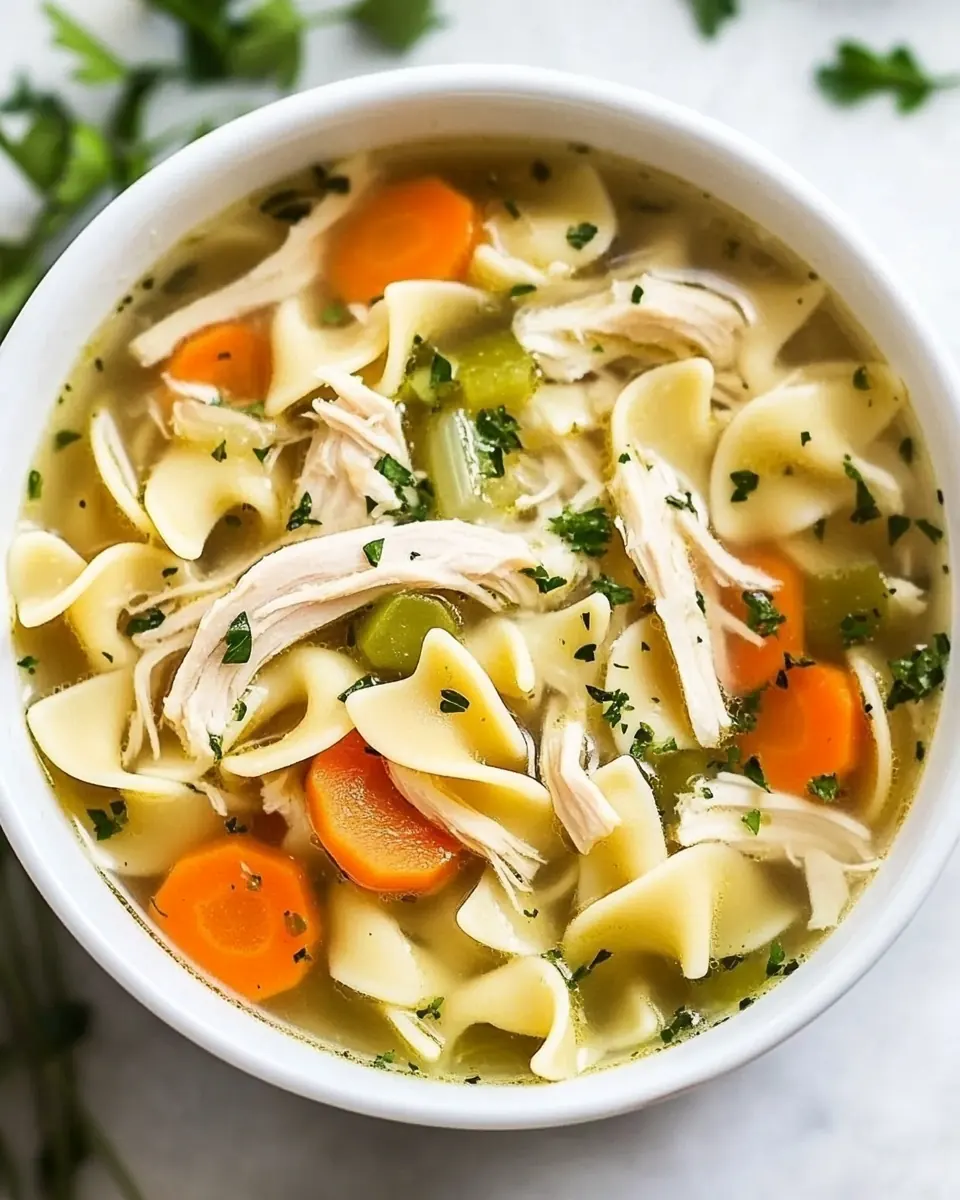
These ingredients are modest yet purposeful. I build the soup around a savory liquid base, aromatic vegetables for sweetness and texture, and tender chicken for body. The noodles finish everything with a soft, comforting bite. Each item is a key player that helps the final bowl feel balanced and homemade.
- 2 tablespoons butter: Melted to enrich the soup with a silky, savory base; adds richness and helps gently sauté aromatics for deeper flavor development in the broth. Provides a smooth mouthfeel and helps carry fat-soluble flavors throughout the soup, producing a comforting texture.
- 1 tablespoon olive oil: Used to add a light, fruity oiliness and prevent sticking while sautéing vegetables; complements butter to balance richness and add depth. Contributes a subtle Mediterranean note and raises the smoke point for cooking at moderate temperatures.
- 3 large carrots, peeled and sliced 1/4 inch thick: Sliced thin to release natural sweetness and texture; softens in the simmering broth while contributing body and color to the soup. Adds bite and vegetal flavor that balances the savory chicken and seasonings.
- 2 medium celery, sliced 1/4 inch thick: Sliced uniformly to maintain even cooking and provide a crisp-tender texture; infuses the soup with aromatic, slightly peppery notes. Contributes to the classic mirepoix profile that builds the flavor foundation of the broth.
- 1 teaspoon fresh thyme, or 1/4 teaspoon dried: Added to infuse a delicate herbal aroma and subtle earthiness; fresh provides brightness while dried offers convenience. Enhances complexity and pairs well with chicken, lifting the overall flavor without overpowering it.
- 1 teaspoon Stone House Seasoning: Sprinkled to season layers of flavor and provide a balanced blend of herbs and spices; used early to embed savory notes into the broth. Acts as a convenient seasoning to ensure consistent, rounded taste in each spoonful.
- 4 cups chicken stock or broth, homemade or store-bought or chicken broth: Poured as the primary flavorful liquid to form the soup’s base; contributes savory, umami-rich character and depth. Homemade offers richer, more complex taste while store–bought provides convenience and consistency.
- 3 cups water: Added to adjust concentration and volume, ensuring sufficient cooking liquid for simmering; helps control saltiness and dilution of flavors. Works with stock to produce the ideal broth intensity and proper noodle cooking environment.
- 1 whole (about 2-3 pounds) organic chicken, or chicken breasts, chicken thighs, or mixture or 3 cups cooked and shredded leftover or rotisserie chicken: Simmered or added shredded to supply the dish’s main protein and deliver hearty, comforting flavor; whole chicken imparts rich gelatinous stock while pre-cooked pieces speed assembly. Provides texture and substance, making the soup satisfying and nourishing.
- 1 (8-ounce) package pasta, egg noodles, fettuccine, spaghetti: Cooked in the broth to provide tender, starchy bites and soak up flavors; choice of shape affects mouthfeel from broad noodles to thin strands. Supplies carbohydrate comfort and helps thicken the broth slightly as starches release.
- 1 tablespoon parsley, fresh, chopped: Stirred in at the end to contribute fresh, bright herbal notes and visual contrast; chopped parsley lifts and balances the savory broth. Acts as a finishing garnish that renews aroma and adds a clean, green flavor.
- salt and pepper, to taste: Adjusted to taste to enhance and balance all flavors; salt amplifies savory notes while pepper adds subtle heat and complexity. Seasoning at the end ensures the soup reaches the desired flavor profile for serving.
Making This Homemade Chicken Noodle Soup
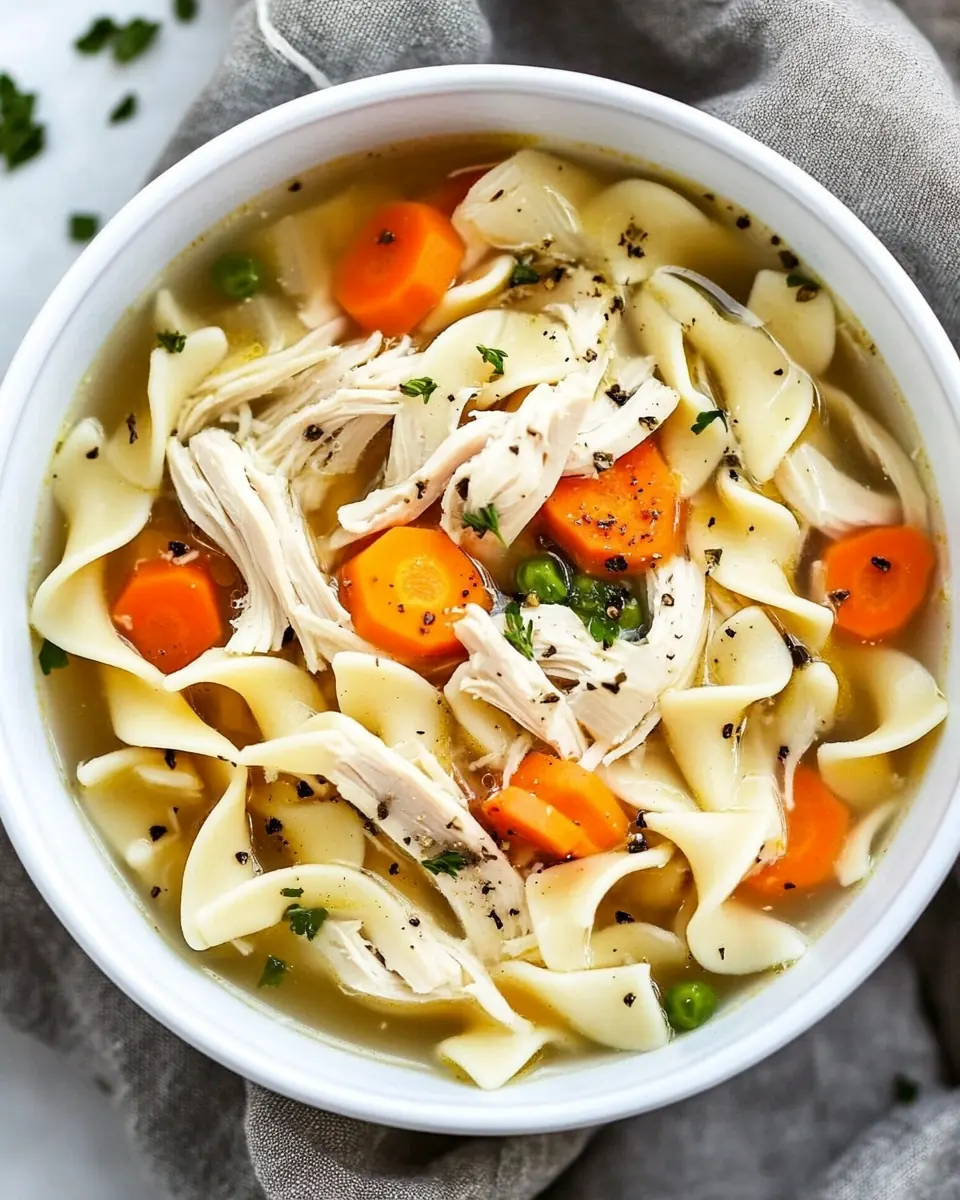
I like to think of this next part as choreography, where each movement builds flavor. The recipe covers both stovetop and Instant Pot approaches, and however you make it, patience and attention to sensory cues reward you with a deeply flavored bowl.
- Add butter and olive oil to a Dutch oven or 6-quart stockpot. Sauté the carrots and celery in the butter and olive oil until tender, about 3 minutes.: The pan will gently hiss as the butter melts into the olive oil , releasing a warm, nutty aroma that signals the start of building flavor. Your goal here is a glossy fat surface that will lightly coat the vegetables, helping them release their sweetness. If the butter begins to foam aggressively or darken, lower the heat to prevent a bitter, burnt note which will carry into the broth. A common slip is starting at too high a temperature; keep it moderate so you develop flavor without scorching.
- Pour in the chicken stock or broth and water. Add the chicken. Cook until the chicken reaches an internal temperature of 165º F when checked with a meat thermometer. Remove the chicken from the pot, shred and return to the pot. (If using cooked and shredded leftover or rotisserie chicken, add to the pot and stir to combine.): As you stir, you will notice the vegetables soften and their aromas bloom, the kitchen filling with an earthy sweet scent. The celery will turn translucent and the edges of the carrots will glisten, signs they are ready for the next stage. This step unlocks sugars that balance the savory broth, and rushing it will leave sharp, vegetal notes. If your veggies brown rather than soften, reduce the heat and add a splash of water to deglaze and soften.
- Add the noodles to the pot and cook according to package directions. Add seasonings and serve.: When the liquid hits the pot, you will hear a comforting rise in activity as tiny bubbles form along the edges. This is the extraction phase where flavors intermingle, the broth beginning to gather depth. Stir to lift any browned bits, they are flavor gold. If your stock smells flat, increasing the simmer time will concentrate it, but watch that it does not reduce too far and become overly salty.
- Set your Instant Pot to the saute setting. Add your butter and olive oil and allow the butter to melt. Stir in your carrots and celery and cook until softened, about 3 minutes.: As the chicken enters the simmering liquid it will produce a deeper savory scent and a faint steam that tastes like comfort. Keeping the heat at a gentle simmer preserves clarity in the broth while allowing flavors to meld. Cooking too vigorously makes the broth cloudy and can make meat tougher, so avoid rolling boils. Use a thermometer to confirm the internal temperature reaches 165º F for safety.
- Add your chicken broth, water, chicken, thyme, and Stone House Seasoning. Secure the lid on the Instant Pot and set on the Manual setting for 12 minutes.: The moment the thermometer reads 165º F, you will feel confident to remove the meat; the juices will run clear and the flesh will be tender. Resting briefly off heat makes shredding easier and keeps the meat juicy. Overcooking dries the chicken , so err on the side of checking a little earlier and testing several spots.
- Allow the Instant Pot to naturally release and then carefully remove the lid of your Instant Pot. Using tongs, carefully remove the chicken from the Instant Pot. Place the chicken into a large bowl. Remove the skin and shred chicken into small, bite-sized pieces using two forks. Discard the skin and bones.: After transfer, the cooled chicken benefits from gentle shredding, producing tender ribbons that soak up broth. The act releases a warm meaty scent and a perception of body returning to the pot. Discard skin and bones if present to keep the broth clear and refined. A common issue is shredding while meat is too hot or too cold; warm but manageable meat shreds most cleanly.
- Add your noodles to your soup and return the Instant Pot to the saute setting, bringing the soup to a boil to cook the noodles. Cook until the noodles are tender, about 6 minutes. Stir in shredded chicken and cook until heated through, about 2 minutes.: When you stir in pre cooked chicken , you will feel the texture integrate immediately and the bowl's protein content becomes satisfying quickly. This shortcut preserves tenderness since the meat is already cooked, merely heating through. Avoid prolonged simmering after adding pre cooked meat or it can become stringy and dry.
- Sprinkle with fresh parsley and add salt and pepper to taste.: As the pasta goes in, you will hear a gentle bubbling and soon smell the enriching starches entering the broth. Watch the visual change as noodles swell and plump, softening to tender bites. Stir occasionally to prevent sticking. Overcooking will yield a gummy texture and cloudy broth due to excess starch, so aim for al dente and test early.
- Add seasonings and serve: When you season, the aroma sharpens and the finished bowl settles into cohesion. Freshly chopped parsley sprinkled at the end lifts the soup with a green, bright note. Tasting at this point is crucial because flavors concentrate as it cools slightly; adjust salt and pepper gradually. A typical pitfall is adding all salt too early, which can lead to an over salted result after reduction.
- Set your Instant Pot to the saute setting: The pot will hiss as the fats heat, offering a quick way to soften the vegetables. Saute mode concentrates flavors faster than gentle stovetop heat, producing a slightly deeper base. Keep an eye as the Instant Pot can heat quickly and scorch the aromatics; lower the heat if you notice darkening.
- Add your butter and olive oil and allow the butter to melt: The melted butter combines with the olive oil creating a fragrant pool for the vegetables, the aroma more pronounced in the enclosed Instant Pot. This rapid flavor searing is efficient, but watch the heat so you do not burn the fats, which would impart bitter notes.
- Stir in your carrots and celery and cook until softened, about 3 minutes: The vegetables will release a bright, sweet scent as they soften, and the pot will look glossy. In the Instant Pot this step adds a concentrated flavor base in less time, but avoid over browning which can alter the soup's gentle profile.
- Add your chicken broth, water, chicken, thyme, and Stone House Seasoning: Sealing the pot after adding these elements locks in aromatic steam and deepens the broth. The herbs and seasoning infuse the liquid rapidly in the sealed environment, bringing a full flavored foundation. Ensure seals are correct to avoid pressure loss which would extend cooking time.
- Secure the lid on the Instant Pot and set on the Manual setting for 12 minutes: During pressurized cooking, the pot hums and develops body in the broth, coaxing flavor from bones and meat. A controlled pressure cook extracts collagen and yields a richer mouthfeel. A common mistake is skipping a natural release which helps keep the meat tender.
- Allow the Instant Pot to naturally release and then carefully remove the lid of your Instant Pot: The gradual drop in pressure is accompanied by a mellowing of aroma, and opening the lid reveals a concentrated, savory steam. Rapid venting can make meat tougher, so natural release protects texture. Use caution when lifting the lid, steam will be hot.
- Using tongs, carefully remove the chicken from the Instant Pot: The chicken will feel tender and yield easily when probed. Removing it cleanly leaves the broth free to continue developing without over cooking the meat. Take care not to tear meat off bones during removal which can leave shards in the soup.
- Place the chicken into a large bowl: Resting in a bowl helps the meat cool slightly so you can shred without burning your hands. This also creates a tidy staging area to remove skin and bones, giving a cleaner final soup. Let it sit briefly for easy handling.
- Remove the skin and shred chicken into small, bite sized pieces using two forks: Shredding produces tender ribbons that soak up the broth and distribute protein throughout the bowl. The action releases an appealing meaty aroma as fibers separate, and shredding into small pieces ensures even bites in every spoonful. Cutting too large will make the eating experience uneven, so aim for small, uniform shreds.
- Discard the skin and bones: Removing these keeps the texture pleasant and the broth clear, while also making the soup more approachable for serving. If you prefer a slightly richer mouthfeel, you can reserve a bit of skin rendered earlier, but generally discarding keeps the final bowl clean. Make sure to remove any small bone fragments to avoid surprises while eating.
- Add your noodles to your soup and return the Instant Pot to the saute setting, bringing the soup to a boil to cook the noodles: The return to bubbling activity is lively, releasing a comforting steam and the scent of cooked starch. This finishing step integrates the noodles so they soak up flavor and thicken the broth slightly. Monitor closely because pasta cooks quickly and can go from perfect to pasty in minutes.
- Cook until the noodles are tender, about 6 minutes: As the noodles hydrate they plump and soften, and you will see the broth take on a slightly thicker body. Taste a piece to find the right tenderness for your preference. Overcooking will cause them to break down and make the soup cloudy, so test early and often.
- Stir in shredded chicken and cook until heated through, about 2 minutes: The final heating melds shredded chicken into the bubbling soup, making everything cohesive. A short heat through keeps the meat tender and preserves texture. Heating too long at high temperatures risks drying the shreds, so a brief finish is ideal.
- Sprinkle with fresh parsley and add salt and pepper to taste: Fresh parsley brightens aromas and adds a visual pop, while seasoning ties all flavors together. Taste a warm spoonful to adjust seasoning, remembering that heat concentrates flavors. The mistake to avoid is over salting; add cautiously, tasting after a moment for full balance.
Tips and Tricks about Homemade Chicken Noodle Soup

I like to collect small practices that make the biggest difference. These tips will help you yield consistent, flavorful results whether you cook on the stovetop or use an Instant Pot.
- Use low sodium stock to control salt levels so you can season precisely at the end for the best balance and avoid over salting after reduction.
- Cook pasta separately for leftovers so the noodles do not absorb too much liquid during storage, keeping both texture and broth integrity intact.
- Shred warm chicken for easy shredding as slightly warm meat pulls apart cleanly into tender ribbons, making shredding faster and neater.
- Trim celery strings to avoid fibrous bits in the finished bowl, ensuring a smoother, more pleasant mouthfeel in each spoonful.
- Finish with fresh parsley because it brightens the bowl with herbal notes that contrast the savory broth and enrich the visual appeal.
- Reserve bones for longer simmering if you want extra body in your stock, simmering them longer extracts more collagen and depth.
What to Pair With Homemade Chicken Noodle Soup
This soup is wonderfully adaptable at the table. I often pair it with simple sides that complement its homely nature and suit a range of occasions from cozy weeknights to gentle post fast meals.
- Crusty bread like a rustic loaf is ideal for dipping into the broth and adds a satisfyingly chewy contrast to the tender noodles.
- Simple green salad dressed lightly with lemon and oil offers a bright, crisp counterpoint to the warm, soothing soup.
- Grilled cheese sandwich for an indulgent pairing that kids and adults both love, combining melty cheese with the lightness of the soup.
- Light dessert such as fresh fruit keeps the meal balanced if you want a sweet finish without heaviness.
- Serving for Ramadan this soup works gently to break fasts, providing hydration and easy to digest nourishment, served warm and in modest bowls.
- Storage tips include keeping the soup without noodles if freezing, then boiling and adding pasta when reheating to preserve texture.
- Seasonal pairing The soup fits winter evenings perfectly, bringing warmth and comfort when the air is cold and dark.
FAQ
Conclusion
What makes this Homemade Chicken Noodle Soup special is its balance of simple ingredients that combine into something deeply comforting and satisfying. It is versatile, forgiving, and perfect for both quick weeknight meals and slow, restorative cooking sessions, so it’s a recipe you’ll reach for again and again. Try it with your preferred chicken method and noodle, and enjoy the warmth and contentment a bowl like this brings to the table.
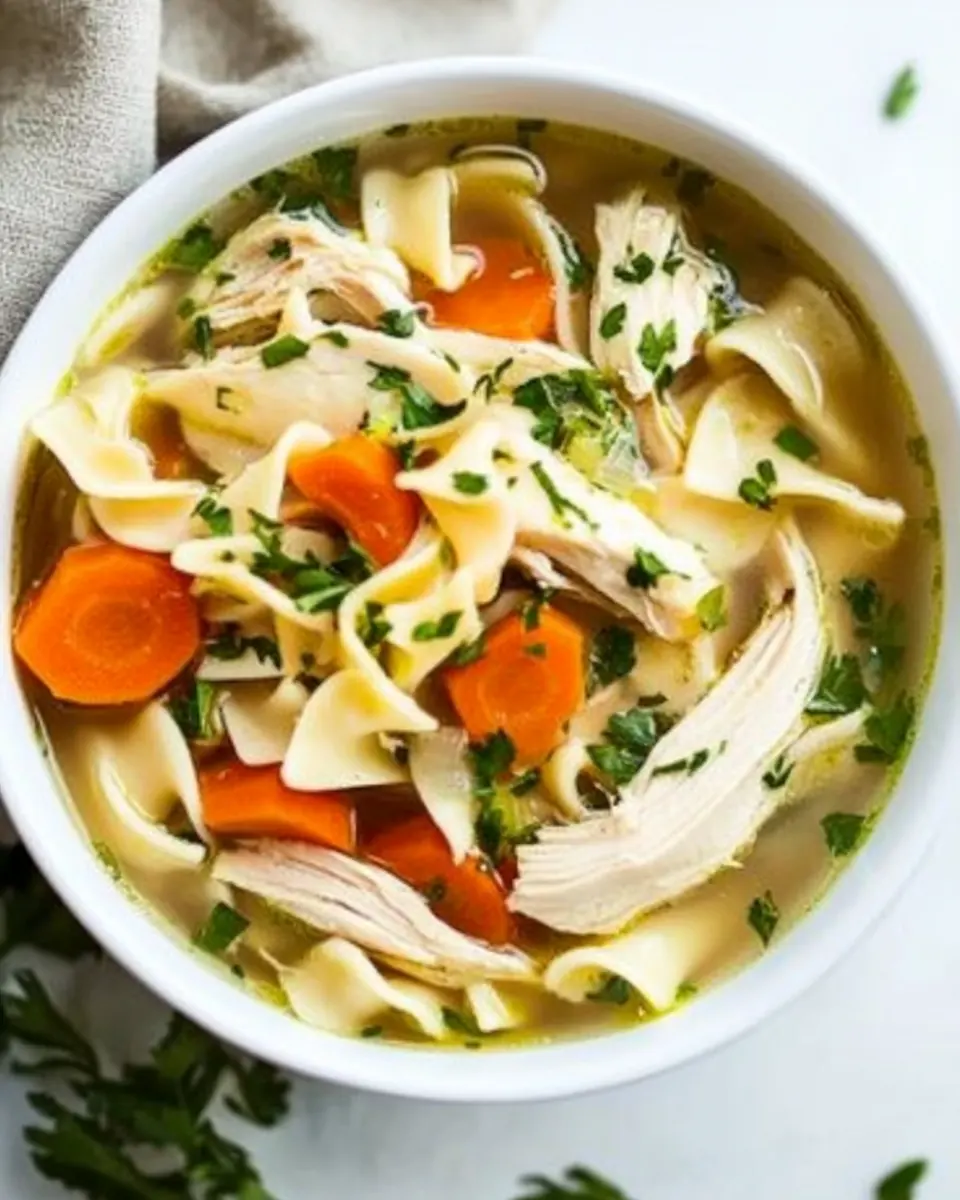
Homemade Chicken Noodle Soup
Ingredients
Equipment
Method
- Add butter and olive oil to a Dutch oven or 6-quart stockpot. Sauté the carrots and celery in the butter and olive oil until tender, about 3 minutes.: The pan will gently hiss as the butter melts into the olive oil , releasing a warm, nutty aroma that signals the start of building flavor. Your goal here is a glossy fat surface that will lightly coat the vegetables, helping them release their sweetness. If the butter begins to foam aggressively or darken, lower the heat to prevent a bitter, burnt note which will carry into the broth. A common slip is starting at too high a temperature; keep it moderate so you develop flavor without scorching.
- Pour in the chicken stock or broth and water. Add the chicken. Cook until the chicken reaches an internal temperature of 165º F when checked with a meat thermometer. Remove the chicken from the pot, shred and return to the pot. (If using cooked and shredded leftover or rotisserie chicken, add to the pot and stir to combine.): As you stir, you will notice the vegetables soften and their aromas bloom, the kitchen filling with an earthy sweet scent. The celery will turn translucent and the edges of the carrots will glisten, signs they are ready for the next stage. This step unlocks sugars that balance the savory broth, and rushing it will leave sharp, vegetal notes. If your veggies brown rather than soften, reduce the heat and add a splash of water to deglaze and soften.
- Add the noodles to the pot and cook according to package directions. Add seasonings and serve.: When the liquid hits the pot, you will hear a comforting rise in activity as tiny bubbles form along the edges. This is the extraction phase where flavors intermingle, the broth beginning to gather depth. Stir to lift any browned bits, they are flavor gold. If your stock smells flat, increasing the simmer time will concentrate it, but watch that it does not reduce too far and become overly salty.
- Set your Instant Pot to the saute setting. Add your butter and olive oil and allow the butter to melt. Stir in your carrots and celery and cook until softened, about 3 minutes.: As the chicken enters the simmering liquid it will produce a deeper savory scent and a faint steam that tastes like comfort. Keeping the heat at a gentle simmer preserves clarity in the broth while allowing flavors to meld. Cooking too vigorously makes the broth cloudy and can make meat tougher, so avoid rolling boils. Use a thermometer to confirm the internal temperature reaches 165º F for safety.
- Add your chicken broth, water, chicken, thyme, and Stone House Seasoning. Secure the lid on the Instant Pot and set on the Manual setting for 12 minutes.: The moment the thermometer reads 165º F, you will feel confident to remove the meat; the juices will run clear and the flesh will be tender. Resting briefly off heat makes shredding easier and keeps the meat juicy. Overcooking dries the chicken , so err on the side of checking a little earlier and testing several spots.
- Allow the Instant Pot to naturally release and then carefully remove the lid of your Instant Pot. Using tongs, carefully remove the chicken from the Instant Pot. Place the chicken into a large bowl. Remove the skin and shred chicken into small, bite-sized pieces using two forks. Discard the skin and bones.: After transfer, the cooled chicken benefits from gentle shredding, producing tender ribbons that soak up broth. The act releases a warm meaty scent and a perception of body returning to the pot. Discard skin and bones if present to keep the broth clear and refined. A common issue is shredding while meat is too hot or too cold; warm but manageable meat shreds most cleanly.
- Add your noodles to your soup and return the Instant Pot to the saute setting, bringing the soup to a boil to cook the noodles. Cook until the noodles are tender, about 6 minutes. Stir in shredded chicken and cook until heated through, about 2 minutes.: When you stir in pre cooked chicken , you will feel the texture integrate immediately and the bowl's protein content becomes satisfying quickly. This shortcut preserves tenderness since the meat is already cooked, merely heating through. Avoid prolonged simmering after adding pre cooked meat or it can become stringy and dry.
- Sprinkle with fresh parsley and add salt and pepper to taste.: As the pasta goes in, you will hear a gentle bubbling and soon smell the enriching starches entering the broth. Watch the visual change as noodles swell and plump, softening to tender bites. Stir occasionally to prevent sticking. Overcooking will yield a gummy texture and cloudy broth due to excess starch, so aim for al dente and test early.
- Add seasonings and serve: When you season, the aroma sharpens and the finished bowl settles into cohesion. Freshly chopped parsley sprinkled at the end lifts the soup with a green, bright note. Tasting at this point is crucial because flavors concentrate as it cools slightly; adjust salt and pepper gradually. A typical pitfall is adding all salt too early, which can lead to an over salted result after reduction.
- Set your Instant Pot to the saute setting: The pot will hiss as the fats heat, offering a quick way to soften the vegetables. Saute mode concentrates flavors faster than gentle stovetop heat, producing a slightly deeper base. Keep an eye as the Instant Pot can heat quickly and scorch the aromatics; lower the heat if you notice darkening.
- Add your butter and olive oil and allow the butter to melt: The melted butter combines with the olive oil creating a fragrant pool for the vegetables, the aroma more pronounced in the enclosed Instant Pot. This rapid flavor searing is efficient, but watch the heat so you do not burn the fats, which would impart bitter notes.
- Stir in your carrots and celery and cook until softened, about 3 minutes: The vegetables will release a bright, sweet scent as they soften, and the pot will look glossy. In the Instant Pot this step adds a concentrated flavor base in less time, but avoid over browning which can alter the soup's gentle profile.
- Add your chicken broth, water, chicken, thyme, and Stone House Seasoning: Sealing the pot after adding these elements locks in aromatic steam and deepens the broth. The herbs and seasoning infuse the liquid rapidly in the sealed environment, bringing a full flavored foundation. Ensure seals are correct to avoid pressure loss which would extend cooking time.
- Secure the lid on the Instant Pot and set on the Manual setting for 12 minutes: During pressurized cooking, the pot hums and develops body in the broth, coaxing flavor from bones and meat. A controlled pressure cook extracts collagen and yields a richer mouthfeel. A common mistake is skipping a natural release which helps keep the meat tender.
- Allow the Instant Pot to naturally release and then carefully remove the lid of your Instant Pot: The gradual drop in pressure is accompanied by a mellowing of aroma, and opening the lid reveals a concentrated, savory steam. Rapid venting can make meat tougher, so natural release protects texture. Use caution when lifting the lid, steam will be hot.
- Using tongs, carefully remove the chicken from the Instant Pot: The chicken will feel tender and yield easily when probed. Removing it cleanly leaves the broth free to continue developing without over cooking the meat. Take care not to tear meat off bones during removal which can leave shards in the soup.
- Place the chicken into a large bowl: Resting in a bowl helps the meat cool slightly so you can shred without burning your hands. This also creates a tidy staging area to remove skin and bones, giving a cleaner final soup. Let it sit briefly for easy handling.
- Remove the skin and shred chicken into small, bite sized pieces using two forks: Shredding produces tender ribbons that soak up the broth and distribute protein throughout the bowl. The action releases an appealing meaty aroma as fibers separate, and shredding into small pieces ensures even bites in every spoonful. Cutting too large will make the eating experience uneven, so aim for small, uniform shreds.
- Discard the skin and bones: Removing these keeps the texture pleasant and the broth clear, while also making the soup more approachable for serving. If you prefer a slightly richer mouthfeel, you can reserve a bit of skin rendered earlier, but generally discarding keeps the final bowl clean. Make sure to remove any small bone fragments to avoid surprises while eating.
- Add your noodles to your soup and return the Instant Pot to the saute setting, bringing the soup to a boil to cook the noodles: The return to bubbling activity is lively, releasing a comforting steam and the scent of cooked starch. This finishing step integrates the noodles so they soak up flavor and thicken the broth slightly. Monitor closely because pasta cooks quickly and can go from perfect to pasty in minutes.
- Cook until the noodles are tender, about 6 minutes: As the noodles hydrate they plump and soften, and you will see the broth take on a slightly thicker body. Taste a piece to find the right tenderness for your preference. Overcooking will cause them to break down and make the soup cloudy, so test early and often.
- Stir in shredded chicken and cook until heated through, about 2 minutes: The final heating melds shredded chicken into the bubbling soup, making everything cohesive. A short heat through keeps the meat tender and preserves texture. Heating too long at high temperatures risks drying the shreds, so a brief finish is ideal.
- Sprinkle with fresh parsley and add salt and pepper to taste: Fresh parsley brightens aromas and adds a visual pop, while seasoning ties all flavors together. Taste a warm spoonful to adjust seasoning, remembering that heat concentrates flavors. The mistake to avoid is over salting; add cautiously, tasting after a moment for full balance.
Notes
- Use low sodium stock to control salt levels so you can season precisely at the end for the best balance and avoid over salting after reduction.
- Cook pasta separately for leftovers so the noodles do not absorb too much liquid during storage, keeping both texture and broth integrity intact.
- Shred warm chicken for easy shredding as slightly warm meat pulls apart cleanly into tender ribbons, making shredding faster and neater.
- Trim celery strings to avoid fibrous bits in the finished bowl, ensuring a smoother, more pleasant mouthfeel in each spoonful.
- Finish with fresh parsley because it brightens the bowl with herbal notes that contrast the savory broth and enrich the visual appeal.
- Reserve bones for longer simmering if you want extra body in your stock, simmering them longer extracts more collagen and depth.