Sugar Free Strawberry Shortcake Pots
Sugar Free Strawberry Shortcake Pots started as a tiny experiment when I wanted dessert without the sugar crash that usually follows. I was curious if a handful of pantry staples could transform into something that tasted indulgent yet felt light, so I combined a few simple dry ingredients and a splash of heavy cream and hoped for the best. The result surprised me, it felt celebratory without the guilt, and it quickly became my go to when guests drop by unexpectedly.
That first time I plated these, I remember how the aroma of toasted coconut and warm strawberries filled the kitchen, and how the contrast of cool whipped heavy cream and warm shortcake made everyone pause. I love recipes that let you taste each component individually, while still joining together into something cohesive. Over the next few tries I adjusted little details, watching textures change, taking notes, and learning which small steps made the biggest difference.
Now I reach for this recipe when I want something fuss free but refined. It fits perfectly into a busy afternoon when you want dessert fast, or into a casual brunch where you want a sweet option that does not dominate the table. I hope when you make these Sugar Free Strawberry Shortcake Pots you feel the same quiet thrill I did the first time I spooned that creamy, fruity bite.
Recipe Snapshot
10 mins
9 mins
1 mins
Easy
250 kcal
American
Keto, Gluten-Free
Desserts
2 bowls, glasses or dessert cups (holding 150ml)
Why This Sugar Free Strawberry Shortcake Pots Stands Out
Balanced Indulgence
I adore how Sugar Free Strawberry Shortcake Pots deliver richness without unnecessary sugar. The combination of coconut flour and a touch of baking powder gives the shortcake a tender crumb, while the whipped heavy cream keeps every spoonful lush but airy. I often tell friends this is proof you can have texture and satisfaction without loads of sweeteners.
Speed and Simplicity
One of the best reasons I return to this recipe is how fast it comes together. From mixing the batter to microwaving the cakes takes mere minutes, and that quick turn around is a lifesaver on hectic days. I value recipes that reward minimal effort with maximum enjoyment, and this one consistently does just that.
Textural Contrast
I love the play between warm shortcake disks and the cool, silky topping. The Greek yogurt folded into the whipped heavy cream adds a subtle tang that brightens each bite. When I assemble the pots, I always take a moment to arrange the sliced strawberries around the edge, because the visual and textural contrast elevates the whole experience.
Adaptable and Honest
This recipe is forgiving, which I appreciate when I am cooking for others. You can scale portions, tweak the sweetness level, or replace the jam with mashed strawberries for a fresher note. I frequently adjust the powdered sweetener to taste, and the shortcake still behaves the same, which makes this dish reliable for both weeknight treats and casual entertaining.
Health Forward Without Compromise
I often get asked if sugar free means boring. Not here. Using a powdered sweetener and real strawberries keeps the flavor bright, while the small amount of coconut flour and egg give structure. I like that it leans healthier but keeps the pleasure intact, which is why I recommend it to people trying to lower sugar intake without losing dessert joy.
Ingredient List for Sugar Free Strawberry Shortcake Pots
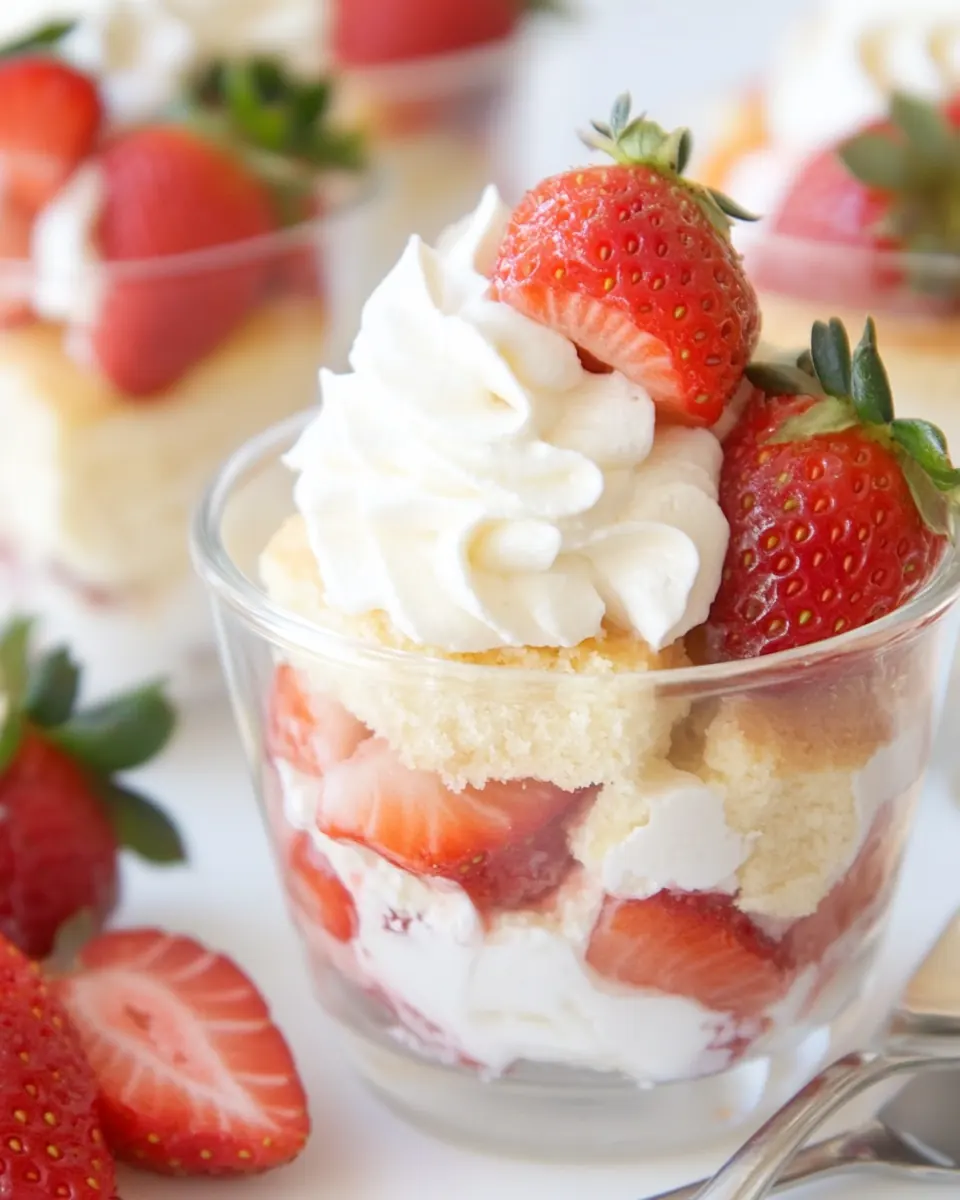
These ingredients are deliberately chosen to deliver structure, creaminess, and bright fruit flavor in a compact dessert. The shortcake base relies on a modest amount of coconut flour and egg to create a tender, slightly dense cake. The cream components, namely the two measures of heavy cream and the Greek yogurt, provide a luxurious mouthfeel and balance the tartness of the strawberries. The sweeteners are powdered and minimal, keeping the dessert light while still allowing the fruit to shine.
- 2 tablespoon coconut flour: Provide bulk and structure while absorbing moisture; helps create a light, gluten-free shortcake base and adds a subtle coconut flavor that complements the strawberries.
- 4 tbsp heavy cream: Whip to soft peaks to create a rich, airy cream layer; adds fat and creaminess to balance the drier coconut flour in the shortcake.
- 1 egg medium: Bind the shortcake batter and contribute richness; adds lift and a tender crumb while helping emulsify the mixture for a smooth texture.
- 1 tablespoon powdered sweetener: Sweeten without sugar and stabilize the batter; powdered form dissolves easily to provide consistent sweetness throughout the shortcake.
- 1/4 teaspoon baking powder: Leaven the shortcake slightly to give gentle rise and a tender crumb; small amount prevents dense, heavy texture in the pots.
- 1/2 teaspoon vanilla extract: Impart aromatic depth and enhance sweetness perception; a small addition rounds out flavors in both the shortcake and cream components.
- 1/2 cup heavy cream 120 ml: Whip until medium to stiff peaks for a fluffy topping; supplies volume and a luxurious mouthfeel for the layered pots.
- 1/4 cup Greek yogurt 60 g, or sour cream: Add tang, body, and slight acidity to the filling; provides creamy texture and balances sweetness for a well-rounded flavor profile.
- 1 tablespoon powdered sweetener (optional): Optional powdered sweetener to adjust sweetness of the filling; dissolves easily into the yogurt or cream to tune dessert sweetness to taste.
- 1/2 teaspoon vanilla extract: Add a second touch of aromatic sweetness to the filling; a small amount boosts overall flavor and complements the strawberry component.
- 2 tablespoons sugar free strawberry jam ***see recipe notes: Provide concentrated strawberry flavor without extra sugar; spreads easily between layers and adds jammy texture and sweetness to the pots.
- 5 6 strawberries 100 g / 3.5 oz: Contribute fresh fruit flavor, texture, and brightness; sliced strawberries add natural sweetness, color, and a pleasant contrast to creamy layers.
Recipe Directions for Sugar Free Strawberry Shortcake Pots
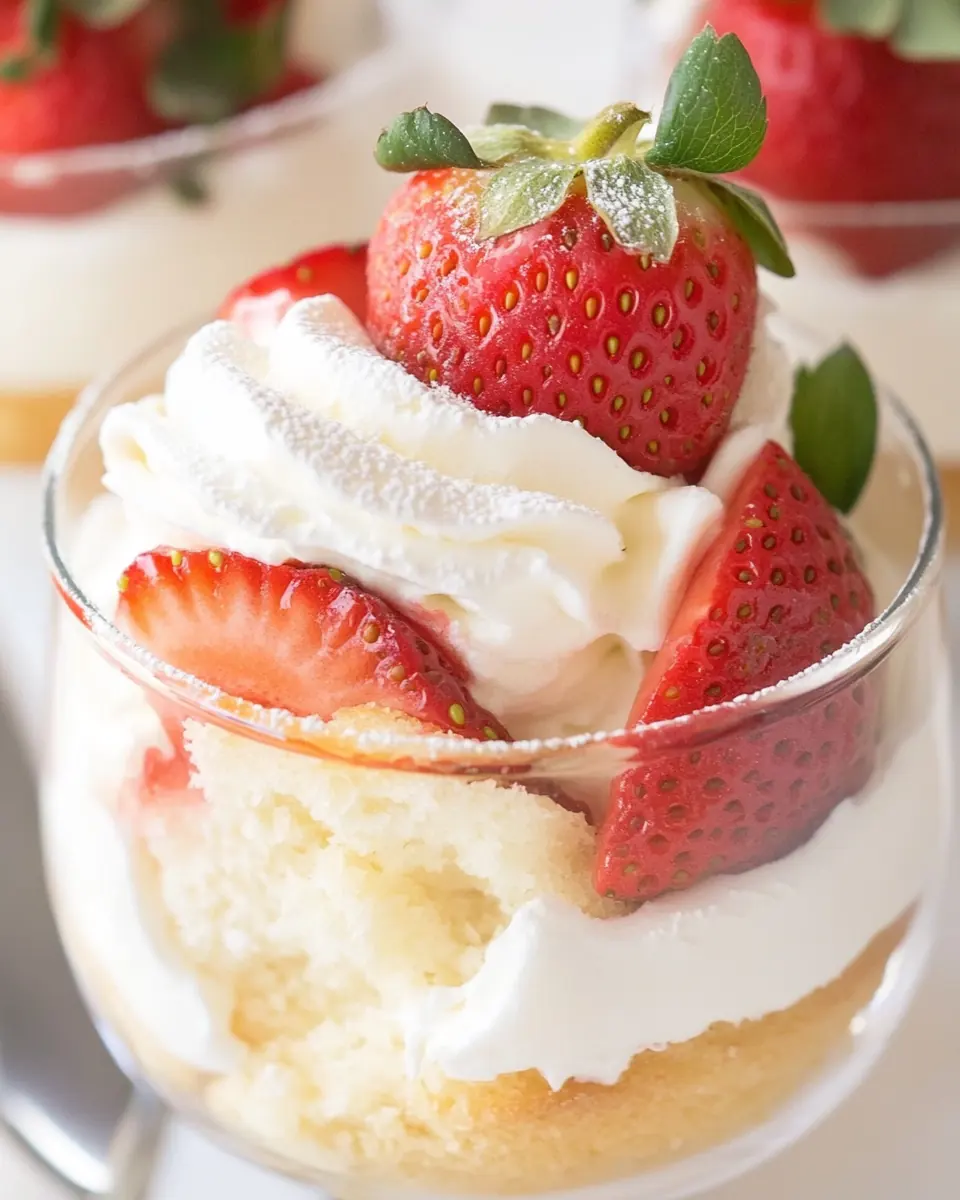
These directions guide you through everything from the batter to assembly. I find working step by step and paying attention to sensory cues keeps the process calm and predictable. Keep your tools and ingredients nearby, and take your time with the whipped cream, it makes a big difference.
- Combine all ingredients for the shortcake in a bowl using a fork. Let the mix sit 2-3 minutes to thicken.: Right away you will notice the dry ingredients forming a slightly gritty mixture that becomes cohesive as you add the egg and heavy cream . The smell should be subtly sweet with a hint of coconut from the coconut flour . The fork motion gently brings ingredients together without overworking them, producing a batter that is tender rather than elastic. I listen for a smooth, slightly glossy batter texture and watch for any dry pockets, which indicate more mixing is needed. A common mistake is vigorous mixing, which can produce a dense result instead of the light shortcake we want, so stop when just combined.
- Fill the batter into 2 well-greased ramekins. Microwave on high for 90 seconds. Once they have cooled down, turn the cakes out onto a plate and slice into 4 disks.: During this brief rest the coconut flour hydrates and swells, which changes the batter from thin to pleasantly thick. Visually you will see it gain body and look less runny, and the surface may become slightly matte. This step matters because it prevents you from adding extra liquid prematurely, which would alter the finished texture. A frequent error is skipping this rest and ending up with a batter that spreads too much in the ramekin, producing thin cakes.
- Whisk the heavy cream until stiff peaks. Stir in the Greek yogurt, vanilla and powdered sweetener, if using.: As you spoon the batter in, notice how it holds shape but still levels itself, indicating good consistency. Greasing the ramekins ensures you can unmold the cakes cleanly without tearing the crumb. You should feel a slight resistance when you press the batter down gently, and the surface should be smooth. If you skip greasing, the cake can stick and fragment when removed, so take the extra moment to grease thoroughly.
- Place a slice of shortcake at the bottom and line the outer edges of each pot with strawberry slices.: Microwave cooking produces a quick rise and steam based heat that yields a tender interior. You will hear soft bubbling as moisture heats and smells of warmed coconut and egg will emerge. After ninety seconds, the cakes will spring back slightly when touched, a reliable visual cue they are cooked through. Microwaves vary, so if yours is particularly powerful reduce time slightly; an overcooked cake can become rubbery and dry, which is the usual pitfall here.
- Add 1/2 tablespoon of sugar free strawberry jam, followed by 3 heaped teaspoons of the cream topping.: Cooling firms the crumb so the cakes hold together when sliced. The interior should be moist and pale, and the exterior slightly set. The action of turning them out lets you inspect for even cooking and texture. If you try slicing while too hot, the cake may crumble, so patience here ensures neat layers and better assembly.
- Add another 1/2 tablespoon of strawberry jam, the second shortbread disk and top with the remaining cream. Decorate the top with another strawberry.: As you whisk the second measure of heavy cream , the mixture will first look glossy, then billowy, and finally hold peaks that stand upright. The sound changes too, from smooth to a soft whoosh as air is incorporated. This aeration creates the lightness that contrasts with the cake. Overwhipping leads to grainy or curdled cream, so stop when you see firm peaks that still feel silky.
- Stir in the Greek yogurt, vanilla and powdered sweetener, if using: The addition of Greek yogurt brings tang and stability to the whipped heavy cream , giving it body and a faint acidity that balances the strawberry sweetness. Visually the cream becomes creamier and slightly denser, and you will smell the vanilla's warm note. Mix gently to avoid deflating the whipped cream, and be cautious not to over-sweeten, a common error that masks the strawberry flavor.
- Place a slice of shortcake at the bottom and line the outer edges of each pot with strawberry slices: When you press the sliced strawberries against the ramekin walls, you create an elegant ring that shows through the glass or cup, and it ensures a burst of fruit in each spoonful. The vibrant red provides visual contrast and a juicy texture against the tender cake. A frequent mistake is using overly ripe fruit that becomes too soft and weeps, leading to soggy layers.
- Add 1/2 tablespoon of sugar free strawberry jam, followed by 3 heaped teaspoons of the cream topping: The jam adds concentrated fruit intensity and a glossy layer that soaks slightly into the cake, while the cream adds coolness and silkiness. As you spoon, you should hear a soft dolloping sound and see the jam spread modestly, seeping into the cake edge. Too much jam can overwhelm the structure and make the pots runny, so measure carefully to maintain balance.
- Add another 1/2 tablespoon of strawberry jam, the second shortbread disk and top with the remaining cream: Layering builds height and complexity, the second jam layer deepens flavor, and the final blanket of cream ties everything together. The finished texture should be creamy on top, jammy in the center, and tender at the base, with a nice contrast of temperatures. Avoid pressing down hard when assembling, which can compress the layers and make them dense instead of light.
- Decorate the top with another strawberry: A final whole or halved strawberry crowns the pot, providing a fresh accent and a clear signal this is strawberry dessert. The top should look invitingly glossy and balanced, not overloaded. Be mindful of presentation; overcrowding with fruit can hide the layered structure and make serving less elegant.
Change It Up
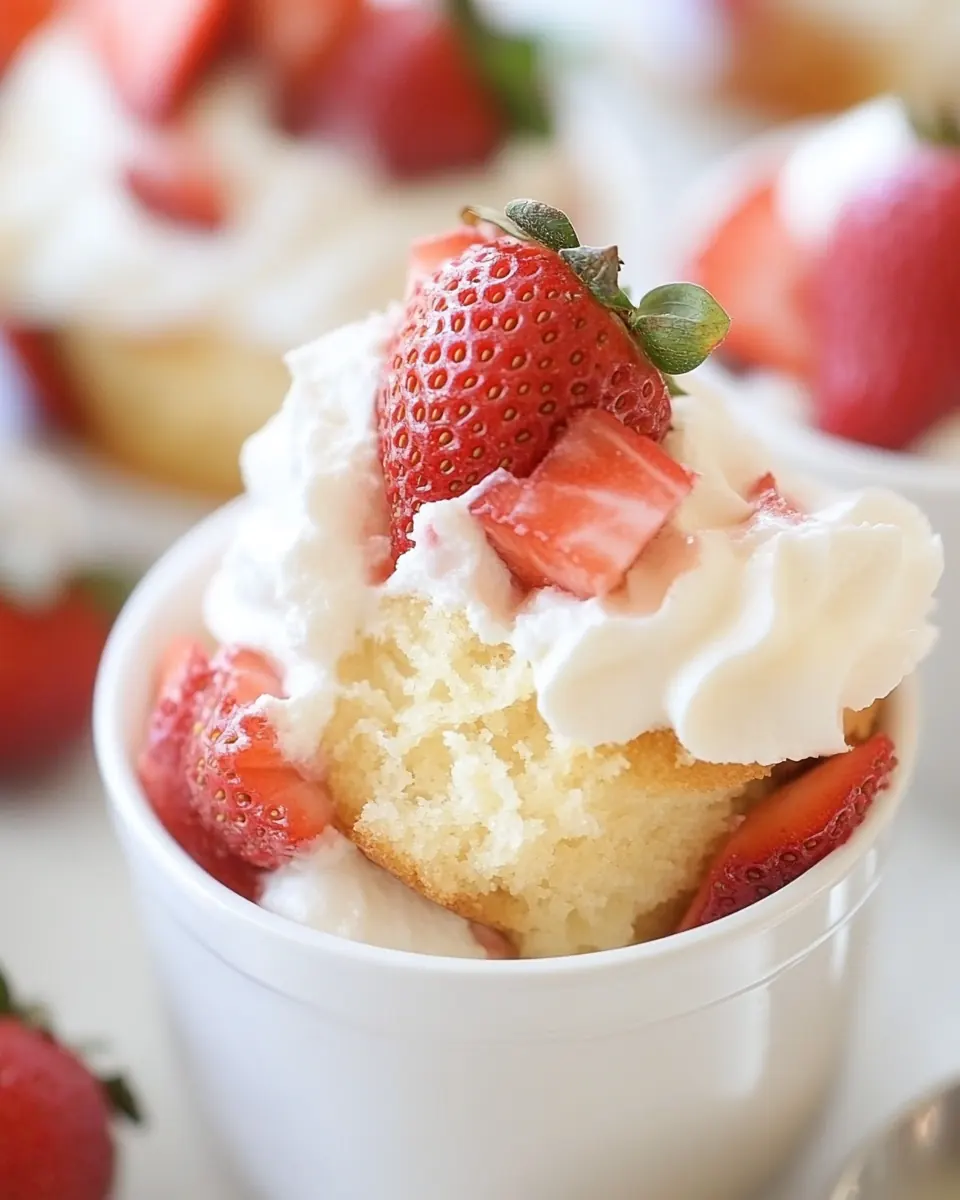
This section offers ways to vary the recipe and adjust it to your pantry and preferences. Small tweaks to texture, presentation, and sweetness make a big difference, and I encourage experimentation while keeping the core method intact.
- Swap the jam Use mashed fresh strawberries thickened with a teaspoon of powdered sweetener and a pinch of chia seeds for a fresher jam alternative.
- Smaller portions Divide the batter into three ramekins instead of two for lighter servings and a petite presentation.
- Yogurt choice Choose full fat Greek yogurt for a richer topping, or a slightly lighter variety if you prefer less richness.
- Stabilize the cream Add the optional powdered sweetener to the cream to help it hold shape longer if you need to prep ahead.
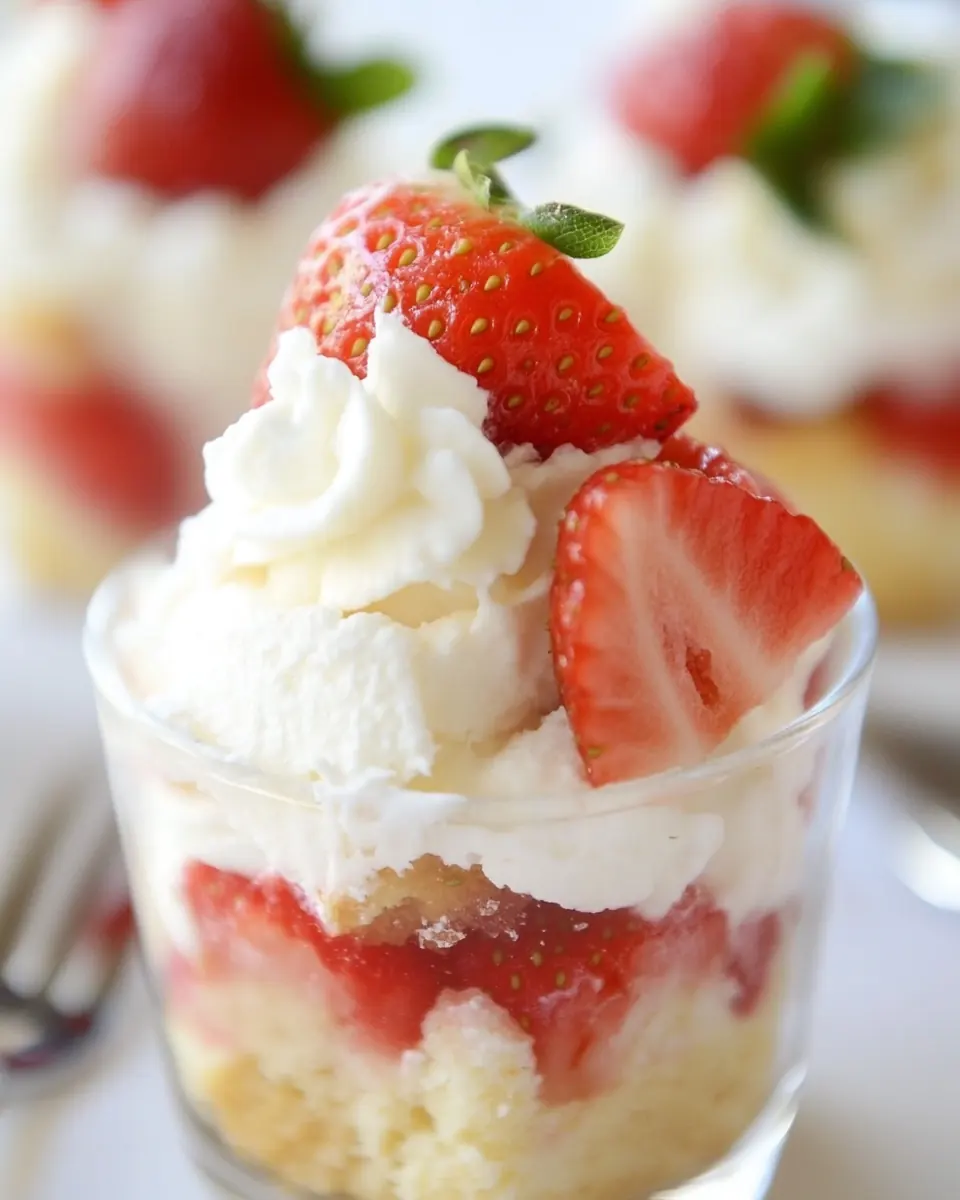
- Presentation twist Build the pots in clear glasses to show the layers, placing sliced strawberries against the glass for a pretty effect.
- Jam thickening If your sugar free strawberry jam is thin, chill it briefly to let it set before layering to avoid runniness.
How to Enjoy Sugar Free Strawberry Shortcake Pots
These pots are versatile for many occasions, and serving them with care enhances the experience. Below I outline serving suggestions, storage tips, and occasions where they shine.
- Serve chilled After assembly, refrigerate for about 30 minutes to let flavors meld and jam seep into the cake, making layers cohesive and moist.
- Brunch favorite These pots work beautifully for a relaxed brunch, pairing well with coffee or unsweetened tea as a light sweet option.
- Casual dessert Offer them after a family dinner for a simple yet refined dessert that feels special without fuss.
- Portion control The recipe yields two generous portions, but dividing into three creates smaller servings ideal for tastings or buffets.
- Storage Store covered in the fridge for up to 48 hours, though they are best within 24 hours when the strawberries are freshest.
- Occasions Perfect for spring gatherings, light celebrations, or whenever you want a sugar free treat that still feels indulgent.
- Make ahead You can prepare the shortcakes and jam a day ahead, whip the cream just before serving, and assemble shortly before guests arrive for the best texture.
- Scaling To make a single large trifle, increase ingredients proportionally and layer in a larger dish for shared serving.
- Garnish ideas Finish with a whole or halved strawberry on top for an inviting look and fresh bite.
- Temperature contrast Serve with the shortcakes slightly warm and the cream cold for a delightful interplay of sensations.
FAQ
Conclusion
Sugar Free Strawberry Shortcake Pots are special because they marry quick technique with thoughtful textures, producing a dessert that feels indulgent without excess sugar. I encourage you to try this recipe because it is forgiving, fast, and endlessly adaptable for small gatherings or a weekday treat. When you assemble these pots, savor the contrast between warm cake, bright strawberries, and cool whipped cream; it makes a simple moment feel celebratory. I hope you enjoy making them as much as I do, and that they become a regular in your recipe rotation for light, satisfying desserts.
Sugar Free Strawberry Shortcake Pots
Ingredients
Equipment
Method
- Combine all ingredients for the shortcake in a bowl using a fork. Let the mix sit 2-3 minutes to thicken.: Right away you will notice the dry ingredients forming a slightly gritty mixture that becomes cohesive as you add the egg and heavy cream . The smell should be subtly sweet with a hint of coconut from the coconut flour . The fork motion gently brings ingredients together without overworking them, producing a batter that is tender rather than elastic. I listen for a smooth, slightly glossy batter texture and watch for any dry pockets, which indicate more mixing is needed. A common mistake is vigorous mixing, which can produce a dense result instead of the light shortcake we want, so stop when just combined.
- Fill the batter into 2 well-greased ramekins. Microwave on high for 90 seconds. Once they have cooled down, turn the cakes out onto a plate and slice into 4 disks.: During this brief rest the coconut flour hydrates and swells, which changes the batter from thin to pleasantly thick. Visually you will see it gain body and look less runny, and the surface may become slightly matte. This step matters because it prevents you from adding extra liquid prematurely, which would alter the finished texture. A frequent error is skipping this rest and ending up with a batter that spreads too much in the ramekin, producing thin cakes.
- Whisk the heavy cream until stiff peaks. Stir in the Greek yogurt, vanilla and powdered sweetener, if using.: As you spoon the batter in, notice how it holds shape but still levels itself, indicating good consistency. Greasing the ramekins ensures you can unmold the cakes cleanly without tearing the crumb. You should feel a slight resistance when you press the batter down gently, and the surface should be smooth. If you skip greasing, the cake can stick and fragment when removed, so take the extra moment to grease thoroughly.
- Place a slice of shortcake at the bottom and line the outer edges of each pot with strawberry slices.: Microwave cooking produces a quick rise and steam based heat that yields a tender interior. You will hear soft bubbling as moisture heats and smells of warmed coconut and egg will emerge. After ninety seconds, the cakes will spring back slightly when touched, a reliable visual cue they are cooked through. Microwaves vary, so if yours is particularly powerful reduce time slightly; an overcooked cake can become rubbery and dry, which is the usual pitfall here.
- Add 1/2 tablespoon of sugar free strawberry jam, followed by 3 heaped teaspoons of the cream topping.: Cooling firms the crumb so the cakes hold together when sliced. The interior should be moist and pale, and the exterior slightly set. The action of turning them out lets you inspect for even cooking and texture. If you try slicing while too hot, the cake may crumble, so patience here ensures neat layers and better assembly.
- Add another 1/2 tablespoon of strawberry jam, the second shortbread disk and top with the remaining cream. Decorate the top with another strawberry.: As you whisk the second measure of heavy cream , the mixture will first look glossy, then billowy, and finally hold peaks that stand upright. The sound changes too, from smooth to a soft whoosh as air is incorporated. This aeration creates the lightness that contrasts with the cake. Overwhipping leads to grainy or curdled cream, so stop when you see firm peaks that still feel silky.
- Stir in the Greek yogurt, vanilla and powdered sweetener, if using: The addition of Greek yogurt brings tang and stability to the whipped heavy cream , giving it body and a faint acidity that balances the strawberry sweetness. Visually the cream becomes creamier and slightly denser, and you will smell the vanilla's warm note. Mix gently to avoid deflating the whipped cream, and be cautious not to over-sweeten, a common error that masks the strawberry flavor.
- Place a slice of shortcake at the bottom and line the outer edges of each pot with strawberry slices: When you press the sliced strawberries against the ramekin walls, you create an elegant ring that shows through the glass or cup, and it ensures a burst of fruit in each spoonful. The vibrant red provides visual contrast and a juicy texture against the tender cake. A frequent mistake is using overly ripe fruit that becomes too soft and weeps, leading to soggy layers.
- Add 1/2 tablespoon of sugar free strawberry jam, followed by 3 heaped teaspoons of the cream topping: The jam adds concentrated fruit intensity and a glossy layer that soaks slightly into the cake, while the cream adds coolness and silkiness. As you spoon, you should hear a soft dolloping sound and see the jam spread modestly, seeping into the cake edge. Too much jam can overwhelm the structure and make the pots runny, so measure carefully to maintain balance.
- Add another 1/2 tablespoon of strawberry jam, the second shortbread disk and top with the remaining cream: Layering builds height and complexity, the second jam layer deepens flavor, and the final blanket of cream ties everything together. The finished texture should be creamy on top, jammy in the center, and tender at the base, with a nice contrast of temperatures. Avoid pressing down hard when assembling, which can compress the layers and make them dense instead of light.
- Decorate the top with another strawberry: A final whole or halved strawberry crowns the pot, providing a fresh accent and a clear signal this is strawberry dessert. The top should look invitingly glossy and balanced, not overloaded. Be mindful of presentation; overcrowding with fruit can hide the layered structure and make serving less elegant.
Notes
- Swap the jam Use mashed fresh strawberries thickened with a teaspoon of powdered sweetener and a pinch of chia seeds for a fresher jam alternative.
- Smaller portions Divide the batter into three ramekins instead of two for lighter servings and a petite presentation.
- Yogurt choice Choose full fat Greek yogurt for a richer topping, or a slightly lighter variety if you prefer less richness.
- Stabilize the cream Add the optional powdered sweetener to the cream to help it hold shape longer if you need to prep ahead.
- Presentation twist Build the pots in clear glasses to show the layers, placing sliced strawberries against the glass for a pretty effect.
- Jam thickening If your sugar free strawberry jam is thin, chill it briefly to let it set before layering to avoid runniness.