Vanilla Sweet Cream Cold Foam
Vanilla Sweet Cream Cold Foam is the little luxury I reach for on warm mornings when I want my iced coffee to feel indulgent without fuss. The first time I made this at home I remember the tiny cloud of cream sitting atop my glass, catching the light and smelling faintly of vanilla. It felt like a cafe moment I had rescued into my own kitchen, and I kept grinning with every sip because the contrast of cold coffee and pillowy cream was somehow comforting and celebratory at once.
Over several summers I experimented with small tweaks, learning how a touch more heavy whipping cream or a slightly thinner pour of 2% milk affected the texture. I learned to listen for the quiet change in the frother’s hum, and to trust the way the foam clings to the sides of the measuring cup. I enjoy this as a mindful pause, a brief ritual before the day speeds up, and it’s become my go to when I want a bit of sweetness without reaching for an elaborate recipe.
Recipe Snapshot
5 mins
5 mins
0 mins
Easy
120 kcal
American
Keto, Gluten-Free
Desserts
Milk Frother
What Makes This Vanilla Sweet Cream Cold Foam Special
Cloud Like Texture
I love how Vanilla Sweet Cream Cold Foam transforms a simple glass of iced coffee. The proportions of heavy whipping cream to 2% milk create a foam that is airy yet stable, so it floats like a cloud instead of collapsing instantly. The mouthfeel is creamy without being too heavy, so the coffee beneath still shines through.
Customizable Sweetness
One of the reasons I always come back to this recipe is how easy it is to tune the sweetness. Using a homemade vanilla coffee syrup or store bought means you can dial in modest sweetness for a morning pick me up, or make it more dessert like for an afternoon treat. I often adjust the syrup by eye depending on the roast of the coffee I’m topping.
Fast and Foolproof
It takes only a couple of minutes to froth the ingredients with a Milk Frother. For busy mornings, that speed is priceless. I find the simple method removes guesswork, and even if you are new to frothing, the results are reliable when you pay attention to small cues like the thickness and the way the foam holds a peak.
Flexible Quantity
I really appreciate that this recipe scales. If I am serving guests, I double or triple the ingredients and froth in batches. The foam keeps surprisingly well for a short time in the fridge, so you can prep ahead. That flexibility makes it useful for casual brunches or long summer afternoons when coffee is on repeat.
Great for Coffee Play
Finally, this foam invites creativity. I’ve swirled a little extra syrup into the top for a pretty finish, or spooned it over chilled lattes for contrast. The foam adds a tactile layer to every sip, and that playful dimension is why I keep the components stocked.
Key Ingredients for Vanilla Sweet Cream Cold Foam
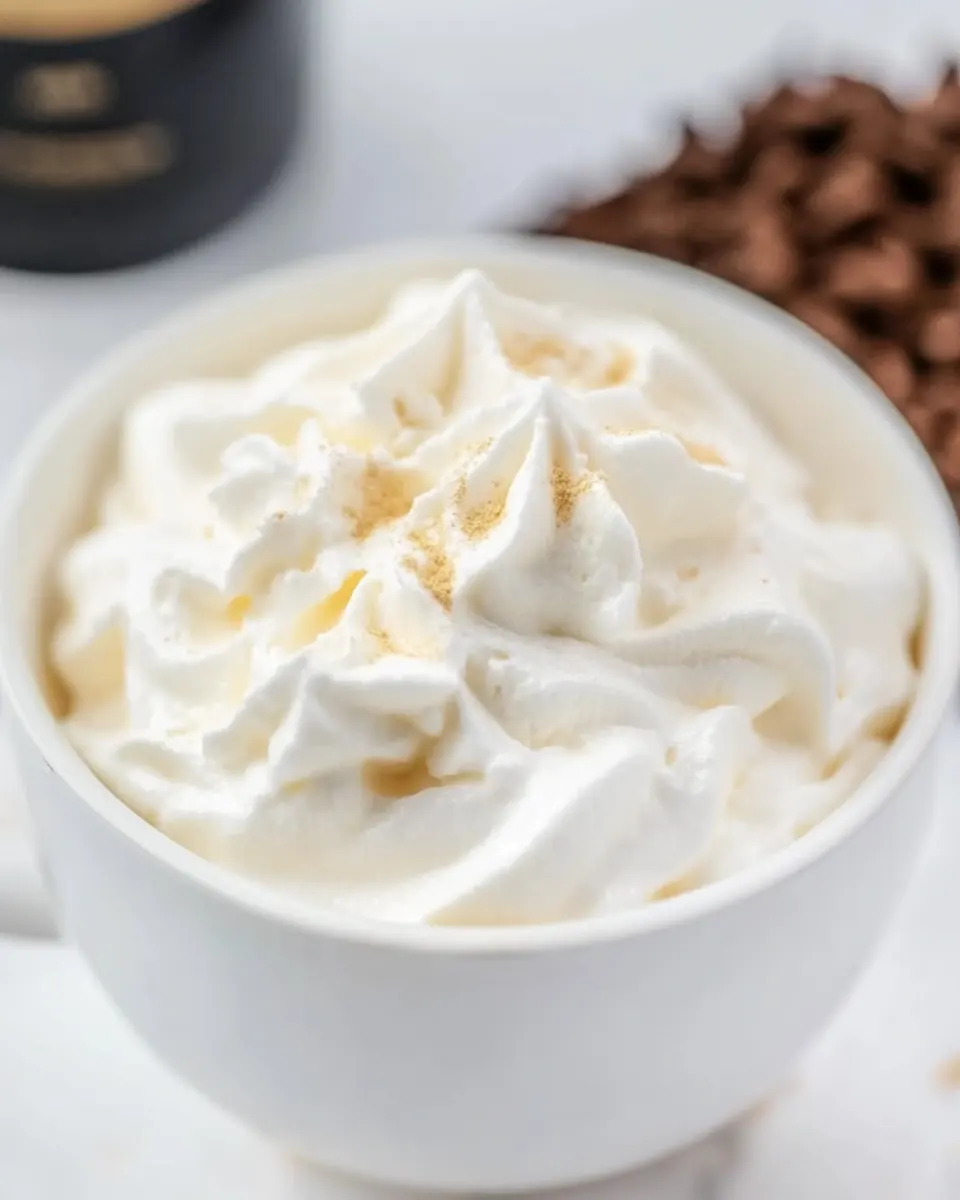
These ingredients work together to create a light, stable foam that still tastes rich. The key idea is a balance between fat and liquid, where the heavy whipping cream gives body and the 2% milk loosens the texture so the foam is silky. The vanilla coffee syrup brings sweetness and aromatic depth without watering down the coffee.
- 2 tablespoons heavy whipping cream: Provides rich, velvety texture and body to the cold foam, creating a luxuriously creamy mouthfeel that holds air when frothed. Enhances overall richness and helps stabilize the foam so it sits atop iced coffee without collapsing quickly.
- 1 tablespoon 2% milk: Adds lightness and a subtle dairy smoothness that balances the heavy cream, helping to create a stable yet airy foam. Contributes a mild, familiar milk flavor that keeps the foam from tasting overly rich.
- 1 tablespoon homemade vanilla coffee syrup or store bought: Imparts concentrated vanilla sweetness and aromatic depth, bringing the signature flavor profile to the sweet cream cold foam. Sweetens and flavors the foam efficiently so a small amount can elevate the entire beverage.
Cooking Method for Vanilla Sweet Cream Cold Foam
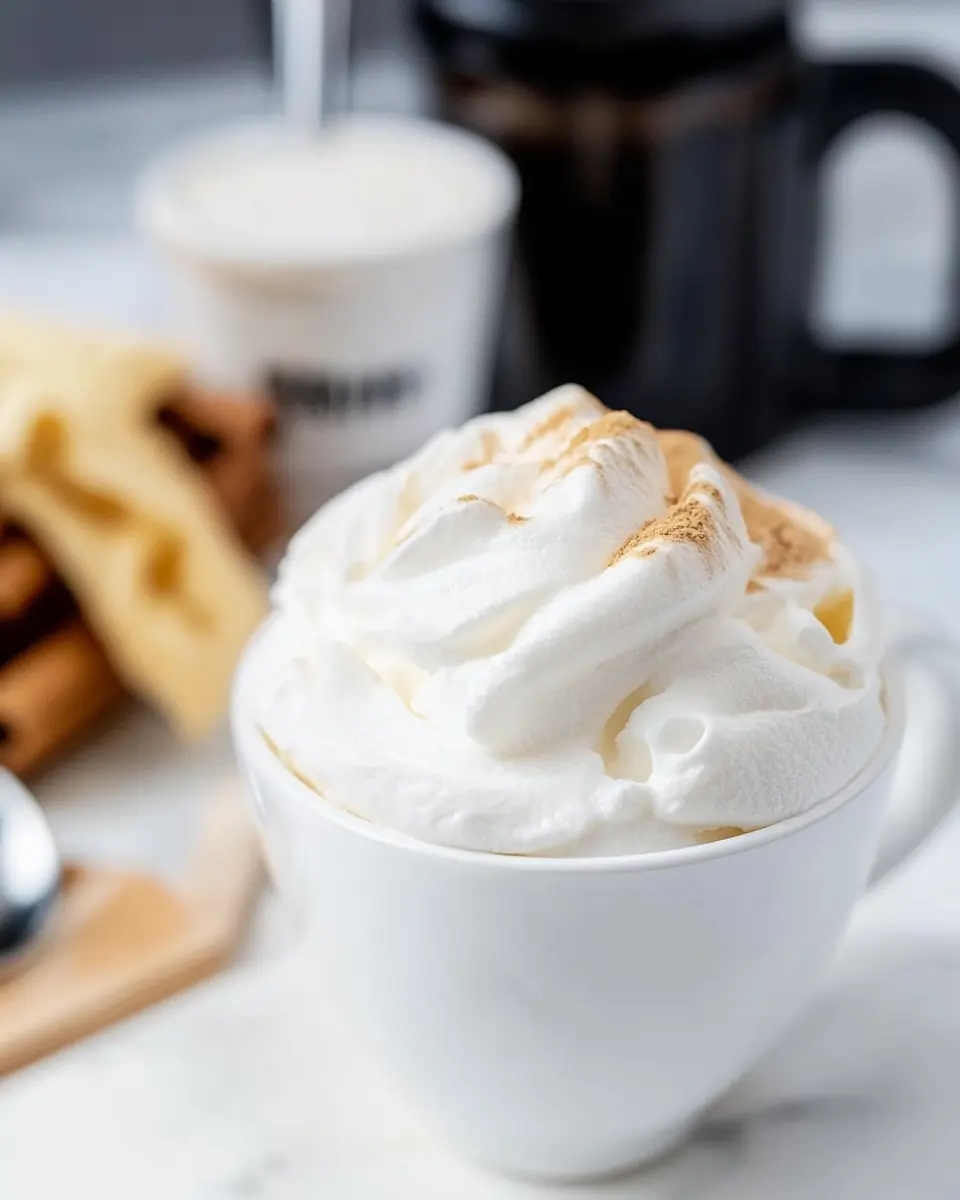
This method is quick and intuitive, designed for home baristas who want consistent results. I’ll walk you through sensory cues and troubleshooting to help you achieve froth with the right silkiness and stability. Keep your Milk Frother nearby and watch for visual changes, they tell you more than timing alone.
- Pour ingredients into a glass measuring cup and froth using a hand frother until you reach the desired thickness. Top iced coffee with cold foam.: You will first notice a gentle increase in volume, and soon the mixture will change from glossy to satin, signaling the right texture; the sound of the frother becomes steadier and slightly higher pitched. This step matters because it sets the foam structure that will rest on your coffee, giving a creamy top without collapsing. A common mistake is frothing too long, which creates overly stiff peaks that do not pour smoothly; stop when the foam is pillowy and holds soft peaks. Visually look for small, uniform bubbles and a sheen on the surface. If the foam seems too thin, try a slightly longer frothing burst rather than continuous whipping, letting it settle briefly and then finishing with short pulses. Smell will be subtly sweet and dairy forward, without a cooked scent which indicates overheating. If the frother drags or slows, pause and gently stir to redistribute the liquid, then resume in short bursts. Keep the frother just below the surface initially, then lower it as foam forms to incorporate air gradually, ensuring even, stable bubbles. The temperature should remain cool; if the container feels warm, stop and chill briefly. If your foam separates, it may be due to over dilution from a watery syrup or warm milk, so next time use cooler ingredients. When the foam barely holds a peak and has a creamy, velvety look, you are ready to top the coffee. This technique preserves the sweet vanilla aroma and yields an elegant finish that sits softly atop your iced drink.
- Top iced coffee with cold foam: As you spoon or pour the foam, notice how it floats and forms a gentle cap over the surface, often creating a clear line between coffee and cream; that visual contrast is what makes the drink feel made at a cafe. This step is key because the foam should remain separate at first, gradually melding with the coffee as you sip, giving layered flavor. A common problem is dumping the foam too forcefully which causes it to sink; instead, lower the measuring cup close to the glass and let the foam flow slowly. The initial scent will be sweet vanilla, and you may hear a soft settling sound as the foam meets the coffee. If the foam slides off or disperses immediately, it was likely too thin or the coffee was very warm; use colder coffee and slightly thicker foam next time. For a pretty finish, let the foam rest for a moment so the surface smooths, then drizzle a tiny amount of syrup if desired. The mouthfeel should be creamy up top, then reveal the chilled, brewed coffee beneath. Resist stirring vigorously if you want the layered experience, though a gentle fold with a straw blends everything beautifully. I like to observe the tiny beads forming where the foam meets the glass, as that indicates the right balance of air and fat.
Expert Tips about Vanilla Sweet Cream Cold Foam
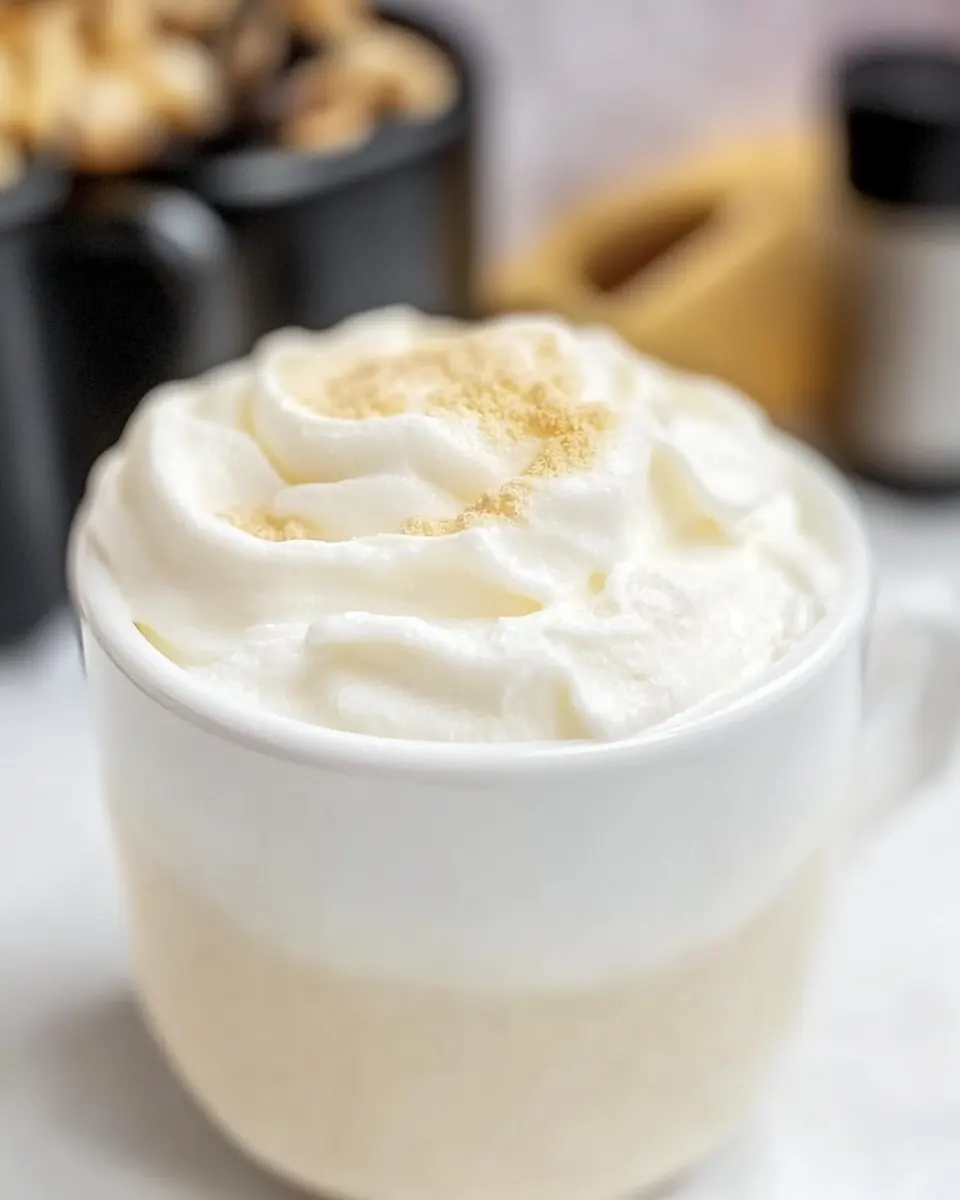
I like to keep the tips practical and focused on results you can taste and feel. These pointers will help you get cafe quality foam at home, even if you are new to frothing.
- Measure precisely: Using the exact proportions ensures a balanced foam that is both stable and pourable, so weigh or level tablespoons to keep consistency when scaling up.
- Keep it cold: Cold heavy whipping cream and 2% milk trap air better, yielding a silkier foam; room temperature liquids give softer, less stable results.
- Adjust sweetness carefully: Start with the recommended amount of homemade vanilla coffee syrup or store bought and add a touch more only if needed, because syrup intensity varies.
- Watch sensory cues: Listen for a change in the frother sound and look for a satin sheen, these signs tell you when to stop before overfrotting.
- Pulse rather than churn: Short bursts of frothing produce smaller, more uniform bubbles compared to continuous whipping which can create coarse foam.
How to Enjoy Vanilla Sweet Cream Cold Foam
This is all about savoring contrasts, textures, and simple presentation. I’ll describe ways to serve it, occasions it suits, and storage ideas so you can make the most of the foam.
- Classic iced coffee top: Spoon the foam gently over a glass of cold brewed or chilled espresso, letting the two layers remain distinct for a delightful visual and textural contrast.
- Brunch companion: Serve alongside light pastries or fruit for weekend brunch, the creamy foam pairs especially well with citrus or berry flavors and adds a bit of luxury to casual gatherings.
- Afternoon treat: Use the foam to elevate a simple iced latte for an afternoon pick me up, the sweetness and vanilla aroma make it feel indulgent without being heavy.
- Small batch entertaining: For a few guests, double or triple the ingredients and froth in short batches, then keep the extra foam chilled until you are ready to top drinks.
- Storage and prep: Store leftover foam in an airtight container in the fridge for up to a day; re-froth briefly before serving to restore texture and volume.
- Seasonal pairing: In summer serve over iced coffee with a wedge of citrus on the side, or in cooler months enjoy with darker roasts for a deeper flavor profile.
FAQ
Conclusion
Vanilla Sweet Cream Cold Foam stands out for its effortless ability to make a simple iced coffee feel elevated and special. Its creamy, airy texture and balanced vanilla sweetness create a layered drinking experience that is both comforting and light. I encourage you to try this recipe because it requires minimal equipment, a few pantry ingredients, and yields a cafe quality topping that transforms everyday coffee into a small celebration. Enjoy the ritual of frothing, savor the contrast between cold coffee and silky foam, and have fun adjusting sweetness to your taste.
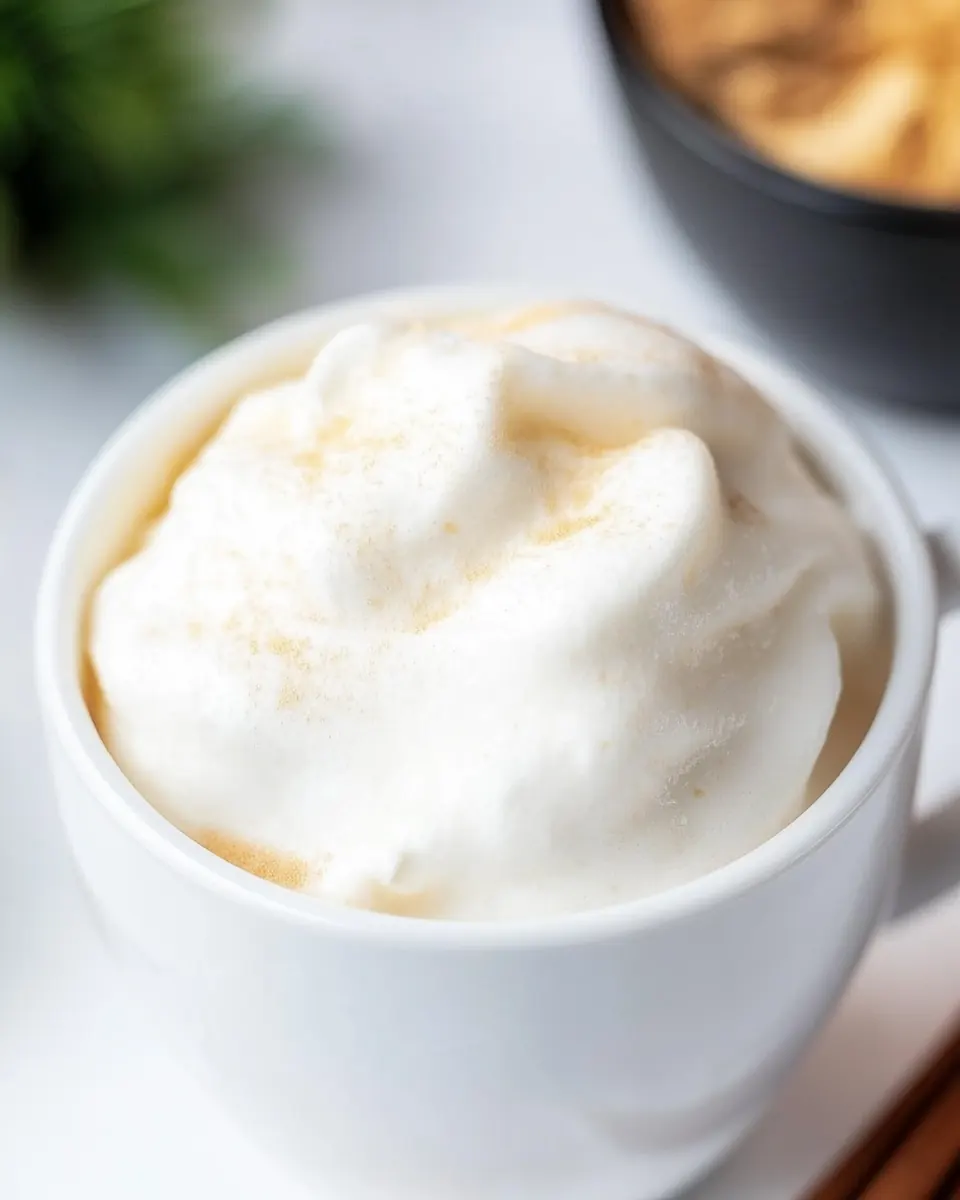
Vanilla Sweet Cream Cold Foam
Ingredients
Equipment
Method
- Pour ingredients into a glass measuring cup and froth using a hand frother until you reach the desired thickness. Top iced coffee with cold foam.: You will first notice a gentle increase in volume, and soon the mixture will change from glossy to satin, signaling the right texture; the sound of the frother becomes steadier and slightly higher pitched. This step matters because it sets the foam structure that will rest on your coffee, giving a creamy top without collapsing. A common mistake is frothing too long, which creates overly stiff peaks that do not pour smoothly; stop when the foam is pillowy and holds soft peaks. Visually look for small, uniform bubbles and a sheen on the surface. If the foam seems too thin, try a slightly longer frothing burst rather than continuous whipping, letting it settle briefly and then finishing with short pulses. Smell will be subtly sweet and dairy forward, without a cooked scent which indicates overheating. If the frother drags or slows, pause and gently stir to redistribute the liquid, then resume in short bursts. Keep the frother just below the surface initially, then lower it as foam forms to incorporate air gradually, ensuring even, stable bubbles. The temperature should remain cool; if the container feels warm, stop and chill briefly. If your foam separates, it may be due to over dilution from a watery syrup or warm milk, so next time use cooler ingredients. When the foam barely holds a peak and has a creamy, velvety look, you are ready to top the coffee. This technique preserves the sweet vanilla aroma and yields an elegant finish that sits softly atop your iced drink.
- Top iced coffee with cold foam: As you spoon or pour the foam, notice how it floats and forms a gentle cap over the surface, often creating a clear line between coffee and cream; that visual contrast is what makes the drink feel made at a cafe. This step is key because the foam should remain separate at first, gradually melding with the coffee as you sip, giving layered flavor. A common problem is dumping the foam too forcefully which causes it to sink; instead, lower the measuring cup close to the glass and let the foam flow slowly. The initial scent will be sweet vanilla, and you may hear a soft settling sound as the foam meets the coffee. If the foam slides off or disperses immediately, it was likely too thin or the coffee was very warm; use colder coffee and slightly thicker foam next time. For a pretty finish, let the foam rest for a moment so the surface smooths, then drizzle a tiny amount of syrup if desired. The mouthfeel should be creamy up top, then reveal the chilled, brewed coffee beneath. Resist stirring vigorously if you want the layered experience, though a gentle fold with a straw blends everything beautifully. I like to observe the tiny beads forming where the foam meets the glass, as that indicates the right balance of air and fat.
Notes
- Measure precisely: Using the exact proportions ensures a balanced foam that is both stable and pourable, so weigh or level tablespoons to keep consistency when scaling up.
- Keep it cold: Cold heavy whipping cream and 2% milk trap air better, yielding a silkier foam; room temperature liquids give softer, less stable results.
- Adjust sweetness carefully: Start with the recommended amount of homemade vanilla coffee syrup or store bought and add a touch more only if needed, because syrup intensity varies.
- Watch sensory cues: Listen for a change in the frother sound and look for a satin sheen, these signs tell you when to stop before overfrotting.
- Pulse rather than churn: Short bursts of frothing produce smaller, more uniform bubbles compared to continuous whipping which can create coarse foam.