Maple Walnut Vegan Fudge
Maple Walnut Vegan Fudge is the kind of treat I reach for when I want something sweet that still feels wholesome and a little bit fancy. The first time I made this, I was hosting a small autumn tea and wanted a bite that would travel well in a tin, keep on the counter, and charm guests who said they did not usually eat vegan sweets. It worked, and the combination of maple and toasted walnuts became the thing people kept coming back to.
My kitchen smells like toasted nuts and warm maple syrup whenever I make this. I love how the texture is firmly sliceable out of the freezer, yet yields to a tender bite that melts on the tongue. Over the years I have adjusted the balance so the fudge is never cloying, and the small crunchy pockets of sunflower seeds and cacao nibs are a playful contrast.
I often pack a few squares in my bag for a hike, or nestle them into a dessert plate for an impromptu get together. There is something almost ritualistic about letting the fudge sit for a few minutes after removing it from the freezer, so the edges relax and the flavors settle. Every time I hand someone a piece I admit I feel a little proud that something so simple can taste so layered.
Recipe Snapshot
15 mins
10 mins
5 mins
Easy
150 kcal
American
Paleo, Gluten-Free
Desserts
Small saucepan, 9 x 5 loaf pan, Parchment paper, Spatula, Sharp knife
Why This Maple Walnut Vegan Fudge Is So Good
Rich, honest ingredients that sing together
I love that Maple Walnut Vegan Fudge relies on pantry staples that still feel elevated. The combination of creamy sunflower butter and pure maple syrup creates a base that is both silky and naturally sweet, while the toasted walnuts and crunchy seeds add texture. I find this contrast makes each bite interesting and keeps you reaching for another square.
Comforting texture without dairy
What stands out to me is the way this fudge manages to be firm enough to slice, but soft enough to melt when you bite it. Using sunflower butter instead of dairy creates a smooth mouthfeel, and chilling the fudge ensures the right sliceable consistency. I appreciate desserts that don’t feel greasy, and this one hits that sweet spot.
Simple method, impressive results
I often cook for friends who are surprised by how few steps are involved. This recipe asks you to gently warm and combine, then chill. Those minimal actions yield something that looks like you spent hours on it, and that always earns extra praise at my table. I enjoy recipes that let technique shine without overcomplication.
Flexible for snacks and gifts
I keep this on hand for last minute hostess gifts and for lunches. The fudge keeps well in the freezer, so I can make a batch and portion it out. When I give it away, people often comment on the balance of sweet and nutty flavors, which makes me feel like I am sharing something thoughtful, not just sugary.
Satisfies a range of diets
Because it is vegan and grain free, I often make this when I want a dessert that will work for a mixed crowd. I enjoy knowing that a single batch can please friends who avoid dairy or gluten without anyone feeling like they are missing out. That versatility is a major reason I keep this recipe bookmarked.
What to Gather for Maple Walnut Vegan Fudge
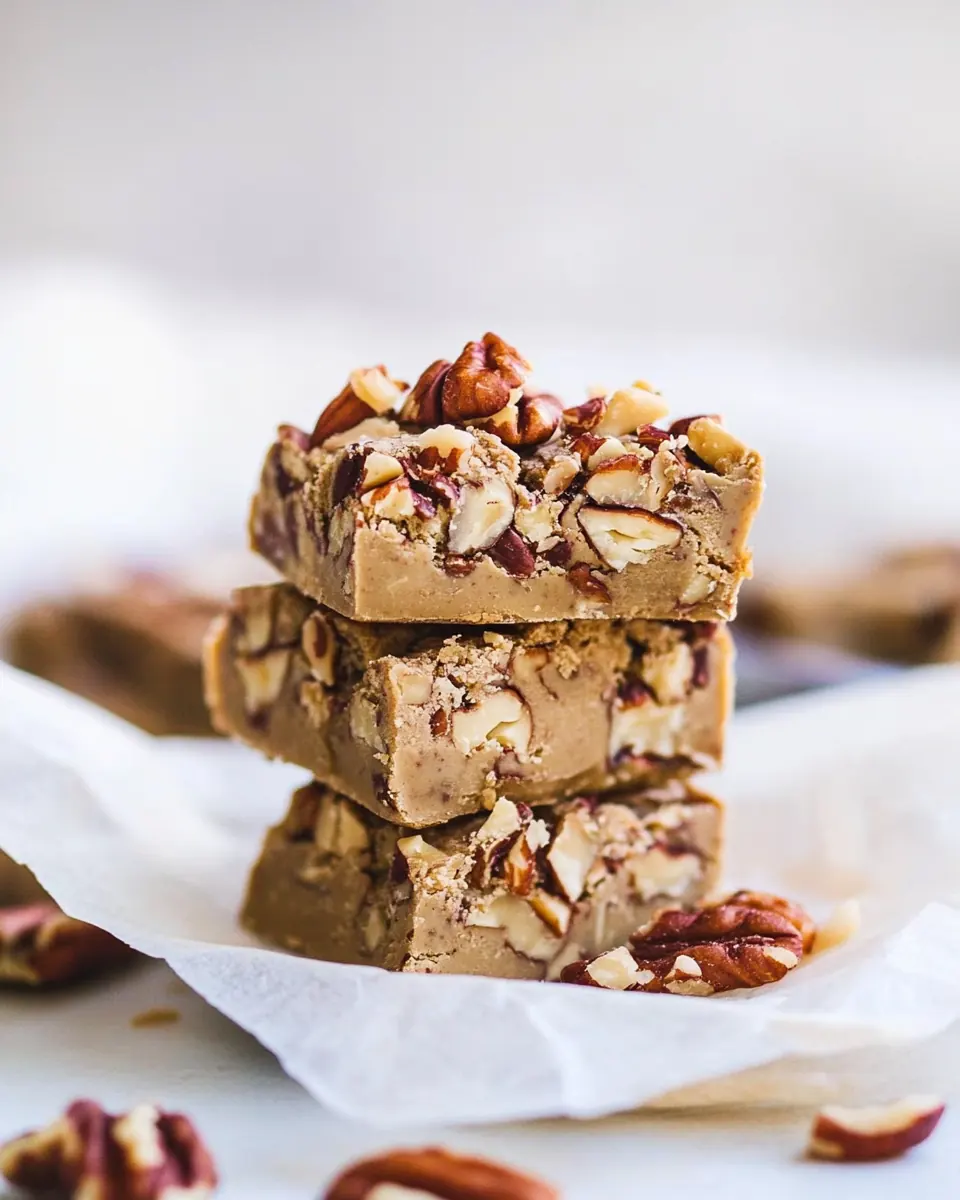
These ingredients are intentionally short and pantry friendly. The recipe centers on a creamy nut butter base sweetened with pure maple, while spices and crunchy toppers elevate the texture. Each item plays a clear role: the base creates structure, the syrup sweetens and binds, the walnuts contribute texture and toasty flavor, and the toppings bring pops of contrast.
- 1 cup unButter Organic Sunflower Butter: Creamy and rich, provides the primary nut-butter base and binds the fudge while contributing a mild, roasted sunflower flavor. Adds healthy fats and a smooth texture that helps the confection set without dairy. Works well for those avoiding peanuts and soy, offering a neutral canvas for maple and spices.
- 1/2 cup pure maple syrup or honey: Sweet and fluid, serves as the main sweetener and helps achieve a chewy, fudgy consistency while caramelizing slightly for depth. Balances the nuttiness and spices and preserves moisture so the fudge remains soft. Can be swapped with honey if not strictly vegan, offering similar sweetness and texture.
- 3/4 teaspoon ground cinnamon: Warm and aromatic, adds a gentle spice note that enhances the maple and walnut flavors without overpowering the fudge. Contributes subtle complexity and a comforting fall-like character to each bite. Helps balance sweetness with a hint of spice.
- 1/4 teaspoon freshly grated nutmeg (optional): Fragrant and slightly sweet, provides aromatic depth and a warm, nutmeg complexity when included; optional for those who prefer a simpler spice profile. Uses freshly grated nutmeg to deliver brighter, more nuanced flavor than pre-ground forms. Enhances the overall seasonal spice blend when combined with cinnamon.
- 2/3 cup raw walnuts chopped: Crunchy and toasty, introduces texture contrast and a deep, buttery walnut flavor that complements the sunflower butter and maple. Chopped raw walnuts add visual appeal and nutty richness, contributing healthy omega fats and protein. Can be folded into the batter or used as a mix-in or topping for added bite.
- 1 teaspoon pure vanilla extract: Floral and aromatic, delivers a rounded vanilla undertone that elevates the sweetness and ties together the nut and spice flavors. Enhances overall perception of sweetness without adding sugar and adds a subtle caramel-like note. A small amount amplifies other flavors for a more polished finish.
- Sunflower Seeds: Crunchy and mild, contributes extra texture and a subtle nutty taste while boosting nutritional value with vitamin E and healthy fats. Works well as a topping or mixed in to provide pleasant bite and visual contrast. Complements the sunflower butter base with a light, seed-driven crunch.
- Sesame seeds: Toasty and slightly savory, offers a delicate crunch and a toasted flavor that pairs well with nuts and sweet elements in the fudge. Adds visual interest and a nutty note from the sesame oils, enhancing overall mouthfeel. Can be sprinkled on top for garnish or stirred in for uniform texture.
- Cacao nibs: Bitter and crunchy, supplies deep chocolatey notes and intense flavor bursts that cut through sweetness and add sophisticated complexity. Adds textural contrast and a slightly roasted note that pairs beautifully with maple and walnuts. Works best when used sparingly as a garnish or mix-in for flavor pops.
- Raw walnuts chopped: Rich and earthy, repeats an additional crunchy walnut component to further reinforce nutty flavor and texture in the fudge. Provides more substantial bites and enhances the overall nut profile when used both inside and as a topping. Helps create layered texture with creamy sunflower butter and maple.
Directions for Maple Walnut Vegan Fudge
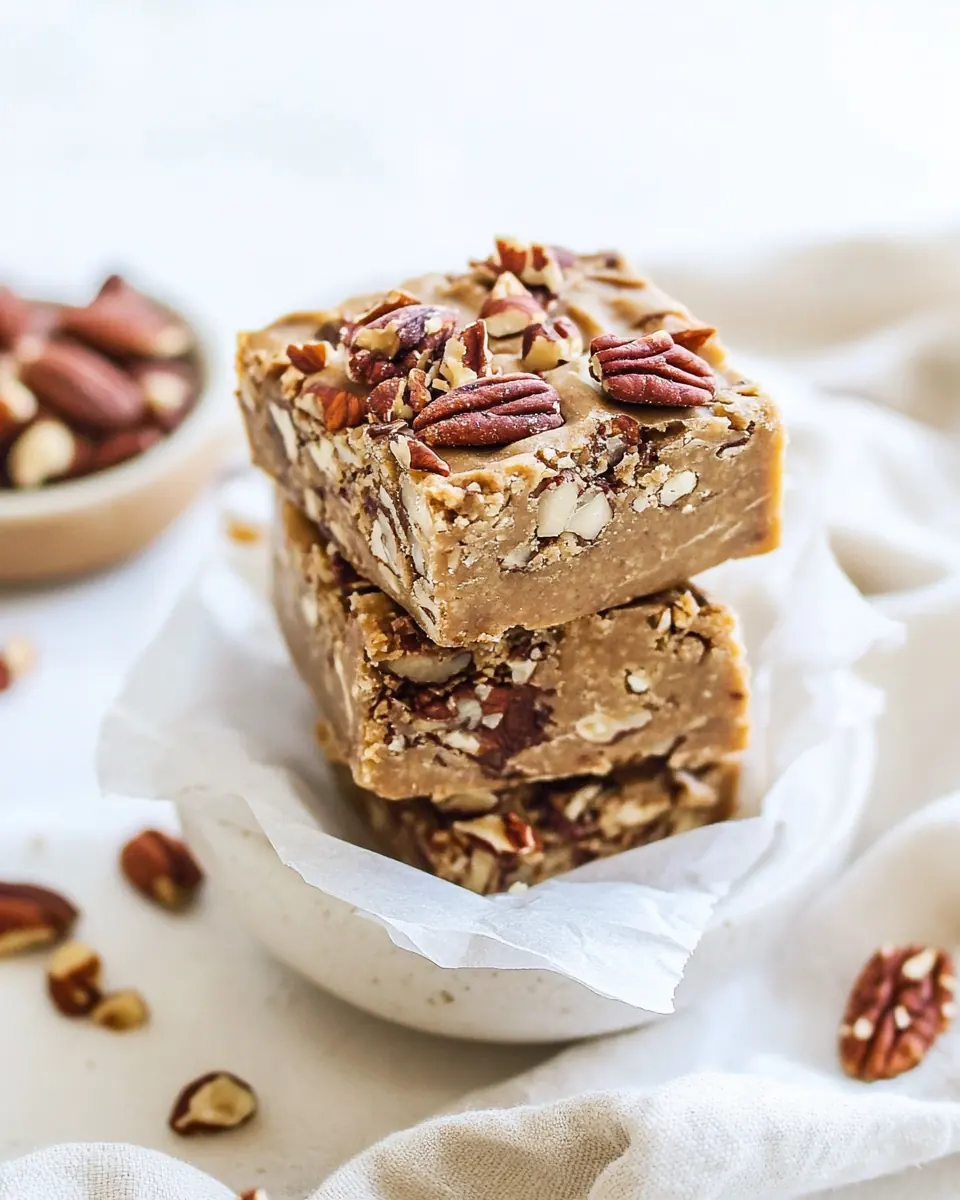
This is a short, methodical process that relies on warm, steady hands and a forgiving chill. You will combine, heat just enough to marry the ingredients, press into a pan, and then wait while the magic happens in the freezer. Patience at the chilling stage rewards you with clean slices and ideal texture.
- Line a 9” x 5” loaf pan with parchment paper.: The scent of clean paper and the smooth feel of the pan set the tone for careful assembly. Lining the pan ensures the fudge releases cleanly, so you get tidy squares rather than a crumbly mess. Make sure the parchment extends over the edges so you can lift the block out easily once frozen. A common mistake is using a pan that is too large, which yields pieces that are too thin, or too small, which causes overflow. Smooth the paper tightly into each corner so the mixture makes even contact and there are no air pockets that could create uneven thickness.
- Add all of the ingredients for the fudge to a small saucepan and heat over medium, stirring constantly, just until all ingredients are well-combined, and the mixture is very thick.: When you first start to warm the mixture you will smell the bright maple and the roasted notes of the sunflower butter . The sound is gentle and steady as you stir, and the mixture will loosen before it thickens; be patient and keep the motion consistent to prevent scorching. The goal is a glossy, cohesive batter that pulls away slightly from the sides of the pan. This technique matters because overheating will thin the mixture and make the set soft, while underheating prevents proper binding. One troubleshooting tip is to use medium rather than high heat, and if you notice any smoking or burning odor, remove the pan from the heat immediately and lower the temperature. Stir until you feel the mixture gaining body, and the spoon leaves a trail that slowly fills in.
- Transfer the fudge mixture to the prepared loaf pan and smooth into an even layer.: The moment you pour the warm batter into the lined pan the aroma will deepen and you will notice a glossy sheen. Use a spatula to coax the batter into corners and ensure the surface is level; this helps the fudge set uniformly so every square looks and bites the same. Press gently so the mixture reaches every corner, but avoid overworking it which can incorporate air pockets that lead to holes in the finished fudge. A common error is leaving the surface uneven, which causes some pieces to be too thick and others too thin. Once smoothed, tap the pan lightly on the counter to release trapped air bubbles, watching them rise and pop, which signals a smoother final texture.
- Sprinkle fudge with sunflower seeds, sesame seeds, cacao nibs, and chopped walnuts. Gently press the toppings into the fudge. Freeze (uncovered) for 2 hours, or until fudge has solidified.: As you scatter the toppings across the warm surface, you will see the contrast between glossy batter and matte seeds and nuts. Pressing them in firmly ensures they will stay attached after freezing. The freezer cools the mixture evenly, locking in the shape and creating a firm block that slices cleanly. One important why here is that freezing sets the oil-rich base so it holds together; chilling in the refrigerator may not produce the same firmness. A common mistake is wrapping the pan while warm, which traps condensation and creates icy spots. Freeze uncovered for the recommended time, and resist the urge to cut too early, as looser texture will smear when you slice.
- When ready to serve, allow fudge to thaw 10 to 15 minutes, then cut into small squares using a sharp knife. Store fudge in a sealed container or bag in the freezer or refrigerator.: After the freeze the first thing you will notice is a firmer, almost velvety surface that gives slightly when pressed. Allowing a short thaw softens the edges so the knife slides through without cracking the pieces. Use a sharp knife warmed under hot water and wiped dry between cuts for the cleanest slices. The smell at this point is concentrated, and the textural contrast between smooth interior and crunchy toppings becomes obvious. For storage, keeping the fudge in an airtight container prevents freezer burn and preserves aroma; a common pitfall is leaving it exposed, which dulls the flavor and texture. If you store in the refrigerator, expect a slightly softer bite, while the freezer keeps them firm and sliceable for longer periods.
Ways to Customize
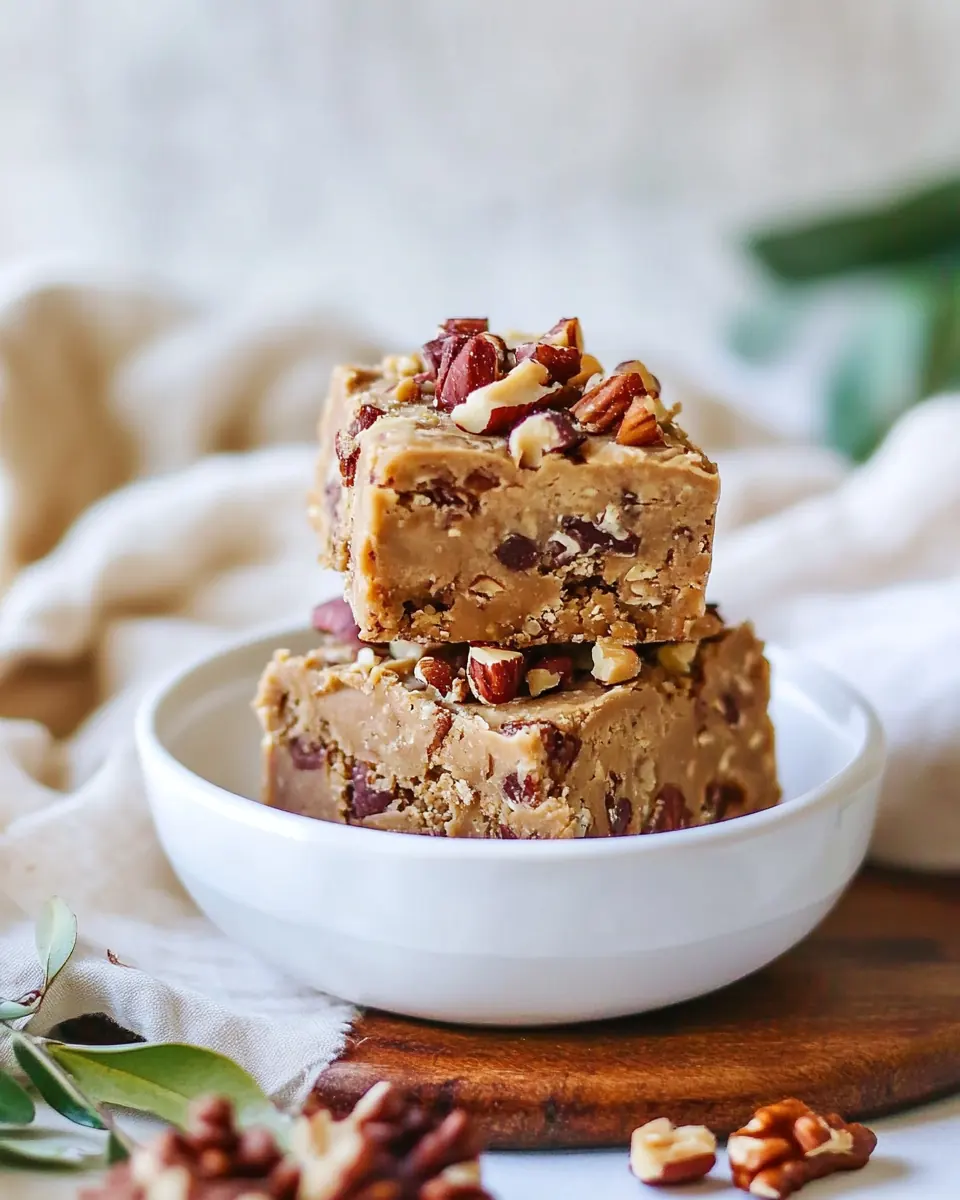
This fudge is a wonderful platform for small tweaks that alter texture, flavor, and presentation. Below I offer detailed ideas you can try while preserving the recipe’s spirit. Each tip begins with a short bold lead to highlight the approach.
- Swap the topping ratios: Try using more sunflower seeds and fewer walnuts if you prefer extra crunch without heavy nut density. Adjusting the balance changes mouthfeel and can make the squares feel lighter, especially for those who enjoy a seed forward bite.
- Toast seeds and nuts: Lightly toasting the sunflower seeds and the chopped walnuts brings forward toasty, caramelized notes that play nicely with the maple. Do this in a dry pan over medium heat, shaking frequently to avoid burning, and remove as soon as they are fragrant.
- Vary the spice level: Increase the ground cinnamon slightly if you like warm spice, or omit the nutmeg if you prefer a simpler flavor. Small changes to the spice mix can tailor the fudge to your seasonal preferences without changing texture.
- Make bite sized pieces: After freezing, cut the fudge into smaller squares for easier snacking or gifting. Smaller pieces change the eating experience by offering a quick, satisfying nibble rather than a lingering chew.
- Presentation upgrades: Press larger walnut halves on top for a rustic look, or sprinkle seeds in a pattern for a polished finish. Visual details make the fudge feel more special when served to guests or packaged as a gift.
Serving Ideas for Maple Walnut Vegan Fudge
This fudge is versatile for casual snacking and special occasions. Below I describe several serving approaches, storage tips, and ideal pairings so you can present it confidently. Think seasonal and practical when planning how to offer it to friends and family.
- Casual snack plate: Arrange small squares on a simple platter with a few whole walnuts as garnish, that invites guests to graze without utensils and lets the toppings be visible for texture contrast.
- Gift packaging: Wrap several chilled squares in wax paper and place them in a small box for gifting, that keeps them neat and makes a thoughtful homemade present for holidays or thank yous.
- After dinner treat: Offer two squares with a cup of strong coffee for a balanced finish to a meal, that pairs the fudge’s sweetness with bitter coffee notes and provides a satisfying cadence to dessert.
- Party platter: Include the fudge among other small sweets for a dessert board, that creates variety in texture and flavor and makes it easy for guests to try small samples of different items.
- Storage tips: Store in an airtight container in the freezer for longest shelf life, or in the refrigerator for a softer bite. Label the container with the date so you use the oldest supplies first, and keep pieces separated with parchment to prevent sticking.
- Seasonal pairing: Serve during autumn gatherings to echo seasonal flavors, that complements warm spices and toasted nuts commonly found in fall desserts and adds a homemade charm to holiday tables.
FAQ
Conclusion
Maple Walnut Vegan Fudge stands out because it combines simple, wholesome ingredients into a treat that is both elegant and approachable. The balance of creamy sunflower butter, rich maple syrup, and crunchy walnuts makes for a satisfyingly textured bite that appeals to many dietary preferences. Give it a try the next time you want a make-ahead dessert or a homemade gift; it freezes beautifully and travels well. I hope you enjoy sharing it as much as I do, and that it earns a special place in your dessert rotation.
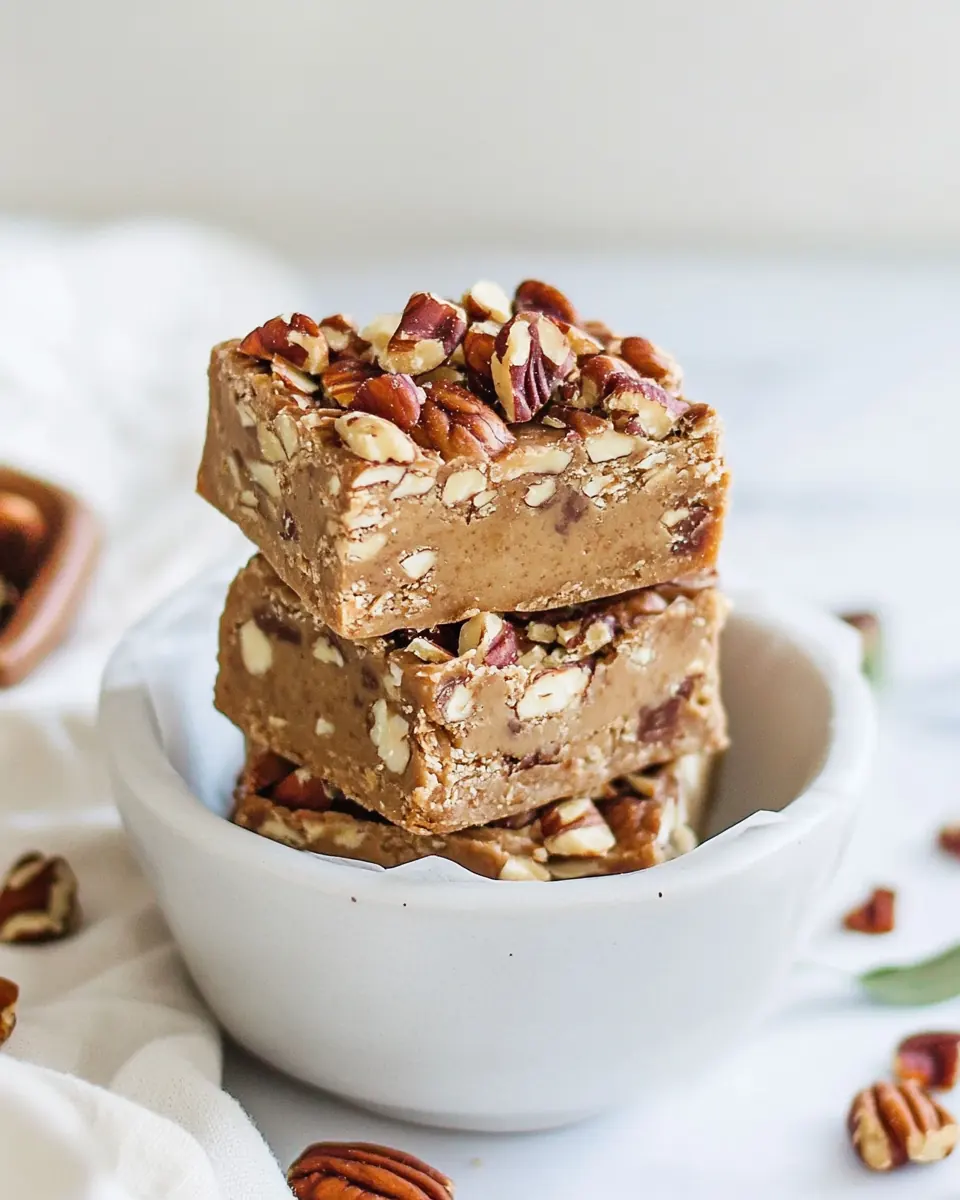
Maple Walnut Vegan Fudge
Ingredients
Equipment
Method
- Line a 9” x 5” loaf pan with parchment paper.: The scent of clean paper and the smooth feel of the pan set the tone for careful assembly. Lining the pan ensures the fudge releases cleanly, so you get tidy squares rather than a crumbly mess. Make sure the parchment extends over the edges so you can lift the block out easily once frozen. A common mistake is using a pan that is too large, which yields pieces that are too thin, or too small, which causes overflow. Smooth the paper tightly into each corner so the mixture makes even contact and there are no air pockets that could create uneven thickness.
- Add all of the ingredients for the fudge to a small saucepan and heat over medium, stirring constantly, just until all ingredients are well-combined, and the mixture is very thick.: When you first start to warm the mixture you will smell the bright maple and the roasted notes of the sunflower butter . The sound is gentle and steady as you stir, and the mixture will loosen before it thickens; be patient and keep the motion consistent to prevent scorching. The goal is a glossy, cohesive batter that pulls away slightly from the sides of the pan. This technique matters because overheating will thin the mixture and make the set soft, while underheating prevents proper binding. One troubleshooting tip is to use medium rather than high heat, and if you notice any smoking or burning odor, remove the pan from the heat immediately and lower the temperature. Stir until you feel the mixture gaining body, and the spoon leaves a trail that slowly fills in.
- Transfer the fudge mixture to the prepared loaf pan and smooth into an even layer.: The moment you pour the warm batter into the lined pan the aroma will deepen and you will notice a glossy sheen. Use a spatula to coax the batter into corners and ensure the surface is level; this helps the fudge set uniformly so every square looks and bites the same. Press gently so the mixture reaches every corner, but avoid overworking it which can incorporate air pockets that lead to holes in the finished fudge. A common error is leaving the surface uneven, which causes some pieces to be too thick and others too thin. Once smoothed, tap the pan lightly on the counter to release trapped air bubbles, watching them rise and pop, which signals a smoother final texture.
- Sprinkle fudge with sunflower seeds, sesame seeds, cacao nibs, and chopped walnuts. Gently press the toppings into the fudge. Freeze (uncovered) for 2 hours, or until fudge has solidified.: As you scatter the toppings across the warm surface, you will see the contrast between glossy batter and matte seeds and nuts. Pressing them in firmly ensures they will stay attached after freezing. The freezer cools the mixture evenly, locking in the shape and creating a firm block that slices cleanly. One important why here is that freezing sets the oil-rich base so it holds together; chilling in the refrigerator may not produce the same firmness. A common mistake is wrapping the pan while warm, which traps condensation and creates icy spots. Freeze uncovered for the recommended time, and resist the urge to cut too early, as looser texture will smear when you slice.
- When ready to serve, allow fudge to thaw 10 to 15 minutes, then cut into small squares using a sharp knife. Store fudge in a sealed container or bag in the freezer or refrigerator.: After the freeze the first thing you will notice is a firmer, almost velvety surface that gives slightly when pressed. Allowing a short thaw softens the edges so the knife slides through without cracking the pieces. Use a sharp knife warmed under hot water and wiped dry between cuts for the cleanest slices. The smell at this point is concentrated, and the textural contrast between smooth interior and crunchy toppings becomes obvious. For storage, keeping the fudge in an airtight container prevents freezer burn and preserves aroma; a common pitfall is leaving it exposed, which dulls the flavor and texture. If you store in the refrigerator, expect a slightly softer bite, while the freezer keeps them firm and sliceable for longer periods.
Notes
- Swap the topping ratios: Try using more sunflower seeds and fewer walnuts if you prefer extra crunch without heavy nut density. Adjusting the balance changes mouthfeel and can make the squares feel lighter, especially for those who enjoy a seed forward bite.
- Toast seeds and nuts: Lightly toasting the sunflower seeds and the chopped walnuts brings forward toasty, caramelized notes that play nicely with the maple. Do this in a dry pan over medium heat, shaking frequently to avoid burning, and remove as soon as they are fragrant.
- Vary the spice level: Increase the ground cinnamon slightly if you like warm spice, or omit the nutmeg if you prefer a simpler flavor. Small changes to the spice mix can tailor the fudge to your seasonal preferences without changing texture.
- Make bite sized pieces: After freezing, cut the fudge into smaller squares for easier snacking or gifting. Smaller pieces change the eating experience by offering a quick, satisfying nibble rather than a lingering chew.
- Presentation upgrades: Press larger walnut halves on top for a rustic look, or sprinkle seeds in a pattern for a polished finish. Visual details make the fudge feel more special when served to guests or packaged as a gift.