Lamb Shank Tagine
Lamb Shank Tagine has been one of those recipes that always slows me down in the best way, pulling me into the kitchen to fuss over aromas and textures as if time were a luxury I could buy.
I first met this dish on a cold winter evening when a friend from Marrakech cooked for a small group of us, and the house filled with warm, exotic spice notes that felt like a hug. The meat was falling from the bone, the sauce was deep and almost sweet from the dried fruit, and that preserved lemon rind cut through the richness like a bright idea. From that night forward I chased that balance of tender lamb shanks, fragrant spices, and glossy fruit until I made a version that worked for my oven and my family. I love how the contrast between savory and sweet tells a story in every bite, and how a long, slow cook can transform simple pantry items into something ceremonious.
Over the years I tweaked the spice mix and the cooking rhythm so that the dish is forgiving yet dramatic. I learned that taking time to sear the lamb shanks and then letting the sauce bubble very gently in the oven makes all the difference to texture and depth. Serving it in a tagine or an earthenware vessel feels theatrical, but the real magic is practical, it’s about coaxing the maximum flavor without complicated steps. When I serve Lamb Shank Tagine now, friends lean in, ask about the spices, and often request the recipe, which always makes me grin. There is comfort and surprise here, and it rewards the patience you invest in it.
Recipe Snapshot
3 hr 35 mins
10 mins
205 mins
Hard
450 kcal
Mediterranean
Gluten-Free, Paleo
Dinner
Large pan, Oven, Lid, Tajine or earthenware serving vessel
What We Adore About This Lamb Shank Tagine
Slow cooked depth
I adore how the long cook time creates a sauce that tastes like many meals layered into one. With Lamb Shank Tagine, the low oven heat transforms collagen in the lamb shanks into silk, giving you mouthcoating richness without heaviness. I often start the day before and let it braise until the meat is so tender a fork slides through. That gentle, persistent heat is the secret to texture, and if you rush it you lose that velvet finish.
Spice harmony
The spice blend here, led by ras el hanout and balanced with ground cinnamon, ground ginger, smoked sweet paprika, and ground cumin, gives the sauce complexity without competing flavors. I find each spice plays a role, some adding warmth, others adding earth or a whisper of smoke. Layering spices early and then letting them marry in the braise produces a rounded, integrated flavor.
Sweet and savory contrast
Including stainless dried prunes and stoneless dried dates provides natural sweetness that offsets the savory stock and meat. I love the way a forkful alternates between tender meat and the jammy fruit, the preserved lemon rind adding bright, saline notes. This push and pull keeps the palate interested and makes the dish feel celebratory, yet grounded.
Textural variety and plating
There is a lot going on texturally, from the fall apart lamb shanks to the stewy kidney beans, soft potato pieces, and snapped baby carrots. I like plating it with a generous spoonful of sauce so every bite is saucy and fragrant. The garnish of thinly sliced shallots adds a gentle crunch and a fresh oniony note that lifts the final dish.
Entertaining drama, without fuss
This dish looks like a feast but it really asks for steady, simple steps, making it perfect for dinner parties. I often make it ahead, reheat gently, and let the flavors settle, which only improves the final result. The combination of approachable technique and spectacular results is why I keep coming back to Lamb Shank Tagine.
Ingredient List for Lamb Shank Tagine
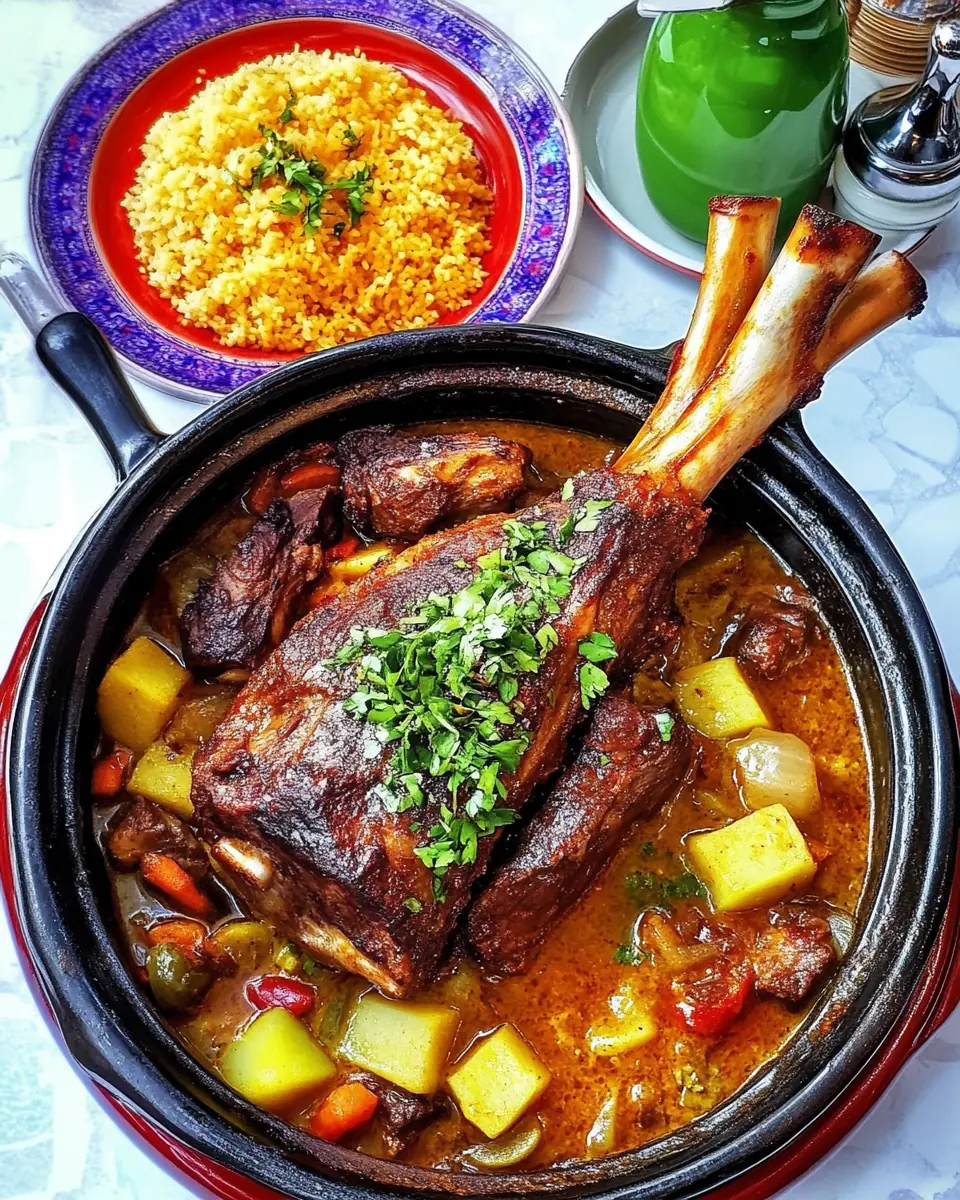
These ingredients are chosen to build layered flavor and comforting texture. The key players are the lamb shanks for slow cooked richness, the North African spice blend for aromatic warmth, and the dried fruit and preserved lemon rind for sweet and bright contrast. Together they create a sauce that is both hearty and elegant, capable of coating couscous or rustic bread.
- 6 pieces lamb shanks: Braise slowly to render rich collagen and provide the dish's meaty, gelatinous foundation; cook until tender so flavors infuse and the sauce thickens around the shanks.
- 1 teaspoon ras-el-hanout: Season aromatically to introduce North African warmth and complexity; blend with other spices to form the tagine's signature layered spice profile.
- 1/2 teaspoon ground cinnamon: Warm subtly to add sweet, woody depth and a hint of warmth; complement other spices and enhance the lamb's savory character when browned and simmered.
- 1/2 teaspoon ground ginger: Brighten with peppery heat and floral notes to lift the spice mix; integrate into the rub so the ginger's warmth balances sweeter elements.
- 1/2 teaspoon smoked sweet paprika: Contribute smoky-sweet depth and color to the spice blend; pair with cumin and paprika to create a rounded, slightly smoky background.
- 1/2 teaspoon ground cumin: Anchor the spice blend with earthy, warm, slightly bitter notes; support the meat's savory flavors and interact well with saffron and cinnamon.
- 1/4 teaspoon freshly ground black pepper: Season with sharp, aromatic bite to balance richer spices; add near the start of cooking so pepper's pungency mellows and disperses evenly.
- 1/4 teaspoon ground turmeric: Impart subtle earthiness and vibrant color while offering a faintly bitter, warm note; help tie together the aromatic profile and complement the saffron.
- 3 tablespoons olive oil: Sauté or drizzle to provide fruity richness and help brown aromatics; act as the cooking fat that carries flavor and creates a glossy sauce.
- 2 onions thickly sliced: Sweat and caramelize to form a sweet, savory base; release natural sugars that deepen the tagine's overall flavor and thicken the sauce.
- 2 garlic cloves peeled, finely chopped: Mince and release pungent, savory aromatics that brighten the stew; infuse the stock with garlicky depth during braising.
- 1/2 teaspoon saffron: Steep to lend floral, slightly honeyed luxury and enhance color; add early so saffron blossoms and perfumes the cooking liquid.
- 1 litre lamb stock: Simmer to create a deeply flavored braising liquid that enriches the meat; provide savory, concentrated notes that meld with the spice mix.
- 10 grams chermoula: Blend or spoon in to introduce herbaceous, garlicky, and tangy accents; punctuate the stew with bright North African chermoula character.
- 100 grams stoneless dried prunes: Rehydrate gently to deliver chewy sweetness and concentrated fruit flavors; balance the savory meat with sticky, caramel-like notes.
- 100 grams stoneless dried dates: Soften and sweeten while adding caramelized, fruity undertones; pair with prunes to create a layered dried-fruit contrast to the lamb.
- salt to taste: Season at the end to adjust overall saltiness and enhance all flavors; taste as you go to ensure balanced seasoning in the finished tagine.
- 2 preserved lemons rind only, chopped: Add zesty, preserved citrus brightness from the peel to cut through richness; stir in to provide salty-tangy counterpoint and aromatic lift.
- 50 grams kidney beans soaked for 8 hours in warm water: Soak and cook to provide tender, earthy beans that add body and a creamy texture; absorb the braising flavors while contributing protein and heft.
- 100 grams small desiree potato cut into 4: Simmer to offer starchy, slightly waxy bites that soak up sauce; contribute textural contrast and help make the dish more substantial.
- 100 grams baby carrots: Cook until tender to introduce sweet, crunchy vegetable notes and color; act as a complementary root vegetable that pairs well with lamb.
- 10 grams shallots: Finely chop to add delicate oniony sweetness and a subtle burst of flavor; use as a finishing aromatic or gentle flavor enhancer during cooking.
Putting Together Lamb Shank Tagine
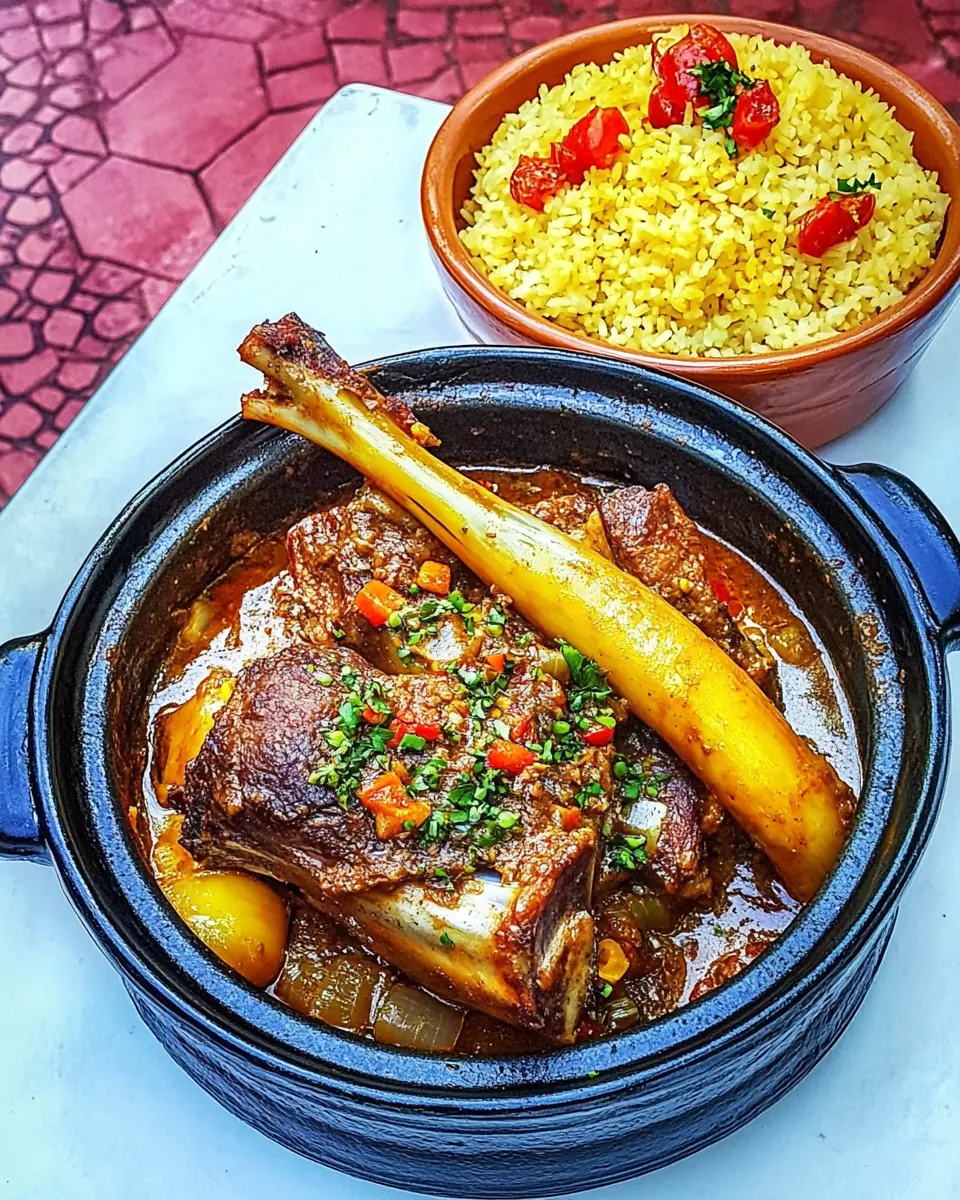
Bringing this dish together is about layering techniques and patience, with each action adding a new depth of flavor. I like to move deliberately, searing, building the sauce, and then letting the oven do most of the work while I prepare sides and set the table.
- Preheat the oven to 160 °C/315 °F.: As the oven warms you will smell the faint dry heat, which signals an even, low temperature perfect for long braises. This steady oven prevents the meat from drying and encourages collagen to become gelatin for tender results. A common mistake is setting the oven too hot which speeds cooking but yields drier meat and a thinner sauce, so trust the low heat and allow time for gentle transformation.
- Mix the ras-el-hanout, ground cinnamon, ground ginger, smoked sweet paprika, ground cumin, prunes, freshly ground black pepper and ground turmeric together in a bowl.: The combined aroma will be a heady mix of warm spice and sweet dried fruit, creating the foundation for the sauce's complexity. Crushing and blending these spices lets their oils bloom, ensuring even distribution across the lamb shanks . Avoid adding salt until later, as it can draw moisture out and tighten the meat prematurely.
- Heat a large pan until smoking hot, then add a tablespoon of the olive oil and sear the lamb shanks on all sides until golden-brown all over. Remove the lamb shanks and set aside.: The sound of searing and the rising caramelized scent indicate the Maillard reaction, which builds deeply savory flavors. Searing locks in surface flavors that later dissolve into the braise, creating savory crust notes. Do not overcrowd the pan because the meat will steam instead of sear, leading to pale, less flavorful surfaces.
- In the same pan, fry the onion until caramelized. Then add chermoula and garlic for 2-3 minutes. Add the lamb shanks back to the pan and stir well, then add all the remaining tagine ingredients – except for the shallots – and bring to a simmer.: The onions should go from glossy to deep golden, releasing sweet, savory perfumes that thicken the sauce. This caramelization adds natural sweetness that balances the spices and fruit, creating a rounded base. Stir occasionally to prevent burning, because bitter bits will carry through the entire dish if the onions scorch.
- Reduce the heat, cover the pan with a lid and place in the oven for two and a half hours, or until the lamb is tender. Taste and season, if needed.: The pan will release a bright herbal and garlicky scent as the chermoula integrates, adding fresh, acidic notes to the caramelized base. Brief cooking helps mellow raw garlic sharpness while releasing herb oils, which is crucial for layered flavor. Overcooking at this point will blunt the fresh herbs, so keep it brief and aromatic.
- Remove some of the lamb shank sauce and cook the kidney beans for 30 minutes, then add the potato. Cook it until both are cooked.: When the meat reunites with the sauce you will hear gentle bubbling and see spices dissolve into the stock, creating a glossy, richly colored liquid. Bringing to a simmer helps flavors merge without aggressive boiling that can break down delicate fruit textures. Avoid boiling hard, as it can toughen the meat and evaporate too much liquid.
- Place the traditional earthenware tajine on the hot plate with lamb shank in the middle with a lot of sauce, add cooked kidney beans, potato and baby carrots and prunes and cover it with the tajine lid. Let it boil until the steam develops and garnish with shallots. Serve with warm fluffy couscous.: During the slow oven braise you may notice a sweet, perfume like scent as fruit and spices meld into the stock. This prolonged low heat slowly dismantles connective tissue, yielding fork tender meat that pulls away easily. A common trap is lifting the lid frequently, which lets heat escape and lengthens cooking time, so resist peeking unless necessary.
- Taste and season, if needed.: After long cooking the sauce concentrates, so tasting now lets you adjust salt and balance. You may find the preserved lemon rind has given enough brightness or you might add a bit more salt to round flavors. Seasoning too early can lead to over salting after reduction, so always taste toward the end of the cook.
- Remove some of the lamb shank sauce and cook the kidney beans for 30 minutes, then add the potato.: Using the sauce to simmer the soaked beans infuses them with the dish's spices and ensures they are fully flavored, while the potato will absorb the braise and become tender. Watch the beans for breakage, overcooking will make them mushy, so keep them simmering gently and check for fork tenderness.
- Cook it until both are cooked.: The beans should be creamy but intact, and the potato should yield under a fork. This step brings textural harmony, ensuring starchy, creamy, and meaty elements coexist. A mistake here is rushing to high heat to save time, which can split potatoes and toughen beans, so maintain a gentle simmer.
- Place the traditional earthenware tajine on the hot plate with lamb shank in the middle with a lot of sauce, add cooked kidney beans, potato and baby carrots and prunes and cover it with the tajine lid.: As steam collects under the lid you will see a soft bubbling and smell intensified spices, which creates a theatrical finish and allows flavors to concentrate further. This presentation step deepens aroma and visually invites guests to the table. Avoid a dry base by ensuring plenty of sauce is retained when transferring.
- Let it boil until the steam develops and garnish with shallots.: The final brief steam will warm all elements and marry flavors, while the sliced shallots provide a fresh snap and mild bite atop the rich stew. This final heat bloom brightens fragrance and invites immediate serving. Do not over reduce the sauce at this point or it will become too thick and lose its silky mouthfeel.
- Serve with warm fluffy couscous.: The couscous should soak up sauce and contrast the tender meat with its light, grainy texture, making each mouthful balanced and satisfying. Spoon sauce generously so each bite is flavorful; a common error is serving too dry a couscous which makes the dish feel heavy and disconnected.
Substitutions and Tips
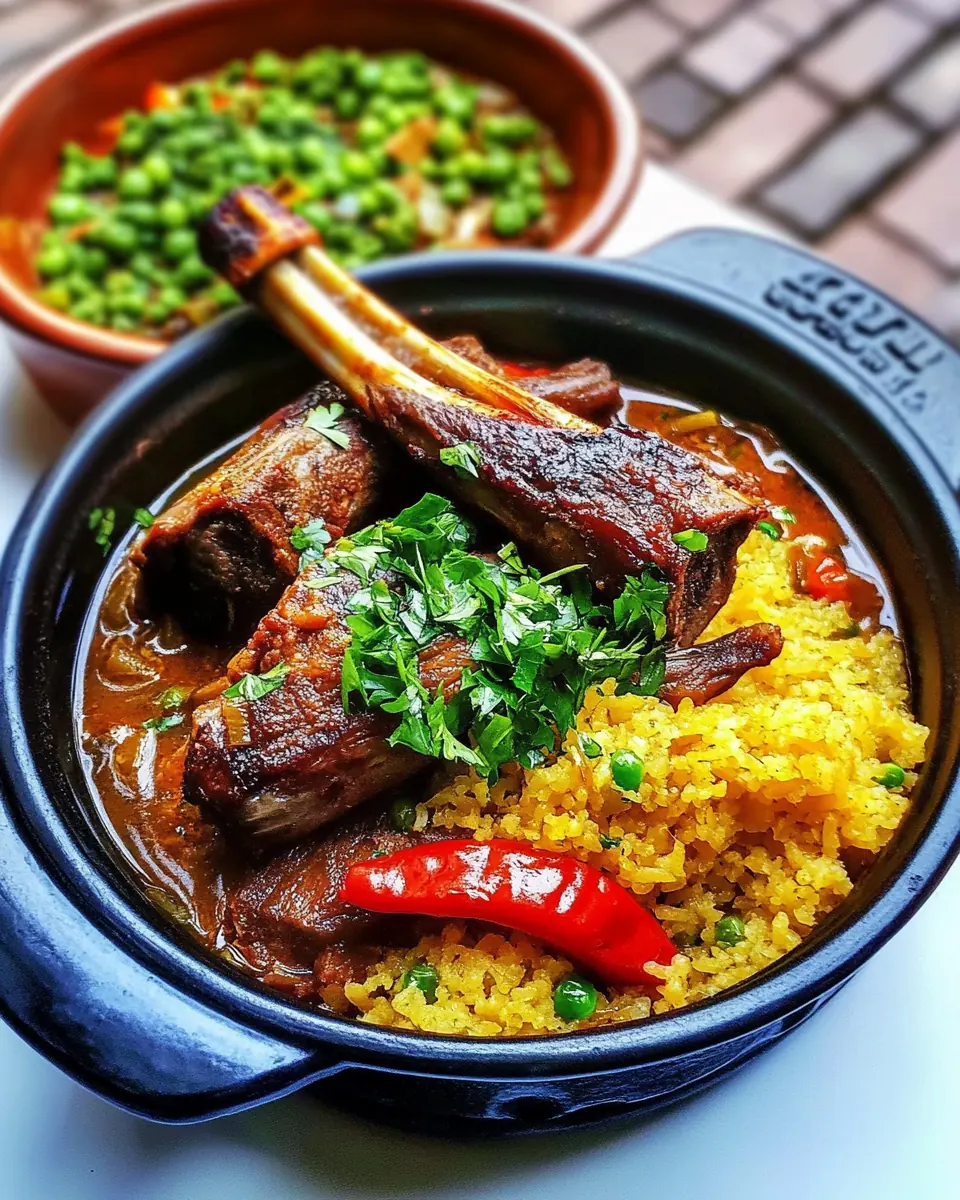
These tips expand on the small choices that create big differences in the final dish. I offer substitutions and technique notes that still honor the spirit of the recipe while providing practical options for weeknight cooks and hosts alike.
- Swap protein with care If you cannot find lamb shanks, choose a similar, slow braising cut like beef short ribs keeping in mind the cooking time might shift slightly to reach the same tenderness.
- Manage your spice intensity If the spice mix feels strong to you, reduce the ras el hanout by a quarter and increase gradually on future attempts until you find your balance.
- Adjust fruit sweetness For less sweetness, reduce the amount of dried dates by half and compensate with an extra preserved lemon rind for brightness.
- Use stock wisely If you lack lamb stock, a low sodium chicken stock can work, but taste carefully and add salt later since chicken stock can be lighter in flavor.
- Finish with fresh aromatics Thinly sliced shallots or a spoonful of chermoula at the end adds freshness, but add them sparingly so they do not overwhelm the slow cooked flavors.
- Rest and reheat gently This dish often improves after resting overnight; reheat in a low oven or over very low heat on the stove, stirring occasionally and adding a splash of stock if the sauce thickens too much.
Serving Options for Lamb Shank Tagine
Serving this tagine is where presentation and taste come together. I prefer to serve it family style in an earthenware vessel so guests can ladle portions of tender meat and sauce onto their plates, but there are several ways to adapt the presentation for different occasions.
- Classic couscous pairing Serve the Lamb Shank Tagine over warm fluffy couscous so the grains soak up the sauce, providing a neutral backdrop that highlights the spices and fruit.
- Hearty with flatbreads Offer warm flatbreads alongside for mopping up sauce, a casual option that works well for relaxed dinners or family style meals.
- Special occasion centerpiece Present the braised lamb shanks in a tagine or deep serving dish garnished with sliced shallots and preserved lemon rind for a festive table, suitable for holiday dinners or gatherings.
- Serve for seasonal dinners This dish fits well into winter menus because of its warming spices and rich textures, pairing nicely with winter salads or roasted vegetables.
- Storage and leftovers Cool completely and refrigerate in an airtight container for up to three days, or freeze portions for up to three months; reheat gently to avoid drying the meat.
- Portioning for guests Plate one lamb shank per person with a generous ladle of sauce and a spoon of beans and potatoes, ensuring each serving has contrasting textures and flavors.
- Occasion suggestions It is fitting for dinner parties, weekend family dinners, and winter holiday spreads where a warming, communal main dish is desired.
FAQ
Conclusion
This Lamb Shank Tagine stands out for its rich, braised tenderness and the layered interplay of warm spices, dried fruit, and preserved lemon. It rewards patient cooking with dramatic, comforting flavors that feel special yet approachable. I encourage you to try it for a cozy dinner or a celebratory meal with friends, because the long, slow process yields a deeply satisfying centerpiece that people remember.
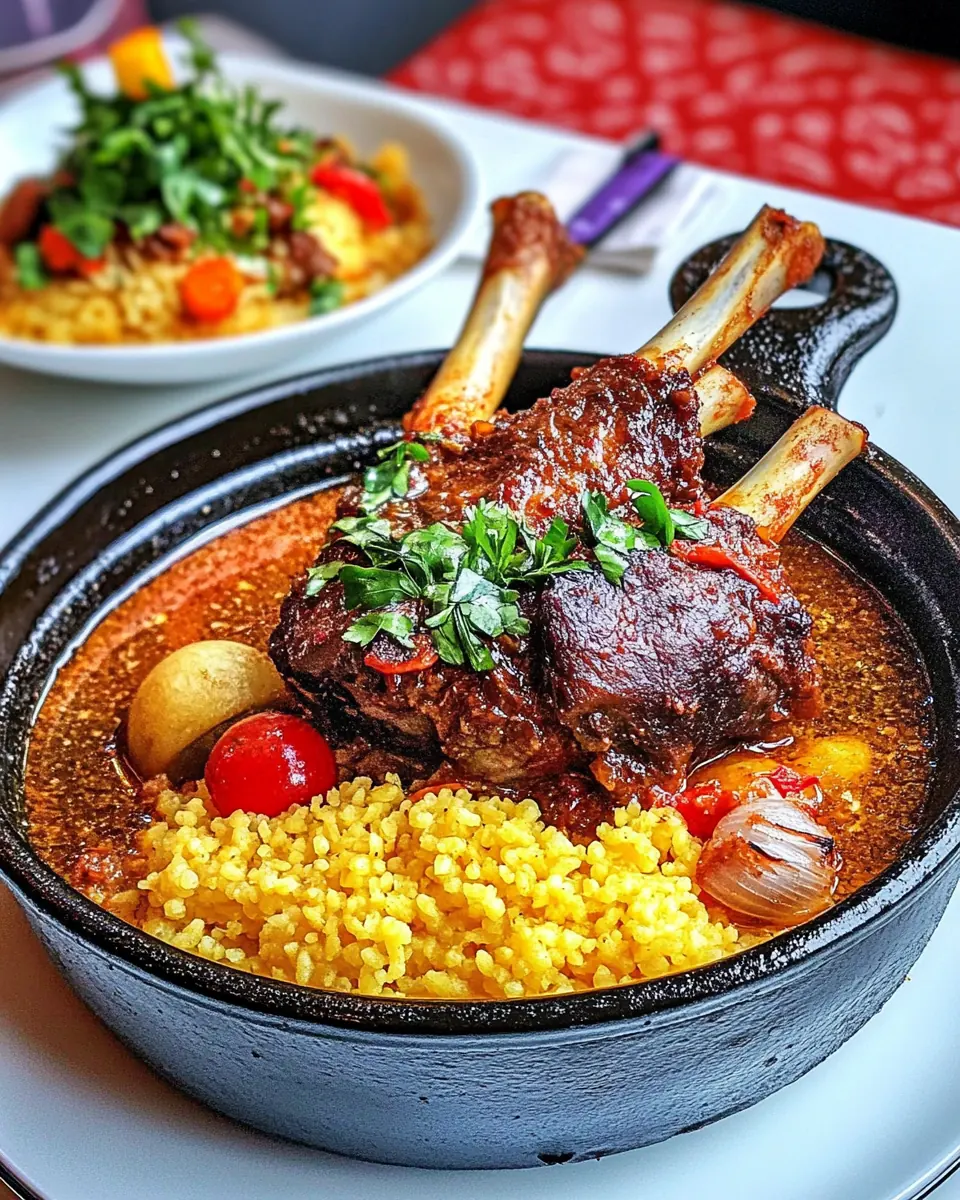
Lamb Shank Tagine
Ingredients
Equipment
Method
- Preheat the oven to 160 °C/315 °F.: As the oven warms you will smell the faint dry heat, which signals an even, low temperature perfect for long braises. This steady oven prevents the meat from drying and encourages collagen to become gelatin for tender results. A common mistake is setting the oven too hot which speeds cooking but yields drier meat and a thinner sauce, so trust the low heat and allow time for gentle transformation.
- Mix the ras-el-hanout, ground cinnamon, ground ginger, smoked sweet paprika, ground cumin, prunes, freshly ground black pepper and ground turmeric together in a bowl.: The combined aroma will be a heady mix of warm spice and sweet dried fruit, creating the foundation for the sauce's complexity. Crushing and blending these spices lets their oils bloom, ensuring even distribution across the lamb shanks . Avoid adding salt until later, as it can draw moisture out and tighten the meat prematurely.
- Heat a large pan until smoking hot, then add a tablespoon of the olive oil and sear the lamb shanks on all sides until golden-brown all over. Remove the lamb shanks and set aside.: The sound of searing and the rising caramelized scent indicate the Maillard reaction, which builds deeply savory flavors. Searing locks in surface flavors that later dissolve into the braise, creating savory crust notes. Do not overcrowd the pan because the meat will steam instead of sear, leading to pale, less flavorful surfaces.
- In the same pan, fry the onion until caramelized. Then add chermoula and garlic for 2-3 minutes. Add the lamb shanks back to the pan and stir well, then add all the remaining tagine ingredients – except for the shallots – and bring to a simmer.: The onions should go from glossy to deep golden, releasing sweet, savory perfumes that thicken the sauce. This caramelization adds natural sweetness that balances the spices and fruit, creating a rounded base. Stir occasionally to prevent burning, because bitter bits will carry through the entire dish if the onions scorch.
- Reduce the heat, cover the pan with a lid and place in the oven for two and a half hours, or until the lamb is tender. Taste and season, if needed.: The pan will release a bright herbal and garlicky scent as the chermoula integrates, adding fresh, acidic notes to the caramelized base. Brief cooking helps mellow raw garlic sharpness while releasing herb oils, which is crucial for layered flavor. Overcooking at this point will blunt the fresh herbs, so keep it brief and aromatic.
- Remove some of the lamb shank sauce and cook the kidney beans for 30 minutes, then add the potato. Cook it until both are cooked.: When the meat reunites with the sauce you will hear gentle bubbling and see spices dissolve into the stock, creating a glossy, richly colored liquid. Bringing to a simmer helps flavors merge without aggressive boiling that can break down delicate fruit textures. Avoid boiling hard, as it can toughen the meat and evaporate too much liquid.
- Place the traditional earthenware tajine on the hot plate with lamb shank in the middle with a lot of sauce, add cooked kidney beans, potato and baby carrots and prunes and cover it with the tajine lid. Let it boil until the steam develops and garnish with shallots. Serve with warm fluffy couscous.: During the slow oven braise you may notice a sweet, perfume like scent as fruit and spices meld into the stock. This prolonged low heat slowly dismantles connective tissue, yielding fork tender meat that pulls away easily. A common trap is lifting the lid frequently, which lets heat escape and lengthens cooking time, so resist peeking unless necessary.
- Taste and season, if needed.: After long cooking the sauce concentrates, so tasting now lets you adjust salt and balance. You may find the preserved lemon rind has given enough brightness or you might add a bit more salt to round flavors. Seasoning too early can lead to over salting after reduction, so always taste toward the end of the cook.
- Remove some of the lamb shank sauce and cook the kidney beans for 30 minutes, then add the potato.: Using the sauce to simmer the soaked beans infuses them with the dish's spices and ensures they are fully flavored, while the potato will absorb the braise and become tender. Watch the beans for breakage, overcooking will make them mushy, so keep them simmering gently and check for fork tenderness.
- Cook it until both are cooked.: The beans should be creamy but intact, and the potato should yield under a fork. This step brings textural harmony, ensuring starchy, creamy, and meaty elements coexist. A mistake here is rushing to high heat to save time, which can split potatoes and toughen beans, so maintain a gentle simmer.
- Place the traditional earthenware tajine on the hot plate with lamb shank in the middle with a lot of sauce, add cooked kidney beans, potato and baby carrots and prunes and cover it with the tajine lid.: As steam collects under the lid you will see a soft bubbling and smell intensified spices, which creates a theatrical finish and allows flavors to concentrate further. This presentation step deepens aroma and visually invites guests to the table. Avoid a dry base by ensuring plenty of sauce is retained when transferring.
- Let it boil until the steam develops and garnish with shallots.: The final brief steam will warm all elements and marry flavors, while the sliced shallots provide a fresh snap and mild bite atop the rich stew. This final heat bloom brightens fragrance and invites immediate serving. Do not over reduce the sauce at this point or it will become too thick and lose its silky mouthfeel.
- Serve with warm fluffy couscous.: The couscous should soak up sauce and contrast the tender meat with its light, grainy texture, making each mouthful balanced and satisfying. Spoon sauce generously so each bite is flavorful; a common error is serving too dry a couscous which makes the dish feel heavy and disconnected.
Notes
- Swap protein with care If you cannot find lamb shanks, choose a similar, slow braising cut like beef short ribs keeping in mind the cooking time might shift slightly to reach the same tenderness.
- Manage your spice intensity If the spice mix feels strong to you, reduce the ras el hanout by a quarter and increase gradually on future attempts until you find your balance.
- Adjust fruit sweetness For less sweetness, reduce the amount of dried dates by half and compensate with an extra preserved lemon rind for brightness.
- Use stock wisely If you lack lamb stock, a low sodium chicken stock can work, but taste carefully and add salt later since chicken stock can be lighter in flavor.
- Finish with fresh aromatics Thinly sliced shallots or a spoonful of chermoula at the end adds freshness, but add them sparingly so they do not overwhelm the slow cooked flavors.
- Rest and reheat gently This dish often improves after resting overnight; reheat in a low oven or over very low heat on the stove, stirring occasionally and adding a splash of stock if the sauce thickens too much.