How to Clean Shrimp
How to Clean Shrimp has been my go to ritual whenever a bag of frozen shrimp comes home with me. The first time I learned to do this properly was in a tiny kitchen with a friend who insisted that the right cleanup made every recipe sing. I remember standing at the counter, curious and a little nervous, while she showed me how to coax the gray, curled bodies into glossy, ready to cook pieces. From that evening on, I started treating shrimp prep as a small, satisfying ceremony rather than a chore.
I still use the same simple tools and little techniques I picked up back then. There is a rhythm to it, from trimming shells to removing the vein and rinsing gently, and each step has a reason that earns a payoff later in texture and flavor. When I teach someone, I like to talk about what to look for, how the shrimp should feel, and the subtle sounds the kitchen makes as you work. Over time, this approach has saved me from gummy textures and bitter bites, and it leaves the shrimp tasting clean and fresh.
Recipe Snapshot
10 mins
10 mins
0 mins
Easy
200 kcal
Seafood
Keto, Paleo
Dinner
Kitchen shears, Paring knife, Paper towels
Why You’ll Love This How to Clean Shrimp
Freshness you can trust
I love that How to Clean Shrimp puts freshness front and center. When you remove the shells and the dark vein, you’re removing anything that could dull the sweet, briny flavor. I often say that a clean base is the biggest favor you can do a recipe, because every sauce or seasoning you add will sit on top of that pure taste.
Simple tools, big payoff
One of the nicest things about this process is its simplicity. You only need a pair of sharp kitchen shears and a paring knife, and you’ll be rewarded with perfectly prepared shrimp. I find that when students realize the low barrier to entry, they feel more confident cooking seafood at home.
Speed and control
Cleaning shrimp is fast, but it gives you control. I like how the steps let you decide whether to leave the tail on for presentation, or remove shells entirely for a quick sauté. That flexibility is why I keep this technique in my regular rotation for weeknight dinners.
Sensory checks that matter
I always encourage people to pay attention to the look, smell, and texture while they work. A gentle rinse after deveining and a pat dry with paper towels makes a difference in how the shrimp browns and carries seasoning. Those tiny moments of care are what lift a dish from fine to memorable.
Less waste, more flavor
Finally, saving the shells is a habit I stole from pros. I keep a bag in the freezer and build homemade stock when I have enough. It amplifies shrimp dishes with an unfussy, concentrated taste, and it’s a great way to turn trimming into an ingredient rather than waste.
How to Clean Shrimp Ingredients
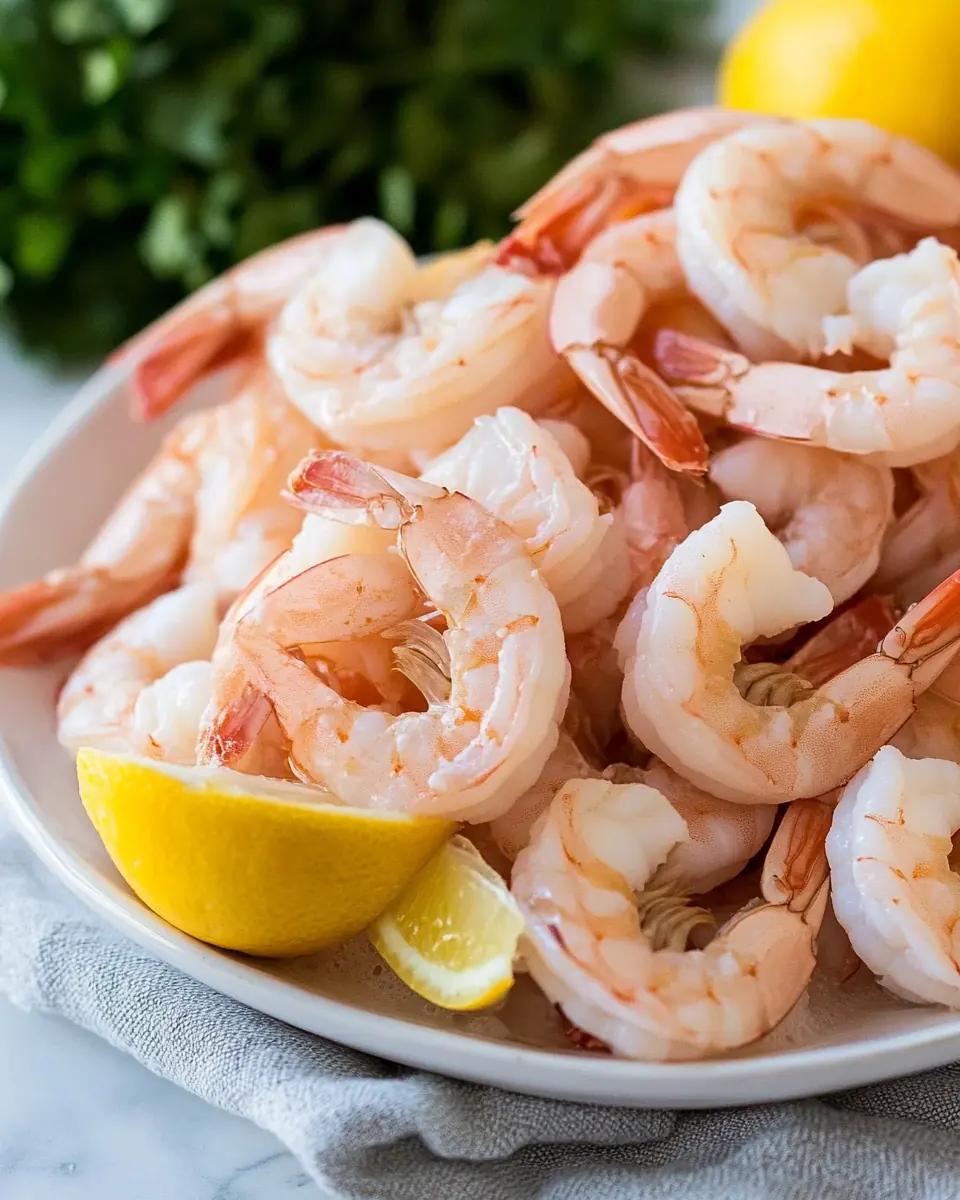
The philosophy behind these ingredients is all about clarity and support. With a single main ingredient, the focus is on handling, preserving, and enhancing the natural flavor of the shrimp. Each listed entry plays a role: the shrimp itself is the star, while thawing and drying are the quiet technicians that make sure texture and seasoning behave during cooking.
- 1 pounds shrimp thawed (see note 1): Thawed and ready-to-use shrimp provide the base protein for the recipe and allow even, quick cleaning and cooking without ice crystals interfering. Rinsed briefly under cold water, they release surface debris and any residual thawing liquid, improving texture and flavor. Deveining and removing shells after thawing is easier and safer, reducing the risk of tearing the flesh while prepping for recipes.
Cooking Method for How to Clean Shrimp
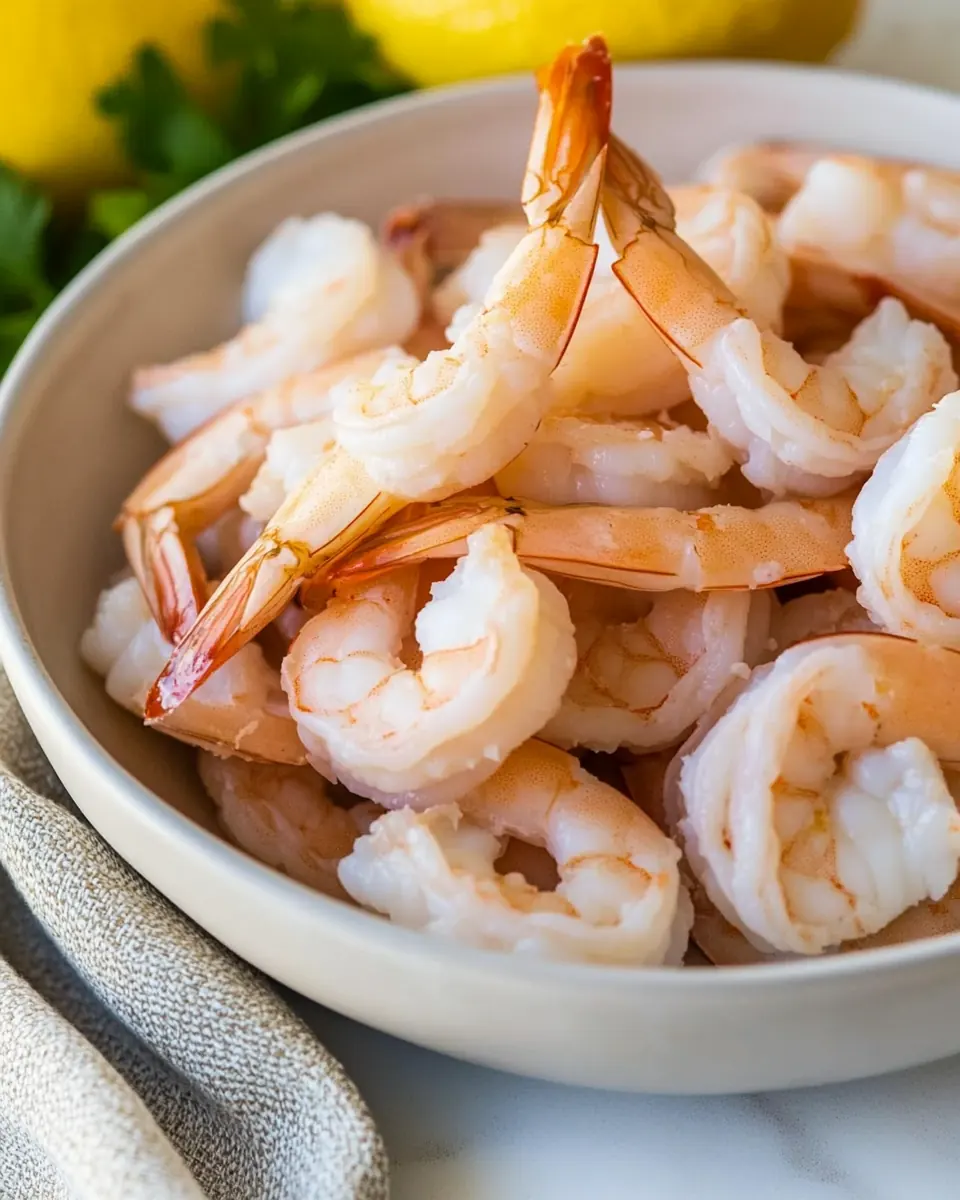
These directions are straightforward, but I like to walk you through them with a cook’s eye. Take your time with each movement and notice the subtle cues that tell you you are on track. The goal is clean, dry, and ready to cook shrimp, and the following expanded steps will help you get there with confidence.
- If shrimp are still in the shell, use sharp scissors and cut along the middle back of each shrimp, leaving the tail intact.: The moment you start cutting, you’ll hear a faint softening as the shell gives way; that sound paired with the small visual split signals that you’re creating access to the meat without tearing it. The reason to leave the tail intact is aesthetic and practical, it provides a handle and an attractive finish for many recipes. Work on a clean surface so shells fall away from the flesh; otherwise small fragments can cling and create an uneven texture later. A common mistake is using dull scissors, which crush the shell and bruise the meat, so keep blades sharp and steady. When done correctly, the exposed back will look pale and ready, and the shells will come off in neat pieces.
- Using a sharp paring knife, cut along the dark vein on the back of each shrimp and remove it. Rinse out the back of each shrimp and pat dry with paper towels.: As you make that shallow incision, you’ll see the vein lift like a tiny thread; removing it clears any gritty or bitter elements that can affect taste. The knife should glide; if you tug, you risk slicing into the flesh and losing shape. Why this matters is simple, the vein can contain residues that cast an off note, and removing it keeps the flavor bright and clean. If you rush, you might break the shrimp or leave fragments behind, so be patient and steady. After deveining, the cavity looks smooth and pale, and the shrimp is much more pleasant to eat, especially in delicate preparations.
- Save shrimp shells in the freezer to make shrimp stock, if desired (see note 3).: The rinse is a tactile step, you’ll feel the water wash away any loosened grit and the shrimp’s surface will change from slightly slippery to clean. Patting dry is crucial because excess moisture prevents proper browning and can dilute marinades. I like to press gently so the flesh stays intact, and lay the shrimp on a tray in a single layer to air for a moment if needed. A frequent error here is using too much force with the towel, which can mash the delicate meat, so dab, do not rub. When they’re properly dry, the shrimp surface has a faint sheen without wet spots, and they will take seasoning and heat more predictably.
- Save shrimp shells in the freezer to make shrimp stock, if desired (see note 3).: Those shells hold a concentrated, briny essence that makes an excellent stock later, and the saving step turns a trim chore into a resource. Put shells in a labeled bag so you can accumulate enough for a batch, because you’ll need several cups to make a flavorful liquid. The aromatic payoff comes when you simmer shells with aromatics, extracting umami notes that deepen soups and sauces. One pitfall is letting shells sit unrefrigerated, which risks spoilage, so freeze promptly. Once you have enough, the stock will smell rich and marine, and it’s a small chef secret that elevates recipes without complex effort.
Pro Tips and Tweaks
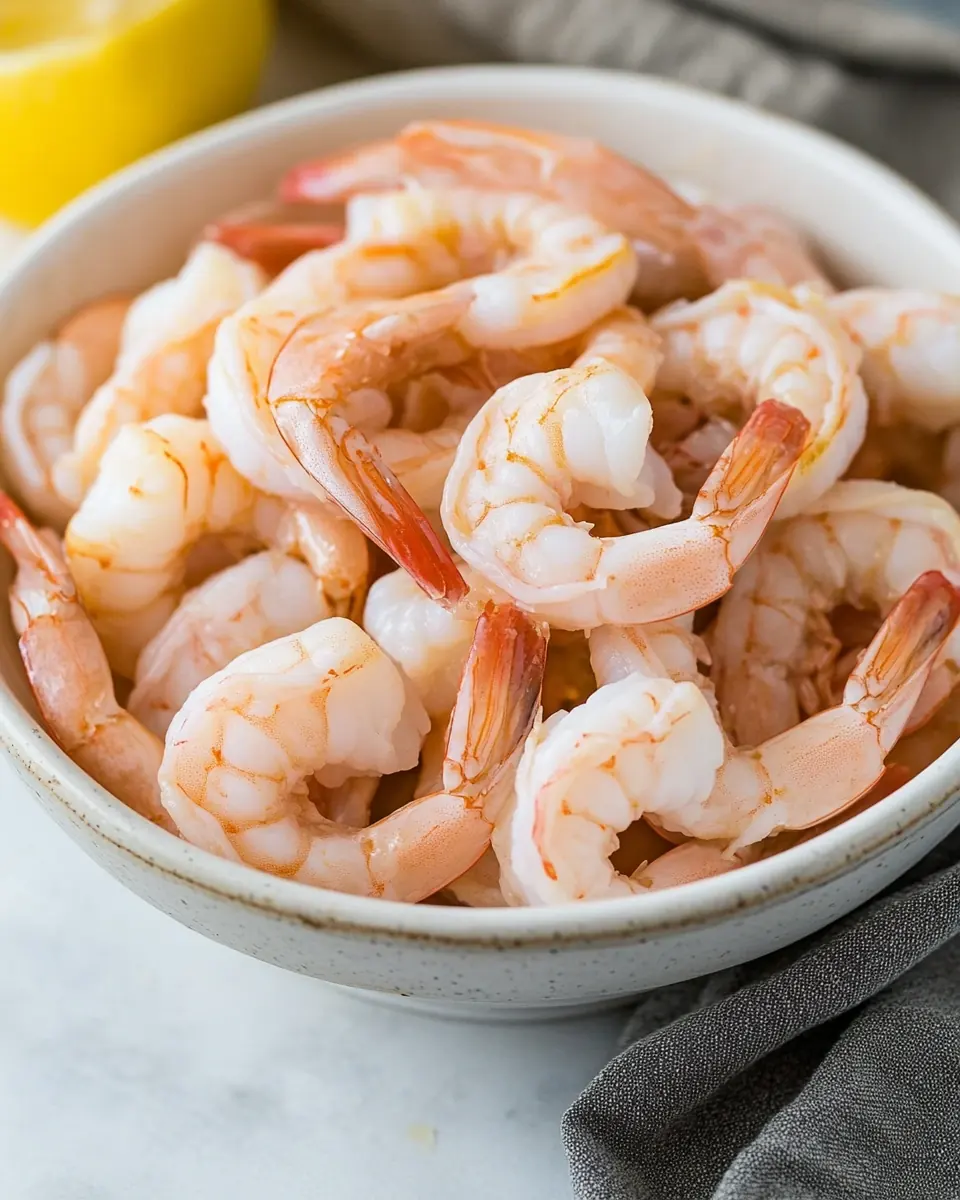
I like to think of these tips as the small decisions that lead to consistently great results. Below are practical, experience tested notes that help whether you are prepping a few shrimp for a salad or a larger batch for a crowd.
- Keep tools sharp Use sharp kitchen shears and a clean paring knife to make precise cuts that preserve the shrimp’s shape and texture.
- Thaw gently When thawing, prefer the refrigerator method overnight to maintain firmness and avoid waterlogged meat.
- Pat dry carefully After rinsing, dab shrimp with paper towels to remove surface moisture that would prevent caramelization.
- Save shells Freeze trimmed shells in a labeled bag to accumulate enough for making shrimp stock later.
- Work in batches If you have a lot to clean, do smaller groups so you can stay organized and maintain consistent technique.
Perfect Pairings for How to Clean Shrimp
Once the shrimp are cleaned and ready, how you serve them depends on the occasion and the texture you want to highlight. Below are thoughtful ideas that pair this basic prep with different meals and serving styles.
- Simple sauté Cook cleaned shrimp quickly with a splash of oil and garlic for an easy weeknight protein that pairs well with rice or pasta.
- Grilled skewers Thread cleaned shrimp on skewers, brush lightly with oil and seasoning, then grill briefly for a summer friendly main.
- Chilled shrimp cocktail After cleaning, poach gently, chill, and serve with a zesty sauce for an elegant starter at gatherings.
- Shrimp salads Toss cleaned and cooked shrimp with crisp greens and a bright vinaigrette for a light lunch option.
- Soup and stock Use frozen shells to make shrimp stock, then cook cleaned shrimp in soups or stews for added depth and umami.
FAQ
Conclusion
What makes this method special is its focus on clarity, control, and small habits that produce reliably great results. The steps strip away anything that could muddle the sweet, briny character of shrimp, and they turn a quick prep into something satisfying and efficient. Give these techniques a try the next time you buy a bag of shrimp, and I think you will notice a marked improvement in texture and flavor. I hope this guide helps you feel more confident around seafood, and that it becomes a handy routine in your kitchen rather than a task to rush through.
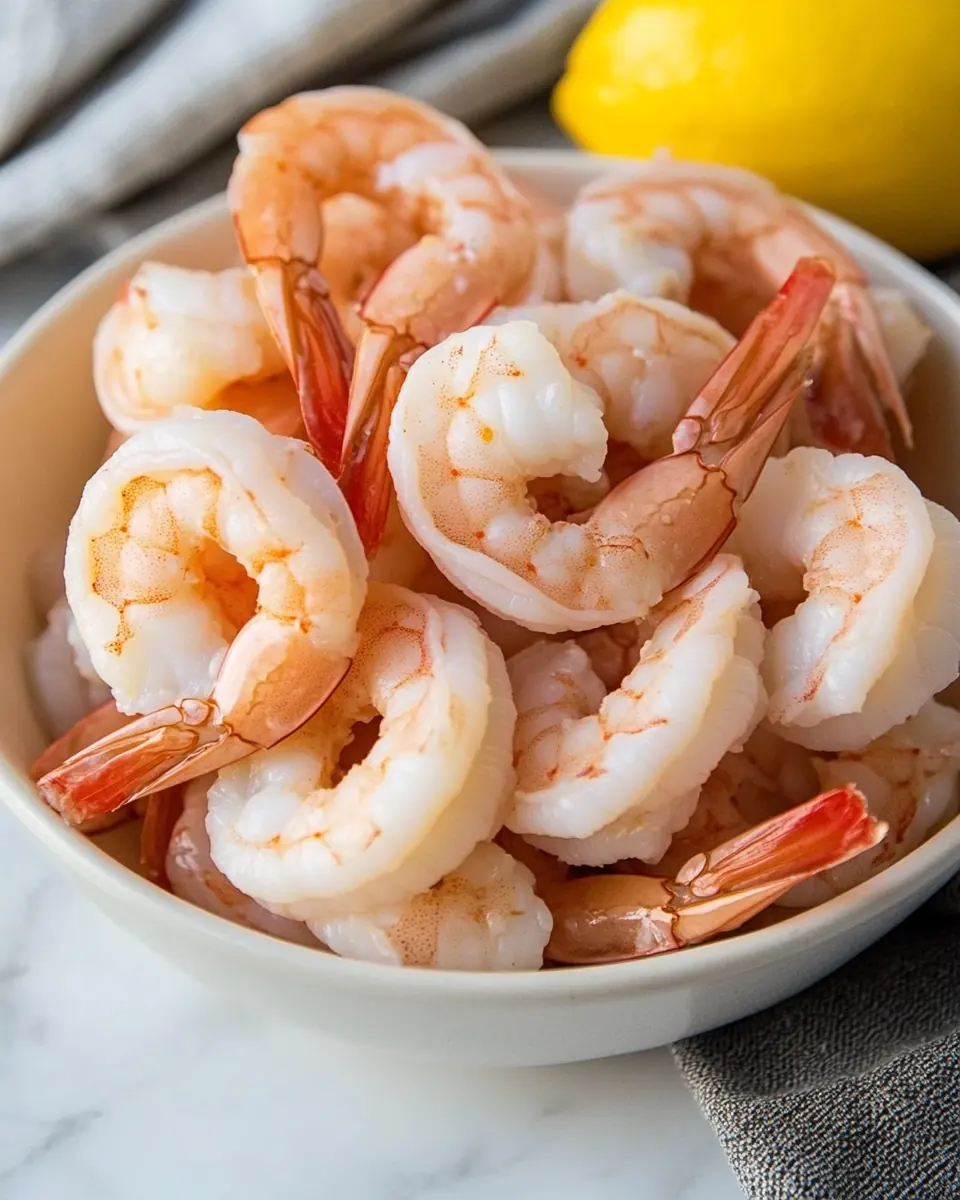
How to Clean Shrimp
Ingredients
Equipment
Method
- If shrimp are still in the shell, use sharp scissors and cut along the middle back of each shrimp, leaving the tail intact.: The moment you start cutting, you’ll hear a faint softening as the shell gives way; that sound paired with the small visual split signals that you’re creating access to the meat without tearing it. The reason to leave the tail intact is aesthetic and practical, it provides a handle and an attractive finish for many recipes. Work on a clean surface so shells fall away from the flesh; otherwise small fragments can cling and create an uneven texture later. A common mistake is using dull scissors, which crush the shell and bruise the meat, so keep blades sharp and steady. When done correctly, the exposed back will look pale and ready, and the shells will come off in neat pieces.
- Using a sharp paring knife, cut along the dark vein on the back of each shrimp and remove it. Rinse out the back of each shrimp and pat dry with paper towels.: As you make that shallow incision, you’ll see the vein lift like a tiny thread; removing it clears any gritty or bitter elements that can affect taste. The knife should glide; if you tug, you risk slicing into the flesh and losing shape. Why this matters is simple, the vein can contain residues that cast an off note, and removing it keeps the flavor bright and clean. If you rush, you might break the shrimp or leave fragments behind, so be patient and steady. After deveining, the cavity looks smooth and pale, and the shrimp is much more pleasant to eat, especially in delicate preparations.
- Save shrimp shells in the freezer to make shrimp stock, if desired (see note 3).: The rinse is a tactile step, you’ll feel the water wash away any loosened grit and the shrimp’s surface will change from slightly slippery to clean. Patting dry is crucial because excess moisture prevents proper browning and can dilute marinades. I like to press gently so the flesh stays intact, and lay the shrimp on a tray in a single layer to air for a moment if needed. A frequent error here is using too much force with the towel, which can mash the delicate meat, so dab, do not rub. When they’re properly dry, the shrimp surface has a faint sheen without wet spots, and they will take seasoning and heat more predictably.
- Save shrimp shells in the freezer to make shrimp stock, if desired (see note 3).: Those shells hold a concentrated, briny essence that makes an excellent stock later, and the saving step turns a trim chore into a resource. Put shells in a labeled bag so you can accumulate enough for a batch, because you’ll need several cups to make a flavorful liquid. The aromatic payoff comes when you simmer shells with aromatics, extracting umami notes that deepen soups and sauces. One pitfall is letting shells sit unrefrigerated, which risks spoilage, so freeze promptly. Once you have enough, the stock will smell rich and marine, and it’s a small chef secret that elevates recipes without complex effort.
Notes
- Keep tools sharp Use sharp kitchen shears and a clean paring knife to make precise cuts that preserve the shrimp’s shape and texture.
- Thaw gently When thawing, prefer the refrigerator method overnight to maintain firmness and avoid waterlogged meat.
- Pat dry carefully After rinsing, dab shrimp with paper towels to remove surface moisture that would prevent caramelization.
- Save shells Freeze trimmed shells in a labeled bag to accumulate enough for making shrimp stock later.
- Work in batches If you have a lot to clean, do smaller groups so you can stay organized and maintain consistent technique.