Soba Noodle Salad
Soba Noodle Salad has been one of my go to lunches since I first tried it on a sticky summer afternoon. I remember carrying a container to the park and discovering how the cool, springy soba noodles balanced against crisp, bright vegetables made a simple picnic feel elevated. That first time I tossed it with a tangy, sesame forward dressing I knew I had something I would keep coming back to.
I often make Soba Noodle Salad when friends drop by unannounced, because it holds well and the flavors keep deepening if it sits for a while. I like to prep the vegetables while the soba noodles cook, then let the salad chill so the sesame and lime notes get intimate with every strand. Over time I learned tiny tricks that change the texture, like coating the noodles in a whisper of sesame oil to stop them sticking, and pounding the garlic fine so it melts into the dressing rather than punching it.
Recipe Snapshot
31 mins
30 mins
1 mins
Easy
300 kcal
Japanese
Vegan, Gluten-Free
Salads
Large pot, Large bowl, Medium bowl, Colander, Whisk
Why This Soba Noodle Salad Stands Out
Fresh, crunchy texture that never feels heavy
I love that Soba Noodle Salad is satisfying without weighing you down. The contrast between the tender soba noodles and the crisp red bell pepper and large carrot gives each bite a lively snap, so you never get bored. This is the kind of recipe I reach for when I want food that feels light but actually fills you up.
Fast but impressive for guests
I can assemble this in under an hour and still feel like I served something thoughtful. The salad comes together quickly, yet looks and tastes like I spent more time on it. I often bring it to potlucks because people always ask for the recipe, and it travels well for picnics or barbecues.
Flavor balance that’s easy to tweak
I appreciate recipes that allow small adjustments to fit moods and ingredients on hand. With Soba Noodle Salad you can push the lime for brightness, dial up the Sriracha for heat, or add more sesame oil for nuttiness. I like having control without complexity, and this salad gives me that space.
A very forgiving make ahead dish
I often make it a few hours early, even the night before. The flavors mellow and the dressing hugs the noodles, making the salad more cohesive. If you prefer crunch, toss the dressing in just before serving, but I personally enjoy the slight marination that happens when it rests.
Nutritious and colorful
Between the plant protein in the edamame, the fiber from the soba noodles and carrot, and the healthy fats in the sesame oil and sesame seeds, this feels like a balanced meal. I love feeding it to family and knowing it checks a lot of boxes for taste, texture, and nourishment.
What to Buy for Soba Noodle Salad
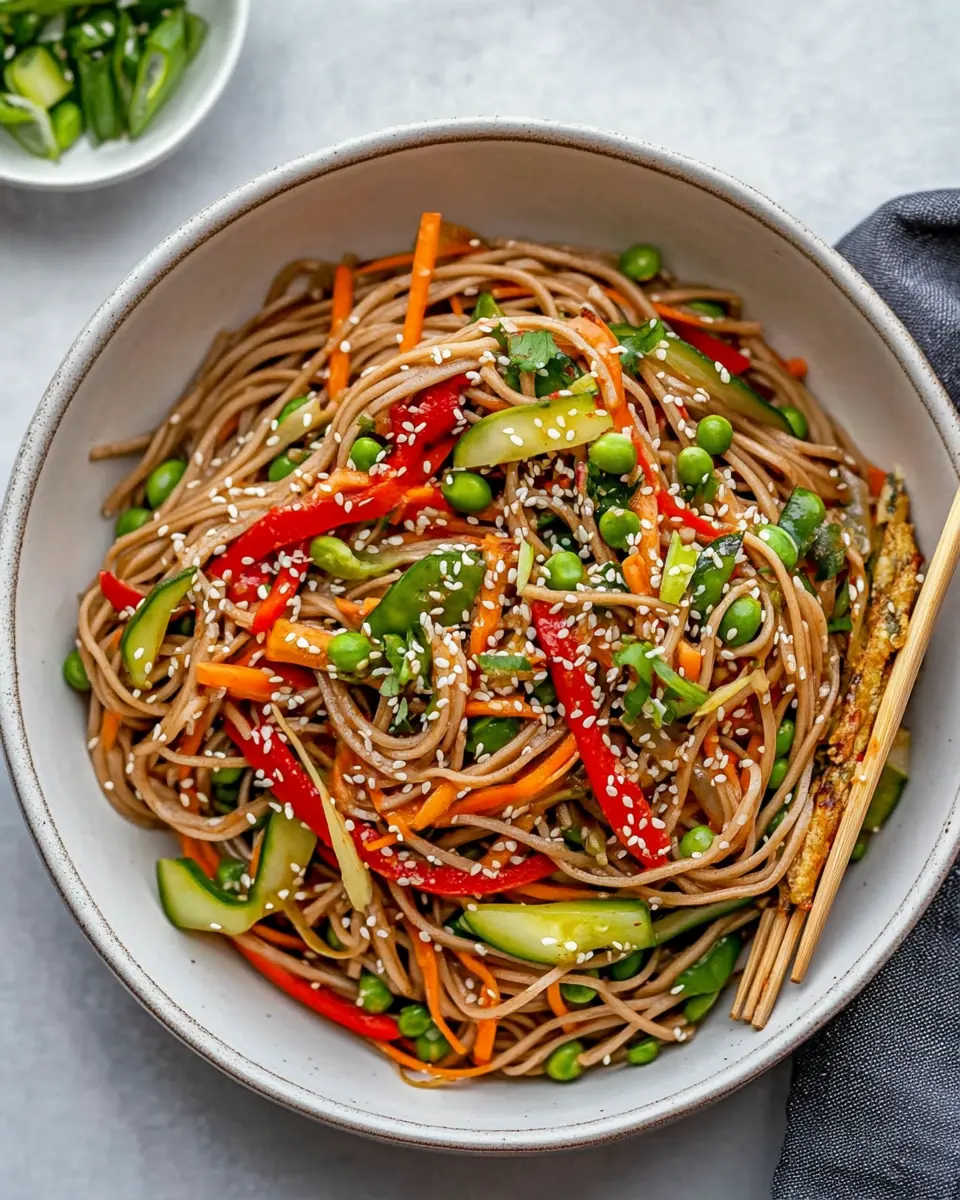
These ingredients are simple, fresh, and meant to play off each other. The soba noodles bring a nutty base, while the crunchy vegetables add brightness and bite. The key players, like sesame oil and sesame seeds, create that unmistakable toasted aroma that ties the salad together.
- 8 ounces soba noodles: Cooked and chilled to provide a hearty, chewy base that soaks up dressing and binds salad components; use buckwheat soba for authentic flavor and pleasant texture. Rinse under cold water after cooking to stop residual cooking and prevent clumping. Portion allows serving 2–3 people as a side or one to two as a main with vegetables and protein.
- 2 teaspoons sesame oil: Aromatic oil added sparingly to impart a toasty, nutty flavor and help prevent noodles from sticking after tossing; measure carefully to avoid overpowering the dressing. Warm briefly with other liquid ingredients to release aroma and blend evenly. Use toasted sesame oil for the characteristic Asian profile this salad benefits from.
- 3 green onions, sliced: Crisp, mildly pungent garnish sliced thin to deliver fresh oniony notes and color contrast; scatter over salad just before serving to retain crunch. Both white and green parts contribute flavor layers, with green tops offering milder taste and visual appeal. Adjust quantity to preference for sharper or subtler onion presence.
- 1 red bell pepper, thinly sliced: Sweet, crunchy strips used to add bright color, fresh flavor, and crisp texture that contrasts with soft noodles and tender edamame. Remove seeds and membranes for a cleaner taste and slice thin to match the salad’s bite-sized pieces. Balances savory and nutty elements while contributing vitamin C and natural sweetness.
- 1 large carrot, thinly sliced: Earthy, slightly sweet root sliced thin to add crunchy texture and vibrant orange color; can be julienned or peeled into ribbons for visual interest. Toss raw for crispness or briefly blanch if softer texture desired; pairs well with sesame and lime notes. Provides additional nutrients, fiber, and subtle sweetness to the salad.
- 1 cup edamame, shelled: Protein-rich, tender green beans add substance, color, and a pop of creaminess when shelled; use thawed frozen or freshly cooked edamame. Boil briefly and cool to maintain bright color and firm bite before combining. Enhances nutritional profile with plant-based protein and complements the nutty dressing.
- 3 tablespoons sesame seeds: Toasted garnish sprinkled to provide crunchy texture and intensify sesame flavor throughout the salad; can be toasted lightly to deepen aroma. Use white, black, or a mix depending on desired appearance; incorporate into dressing and as finishing touch. Adds visual interest and a pleasant nutty crunch.
- 1 tablespoon grated ginger: Fresh, pungent root grated to contribute bright, zesty spiciness and depth to the dressing; balances sweet and acidic components. Use finely grated to distribute flavor evenly without fibrous bits; adjust amount to control heat and aromatic intensity. Complements soy and sesame flavors while enlivening the overall dish.
- 2 tablespoons fresh lime juice: Citrus juice squeezed to deliver bright acidity and fresh citrus notes that cut through oil and enrich the dressing. Use freshly squeezed lime for best flavor, and adjust amount to taste for brightness. Helps balance sweetness and saltiness while adding a subtle tropical tang.
- 1 tablespoon soy sauce: Umami-rich seasoning added to provide salty depth and savory backbone to the dressing; choose regular or low-sodium soy based on dietary needs. Whisk into liquids to dissolve and evenly distribute flavor, enhancing the overall Asian profile. Combines with acid and sweeteners to create balanced taste.
- 1 tablespoon rice vinegar: Mildly acidic vinegar included to brighten flavors and add a delicate tang that lifts the dressing; rice vinegar offers a gentle, slightly sweet acidity. Mix with oil and other liquids to create an emulsion that coats noodles and vegetables. Helps preserve the fresh textures and ties components together.
- 2 teaspoons sesame oil: Aromatic oil used additionally to reinforce sesame flavor and assist in emulsifying the dressing for even coating of ingredients. Add in small increments to prevent greasiness while ensuring a smooth mouthfeel. Works together with other seasonings to deliver consistent nutty undertones.
- 2 teaspoons honey: Natural sweetener blended to temper acidity and saltiness while contributing subtle caramel notes; dissolve into dressing for balanced taste. Adjust quantity to achieve desired sweetness or substitute with alternative sweeteners if needed. Helps round out flavors and create a harmonious sauce.
- 1 clove garlic, minced: Pungent bulb minced finely to introduce savory depth and sharp aromatic bite that mellows when combined with other dressing elements. Mince very small to avoid large raw pieces or lightly press to infuse flavor more evenly. Enhances complexity and pairs well with ginger and lime.
- 2 teaspoons Sriracha, for spice (optional): Hot chili condiment added sparingly to introduce optional heat and a fermented chili flavor; stir into dressing to taste for controlled spiciness. Use as an adjustable element so diners can customize heat level, starting with a small amount. Complements the salad’s sweet, salty, and tangy components.
The Process for Making Soba Noodle Salad
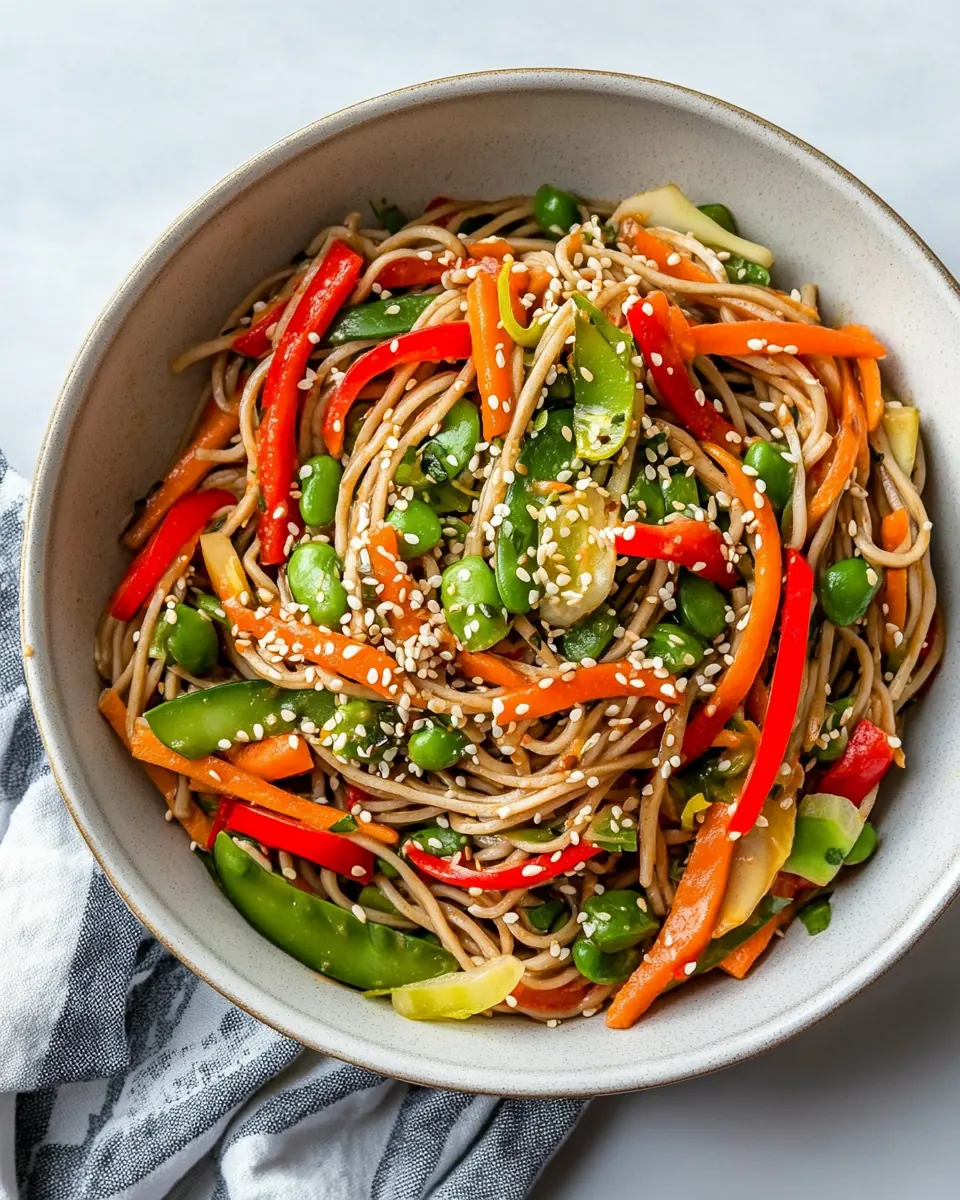
Making this salad feels like orchestrating a small symphony, each component coming together quickly. Below I expand on each step in the original directions, offering sensory cues and troubleshooting so you can get consistent results every time.
- Cook 8 ounces soba noodles according to the package directions. Once the noodles are cooked, strain and rinse under cold water and place them in a large bowl. Pour 2 teaspoons sesame oil on the noodles and stir to coat evenly. Place covered in the fridge. The oil will keep the noodles from sticking together while you assemble the rest of the salad.: The kitchen will fill with a faint nutty steam as the soba noodles near doneness, look for tender strands that still have slight resistance when bitten. After draining, rinse under cold water until the noodles feel cool to the touch, this stops cooking and firms their texture. If you do not rinse you risk carryover cooking and a mushy result, so don’t skip this. Stir in a light coating of sesame oil to keep individual strands separate, you should see the noodles become slightly glossy. A common error is overcooking, which causes a limp, gluey texture that cannot be reversed.
- In a medium bowl, place the sliced 3 green onions, sliced 1 red bell pepper, sliced 1 large carrot, 1 cup edamame, and 3 tablespoons sesame seeds. Toss to mix.: When you transfer the rinsed soba noodles to the bowl, they should be cool and slightly springy. Use your hands or tongs to fluff them gently so they do not clump, you want each strand to move freely. The visual cue is a shiny, uniform pile of noodles that are cool, not steaming. If the noodles are still warm they will absorb more dressing and may become too soft, so ensure they are thoroughly cooled.
- To make the dressing, whisk together 1 tablespoon grated ginger, 2 tablespoons fresh lime juice, 1 tablespoon soy sauce, 1 tablespoon rice vinegar, 2 teaspoons sesame oil, 2 teaspoons honey, minced 1 clove garlic, and 2 teaspoons Sriracha, in a small bowl.: As the sesame oil hits the noodles you will notice a glossy sheen and a subtle toasted aroma rising, which is delightful. Toss until the oil is distributed, the noodles should not feel greasy, just lightly slicked. This thin oil layer acts as a barrier against sticking and also primes the noodles to accept the dressing. A common mistake is adding too much oil, which makes the salad feel heavy, so keep it minimal.
- Take the cooled noodles out of the fridge. Put all the fillings on top of the noodles and toss to mix. Pour the dressing on top of the salad and toss to coat everything evenly.: Chilling the noodle base calms their starches and firms texture, and it feels refreshing to assemble cold components on a warm day. Covered, the noodles will also hold their coated finish and remain ready while you prepare the vegetables and dressing. Avoid leaving them unprotected in the fridge where they can dry out, use a lid or plastic wrap to keep moisture even.
- Serve fresh, or cover and place back in the fridge to marinate a bit before serving.: The first sounds you will notice are the crisp snaps as you thinly slice the red bell pepper and large carrot . Tossing these with shelled edamame and toasted sesame seeds creates a lively textural contrast, the seeds offering toasty crunch. Mix until the colors are evenly distributed, the salad should look cheerful and varied. Avoid leaving large uneven pieces, which can make bites inconsistent; evenness in size leads to a harmonious mouthfeel.
- Toss to mix: As you toss, the scents of toasted sesame seeds and fresh green onions lift, and you should feel the mixture come together visually with bright green, orange, and red pops. The toss ensures every bite contains multiple elements, not just a single ingredient. A mistake here is overworking delicate slices so they bruise, so toss gently with a wide utensil.
- To make the dressing, whisk together 1 tablespoon grated ginger, 2 tablespoons fresh lime juice, 1 tablespoon soy sauce, 1 tablespoon rice vinegar, 2 teaspoons sesame oil, 2 teaspoons honey, minced 1 clove garlic, and 2 teaspoons Sriracha, in a small bowl: As you whisk the dressing, the aroma will change from sharp citrus to a layered fragrance with sweet, salty, and toasty notes. The lime should smell bright, the ginger will add warm spice, and the honey will smooth sharp edges. Whisk until slightly emulsified so the oil and acid hang together on the soba noodles . If the dressing separates, whisk briefly just before tossing to recombine. A common pitfall is using bottled lime or overdoing the soy sauce which flattens the lively flavors, always taste and adjust gently.
- Take the cooled noodles out of the fridge: The chilled soba noodles should feel firm and springy when you lift a small portion, not limp. Transfer them into a large serving bowl, giving them a quick fluff to separate any strands that clung together. This is the moment the chilled noodles meet the room temperature vegetables and dressing, creating balance. If the noodles feel sticky at this point you can add a touch more sesame oil and gently toss to revive separation.
- Put all the fillings on top of the noodles and toss to mix: When the colorful vegetable mix lands on the noodles there is a satisfying rustle and fresh aroma. Toss until the vegetables are distributed evenly among the strands, aim for harmony so each forkful contains a bit of everything. The visual cue is a uniformly dressed bowl where no ingredient dominates the surface. One mistake is piling on the fillings without mixing, which leads to uneven flavor across servings.
- Pour the dressing on top of the salad and toss to coat everything evenly: Pour the dressing in a steady ribbon, then fold gently until every strand and vegetable glistens. You should hear soft rustling and see the dressing cling, leaving a glossy finish on the noodles and vegetables. The flavor should register as balanced sweet, salty, tangy, and nutty on the first bite. If you oversaturate the salad it can become soggy, so add the dressing gradually and stop once you reach the sheen you like.
- Serve fresh, or cover and place back in the fridge to marinate a bit before serving: Served immediately, the textures are crisp and vibrant; after an hour in the fridge the flavors meld and deepen, giving a more unified profile. If chilling, let it rest at least 20 minutes so the dressing softens the noodles slightly without losing crunch. A common oversight is leaving it too long uncovered where edges can dry; always cover if refrigerating.
Tips and Tricks about Soba Noodle Salad
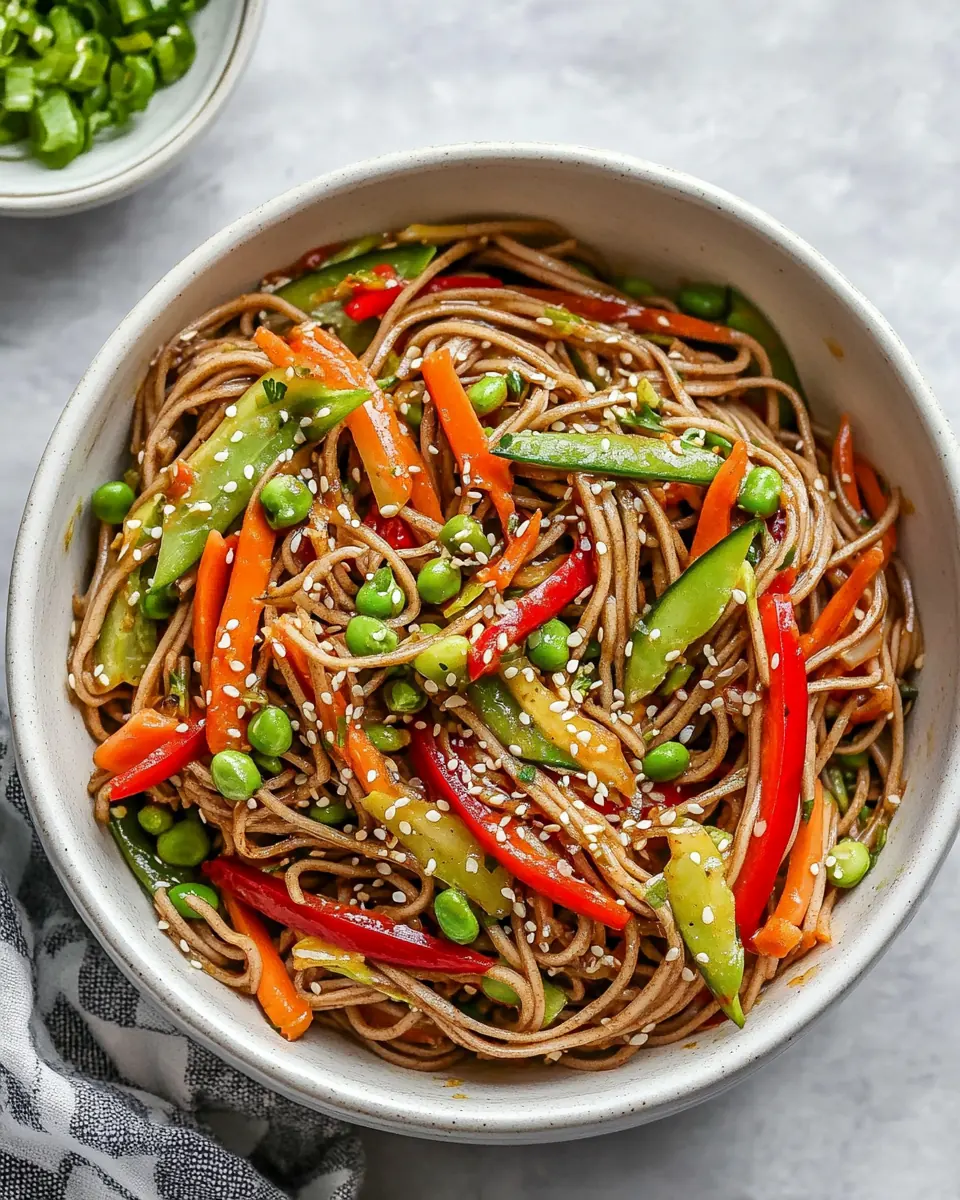
This salad rewards small attentions to texture and seasoning. Below are practical tips I use every time, expanded into actionable notes so you can replicate the results with confidence.
- Chill the noodles well Always rinse soba noodles under cold water until they are cool to the touch, this stops cooking and firms their bite so the salad does not become mushy.
- Use fresh citrus Fresh lime juice brightens the dressing more than bottled citrus, giving a lively acidity that balances the sesame oil and soy sauce.
- Toast seeds briefly Toasting the sesame seeds in a dry skillet for 30 to 60 seconds brings out deep nutty flavors, but watch them closely to prevent burning.
- Control heat gently Add the Sriracha in increments, tasting as you go since spice builds over time especially if the salad rests in the fridge.
- Slice uniformly Cut the red bell pepper and large carrot into thin, consistent pieces to ensure every bite has the same pleasant crunch and balance.
- Dress gradually Pour the dressing slowly and toss, stopping when the salad has a glossy coating; too much dressing can make it soggy.
Best Served With
Soba Noodle Salad is versatile at the table; it works for casual lunches, light dinners, and summer gatherings. Below are serving ideas, storage tips, and occasions where this salad shines, all organized so you can pick what fits your meal.
- Serve chilled or room temperature For a picnic or lunch, keep it chilled in a cooler and serve cold; for a dinner side the salad can rest at room temperature for 20 to 30 minutes before serving so the flavors open up.
- Pair with grilled vegetables If you want a warm contrast offer simple grilled vegetables alongside, letting guests take a forkful of both for balance.
- Great for potlucks This salad travels well, so bring it to gatherings covered and refrigerated, then give it a gentle toss before plating to revive textures.
- Storage tips Store in an airtight container in the fridge for up to 3 days, keeping extra dressing separately if you want maximum crunch on day two.
- Seasonal pairing The bright lime and crunchy vegetables make this perfect for summer menus, while it also pairs well with lighter spring fare when greens and herbs are in season.
- Occasion ideas Serve it for casual weeknight dinners, potlucks, office lunches, or as part of a Ramadan iftar spread where light, nourishing options are welcome.
FAQ
Conclusion
Soba Noodle Salad stands out for its effortless combination of nutty noodles, crisp vegetables, and a lively sesame lime dressing. It’s an adaptable, make ahead dish that feels fresh yet substantial, perfect for lunches, potlucks, or light dinners. Try it as written first so you experience the intended balance of textures and flavors, then tweak the heat or acidity to make it your own. Whenever I make it, people ask for seconds and the bowl disappears quickly, which is the best kind of compliment.
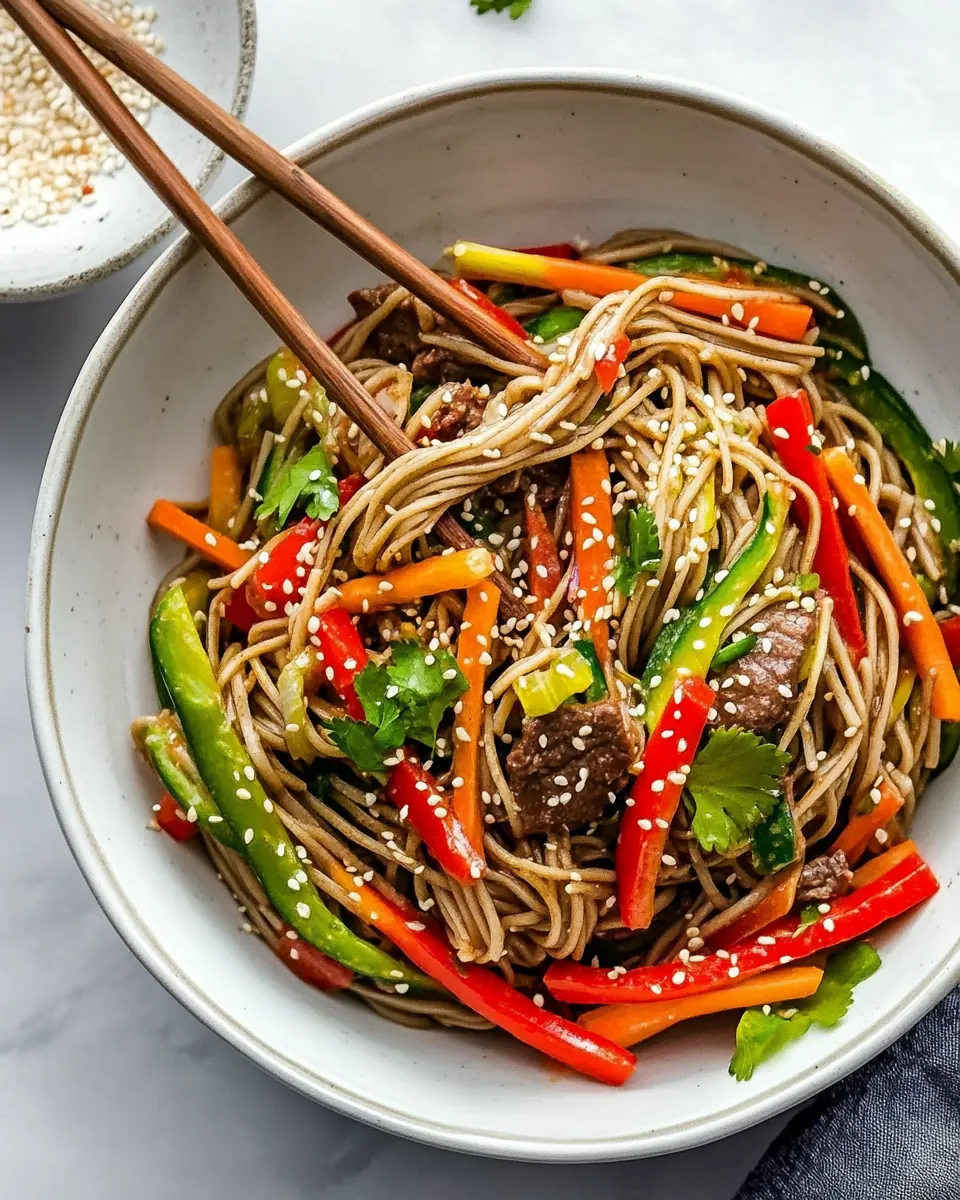
Soba Noodle Salad
Ingredients
Equipment
Method
- Cook 8 ounces soba noodles according to the package directions. Once the noodles are cooked, strain and rinse under cold water and place them in a large bowl. Pour 2 teaspoons sesame oil on the noodles and stir to coat evenly. Place covered in the fridge. The oil will keep the noodles from sticking together while you assemble the rest of the salad.: The kitchen will fill with a faint nutty steam as the soba noodles near doneness, look for tender strands that still have slight resistance when bitten. After draining, rinse under cold water until the noodles feel cool to the touch, this stops cooking and firms their texture. If you do not rinse you risk carryover cooking and a mushy result, so don’t skip this. Stir in a light coating of sesame oil to keep individual strands separate, you should see the noodles become slightly glossy. A common error is overcooking, which causes a limp, gluey texture that cannot be reversed.
- In a medium bowl, place the sliced 3 green onions, sliced 1 red bell pepper, sliced 1 large carrot, 1 cup edamame, and 3 tablespoons sesame seeds. Toss to mix.: When you transfer the rinsed soba noodles to the bowl, they should be cool and slightly springy. Use your hands or tongs to fluff them gently so they do not clump, you want each strand to move freely. The visual cue is a shiny, uniform pile of noodles that are cool, not steaming. If the noodles are still warm they will absorb more dressing and may become too soft, so ensure they are thoroughly cooled.
- To make the dressing, whisk together 1 tablespoon grated ginger, 2 tablespoons fresh lime juice, 1 tablespoon soy sauce, 1 tablespoon rice vinegar, 2 teaspoons sesame oil, 2 teaspoons honey, minced 1 clove garlic, and 2 teaspoons Sriracha, in a small bowl.: As the sesame oil hits the noodles you will notice a glossy sheen and a subtle toasted aroma rising, which is delightful. Toss until the oil is distributed, the noodles should not feel greasy, just lightly slicked. This thin oil layer acts as a barrier against sticking and also primes the noodles to accept the dressing. A common mistake is adding too much oil, which makes the salad feel heavy, so keep it minimal.
- Take the cooled noodles out of the fridge. Put all the fillings on top of the noodles and toss to mix. Pour the dressing on top of the salad and toss to coat everything evenly.: Chilling the noodle base calms their starches and firms texture, and it feels refreshing to assemble cold components on a warm day. Covered, the noodles will also hold their coated finish and remain ready while you prepare the vegetables and dressing. Avoid leaving them unprotected in the fridge where they can dry out, use a lid or plastic wrap to keep moisture even.
- Serve fresh, or cover and place back in the fridge to marinate a bit before serving.: The first sounds you will notice are the crisp snaps as you thinly slice the red bell pepper and large carrot . Tossing these with shelled edamame and toasted sesame seeds creates a lively textural contrast, the seeds offering toasty crunch. Mix until the colors are evenly distributed, the salad should look cheerful and varied. Avoid leaving large uneven pieces, which can make bites inconsistent; evenness in size leads to a harmonious mouthfeel.
- Toss to mix: As you toss, the scents of toasted sesame seeds and fresh green onions lift, and you should feel the mixture come together visually with bright green, orange, and red pops. The toss ensures every bite contains multiple elements, not just a single ingredient. A mistake here is overworking delicate slices so they bruise, so toss gently with a wide utensil.
- To make the dressing, whisk together 1 tablespoon grated ginger, 2 tablespoons fresh lime juice, 1 tablespoon soy sauce, 1 tablespoon rice vinegar, 2 teaspoons sesame oil, 2 teaspoons honey, minced 1 clove garlic, and 2 teaspoons Sriracha, in a small bowl: As you whisk the dressing, the aroma will change from sharp citrus to a layered fragrance with sweet, salty, and toasty notes. The lime should smell bright, the ginger will add warm spice, and the honey will smooth sharp edges. Whisk until slightly emulsified so the oil and acid hang together on the soba noodles . If the dressing separates, whisk briefly just before tossing to recombine. A common pitfall is using bottled lime or overdoing the soy sauce which flattens the lively flavors, always taste and adjust gently.
- Take the cooled noodles out of the fridge: The chilled soba noodles should feel firm and springy when you lift a small portion, not limp. Transfer them into a large serving bowl, giving them a quick fluff to separate any strands that clung together. This is the moment the chilled noodles meet the room temperature vegetables and dressing, creating balance. If the noodles feel sticky at this point you can add a touch more sesame oil and gently toss to revive separation.
- Put all the fillings on top of the noodles and toss to mix: When the colorful vegetable mix lands on the noodles there is a satisfying rustle and fresh aroma. Toss until the vegetables are distributed evenly among the strands, aim for harmony so each forkful contains a bit of everything. The visual cue is a uniformly dressed bowl where no ingredient dominates the surface. One mistake is piling on the fillings without mixing, which leads to uneven flavor across servings.
- Pour the dressing on top of the salad and toss to coat everything evenly: Pour the dressing in a steady ribbon, then fold gently until every strand and vegetable glistens. You should hear soft rustling and see the dressing cling, leaving a glossy finish on the noodles and vegetables. The flavor should register as balanced sweet, salty, tangy, and nutty on the first bite. If you oversaturate the salad it can become soggy, so add the dressing gradually and stop once you reach the sheen you like.
- Serve fresh, or cover and place back in the fridge to marinate a bit before serving: Served immediately, the textures are crisp and vibrant; after an hour in the fridge the flavors meld and deepen, giving a more unified profile. If chilling, let it rest at least 20 minutes so the dressing softens the noodles slightly without losing crunch. A common oversight is leaving it too long uncovered where edges can dry; always cover if refrigerating.
Notes
- Chill the noodles well Always rinse soba noodles under cold water until they are cool to the touch, this stops cooking and firms their bite so the salad does not become mushy.
- Use fresh citrus Fresh lime juice brightens the dressing more than bottled citrus, giving a lively acidity that balances the sesame oil and soy sauce.
- Toast seeds briefly Toasting the sesame seeds in a dry skillet for 30 to 60 seconds brings out deep nutty flavors, but watch them closely to prevent burning.
- Control heat gently Add the Sriracha in increments, tasting as you go since spice builds over time especially if the salad rests in the fridge.
- Slice uniformly Cut the red bell pepper and large carrot into thin, consistent pieces to ensure every bite has the same pleasant crunch and balance.
- Dress gradually Pour the dressing slowly and toss, stopping when the salad has a glossy coating; too much dressing can make it soggy.