Caramelized Pecans
Caramelized Pecans began as a tiny kitchen experiment one chilly afternoon when I wanted something to brighten an otherwise ordinary snack drawer. I remember the first time I stirred together a handful of glossy, sugared nuts and felt that immediate lift as their sweet, toasty aroma filled the room. That first batch did not last long, and pretty soon I was tweaking the method until the pecans had that perfect sweet crunch I still chase.
Over time I learned little tricks that transformed a decent batch into a memorable one, and those moments are what I love to share. I learned to trust the sound of the sugar as it begins to bubble, and to watch for the exact shimmer that signals when the nuts will crisp up beautifully. Sharing these Caramelized Pecans with friends at gatherings became my go to gesture, and the simple joy of watching someone’s face at that first bite never gets old. I like to think of these pecans as the small touch that makes coffee breaks cozier and dessert spreads more interesting.
Recipe Snapshot
1 hr 5 mins
60 mins
5 mins
Medium
200 kcal
American
Vegan, Gluten-Free
Desserts
Nonstick skillet, Parchment-lined baking sheet, Fork
Why This Caramelized Pecans Is So Good
Pure crunchy bliss in every bite
I love how Caramelized Pecans deliver an immediate textural payoff, with a bright brittle shell that cracks to reveal buttery, toasted nut inside. The contrast between glossy caramel and the warm, earthy pecan is why I keep a jar on the counter.
Fast, low fuss, maximum impact
These pecans come together quickly on the stovetop, so I can make a batch between tasks when a craving hits. Because the method is short and hands on, you get dramatic results without a long commitment.
Versatile for sweet and savory moments
I often sprinkle these over salads, tuck them into cookie plates, or pile them on top of plain yogurt. They lift both casual snacks and more formal spreads, which is why I reach for this recipe whether I am hosting or just treating myself.
Easy to adapt
One of the things I appreciate is how small tweaks change the profile. A dusting of cinnamon or a pinch of cayenne can shift the mood entirely, and the base technique stays the same, so experimentation feels safe and rewarding.
Great make ahead gift or pantry staple
I like making extra because these nuts store well, and a jar of Caramelized Pecans feels like a thoughtful, homemade present. They travel easily and keep their texture if handled gently.
What Goes Into Caramelized Pecans
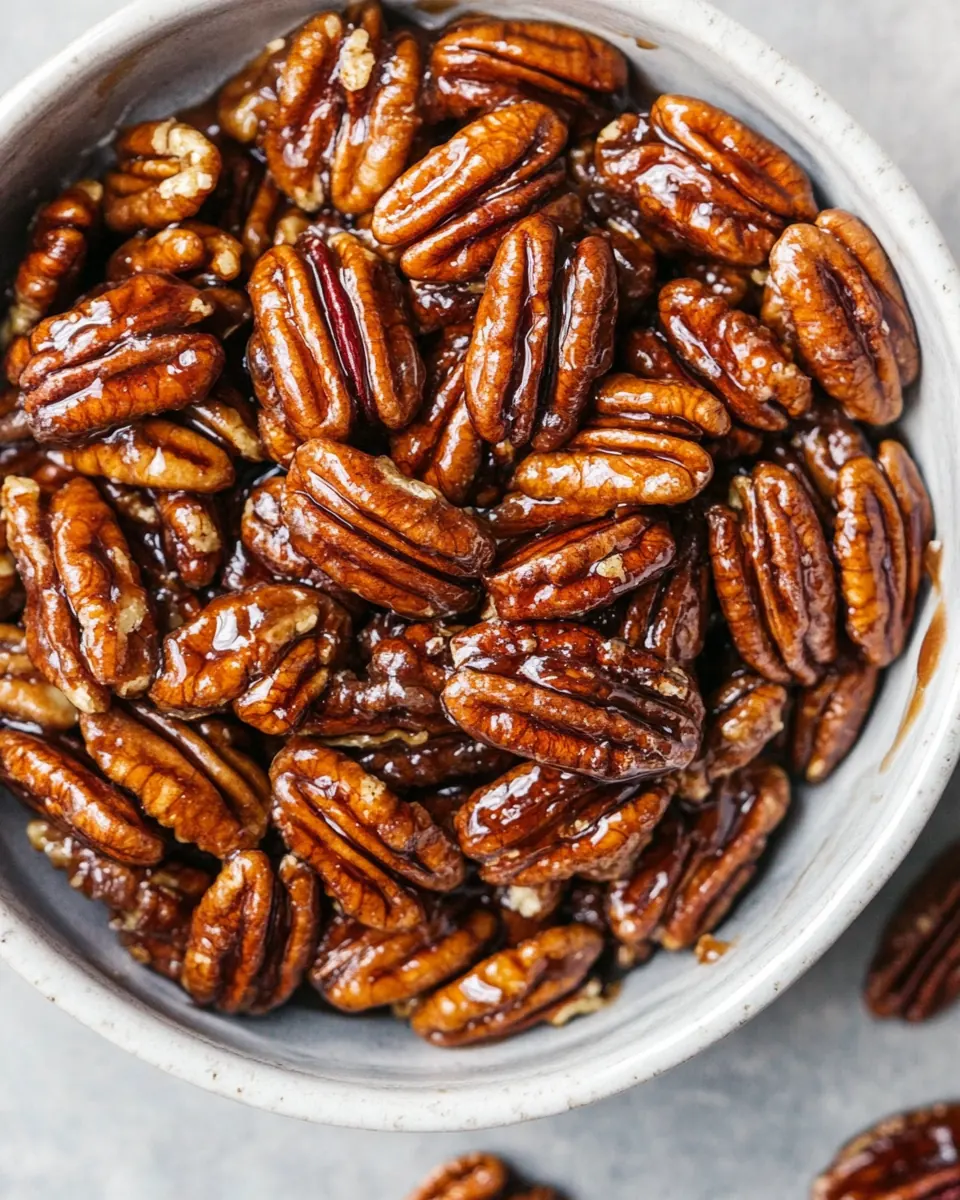
These ingredients are beautifully minimal, so every element has a clear job. The brown sugar builds a shiny, sweet coating that caramelizes just enough to clasp the pecans. The water helps dissolve the sugar and create that bubbling syrup, while the pecans provide the toasted nut backbone, with rich, buttery flavor and satisfying crunch. Together they form a simple chemistry of texture and taste, where technique matters more than a laundry list of extras.
- 1/2 cup light brown sugar: Provides deep, caramel-like sweetness and moisture that dissolves into a glossy coating when heated; helps build the candying base for coating nuts and contributes rich molasses notes to balance the pecans' natural bitterness.
- 2 tablespoons water: Acts as a simple liquid activator that melts the sugar evenly and prevents clumping; aids in controlling crystallization so the brown sugar forms a smooth, sticky caramel that adheres well to the pecan halves.
- 2 cups halved pecans: Offers crunchy texture and rich, buttery flavor that becomes enhanced when toasted and coated; halving ensures even caramel coverage and quicker, uniform cooking so each piece develops a crisp, caramelized exterior.
Cooking Method for Caramelized Pecans
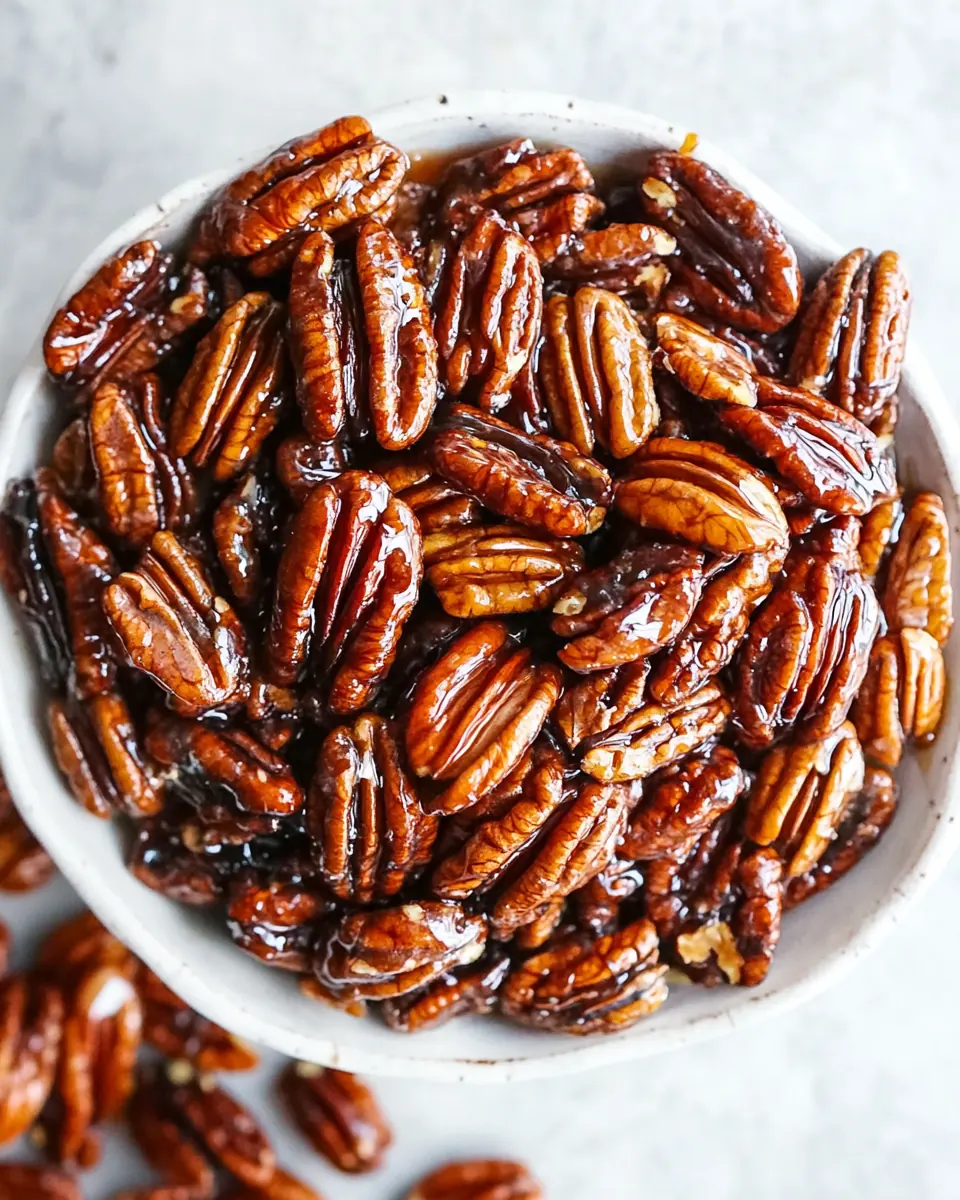
These steps are straightforward, and once you get used to the sensory cues, the process becomes almost meditative. I like to keep tools and a baking sheet ready so the pace moves smoothly when the sugar starts to bubble. Focus on sound and sight, because subtle changes mean the difference between glossy perfection and burnt sugar.
- In a nonstick skillet over medium high heat, melt together brown sugar and water until rapidly bubbling. Add pecans, stirring thoroughly to coat. Cook, stirring, for 3-4 minutes, until fragrant and most of the liquid has evaporated. (But not so long at the sugars burn.): The moment the sugar–water mixture begins to bubble rapidly, you will notice a thin, steady sizzle and a warm sweet steam rising, signaling the syrup is reaching the right stage; this bubbling concentrates the sugars and creates the glassy coating we want, and you should keep the skillet moving with a gentle swirl so the heat distributes evenly, preventing hot spots that scorch; one mistake people make here is leaving the pan unmoved, which causes localized burning and a bitter taste, so stay present and use medium high heat to keep progress steady without rushing to a dark caramel.
- Spread pecans into a single layer onto a parchment-lined baking sheet, and use a fork to separate them. Let stand at room temperature for about an hour, until fully cooled, set, and dry. (Pecans will be only very slightly tacky to the touch.): As soon as the pecans hit the pan you will hear a louder, cheerful crackle and see the syrup cling and gloss the nuts, creating small beads that travel across the pecan surfaces; stirring ensures every crevice gets a thin layer of syrup that will set crisp, and the motion helps prevent clusters from forming too early; avoid dumping in too many pecans at once, which can cool the syrup suddenly and leave sticky, undercoated spots, so add them in a single measured portion as the recipe directs.
- Break apart any pecan clusters and store in an airtight container at room temperature for up to a week, in the refrigerator for a couple of weeks, or in the freezer for up to 2 months.: During these minutes the air will fill with a toasty, sugary aroma and the syrup will thin into a satin sheen that no longer collects as large droplets, indicating moisture has evaporated; you should notice the surface of the pecans transform from wet glistening to a drier lacquer that still looks shiny, and that is the cue to stop cooking; a common misstep is waiting too long, which leads to dark spots and a burnt aftertaste, so watch closely as the fragrance becomes nutty and deep rather than sharp or acrid.
- Spread pecans into a single layer onto a parchment-lined baking sheet, and use a fork to separate them: When you transfer the pecans, arrange them with space between pieces so they set individually, and the fork helps tease apart any that are clinging together while the coating is still warm and tacky; visually you want distinct, glossy nuts that will crisp as they cool, and the fork action reduces big clusters and creates more uniformly coated pieces; if you skip spacing, the puddled sugar will bind clusters that are hard to separate later, so work methodically and separate while still warm.
- Let stand at room temperature for about an hour, until fully cooled, set, and dry: As the pecans rest, the coating hardens into that satisfying brittle shell, and you will feel a faint stickiness at first that fades to a crisp snap; the aroma mellows into a warm toasted note and the texture firms, which is why patience here rewards you with peak crunch; a frequent error is trying to speed this step in the fridge, which can cause condensation and a soft coating, so allow them to cool at room temperature undisturbed.
- Break apart any pecan clusters and store in an airtight container at room temperature for up to a week: Once fully set, gently separate clusters by hand or with a quick fork lift, and keep the nuts in an airtight container away from heat to preserve their snap; the room temperature storage keeps the texture stable and the flavor balanced for everyday use; storing in a warm spot or leaving the lid off invites moisture and softening, so seal them tightly and check occasionally for any sticking to ensure they remain crisp.
Helpful Notes about Caramelized Pecans
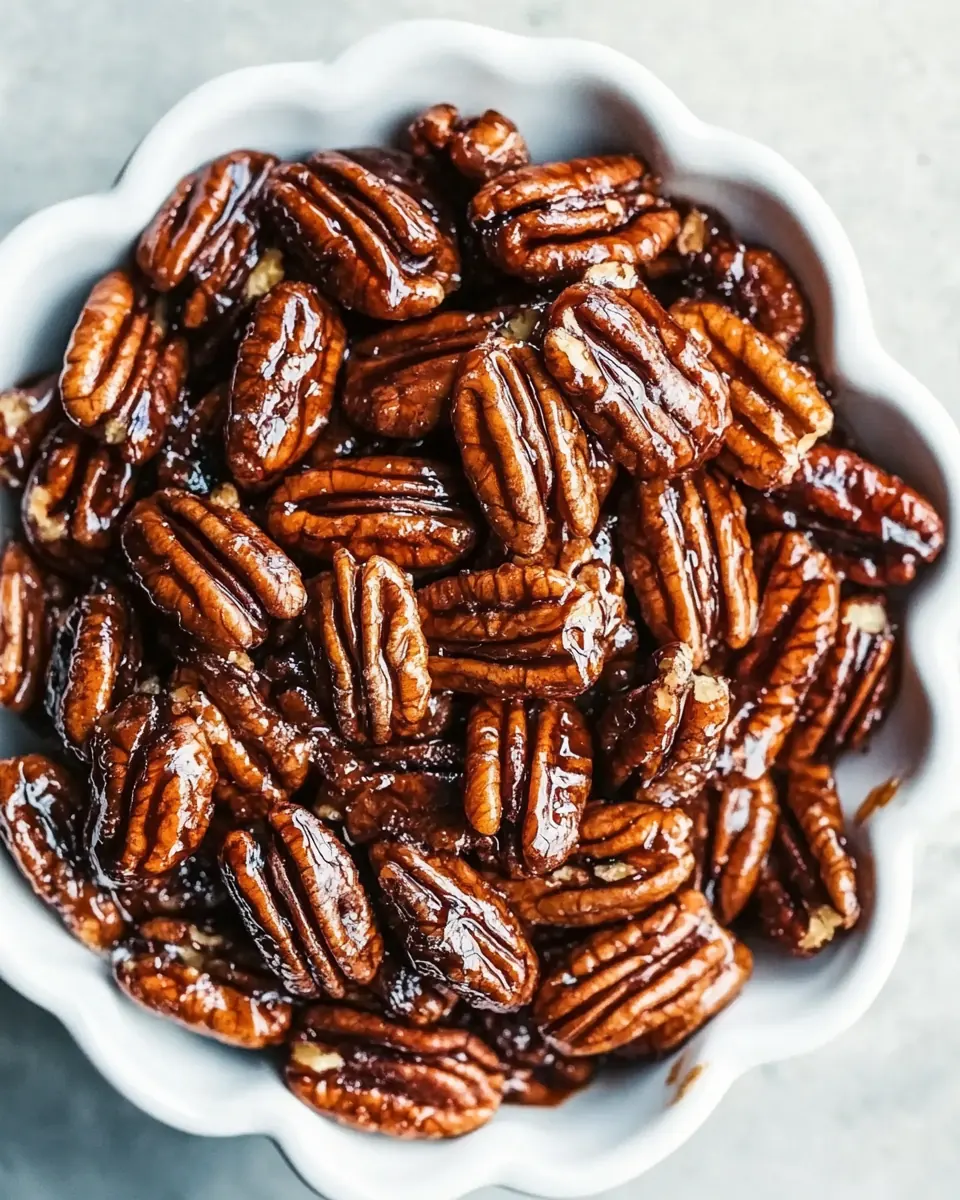
I like to jot practical reminders next to the stove because timing matters so much. These notes expand on small technique points and flavor variations I use often, and they help prevent the most common mistakes. Read them before you start, and you will feel confident when the syrup begins to sing.
- Measure the sugar and water precisely, accurate proportions give a reliable syrup texture, and a slight imbalance can lead to grainy sugar or an overly thin coating that does not set well.
- Keep a fork or silicone spatula handy, tools let you separate nuts and scrape any caramel bits from the pan, which reduces waste and keeps the coating even.
- Try the cinnamon option, adding 1/4 teaspoon cinnamon with the sugar builds a warm spice note that pairs beautifully with the pecans without overwhelming their natural flavor.
- For a spicy kick, add a pinch of cayenne when the sugar melts to create a sweet heat contrast that is surprisingly delicious on salads or cheese boards.
- Finish with sea salt, sprinkling flaky salt after spreading the nuts enhances the caramel and provides a balanced sweet salt contrast that elevates each bite.
Serving This Caramelized Pecans
These pecans are an easy way to elevate many moments, from casual snacks to holiday spreads. I like to present them in small bowls or scatter them atop dishes to add crunch and flavor contrast. They work well year round but are especially cozy in cooler months.
- On a salad, sprinkle chopped pieces over mixed greens with tart fruit or a tangy vinaigrette to add sweet crunch and a toasty finish.
- As a snack, place a small jar on the coffee table or counter for guests to nibble, they pair nicely with tea or coffee and make simple moments feel deliberate.
- On desserts, use as a finishing touch for ice cream, panna cotta, or baked fruit, where the crisp caramel shell contrasts with softer textures.
- Gift jars, pack into small airtight jars with a ribbon for a homemade present that travels well and feels personal.
- Storage suggestions, keep in an airtight container at room temperature for up to a week, refrigerate for longer life, or freeze in a sealed bag for up to two months for extended keeping.
FAQ
Conclusion
Caramelized Pecans shine because of their perfect balance of crisp, glossy caramel and rich, toasted pecan flavor. They are quick to make, highly adaptable, and bring a little homemade magic to snacks, salads, and desserts. Give this simple stovetop method a try, and you will see how a small technique creates big rewards; once you master the sensory cues, it becomes an effortless favorite to keep on hand for sharing or savoring.
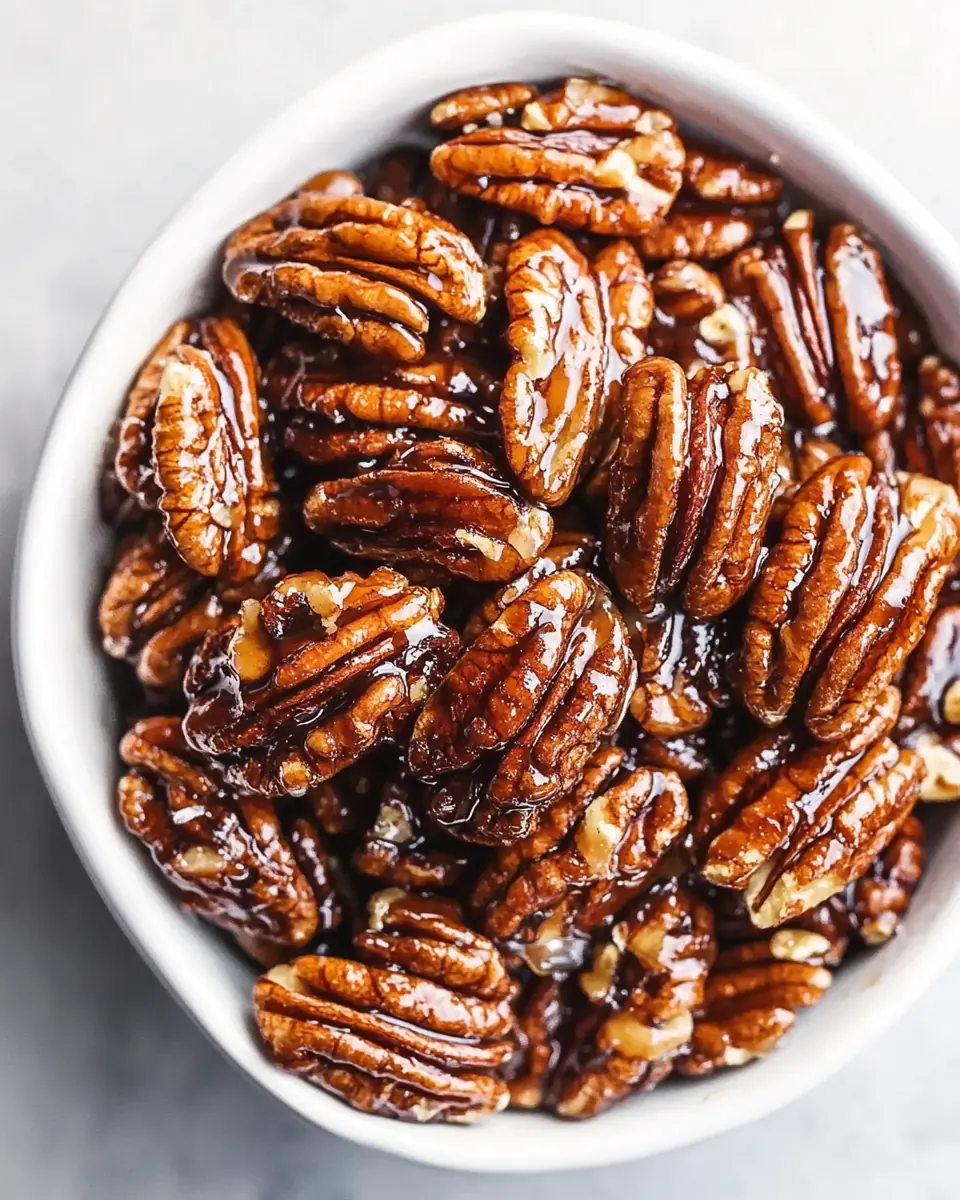
Caramelized Pecans
Ingredients
Equipment
Method
- In a nonstick skillet over medium high heat, melt together brown sugar and water until rapidly bubbling. Add pecans, stirring thoroughly to coat. Cook, stirring, for 3-4 minutes, until fragrant and most of the liquid has evaporated. (But not so long at the sugars burn.): The moment the sugar-water mixture begins to bubble rapidly, you will notice a thin, steady sizzle and a warm sweet steam rising, signaling the syrup is reaching the right stage; this bubbling concentrates the sugars and creates the glassy coating we want, and you should keep the skillet moving with a gentle swirl so the heat distributes evenly, preventing hot spots that scorch; one mistake people make here is leaving the pan unmoved, which causes localized burning and a bitter taste, so stay present and use medium high heat to keep progress steady without rushing to a dark caramel.
- Spread pecans into a single layer onto a parchment-lined baking sheet, and use a fork to separate them. Let stand at room temperature for about an hour, until fully cooled, set, and dry. (Pecans will be only very slightly tacky to the touch.): As soon as the pecans hit the pan you will hear a louder, cheerful crackle and see the syrup cling and gloss the nuts, creating small beads that travel across the pecan surfaces; stirring ensures every crevice gets a thin layer of syrup that will set crisp, and the motion helps prevent clusters from forming too early; avoid dumping in too many pecans at once, which can cool the syrup suddenly and leave sticky, undercoated spots, so add them in a single measured portion as the recipe directs.
- Break apart any pecan clusters and store in an airtight container at room temperature for up to a week, in the refrigerator for a couple of weeks, or in the freezer for up to 2 months.: During these minutes the air will fill with a toasty, sugary aroma and the syrup will thin into a satin sheen that no longer collects as large droplets, indicating moisture has evaporated; you should notice the surface of the pecans transform from wet glistening to a drier lacquer that still looks shiny, and that is the cue to stop cooking; a common misstep is waiting too long, which leads to dark spots and a burnt aftertaste, so watch closely as the fragrance becomes nutty and deep rather than sharp or acrid.
- Spread pecans into a single layer onto a parchment-lined baking sheet, and use a fork to separate them: When you transfer the pecans, arrange them with space between pieces so they set individually, and the fork helps tease apart any that are clinging together while the coating is still warm and tacky; visually you want distinct, glossy nuts that will crisp as they cool, and the fork action reduces big clusters and creates more uniformly coated pieces; if you skip spacing, the puddled sugar will bind clusters that are hard to separate later, so work methodically and separate while still warm.
- Let stand at room temperature for about an hour, until fully cooled, set, and dry: As the pecans rest, the coating hardens into that satisfying brittle shell, and you will feel a faint stickiness at first that fades to a crisp snap; the aroma mellows into a warm toasted note and the texture firms, which is why patience here rewards you with peak crunch; a frequent error is trying to speed this step in the fridge, which can cause condensation and a soft coating, so allow them to cool at room temperature undisturbed.
- Break apart any pecan clusters and store in an airtight container at room temperature for up to a week: Once fully set, gently separate clusters by hand or with a quick fork lift, and keep the nuts in an airtight container away from heat to preserve their snap; the room temperature storage keeps the texture stable and the flavor balanced for everyday use; storing in a warm spot or leaving the lid off invites moisture and softening, so seal them tightly and check occasionally for any sticking to ensure they remain crisp.
Notes
- Measure the sugar and water precisely, accurate proportions give a reliable syrup texture, and a slight imbalance can lead to grainy sugar or an overly thin coating that does not set well.
- Keep a fork or silicone spatula handy, tools let you separate nuts and scrape any caramel bits from the pan, which reduces waste and keeps the coating even.
- Try the cinnamon option, adding 1/4 teaspoon cinnamon with the sugar builds a warm spice note that pairs beautifully with the pecans without overwhelming their natural flavor.
- For a spicy kick, add a pinch of cayenne when the sugar melts to create a sweet heat contrast that is surprisingly delicious on salads or cheese boards.
- Finish with sea salt, sprinkling flaky salt after spreading the nuts enhances the caramel and provides a balanced sweet salt contrast that elevates each bite.