Snowball Cookies
Snowball Cookies have been my go to for chilly afternoons when I want something buttery and comforting with a playful dusting of sugar on top.
Growing up, my grandmother kept a tin of these little rounds on the counter during the holidays, and the ritual of sneaking one while no one was looking became a secret I cherished. The texture is so distinctive, a tender crumb that gives way to a burst of nutty crunch, and the powdered sugar bloom makes them feel celebratory even on a quiet Tuesday. I still remember how the kitchen smelled warm and faintly of toasted nuts whenever she baked a batch, and that memory nudged me to perfect my own version.
Over the years I learned small tweaks that make a big difference, like chilling the dough so the cookies hold their shape, and rolling them twice in powdered sugar if you want that extra snowy look. When I bring a plate to a friend, it feels like passing along a tiny piece of comfort, and everyone always asks for the recipe. These cookies come together with simple pantry staples and a little patience, which is why I keep coming back to them when I want to bake something reliably loved.
Recipe Snapshot
50 mins
20 mins
30 mins
Medium
150 kcal
American
Gluten-Free, Low FODMAP
Desserts
Vanilla Extract, Walnuts, Chopped Pecans
Why You’ll Love This Snowball Cookies
They are timeless and nostalgic
I adore how Snowball Cookies instantly evoke memories. The delicate crumb and powdered sugar coating transport me straight to family gatherings. This recipe captures that old fashioned charm while staying approachable, so you can recreate those warm memories at home without fuss.
Simple ingredients, big impact
With basic items like unsalted butter, all purpose flour, and walnuts or pecans, this cookie feels luxurious despite its simplicity. I love recipes that rely on technique over fancy ingredients, and these cookies prove a few quality staples go a long way toward great flavor and texture.
Texture is the star
The contrast between a tender, almost shortbread like bite and the crunchy bits of chopped nuts is irresistible. I appreciate how each mouthful delivers both melt in your mouth softness and a satisfying nutty crunch, giving these cookies a layered eating experience.
Perfect for gifting and gatherings
These cookies store well and travel nicely, making them an ideal homemade gift. I often make a double batch for holiday cookie exchanges, because they stack beautifully in tins and the powdered sugar stays pretty when handled gently.
Customizable without losing identity
While I stick to the classic profile, you can lean into the pecan or walnut choice to match your preference. I find small changes like finely chopping the nuts or pulsing them to different sizes subtly shift the texture, allowing you to make the recipe your own while preserving what makes Snowball Cookies special.
Ingredients Overview for Snowball Cookies
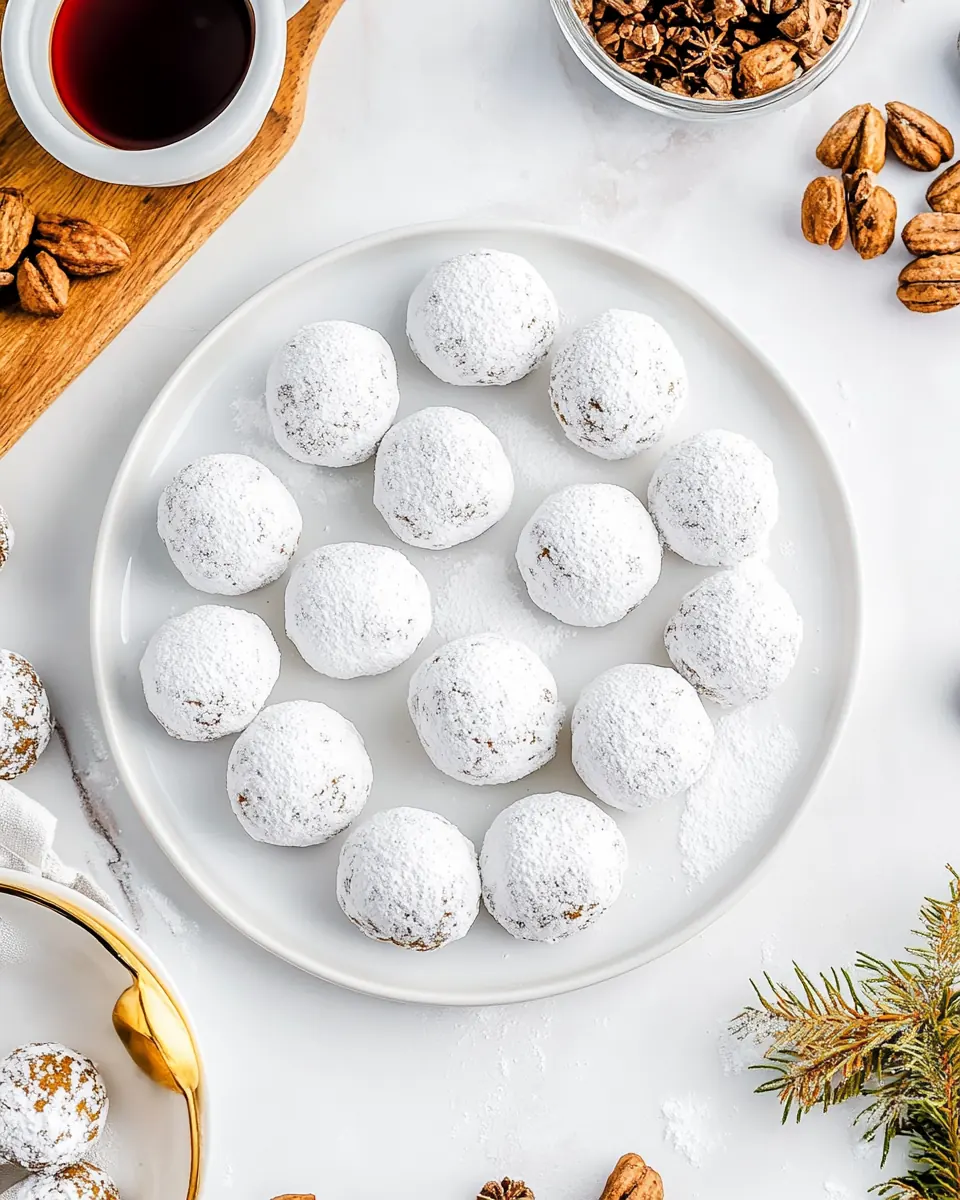
These ingredients form a classic, restrained lineup that lets technique shine. The core players are the buttery base, the tenderizing flour, and the crunchy nuts. Each element has a clear job: unsalted butter provides richness and structure, all purpose flour creates the tender crumb, and walnuts or pecans add texture and toasty flavor. The finishing coat of powdered sugar gives the cookies their signature snowy appearance, while a touch of kosher salt brightens the sweetness.
- 8 ounces unsalted butter, room temperature: Soften and cream to provide richness and structure, helping create a tender, melt-in-your-mouth cookie by incorporating air when beaten with sugar. Maintain room temperature to ensure even mixing and avoid greasy or dense texture in the dough.
- 1/4 cup granulated sugar: Add sweetness and aid in creaming with butter to create a light, tender crumb; also helps the powdered sugar adhere after baking. Measure precisely to balance sweetness without overpowering the nutty flavors.
- 2 cups all-purpose flour: Bind and give body to the dough while creating the cookie's tender yet slightly crumbly texture; flour forms the gluten network when mixed. Spoon and level for accurate measurement to prevent dry or tough cookies.
- 2 cups finely chopped walnuts or pecans: Provide crunchy, toasty flavor and textural contrast throughout the cookie; finely chopped pieces disperse evenly for consistent bites. Toast lightly if desired to intensify flavor and ensure nuts are well-drained of oils before mixing.
- 1 teaspoon vanilla extract: Enhance overall flavor by adding a warm, aromatic note that complements butter and nuts; vanilla rounds out the sweetness and deepens complexity. Add during creaming to distribute flavor uniformly throughout the dough.
- 1/2 teaspoon kosher salt: Season and balance sweetness to prevent the cookies from tasting flat; kosher salt enhances other flavors and sharpens the nutty and buttery notes. Dissolve into the dough to ensure even seasoning in every bite.
- 1 cup powdered sugar: Coat and finish cookies to add extra sweetness and a snowy appearance, creating a delicate outer dusting that contrasts with the buttery interior. Use after cooling slightly so the powdered sugar adheres without melting into the warm cookie.
Step by Step Guide for Snowball Cookies
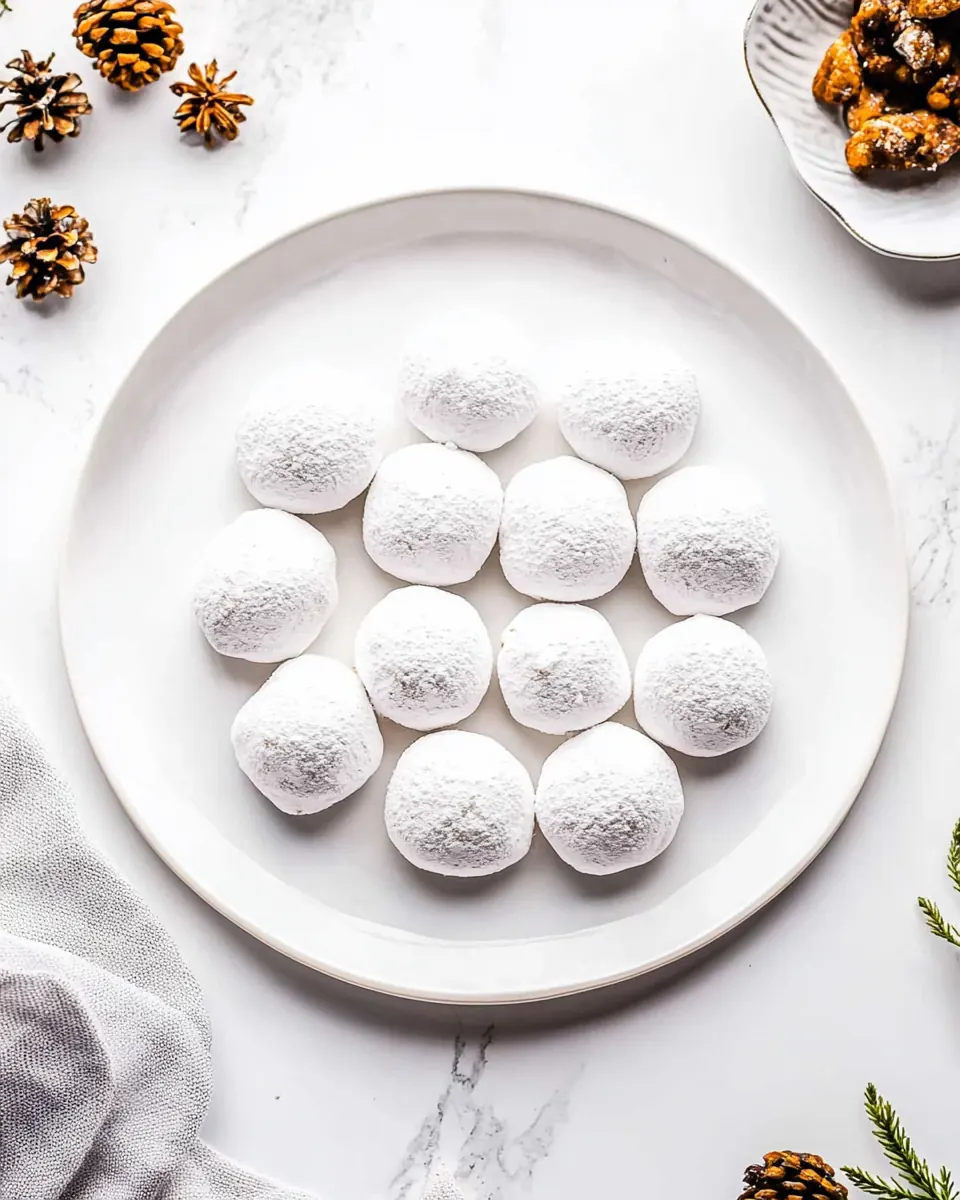
Below is a thorough, conversational walkthrough to help you feel confident at every stage. I wrote these steps as if I were standing beside you, describing what to watch for and how to fix common missteps so your batch turns out reliably delicious.
- In the bowl of a stand mixer add butter and granulated sugar.: The moment you start creaming unsalted butter with granulated sugar you will hear a soft scraping as the paddle works, and the aroma becomes lightly sweet and buttery. I like to let the butter warm until it is cool to the touch but still firm, so it creams into a pale, airy mix that traps tiny air bubbles. These bubbles help the cookies feel delicate after baking. A common mistake is using butter that is too warm, which yields greasy, flat cookies. If that happens, chill the bowl briefly before continuing.
- Beat on medium speed until creamed and light and fluffy in texture.: As you beat, watch the color shift to a lighter shade and the texture become pillowy. This step can take four to six minutes depending on your mixer and butter temperature. The sound changes from heavy thumps to a steady hum when the mixture is right. Overbeating can lead to a dry crumb, so stop once you see a consistent, fluffy texture.
- Add the flour, chopped nuts, vanilla extract, and kosher salt.: When these dry and aromatic ingredients join the butter mixture, the scent becomes rounded and nutty, and the dough will start to thicken immediately. Sprinkle the all purpose flour in increments to avoid clumping, then fold in the chopped walnuts or pecans so you get even distribution of crunchy pieces. Adding everything at once without mixing gently can create pockets of flour or uneven nut clusters, so take your time here.
- Mix until combined. Making sure to scrape the sides occasionally to get all the ingredients incorporated.: You'll notice the dough change from glossy to slightly matte as the flour hydrates, and the nuts will punctuate the dough with textured flecks. Use a spatula to scrape the bowl often, ensuring no streaks of flour remain. If you ignore the sides, some cookies will bake with dry bits. The right moment to stop is when the dough holds together without visible streaks of flour.
- Roll the dough and cover with plastic wrap and place it in the refrigerator for 30 minutes.: Chilling firms the dough so the cookies hold their shape and develop a finer crumb. After you form the dough into a log or disk, cover it tightly; you will feel the difference as it cools, going from sticky to more manageable. Refrigeration also lets the butter solidify, which reduces spreading in the oven. Skipping this step often results in flat, misshapen cookies, so resist the urge to bake immediately.
- When ready to bake, remove the cookie dough from the refrigerator.: The chilled dough will be noticeably firmer and cooler, emitting a subtle nutty scent. Let it sit for just a minute so it is scoopable but still cold enough to hold shape. If it warms too much, the dough becomes sticky and hard to form, so work in batches or re chill briefly if needed.
- Preheat your oven to 350 degrees F and line two baking trays with parchment paper.: Preheating ensures even oven spring and consistent browning. As the oven warms, you might smell a faint metallic scent which signals readiness. Lining trays with parchment prevents sticking and promotes even bottoms. A common error is not allowing the oven to fully reach temperature, which can cause uneven bake times and texture inconsistencies.
- Scoop the mixture and roll it firmly into a ball of dough. Place on the baking tray.: As you scoop, the dough should feel cool and slightly tacky, and rolling it firmly compresses the crumb so the cookies hold together. Arrange them with even spacing so heat circulates and they bake uniformly. If you roll too loosely the cookies can crack or fall apart, so apply gentle, consistent pressure to form compact spheres.
- Bake for 25 – 30 minutes until slightly golden.: In the oven you will hear a soft quiet as moisture escapes, and the tops will shift from pale to a faint golden hue around the base. The smell becomes warm and nutty. These cookies do not brown heavily on top, so use the base color and a gentle spring back to judge doneness. Overbaking dries them out, while underbaking makes them fragile, so aim for a just set center with a hint of color at the edges.
- Remove from the oven and let them cool for a minute or two. Roll them in the powdered sugar until completely covered and set them on a rack to cool completely.: The first warm roll seizes some of the sugar into the surface, creating a base coat. You will notice a soft crackle as the sugar adheres. Once the cookies are cool to the touch, a second roll will create that classic bright white finish. A mistake is rolling them too vigorously while piping hot, which can cause breakage, so let them rest briefly before the initial roll.
- If you want them really white, roll them in the sugar for a second coating once they are completely cool.: The second coat gives a pristine, snow covered look and mellows the powdered sugar into the surface for a smoother finish. When you handle cooled cookies, they will feel firmer and the sugar will dust lightly without clumping. Rushing this step or applying wet hands can smear the sugar, so always use dry hands or a small sifter for the second pass.
Recipe Notes about Snowball Cookies
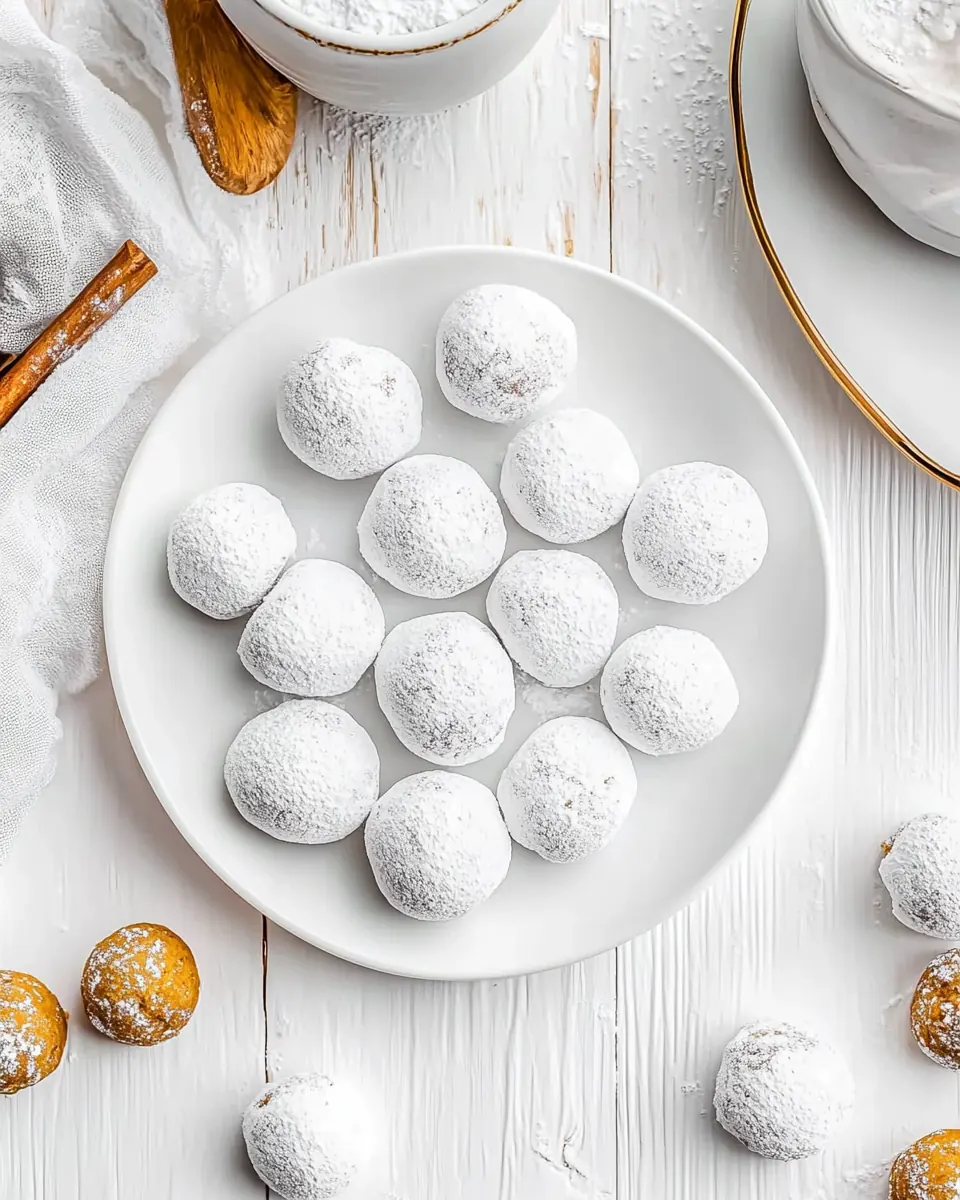
These notes collect practical pointers I rely on when making Snowball Cookies. They address texture, timing, and presentation so your batch looks and tastes like a bakery classic.
- Butter temperature matters Allow unsalted butter to reach a cool room temperature where it yields to gentle pressure, which ensures it creams properly with granulated sugar. Too cold and it will not aerate, too warm and the dough will spread excessively while baking.
- Chop nuts consistently Finely chop walnuts or pecans to distribute crunchy bits uniformly in the dough. Uneven pieces cause some cookies to be overly nutty and others to lack texture.
- Measure flour accurately Spoon and level the all purpose flour into your measuring cup to prevent adding too much, which can dry out the cookies. If the dough seems crumbly, add a teaspoon of butter to bring it together.
- Double coat for appearance Roll the cookies in powdered sugar when warm, then again after cooling for the signature white finish. This also helps the sugar adhere without making the surface soggy.
- Watch baking time closely These cookies bake gently, so look for a faint golden edge and a set center at about 25 to 30 minutes. Remove early rather than late to keep them tender and not dry.
What to Pair With Snowball Cookies
These cookies are wonderfully versatile, pairing well with beverages and other treats for gatherings or quiet snacks. I like to arrange them on a platter with complementary textures and flavors to create an inviting spread that suits holidays or everyday moments.
- Hot beverages Pair with a warm cup of tea or coffee, as the warmth contrasts with the cool powdered sugar and enhances the buttery flavor. For holiday afternoons, a spiced tea brings out the nutty notes.
- Cold milk A classic companion, a glass of chilled milk balances the sweetness and softens the cookie texture in the best way. This pairing is especially beloved by children and nostalgic adults alike.
- Cheese board accents Include the cookies as a sweet counterpoint on a dessert board alongside dried fruit and mild cheeses, where their crumbly texture complements smooth, tangy bites.
- Gift presentation Stack them gently in a tin lined with parchment and a sprig of greenery for a festive gift. They travel well and retain their powdered sugar coating if layered with care.
- Occasions Ideal for holiday cookie swaps, family gatherings, or Ramadan evenings after Iftar when a sweet, modest treat is appreciated. They are easy to scale up for larger crowds without losing their charm.
- Storage tips Keep in an airtight container at room temperature for up to one week. For longer storage, freeze in a single layer then transfer to a sealed container, thawing gently before a second dusting of powdered sugar if desired.
FAQ
Conclusion
These Snowball Cookies are special because they combine a tender, buttery crumb with a delightful nutty crunch and a snowy powdered sugar finish. I encourage you to give them a try, whether for a holiday gathering or a quiet afternoon treat, because they are simple to make and reliably adored by friends and family. Baking these cookies is a small act that yields big comfort, and once you taste that balance of texture and flavor, you will understand why they are a timeless favorite.
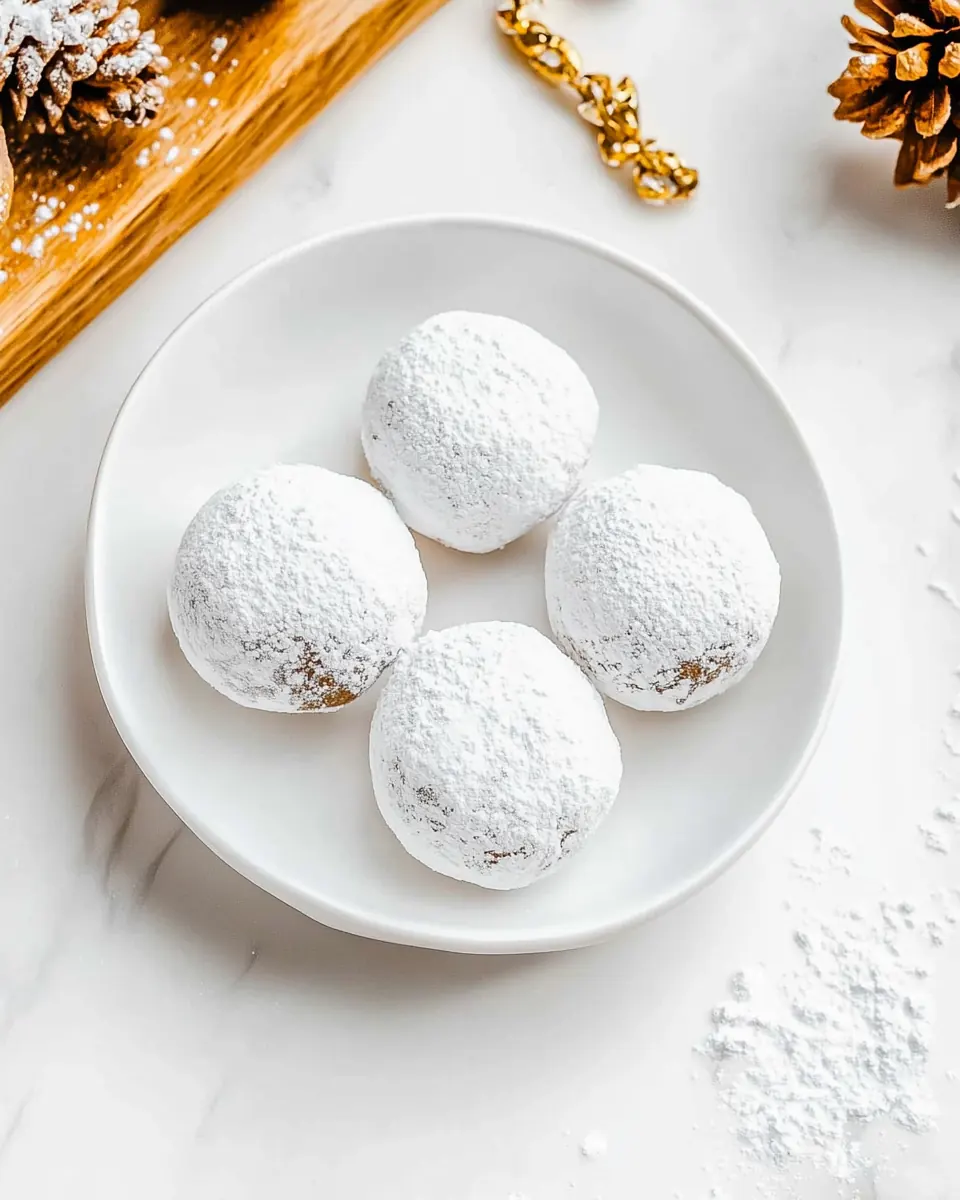
Snowball Cookies
Ingredients
Equipment
Method
- In the bowl of a stand mixer add butter and granulated sugar.: The moment you start creaming unsalted butter with granulated sugar you will hear a soft scraping as the paddle works, and the aroma becomes lightly sweet and buttery. I like to let the butter warm until it is cool to the touch but still firm, so it creams into a pale, airy mix that traps tiny air bubbles. These bubbles help the cookies feel delicate after baking. A common mistake is using butter that is too warm, which yields greasy, flat cookies. If that happens, chill the bowl briefly before continuing.
- Beat on medium speed until creamed and light and fluffy in texture.: As you beat, watch the color shift to a lighter shade and the texture become pillowy. This step can take four to six minutes depending on your mixer and butter temperature. The sound changes from heavy thumps to a steady hum when the mixture is right. Overbeating can lead to a dry crumb, so stop once you see a consistent, fluffy texture.
- Add the flour, chopped nuts, vanilla extract, and kosher salt.: When these dry and aromatic ingredients join the butter mixture, the scent becomes rounded and nutty, and the dough will start to thicken immediately. Sprinkle the all purpose flour in increments to avoid clumping, then fold in the chopped walnuts or pecans so you get even distribution of crunchy pieces. Adding everything at once without mixing gently can create pockets of flour or uneven nut clusters, so take your time here.
- Mix until combined. Making sure to scrape the sides occasionally to get all the ingredients incorporated.: You'll notice the dough change from glossy to slightly matte as the flour hydrates, and the nuts will punctuate the dough with textured flecks. Use a spatula to scrape the bowl often, ensuring no streaks of flour remain. If you ignore the sides, some cookies will bake with dry bits. The right moment to stop is when the dough holds together without visible streaks of flour.
- Roll the dough and cover with plastic wrap and place it in the refrigerator for 30 minutes.: Chilling firms the dough so the cookies hold their shape and develop a finer crumb. After you form the dough into a log or disk, cover it tightly; you will feel the difference as it cools, going from sticky to more manageable. Refrigeration also lets the butter solidify, which reduces spreading in the oven. Skipping this step often results in flat, misshapen cookies, so resist the urge to bake immediately.
- When ready to bake, remove the cookie dough from the refrigerator.: The chilled dough will be noticeably firmer and cooler, emitting a subtle nutty scent. Let it sit for just a minute so it is scoopable but still cold enough to hold shape. If it warms too much, the dough becomes sticky and hard to form, so work in batches or re chill briefly if needed.
- Preheat your oven to 350 degrees F and line two baking trays with parchment paper.: Preheating ensures even oven spring and consistent browning. As the oven warms, you might smell a faint metallic scent which signals readiness. Lining trays with parchment prevents sticking and promotes even bottoms. A common error is not allowing the oven to fully reach temperature, which can cause uneven bake times and texture inconsistencies.
- Scoop the mixture and roll it firmly into a ball of dough. Place on the baking tray.: As you scoop, the dough should feel cool and slightly tacky, and rolling it firmly compresses the crumb so the cookies hold together. Arrange them with even spacing so heat circulates and they bake uniformly. If you roll too loosely the cookies can crack or fall apart, so apply gentle, consistent pressure to form compact spheres.
- Bake for 25 – 30 minutes until slightly golden.: In the oven you will hear a soft quiet as moisture escapes, and the tops will shift from pale to a faint golden hue around the base. The smell becomes warm and nutty. These cookies do not brown heavily on top, so use the base color and a gentle spring back to judge doneness. Overbaking dries them out, while underbaking makes them fragile, so aim for a just set center with a hint of color at the edges.
- Remove from the oven and let them cool for a minute or two. Roll them in the powdered sugar until completely covered and set them on a rack to cool completely.: The first warm roll seizes some of the sugar into the surface, creating a base coat. You will notice a soft crackle as the sugar adheres. Once the cookies are cool to the touch, a second roll will create that classic bright white finish. A mistake is rolling them too vigorously while piping hot, which can cause breakage, so let them rest briefly before the initial roll.
- If you want them really white, roll them in the sugar for a second coating once they are completely cool.: The second coat gives a pristine, snow covered look and mellows the powdered sugar into the surface for a smoother finish. When you handle cooled cookies, they will feel firmer and the sugar will dust lightly without clumping. Rushing this step or applying wet hands can smear the sugar, so always use dry hands or a small sifter for the second pass.
Notes
- Butter temperature matters Allow unsalted butter to reach a cool room temperature where it yields to gentle pressure, which ensures it creams properly with granulated sugar. Too cold and it will not aerate, too warm and the dough will spread excessively while baking.
- Chop nuts consistently Finely chop walnuts or pecans to distribute crunchy bits uniformly in the dough. Uneven pieces cause some cookies to be overly nutty and others to lack texture.
- Measure flour accurately Spoon and level the all purpose flour into your measuring cup to prevent adding too much, which can dry out the cookies. If the dough seems crumbly, add a teaspoon of butter to bring it together.
- Double coat for appearance Roll the cookies in powdered sugar when warm, then again after cooling for the signature white finish. This also helps the sugar adhere without making the surface soggy.
- Watch baking time closely These cookies bake gently, so look for a faint golden edge and a set center at about 25 to 30 minutes. Remove early rather than late to keep them tender and not dry.