Vegetable Pasta Soup
Vegetable Pasta Soup is the kind of bowl I reach for when I need something both comforting and lively, a pot that warms more than just my hands. The first time I made this recipe I was coming in from a blustery walk, pockets full of cold and a head full of ideas, and a steaming ladle of this soup felt like an immediate reset. The blend of tender carrot, silky celery, and sweet onion with little shells of pasta suspended in a bright, herbed broth reminded me that simple ingredients can do extraordinary work.
I often think of this as a flexible weekday supper, something I can finish while the oven preheats or while helping someone with homework. I remember stirring the pot and sneaking a taste of the parsley almond herb infusion, delighted by the unexpected crunch from the chopped almonds and the pop of lemon that cut through the vegetable stock. It felt fresh without being fussy, and it filled the kitchen with an aroma that made neighbors curious.
On colder nights I top bowls with a little grated cheese and set out a thick slab of buttered bread, then we all gather around the table and talk about our days. The recipe has become my go to when I want to cook something nourishing, but also a little refined, because that parsley almond finish lifts the whole dish. Over time I tuned the seasoning and timing so the pasta comes out just right, and now it reliably delivers the soft bite I want, with bright herb notes and a rounded, savory base.
Recipe Snapshot
45 mins
25 mins
20 mins
Medium
250 kcal
Italian
Gluten-Free, Vegan
Soups
Large pot, Small food processor
Why This Vegetable Pasta Soup Is a Winner
Reason One, Comfort with Texture
I adore how Vegetable Pasta Soup balances soft and slightly chewy textures. The tiny shell pasta holds the broth in its curve, so each spoonful gives you broth, tender carrot, and a little pasta bite. That interplay makes the soup feel substantial while remaining light, perfect for evenings when I want something filling but not heavy.
Reason Two, Flavor Depth from Simple Steps
I love that the base uses straightforward sautéing of onion, carrot, and celery to build real savory depth. Taking time to sweat the vegetables gently brings out natural sweetness, which then harmonizes with the vegetable stock. The modest addition of Italian seasoning and a finishing herb infusion turns humble elements into a layered, comforting broth.
Reason Three, A Bright Herb Finish
The parsley and almond infusion is the secret that keeps me coming back to this recipe. It adds fresh herbal lift from the parsley, nutty richness from the almonds, and bright acidity from the lemon juice. That finishing splash changes the soup from good to memorable without complicating the cook time.
Reason Four, Weeknight Friendly
As someone who often cooks after work, I appreciate that Vegetable Pasta Soup comes together quickly with basic equipment like a large pot and a small food processor. The technique is forgiving, so you can chat, multitask, or help with homework while it cooks. It’s a reliable solution for busy nights when you want homemade comfort fast.
Reason Five, Customizable and Family Friendly
This soup is friendly to different palates; you can skip the optional grated cheese for a dairy free finish, or add more herbs if you want a punchier green flavor. I find families appreciate the familiar pasta, while adults enjoy the herb almond finish. It’s a dish that adapts to what you have, and that versatility makes it a staple in my rotation.
What You’ll Need for Vegetable Pasta Soup
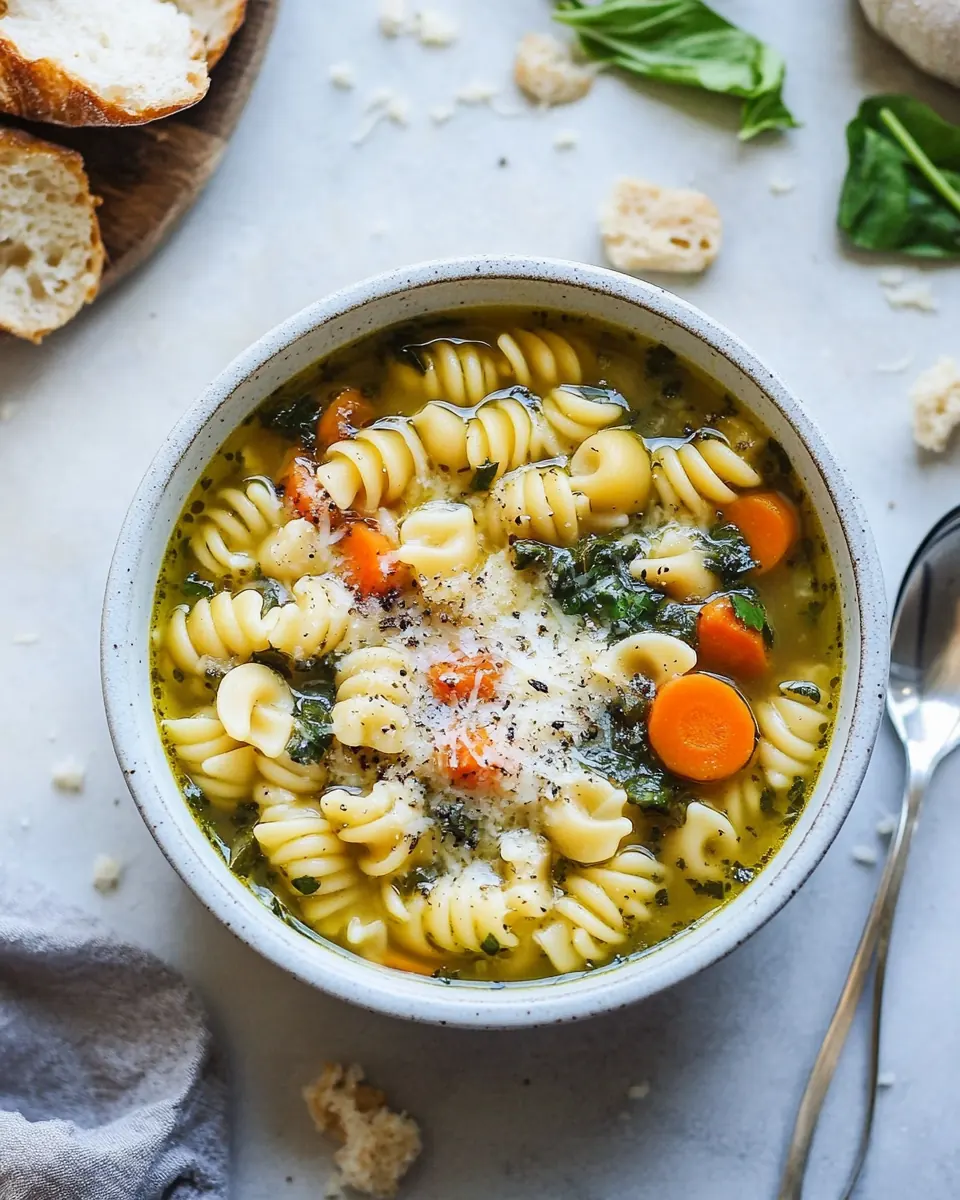
These ingredients are chosen to work in harmony, building a broth that feels wholesome and layered. The trio of onion, carrot, and celery form a classic flavor base, the vegetable stock provides savory body, and the pasta adds comforting bite. The parsley almond infusion is the flourish that ties everything together, bringing fresh, nutty, and bright notes to each spoonful.
- 3 tablespoons olive oil: Measure and heat to coat the pot; provides a fragrant cooking fat that helps soften vegetables and carries flavors throughout the soup. Use at medium heat to gently sauté aromatics without burning and to build a flavorful base for the broth. Can be adjusted slightly for richness or dietary preferences.
- 1 cup finely diced yellow onion: Finely dice and sauté until translucent to add a sweet, savory backbone and delicate texture to the soup. Releases natural sugars that deepen the broth and balances the other vegetables. Aim for even pieces to ensure consistent cooking and mouthfeel.
- 1 cup finely diced carrot: Finely dice and cook until tender to contribute sweetness, color, and a pleasant bite to the soup’s vegetable medley. Adds natural sweetness that complements the savory stock and balances acidity from lemon juice. Cut uniformly so carrots soften at the same rate as other vegetables.
- 3/4 cup finely diced celery: Finely dice and sweat gently to provide aromatic depth and a subtle earthy flavor that supports the soup’s savory profile. Adds a slight crunch when undercooked and mellow celery notes when softened; helps layer the overall taste. Keep pieces small for an even distribution in each spoonful.
- Salt and pepper: Season generously during cooking and adjust to taste to enhance and balance all flavors in the soup. Use gradually and taste as you go to avoid over-salting, and include pepper for a mild finishing heat. Essential for bringing out the natural flavors of vegetables and stock.
- 1 cup mini uncooked shell pasta: Add uncooked mini shell pasta directly to simmering broth so it cooks and absorbs flavors, creating a hearty, comforting texture. Shell shape traps bits of vegetables and broth, offering a satisfying mouthfeel. Stir occasionally to prevent sticking and cook until al dente.
- 1 tablespoon finely minced garlic: Finely mince and add early in the sautéing process to infuse the oil and vegetables with aromatic pungency and savory depth. Avoid burning by cooking briefly; it will release aromatic oils that enhance the overall soup flavor. Complements the onions and Italian seasoning.
- 1 teaspoon Italian seasoning: Sprinkle during sautéing or simmering to impart a blend of Mediterranean herbs that brightens and layers the soup’s flavor profile. Works well with garlic, parsley, and lemon to create a classic, balanced herbaceous note. Adjust amount for desired herbal intensity.
- 1 (32-ounce) carton vegetable stock or vegetable broth, 4 cups: Pour as the primary cooking liquid to provide a flavorful, vegetable-forward base and ensure proper pasta cooking and ingredient cohesion. Choose low-sodium stock if preferred to control final seasoning, and simmer gently to meld flavors without reducing too much. Keeps the soup light yet savory.
- 1/4 cup whole almonds roasted and lightly salted: Roast and finely chop or pulse to add a crunchy, nutty element and unexpected texture contrast when sprinkled as a garnish or stirred in for creaminess. Provides rich, toasty flavors that pair well with herbs and lemon, and can be used to thicken slightly when blended. Use sparingly to maintain balance.
- 1 bunch fresh flat-leaf parsley: Chop and add at the end to deliver fresh, vibrant herbal notes and a bright finish that lifts the soup. Provides visual color contrast and a burst of freshness that complements the stock and lemon. Use leaves from the bunch finely chopped for even distribution.
- 1 teaspoon minced garlic: Minced and used in a finishing drizzle or garnish to reinforce garlic flavor without prolonged cooking; offers a fresh raw garlic punch. Adds immediate aromatic bite that enhances the soup’s overall savory profile when mixed into olive oil or sprinkled over bowls. Use sparingly to avoid overpowering.
- 2 tablespoons olive oil: Drizzle to finish or use during cooking to add smoothness, richness, and a subtle fruity olive flavor that rounds out the broth. Enhances mouthfeel and helps carry the aromas of herbs and garlic. Choose good-quality oil for the best taste impact.
- 1 tablespoon lemon juice: Measure and squeeze in to brighten flavors with acidity and add a fresh, citrusy lift that balances richness and saltiness. Stir in near the end of cooking to preserve brightness and avoid bitterness. Adjust amount to taste for desired tartness.
- Freshly grated Parmesan cheese , for serving (optional): Grate freshly over individual servings to contribute a savory, umami-rich finishing touch and creamy saltiness that complements the vegetable broth. Enhances overall depth and offers a traditional flavor pairing for pasta soups. Serve on the side for guests to add as desired.
- Hearty, warm buttered bread , for serving (optional): Serve warm on the side to complement the soup with soft, buttery texture and absorbent crumbs for dipping and sopping up broth. Adds comforting starchiness and makes the meal more substantial, especially when buttered and served fresh. Optional but traditional accompaniment for hearty soups.
Step by Step Guide for Vegetable Pasta Soup
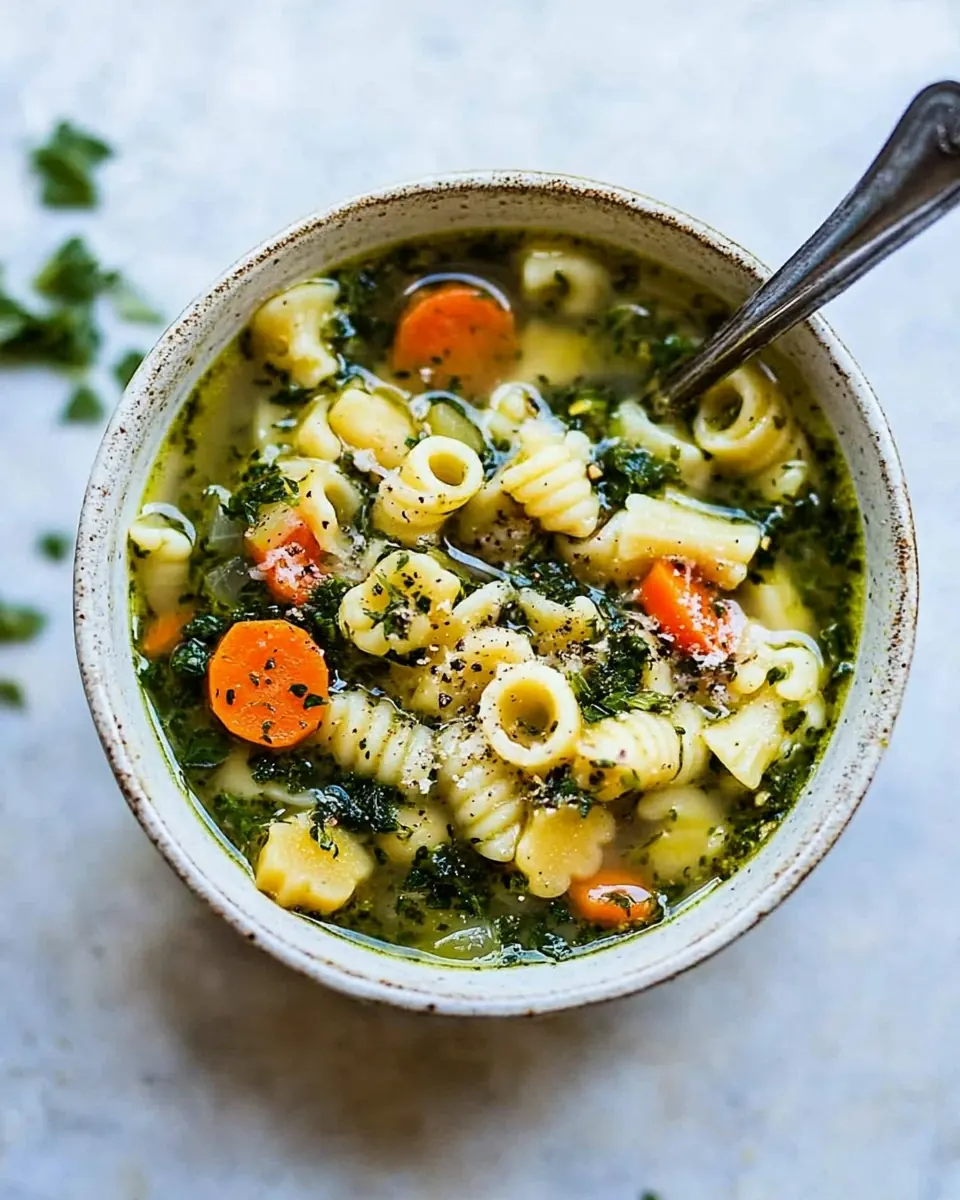
This guide walks you through the cooking process with sensory cues and small troubleshooting tips so you can confidently recreate the recipe. I write each step as a moment to focus on, describing what to listen for and what small adjustments help deliver the best results.
- Heat olive oil in a large, heavy pot over medium heat. Once oil is shimmering, add diced onion, diced carrots, and diced celery. Season to taste (I add 3/4 teaspoon each salt and pepper). Sauté, stirring occasionally, 7–9 minutes or until veggies are crisp tender. Veggies shouldn’t be browning; reduce heat if they are. Take time to get them really tender.: When the oil starts to shimmer and spreads easily across the base, it is ready for the vegetables. You should hear a faint, steady sizzle as the first pieces hit the pan, and the oil will give off a soft, fragrant note. This step matters because gently heating the oil allows it to coat the vegetables, encouraging even cooking and color without burning. A common mistake is using too high heat, which causes the vegetables to brown quickly and develop bitter notes; if you see browning, reduce the heat and scrape the pan to prevent sticking. Properly warmed oil leads to tender, sweet vegetables that form a flavorful foundation.
- Add in dry (uncooked) pasta and garlic. Sauté, stirring constantly for 1 minute. Sprinkle in Italian seasoning, then pour in vegetable stock and bring soup to a boil. Boil for 6–9 minutes, uncovered, or until shells are al dente.: As these go in, listen for the energetic sizzle that signals moisture is evaporating and flavors are concentrating. The onion will begin to soften and become translucent within a few minutes, releasing a sweet aroma; the carrots and celery will start to relax and smell earthier. This slow sweat draws out natural sugars without caramelizing, which creates a balanced base. Avoid crowding the pot, since that traps steam and prevents browning or softening evenly. If you notice sticking, lower the heat and stir more frequently to coax the vegetables to tenderness rather than char.
- While pasta is boiling, prepare the infusion: Add whole almonds to a small food processor and pulse to break into small pieces, (Don’t over-pulse or you’ll get almond butter!) Once almonds are in small pieces, add in coarsely chopped parsley, garlic, oil, lemon juice, plus salt to taste (I add 1/4 teaspoon). Pulse until you have a pesto-like mixture.: Sprinkling salt early helps the vegetables release moisture and enhances their flavors as they cook. The pepper contributes a mild warmth that complements the sweetness of the onion and carrot. Taste the softened vegetables if uncertain, and remember that the broth and any optional Parmesan will also add saltiness, so season progressively. A slip many make is over salting at this stage; if you think you have too much, add more liquid to balance or a peeled potato to absorb excess salt when reheating.
- Once pasta is cooked al dente, remove pot from heat and stir through the herb infusion. Taste and season with any additional salt and pepper if needed. Ladle into bowls and top with freshly grated Parmesan cheese if desired. Serve with some hearty buttered bread—yum!: During this period pay attention to texture; the vegetables should yield when pressed with a spoon but not collapse. You may see tiny golden flecks on the onion edges, and you should smell a gentle sweetness emerging. This cooking time is important because it builds aromatic layers that the stock will dissolve into. If you see heavy browning or hear a popping oil sound, the heat is too high; lower it and stir more frequently. Overcooking to the point of mush loses the pleasant bite and distinct vegetable notes that make the broth interesting.
- Veggies shouldn’t be browning, reduce heat if they are: If you catch early color formation, turn the heat down and continue to cook gently, as a controlled sweat creates a clean, sweet base. The visual cue to look for is translucency in the onion and softened, glossy carrot slices. Reducing heat prevents bitter burnt flavors from developing, which would overshadow the delicate herb finish. A frequent misstep is letting the pan run too hot between stirs; maintain even heat and keep the vegetables moving on the surface to avoid localized scorching.
- Take time to get them really tender: This is where patience pays off, because fully softened vegetables integrate into the broth for a smoother mouthfeel. Use the tip of a spoon to test different pieces, and aim for consistency in texture across the pot. Doing this ensures the soup tastes cohesive and avoids pockets of raw crunch. The problem I sometimes see is rushing ahead to boiling; that can leave undercooked bits in the finished bowl, so give the vegetables the minutes they need to shine.
- Add in dry (uncooked) pasta and garlic: When you add the mini uncooked shell pasta and minced garlic , stir constantly for the first minute so the garlic releases its aroma without burning. The sound will shift to a more gentle simmer as the pasta begins to absorb moisture, and you may smell the garlic mellow into nutty, savory tones. Adding pasta directly to the pot allows it to soak up broth and flavor, creating unity in the dish. Avoid leaving the garlic sitting on the hot surface alone, because it can scorch quickly and impart bitterness; keep it moving with the pasta for an even result.
- Sauté, stirring constantly for 1 minute: This brief, focused stirring locks in the garlic flavor and evenly coats the pasta with the aromatic base. The action stops garlic from charring and helps the pasta pick up the oil and seasonings. The key is constant motion for that single minute, which also warms the pasta so it starts hydrating evenly. A common error is stirring intermittently instead of continuously; that can lead to uneven garlic cooking or pasta sticking together in clumps.
- Sprinkle in Italian seasoning, then pour in vegetable stock and bring soup to a boil: As the dried herbs hit the pot, breath in the rustic, oregano like aroma that blends into the sautéed vegetables. Pouring the vegetable stock transforms the pan from a sauté to a simmering soup, releasing steam and intensifying aromas. Bring the liquid to a steady boil to kickstart pasta cooking, watching the surface carefully so it doesn’t foam over. If the stock smells flat, a short simmer will help concentrate flavors; conversely, if it seems overly salty, add a splash of water to temper it.
- Boil for 6 to 9 minutes, uncovered, or until shells are al dente: During the boil, the kitchen will fill with warm, savory steam and the pasta will plump visibly. Test a shell at the lower end of the timeframe to achieve that slightly firm, toothsome bite known as al dente. That texture matters because overcooked pasta will turn mushy when the soup rests. A typical mistake is leaving the pot covered, which traps steam and can overcook the pasta rapidly; keep it uncovered and check frequently toward the end of the cooking window.
- While pasta is boiling, prepare the infusion: The infusion brings contrast and brightness, and working on it while the pasta cooks is efficient. The aroma of chopping parsley and pulsing almonds is fresh and nutty, and you can hear the processor pulse as the pieces break down. This parallel task elevates the finished bowl and ensures the herb mixture is ready to be stirred in right when the pasta reaches the perfect texture. A common slip is waiting until after draining to make the infusion, which cools the soup slightly and loses the ideal temperature for melting in the flavors.
- Add whole almonds to a small food processor and pulse to break into small pieces: You are aiming for tiny fragments that add texture without turning into a paste. Listen for the rhythm of the pulses, and stop before the nuts start to clump into a butter. The almonds contribute a toasty aroma and subtle crunch that complements the soft vegetables. Overprocessing is a frequent misstep; if you go too far, you risk a spread rather than a chopped texture, which changes the intended finish.
- Don’t over-pulse or you’ll get almond butter: If the processor starts to form a smooth mass, you have moved past the desired texture. That buttery stage removes the pleasant crunch and produces an overly dense mouthfeel. If this happens, you can try adding more herbs and lemon to lighten the mixture, but ideally you stop pulsing earlier. The right interruption of sound from the processor signals small, even pieces that will meld with the herbs rather than dominate.
- Once almonds are in small pieces, add in coarsely chopped parsley, garlic, oil, lemon juice, plus salt to taste: Add the green parsley and the remaining minced garlic , then the olive oil and acid. The citrus will quickly brighten the mixture, and the oil binds it into a loose, pesto like emulsion. You will smell a lively, herbaceous scent as the components combine, and the texture should be slightly coarse but spreadable. A common oversight is adding too much salt at this stage; taste carefully because the soup and optional cheese will also contribute saltiness.
- Pulse until you have a pesto-like mixture: Short bursts in the processor create a chunky yet cohesive texture that disperses easily through the soup. You want visible flecks of almond and parsley rather than a smooth paste, so pulse and check often. If it seems too dry, add a drizzle more olive oil to achieve the desired consistency. A mistake I see is overblending to a uniform paste, which loses the pleasant contrast of textures that makes the infusion interesting.
- Once pasta is cooked al dente, remove pot from heat and stir through the herb infusion: After the big boil, the residual heat is perfect for releasing the herb mixture into the broth without wilting the parsley completely. Stir gently so the infusion disperses into ribbons, smelling the bright lemon and nutty almond meld with savory stock. This timing matters because adding the infusion while the pot is too hot will cook the herbs excessively and mute their freshness; removing from heat keeps the herb notes vibrant.
- Taste and season with any additional salt and pepper if needed: Final seasoning is a crucial finishing act, since flavors concentrate during cooking and the infusion can shift the balance. Sample a spoonful and adjust gradually; sometimes a pinch of salt or a twist of pepper is all that is needed to make the flavors sing. Over seasoning is common, so add sparingly and taste between adjustments to avoid overshooting the ideal balance.
- Ladle into bowls and top with freshly grated Parmesan cheese if desired: When serving, grate a little Parmesan over each bowl so it melts into the hot broth, adding savory depth and creaminess. The steam will soften the cheese and integrate it into the soup for a silky finish. If you opt for cheese, wait until serving so each diner can choose their preferred amount. A small mistake is adding cheese while reheating leftovers, which can clump; grate fresh for the best texture.
- Serve with some hearty buttered bread—yum: A slice of warm, buttered bread sops up the broth and gives a satisfying contrast of textures. The buttery aroma and toasty crust pair well with the herbaceous soup, making a simple meal feel indulgent. Avoid soggy bread by toasting or buttering just before serving; a stale or cold loaf will not give the same comforting finish.
Variations to Try
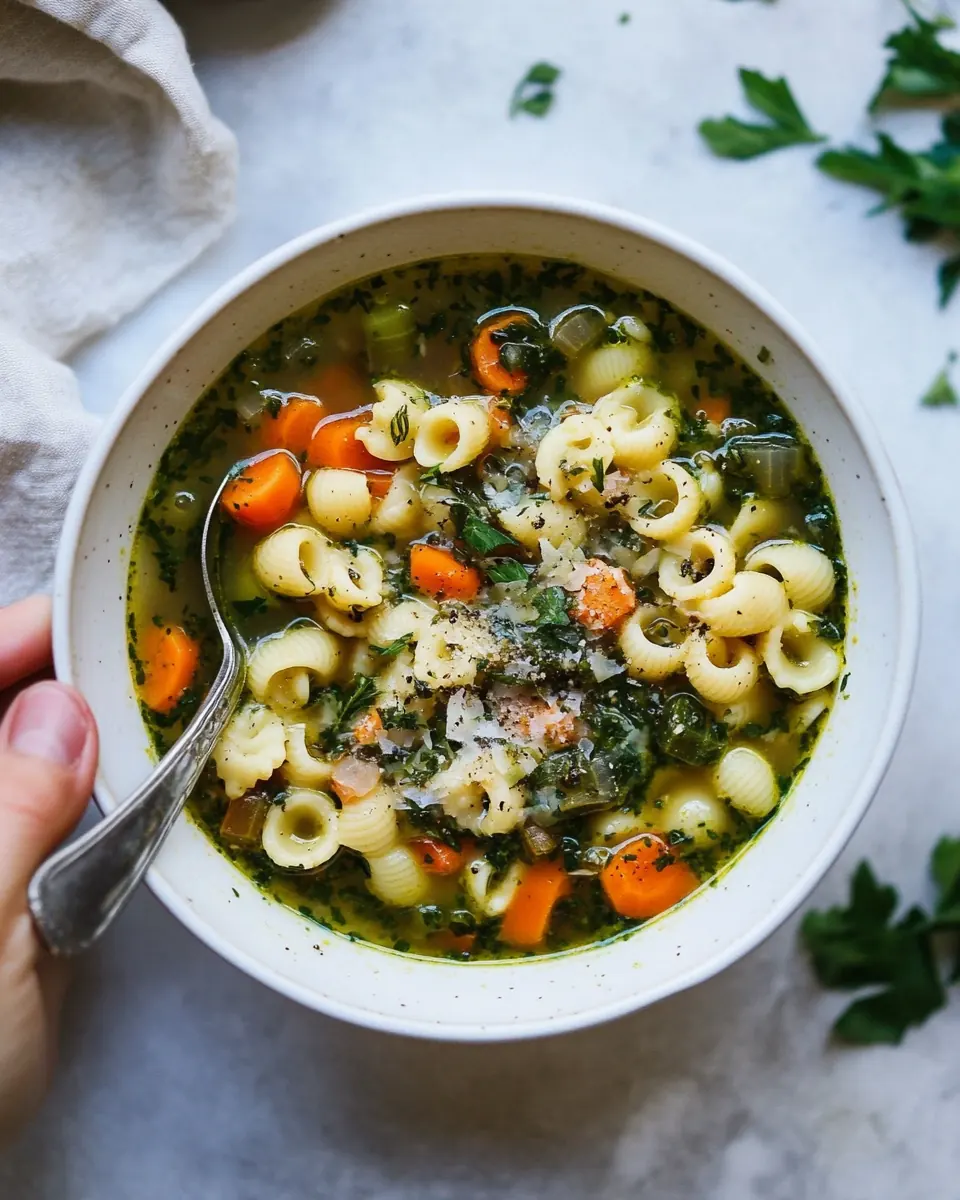
This section offers creative ways to adapt the core recipe while keeping its spirit intact. Below I expand on practical variations that change texture, emphasize different flavors, or make the recipe fit special occasions and pantry situations.
- Make it heartier: Increase the pasta to two cups if you want a thicker, stew like consistency that feels more like a one bowl meal.
- Brighten the finish: Add an extra half tablespoon of lemon juice to the herb infusion for a sharper, more pronounced citrus note that cuts through rich broths.
- Nut swap: Use toasted walnuts instead of roasted almonds if you prefer a deeper, more earthy nut flavor in the herb mixture.
- Cheesy option: Offer grated Parmesan at the table so diners can personalize the level of savory richness in each bowl.
- Bread pairing: Serve with warm, buttered rustic bread or a crusty roll to soak up the broth and balance the herbaceous finish.
- Make ahead prep: Prepare the herb infusion a day ahead and store it tightly sealed to let flavors meld, then stir it into hot soup at service for a quick finish.
What to Pair With Vegetable Pasta Soup
This list covers serving ideas, occasions, and storage notes so you can plan meals around the soup. The suggestions aim to make plating and pairing easy whether you are feeding a family, hosting a casual dinner, or packing leftovers for later.
- Side dish suggestion: A small green salad with a light vinaigrette complements the warm, savory soup with refreshing acidity and crunch.
- Bread options: Serve with a warm, buttered crusty loaf or thick slices of country bread to soak up the broth and provide a satisfying texture contrast.
- Occasions: This soup works well for weeknight dinners, casual lunch gatherings, or as a starter for a cozy winter meal when you want something nourishing and simple.
- Storage tips: Refrigerate leftovers in a sealed container for up to three days; stir in a splash of vegetable stock when reheating to refresh the consistency and flavors.
- Seasonal pairing: In winter, pair with roasted root vegetables or a simple braised green vegetable to create a warming, hearty menu that still feels balanced.
FAQ
Conclusion
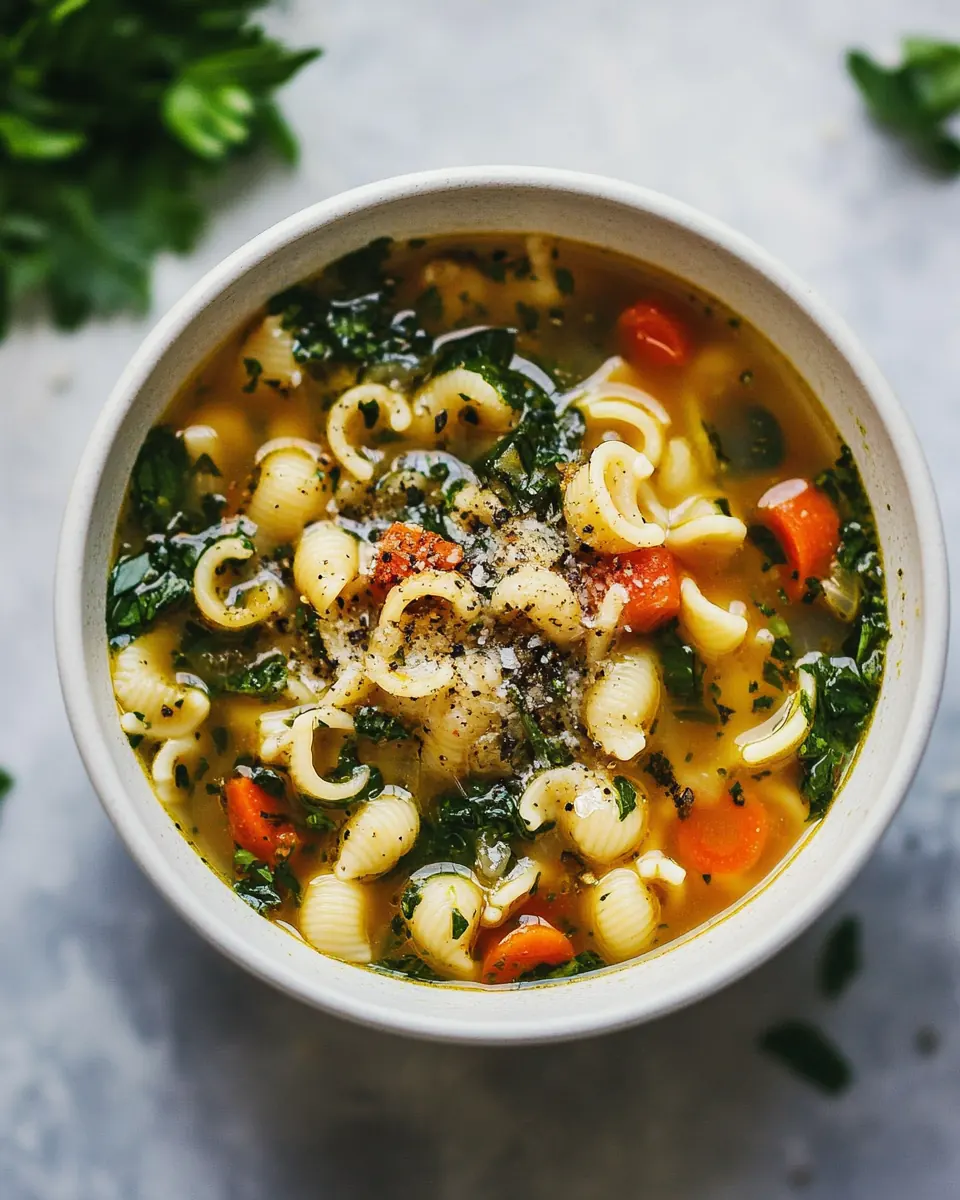
What makes this Vegetable Pasta Soup special is the combination of a classic vegetable base with a bright, nutty parsley almond infusion that lifts every bowl. It manages to be both soothing and vibrant, giving you comfort without heaviness. I encourage you to give it a try on a chilly evening or when you want a quick, nourishing meal; it’s easy to prepare, forgiving in technique, and consistently hits the spot with minimal fuss.
Vegetable Pasta Soup
Ingredients
Equipment
Method
- Heat olive oil in a large, heavy pot over medium heat. Once oil is shimmering, add diced onion, diced carrots, and diced celery. Season to taste (I add 3/4 teaspoon each salt and pepper). Sauté, stirring occasionally, 7–9 minutes or until veggies are crisp tender. Veggies shouldn’t be browning; reduce heat if they are. Take time to get them really tender.: When the oil starts to shimmer and spreads easily across the base, it is ready for the vegetables. You should hear a faint, steady sizzle as the first pieces hit the pan, and the oil will give off a soft, fragrant note. This step matters because gently heating the oil allows it to coat the vegetables, encouraging even cooking and color without burning. A common mistake is using too high heat, which causes the vegetables to brown quickly and develop bitter notes; if you see browning, reduce the heat and scrape the pan to prevent sticking. Properly warmed oil leads to tender, sweet vegetables that form a flavorful foundation.
- Add in dry (uncooked) pasta and garlic. Sauté, stirring constantly for 1 minute. Sprinkle in Italian seasoning, then pour in vegetable stock and bring soup to a boil. Boil for 6–9 minutes, uncovered, or until shells are al dente.: As these go in, listen for the energetic sizzle that signals moisture is evaporating and flavors are concentrating. The onion will begin to soften and become translucent within a few minutes, releasing a sweet aroma; the carrots and celery will start to relax and smell earthier. This slow sweat draws out natural sugars without caramelizing, which creates a balanced base. Avoid crowding the pot, since that traps steam and prevents browning or softening evenly. If you notice sticking, lower the heat and stir more frequently to coax the vegetables to tenderness rather than char.
- While pasta is boiling, prepare the infusion: Add whole almonds to a small food processor and pulse to break into small pieces, (Don’t over-pulse or you’ll get almond butter!) Once almonds are in small pieces, add in coarsely chopped parsley, garlic, oil, lemon juice, plus salt to taste (I add 1/4 teaspoon). Pulse until you have a pesto-like mixture.: Sprinkling salt early helps the vegetables release moisture and enhances their flavors as they cook. The pepper contributes a mild warmth that complements the sweetness of the onion and carrot. Taste the softened vegetables if uncertain, and remember that the broth and any optional Parmesan will also add saltiness, so season progressively. A slip many make is over salting at this stage; if you think you have too much, add more liquid to balance or a peeled potato to absorb excess salt when reheating.
- Once pasta is cooked al dente, remove pot from heat and stir through the herb infusion. Taste and season with any additional salt and pepper if needed. Ladle into bowls and top with freshly grated Parmesan cheese if desired. Serve with some hearty buttered bread—yum!: During this period pay attention to texture; the vegetables should yield when pressed with a spoon but not collapse. You may see tiny golden flecks on the onion edges, and you should smell a gentle sweetness emerging. This cooking time is important because it builds aromatic layers that the stock will dissolve into. If you see heavy browning or hear a popping oil sound, the heat is too high; lower it and stir more frequently. Overcooking to the point of mush loses the pleasant bite and distinct vegetable notes that make the broth interesting.
- Veggies shouldn’t be browning, reduce heat if they are: If you catch early color formation, turn the heat down and continue to cook gently, as a controlled sweat creates a clean, sweet base. The visual cue to look for is translucency in the onion and softened, glossy carrot slices. Reducing heat prevents bitter burnt flavors from developing, which would overshadow the delicate herb finish. A frequent misstep is letting the pan run too hot between stirs; maintain even heat and keep the vegetables moving on the surface to avoid localized scorching.
- Take time to get them really tender: This is where patience pays off, because fully softened vegetables integrate into the broth for a smoother mouthfeel. Use the tip of a spoon to test different pieces, and aim for consistency in texture across the pot. Doing this ensures the soup tastes cohesive and avoids pockets of raw crunch. The problem I sometimes see is rushing ahead to boiling; that can leave undercooked bits in the finished bowl, so give the vegetables the minutes they need to shine.
- Add in dry (uncooked) pasta and garlic: When you add the mini uncooked shell pasta and minced garlic , stir constantly for the first minute so the garlic releases its aroma without burning. The sound will shift to a more gentle simmer as the pasta begins to absorb moisture, and you may smell the garlic mellow into nutty, savory tones. Adding pasta directly to the pot allows it to soak up broth and flavor, creating unity in the dish. Avoid leaving the garlic sitting on the hot surface alone, because it can scorch quickly and impart bitterness; keep it moving with the pasta for an even result.
- Sauté, stirring constantly for 1 minute: This brief, focused stirring locks in the garlic flavor and evenly coats the pasta with the aromatic base. The action stops garlic from charring and helps the pasta pick up the oil and seasonings. The key is constant motion for that single minute, which also warms the pasta so it starts hydrating evenly. A common error is stirring intermittently instead of continuously; that can lead to uneven garlic cooking or pasta sticking together in clumps.
- Sprinkle in Italian seasoning, then pour in vegetable stock and bring soup to a boil: As the dried herbs hit the pot, breath in the rustic, oregano like aroma that blends into the sautéed vegetables. Pouring the vegetable stock transforms the pan from a sauté to a simmering soup, releasing steam and intensifying aromas. Bring the liquid to a steady boil to kickstart pasta cooking, watching the surface carefully so it doesn’t foam over. If the stock smells flat, a short simmer will help concentrate flavors; conversely, if it seems overly salty, add a splash of water to temper it.
- Boil for 6 to 9 minutes, uncovered, or until shells are al dente: During the boil, the kitchen will fill with warm, savory steam and the pasta will plump visibly. Test a shell at the lower end of the timeframe to achieve that slightly firm, toothsome bite known as al dente. That texture matters because overcooked pasta will turn mushy when the soup rests. A typical mistake is leaving the pot covered, which traps steam and can overcook the pasta rapidly; keep it uncovered and check frequently toward the end of the cooking window.
- While pasta is boiling, prepare the infusion: The infusion brings contrast and brightness, and working on it while the pasta cooks is efficient. The aroma of chopping parsley and pulsing almonds is fresh and nutty, and you can hear the processor pulse as the pieces break down. This parallel task elevates the finished bowl and ensures the herb mixture is ready to be stirred in right when the pasta reaches the perfect texture. A common slip is waiting until after draining to make the infusion, which cools the soup slightly and loses the ideal temperature for melting in the flavors.
- Add whole almonds to a small food processor and pulse to break into small pieces: You are aiming for tiny fragments that add texture without turning into a paste. Listen for the rhythm of the pulses, and stop before the nuts start to clump into a butter. The almonds contribute a toasty aroma and subtle crunch that complements the soft vegetables. Overprocessing is a frequent misstep; if you go too far, you risk a spread rather than a chopped texture, which changes the intended finish.
- Don’t over-pulse or you’ll get almond butter: If the processor starts to form a smooth mass, you have moved past the desired texture. That buttery stage removes the pleasant crunch and produces an overly dense mouthfeel. If this happens, you can try adding more herbs and lemon to lighten the mixture, but ideally you stop pulsing earlier. The right interruption of sound from the processor signals small, even pieces that will meld with the herbs rather than dominate.
- Once almonds are in small pieces, add in coarsely chopped parsley, garlic, oil, lemon juice, plus salt to taste: Add the green parsley and the remaining minced garlic , then the olive oil and acid. The citrus will quickly brighten the mixture, and the oil binds it into a loose, pesto like emulsion. You will smell a lively, herbaceous scent as the components combine, and the texture should be slightly coarse but spreadable. A common oversight is adding too much salt at this stage; taste carefully because the soup and optional cheese will also contribute saltiness.
- Pulse until you have a pesto-like mixture: Short bursts in the processor create a chunky yet cohesive texture that disperses easily through the soup. You want visible flecks of almond and parsley rather than a smooth paste, so pulse and check often. If it seems too dry, add a drizzle more olive oil to achieve the desired consistency. A mistake I see is overblending to a uniform paste, which loses the pleasant contrast of textures that makes the infusion interesting.
- Once pasta is cooked al dente, remove pot from heat and stir through the herb infusion: After the big boil, the residual heat is perfect for releasing the herb mixture into the broth without wilting the parsley completely. Stir gently so the infusion disperses into ribbons, smelling the bright lemon and nutty almond meld with savory stock. This timing matters because adding the infusion while the pot is too hot will cook the herbs excessively and mute their freshness; removing from heat keeps the herb notes vibrant.
- Taste and season with any additional salt and pepper if needed: Final seasoning is a crucial finishing act, since flavors concentrate during cooking and the infusion can shift the balance. Sample a spoonful and adjust gradually; sometimes a pinch of salt or a twist of pepper is all that is needed to make the flavors sing. Over seasoning is common, so add sparingly and taste between adjustments to avoid overshooting the ideal balance.
- Ladle into bowls and top with freshly grated Parmesan cheese if desired: When serving, grate a little Parmesan over each bowl so it melts into the hot broth, adding savory depth and creaminess. The steam will soften the cheese and integrate it into the soup for a silky finish. If you opt for cheese, wait until serving so each diner can choose their preferred amount. A small mistake is adding cheese while reheating leftovers, which can clump; grate fresh for the best texture.
- Serve with some hearty buttered bread—yum: A slice of warm, buttered bread sops up the broth and gives a satisfying contrast of textures. The buttery aroma and toasty crust pair well with the herbaceous soup, making a simple meal feel indulgent. Avoid soggy bread by toasting or buttering just before serving; a stale or cold loaf will not give the same comforting finish.
Notes
- Make it heartier: Increase the pasta to two cups if you want a thicker, stew like consistency that feels more like a one bowl meal.
- Brighten the finish: Add an extra half tablespoon of lemon juice to the herb infusion for a sharper, more pronounced citrus note that cuts through rich broths.
- Nut swap: Use toasted walnuts instead of roasted almonds if you prefer a deeper, more earthy nut flavor in the herb mixture.
- Cheesy option: Offer grated Parmesan at the table so diners can personalize the level of savory richness in each bowl.
- Bread pairing: Serve with warm, buttered rustic bread or a crusty roll to soak up the broth and balance the herbaceous finish.
- Make ahead prep: Prepare the herb infusion a day ahead and store it tightly sealed to let flavors meld, then stir it into hot soup at service for a quick finish.