Chocolate Oatmeal
Chocolate Oatmeal is the kind of warm, comforting breakfast I turn to when the sky is low and cozy feels mandatory. I remember the first time I made it on a snowed in morning, stirring a glossy, chocolatey pot while soft flakes clung to the windows. That first spoonful felt like a hug, the kind that settles you into the day and makes everything move a little slower. Over the years I have adjusted the sweetness and milk ratio until it fit my exact craving, and now this recipe is the one I reach for when I want something quick, nourishing, and slightly indulgent.
There are mornings when I want something substantial but not fussy, and Chocolate Oatmeal answers that call. I love how the oats soak up the chocolate, becoming creamy yet still toothsome, and how a tiny pinch of salt makes the cocoa sing. Sometimes I top it simply, other times I let a few marshmallows melt on top, turning the bowl into a childhood treat. Making this has become a small ritual that calms me, a short stretch of quiet focus before the day picks up speed.
Recipe Snapshot
15 mins
5 mins
10 mins
Easy
250 kcal
American
Gluten-Free, Vegan
Breakfast
Medium saucepan, Whisk
What We Adore About This Chocolate Oatmeal
Comfort in a Bowl
I adore Chocolate Oatmeal because it transforms ordinary pantry staples into something soothing and satisfying. The combination of rolled oats and cocoa powder creates a thick, velvety texture that feels indulgent without being heavy. When I need a reliable breakfast that still feels special, this is my go to.
Speed and Simplicity
One of the biggest reasons I come back to this recipe is how fast it comes together. With a short simmer the oats soften and absorb flavor, so you get a substantial bowl in minutes. For busy mornings, that means you do not sacrifice quality for time, and I always appreciate a dish that respects both.
Flexible Ingredients
I like that Chocolate Oatmeal lets you use the milk you prefer, so whether I reach for almond milk, coconut milk, or dairy milk, the result is still creamy and satisfying. You can tweak the sweetener level and even swap maple syrup for granulated sugar or honey to suit taste or pantry items, which I find liberating.
Kid Friendly and Nostalgic
When I serve this to family, the marshmallows are always a hit, bringing a playful, nostalgic note to a hearty breakfast. It is something kids light up for, and grown ups often smile at the memory it evokes. That little bit of fun makes morning routines feel less like chores.
Great for Seasonal Mornings
This recipe shines in cold months, offering warmth and a comforting aroma that fills the kitchen. It is a cozy, practical dish that doubles as a treat, which is why I make it often when the weather turns chilly.
Ingredient List for Chocolate Oatmeal
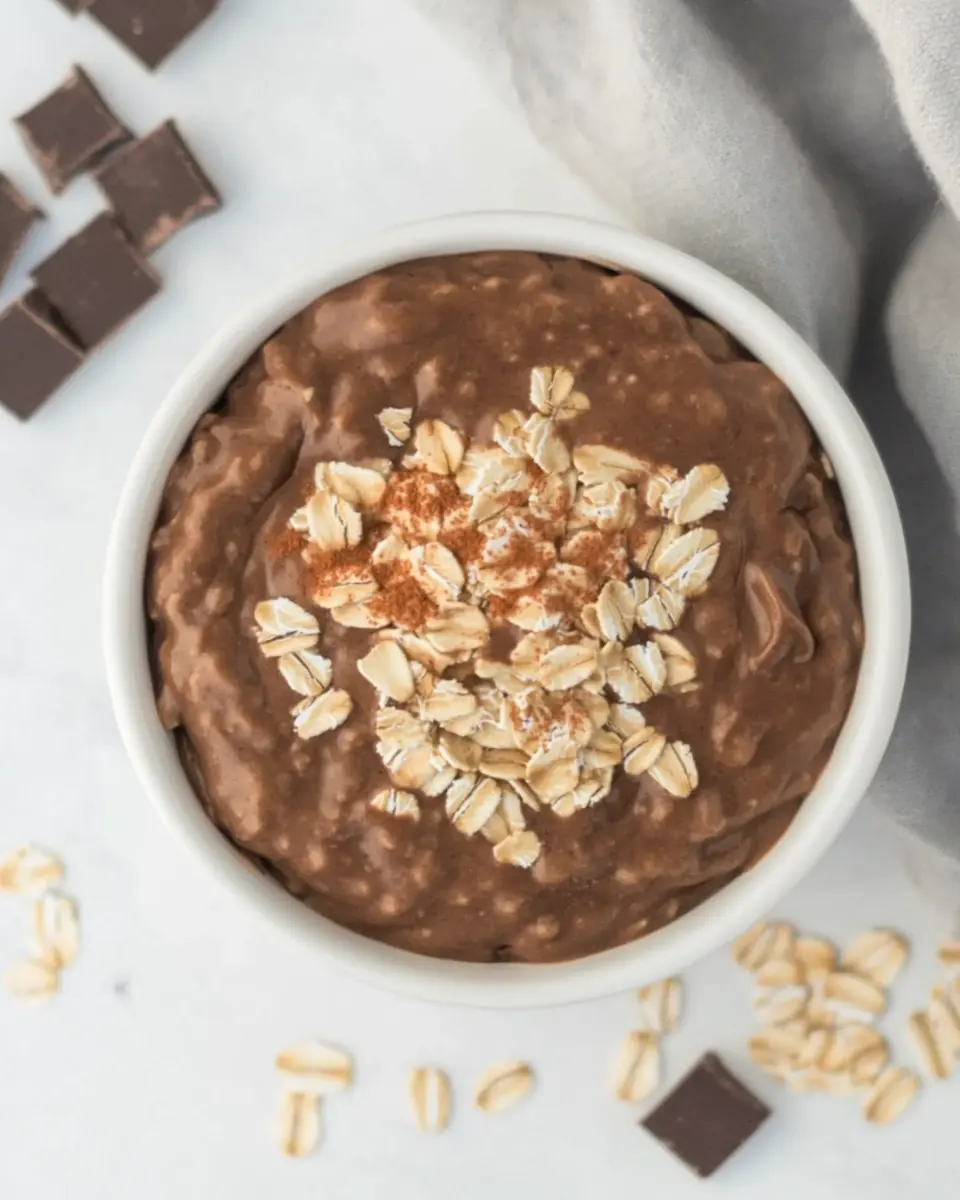
I believe a short, intentional ingredient list is the heart of a reliable recipe. Each item here plays a clear role: the liquids create a creamy matrix, the cocoa powder brings chocolate depth, and the rolled oats provide texture and body. Together they strike a balance between comfort and nutrition, letting simple flavors shine through.
- 1 cup water: Bring to a gentle boil and provide the cooking liquid base that hydrates oats and creates porridge texture; adjust amount slightly for thicker or thinner results. Impart a neutral backdrop that lets cocoa and sweeteners shine while thinning mixtures if milk is reduced or omitted.
- 1/4 cup cocoa powder: Add deep chocolate flavor and a bitter balance that intensifies the porridge; whisk into hot liquid to dissolve smoothly and avoid lumps. Contribute color and rich aroma while allowing control over sweetness when paired with maple syrup or sugar.
- 3 cups milk of your choice: Pour in to enrich creaminess and contribute body and mouthfeel; choose dairy or plant-based milks to influence final richness and flavor profile. Provide additional proteins and fats that slow digestion and produce a silkier, more satisfying oatmeal.
- 1/4 cup maple syrup, or granulated sugar or honey: Sweeten the porridge and lend flavor complexity; select maple syrup for caramel notes, granulated sugar for neutral sweetness, or honey for floral undertones. Balance cocoa bitterness and can be adjusted to taste to achieve desired sweetness level.
- dash of salt: Enhance overall flavor by rounding out sweetness and reducing bitterness; a small pinch brings out chocolate notes and balances the dish. Use sparingly to avoid obvious saltiness while improving perception of other ingredients.
- 2 cups rolled oats, quick-cooking or old-fashioned: Absorb liquids and form the porridge's primary texture; quick–cooking oats will yield creamier, faster results while old-fashioned oats provide more chew and body. Measure carefully to maintain intended thickness and stir to prevent clumping.
- 1 teaspoon vanilla extract: Add fragrant warmth and a rounded finish that complements chocolate; stir in near the end of cooking to preserve aromatic qualities. Use sparingly to avoid overpowering and to highlight the dessert-like character of the oatmeal.
- marshmallows if desired: Top the finished porridge for added sweetness, chew, and a playful presentation when desired; allow marshmallows to melt slightly for gooey pockets or leave intact for texture contrast. Serve immediately to enjoy the soft, melted consistency before they fully dissolve.
Making This Chocolate Oatmeal
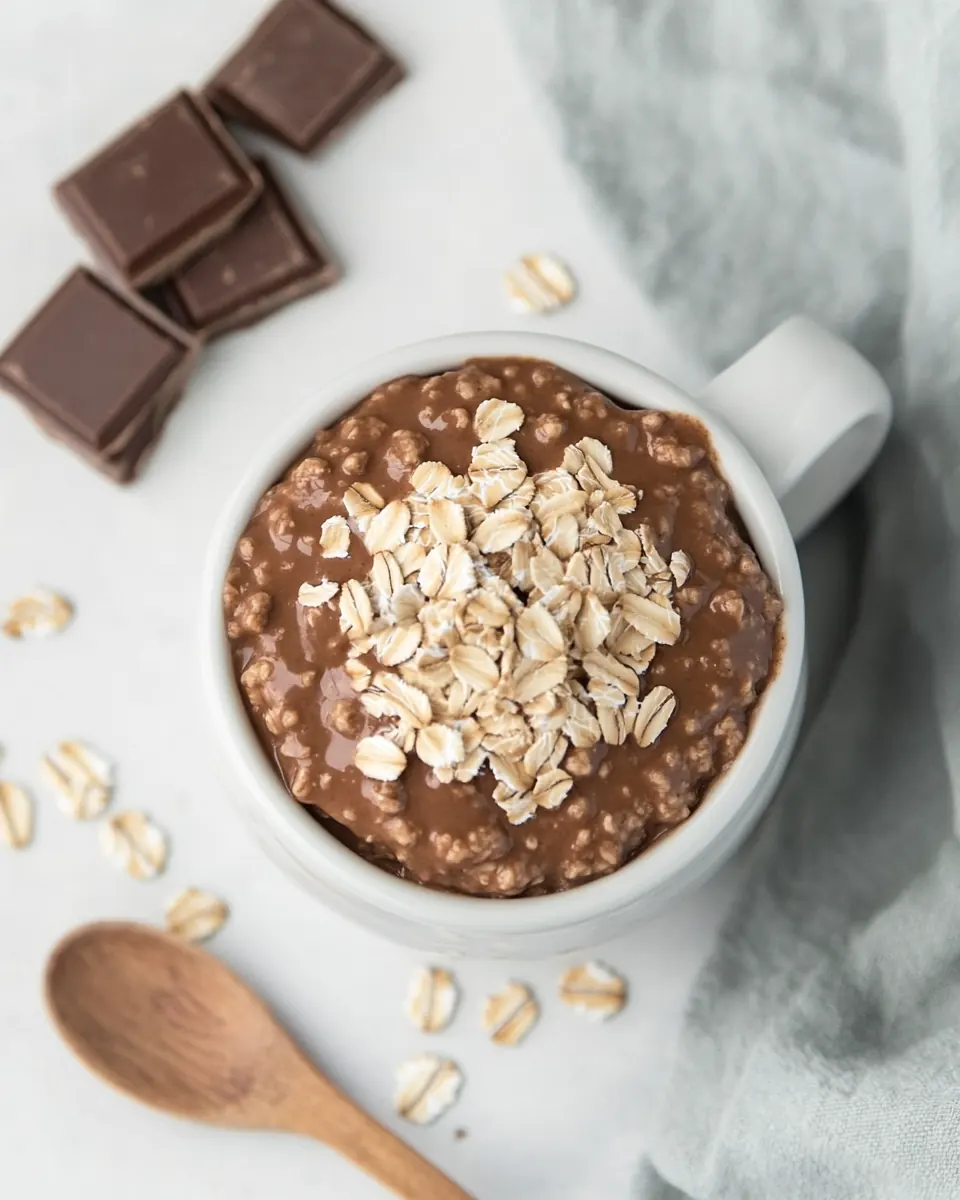
This recipe is straightforward and forgiving, which is why I enjoy preparing it on hectic mornings. As you go through the steps, pay attention to texture and aroma, since those cues tell you when to lower the heat or add a splash more liquid. Keep a wooden spoon or whisk handy and taste as you finish to tune the sweetness.
- In a small bowl or medium saucepan, whisk the 1/2 cup with the cocoa powder until dissolved and smooth.: The moment you begin whisking, notice the cocoa disperse into the liquid and darken to a glossy slurry, a rich scent rising as the powder rehydrates. Doing this first prevents gritty pockets of cocoa in the final pot, which is essential for smoothness. If lumps appear, push the mixture through a fine mesh or whisk vigorously until satin smooth. A common mistake is adding cocoa directly to a hot pot, which can cause clumping and a chalky texture.
- In a medium saucepan, combine the cocoa mixture with the remaining water, milk, maple syrup, and dash of salt. Bring this mixture to a light boil over medium-high heat, stirring often.: As you pour and stir, observe the mixture lighten and the aromas mingle, from malty cocoa to sweet maple. Bringing everything together before heating lets flavors meld evenly, so the sweetness is balanced across the pot. Use a saucepan sized to allow gentle bubbling without spilling, and stir to prevent any film forming on the surface. Avoid rushing to high heat, as sudden boiling can scald dairy and alter the flavor.
- Once the mixture begins to bubble, turn the heat to low and stir in the oats. Simmer, stirring frequently, until the oats are thickened and tender. This will be 1-3 minutes for quick-cooking oats and 5-10 minutes for old-fashioned oats.: Watch for small bubbles to rise around the edges first, and listen for a soft simmering sound that deepens as it concentrates. Stirring often prevents scorching at the bottom, and you will notice the mixture slightly thickens as water evaporates and the cocoa integrates. This step builds the base flavor intensity, so patience pays off. A mistake to avoid is leaving it unattended, which can lead to burning and a bitter taste.
- Remove the chocolate oatmeal from the heat. Stir in the vanilla extract. Serve with marshmallows if desired.: As the oats hit the warm liquid they swell and release a toasty, grainy aroma; stir to coat every flake so none clump or sit dry. Lowering the heat ensures a gentle simmer that softens the oats evenly without becoming gluey. You will hear a quieter simmer and see the texture move from soupy to creamy as the oats absorb liquid. Overcooking or keeping the heat too high will make the oats gummy, so maintain low heat and steady stirring.
- Simmer, stirring frequently, until the oats are thickened and tender: Pay attention to the visual cue of oats swelling and the spoon leaving a clear trail across the bottom of the pan, indicating proper thickness. The smell becomes richer and sweeter as the mixture reduces, and the texture should be creamy with distinct oat pieces. Quick oats will reach this state in a minute or two, while old fashioned oats need longer, and that difference affects chew. A common pitfall is assuming all oats cook the same, so note which type you used to avoid under or over cooking.
- Remove the chocolate oatmeal from the heat: Once the oats are tender and the consistency is to your liking, taking the pot off heat stops further softening and prevents scorching. The surface will settle and look glossy, with steam still carrying that warm cocoa scent. Letting it rest briefly thickens the porridge as it cools to serving temperature, which many prefer. Leaving it on the heat too long will dry the texture and can concentrate flavors too much.
- Stir in the vanilla extract: Adding vanilla off heat preserves its aromatic top notes, which lift the chocolate and add bakery like warmth. Stirring incorporates the essence throughout the bowl, and the scent will bloom softly as it spreads. This finishing touch smooths the overall profile, making the oats taste rounded and complete. Do not skip this step, but avoid adding vanilla too early or subjecting it to prolonged heat, which dims the aroma.
- Serve with marshmallows if desired: Scatter a few marshmallows on top of steaming bowls and watch them melt into soft clouds that add sweetness and playful texture. The contrast between the warm, slightly dense oatmeal and the glossy, pillowy marshmallow is satisfying and visually appealing. If you add toppings, adjust any extra sweetener to compensate. A mistake to avoid is adding too many marshmallows, which can overwhelm the chocolate balance.
Making Adjustments
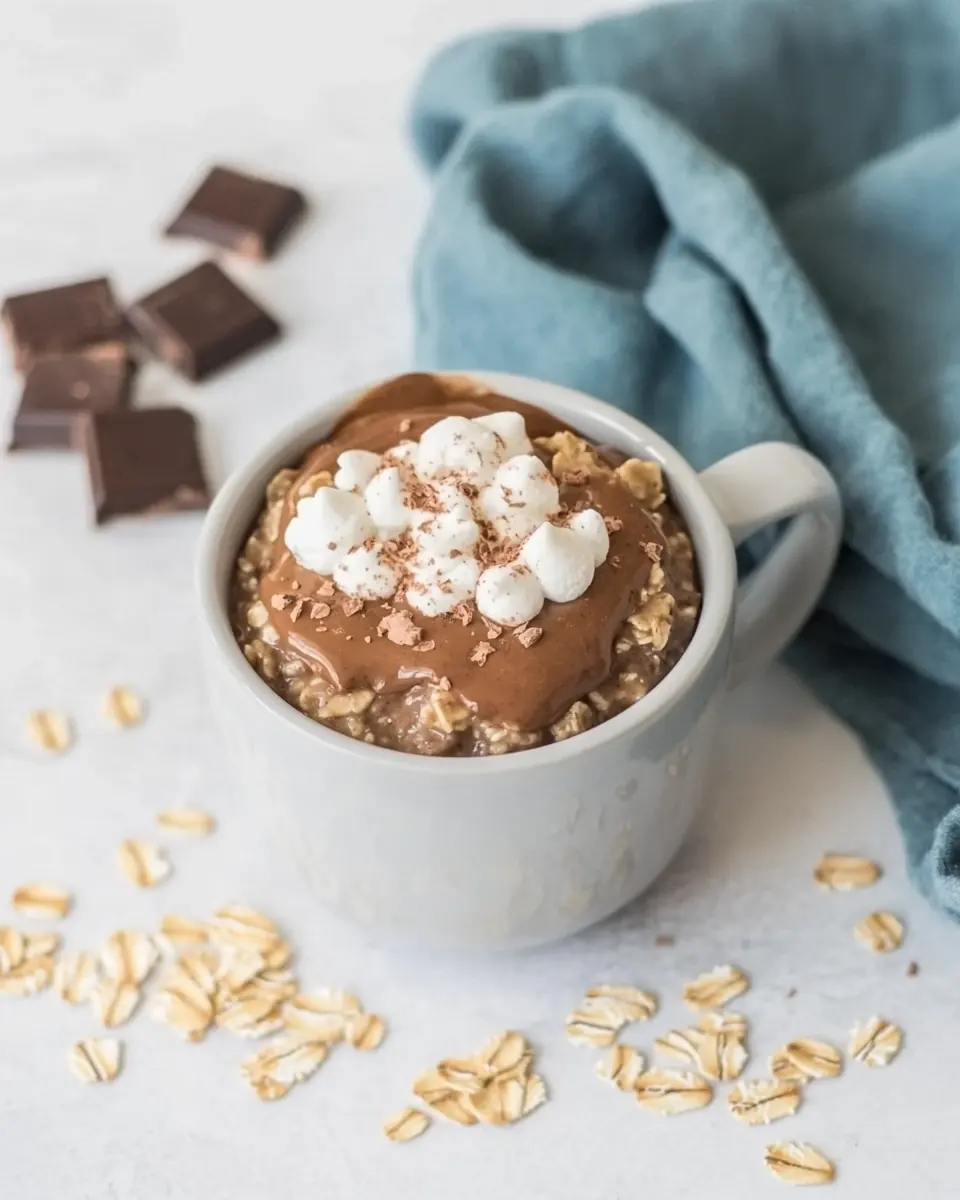
This section helps you tune Chocolate Oatmeal to your preferences, whether you want it richer, sweeter, or lighter. I share practical tweaks I use depending on the milk and oat type, and how I scale sweetness. These are hands on notes to make the bowl exactly how you like it.
- Swap milks thoughtfully — Using full fat dairy or a creamy plant milk will make the texture richer; lighter milks keep the bowl less heavy but may require a touch less water to maintain creaminess.
- Sweetness control — Start with the suggested amount of maple syrup and increase gradually; remember that toppings will add sugar, so taste before adding more.
- Oat timing — Quick oats finish in a minute or two once simmering, while old fashioned oats need several more minutes; set a kitchen timer to avoid overcooking.
- Prevent scorching — Use a medium saucepan with a thick bottom and stir frequently when the mixture comes to a simmer to stop the milk from burning.
- Marshmallow finish — Add marshmallows right before serving so they melt slightly but still keep some shape, for a nostalgic texture contrast.
- Salt matters — A tiny pinch enhances the chocolate; omit it only if you have dietary reasons, but note the flavor will be flatter.
What Goes Well With This Chocolate Oatmeal
I like to think about how this bowl fits into a meal or an occasion, and these pairings are practical and mood focused. Whether you are serving for a quiet breakfast or a cozy brunch, these ideas help frame the bowl. Consider textures and temperature contrasts when choosing accompaniments.
- Fresh fruit on the side — Sliced banana or berries brighten the bowl with acidity and freshness, balancing the richness.
- Simple protein — A side of yogurt or a small serving of nuts complements the oats with more protein and a crunchy element.
- Casual brunch — Serve alongside warm toast and tea for a relaxed weekend morning where everyone can customize toppings.
- Cold weather mornings — This bowl is ideal for winter breakfasts when you want something warm and comforting that fills you up.
- Storage tips — Refrigerate leftovers in an airtight container for up to three days, and reheat gently with a splash of milk to restore creaminess.
- Seasonal pairing — Add a pinch of warming spices for autumn mornings to echo seasonal flavors without changing the base recipe.
FAQ
Conclusion
What makes this recipe special is its ability to turn simple pantry staples into a bowl that feels both comforting and slightly indulgent. I encourage you to give Chocolate Oatmeal a try, adjusting the milk and sweetness to match your tastes. It is a small ritual that can brighten a chilly morning or calm a frantic one, and the basic formula is flexible enough to become your own. Enjoy the process of stirring, tasting, and finding the perfect balance for your ideal bowl.
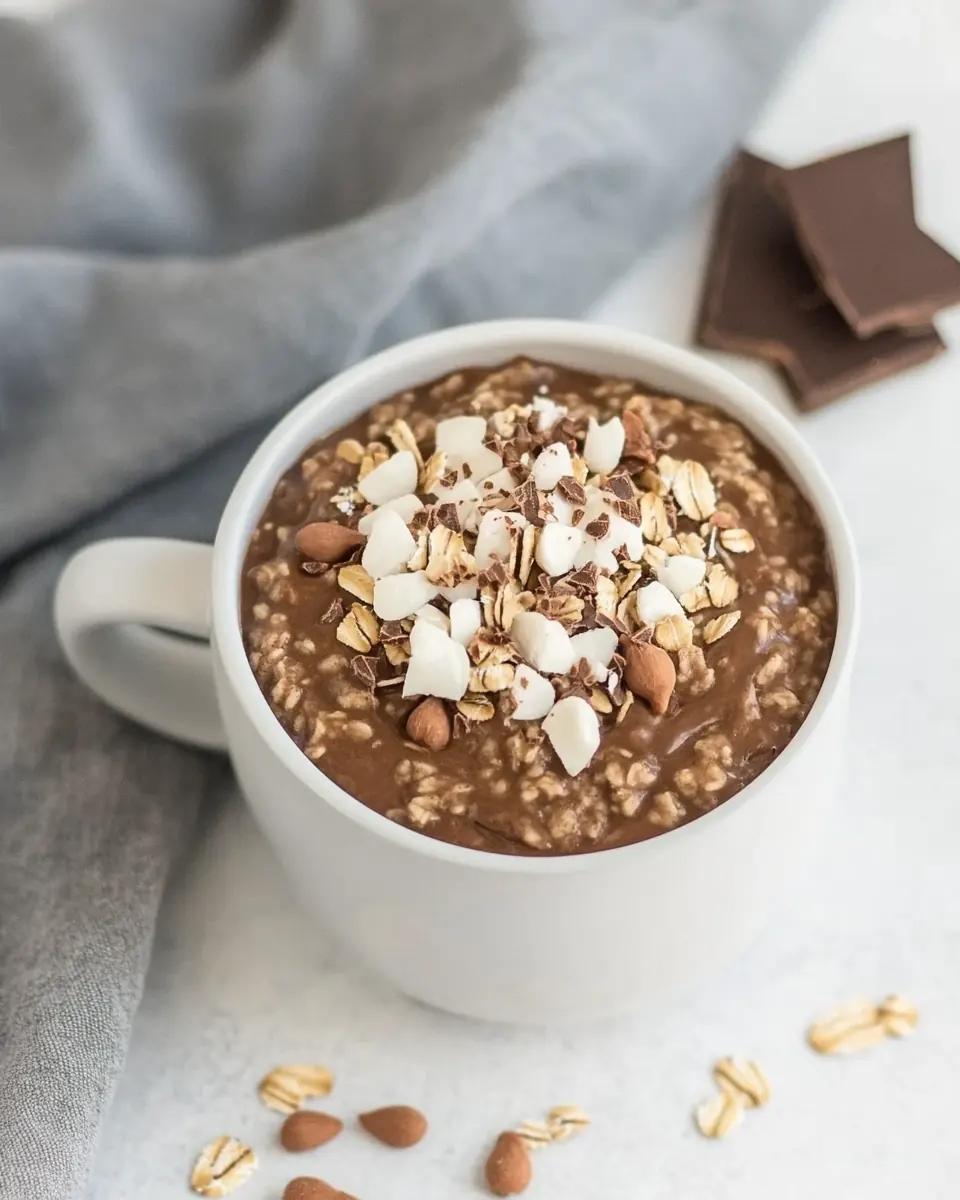
Chocolate Oatmeal
Ingredients
Equipment
Method
- In a small bowl or medium saucepan, whisk the 1/2 cup with the cocoa powder until dissolved and smooth.: The moment you begin whisking, notice the cocoa disperse into the liquid and darken to a glossy slurry, a rich scent rising as the powder rehydrates. Doing this first prevents gritty pockets of cocoa in the final pot, which is essential for smoothness. If lumps appear, push the mixture through a fine mesh or whisk vigorously until satin smooth. A common mistake is adding cocoa directly to a hot pot, which can cause clumping and a chalky texture.
- In a medium saucepan, combine the cocoa mixture with the remaining water, milk, maple syrup, and dash of salt. Bring this mixture to a light boil over medium-high heat, stirring often.: As you pour and stir, observe the mixture lighten and the aromas mingle, from malty cocoa to sweet maple. Bringing everything together before heating lets flavors meld evenly, so the sweetness is balanced across the pot. Use a saucepan sized to allow gentle bubbling without spilling, and stir to prevent any film forming on the surface. Avoid rushing to high heat, as sudden boiling can scald dairy and alter the flavor.
- Once the mixture begins to bubble, turn the heat to low and stir in the oats. Simmer, stirring frequently, until the oats are thickened and tender. This will be 1-3 minutes for quick-cooking oats and 5-10 minutes for old-fashioned oats.: Watch for small bubbles to rise around the edges first, and listen for a soft simmering sound that deepens as it concentrates. Stirring often prevents scorching at the bottom, and you will notice the mixture slightly thickens as water evaporates and the cocoa integrates. This step builds the base flavor intensity, so patience pays off. A mistake to avoid is leaving it unattended, which can lead to burning and a bitter taste.
- Remove the chocolate oatmeal from the heat. Stir in the vanilla extract. Serve with marshmallows if desired.: As the oats hit the warm liquid they swell and release a toasty, grainy aroma; stir to coat every flake so none clump or sit dry. Lowering the heat ensures a gentle simmer that softens the oats evenly without becoming gluey. You will hear a quieter simmer and see the texture move from soupy to creamy as the oats absorb liquid. Overcooking or keeping the heat too high will make the oats gummy, so maintain low heat and steady stirring.
- Simmer, stirring frequently, until the oats are thickened and tender: Pay attention to the visual cue of oats swelling and the spoon leaving a clear trail across the bottom of the pan, indicating proper thickness. The smell becomes richer and sweeter as the mixture reduces, and the texture should be creamy with distinct oat pieces. Quick oats will reach this state in a minute or two, while old fashioned oats need longer, and that difference affects chew. A common pitfall is assuming all oats cook the same, so note which type you used to avoid under or over cooking.
- Remove the chocolate oatmeal from the heat: Once the oats are tender and the consistency is to your liking, taking the pot off heat stops further softening and prevents scorching. The surface will settle and look glossy, with steam still carrying that warm cocoa scent. Letting it rest briefly thickens the porridge as it cools to serving temperature, which many prefer. Leaving it on the heat too long will dry the texture and can concentrate flavors too much.
- Stir in the vanilla extract: Adding vanilla off heat preserves its aromatic top notes, which lift the chocolate and add bakery like warmth. Stirring incorporates the essence throughout the bowl, and the scent will bloom softly as it spreads. This finishing touch smooths the overall profile, making the oats taste rounded and complete. Do not skip this step, but avoid adding vanilla too early or subjecting it to prolonged heat, which dims the aroma.
- Serve with marshmallows if desired: Scatter a few marshmallows on top of steaming bowls and watch them melt into soft clouds that add sweetness and playful texture. The contrast between the warm, slightly dense oatmeal and the glossy, pillowy marshmallow is satisfying and visually appealing. If you add toppings, adjust any extra sweetener to compensate. A mistake to avoid is adding too many marshmallows, which can overwhelm the chocolate balance.
Notes
- Swap milks thoughtfully — Using full fat dairy or a creamy plant milk will make the texture richer; lighter milks keep the bowl less heavy but may require a touch less water to maintain creaminess.
- Sweetness control — Start with the suggested amount of maple syrup and increase gradually; remember that toppings will add sugar, so taste before adding more.
- Oat timing — Quick oats finish in a minute or two once simmering, while old fashioned oats need several more minutes; set a kitchen timer to avoid overcooking.
- Prevent scorching — Use a medium saucepan with a thick bottom and stir frequently when the mixture comes to a simmer to stop the milk from burning.
- Marshmallow finish — Add marshmallows right before serving so they melt slightly but still keep some shape, for a nostalgic texture contrast.
- Salt matters — A tiny pinch enhances the chocolate; omit it only if you have dietary reasons, but note the flavor will be flatter.