White Chocolate Cake with Lemon Glaze
White Chocolate Cake with Lemon Glaze started as a sunny experiment for me, one afternoon when I wanted cake but also something that felt breezy and bright.
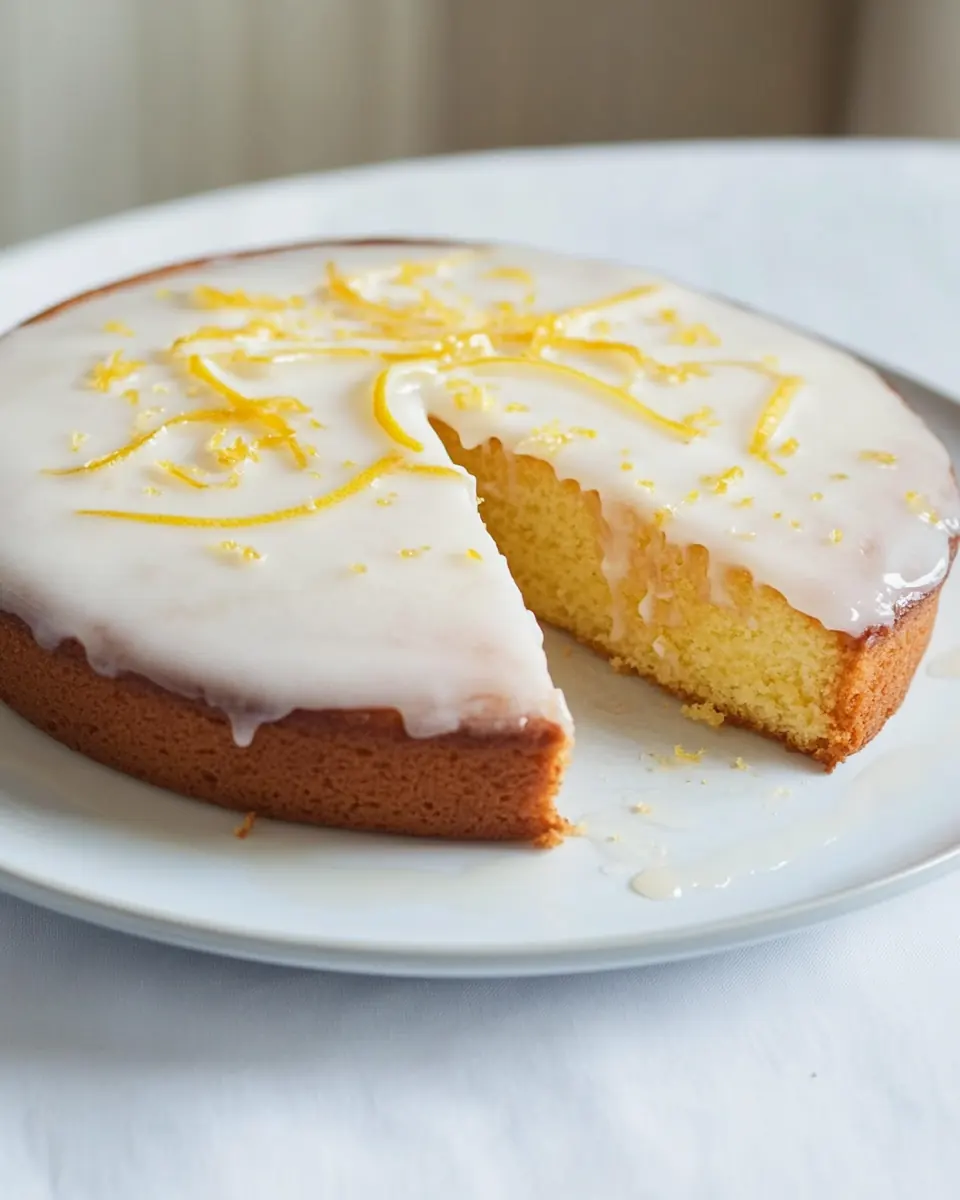
I remember pulling out a small saucepan, eager to coax together white chocolate and butter until they became a glossy blend, the kitchen filling with a sweet, almost vanilla scent that lifted my mood. I zested a lemon and the citrus oils perfumed the air, promising a balance to the rich, creamy base. That contrast between soft, sweet white chocolate and the zing of lemon is why I keep making this, especially when friends drop by unannounced. The texture lands somewhere between a tender cake and a dense, buttery slice, and the simple glaze gives it a restrained zing that never feels heavy. Every time I slice into it I love how the crumb holds together, slightly dense but yielding, and how the glaze sets into a thin, shiny shell that cracks just enough when you cut through it.
Over time I tweaked small things, like using room temperature eggs so the batter emulsifies smoothly, and not overmixing the flour so the crumb remains tender. When you make White Chocolate Cake with Lemon Glaze, you get moments of quiet focus while stirring, followed by this rewarding reveal when the glaze hardens and you lift a slice. I’ll share the exact steps and my favorite little notes so you can recreate that same balance of rich and bright. Whether you’re baking for a casual afternoon or a simple celebration, this recipe tends to land smiles, and it’s one I find myself returning to whenever I want something uncomplicated yet elegant.
Recipe Snapshot
55 mins
20 mins
35 mins
Medium
320 kcal
American
Gluten-Free, Low FODMAP
Desserts
8-inch square cake pan, Parchment paper, Mixing bowls, Whisk, Flexible spatula, Wire cooling rack, Small saucepan for double boiler, Metal spatula or butter knife
Why This White Chocolate Cake with Lemon Glaze Stands Out
Silky, not cloying
I love that the White Chocolate Cake with Lemon Glaze manages to feel indulgent while avoiding being overly sweet. The combination of melted white chocolate and butter creates a satiny crumb, and the restrained lemon glaze cuts through that richness so each bite stays lively.
Simple technique, impressive result
This recipe relies on straightforward methods, like melting and gentle folding, which means you do not need advanced skills to produce something special. I find that these easy steps yield a bakery worthy cake, making it perfect for cooks who want a big payoff for a modest effort.
Great for hosting and make ahead
I often make this a day ahead. The cake keeps well at room temperature after glazing, and the flavors settle so the lemon brightness becomes integrated with the chocolate. It is a low stress dessert when guests arrive and looks elegant on any table.
Flexible for serving and presentation
The cake slices neatly, so you can present it as squares or cut it into wedges. The glossy glaze gives a polished finish without much fuss, and the lemon zest in the batter gives subtle bursts of citrus with each bite.
Comforting sensory details
From the warm, melting sound as white chocolate softens in the bowl to the aromatic lift when you grate the lemon, this cake offers small sensory rewards at every turn. Those touches make baking it feel cozy, and the finished cake feels like a quiet celebration.
Ingredients Overview for White Chocolate Cake with Lemon Glaze
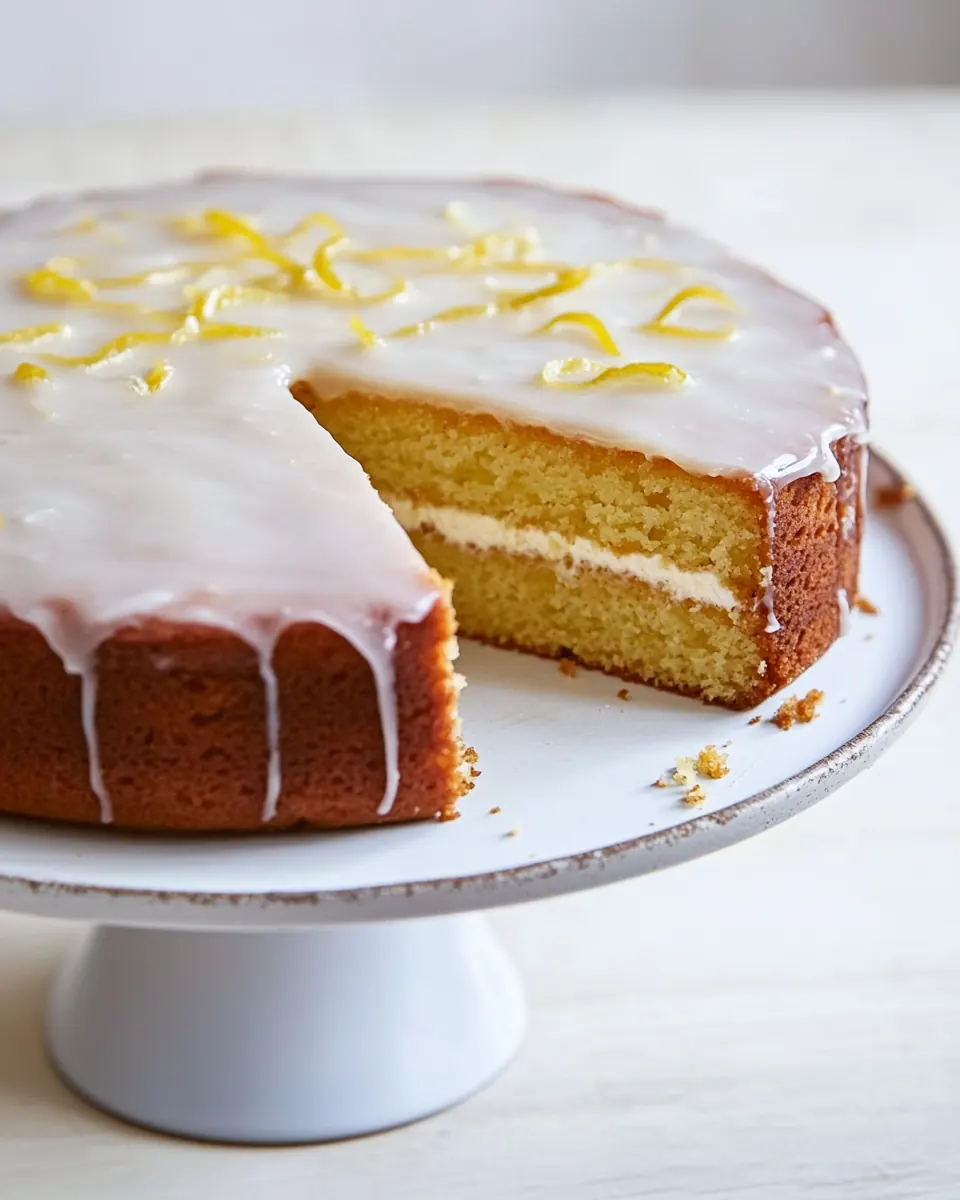
These ingredients are chosen for harmony. The star pairing of white chocolate and lemon brings creamy sweetness and bright acidity, while butter lends richness and eggs provide structure. The modest amounts of granulated sugar and a pinch of salt balance flavor, and the powdered sugar plus lemon juice create a simple glaze that ties everything together.
- 5 1/2 ounces (150 g, 11 tablespoons) unsalted butter, cubed: Soften and enrich the batter by providing fat and moisture; helps create a tender crumb and carries flavor evenly when creamed with sugar.
- 6 ounces (170 g) white chocolate, chopped: Melt and fold into the batter to impart creamy sweetness and a rich, velvety texture; contributes cocoa butter that stabilizes the cake structure.
- Zest of one lemon, unsprayed: Add bright citrus aroma and concentrated lemon oil that lifts the overall flavor; finely grated zest disperses evenly to avoid bitter pith.
- Pinch of salt: Enhance and balance sweetness while rounding flavors; a small amount intensifies taste and supports the leavening and structure.
- 3/4 cup (150 g) granulated sugar: Sweeten and aerate when creamed with butter; also contributes to browning and structure by interacting with eggs and melted chocolate.
- 2 large eggs, at room temperature: Bind and leaven the cake while adding richness and moisture; room–temperature eggs emulsify fats and help trap air for lift.
- 1 cup plus 1 tablespoon (150 g) flour: Provide structure and body by supplying gluten and starch; measured flour ensures the correct density and texture of the finished cake.
- 3/4 cup plus 2 tablespoons (120 g) powdered sugar: Sweeten and thicken the lemon glaze or topping; powdered sugar dissolves smoothly to create a glossy finish and sweet-tart balance.
- 2 tablespoons freshly squeezed lemon juice: Contribute acidity and fresh citrus flavor to the glaze; freshly squeezed juice thins powdered sugar and brightens the overall sweetness.
How to Make White Chocolate Cake with Lemon Glaze
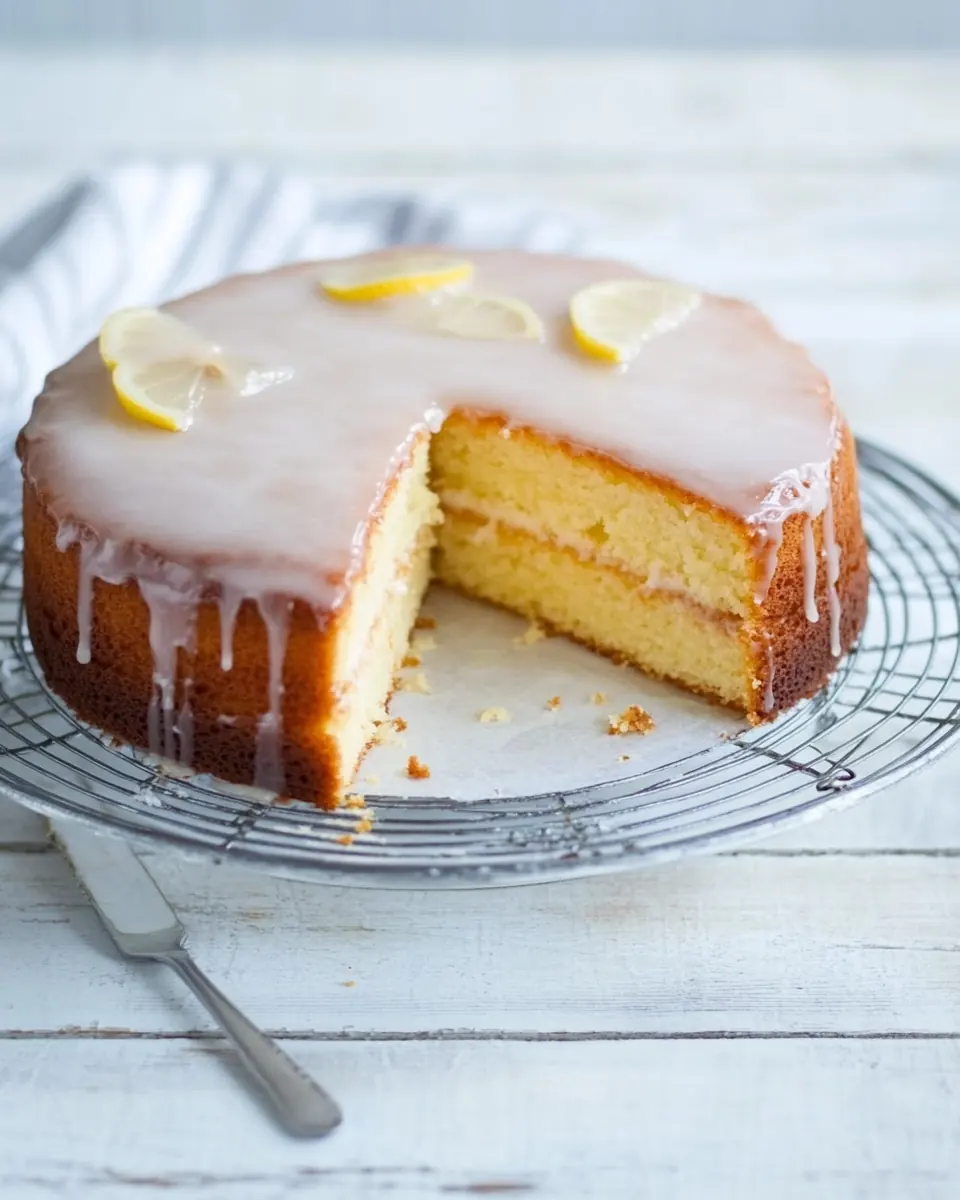
These directions walk you through the warm, tactile parts of baking, from melting to cooling and glazing. Read each step so you recognize the visual and sensory cues, then follow in order for the best texture and balance.
- Butter an 8-inch (20 cm) square cake pan and line the bottom with parchment paper. Preheat the oven to 375º (190ºC).: The smell of fresh butter as you grease the pan is subtle, and the tactile act of pressing parchment into the pan makes the process feel precise. Greasing prevents sticking, and the parchment gives an easy release when the cake comes out. If you skip lining, the cake can cling and tear, so take the extra minute to fit the paper snugly into the corners before pouring batter.
- To make the white chocolate cake, in a bowl set over a pan of barely simmering water, warm the butter, white chocolate, lemon zest, and salt together, stirring gently, until the chocolate is completely melted. (The mixture may not look smooth, which is normal.): You may hear the oven click as it warms and feel the steady climb in heat when you open the door briefly. A properly preheated oven ensures even rise and correct bake time. If the oven is not hot enough the cake can bake slowly and collapse, so wait until it reaches temperature before sliding the pan in.
- In a medium bowl whisk together the sugar with the eggs, then whisk in the melted white chocolate mixture.: You will notice the white chocolate softening and the mixture glossing over as it melds with the butter . The lemon zest releases bright aromas that lift the rich base. Keep the water at a gentle simmer, not a hard boil, and stir slowly to encourage smooth melting. A common mistake is applying too much heat, which can separate the fats and make the chocolate grainy, so remove from heat while a few small bits remain and reserve the bowl off the direct steam to finish melting.
- Use a flexible spatula to stir in the flour, mixing just until no visible bits of flour remain. Do not overmix. Scrape the batter into the prepared pan and bake for 30 to 35 minutes, until a toothpick inserted into the center comes out clean.: As you whisk granulated sugar into the eggs , the mixture becomes glossy and slightly thickened, smelling sweet and faintly eggy. When you add the warm chocolate mixture, work steadily so the temperatures equilibrate without scrambling. If the melted chocolate is too hot, temper it in slowly to avoid cooking the eggs. Overbeating here can incorporate too much air and change the cake's dense, tender character, so stop once the mixture looks smooth and homogenous.
- Remove the cake from the oven and as soon as it’s cool enough to handle, run a knife around the edge of the cake to release it from the pan, and set the cake on a wire cooling rack, removing the parchment paper. Let the cake cool completely.: Folding in the flour should feel gentle, with soft folding motions that preserve tenderness. You will see the batter turn from glossy to a slightly thicker, velvety texture. Visual cues to watch for are streaks of flour disappearing and the batter pulling away from the bowl slightly. Overmixing will develop gluten and yield a tougher crumb, so fold until just combined and stop when you no longer see dry patches.
- Make the glaze by mixing together the powdered sugar with the lemon juice until smooth. Spoon the glaze over the cake, smoothing it over the top with a metal spatula or butter knife, letting some of it drip down the sides. Once the glaze has hardened, cut the cake into portions.: Pouring the batter in produces a quiet, dense thud and the surface will level out. During baking you may see a faint golden edge develop, though the top stays pale from the white chocolate . The aroma becomes richer, and you should test at 30 minutes with a toothpick, checking for moist crumbs but not wet batter. Baking too long will dry the cake, while underbaking leaves a gooey center, so rely on the toothpick and slight spring back of the surface to know it is ready.
- Remove the cake from the oven and as soon as it’s cool enough to handle, run a knife around the edge of the cake to release it from the pan, and set the cake on a wire cooling rack, removing the parchment paper: The cake will exhale a warm, buttery scent as it cools. Running a knife promptly prevents sides from sticking as the cake contracts. Lifting it onto a wire rack lets air circulate underneath, preventing condensation that would soften the crust. A common slip is waiting too long and then fighting to pry the cake loose, which can tear the edges, so act when the pan is warm rather than hot.
- Let the cake cool completely: Cooling gives the crumb time to set and makes glazing easier. The texture transforms from fragile and warm to a sliceable, cohesive cake. If you glaze while the cake is warm, the glaze will melt and run off, leaving little on the top. Patient cooling yields a nicer finish and cleaner slices when serving.
- Make the glaze by mixing together the powdered sugar with the lemon juice until smooth: As you stir the powdered sugar into the lemon juice , you will see it thicken to a silky, pourable consistency and smell bright citrus. The glaze should drip slowly from a spoon when it is ready. If it is too thin add a touch more powdered sugar , if too thick add a drop more juice. Lumpy glaze indicates the sugar was packed, so sift or whisk vigorously to smooth it before using.
- Spoon the glaze over the cake, smoothing it over the top with a metal spatula or butter knife, letting some of it drip down the sides: The act of glazing is tactile; the glaze spreads into a glossy sheet and the edges form delicate drips. A metal spatula helps create an even finish, and the visual cue is a thin, shiny shell that sets within minutes. Take care not to press into the cake while smoothing, as that can create divots. Let the glaze harden fully before cutting to achieve clean edges and a crisp top layer.
- Once the glaze has hardened, cut the cake into portions: When you slice it you may hear a slight crack as the glaze breaks, revealing a tender, pale interior. Use a sharp knife warmed under hot water and wiped dry for the neatest slices. Cutting too soon can smudge the glaze and cause the cake to crumble, so ensure the glaze has a firm surface before serving.
Recipe Variations about White Chocolate Cake with Lemon Glaze
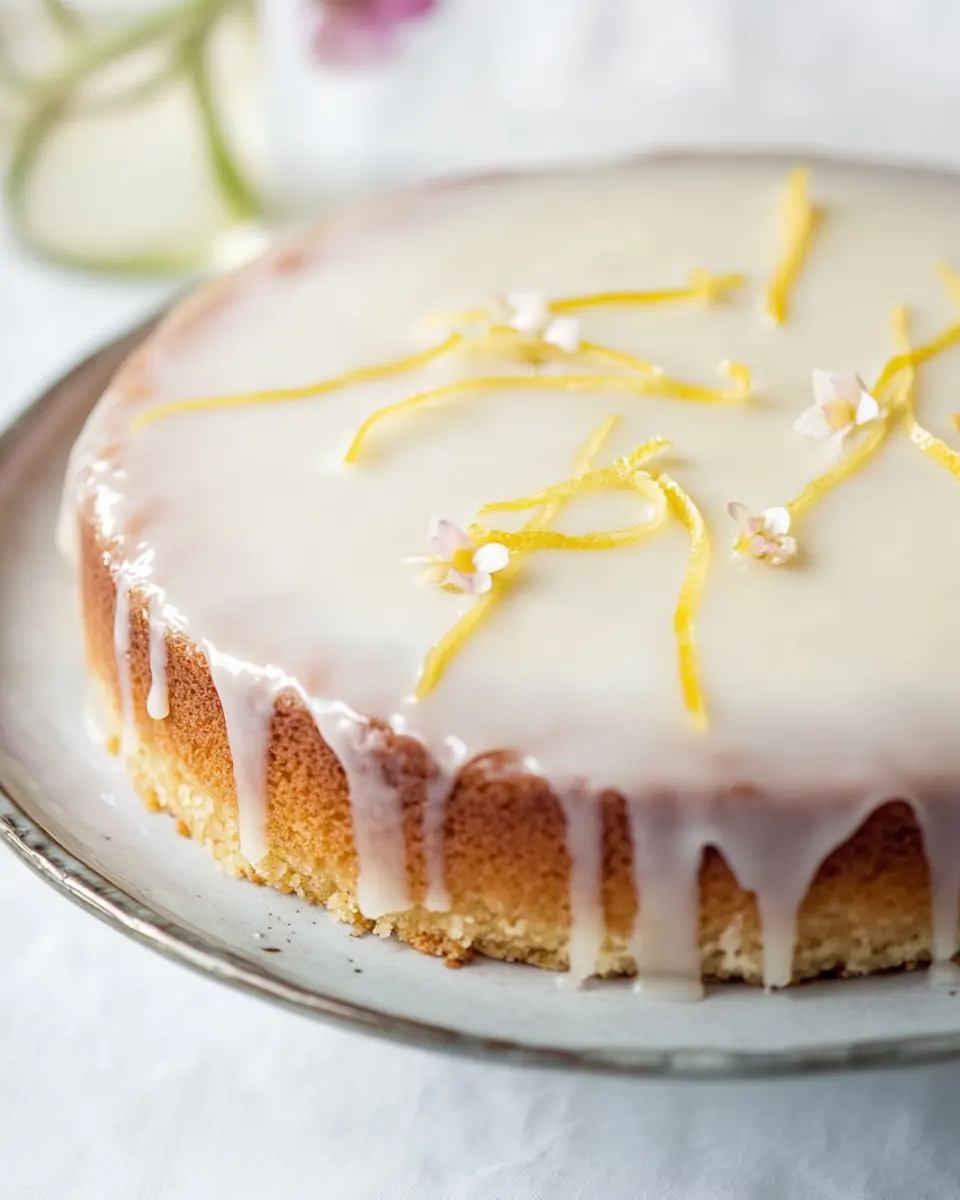
This small list of variations and ideas helps you adapt the cake for different occasions and preferences. Each tip begins with a bold lead to highlight the core suggestion.
- Make ahead: Prepare and cool the cake a day in advance, then glaze it the same day you plan to serve for a polished result and relaxed hosting.
- Adjust glaze consistency: If you prefer a thicker top, add more powdered sugar sparingly until the glaze holds its shape with slow drips.
- Intensify lemon flavor: Increase the zest by a fraction to boost citrus aroma without altering the cake’s texture significantly.
- Even slices: Use a warm, sharp knife wiped between cuts to produce clean, professional looking portions.
- Storage tip: Store the glazed cake at room temperature in a covered cake box for up to one day, as noted, to keep the glaze firm and the crumb tender.
Serving This White Chocolate Cake with Lemon Glaze
This section outlines serving approaches, pairings, and occasions where the cake shines. Each bullet highlights practical options to present and store the cake.
- For afternoon tea: Serve small squares with a pot of light tea, letting the bright lemon complement delicate leaves.
- Casual dessert: Plate wedges after a relaxed family meal, offering small portions so guests can savor the balanced sweetness.
- Small celebration: Present the cake on a simple cake stand with a dusting of extra lemon zest across the glaze for a refined look.
- Storage instructions: Keep the glazed cake at room temperature in a covered container for up to one day to preserve texture and flavor.
- Occasions: This cake works well for spring gatherings, light brunches, or as a hostess gift when you need something pretty and unfussy.
- Serving style: Offer modest slices so the rich white chocolate remains balanced by the lemon, and pair with fresh berries if you want a fruity accent while staying within the listed ingredients.
FAQ
Conclusion
This cake stands out because it balances the creamy sweetness of white chocolate with bright lemon in a simple, elegant way. I encourage you to give it a try, especially when you want an uncomplicated dessert that still feels special. The techniques are accessible, and the sensory rewards from melting chocolate to slicing through a glossy glaze make the process satisfying. Enjoy the process and the lovely slices you’ll share with family or friends.
White Chocolate Cake with Lemon Glaze
Ingredients
Equipment
Method
- Butter an 8-inch (20 cm) square cake pan and line the bottom with parchment paper. Preheat the oven to 375º (190ºC).: The smell of fresh butter as you grease the pan is subtle, and the tactile act of pressing parchment into the pan makes the process feel precise. Greasing prevents sticking, and the parchment gives an easy release when the cake comes out. If you skip lining, the cake can cling and tear, so take the extra minute to fit the paper snugly into the corners before pouring batter.
- To make the white chocolate cake, in a bowl set over a pan of barely simmering water, warm the butter, white chocolate, lemon zest, and salt together, stirring gently, until the chocolate is completely melted. (The mixture may not look smooth, which is normal.): You may hear the oven click as it warms and feel the steady climb in heat when you open the door briefly. A properly preheated oven ensures even rise and correct bake time. If the oven is not hot enough the cake can bake slowly and collapse, so wait until it reaches temperature before sliding the pan in.
- In a medium bowl whisk together the sugar with the eggs, then whisk in the melted white chocolate mixture.: You will notice the white chocolate softening and the mixture glossing over as it melds with the butter . The lemon zest releases bright aromas that lift the rich base. Keep the water at a gentle simmer, not a hard boil, and stir slowly to encourage smooth melting. A common mistake is applying too much heat, which can separate the fats and make the chocolate grainy, so remove from heat while a few small bits remain and reserve the bowl off the direct steam to finish melting.
- Use a flexible spatula to stir in the flour, mixing just until no visible bits of flour remain. Do not overmix. Scrape the batter into the prepared pan and bake for 30 to 35 minutes, until a toothpick inserted into the center comes out clean.: As you whisk granulated sugar into the eggs , the mixture becomes glossy and slightly thickened, smelling sweet and faintly eggy. When you add the warm chocolate mixture, work steadily so the temperatures equilibrate without scrambling. If the melted chocolate is too hot, temper it in slowly to avoid cooking the eggs. Overbeating here can incorporate too much air and change the cake's dense, tender character, so stop once the mixture looks smooth and homogenous.
- Remove the cake from the oven and as soon as it’s cool enough to handle, run a knife around the edge of the cake to release it from the pan, and set the cake on a wire cooling rack, removing the parchment paper. Let the cake cool completely.: Folding in the flour should feel gentle, with soft folding motions that preserve tenderness. You will see the batter turn from glossy to a slightly thicker, velvety texture. Visual cues to watch for are streaks of flour disappearing and the batter pulling away from the bowl slightly. Overmixing will develop gluten and yield a tougher crumb, so fold until just combined and stop when you no longer see dry patches.
- Make the glaze by mixing together the powdered sugar with the lemon juice until smooth. Spoon the glaze over the cake, smoothing it over the top with a metal spatula or butter knife, letting some of it drip down the sides. Once the glaze has hardened, cut the cake into portions.: Pouring the batter in produces a quiet, dense thud and the surface will level out. During baking you may see a faint golden edge develop, though the top stays pale from the white chocolate . The aroma becomes richer, and you should test at 30 minutes with a toothpick, checking for moist crumbs but not wet batter. Baking too long will dry the cake, while underbaking leaves a gooey center, so rely on the toothpick and slight spring back of the surface to know it is ready.
- Remove the cake from the oven and as soon as it’s cool enough to handle, run a knife around the edge of the cake to release it from the pan, and set the cake on a wire cooling rack, removing the parchment paper: The cake will exhale a warm, buttery scent as it cools. Running a knife promptly prevents sides from sticking as the cake contracts. Lifting it onto a wire rack lets air circulate underneath, preventing condensation that would soften the crust. A common slip is waiting too long and then fighting to pry the cake loose, which can tear the edges, so act when the pan is warm rather than hot.
- Let the cake cool completely: Cooling gives the crumb time to set and makes glazing easier. The texture transforms from fragile and warm to a sliceable, cohesive cake. If you glaze while the cake is warm, the glaze will melt and run off, leaving little on the top. Patient cooling yields a nicer finish and cleaner slices when serving.
- Make the glaze by mixing together the powdered sugar with the lemon juice until smooth: As you stir the powdered sugar into the lemon juice , you will see it thicken to a silky, pourable consistency and smell bright citrus. The glaze should drip slowly from a spoon when it is ready. If it is too thin add a touch more powdered sugar , if too thick add a drop more juice. Lumpy glaze indicates the sugar was packed, so sift or whisk vigorously to smooth it before using.
- Spoon the glaze over the cake, smoothing it over the top with a metal spatula or butter knife, letting some of it drip down the sides: The act of glazing is tactile; the glaze spreads into a glossy sheet and the edges form delicate drips. A metal spatula helps create an even finish, and the visual cue is a thin, shiny shell that sets within minutes. Take care not to press into the cake while smoothing, as that can create divots. Let the glaze harden fully before cutting to achieve clean edges and a crisp top layer.
- Once the glaze has hardened, cut the cake into portions: When you slice it you may hear a slight crack as the glaze breaks, revealing a tender, pale interior. Use a sharp knife warmed under hot water and wiped dry for the neatest slices. Cutting too soon can smudge the glaze and cause the cake to crumble, so ensure the glaze has a firm surface before serving.
Notes
- Make ahead: Prepare and cool the cake a day in advance, then glaze it the same day you plan to serve for a polished result and relaxed hosting.
- Adjust glaze consistency: If you prefer a thicker top, add more powdered sugar sparingly until the glaze holds its shape with slow drips.
- Intensify lemon flavor: Increase the zest by a fraction to boost citrus aroma without altering the cake's texture significantly.
- Even slices: Use a warm, sharp knife wiped between cuts to produce clean, professional looking portions.
- Storage tip: Store the glazed cake at room temperature in a covered cake box for up to one day, as noted, to keep the glaze firm and the crumb tender.