Chicken Souvlaki
Chicken Souvlaki has been one of my go to weeknight heroes for years, a simple dish that still feels celebratory when friends drop by or when I want to lift an ordinary Tuesday. I remember the first time I made it for a backyard gathering, how the air filled with bright lemon and herb notes as the skewers hit the grill, and how everyone kept circling back for one more piece. That lively, hands on energy is exactly why I keep this recipe in my repertoire.
Over time I refined the marinade to be tangier and silkier by adding a touch of Greek Yogurt, and I learned to alternate pieces of chicken, Red Bell Pepper, and Red Onion on the skewer so each bite offers texture and color. When I toss the finished skewers onto a platter, I love how the charred edges contrast with the tender interior, and how a squeeze of lemon brightens everything right before serving. This version of Chicken Souvlaki is easy enough for a weekday, but pretty enough for guests.
Recipe Snapshot
1 hr 5 mins
35 mins
30 mins
Medium
300 kcal
Mediterranean
Keto, Gluten-Free
Dinner
Grill, Baking sheet, Cooling rack, Mixing bowl, Ziplock bag
What Sets This Chicken Souvlaki Apart
Bright, Balanced Flavor
I adore how Chicken Souvlaki balances tang, herb, and savory notes. The Fresh Lemon Juice cuts through the richness, while the Dried Oregano gives a classic Mediterranean perfume. Each bite tastes intentional, not overloaded, which makes it endlessly approachable.
Speedy Marinade That Still Works Magic
We often think long marinades are mandatory, but this recipe proves otherwise. With a short refrigerate time, the Greek Yogurt and lemon start to tenderize the chicken, softening the texture and helping spices cling. I love that you can prep quickly yet get deep flavor.
Versatile Cooking Options
I like that Chicken Souvlaki works equally well on a grill or in the oven. If the weather is fine, grilling adds smoke and char. If not, the oven method gives predictable, juicy results. I often switch between them depending on the day.
Colorful Presentation and Texture
Alternating Red Bell Pepper and Red Onion with the chicken gives each skewer a pop of color and sweet bite. The caramelized edges provide a welcome contrast to the tender center, making every mouthful satisfying visually and texturally.
Family Friendly and Flexible
My family appreciates that Chicken Souvlaki is straightforward to eat, whether plated with sides or served casual on skewers. You can easily scale portions, and the ingredients are pantry friendly, so I can pull this together without fuss.
Ingredient List for Chicken Souvlaki
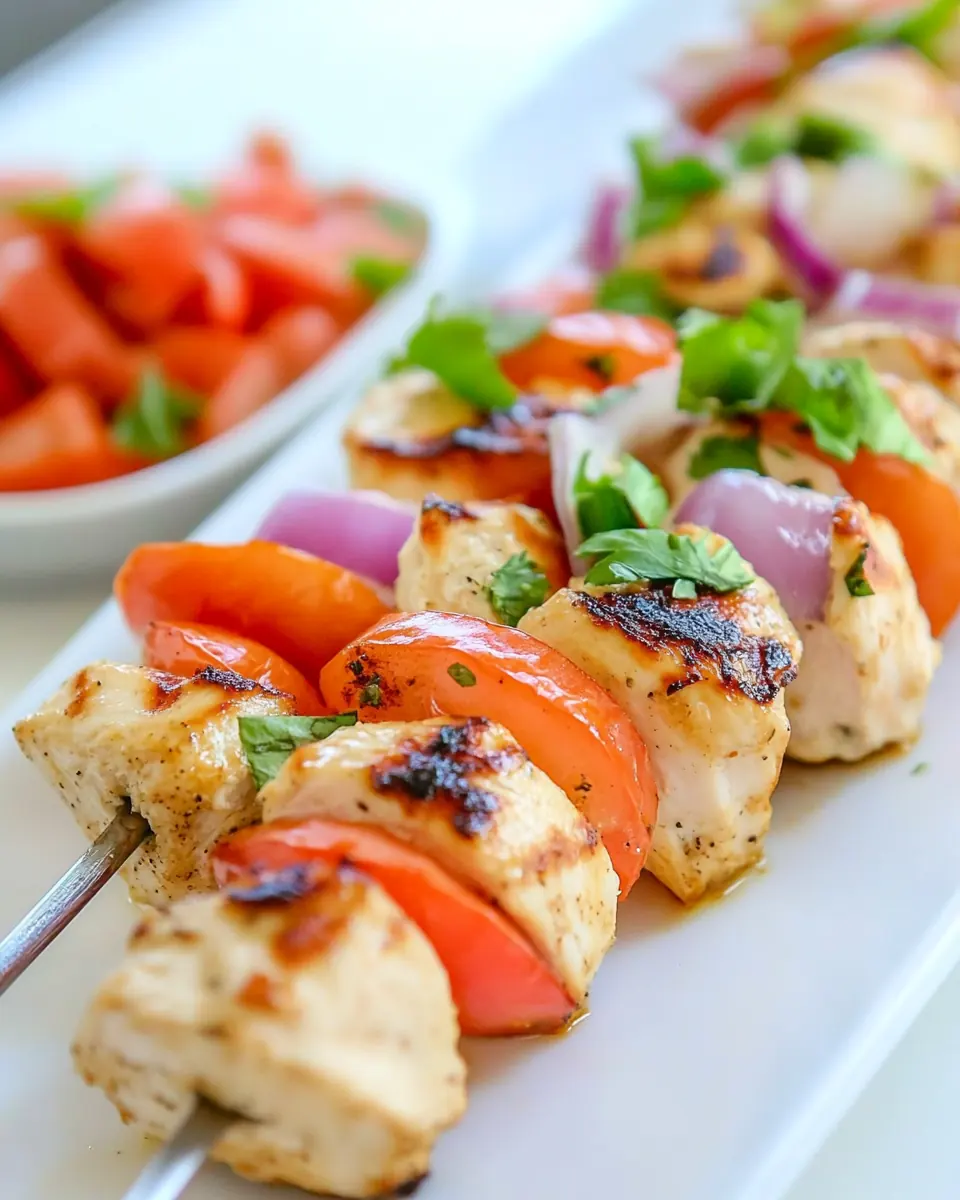
I think of the ingredients as teammates. The Greek Yogurt and Fresh Lemon Juice are the tenderizing duo, the dried herbs and spices bring depth, and the vegetables provide texture and sweetness. Each item has a clear role, and together they create a straightforward, harmonious skewer.
- 1 1/2 lbs Skinless Boneless Chicken Breasts cut into chunks: Cut into bite-sized chunks to ensure even cooking on skewers and quick grilling; provides lean protein and the main body of the souvlaki. Marinating helps tenderize the meat and infuse flavors so bites remain juicy and flavorful when grilled.
- 1/2 cup Greek Yogurt: Adds creaminess and tang that tenderizes chicken while contributing a classic Mediterranean flavor profile; helps the marinade coat each piece for moist results. Can also slightly thicken the marinade so herbs and spices cling better to the meat.
- 1/4 cup Fresh Lemon Juice: Provides bright acidity to balance the richness of yogurt and enhance overall flavor; assists in breaking down proteins for a more tender texture. Fresh juice delivers a clean citrus aroma that complements oregano and garlic.
- 1 tsp Dried Oregano: Imparts classic Greek herb flavor and aromatic earthiness that defines souvlaki seasoning; enhances savory notes without overpowering the dish. Dried form is convenient and distributes evenly throughout the marinade to season every piece.
- 1 tsp Garlic Powder: Contributes a concentrated savory and aromatic punch that complements oregano and lemon; offers consistent garlicky flavor without the moisture of fresh garlic. Powdered form blends smoothly into the yogurt-based marinade for uniform taste.
- 3/4 tsp Salt: Seasons the meat to bring out natural flavors and balance acidity; helps control overall taste intensity and can enhance juiciness perception. Proper salt amount ensures the marinade penetrates for well-seasoned chicken throughout.
- 1/4 tsp Pepper: Adds mild heat and a subtle pungent note to round out seasoning; helps balance salt and acidity for a more complex flavor profile. Used sparingly so it complements without overwhelming the other Mediterranean flavors.
- 1 Red Bell Pepper cut into chunks: Cut into chunks for skewering and grilling; contributes sweet, slightly smoky flavor and vibrant color to the souvlaki. When charred lightly, it develops pleasant caramelized notes that contrast the tender chicken.
- 1 Red Onion cut into chunks: Cut into chunks for skewering alongside the chicken and pepper; provides sharp, slightly sweet flavor and a crunchy texture when grilled. Red onion softens and caramelizes with heat, adding depth and a touch of sweetness to the skewers.
The Method for Chicken Souvlaki
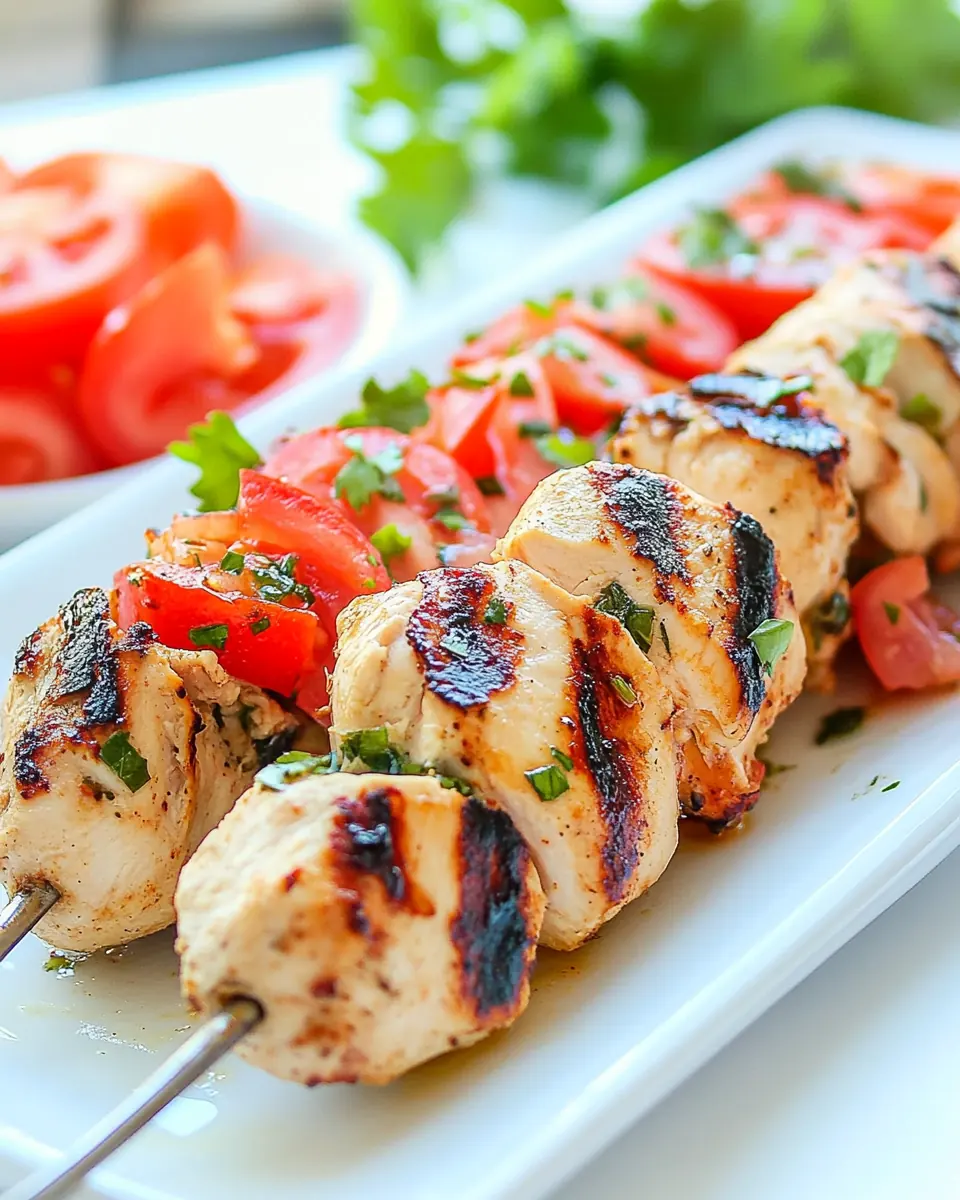
I like to think of the method as rhythm and timing, a sequence that builds aroma and texture. Below I expand the original directions into thorough, sensory forward steps that help you succeed whether you grill or roast in the oven.
- In a small bowl, mix together the greek yogurt, lemon juice, oregano, garlic powder, salt, and pepper. Add the chicken chunks to a ziplock bag and pour the yogurt mixture over the top. Seal the bag and toss to coat. Refrigerate for thirty minutes.: The first breath of the dish comes from combining the creamy Greek Yogurt with bright Fresh Lemon Juice and the dried herbs and spices. As you stir, notice the aroma lift, the citrus cutting through the yogurt, producing a tangy, slightly herbal perfume. This emulsion clings to the chicken , so whisk until smooth and homogenous. A common mistake is under mixing which leaves pockets of intense acid that can unevenly tenderize meat. If the mixture seems too thick, let it sit a few minutes to relax, then whisk again before adding the chicken .
- Thread the marinated chicken chunks onto skewers, alternating with chunks of red pepper and red onion.: Once the marinade is ready, transfer the uniformly cut chicken into a resealable bag to maximize contact. The sound of the liquid pooling around the pieces signals good coverage. Massage the bag gently with your hands so each chunk gets coated; you should see a glossy coating on every piece. A key why here is that close contact lets the tenderizing enzymes and acids start working quickly. Avoid overcrowding the bag, which can prevent proper coating and slow marination.
- Grill on medium high heat for 6 to 8 minutes per side, until juices run clear. Alternatively, line a baking sheet with foil and place a cooling rack on top. Place the skewers on the cooling rack, and bake at 425 for 25-30 minutes.: After sealing, shake and squeeze the bag so the marinade envelopes the chicken . You should hear the soft swish of pieces moving, and the texture will shift as the yogurt adheres. This mechanical motion helps distribute salt and spices evenly. One frequent error is forgetting to remove excess air, which reduces contact between marinade and meat. Press out the air so the marinade rests directly against the chicken for best absorption.
- Refrigerate for thirty minutes: While chilling, the marinade gently penetrates the chicken , improving tenderness and depth of flavor. In the refrigerator the mixture cools and the yogurt firms slightly, holding spices in place. Thirty minutes is a sweet spot for time pressed cooks, offering meaningful flavor without long wait. Over marinating can lead to a mealy exterior, so do not exceed recommended times if using the acidic lemon marinade.
- Thread the marinated chicken chunks onto skewers, alternating with chunks of red pepper and red onion: Skewering creates the visual and textural variety that defines the dish. As you thread, the contrast between the pale chicken , the glossy Red Bell Pepper , and the layered Red Onion is appealing. Aim for even spacing to ensure uniform cooking and avoid crowding, which can trap steam and prevent browning. A typical issue is uneven piece sizes, which leads to some parts finishing earlier than others; match dimensions closely for consistent doneness.
- Grill on medium high heat for 6 to 8 minutes per side, until juices run clear: On a hot grill you will hear an energetic sizzle as the skewers hit the grates, and smell the marinade caramelize. Look for golden char marks and a slight resistance when you press the meat; those are signs of a properly seared exterior. Flipping once preserves juices and develops even color. Cook until the internal juices run clear and the internal temperature reaches a safe point. Avoid constantly flipping or pressing down, which squeezes out juices and dries the chicken .
- Alternatively, line a baking sheet with foil and place a cooling rack on top: If you choose the oven route, set up for airflow by raising the skewers on a rack. You will still get some crisping as hot air circulates, and the foil keeps cleanup simple. The visual cue is a light bronzing on edges, and you will notice a gentle roasted scent differing from grill smoke. Common mistakes include placing skewers directly on foil which can lead to steaming rather than roasting, so use the rack for best texture.
- Place the skewers on the cooling rack, and bake at 425 for 25 to 30 minutes: In the oven, the high temperature encourages attractive browning and even cooking. You may hear a soft sizzle and smell caramelizing sugars from the veggies. Check for color and for juices that run clear when pierced, as the tactile and visual signals for doneness. If your oven runs hot, shorten the time slightly and monitor closely. Overbaking will dry the lean chicken , so check early rather than late.
Recipe Tips about Chicken Souvlaki
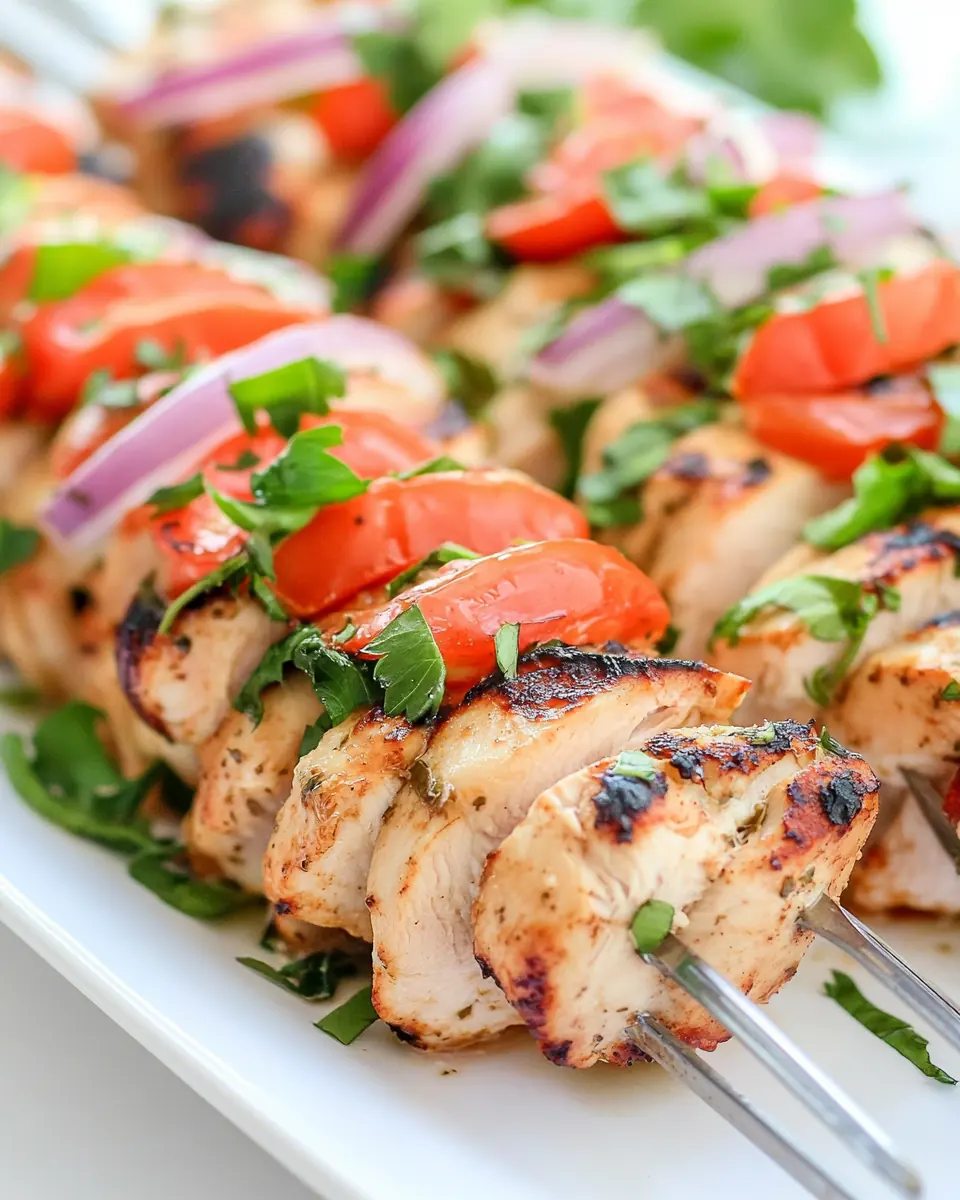
I like to think of tips as the little practices that separate good from great. The following list expands on practical moves I use every time I make Chicken Souvlaki so you can capture the best textures and flavors.
- Match piece size: Cut the chicken, Red Bell Pepper, and Red Onion into uniform chunks so everything cooks at the same rate and you avoid overcooked or undercooked bits.
- Dry before grilling: Pat excess marinade off the skewers before placing on the grill to encourage browning and reduce flare ups from dripping marinade.
- Preheat grill or oven: Make sure your cooking surface is hot so you get immediate sear and attractive color, locking in juices and developing flavor.
- Use wooden skewers right: If using wood, soak them for at least 30 minutes to prevent burning, which keeps ends intact and safe to handle.
- Rest briefly: Let the skewers rest for a few minutes after cooking so juices redistribute, resulting in moister bites and easier handling.
What to Pair With Chicken Souvlaki
Serving is where the fun continues, mixing textures and temperatures to complement the skewers. Below I outline pairings, occasions, and storage thoughts that work beautifully with Chicken Souvlaki.
- Classic sides: Serve with warm pita or flatbread, so guests can assemble handhelds with the skewers. Add a yogurt based sauce for creaminess and cooling contrast.
- Fresh salads: A crisp green salad or a simple cucumber tomato salad offers brightness and counterpoint to the grilled meat, especially in summer gatherings.
- Grain bowls: Pair with rice or couscous to make a heartier plate, adding herbs or lemon zest to mirror the skewer flavors.
- Occasions: This is perfect for casual dinners, summer barbecues, or special iftar meals during Ramadan when you want something both nourishing and easy to share.
- Storage tips: Refrigerate leftover cooked skewers in an airtight container for up to three days, or freeze portions for up to two months. Reheat gently to avoid drying the chicken.
- Seasonal pairing: In summer, serve with raw vegetables and chilled sides; in cooler months, add roasted vegetables and heartier grains to warm the meal.
FAQ
Conclusion
Chicken Souvlaki stands out for its bright, balanced flavors, quick marinade, and versatile cooking options that suit both grills and oven roasts. Give it a try when you want a weeknight recipe that feels a little special, and invite a few friends or family to share in the simple pleasure of skewers fresh from the heat. I hope this version becomes one of your reliable options for easy, satisfying meals that come together with minimal fuss and maximum flavor.
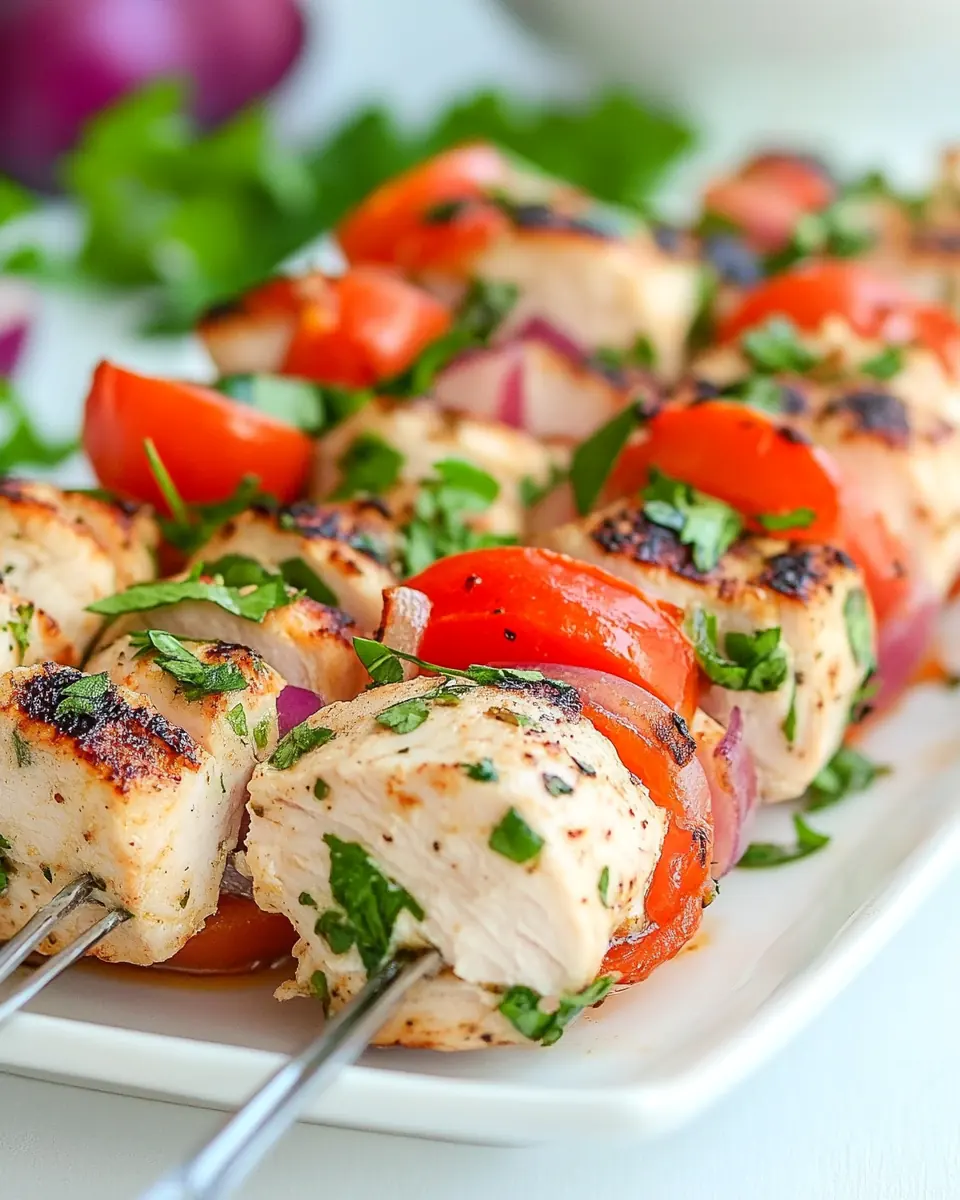
Chicken Souvlaki
Ingredients
Equipment
Method
- In a small bowl, mix together the greek yogurt, lemon juice, oregano, garlic powder, salt, and pepper. Add the chicken chunks to a ziplock bag and pour the yogurt mixture over the top. Seal the bag and toss to coat. Refrigerate for thirty minutes.: The first breath of the dish comes from combining the creamy Greek Yogurt with bright Fresh Lemon Juice and the dried herbs and spices. As you stir, notice the aroma lift, the citrus cutting through the yogurt, producing a tangy, slightly herbal perfume. This emulsion clings to the chicken , so whisk until smooth and homogenous. A common mistake is under mixing which leaves pockets of intense acid that can unevenly tenderize meat. If the mixture seems too thick, let it sit a few minutes to relax, then whisk again before adding the chicken .
- Thread the marinated chicken chunks onto skewers, alternating with chunks of red pepper and red onion.: Once the marinade is ready, transfer the uniformly cut chicken into a resealable bag to maximize contact. The sound of the liquid pooling around the pieces signals good coverage. Massage the bag gently with your hands so each chunk gets coated; you should see a glossy coating on every piece. A key why here is that close contact lets the tenderizing enzymes and acids start working quickly. Avoid overcrowding the bag, which can prevent proper coating and slow marination.
- Grill on medium high heat for 6 to 8 minutes per side, until juices run clear. Alternatively, line a baking sheet with foil and place a cooling rack on top. Place the skewers on the cooling rack, and bake at 425 for 25-30 minutes.: After sealing, shake and squeeze the bag so the marinade envelopes the chicken . You should hear the soft swish of pieces moving, and the texture will shift as the yogurt adheres. This mechanical motion helps distribute salt and spices evenly. One frequent error is forgetting to remove excess air, which reduces contact between marinade and meat. Press out the air so the marinade rests directly against the chicken for best absorption.
- Refrigerate for thirty minutes: While chilling, the marinade gently penetrates the chicken , improving tenderness and depth of flavor. In the refrigerator the mixture cools and the yogurt firms slightly, holding spices in place. Thirty minutes is a sweet spot for time pressed cooks, offering meaningful flavor without long wait. Over marinating can lead to a mealy exterior, so do not exceed recommended times if using the acidic lemon marinade.
- Thread the marinated chicken chunks onto skewers, alternating with chunks of red pepper and red onion: Skewering creates the visual and textural variety that defines the dish. As you thread, the contrast between the pale chicken , the glossy Red Bell Pepper , and the layered Red Onion is appealing. Aim for even spacing to ensure uniform cooking and avoid crowding, which can trap steam and prevent browning. A typical issue is uneven piece sizes, which leads to some parts finishing earlier than others; match dimensions closely for consistent doneness.
- Grill on medium high heat for 6 to 8 minutes per side, until juices run clear: On a hot grill you will hear an energetic sizzle as the skewers hit the grates, and smell the marinade caramelize. Look for golden char marks and a slight resistance when you press the meat; those are signs of a properly seared exterior. Flipping once preserves juices and develops even color. Cook until the internal juices run clear and the internal temperature reaches a safe point. Avoid constantly flipping or pressing down, which squeezes out juices and dries the chicken .
- Alternatively, line a baking sheet with foil and place a cooling rack on top: If you choose the oven route, set up for airflow by raising the skewers on a rack. You will still get some crisping as hot air circulates, and the foil keeps cleanup simple. The visual cue is a light bronzing on edges, and you will notice a gentle roasted scent differing from grill smoke. Common mistakes include placing skewers directly on foil which can lead to steaming rather than roasting, so use the rack for best texture.
- Place the skewers on the cooling rack, and bake at 425 for 25 to 30 minutes: In the oven, the high temperature encourages attractive browning and even cooking. You may hear a soft sizzle and smell caramelizing sugars from the veggies. Check for color and for juices that run clear when pierced, as the tactile and visual signals for doneness. If your oven runs hot, shorten the time slightly and monitor closely. Overbaking will dry the lean chicken , so check early rather than late.
Notes
- Match piece size: Cut the chicken, Red Bell Pepper, and Red Onion into uniform chunks so everything cooks at the same rate and you avoid overcooked or undercooked bits.
- Dry before grilling: Pat excess marinade off the skewers before placing on the grill to encourage browning and reduce flare ups from dripping marinade.
- Preheat grill or oven: Make sure your cooking surface is hot so you get immediate sear and attractive color, locking in juices and developing flavor.
- Use wooden skewers right: If using wood, soak them for at least 30 minutes to prevent burning, which keeps ends intact and safe to handle.
- Rest briefly: Let the skewers rest for a few minutes after cooking so juices redistribute, resulting in moister bites and easier handling.