Wild Rice with Snow Peas
Wild Rice with Snow Peas is one of those dishes I reach for when I want something wholesome but not fussy. The first time I made it I was juggling a busy week, a fridge full of odds and ends, and a craving for something with texture and brightness. I remember the comforting crackle as the wild rice hit the simmering broth and the fresh pop of the snow peas when I tossed them in at the end. It felt like a small celebration of simple ingredients coming together.
Over the years I’ve learned to treat this combination like an adaptable framework rather than a fixed recipe. I love how the nutty, chewy grains of wild rice pair with the crisp, almost sweet snap of the snow peas. When serving friends I often tell the little origin story about finding this recipe in a faded notebook, and how it became our go to when we wanted something light yet filling. Making it feels like putting a comforting puzzle together, one satisfying piece at a time.
Recipe Snapshot
1 hr 10 mins
25 mins
45 mins
Medium
220 kcal
American
Gluten-Free, Vegan
Side Dishes
Large saucepan, Skillet
Why We Love This Wild Rice with Snow Peas
Textural Contrast That Keeps You Interested
I adore how Wild Rice with Snow Peas balances chewy, tender and crunchy components. The wild rice brings depth and a satisfying bite, while the snow peas introduce a bright, crisp counterpoint. That contrast makes every forkful interesting, and I always catch myself smiling at the mouthfeel.
Layered, Subtle Flavors
I find the flavor profile gentle yet layered. A touch of butter and the savory warmth from the chicken broth lift the dish without overpowering the delicate vegetables. The result is a composed, comforting plate that feels intentional and homey.
Flexible and Weeknight Friendly
One reason I keep this recipe in heavy rotation is how adaptable it is. If I have fresh snow peas I use them, if I only have frozen I thaw them. The method lets you scale easily, and small tweaks change the mood from cozy to bright in minutes. It’s great for weeknight dinners because it is straightforward, but it still looks special enough for guests.
Vegetable First, but Satisfying
I love that this dish highlights vegetables and whole grain while still feeling filling. The combination works for vegetarian leaning meals or as an accompaniment to a larger plate. When I want something wholesome without being heavy, this is where I turn.
Minimal Fuss, Maximum Reward
There is a simplicity here that I really appreciate. The techniques are forgiving and the signaling is clear, so even when I’m rushed the dish comes out reliably well. That predictability makes it a comfort recipe I trust again and again.
Wild Rice with Snow Peas Shopping List
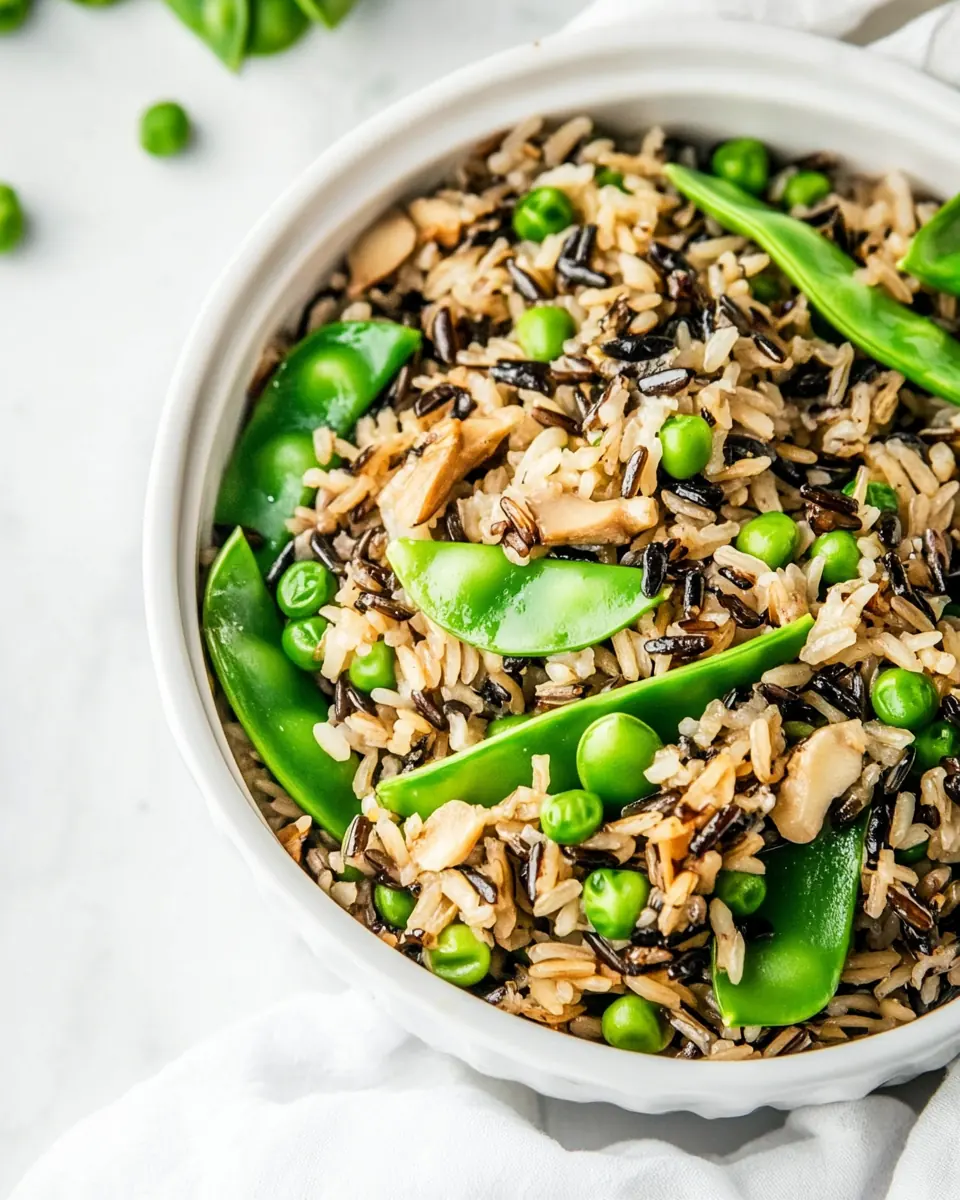
I treat these ingredients as collaborators. Each plays a clear role: the wild rice is the backbone, the snow peas provide brightness and snap, and the mushrooms and water chestnuts add earthy and crunchy notes. Together they form a balanced dish that feels both rustic and refined.
- 2 wholegreen onions, chopped: Chopped to provide a mild oniony aroma and slight crunch; adds fresh green color and a subtle sharpness that brightens the dish. Works well sautéed briefly to release flavor without overpowering the delicate wild rice and snow peas.
- 1 tablespoon butter: Melted to create a rich cooking fat that helps sauté aromatics and coat rice for a smooth mouthfeel. Balances savory elements and lends a lightly buttery finish to the finished dish.
- 1 cup wild rice, rinsed and drained: Rinsed and drained to remove debris and surplus starch; serves as the hearty, nutty base of the recipe. Absorbs broth and flavors while offering a chewy texture that contrasts with tender vegetables.
- 1 teaspoon salt: Measured to season the cooking liquid and enhance all other flavors in the dish; also helps to tenderize the rice during simmering. Can be adjusted based on broth sodium and personal taste.
- 2 cups chicken broth (or more, as needed): Simmered as the primary cooking liquid that hydrates and flavors the wild rice; provides savory depth and richness. Quantity can be increased if rice requires more time to reach desired tenderness.
- One 6-ounce package frozen snow peas (thawed, drained and cut into pieces): Thawed, drained, and cut into pieces to contribute a crisp-tender snap and a subtly sweet, grassy flavor. Adds bright green color and a contrasting texture to the chewy rice and soft mushrooms.
- One 8-ounce can water chestnuts, drained and chopped: Drained and chopped to supply a crunchy, slightly sweet element with mild nutty undertones; complements the other vegetables. Offers textural contrast and holds up well when mixed into the finished rice.
- 1 cup sliced fresh mushrooms: Sliced to introduce an earthy, umami-rich component that deepens the savory profile; softens when sautéed and melds with the rice. Enhances overall complexity and pairs particularly well with butter and soy-like seasonings.
- 2 tablespoons vegetable or canola oil: Used to provide a neutral frying medium for sautéing vegetables and developing light browning without altering flavors. Helps achieve even cooking and a slight crispness on ingredients like mushrooms and snow peas.
- salt and freshly ground black pepper, to taste: Added to adjust seasoning balance and final taste, supplying salinity and a mild heat from freshly ground black pepper. Enables personal tailoring of flavor and rounds out the dish when tasted before serving.
Making Wild Rice with Snow Peas
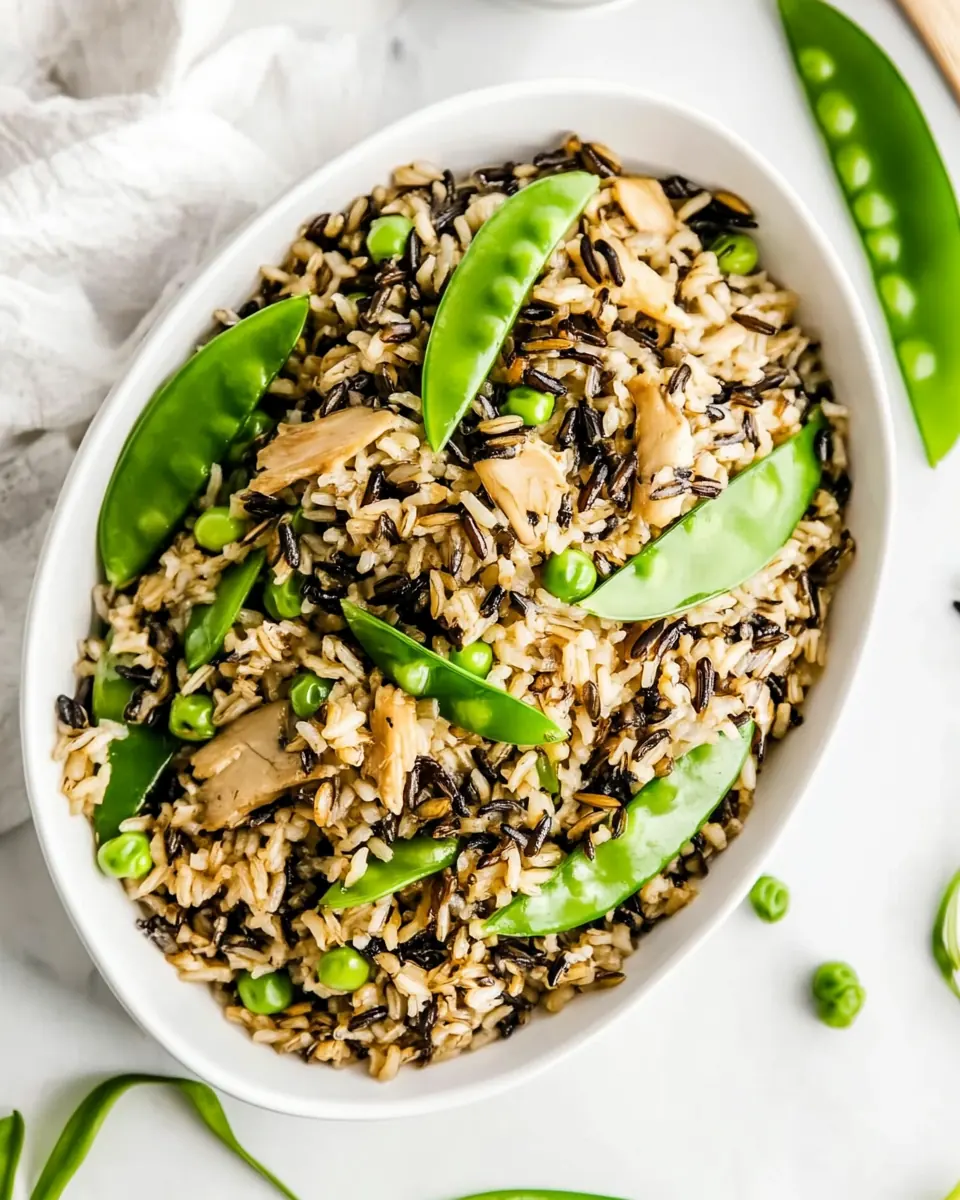
These steps are straightforward, but I like to approach them with a chef’s attention to signals and timing. Work in two pans so the rice and vegetables can each reach their ideal textures. The method rewards patience and small adjustments.
- Cut the green onion stems into 1-inch lengths. Finely chop the white part of the green onions.: The aroma of fresh green onions is subtle and bright, and finely chopping the white parts ensures they almost melt into the dish during sauté. When you chop, notice the clean, slightly sweet scent, and keep the green stems separate so they retain color and bite later. One common mistake is chopping everything too coarsely, which can lead to uneven cooking, so aim for uniform pieces.
- In a large saucepan, melt the butter. Add the white onion and sauté. Add the rice, salt and chicken broth. Bring to a boil, stir and reduce the heat. Cover and cook over low heat until the rice is tender and the liquid is absorbed (about 35 minutes). If necessary, add more broth as the rice cooks.: As the butter melts it should smell nutty and rich, signaling the right moment to add the white green onion . Sauté until the onions are translucent and fragrant, then add the rinsed wild rice so the grains toast lightly, picking up the butter flavors. Pour in the chicken broth , which will steam and release savory aromatics. When the pot reaches a steady boil you will hear a gentle bubbling; lower to a soft simmer and cover. Look for the grains to swell and separate, and for the broth to become mostly absorbed around 30 to 40 minutes. Avoid lifting the lid constantly, as that lets steam escape and lengthens cooking, though a quick peek at the 30 minute mark is fine. If the rice reaches tenderness but still has liquid, let it rest covered off heat for 10 minutes to finish absorbing.
- Heat the oil in a separate skillet. Add the mushrooms and sauté for a few minutes. Add the green onion stems, snow peas and water chestnuts and sauté lightly.: As you cook, you may notice the rice soaking up liquid at different rates depending on age and brand. The aroma will shift from sharp starchiness to a deeper, toasted grain scent when moisture is low. Adding warm chicken broth in small amounts keeps the simmer gentle and prevents the grains from sticking or drying out. A frequent error is adding cold liquid straight from the fridge, which shocks the temperature and interrupts cooking, so warm any extra broth beforehand.
- Add the sautéed vegetables to the cooked rice. Add salt and pepper, as desired to taste.: When the oil shimmers, add the sliced mushrooms . They will hiss and release moisture, then begin to brown and give off an earthy, deeply savory perfume. Stir periodically to develop even caramelization. The sound of gentle sizzling and the sight of golden edges indicates you are coaxing out maximum flavor. Avoid crowding the pan which causes steaming rather than browning; if you crowd, the mushrooms become limp instead of richly caramelized.
- Add the green onion stems, snow peas and water chestnuts and sauté lightly.: Adding the chopped green stems, thawed snow peas , and chopped water chestnuts introduces bright, fresh notes. The snow peas will sizzle briefly and keep a crisp snap, while the water chestnuts remain crunchy. Watch for a faint brightening of color in the peas and a light toasting on the edges of the water chestnuts. A typical pitfall is overcooking at this stage, which dulls the crispness, so sauté just until warmed through and tender crisp.
- Add the sautéed vegetables to the cooked rice. Add salt and pepper, as desired to taste.: When you fold the hot vegetables into the wild rice , steam will mingle and aromas will rise, signaling that flavors are marrying. Toss gently so the textures remain distinct, and finish with measured amounts of salt and freshly ground black pepper to brighten the bowl. Taste and adjust, remembering that a small rest allows flavors to integrate. Over seasoning at the end is easy to do, so add conservatively and recheck after a minute.
Change It Up
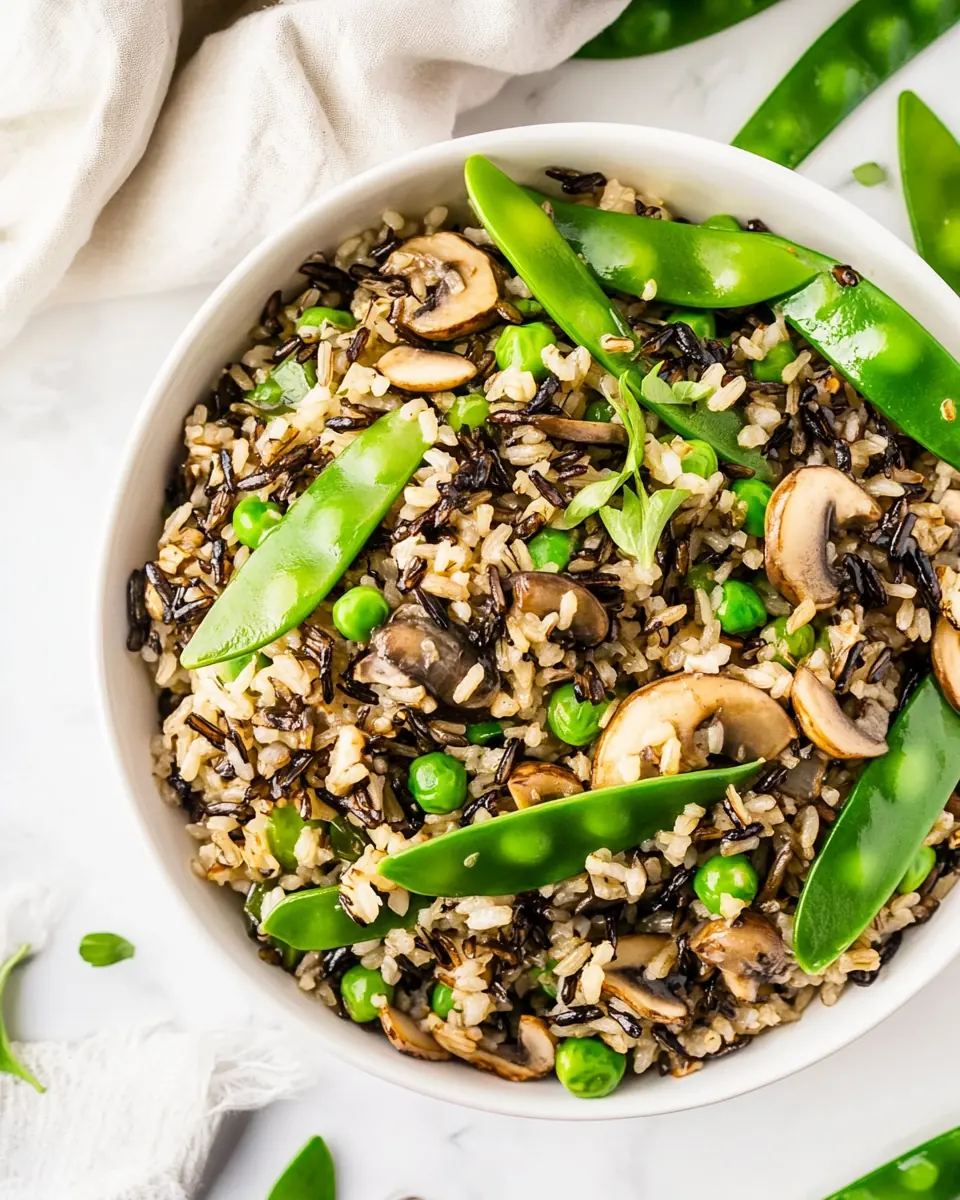
There are simple swaps and additions that keep this dish interesting without changing its spirit. Below are practical ideas that respect the original balance while helping you personalize flavors and textures.
- Use fresh snow peas for a brighter crunch and quicker sauté time, which enhances the contrast with the wild rice.
- Try low sodium chicken broth if you prefer tighter salt control, then finish with small adjustments of salt at the end.
- Toast the wild rice first in the butter for a couple of minutes to deepen its nutty aroma before adding broth.
- Serve warm rather than piping hot if you want the textures to remain more distinct and avoid softening the snow peas too much.
- Slice mushrooms thicker for more pronounced meatiness and visual presence in each spoonful.
- Drain water chestnuts thoroughly and pat dry to keep their crunch intact during the final sauté.
- Add green onion stems last to preserve their fresh color and gentle bite in the finished dish.
Pairing Suggestions for Wild Rice with Snow Peas
This dish can be a centerpiece or a complementary side, depending on the occasion. Below are ideas for serving, storage and seasonal matchups to help you decide how to present it.
- For weeknight dinners serve the Wild Rice with Snow Peas alongside roasted vegetables or a simple protein to keep the meal balanced and easy.
- For a light lunch present it with a crisp green salad and a wedge of lemon to brighten the palate and maintain the dish’s fresh character.
- For Ramadan or communal gatherings offer the dish in a warmed serving bowl where guests can help themselves, since it holds well and travels easily to buffets.
- Seasonal spring pairing includes fresh pea tendrils or early greens, which echo the bright notes of the snow peas and keep the plate lively.
- Storage tips cool quickly and refrigerate in an airtight container for up to four days, reheating gently to preserve texture and prevent the peas from becoming mushy.
- Make ahead by cooking the wild rice a day earlier and combining with freshly sautéed vegetables just before serving for optimal texture contrast.
- Serving style offer a shallow bowl so the rice and vegetables sit in a single layer, making the colors and textures more inviting for guests.
- Occasion suggestion this fits casual dinners, potlucks, and family meals where you want something nourishing yet approachable.
- Temperature advice serve warm to highlight the buttered rice aroma while keeping the snow peas crisp and fresh.
- Portioning for gatherings, present in a large platter so people can pinch out the quantities they want, which keeps the presentation attractive and reduces over serving.
FAQ
Conclusion
This recipe stands out for its interplay of textures and simple, savory flavors. The nutty wild rice paired with crisp snow peas, earthy mushrooms, and crunchy water chestnuts creates a dish that is both comforting and lively. Give it a try on a weeknight or bring it to a gathering where you want something nourishing yet elegant. It’s an approachable recipe that rewards attention to timing and yields a bowl that tastes like thoughtful, everyday cooking.
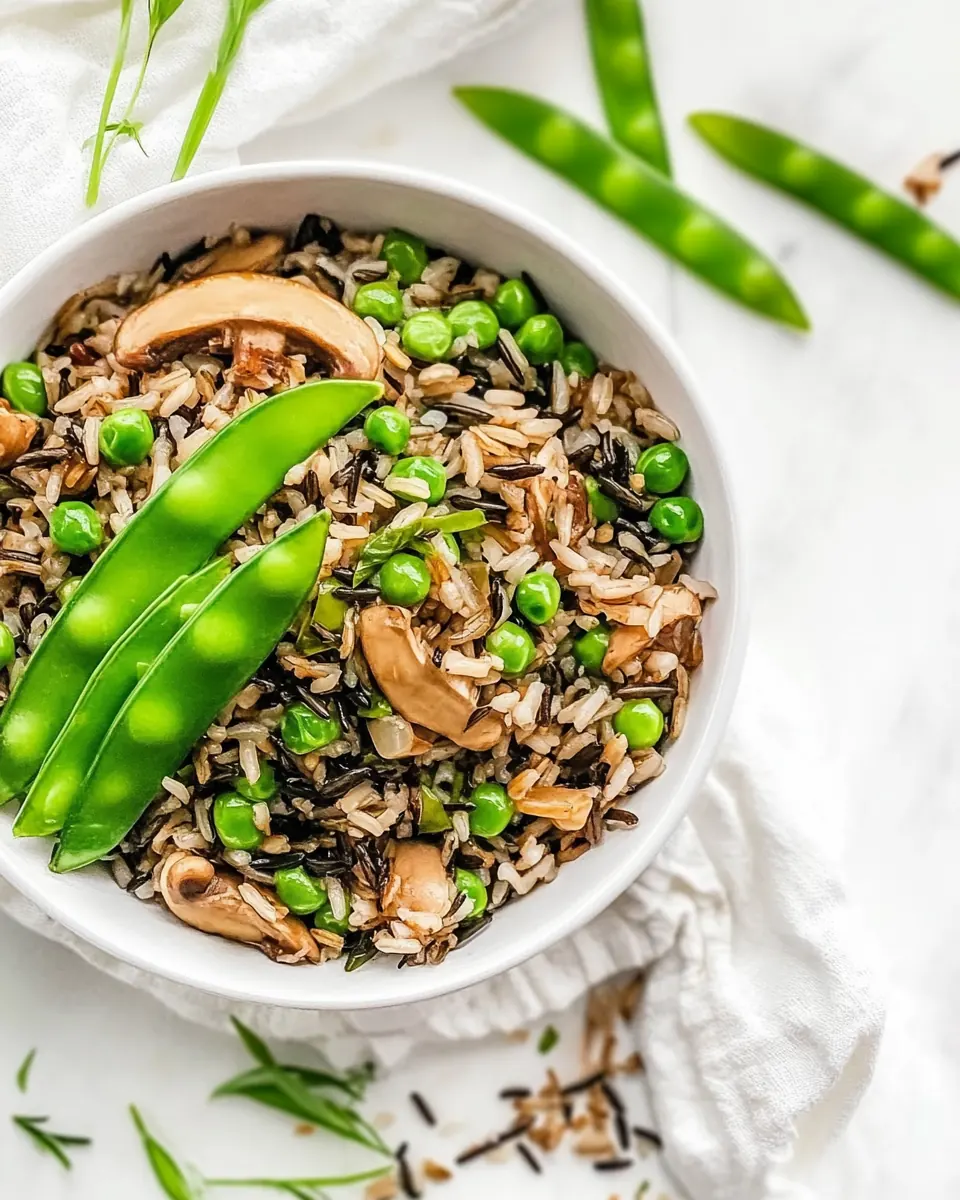
Wild Rice with Snow Peas
Ingredients
Equipment
Method
- Cut the green onion stems into 1-inch lengths. Finely chop the white part of the green onions.: The aroma of fresh green onions is subtle and bright, and finely chopping the white parts ensures they almost melt into the dish during sauté. When you chop, notice the clean, slightly sweet scent, and keep the green stems separate so they retain color and bite later. One common mistake is chopping everything too coarsely, which can lead to uneven cooking, so aim for uniform pieces.
- In a large saucepan, melt the butter. Add the white onion and sauté. Add the rice, salt and chicken broth. Bring to a boil, stir and reduce the heat. Cover and cook over low heat until the rice is tender and the liquid is absorbed (about 35 minutes). If necessary, add more broth as the rice cooks.: As the butter melts it should smell nutty and rich, signaling the right moment to add the white green onion . Sauté until the onions are translucent and fragrant, then add the rinsed wild rice so the grains toast lightly, picking up the butter flavors. Pour in the chicken broth , which will steam and release savory aromatics. When the pot reaches a steady boil you will hear a gentle bubbling; lower to a soft simmer and cover. Look for the grains to swell and separate, and for the broth to become mostly absorbed around 30 to 40 minutes. Avoid lifting the lid constantly, as that lets steam escape and lengthens cooking, though a quick peek at the 30 minute mark is fine. If the rice reaches tenderness but still has liquid, let it rest covered off heat for 10 minutes to finish absorbing.
- Heat the oil in a separate skillet. Add the mushrooms and sauté for a few minutes. Add the green onion stems, snow peas and water chestnuts and sauté lightly.: As you cook, you may notice the rice soaking up liquid at different rates depending on age and brand. The aroma will shift from sharp starchiness to a deeper, toasted grain scent when moisture is low. Adding warm chicken broth in small amounts keeps the simmer gentle and prevents the grains from sticking or drying out. A frequent error is adding cold liquid straight from the fridge, which shocks the temperature and interrupts cooking, so warm any extra broth beforehand.
- Add the sautéed vegetables to the cooked rice. Add salt and pepper, as desired to taste.: When the oil shimmers, add the sliced mushrooms . They will hiss and release moisture, then begin to brown and give off an earthy, deeply savory perfume. Stir periodically to develop even caramelization. The sound of gentle sizzling and the sight of golden edges indicates you are coaxing out maximum flavor. Avoid crowding the pan which causes steaming rather than browning; if you crowd, the mushrooms become limp instead of richly caramelized.
- Add the green onion stems, snow peas and water chestnuts and sauté lightly.: Adding the chopped green stems, thawed snow peas , and chopped water chestnuts introduces bright, fresh notes. The snow peas will sizzle briefly and keep a crisp snap, while the water chestnuts remain crunchy. Watch for a faint brightening of color in the peas and a light toasting on the edges of the water chestnuts. A typical pitfall is overcooking at this stage, which dulls the crispness, so sauté just until warmed through and tender crisp.
- Add the sautéed vegetables to the cooked rice. Add salt and pepper, as desired to taste.: When you fold the hot vegetables into the wild rice , steam will mingle and aromas will rise, signaling that flavors are marrying. Toss gently so the textures remain distinct, and finish with measured amounts of salt and freshly ground black pepper to brighten the bowl. Taste and adjust, remembering that a small rest allows flavors to integrate. Over seasoning at the end is easy to do, so add conservatively and recheck after a minute.
Notes
- Use fresh snow peas for a brighter crunch and quicker sauté time, which enhances the contrast with the wild rice.
- Try low sodium chicken broth if you prefer tighter salt control, then finish with small adjustments of salt at the end.
- Toast the wild rice first in the butter for a couple of minutes to deepen its nutty aroma before adding broth.
- Serve warm rather than piping hot if you want the textures to remain more distinct and avoid softening the snow peas too much.
- Slice mushrooms thicker for more pronounced meatiness and visual presence in each spoonful.
- Drain water chestnuts thoroughly and pat dry to keep their crunch intact during the final sauté.
- Add green onion stems last to preserve their fresh color and gentle bite in the finished dish.