Instant Pot Phở
Instant Pot Phở has been my go to when I crave the slow cooked soul of a bowl of phở, without days of simmering. The first time I made Instant Pot Phở I was racing the clock between work and a late night study session, and the way the kitchen filled with warm, fragrant spice felt like permission to slow down. I still remember lifting the lid and seeing that rich, amber broth, the air thick with cinnamon and star anise, and thinking I had somehow cheated time to capture something traditionally slow and ceremonious.
Over the years I learned to tune small choices, like charring the onion and ginger to coax smoky notes, and toasting whole spices to release essential oils. Each tweak felt a little like tuning an instrument, and in this version the Instant Pot becomes a kind of kitchen amplifier that magnifies those flavors. Friends who tasted it for the first time asked if I had let it simmer for hours.
There is also a ritual to assembling bowls, arranging slippery rice noodles, thin raw slices of beef, and a scatter of herbs. I like to set the garnishes out so everyone can personalize their bowl, and that moment always turns a simple meal into something communal. Making Instant Pot Phở taught me that technique and patience are separate things. The technique is fast and precise, the patience is in tasting and adjusting until the broth sings.
Recipe Snapshot
1 hr 30 mins
20 mins
70 mins
Medium
450 kcal
Vietnamese
Gluten-Free, Low FODMAP
Dinner
Instant Pot, Large Pot, Dry Skillet, Mesh Spice Bag, Fine Mesh Strainer
What Sets This Instant Pot Phở Apart
Deep broth fast
I love how Instant Pot Phở gives you the deep, marrow rich broth you expect from traditional phở, in a fraction of the time. Because we use beef bones and pressure cooking, collagen and flavor extract quickly, producing that silky mouthfeel and umami depth that defines a great bowl. I find this especially satisfying on busy evenings when I want something restorative without a long simmer.
Layered aromatics
The toasted spices and charred aromatics make all the difference. I personally toast cinnamon, star anise, coriander and cloves to awaken essential oils, then char the onion and ginger to bring a smoky counterpoint. These steps create complex perfume and balance the bone richness so the broth never tastes one dimensional. When I skip toasting, the broth is flatter, so I always make time for this quick step.
Versatile serving options
What gets me every time is how adaptable the soup is. Whether I add cooked beef meatballs for a heartier bowl, or thin slices of eye of round for a delicate finish, the hot broth cooks the meat just right. I like how everyone can choose textures and garnishes, turning a single pot into many taste experiences. This flexibility makes it a winner for weeknight dinners and small gatherings.
Simple technique, dramatic payoff
Using the Instant Pot simplifies timing and delivers consistent results. I can control pressure and finishing with sauté to reheat additions like meatballs. The method reduces variables that often derail a phở attempt at home. Because I trust the process, I can focus on seasoning and garnishes, which are the final touches that make each bowl memorable.
Comfort that feeds rituals
Finally, this recipe honors ritual, from toasting spices to the final garnish bar. I like setting out Thai basil, lime wedges, and bean sprouts, inviting everyone to build their perfect bowl. It feels ceremonial without being fussy, and that balance is why I keep returning to this version.
Ingredient List for Instant Pot Phở
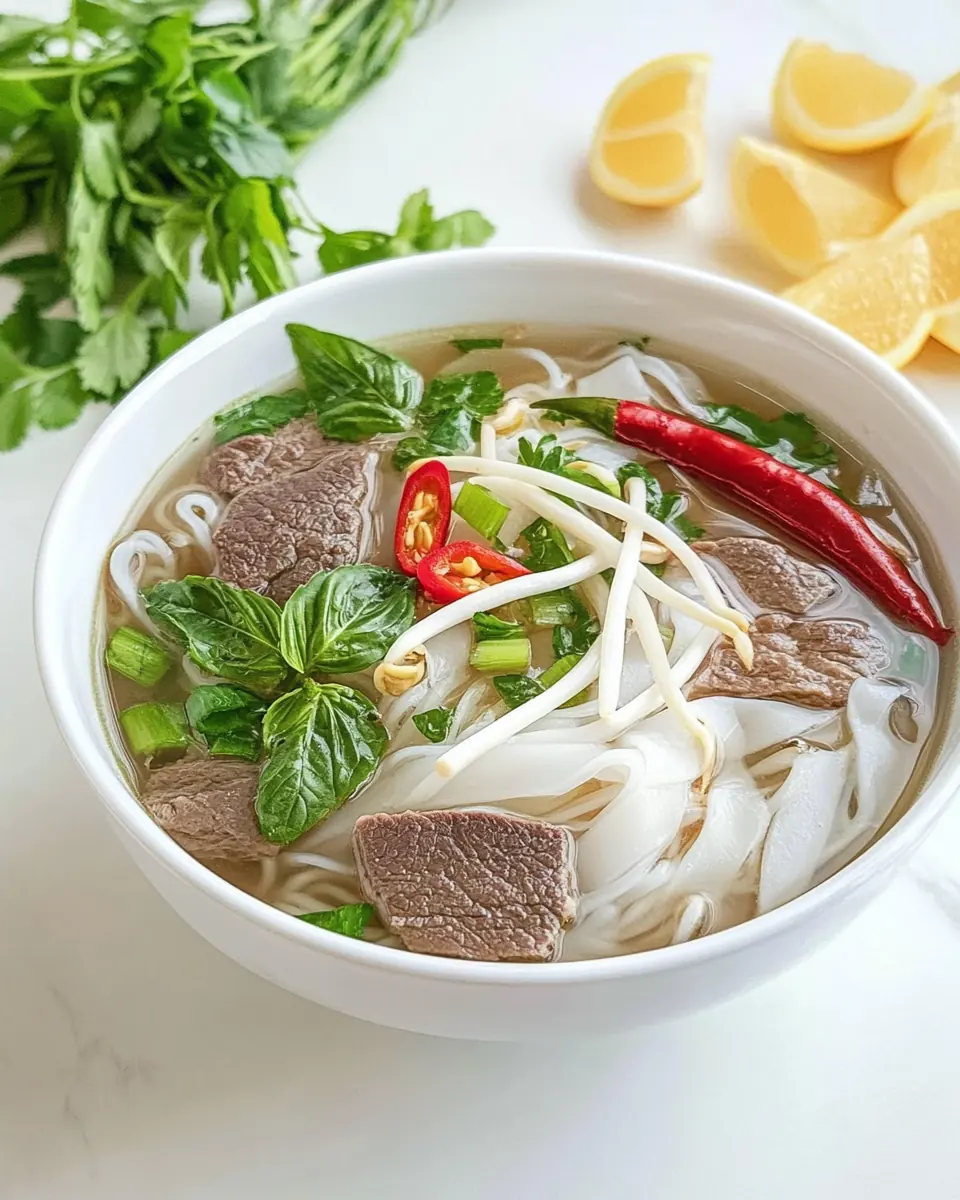
These ingredients are chosen to build a balanced, aromatic bone broth that finishes bright and herbaceous. The heavy hitters like beef bones and toasted spices create a deep, savory foundation, while the garnishes and thin cuts of beef provide texture and fresh contrast. Together they form a blueprint that is both traditional and approachable.
- 2.5 pound beef bones: Provide rich, gelatinous body and deep beef flavor to the broth when simmered; roast or blanch bones first to reduce impurities and enhance color. Use in large batches to create a silky mouthfeel and authentic phở base rich in collagen and umami.
- 2 cinnamon sticks: Impart warm, sweet-woody aromatics that anchor the broth's spice profile; gently toast before adding to bloom essential oils. Use two sticks for subtle cinnamon fragrance without overpowering other spices.
- 6 star anise: Introduce a licorice-like, slightly sweet aroma that defines phở's characteristic scent; toast whole briefly to release flavors. Add multiple star anise pods to create a layered, fragrant backbone in the stock.
- 1.5 tablespoons coriander seeds: Deliver bright, citrusy, slightly floral notes and a touch of earthiness when toasted and crushed; balance richer spices in the broth. Use measured tablespoons to ensure a harmonious spice blend without bitterness.
- 1 tablespoon whole cloves: Add warm, resinous, and slightly bitter pungency that complements cinnamon and star anise; lightly toast whole cloves to awaken their essential oils. Include cloves sparingly to avoid an overly clove-forward broth.
- 1 large onion halved: Contribute caramelized sweetness and savory depth when charred or roasted, helping to round the broth's flavor. Use halved onion to add natural sugars and complexity to the stock during pressure cooking.
- 5 slices ginger: Provide sharp, zesty heat and aromatic bite when sliced and charred; brightens and lifts the broth's flavor profile. Ginger slices cut across the grain release juices and essential oils for authentic Vietnamese taste.
- 15 cups water: Create the liquid foundation that extracts flavor from bones and spices; ensure enough water to cover ingredients and produce concentrated broth. Use the specified volume for proper pressure cooking and desired final yield.
- 2 tablespoons fish sauce: Enhance savory umami and authenticate Vietnamese flavor with salty, fishy depth; layer into broth gradually to taste. Use measured tablespoons to boost complexity without overwhelming the stock.
- 1 tablespoon salt: Season the broth to balance and bring out other flavors; dissolve into the hot stock to taste. Use the specified amount to maintain equilibrium with the fish sauce and spices.
- 1 tablespoon sugar: Add subtle sweetness to balance savory and acidic notes, promoting rounded flavor; stir into the broth to integrate. Use measured sugar to temper saltiness and enhance the perception of richness.
- 8 12 cooked beef meatballs, preferably Vietnamese-style , for serving (optional): Offer optional protein and texture for serving, contributing savory meatiness and a familiar Vietnamese–style bite; cook and season separately before adding to bowls. Include beef meatballs as a customizable topping to complement the broth.
- 12 ounces dried rice noodles: Provide the starchy base of the dish that soaks up broth and gives chewiness; soak or cook according to package directions for proper texture. Use dried rice noodles as the essential carbohydrate component in each bowl.
- 6 8 ounces thin slices of eye of round or sirloin beef for serving: Supply tender, thinly sliced beef that cooks quickly in hot broth, adding fresh meaty flavor and silky texture to bowls. Use eye of round or sirloin sliced very thin against the grain for best tenderness when served rare or medium-rare.
- Sliced green onions, chopped cilantro, Thai basil, lime wedges, bean sprouts, sliced Thai chili, hoisin sauce, sriracha sauce for garnish: Offer a variety of fresh herbs, vegetables, condiments, and aromatics to customize each bowl's brightness, heat, and texture; add individually to taste. Use green onions, cilantro, Thai basil, lime, bean sprouts, Thai chili, hoisin, and sriracha as traditional garnishes for finishing.
Recipe Steps for Instant Pot Phở
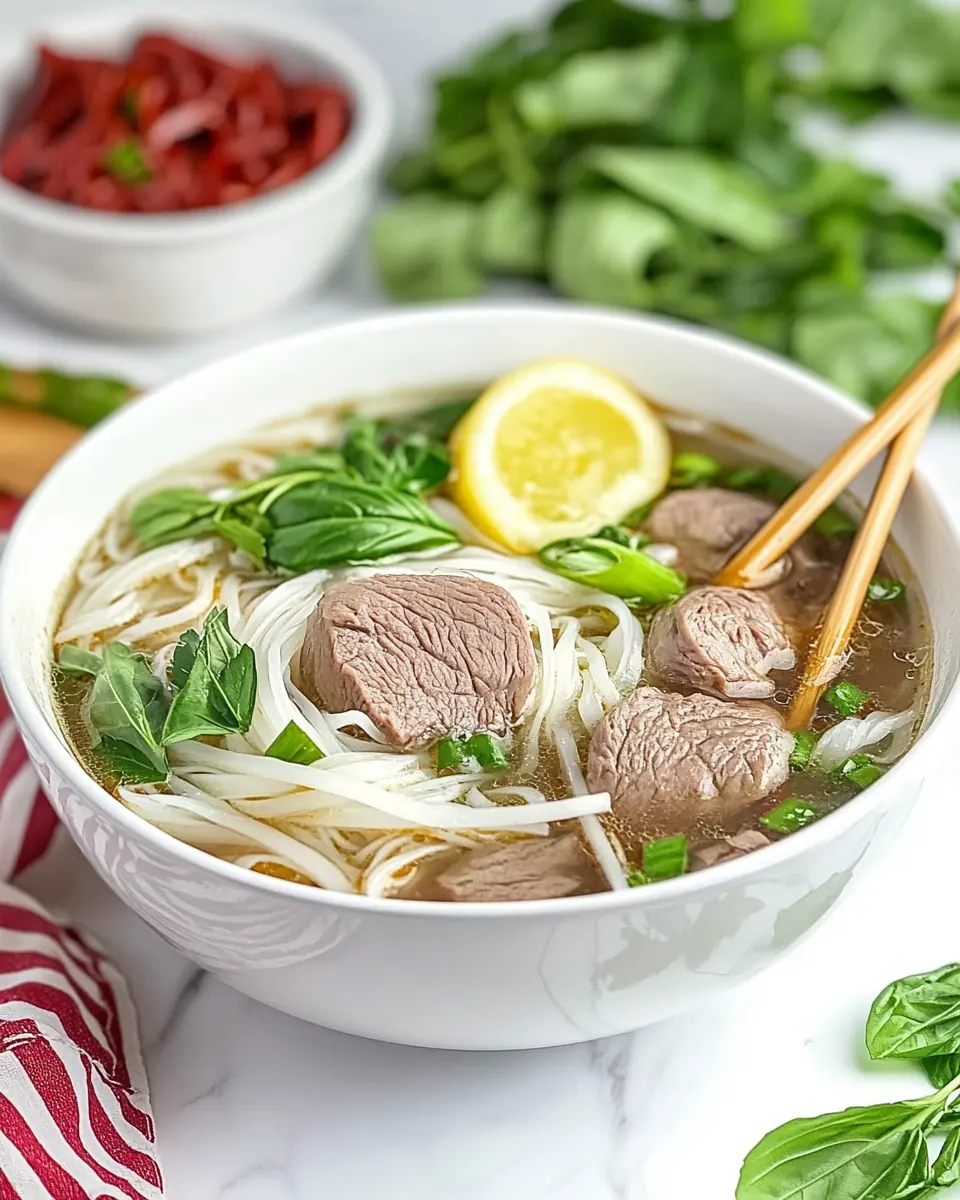
These steps walk you through creating the broth and assembling your bowls. The directions are organized so you can follow the aroma and texture cues, and I include little troubleshooting notes that have saved me on busy nights.
- Parboil beef bones in a pot of water for 5 minutes to remove impurities, then rinse and set aside.: As you start this step you will notice the water turn cloudy and a scum rise to the surface, which is exactly what you want to remove to keep the final broth clear. The short parboil loosens coagulated proteins and surface impurities, and rinsing thoroughly prevents those bitter, off flavors from carrying over. You'll hear a gentle rolling simmer, and the bones will shift as they release marrow and surface proteins. One common mistake is skipping the rinse, which leaves a murky broth and an unpleasant metallic taste, so take the extra minutes to pour out that water, scrub the pot if needed, and rinse the bones until the water runs clearer.
- Toast cinnamon sticks, star anise, coriander seeds, and cloves in a pan until fragrant, then set aside.: When toasting these spices you'll be hit by a warm aromatherapy burst of sweet and licorice notes, and you should watch closely because they will move from fragrant to burnt in moments. Use a dry skillet and stir constantly over medium heat until oils bloom and the scent is heady, roughly 1 to 2 minutes, then transfer them to avoid residual heat carrying them too far. Toasting unlocks essential oils that dissolve into the broth under pressure, adding brightness and depth. Avoid leaving them on high heat unattended, as charred spices taste bitter and ruin the delicate balance of the soup.
- Char onion halves and ginger slices in a pan until fragrant, about 3-4 minutes.: As the onion and ginger meet the hot pan you'll hear a crackle and see browned edges form, releasing sweet and smoky compounds that deepen the broth. You want darkened, slightly blackened spots but not total blackness, because a touch of char adds complexity without bitterness. The visual cue is browned skin and an intensified aroma of caramel and smoke. A common error is burning them to ash, so move them around and lower the heat if the color accelerates too quickly.
- Place toasted spices in a spice bag. Add beef bones, spice bag, charred onion and ginger, water, fish sauce, salt, and sugar to the Instant Pot.: When assembling everything into the Instant Pot the kitchen will immediately smell layered and promising as the spices and charred aromatics sit atop the bones in the water. The spice bag keeps the solids contained for easy removal while allowing full infusion, which helps maintain a clear broth. Adding fish sauce , salt , and sugar now lets those seasonings marry during pressure cooking, so the final broth is balanced. A frequent slip is overfilling the pot; ensure your bone and water levels are within the manufacturer's max fill line to avoid safety or spillage issues.
- Seal the Instant Pot and set to high pressure for 1 hour. After cooking, release pressure and remove the spice bag.: During pressure cook you'll notice the pot build a low hum as steam accumulates, and that sealed environment extracts deep gelatin and flavor quickly from the beef bones . After the cycle finishes, use a natural or quick release as directed, then fish out the spice bag and any solids to stop further extraction and prevent bitterness. The broth should look rich and slightly viscous from dissolved collagen. A common mistake is leaving solids in too long after cooking, which over concentrates tannins and can make the broth harsh, so remove the bag promptly.
- If using beef meatballs, add to the broth and set the Instant Pot to sauté mode, cooking until meatballs are heated through.: Adding pre cooked beef meatballs to the hot broth and switching to sauté will coax them warm through evenly, and you'll hear gentle bubbling and see steam rise as they reheat. This step integrates their seasoning into the broth and gives a firm, satisfying texture to some bowls. Stir gently to avoid breaking the meatballs, and simmer only until heated so they stay tender. A common issue is over simmering which toughens them, so watch closely and remove as soon as they are steaming hot.
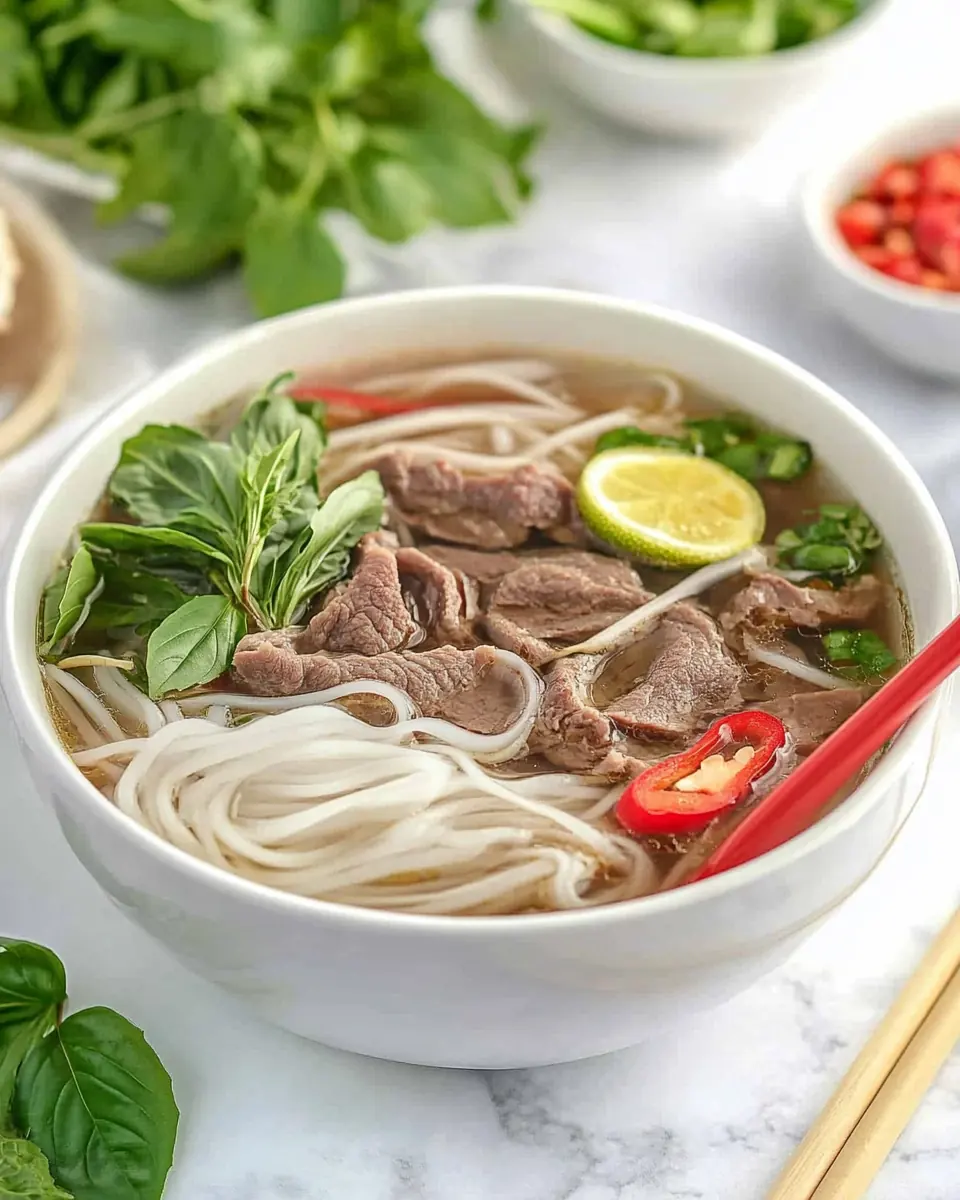
- Assemble bowls with cooked rice noodles. Add thinly sliced raw beef to each bowl. Pour hot broth over the beef, along with the meatballs if using. The heat will gently cook the slices of beef. Garnish with green onions, cilantro, and other toppings as desired.: At plating time the visual magic happens as silky rice noodles nestle in the bowl and thin slices of raw beef blush when the hot broth is poured over them, creating tender, almost poached ribbons of meat. The sound of the ladle hitting the bowl and the steam lifting off the soup is part of the enjoyment. The key is piping hot broth so the thin steak cooks gently and evenly; if the broth is tepid the beef may remain undercooked. Avoid overcrowding the bowl, which can trap heat and cool the broth too quickly, resulting in improperly cooked steak.
- Garnish with green onions, cilantro, and other toppings as desired: Once the hot broth has done its work, the final act is the garnish layer, where bright green onions and herbaceous cilantro cut through richness, and lime adds an acidic lift that wakes every component. Add bean sprouts for crunch, herbs for aroma, and sauces like hoisin or sriracha sparingly to customize. Taste a spoonful before heavy saucing so you can balance acidity and heat accurately. A misstep is over saucing right away, which masks the careful broth work, so let guests add condiments to their preference.
Helpful Hints
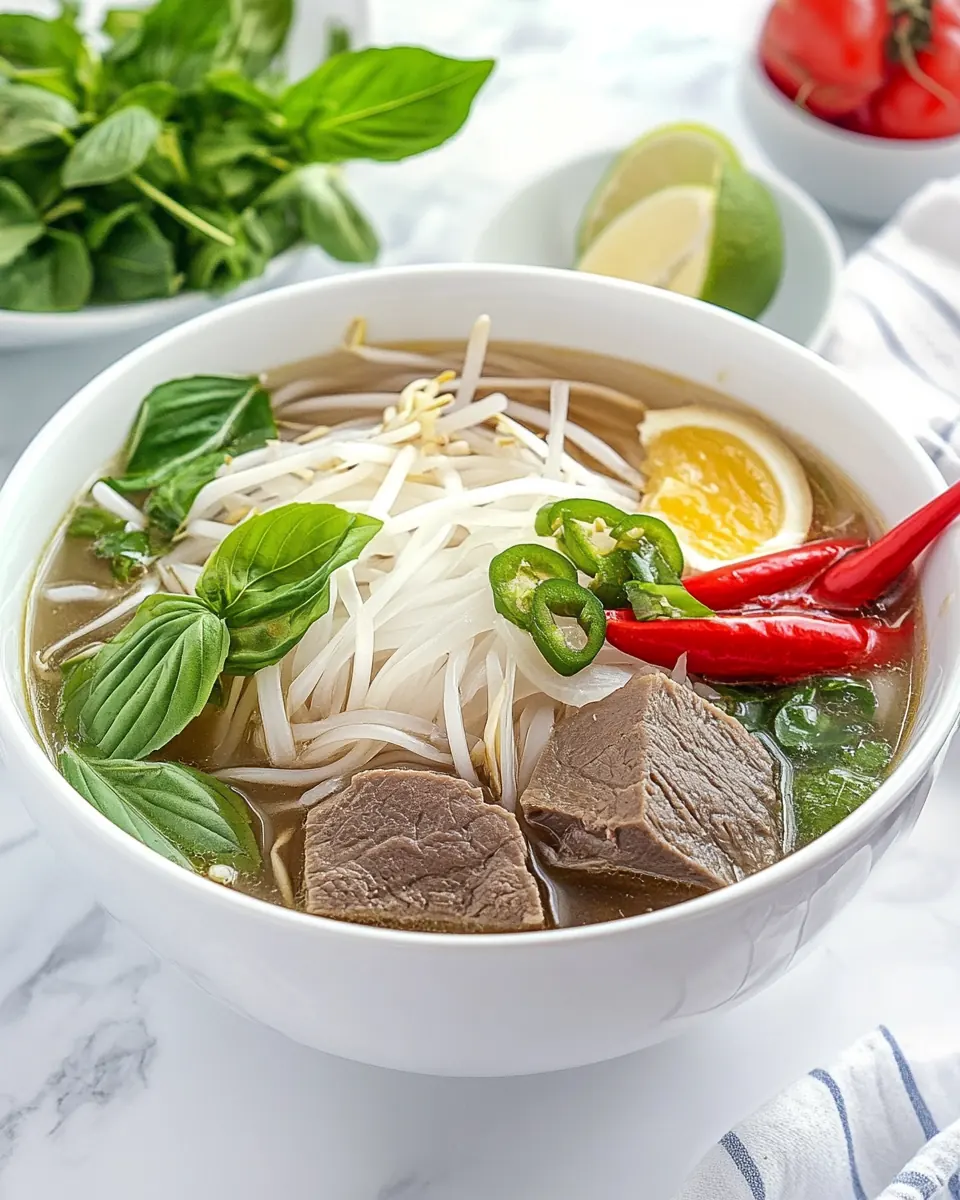
I like offering practical, test driven advice so you get reliable results every time. These tips expand on small decisions that make a big difference, from how to manage heat when toasting spices to plating the bowls so they look and taste like they came from a favorite shop.
- Toast spices gently, use a dry skillet over medium heat and stir constantly until you smell aromatic notes, about 1 to 2 minutes, then remove them immediately to prevent burning which creates bitterness.
- Parboil and rinse bones, this step clarifies the stock by eliminating coagulated proteins that would otherwise cloud the broth and add an off flavor, so don’t skip it even when you are short on time.
- Char aromatics, char the onion and ginger over an open flame or in a hot skillet until edges darken, this adds smoky complexity that balances the bone richness without making the broth taste burnt.
- Use a spice bag, placing toasted spices in a mesh bag or cheesecloth makes cleanup simple and ensures your broth remains clear while still extracting full flavor from whole spices.
- Keep beef thin and cold, freeze the eye of round or sirloin briefly before slicing to get razor thin pieces that cook evenly when hot broth is poured over them.
- Reheat meatballs gently, if adding pre cooked beef meatballs switch the Instant Pot to sauté mode and warm them slowly so they stay tender rather than becoming rubbery from prolonged heat.
- Taste and adjust at the end, after pressure release, adjust seasoning with fish sauce, salt, or a pinch of sugar because flavors concentrate during cooking and finishing ensures balance.
- Prep garnishes ahead, chop green onions and herbs and lay out lime wedges and sprouts so guests can personalize their bowls and the final presentation feels vibrant.
- Strain for clarity, if you want a crystal clear broth, strain it through fine mesh or cheesecloth after removing solids to eliminate any tiny particulates that cloud the soup.
- Store properly, cool the broth quickly and refrigerate in airtight containers up to 3 days, or freeze in portions so you can reheat and assemble bowls on demand without losing flavor.
Perfect Pairings for Instant Pot Phở
Serving Instant Pot Phở becomes an event when paired with simple sides and thoughtful presentations. The following suggestions help you plan occasions, storage, and seasonal tweaks so the bowl fits lunches, dinners, or special evenings.
- Traditional garnish bar, set out bowls of Thai basil, bean sprouts, lime wedges, sliced Thai chili, hoisin and sriracha so each diner customizes heat and brightness, which makes the meal interactive and communal for weeknight dinners or casual gatherings.
- Side salad for contrast, a crisp green salad dressed with a light rice vinegar and sesame dressing provides a textural counterpoint to the warm, silky broth and works well for lunch or a lighter dinner option during colder months.
- Occasions, this recipe shines for cozy winter dinners, family style gatherings, or Ramadan iftar because it is warming, restorative, and easy to scale, making it a comforting main that feels both special and attainable.
- Storage tips, refrigerate strained broth in airtight containers up to three days, or freeze portions for up to three months, defrosting gently before reheating; cooked noodles and thin raw beef should be prepared fresh when serving to preserve texture.
- Seasonal tweaks, in winter emphasize heartier additions like the optional beef meatballs, while in milder seasons keep it bright with extra herbs and lime, letting the same broth adapt to the time of year.
- Serving temperature, always pour piping hot broth over the noodles and raw beef to ensure the steak blanches properly and the bowl retains warmth throughout the meal, enhancing aroma and mouthfeel.
- Presentation, use deep bowls and arrange noodles first, then meat, then broth, topping with herbs last so colors remain fresh; a final squeeze of lime right before eating brightens every spoonful.
- Pairing drinks, serve with hot tea or a light, non alcoholic iced tea that cleanses the palate between spoonfuls and complements the fragrant spices without overwhelming them.
- Portioning, plan roughly 2 to 3 cups of broth per bowl depending on appetite, which guarantees a satisfying, saucy finish without running short when guests help themselves to seconds.
- Leftover strategy, store broth and solids separately if possible to keep clarity and texture, and reheat broth to a simmer before combining with fresh noodles and thinly sliced beef for the best experience.
FAQ
Conclusion
This version of Instant Pot Phở captures the soul of traditional phở in a fraction of the time, balancing deep, gelatinous bone broth with bright toasted spices and fresh herbs. Give it a try on a chilly evening or when you want a restorative bowl that still feels special; the method streamlines technique so you can focus on tasting and adjusting. Once you set up the garnish bar and pour that hot, aromatic broth over thinly sliced beef and noodles, you will understand why this recipe became a weeknight favorite in my kitchen. Enjoy sharing it with friends and family, and savor the warm comfort it brings.
Instant Pot Phở
Ingredients
Equipment
Method
- Parboil beef bones in a pot of water for 5 minutes to remove impurities, then rinse and set aside.: As you start this step you will notice the water turn cloudy and a scum rise to the surface, which is exactly what you want to remove to keep the final broth clear. The short parboil loosens coagulated proteins and surface impurities, and rinsing thoroughly prevents those bitter, off flavors from carrying over. You'll hear a gentle rolling simmer, and the bones will shift as they release marrow and surface proteins. One common mistake is skipping the rinse, which leaves a murky broth and an unpleasant metallic taste, so take the extra minutes to pour out that water, scrub the pot if needed, and rinse the bones until the water runs clearer.
- Toast cinnamon sticks, star anise, coriander seeds, and cloves in a pan until fragrant, then set aside.: When toasting these spices you'll be hit by a warm aromatherapy burst of sweet and licorice notes, and you should watch closely because they will move from fragrant to burnt in moments. Use a dry skillet and stir constantly over medium heat until oils bloom and the scent is heady, roughly 1 to 2 minutes, then transfer them to avoid residual heat carrying them too far. Toasting unlocks essential oils that dissolve into the broth under pressure, adding brightness and depth. Avoid leaving them on high heat unattended, as charred spices taste bitter and ruin the delicate balance of the soup.
- Char onion halves and ginger slices in a pan until fragrant, about 3-4 minutes.: As the onion and ginger meet the hot pan you'll hear a crackle and see browned edges form, releasing sweet and smoky compounds that deepen the broth. You want darkened, slightly blackened spots but not total blackness, because a touch of char adds complexity without bitterness. The visual cue is browned skin and an intensified aroma of caramel and smoke. A common error is burning them to ash, so move them around and lower the heat if the color accelerates too quickly.
- Place toasted spices in a spice bag. Add beef bones, spice bag, charred onion and ginger, water, fish sauce, salt, and sugar to the Instant Pot.: When assembling everything into the Instant Pot the kitchen will immediately smell layered and promising as the spices and charred aromatics sit atop the bones in the water. The spice bag keeps the solids contained for easy removal while allowing full infusion, which helps maintain a clear broth. Adding fish sauce , salt , and sugar now lets those seasonings marry during pressure cooking, so the final broth is balanced. A frequent slip is overfilling the pot; ensure your bone and water levels are within the manufacturer's max fill line to avoid safety or spillage issues.
- Seal the Instant Pot and set to high pressure for 1 hour. After cooking, release pressure and remove the spice bag.: During pressure cook you'll notice the pot build a low hum as steam accumulates, and that sealed environment extracts deep gelatin and flavor quickly from the beef bones . After the cycle finishes, use a natural or quick release as directed, then fish out the spice bag and any solids to stop further extraction and prevent bitterness. The broth should look rich and slightly viscous from dissolved collagen. A common mistake is leaving solids in too long after cooking, which over concentrates tannins and can make the broth harsh, so remove the bag promptly.
- If using beef meatballs, add to the broth and set the Instant Pot to sauté mode, cooking until meatballs are heated through.: Adding pre cooked beef meatballs to the hot broth and switching to sauté will coax them warm through evenly, and you'll hear gentle bubbling and see steam rise as they reheat. This step integrates their seasoning into the broth and gives a firm, satisfying texture to some bowls. Stir gently to avoid breaking the meatballs, and simmer only until heated so they stay tender. A common issue is over simmering which toughens them, so watch closely and remove as soon as they are steaming hot.
- Assemble bowls with cooked rice noodles. Add thinly sliced raw beef to each bowl. Pour hot broth over the beef, along with the meatballs if using. The heat will gently cook the slices of beef. Garnish with green onions, cilantro, and other toppings as desired.: At plating time the visual magic happens as silky rice noodles nestle in the bowl and thin slices of raw beef blush when the hot broth is poured over them, creating tender, almost poached ribbons of meat. The sound of the ladle hitting the bowl and the steam lifting off the soup is part of the enjoyment. The key is piping hot broth so the thin steak cooks gently and evenly; if the broth is tepid the beef may remain undercooked. Avoid overcrowding the bowl, which can trap heat and cool the broth too quickly, resulting in improperly cooked steak.
- Garnish with green onions, cilantro, and other toppings as desired: Once the hot broth has done its work, the final act is the garnish layer, where bright green onions and herbaceous cilantro cut through richness, and lime adds an acidic lift that wakes every component. Add bean sprouts for crunch, herbs for aroma, and sauces like hoisin or sriracha sparingly to customize. Taste a spoonful before heavy saucing so you can balance acidity and heat accurately. A misstep is over saucing right away, which masks the careful broth work, so let guests add condiments to their preference.
Notes
- Toast spices gently, use a dry skillet over medium heat and stir constantly until you smell aromatic notes, about 1 to 2 minutes, then remove them immediately to prevent burning which creates bitterness.
- Parboil and rinse bones, this step clarifies the stock by eliminating coagulated proteins that would otherwise cloud the broth and add an off flavor, so don't skip it even when you are short on time.
- Char aromatics, char the onion and ginger over an open flame or in a hot skillet until edges darken, this adds smoky complexity that balances the bone richness without making the broth taste burnt.
- Use a spice bag, placing toasted spices in a mesh bag or cheesecloth makes cleanup simple and ensures your broth remains clear while still extracting full flavor from whole spices.
- Keep beef thin and cold, freeze the eye of round or sirloin briefly before slicing to get razor thin pieces that cook evenly when hot broth is poured over them.
- Reheat meatballs gently, if adding pre cooked beef meatballs switch the Instant Pot to sauté mode and warm them slowly so they stay tender rather than becoming rubbery from prolonged heat.
- Taste and adjust at the end, after pressure release, adjust seasoning with fish sauce, salt, or a pinch of sugar because flavors concentrate during cooking and finishing ensures balance.
- Prep garnishes ahead, chop green onions and herbs and lay out lime wedges and sprouts so guests can personalize their bowls and the final presentation feels vibrant.
- Strain for clarity, if you want a crystal clear broth, strain it through fine mesh or cheesecloth after removing solids to eliminate any tiny particulates that cloud the soup.
- Store properly, cool the broth quickly and refrigerate in airtight containers up to 3 days, or freeze in portions so you can reheat and assemble bowls on demand without losing flavor.