Quinoa Fried Rice
Quinoa Fried Rice is one of those recipes I turn to when I want comfort food that also feels a little virtuous. The first time I made it, I had leftover quinoa from a busy week, a sad bag of frozen peas, and two eggs languishing in the fridge. I wanted something fast, flavorful, and textural, so I tossed them together and found myself pleasantly surprised by how satisfying a bowl could be without any fuss.
I remember standing at the stove as the kitchen filled with the toasty aroma of sesame oil and soy sauce, listening to the soft sizzle as the quinoa hit the hot pan and started to crisp. It felt like a small, quiet celebration of pantry staples. Over time I refined the balance of textures by chilling the quinoa beforehand and cooking the eggs separately, which keeps each component distinct and gives the dish that classic fried rice mouthfeel.
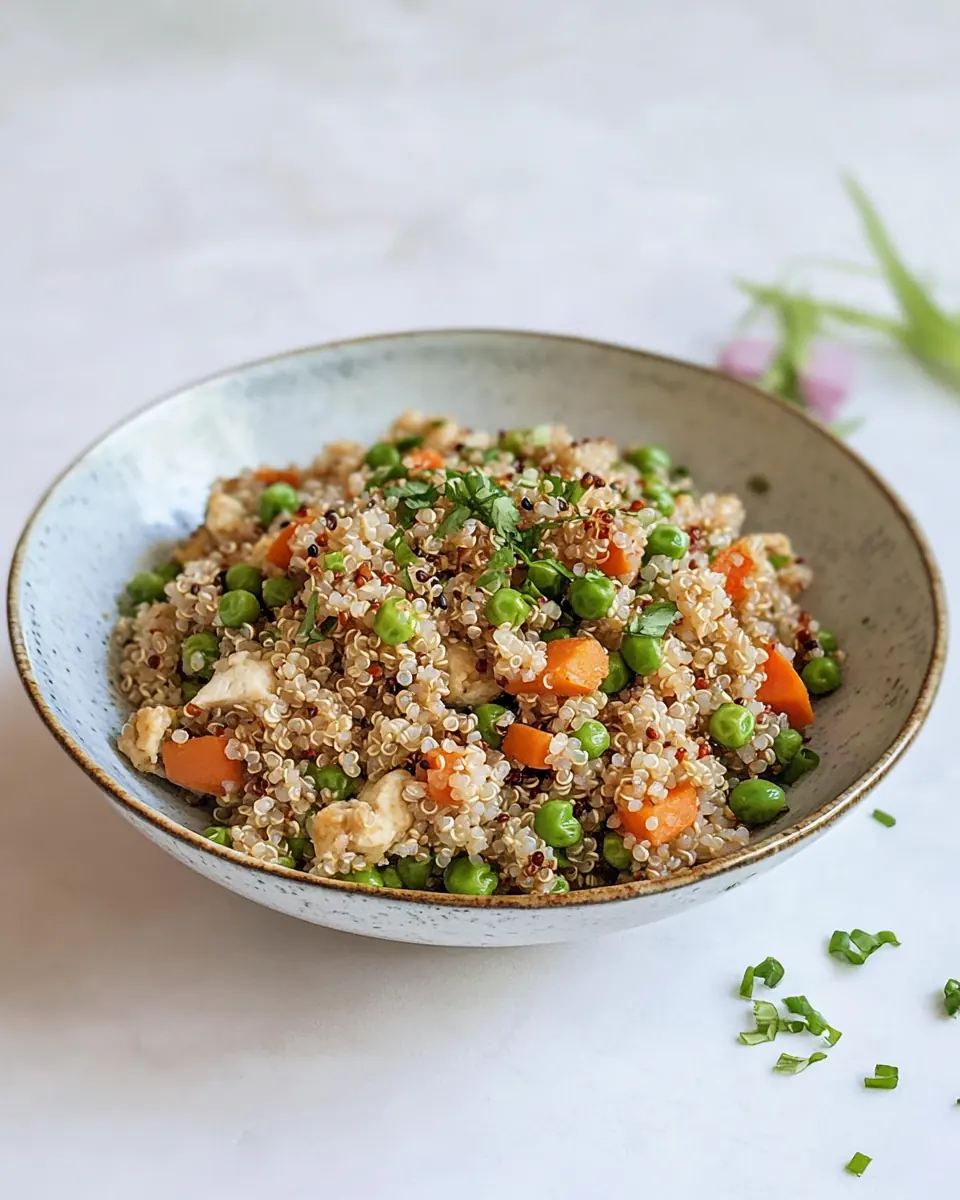
What I love about this version of Quinoa Fried Rice is its adaptability and speed. I can pull it together in under half an hour, and it reheats beautifully for lunches. It’s also a great gateway for people who aren’t familiar with quinoa, since the flavors and technique make it approachable and familiar. Every forkful has bright green from the scallions, sweet bursts from the peas and tender crunch from diced carrots.
Recipe Snapshot
20 mins
5 mins
15 mins
Easy
350 kcal
American
Vegan, Gluten-Free
Dinner
Large skillet, Spatula
Why This Quinoa Fried Rice Hits Different
1. Incredible weeknight convenience
I rely on this recipe when time is short and hunger is loud. With just a few minutes of active prep and a quick pan finish, Quinoa Fried Rice delivers a full plate that feels homemade. Because I use chilled, pre cooked quinoa, the cooking is mostly about building layers of flavor, not babysitting the stove.
2. Texture that surprises
The contrast between slightly crispy quinoa and soft scrambled eggs is what keeps me coming back. I deliberately raise the heat at the right moment so you get those toasted edges, which add a nutty note. When I hear that gentle sizzling, I know the dish is heading in the right direction.
3. Balanced savory seasonings
With just a few bold seasonings like low sodium soy sauce and a finish of aromatic sesame oil, the flavors feel bright without being overwhelming. I often remind myself that less is more here, because the natural nuttiness of quinoa pairs beautifully with a hint of umami.
4. Flexible and forgiving
One of the reasons this recipe is a staple is how forgiving it is. If you overcook the carrots a little, they still add sweetness. If you under season, an extra splash of soy sauce at the end fixes things. I appreciate recipes that let you adjust on the fly without derailing the meal.
5. Great for meal prep
I make a double batch and portion it out for lunches. It holds up well in the fridge, and reheats with almost the same texture if given a quick pan toss to refresh the crispness. For busy weeks, this is a go to that saves both time and decision fatigue.
Ingredients for Quinoa Fried Rice
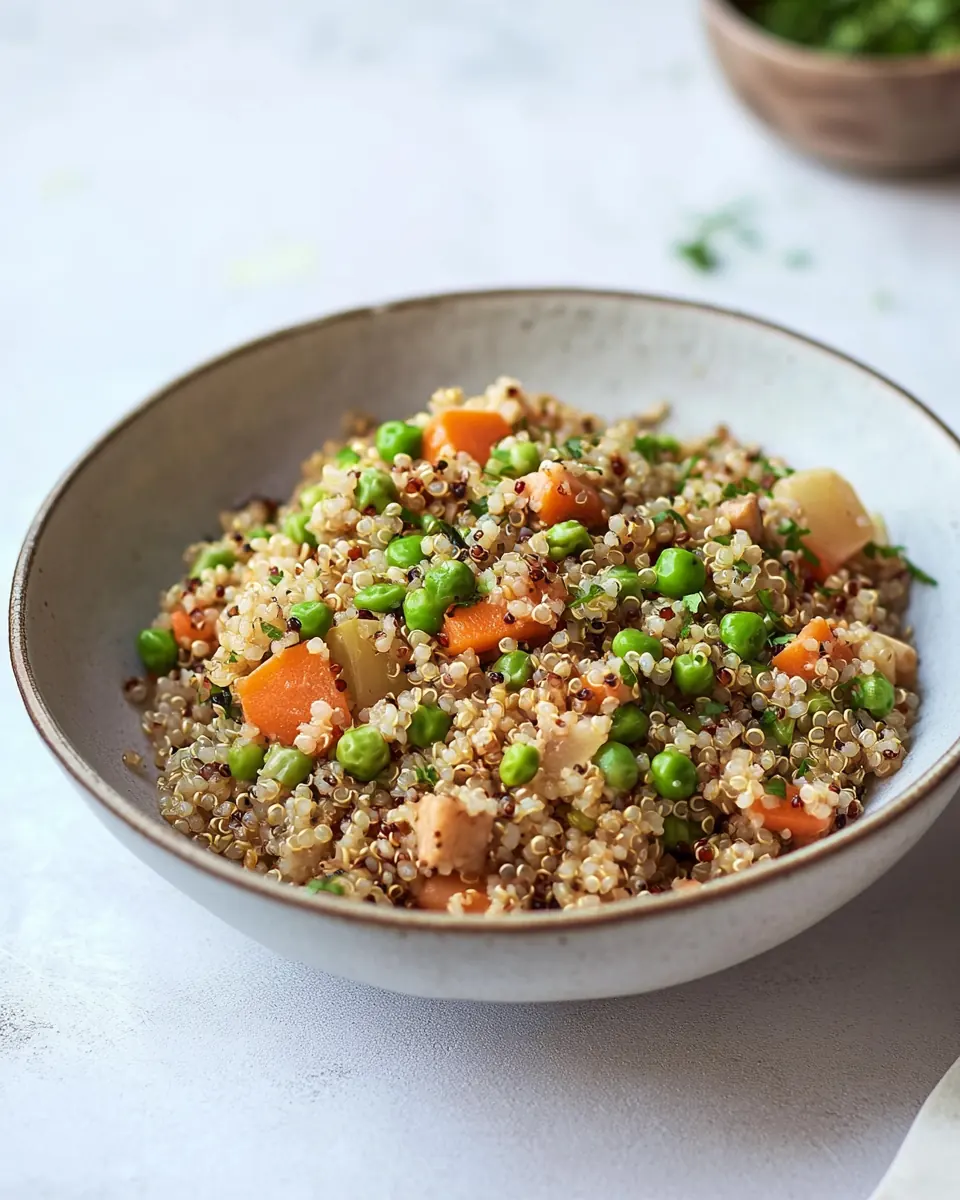
The philosophy behind these ingredients is simple, efficient layering. We have a starch base in quinoa, binding and richness from the eggs, aromatics like garlic and onion to build savory depth, and bright finishing touches from green onions and sesame oil. Each player brings texture, flavor, or aroma that makes the whole feel greater than the sum of its parts.
- 1 tablespoon olive oil: Heat gently in a skillet to create a nonstick surface and carry flavors; provides a mild fruity base and helps sauté vegetables and eggs evenly without burning. Adds heart-healthy monounsaturated fats and contributes to a slightly glossy finish on the finished fried rice.
- 2 large eggs beaten: Whisk thoroughly and scramble briefly to add structure and protein; binds grains and vegetables while offering a silky texture and golden color when cooked. Enhances the dish's savory richness and helps create little curds that cling to quinoa for classic fried rice mouthfeel.
- 1 cup carrots diced: Cut uniformly into small pieces to ensure quick, even cooking and a pleasant bite; brings natural sweetness and a bit of bulk to the recipe. Adds color contrast and tender-crisp texture that balances the softer quinoa and scrambled eggs.
- 1/2 cup white onion diced: Dice finely to release savory aromatics and create flavor depth as it sautés; contributes subtle sweetness and a tender texture when softened. Works with garlic to form the savory backbone of the dish and complements the carrots and peas.
- 1/2 cup frozen peas thawed: Thaw completely and add near the end of cooking to retain bright color and a pop of sweetness; balances textures with small bursts of tenderness. Offers vegetable variety and classic fried rice authenticity while keeping cooking time short.
- 2 cloves garlic minced: Mince small to distribute pungent aromatic flavor evenly during sautéing; provides a fragrant savory note that elevates overall taste. When cooked briefly, garlic rounds out the dish with a toasty, aromatic depth without overpowering delicate quinoa.
- Salt and pepper to taste: Season sparingly and adjust at the end to taste for balanced savory flavors; enhances other ingredients and helps integrate soy sauce and oils. Prevents over-salting early on and allows for fine-tuned seasoning once all components are combined.
- 4 cups cooked quinoa chilled: Cook ahead and chill to allow grains to firm up for frying; provides the base texture that mimics rice while absorbing sauces and flavors. Cooling separates the quinoa grains so they fry rather than steam, resulting in a light, non-mushy final dish.
- 2 green onions thinly sliced: Slice thinly and sprinkle at the end to add fresh, sharp onion flavor and a crisp bite; brightens the dish visually and taste-wise. Garnishes the fried quinoa with mild pungency and a fresh herbal note that contrasts warm cooked ingredients.
- 3 tablespoons low-sodium soy sauce: Measure carefully and toss in during stir-frying to provide savory umami and salty depth; acts as the primary seasoning that ties components together. Low-sodium version allows control over overall salt level while delivering traditional soy-forward flavor.
- 1 teaspoon sesame oil: Drizzle sparingly at the end for concentrated nutty aroma and flavor; enhances complexity with a small amount of intense sesame character. Used as a finishing oil it adds luxury and toasty depth without overwhelming the other seasonings.
Preparation Steps for Quinoa Fried Rice
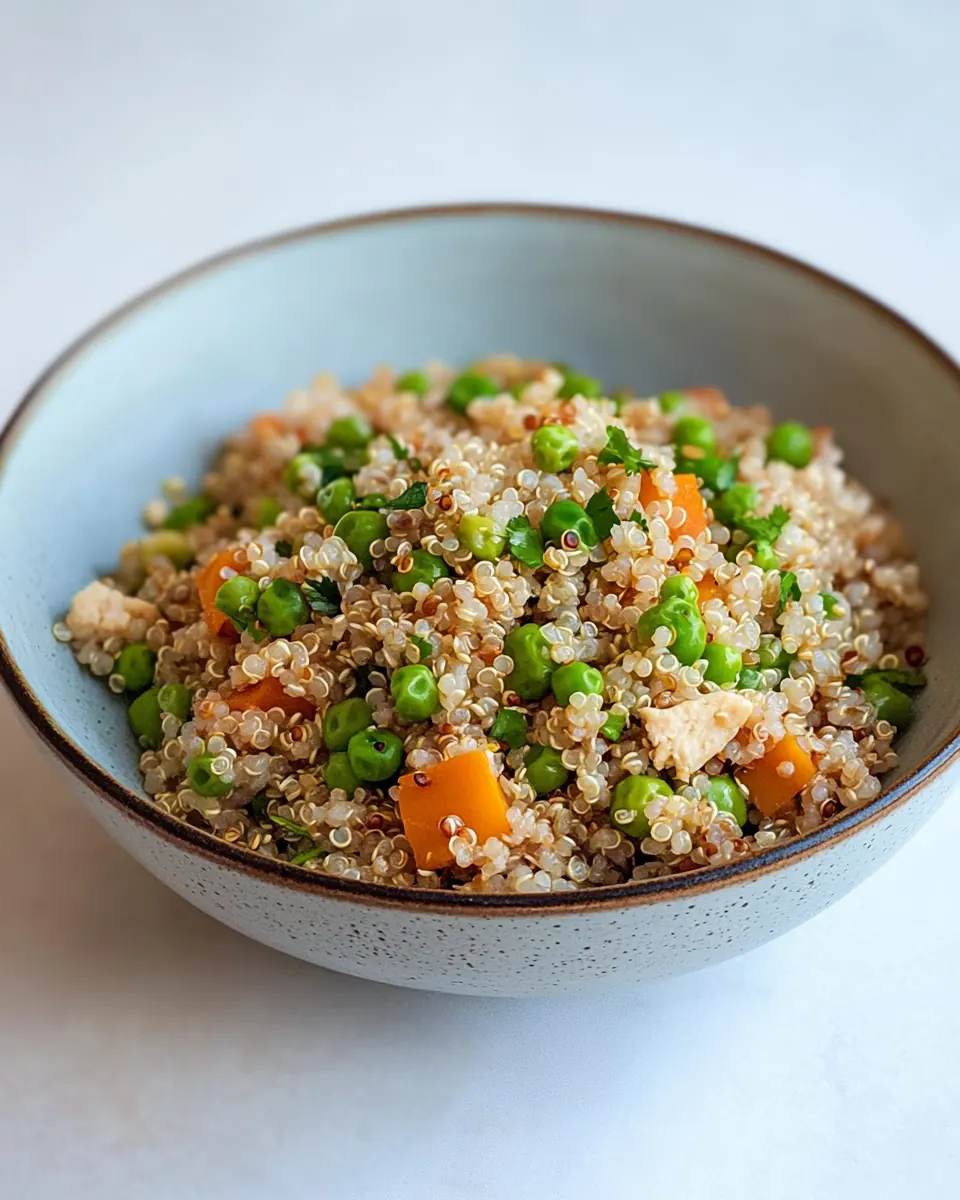
This recipe is straightforward, but the technique of cooking components separately and combining them at the right moment is what creates the best texture. Take your time with heat control and listen for those sizzling cues, they tell you when the pan is ready. Keep a spatula handy and a tasting spoon nearby so you can adjust seasoning as you go.
- Warm the olive oil in a large skillet over medium heat. Pour in the beaten eggs and scramble until fully cooked. Remove the eggs and set them aside on a plate.: As the oil heats, it should thin and shimmer, sending up a faint scent of fruitiness. This warming step primes the pan so proteins and vegetables sear instead of sticking. If you skip this and add ingredients to a cold pan, they will release moisture and steam rather than fry, which robs you of flavor and texture. A common mistake is using too high heat right away, which can cause uneven cooking and burn the oil, so aim for a steady medium warmth.
- In the same skillet, add the diced carrots and onions, cooking until they begin to soften, about 3 minutes. Stir in the peas and garlic, seasoning with salt and pepper, and cook for another 2 minutes.: When the eggs hit the warm oil, you will hear a gentle hiss and see them set at the edges almost instantly. Stir with a spatula to form soft curds, removing them while they are still tender keeps them from becoming rubbery later. The eggs should be slightly glossy, not dry. Overcooking here makes the eggs tough and less pleasant in the final dish, so pull them off the heat a touch early.
- Increase the heat to medium-high and add the cooked quinoa along with the green onions. Drizzle with soy sauce and toss to combine everything evenly. Fry the mixture, stirring frequently, for about 5 minutes until the quinoa is slightly crispy.: Setting the cooked eggs aside preserves their texture and prevents them from overcooking while you handle the vegetables and quinoa. This separation also allows you to focus on getting the veggies just right. Leaving the eggs in the pan will expose them to additional heat and can cause them to break down into fragments rather than staying as pleasant curds.
- Fold the scrambled eggs back into the skillet, mixing well to distribute. Finish by stirring in the sesame oil and remove from heat.: The residual oil and fond in the pan will gently caramelize the diced carrots and onion , releasing sweet and savory notes. Look for the edges to become translucent and slightly golden, that indicates the sugars are starting to bloom. If you overcrowd the pan, the vegetables will steam instead of browning, so keep them in a single layer and stir occasionally.
- DEVOUR!: Adding the thawed peas and minced garlic late preserves their fresh qualities; the peas should become tender and the garlic fragrant without browning. You will notice the aroma lift as the garlic hits the warm pan, which signals it is time-sensitive. Burnt garlic turns bitter, so keep the heat moderate and stir continuously.
- Increase the heat to medium high and add the cooked quinoa along with the green onions: Cranking the heat creates quick evaporation and encourages the quinoa to develop a toasted, slightly crisp exterior. When the quinoa dances in the pan and starts to pick up flecks of golden color, you know you are on the right track. Adding everything cold will lower the pan temperature and lead to steaming, so make sure to give it that confident heat boost.
- Drizzle with soy sauce and toss to combine everything evenly: The soy sauce serves as both seasoning and a flavor bridge, coating each grain so every bite tastes cohesive. Pour it around the pan so it hits the hot surface and emulsifies slightly into the oil and quinoa. A frequent error is adding too much at once; pour, toss, taste, then adjust as needed to avoid over salting.
- Fry the mixture stirring frequently for about 5 minutes until the quinoa is slightly crispy: During this time, listen for a steady light sizzle and watch for the quinoa to form tiny toasted bits; that contrast makes the dish sing. Frequent stirring ensures even contact with the pan and prevents burning in hot spots. If you stop stirring for too long, some sections can char, so keep it moving to maintain balance.
- Fold the scrambled eggs back into the skillet mixing well to distribute: Adding the reserved eggs at this stage introduces creaminess and adds protein. Use a gentle folding motion so the eggs incorporate without breaking down into fine bits, maintaining pleasant curds throughout the dish. If you stir too aggressively, the eggs can disintegrate and lose their texture.
- Finish by stirring in the sesame oil and remove from heat: The sesame oil is aromatic and should be added off the heat so its fragrance remains bright. Give the pan a final toss to unite flavors, then transfer to plates promptly to preserve texture. Leaving the dish in a hot pan will keep cooking the ingredients further and can make the quinoa lose its crispness.
- DEVOUR: When you bring the finished plate to your mouth, expect a blend of toasty, savory, and slightly nutty notes, with tender vegetables and fluffy egg pieces. Savor the contrast between the crisped quinoa and the softer components. A frequent misstep is letting the dish sit too long before serving, which dulls the textural highs, so eat while warm for the best experience.
How to Switch It Up
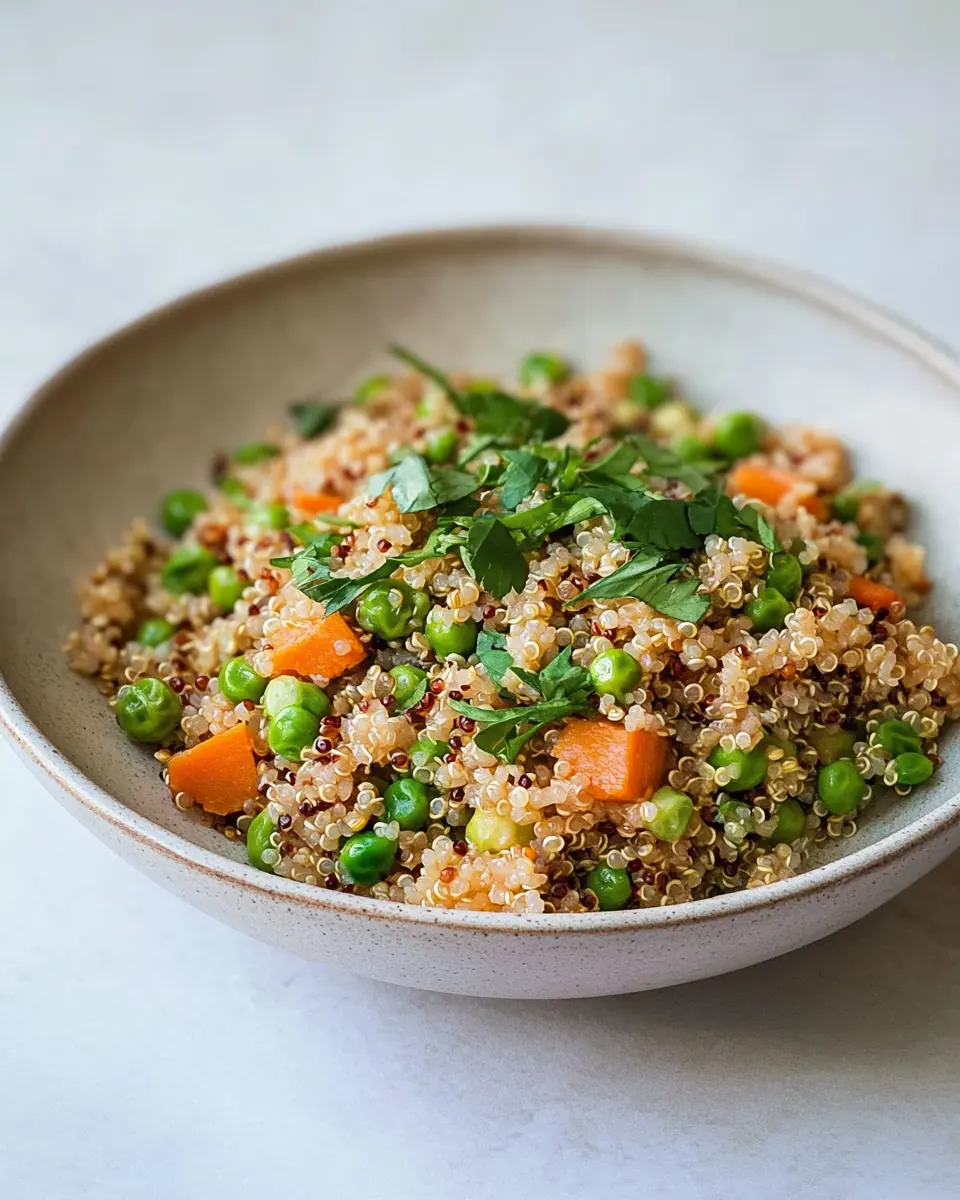
If you like experimenting, small adjustments will alter texture and flavor while keeping the core method intact. Below are practical variations and ideas for different tastes and occasions. Each tip starts with a bold phrase to make it easy to scan and use.
- Double down on aromatics Add more minced garlic and extra sliced green onions for a sharper, more pungent profile, being careful not to burn the garlic so it stays sweet rather than bitter.
- Make it heartier Serve a larger portion of chilled quinoa and increase the number of beaten eggs to boost satiety without changing the technique, ensuring the pan stays roomy to avoid steaming.
- Boost the crisp Spread the quinoa in a thin layer and let it sit undisturbed for short pockets while frying to encourage more browning, then stir and repeat to develop even texture.
- Keep it low sodium Rely on a reduced amount of low sodium soy sauce and finish with a pinch of kosher salt if needed after tasting, because soy sauce can vary in saltiness between brands.
- Brighten at the end Add the thinly sliced green onions at the very end for a fresh pop, rather than cooking them long, which preserves both color and bite.
- Prep ahead Cook and chill the quinoa a day in advance, and store the chopped veg separately for a super quick assembly when you are ready to cook.
- Textural play Keep some vegetables slightly undercooked for crunch, and let the quinoa develop crispness to create engaging contrast in every bite.
Serving Options for Quinoa Fried Rice
This dish works across meals and occasions, and it pairs well with simple sides and seasonally appropriate additions. Below are detailed serving ideas and storage tips, organized so you can match the meal to your moment.
- Everyday lunch Enjoy a warm bowl of Quinoa Fried Rice as a satisfying solo lunch, paired with a crisp salad for contrast and a wedge of citrus for brightness.
- Weeknight dinner Serve a larger portion alongside steamed greens for a balanced family meal, making it easy to feed four without extra fuss.
- Meal prep Portion into airtight containers and refrigerate for up to four days; reheat in a hot skillet with a splash of water to refresh the steam and revive textures.
- Ramadan or fasting meals This recipe works well for iftar because it is gentle on the stomach yet nourishing, providing protein from the eggs and complex carbs from the quinoa.
- Seasonal pairings In cooler months, serve with a side of roasted root vegetables, while in spring and summer, pair with a cucumber salad to keep the plate bright.
- Make it a bowl Top with extra sliced green onions and a drizzle of additional low sodium soy sauce for personalized seasoning at the table.
- Storage tips Cool completely before refrigerating to prevent condensation, and reheat thoroughly until steaming hot to ensure food safety and restore texture.
- Occasion flexibility Use it for casual family dinners or as a simple offering when friends drop by, because it feeds well and feels like a complete plate.
- Presentation Serve in shallow bowls to highlight the textures and colors, finishing with a small drizzle of sesame oil just before serving for aroma.
- Leftover upgrades Stir in an extra beaten egg briefly while reheating to refresh and uplift the dish for an easy second night meal.
FAQ
Conclusion
What makes this recipe special is how it transforms simple staples into a texturally interesting, flavorful meal with minimal effort. The combination of toasted chilled quinoa, tender scrambled eggs, bright vegetables, and a fragrant finish of sesame oil creates satisfying contrasts that feel both comforting and light. Give this a try on a busy night or when you need a reliable meal that packs well for lunches. I hope you enjoy the crunchy bits as much as I do, and that it becomes one of your go to weeknight favorites.
Quinoa Fried Rice
Ingredients
Equipment
Method
- Warm the olive oil in a large skillet over medium heat. Pour in the beaten eggs and scramble until fully cooked. Remove the eggs and set them aside on a plate.: As the oil heats, it should thin and shimmer, sending up a faint scent of fruitiness. This warming step primes the pan so proteins and vegetables sear instead of sticking. If you skip this and add ingredients to a cold pan, they will release moisture and steam rather than fry, which robs you of flavor and texture. A common mistake is using too high heat right away, which can cause uneven cooking and burn the oil, so aim for a steady medium warmth.
- In the same skillet, add the diced carrots and onions, cooking until they begin to soften, about 3 minutes. Stir in the peas and garlic, seasoning with salt and pepper, and cook for another 2 minutes.: When the eggs hit the warm oil, you will hear a gentle hiss and see them set at the edges almost instantly. Stir with a spatula to form soft curds, removing them while they are still tender keeps them from becoming rubbery later. The eggs should be slightly glossy, not dry. Overcooking here makes the eggs tough and less pleasant in the final dish, so pull them off the heat a touch early.
- Increase the heat to medium-high and add the cooked quinoa along with the green onions. Drizzle with soy sauce and toss to combine everything evenly. Fry the mixture, stirring frequently, for about 5 minutes until the quinoa is slightly crispy.: Setting the cooked eggs aside preserves their texture and prevents them from overcooking while you handle the vegetables and quinoa. This separation also allows you to focus on getting the veggies just right. Leaving the eggs in the pan will expose them to additional heat and can cause them to break down into fragments rather than staying as pleasant curds.
- Fold the scrambled eggs back into the skillet, mixing well to distribute. Finish by stirring in the sesame oil and remove from heat.: The residual oil and fond in the pan will gently caramelize the diced carrots and onion , releasing sweet and savory notes. Look for the edges to become translucent and slightly golden, that indicates the sugars are starting to bloom. If you overcrowd the pan, the vegetables will steam instead of browning, so keep them in a single layer and stir occasionally.
- DEVOUR!: Adding the thawed peas and minced garlic late preserves their fresh qualities; the peas should become tender and the garlic fragrant without browning. You will notice the aroma lift as the garlic hits the warm pan, which signals it is time-sensitive. Burnt garlic turns bitter, so keep the heat moderate and stir continuously.
- Increase the heat to medium high and add the cooked quinoa along with the green onions: Cranking the heat creates quick evaporation and encourages the quinoa to develop a toasted, slightly crisp exterior. When the quinoa dances in the pan and starts to pick up flecks of golden color, you know you are on the right track. Adding everything cold will lower the pan temperature and lead to steaming, so make sure to give it that confident heat boost.
- Drizzle with soy sauce and toss to combine everything evenly: The soy sauce serves as both seasoning and a flavor bridge, coating each grain so every bite tastes cohesive. Pour it around the pan so it hits the hot surface and emulsifies slightly into the oil and quinoa. A frequent error is adding too much at once; pour, toss, taste, then adjust as needed to avoid over salting.
- Fry the mixture stirring frequently for about 5 minutes until the quinoa is slightly crispy: During this time, listen for a steady light sizzle and watch for the quinoa to form tiny toasted bits; that contrast makes the dish sing. Frequent stirring ensures even contact with the pan and prevents burning in hot spots. If you stop stirring for too long, some sections can char, so keep it moving to maintain balance.
- Fold the scrambled eggs back into the skillet mixing well to distribute: Adding the reserved eggs at this stage introduces creaminess and adds protein. Use a gentle folding motion so the eggs incorporate without breaking down into fine bits, maintaining pleasant curds throughout the dish. If you stir too aggressively, the eggs can disintegrate and lose their texture.
- Finish by stirring in the sesame oil and remove from heat: The sesame oil is aromatic and should be added off the heat so its fragrance remains bright. Give the pan a final toss to unite flavors, then transfer to plates promptly to preserve texture. Leaving the dish in a hot pan will keep cooking the ingredients further and can make the quinoa lose its crispness.
- DEVOUR: When you bring the finished plate to your mouth, expect a blend of toasty, savory, and slightly nutty notes, with tender vegetables and fluffy egg pieces. Savor the contrast between the crisped quinoa and the softer components. A frequent misstep is letting the dish sit too long before serving, which dulls the textural highs, so eat while warm for the best experience.
Notes
- Double down on aromatics Add more minced garlic and extra sliced green onions for a sharper, more pungent profile, being careful not to burn the garlic so it stays sweet rather than bitter.
- Make it heartier Serve a larger portion of chilled quinoa and increase the number of beaten eggs to boost satiety without changing the technique, ensuring the pan stays roomy to avoid steaming.
- Boost the crisp Spread the quinoa in a thin layer and let it sit undisturbed for short pockets while frying to encourage more browning, then stir and repeat to develop even texture.
- Keep it low sodium Rely on a reduced amount of low sodium soy sauce and finish with a pinch of kosher salt if needed after tasting, because soy sauce can vary in saltiness between brands.
- Brighten at the end Add the thinly sliced green onions at the very end for a fresh pop, rather than cooking them long, which preserves both color and bite.
- Prep ahead Cook and chill the quinoa a day in advance, and store the chopped veg separately for a super quick assembly when you are ready to cook.
- Textural play Keep some vegetables slightly undercooked for crunch, and let the quinoa develop crispness to create engaging contrast in every bite.