Simple Swiss Chard
Simple Swiss Chard is one of those recipes I return to when I want something quick, bright, and deeply satisfying on the plate. I remember the first time I cooked it on a rain-soaked evening, the windows fogged, and the whole apartment smelled like garlic and citrus. The humble bunch of leafy greens felt suddenly celebratory, and I loved how the texture shifted from firm stems to silky leaves in minutes.
That night taught me that Simple Swiss Chard is more than a side, it is a small ritual. I slice the stems carefully, savor the sound of them hitting the cutting board, and I always pause to breathe in the aroma when the garlic hits hot oil. It has become my go to when I need something nourishing that does not demand a lot of attention, something to pair with a grain bowl or to serve alongside a weeknight protein.
Recipe Snapshot
10 mins
5 mins
5 mins
Easy
120 kcal
Mediterranean
Paleo, Vegan
Side Dishes
Large skillet, Knife, Cutting board, Tongs
Why You Need This Simple Swiss Chard
It is fast and reliable
I love how quickly Simple Swiss Chard comes together. From chopping to the first wilted leaf is a matter of minutes, which makes it perfect for busy evenings. You get immediate results, and that speed does not sacrifice flavor.
Fresh flavors that shine
The combination of Swiss chard, garlic, and a squeeze of lemon is beautifully simple. The lemon brightens the earthy greens, while the garlic adds warmth without overwhelming the dish. I often reach for this recipe when I want vegetables to feel intentional and vivid.
Flexible and versatile
One of the reasons I keep this in my rotation is how adaptable it is. Serve it next to grains, toss into a pasta, or spoon it over toast. The technique translates across cuisines, and I enjoy experimenting with small twists when I have extra time.
Textural contrast
The trick is to separate stems from leaves so the stems have a little bite and the leaves become tender. That contrast makes every forkful interesting, and it is satisfying to eat a vegetable that has both crunch and silkiness.
Healthful and nourishing
I appreciate how nutrient dense Swiss chard is, and how this recipe preserves its brightness. It is a dish that feels light on the stomach yet rich in vitamins, a reliable way to get more greens into the week without fuss.
Main Ingredients for Simple Swiss Chard
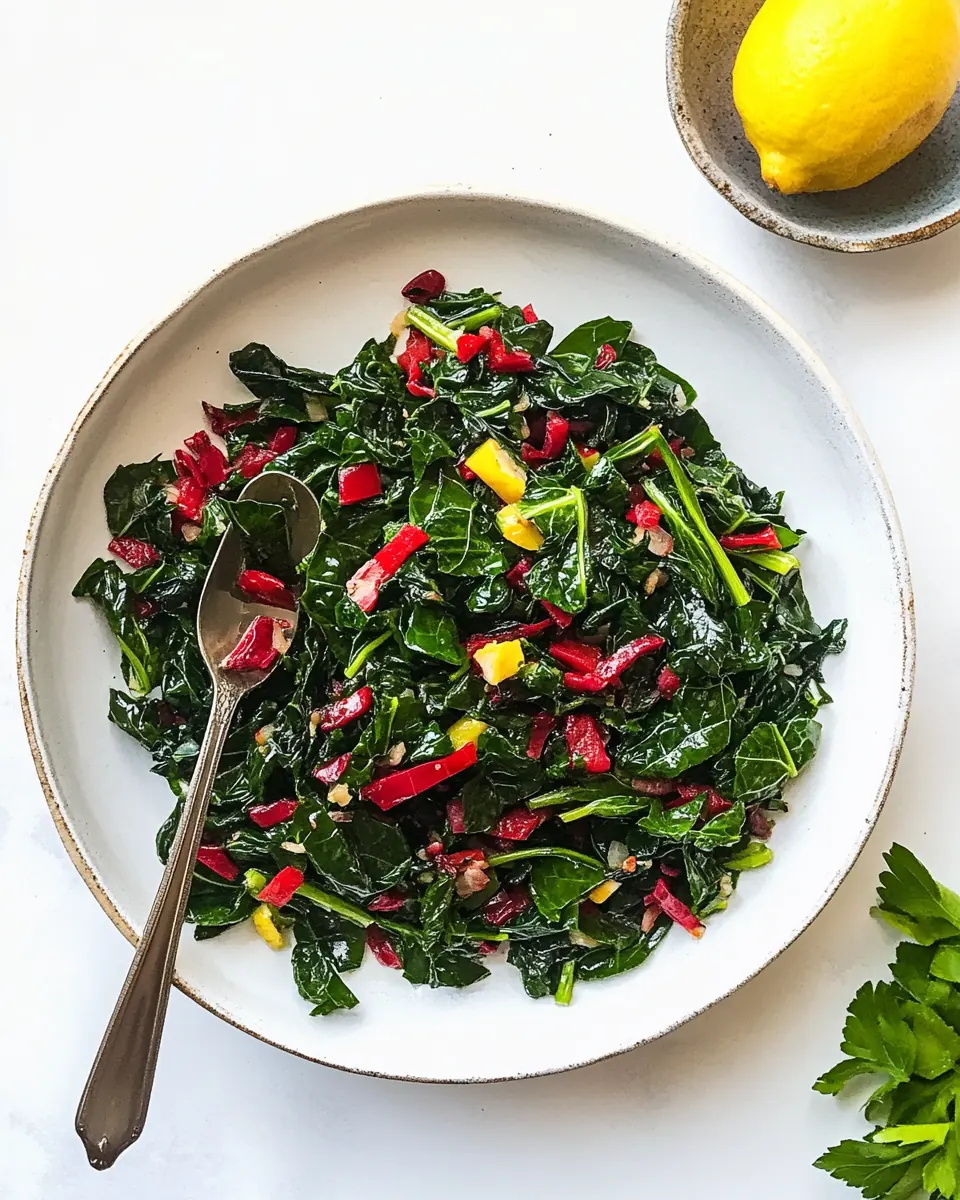
These ingredients form a short and thoughtful lineup. The leafy Swiss chard is the star, while the extra virgin olive oil and garlic build an aromatic base. Salt and pepper season gently, and a finishing squeeze of lemon brings brightness. Each player has a clear job, and together they create a balance of texture and flavor that is efficient and elegant.
- 2 bunches Swiss chard, about 1 pound: Washed and trimmed thoroughly to remove grit and tough stems; provides the leafy base and earthy flavor for the dish. Chopped or torn leaves and thinly sliced stems wilt quickly when sautéed, contributing color and nutrition to the recipe.
- 1 tablespoon extra-virgin olive oil: Added at the start of cooking to sear and carry heat evenly; brings a fruity, peppery richness that helps coat and flavor the greens. Poured into a hot pan until shimmering before garlic is added to prevent sticking and promote gentle browning.
- 2 garlic cloves, thinly sliced: Sliced thinly and added early to infuse the oil with pungent aroma; delivers savory depth and a mild spicy bite when softened but not burned. Cooked briefly to mellow sharpness and distributed throughout the chard for consistent flavor.
- 1/4 teaspoons ea salt, plus more to taste: Measured and sprinkled to season the greens during cooking, helping to draw out moisture and enhance natural flavors; a modest base amount reduces the risk of over-salting. Adjusted at the end to taste if needed, since greens can concentrate flavors as they cook.
- Freshly ground black pepper: Cracked fresh over the finished dish to introduce bright, warming heat and complexity; balances the richness of the oil and the earthiness of the chard. Applied sparingly and tasted with the lemon to achieve a harmonious seasoning profile.
- Lemon wedge, for squeezing: Squeezed just before serving to add bright acidity and lift the overall flavor; cuts through the oiliness and enhances freshness. Offered as a finishing touch so diners can adjust the tang to personal preference.
Making This Simple Swiss Chard
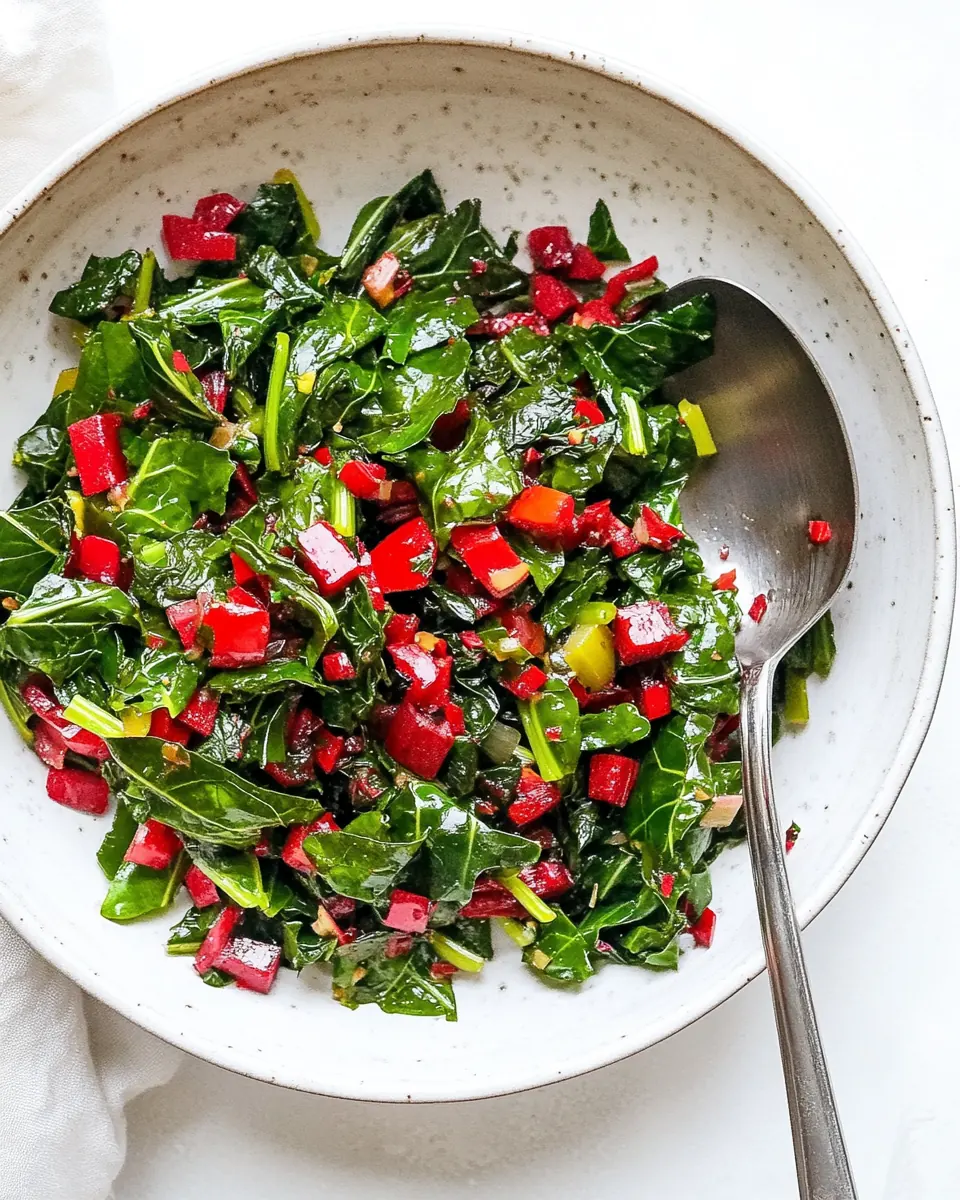
I enjoy the calm, almost meditative rhythm of preparing Simple Swiss Chard. The process is immediate, sensory, and forgiving, so even if you are distracted the dish still turns out well. Below I expand each step into detailed guidance so you can hear the sizzle and know what to look for at every moment.
- Slice the stems off the chard leaves and chop the stems into 1/4-inch slices. Coarsely chop the leaves.: The board will smell faintly green and vegetal as you work, and you will notice the stems have a firmer, almost celery like snap. Work with a sharp knife so you get clean cuts without bruising the leaves, which preserves their color and texture. Keep the stem pieces uniform in size so they cook evenly. A common mistake is chopping unevenly, which leads to some stems remaining tough while others overcook. Use steady, confident strokes, and separate stems from leaves into two piles to maintain control of timing while sautéing.
- Heat the oil in a large skillet over medium heat. Add the chard stems and cook for 1 to 2 minutes, or until they begin to soften. Add the chard leaves, garlic, salt, and several grinds of pepper and sauté for 1 to 2 minutes, or until the leaves are wilted.: When the extra–virgin olive oil warms it will shimmer and release a soft perfume, not a harsh smoke, that signals the pan is ready. Add the stems and you will hear a gentle sizzling, a comforting sound that means moisture is leaving the vegetables and flavors are concentrating. Keep the heat steady, and stir occasionally so the stems blister slightly and take on a touch of color. If the pan is too hot the exterior will burn before the interior softens, and if it is too cool the stems will steam and remain limp. The aim is a tender bite with a touch of caramelization.
- Turn off the heat, squeeze a little lemon juice over the chard, and toss. Season to taste and serve.: As you add the leaves they will immediately begin to collapse, releasing a bright earthy aroma that mingles with the toasted scent of the garlic . Use tongs to toss the leaves so they contact the hot surface quickly, encouraging even wilting. The sound shifts from a vigorous sizzle to a softer whisper as water evaporates and leaves soften. Watch the garlic carefully, because it can go from golden to bitter in an instant; if you see darkening, reduce the heat. A typical error is overcooking the leaves until they become mushy, so remove them from heat when they are still glossy and tender.
- Turn off the heat, squeeze a little lemon juice over the chard, and toss. Season to taste and serve.: With the heat off you will notice a bright citrus lift when the lemon hits the warm greens, and the aroma will open like a window. Tossing coats every ribbon of leaf with the flavored oil and citrus, giving layers of texture and zing. Taste carefully and adjust the seasoning, adding a pinch more salt or a few more grinds of black pepper as needed. A common misstep is adding too much acid upfront; start with a small squeeze and build. Serve promptly so the contrast between tender stems and silky leaves is at its best.
Variations to Try
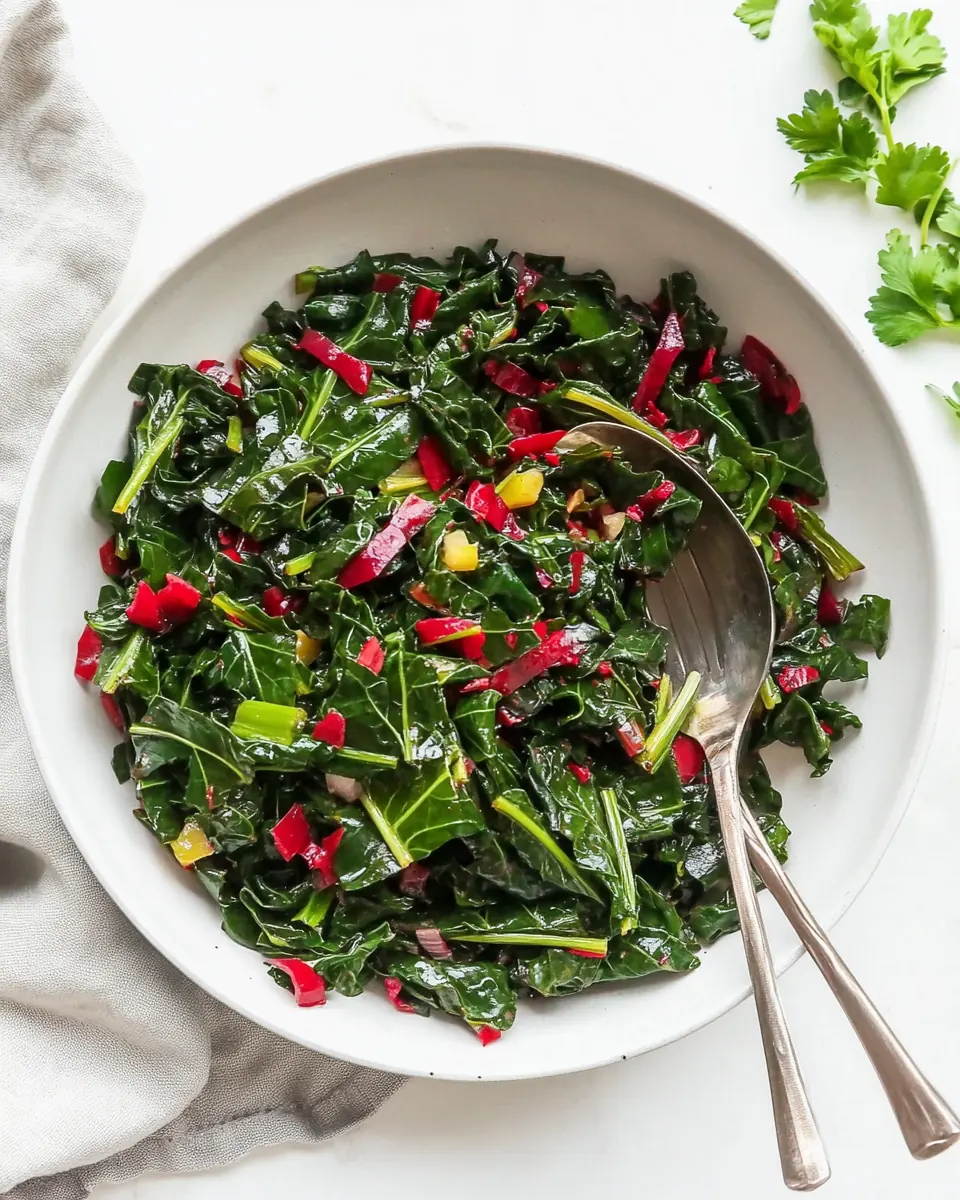
There are small variations that transform Simple Swiss Chard while keeping the core technique intact. Below are ideas to explore, each starting with a bold prompt and followed by practical detail.
- Swap the fat Try using a milder oil if you prefer a subtler finish, which keeps the focus on the greens and garlic.
- Add a sprinkle of heat A few red pepper flakes added with the garlic will warm the dish without masking the fresh flavors.
- Make it citrus forward Use both lemon zest and juice for deeper citrus notes, adding zest at the start and juice off the heat.
- Toast the stems longer Give the stems extra time in the pan for more caramelization, which yields a richer, slightly sweet contrast to the leaves.
- Serve over grains Spoon the finished chard over warm cooked grains for a complete, comforting meal that stretches the greens further.
What Goes Well With This Simple Swiss Chard
Serving Simple Swiss Chard can be simple or a little elevated, and the greens pair well with many styles. Below are considered pairings and serving ideas to match different occasions and seasons.
- With roasted proteins Pair with roasted chicken or fish for a balanced plate where the greens add brightness and texture.
- Over warm grains Spoon the chard over rice, quinoa, or farro to create a nourishing bowl that works well for lunch or a light dinner.
- As part of a mezze Serve alongside small plates, olives, and flatbread for a relaxed gathering where the chard offers a vegetal counterpoint.
- Weeknight dinner Keep it simple with a grilled protein and a wedge of lemon, making Simple Swiss Chard a reliable, fast side for busy nights.
- Storage tips Refrigerate leftovers in a sealed container for up to three days, and reheat gently in a skillet so the leaves do not become rubbery.
- Seasonal pairing In spring the chard pairs beautifully with young vegetables and fresh herbs, making it appropriate for light, bright menus.
FAQ
Conclusion
Simple Swiss Chard thrives on simplicity, showcasing how a few quality ingredients can deliver big flavor and texture. Try it when you need a fast, nourishing side that still feels thoughtful and fresh. It is forgiving, quick to prepare, and adaptable, so once you make it a few times you will find the tweaks that fit your taste and routine.
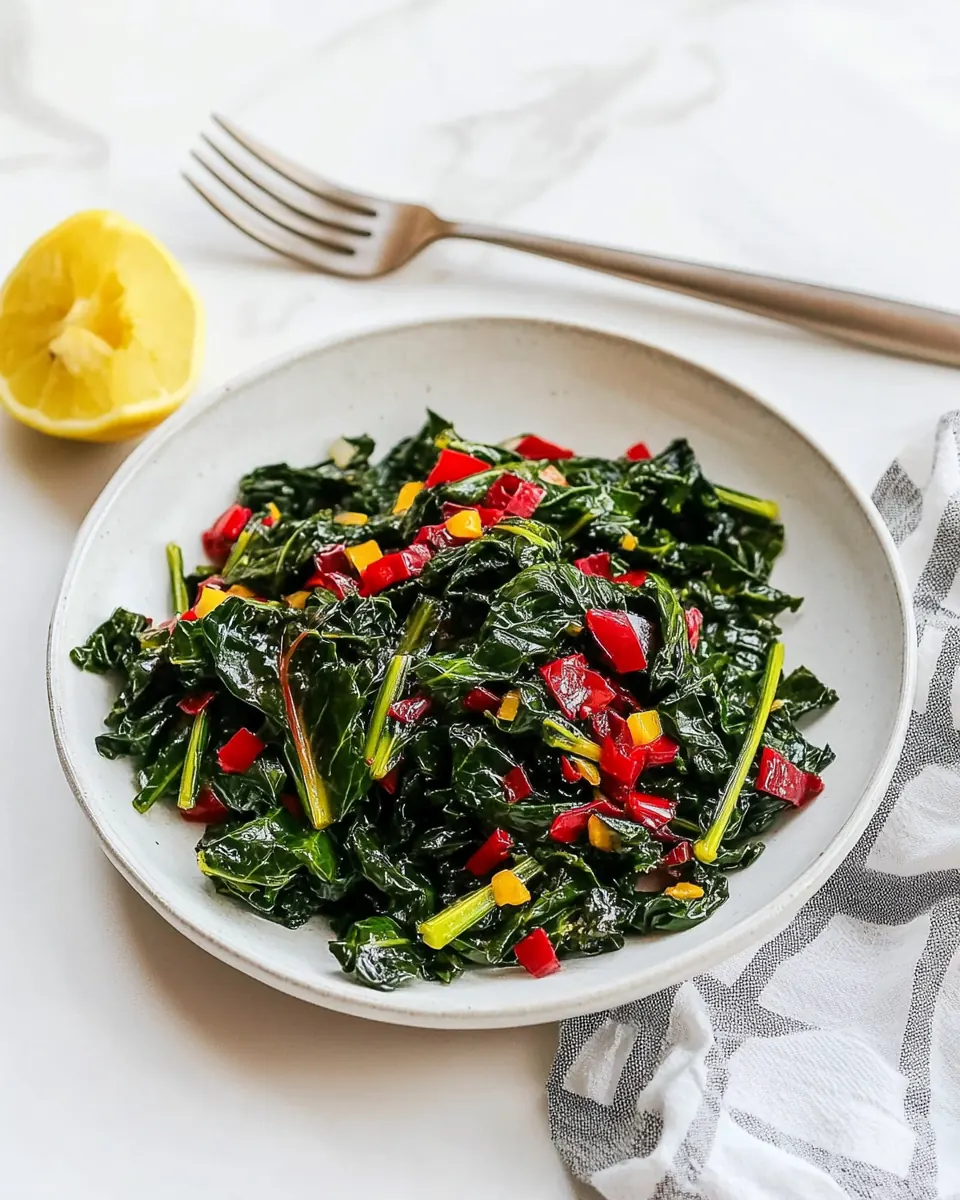
Simple Swiss Chard
Ingredients
Equipment
Method
- Slice the stems off the chard leaves and chop the stems into 1/4-inch slices. Coarsely chop the leaves.: The board will smell faintly green and vegetal as you work, and you will notice the stems have a firmer, almost celery like snap. Work with a sharp knife so you get clean cuts without bruising the leaves, which preserves their color and texture. Keep the stem pieces uniform in size so they cook evenly. A common mistake is chopping unevenly, which leads to some stems remaining tough while others overcook. Use steady, confident strokes, and separate stems from leaves into two piles to maintain control of timing while sautéing.
- Heat the oil in a large skillet over medium heat. Add the chard stems and cook for 1 to 2 minutes, or until they begin to soften. Add the chard leaves, garlic, salt, and several grinds of pepper and sauté for 1 to 2 minutes, or until the leaves are wilted.: When the extra-virgin olive oil warms it will shimmer and release a soft perfume, not a harsh smoke, that signals the pan is ready. Add the stems and you will hear a gentle sizzling, a comforting sound that means moisture is leaving the vegetables and flavors are concentrating. Keep the heat steady, and stir occasionally so the stems blister slightly and take on a touch of color. If the pan is too hot the exterior will burn before the interior softens, and if it is too cool the stems will steam and remain limp. The aim is a tender bite with a touch of caramelization.
- Turn off the heat, squeeze a little lemon juice over the chard, and toss. Season to taste and serve.: As you add the leaves they will immediately begin to collapse, releasing a bright earthy aroma that mingles with the toasted scent of the garlic . Use tongs to toss the leaves so they contact the hot surface quickly, encouraging even wilting. The sound shifts from a vigorous sizzle to a softer whisper as water evaporates and leaves soften. Watch the garlic carefully, because it can go from golden to bitter in an instant; if you see darkening, reduce the heat. A typical error is overcooking the leaves until they become mushy, so remove them from heat when they are still glossy and tender.
- Turn off the heat, squeeze a little lemon juice over the chard, and toss. Season to taste and serve.: With the heat off you will notice a bright citrus lift when the lemon hits the warm greens, and the aroma will open like a window. Tossing coats every ribbon of leaf with the flavored oil and citrus, giving layers of texture and zing. Taste carefully and adjust the seasoning, adding a pinch more salt or a few more grinds of black pepper as needed. A common misstep is adding too much acid upfront; start with a small squeeze and build. Serve promptly so the contrast between tender stems and silky leaves is at its best.
Notes
- Swap the fat Try using a milder oil if you prefer a subtler finish, which keeps the focus on the greens and garlic.
- Add a sprinkle of heat A few red pepper flakes added with the garlic will warm the dish without masking the fresh flavors.
- Make it citrus forward Use both lemon zest and juice for deeper citrus notes, adding zest at the start and juice off the heat.
- Toast the stems longer Give the stems extra time in the pan for more caramelization, which yields a richer, slightly sweet contrast to the leaves.
- Serve over grains Spoon the finished chard over warm cooked grains for a complete, comforting meal that stretches the greens further.