Kale Pasta with Sunflower Cream Sauce
Kale Pasta with Sunflower Cream Sauce is one of those dinners I reach for when I want something nourishing, bright, and a little bit unexpected.
I remember the first time I made Kale Pasta with Sunflower Cream Sauce on a rain-soaked weeknight. I had a stubborn craving for something creamy but no dairy in the fridge, and a bag of kale winked at me from the crisper. The sunflower seeds were a last minute impulse buy that week, and when I blended them with lemon and smoked paprika the kitchen filled with a warm, toasty aroma that made me smile. I tossed the glossy sauce with tender pasta and wilted kale, and the result felt indulgent yet light, like a secret comfort food that happens to be good for you.
Since then, Kale Pasta with Sunflower Cream Sauce has become my go to when I want an easy, satisfying meal that still impresses company. Friends often ask what gives the sauce its silkiness, and I get to brag about the sunflower seeds and a quick whirl in the blender. There is a pleasing contrast between the nutty, slightly smoky sunflower seeds, the citrus pop of lemon juice and the body of the pasta. I like how the chilli flakes add a gentle lift at the end, so every bite has a hint of warmth.
Recipe Snapshot
25 mins
10 mins
15 mins
Easy
350 kcal
American
Vegan, Whole30
Dinner
Large pan, High speed blender, Pot, Colander
Why This Kale Pasta with Sunflower Cream Sauce Is So Good
1. Creamy without dairy, naturally
I love that the sauce is velvety and rich, yet it relies on simple pantry ingredients like sunflower seeds and water. When you blend them until ultra smooth, you get a texture that clings to pasta just like a cream based sauce, but lighter and brightened by lemon juice. This makes it an excellent choice for anyone avoiding dairy, or for nights when you want less heaviness without losing comfort.
2. Bold, balanced flavors
We get nuttiness from the sunflower seeds, freshness from the lemon zest and lemon juice, and a gentle smokiness from the smoked paprika. The kale gives a green, slightly bitter backbone that contrasts the cream. I find this balance keeps each forkful interesting, especially when you finish with a sprinkle of chili flakes.
3. Fast and flexible for busy nights
I often make the sunflower cream ahead of time, so on hectic evenings dinner comes together in minutes. The recipe moves quickly from pan to plate, and because it uses short cooking bursts for the kale and quick pasta cooking, you can have a satisfying meal on the table in the time it takes to set the table and grab a glass of water.
4. Pantry friendly and economical
The ingredients are simple and shelf stable, so this dish is perfect when you do a pantry run and want maximum impact. A little olive oil and garlic gives aromatic depth, while a small amount of smoked paprika and chili flakes stretch flavor far. I appreciate recipes that let me use a few staples to create something memorable.
5. Textural interest in every bite
The silk of the sunflower cream coats the pasta, the tender kale adds chew, and the chili flakes lend tiny pops of heat. That interplay of smooth, tender, and bright is what keeps me coming back to this dish for both weeknight dinners and casual gatherings.
Essential Ingredients for Kale Pasta with Sunflower Cream Sauce
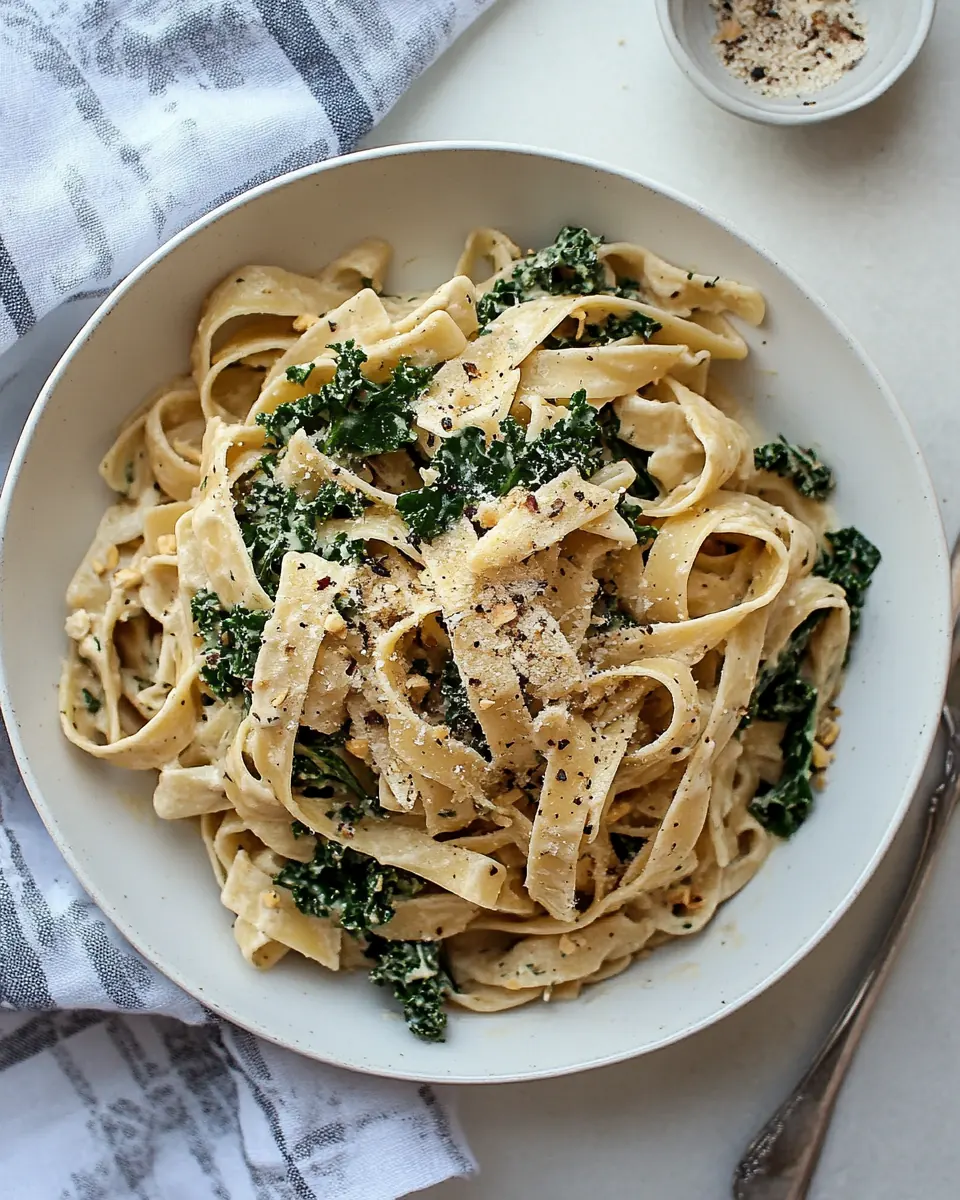
These ingredients work together to create a dish that feels indulgent without being heavy. The key players are the sunflower seeds which form the sauce base, the pasta that carries the sauce, and the kale which adds a leafy, green texture. Small flavor boosters like lemon juice, garlic, and smoked paprika bring brightness and depth so every bite tastes complete.
- 4 ounces pasta: Boil to cook until al dente, providing the primary carbohydrate base and texture for the dish; toss with sauce to absorb flavors and bind the components together.
- 2 teaspoons olive oil: Drizzle to lightly coat pans or pasta, adding a fruity, smooth fat that helps sauté aromatics and carry flavors throughout the dish without overpowering other elements.
- 2 cups shredded kale: Shred to tender pieces that wilt when warmed, contributing earthy, slightly bitter greens that add bulk, color, and nutritional value to the pasta.
- 1 clove garlic (minced): Mince finely to release pungent, savory aromatics that bloom in oil and infuse the sauce with depth and a warm, garlicky background note.
- 1/3 cups oaked sunflower seed: Blend until creamy to create a nutty, oaky-flavored base for the sauce that provides richness, body, and a subtle toasty character to the cream.
- 1/3 cup water: Add slowly to adjust sauce consistency, allowing control over thickness while helping to emulsify the sunflower cream into a smooth, silky texture.
- 1 tablespoon lemon juice: Squeeze for bright acidity to balance richness and enhance overall freshness; incorporate into the cream to lift flavors and provide a clean finish.
- 1/4 teaspoon lemon zest: Zest finely to impart concentrated citrus oils that give aromatic brightness and a more complex lemon presence without adding extra juice.
- 1/8 teaspoons smoked paprika: Sprinkle sparingly for a smoky, warm undertone that deepens the sauce’s flavor profile and complements the earthiness of kale and sunflower seeds.
- Pinch of salt: Season lightly to enhance and unify flavors; use cautiously to avoid over-salting and to let the other ingredients’ nuances shine through.
- Chili flakes (as needed): Shake over to introduce heat and a touch of pungency as needed, creating contrast and elevating the dish with adjustable spiciness.
Making This Kale Pasta with Sunflower Cream Sauce
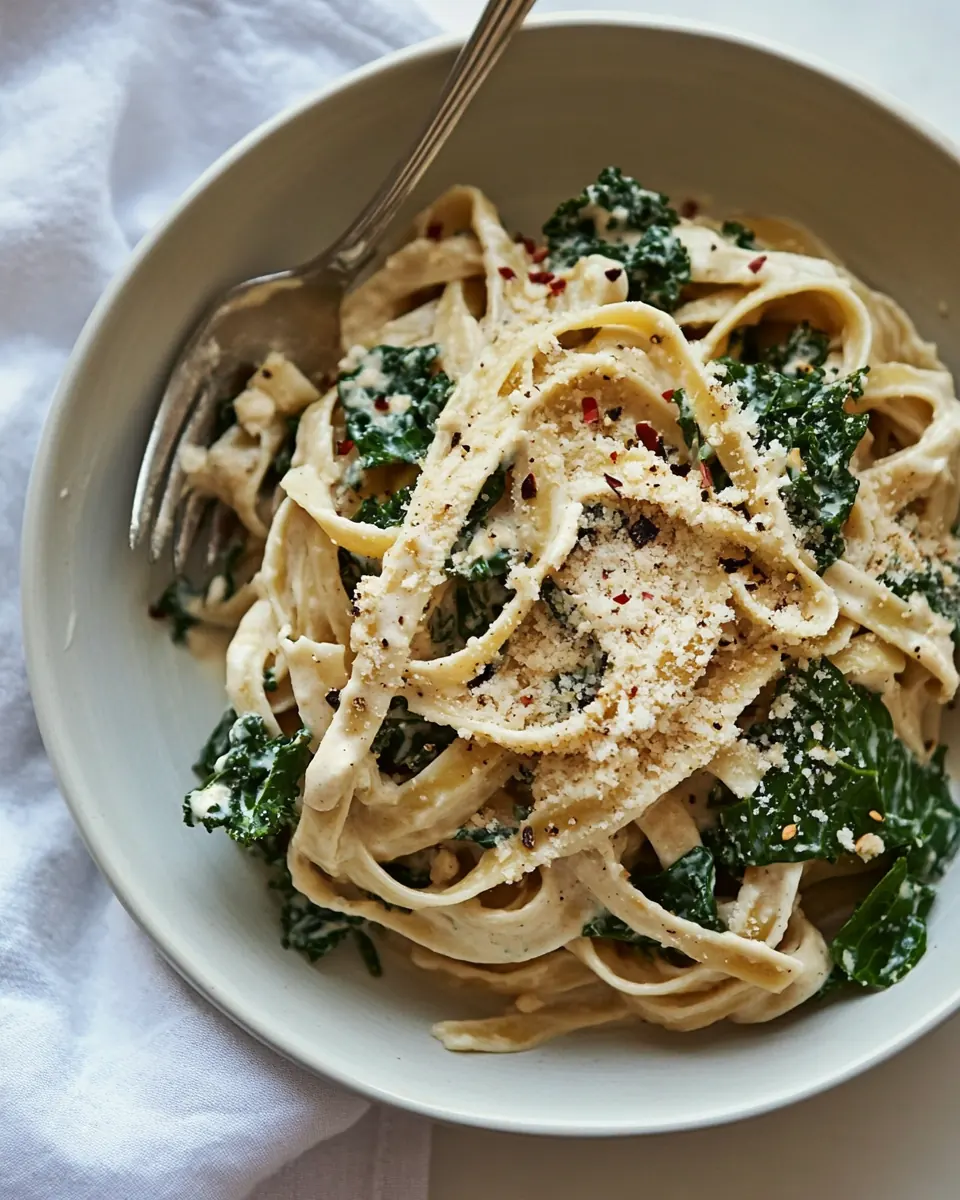
This recipe moves quickly, so having ingredients prepped in bowls will make everything smoother. The directions are simple, but the technique of combining a silky sunflower puree with just wilted kale and cooked pasta is where the dish really shines.
- Cook pasta according to direction, drain, reserving the liquid, and set aside.: As the pot of pasta reaches a lively, rolling boil, the scent of starch will fill the kitchen and you will see the water swirl with movement. Cooking to al dente gives the best texture, with a slight chew when you bite into the pasta . When you drain, keep a cup of the salty cooking water because it acts like liquid gold for adjusting the sauce, helping it cling and become glossy. A common mistake is overcooking the pasta ; it will turn mushy and will not hold up when tossed with the creamy sauce.
- Heat a large pan over medium-low heat. Add the garlic and cook for a minute, just until fragrant. Add the kale to the pan and continue to cook for a minute or two, just to start the kale wilting. Once the kale has wilted slightly, remove from the heat and add the pasta.: You want the pan to warm gently so when you add garlic it releases aroma quickly without browning. That soft sizzle and fragrant lift are signals you are on the right track. Once the garlic softens, add the shredded kale and allow it to begin wilting. The kale will collapse and darken slightly, and you should be able to smell its green, vegetal sweetness. Turn the heat down if anything starts to brown, as scorched garlic tastes bitter and will overpower the sauce.
- Combine the soaked sunflower seeds with the water, lemon juice, lemon zest, smoked paprika, and salt in a high-speed blender. Puree until smooth. Add to the pan and toss. Add a splash or two of reserved pasta water as needed to thin and coat the noodles. Serve with a sprinkle of chili flakes as needed.: The moment you add minced garlic you will hear a gentle popping and smell a bright garlicky perfume. That quick step is about building a base aroma rather than creating color. It wakes up the olive oil and prepares the pan for the kale . The main mistake to avoid here is leaving it unattended; garlic can go from fragrant to burnt in seconds.
- Add the kale to the pan and continue to cook for a minute or two, just to start the kale wilting: The kale will hiss softly as it hits the warm oil, and you will notice its volume shrink dramatically. Stirring helps it wilt evenly while preserving a little chew. This brief cook just softens the leaves so they are pleasant to eat, while leaving enough texture to contrast the creamy sauce. Overcooking will make the kale limp and lose its bright color.
- Once the kale has wilted slightly, remove from the heat and add the pasta: The moment to combine the pasta with warm, slightly wilted kale is when both are still vibrant, and the retained heat helps the sauce adhere. The pasta will steam softly as it meets the greens, and you will see a nice sheen when tossed. Keep some reserved cooking water handy to loosen the mixture if it seems stiff; adding water also helps the flavors marry.
- Combine the soaked sunflower seeds with the water, lemon juice, lemon zest, smoked paprika, and salt in a high-speed blender: Blending releases the toasted, nutty fragrance of the sunflower seeds and the citrus perfume of the lemon zest . A good blender will transform soaked seeds into a smooth, luminous cream with a slightly sweet, nutty aroma. Texture is everything here; if the puree is gritty, the sauce will feel chalky. Soak seeds adequately and blend on high for a silky result. A common pitfall is under blending, leaving a coarse texture.
- Puree until smooth: As the blender whirs, watch for the mixture to become homogenous and glossy, with tiny air bubbles that indicate lightness. Taste for seasoning and adjust the pinch of salt and lemon juice to achieve a bright, balanced flavor. If it seems too thick, add more of the reserved water sparingly until it reaches a sauce like consistency. Over thinning will make the sauce watery and it will not cling to the pasta .
- Add to the pan and toss: When you pour the sunflower cream over the warm pasta and wilted kale , you will see the sauce melt into the grooves of the noodles and coat them beautifully. Tossing is key to creating a cohesive dish; the heat helps the cream swell slightly and the starch from the pasta binds everything together. If the mixture looks dry, add a splash or two of reserved pasta water and continue tossing until glossy. A common error is adding too much water at once, which can dilute the flavors.
- Add a splash or two of reserved pasta water as needed to thin and coat the noodles: That starchy water is the secret to a silky sheen and proper coating. You will notice the sauce become smoother and cling to the pasta as you add small amounts. Go slowly and use just enough to achieve the texture you want. Adding too much will create a loose sauce that will not stick to the noodles.
- Serve with a sprinkle of chili flakes as needed: The final touch of chili flakes provides a sharp contrast to the nutty sauce and adds a pleasant warmth. It should arrive as a finishing flourish so that each bite can be adjusted to taste. A sprinkle or two is often enough; overspicing can mask the delicate lemon and sunflower notes.
Expert Tips about Kale Pasta with Sunflower Cream Sauce
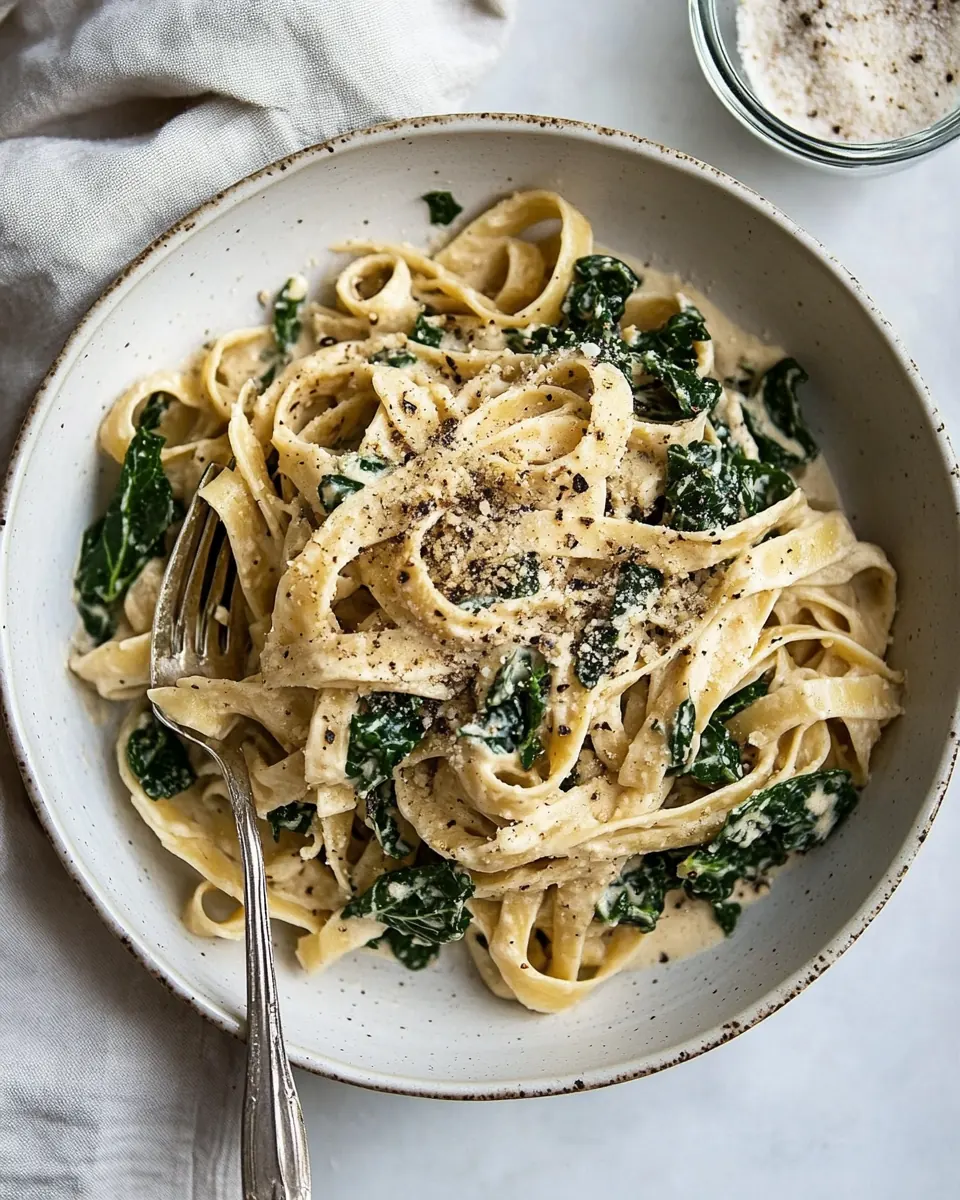
I like to collect tips that make the recipe faster and more reliable. These suggestions come from small adjustments that consistently improve texture and flavor.
- Soak time matters – If you soak the sunflower seeds for two hours they become silky fast in the blender. I have found shorter soaks sometimes leave a gritty texture, so plan ahead when you can.
- Use reserved pasta water – A tablespoon at a time will help the sunflower cream emulsify and cling to the pasta. This trick creates a glossy finish and prevents the sauce from separating.
- Pulse then blend – Start by pulsing the sunflower seeds with the liquids to break them down, then run the blender on high for full smoothness. This two stage approach reduces blending time and heat buildup.
- Keep kale bright – Cook the kale briefly over moderate heat so it wilts but retains color and texture. Overcooked greens can become mushy and lose their lively flavor.
- Adjust heat at the end – Add chili flakes sparingly, and offer extras at the table so diners can control the spice. I prefer a subtle warmth that enhances the dish rather than shouting over the lemon and sunflower notes.
Pairing Suggestions for Kale Pasta with Sunflower Cream Sauce
This pasta shines with simple, complementary sides and works for casual dinners or small gatherings. Think about texture and temperature contrasts to round out the meal. Serve it warm with crisp or bright accompaniments so the creamy sauce remains the star.
- Light green salad – A simple salad with a tangy vinaigrette adds a crisp counterpoint to the creamy pasta, making the meal feel balanced for a weeknight dinner.
- Crusty bread – Warm, crusty bread is handy for mopping up any leftover sunflower cream and adds a satisfying chew alongside the soft pasta.
- Roasted vegetables – Oven roasted seasonal vegetables served warm provide additional texture and make the plate more substantial for dinner gatherings.
- Lunch or dinner occasions – This dish is great for a quick lunch or a relaxed dinner. It travels well to potlucks when kept warm, and the flavors stay bright even if served slightly cooled.
- Storage tips – Store leftovers in an airtight container and refrigerate for up to two days. Reheat gently with a splash of water to loosen the sauce and revive creaminess.
- Seasonal pairing – In spring the fresh green notes of kale pair well with early citrus, making this an ideal lighter main when greens are at their best.
FAQ
Conclusion
This recipe stands out because it transforms simple pantry ingredients into a silky, flavorful main that is both comforting and light. The sunflower cream brings unexpected richness while lemon and smoked paprika keep the profile lively. Give it a try on a busy weeknight or when you want something a little different but reliable. I hope it becomes one of those dishes you return to again and again, especially when you want a fuss free meal that still feels special.
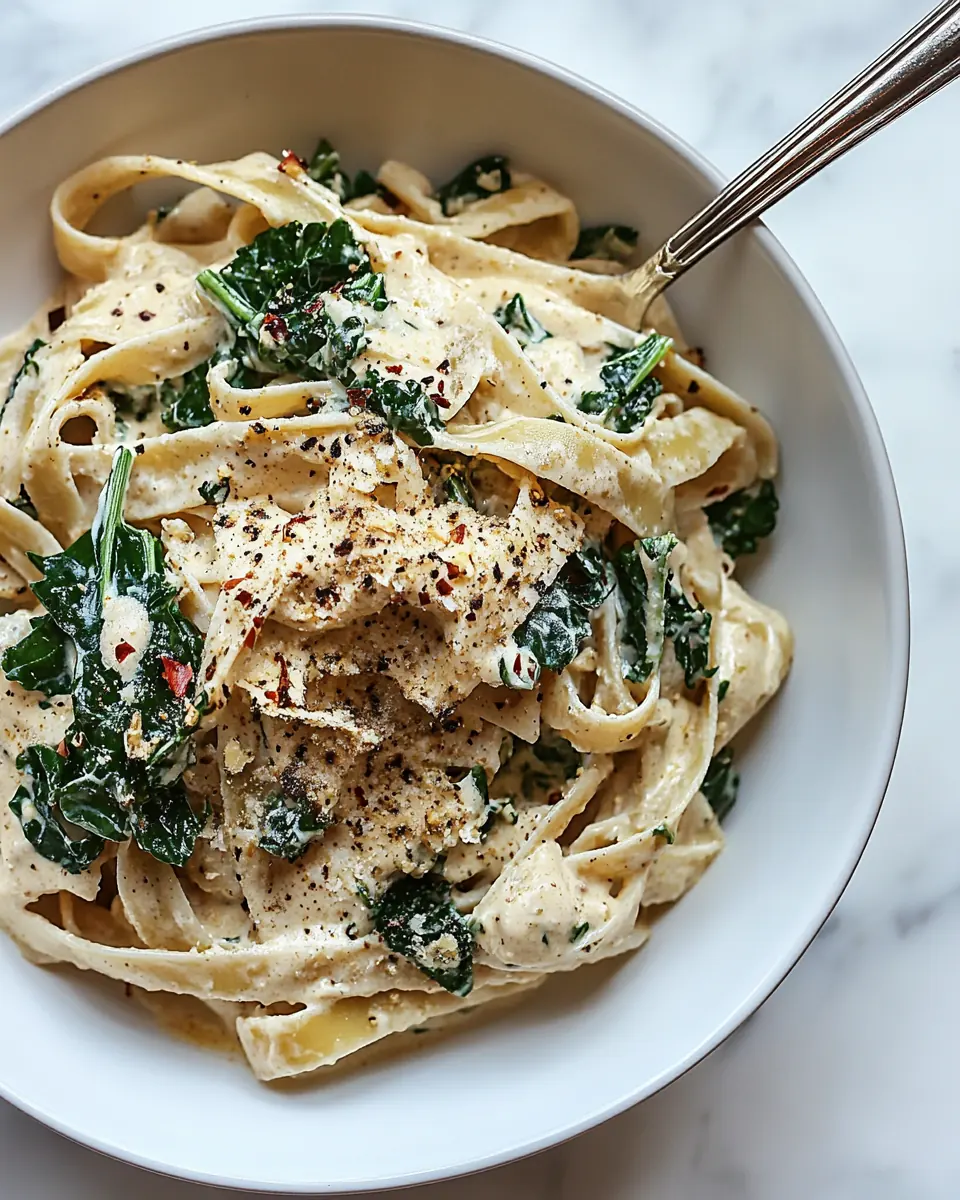
Kale Pasta with Sunflower Cream Sauce
Ingredients
Equipment
Method
- Cook pasta according to direction, drain, reserving the liquid, and set aside.: As the pot of pasta reaches a lively, rolling boil, the scent of starch will fill the kitchen and you will see the water swirl with movement. Cooking to al dente gives the best texture, with a slight chew when you bite into the pasta . When you drain, keep a cup of the salty cooking water because it acts like liquid gold for adjusting the sauce, helping it cling and become glossy. A common mistake is overcooking the pasta ; it will turn mushy and will not hold up when tossed with the creamy sauce.
- Heat a large pan over medium-low heat. Add the garlic and cook for a minute, just until fragrant. Add the kale to the pan and continue to cook for a minute or two, just to start the kale wilting. Once the kale has wilted slightly, remove from the heat and add the pasta.: You want the pan to warm gently so when you add garlic it releases aroma quickly without browning. That soft sizzle and fragrant lift are signals you are on the right track. Once the garlic softens, add the shredded kale and allow it to begin wilting. The kale will collapse and darken slightly, and you should be able to smell its green, vegetal sweetness. Turn the heat down if anything starts to brown, as scorched garlic tastes bitter and will overpower the sauce.
- Combine the soaked sunflower seeds with the water, lemon juice, lemon zest, smoked paprika, and salt in a high-speed blender. Puree until smooth. Add to the pan and toss. Add a splash or two of reserved pasta water as needed to thin and coat the noodles. Serve with a sprinkle of chili flakes as needed.: The moment you add minced garlic you will hear a gentle popping and smell a bright garlicky perfume. That quick step is about building a base aroma rather than creating color. It wakes up the olive oil and prepares the pan for the kale . The main mistake to avoid here is leaving it unattended; garlic can go from fragrant to burnt in seconds.
- Add the kale to the pan and continue to cook for a minute or two, just to start the kale wilting: The kale will hiss softly as it hits the warm oil, and you will notice its volume shrink dramatically. Stirring helps it wilt evenly while preserving a little chew. This brief cook just softens the leaves so they are pleasant to eat, while leaving enough texture to contrast the creamy sauce. Overcooking will make the kale limp and lose its bright color.
- Once the kale has wilted slightly, remove from the heat and add the pasta: The moment to combine the pasta with warm, slightly wilted kale is when both are still vibrant, and the retained heat helps the sauce adhere. The pasta will steam softly as it meets the greens, and you will see a nice sheen when tossed. Keep some reserved cooking water handy to loosen the mixture if it seems stiff; adding water also helps the flavors marry.
- Combine the soaked sunflower seeds with the water, lemon juice, lemon zest, smoked paprika, and salt in a high-speed blender: Blending releases the toasted, nutty fragrance of the sunflower seeds and the citrus perfume of the lemon zest . A good blender will transform soaked seeds into a smooth, luminous cream with a slightly sweet, nutty aroma. Texture is everything here; if the puree is gritty, the sauce will feel chalky. Soak seeds adequately and blend on high for a silky result. A common pitfall is under blending, leaving a coarse texture.
- Puree until smooth: As the blender whirs, watch for the mixture to become homogenous and glossy, with tiny air bubbles that indicate lightness. Taste for seasoning and adjust the pinch of salt and lemon juice to achieve a bright, balanced flavor. If it seems too thick, add more of the reserved water sparingly until it reaches a sauce like consistency. Over thinning will make the sauce watery and it will not cling to the pasta .
- Add to the pan and toss: When you pour the sunflower cream over the warm pasta and wilted kale , you will see the sauce melt into the grooves of the noodles and coat them beautifully. Tossing is key to creating a cohesive dish; the heat helps the cream swell slightly and the starch from the pasta binds everything together. If the mixture looks dry, add a splash or two of reserved pasta water and continue tossing until glossy. A common error is adding too much water at once, which can dilute the flavors.
- Add a splash or two of reserved pasta water as needed to thin and coat the noodles: That starchy water is the secret to a silky sheen and proper coating. You will notice the sauce become smoother and cling to the pasta as you add small amounts. Go slowly and use just enough to achieve the texture you want. Adding too much will create a loose sauce that will not stick to the noodles.
- Serve with a sprinkle of chili flakes as needed: The final touch of chili flakes provides a sharp contrast to the nutty sauce and adds a pleasant warmth. It should arrive as a finishing flourish so that each bite can be adjusted to taste. A sprinkle or two is often enough; overspicing can mask the delicate lemon and sunflower notes.
Notes
- Soak time matters - If you soak the sunflower seeds for two hours they become silky fast in the blender. I have found shorter soaks sometimes leave a gritty texture, so plan ahead when you can.
- Use reserved pasta water - A tablespoon at a time will help the sunflower cream emulsify and cling to the pasta. This trick creates a glossy finish and prevents the sauce from separating.
- Pulse then blend - Start by pulsing the sunflower seeds with the liquids to break them down, then run the blender on high for full smoothness. This two stage approach reduces blending time and heat buildup.
- Keep kale bright - Cook the kale briefly over moderate heat so it wilts but retains color and texture. Overcooked greens can become mushy and lose their lively flavor.
- Adjust heat at the end - Add chili flakes sparingly, and offer extras at the table so diners can control the spice. I prefer a subtle warmth that enhances the dish rather than shouting over the lemon and sunflower notes.