Sticky Honey Orange Grilled Chicken
Sticky Honey Orange Grilled Chicken is one of those recipes that changed how I think about quick weeknight grilling, and it grabbed my attention the first time the backyard filled with its caramelized citrus aroma. I remember juggling dinner and a toddler, yet the sweet tang of orange juice and the sticky sheen of honey made everything feel a little more celebratory, like a small dinner party even on a Tuesday. From that first meal I kept tweaking the balance between bright citrus and savory glaze until the flavors felt vivid but not overpowering.
That summer I started bringing this dish to potlucks, and people always asked for the recipe because the outside gets just a touch charred while the inside stays tender and juicy. I love that the recipe showcases simple pantry players like olive oil, dijon mustard, and butter, yet the end result tastes like you spent all afternoon preparing. There is a rhythm to making the marinade, letting the chicken soak up flavor, and finishing with a glossy glaze that clings to every bite.
Recipe Snapshot
30 mins
10 mins
20 mins
Medium
350 kcal
American
Gluten-Free, Keto
Dinner
Grill, Gallon size resealable bag, Mixing bowl, Small saucepan, Tongs, Meat thermometer
Why This Sticky Honey Orange Grilled Chicken Works
Bright citrus lift
I keep coming back to the way orange juice and orange zest wake up the whole dish. When you grill the chicken after it has been marinated, those citrus notes intensify and create a lively counterpoint to the sticky glaze. I find that this brightness prevents the glaze from feeling too sweet, and it keeps the palate refreshed bite after bite.
Balance of sweet and savory
There is a satisfying tug of contrast between the honey glaze and the savory elements like dijon mustard and BBQ sauce. In my experience this interplay makes the recipe feel elevated without being fussy. I always check the glaze for a glossy sheen and a rounded flavor before I pull the chicken off the grill, because that is when the magic happens.
Textural contrast
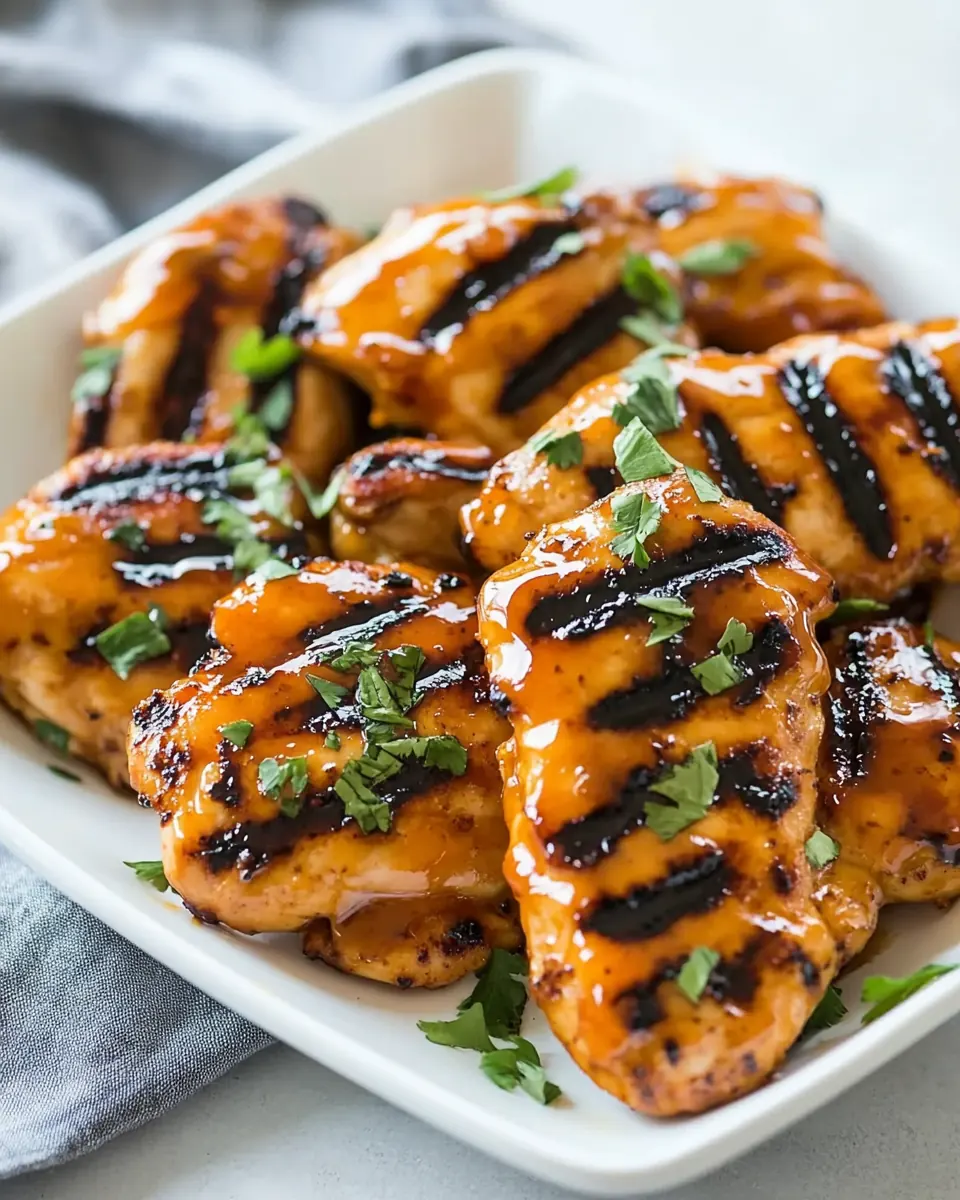
I adore the slight char on the exterior, it gives a smoky edge and a crisp bite while the interior remains tender because of the marinade and the fattier nature of the boneless chicken thighs. That contrast between caramelized edges and juicy center is what keeps me serving this dish at gatherings, since everyone notices the texture immediately.
Speed and simplicity
What draws me in is how quickly this comes together, yet how impressively it performs. A short marinade period still yields pronounced flavor, and the grilling is efficient. This is my go to when I want something that feels special without taking hours of hands on time.
Make ahead friendly
I often prepare the glaze and marinate the chicken ahead of time. The reserved glaze for serving is a small gesture with a big payoff, giving you a glossy finish and an extra hit of citrus sweetness. For busy evenings this flexibility is invaluable, and it keeps dinner relaxed rather than rushed.
What’s In This Sticky Honey Orange Grilled Chicken
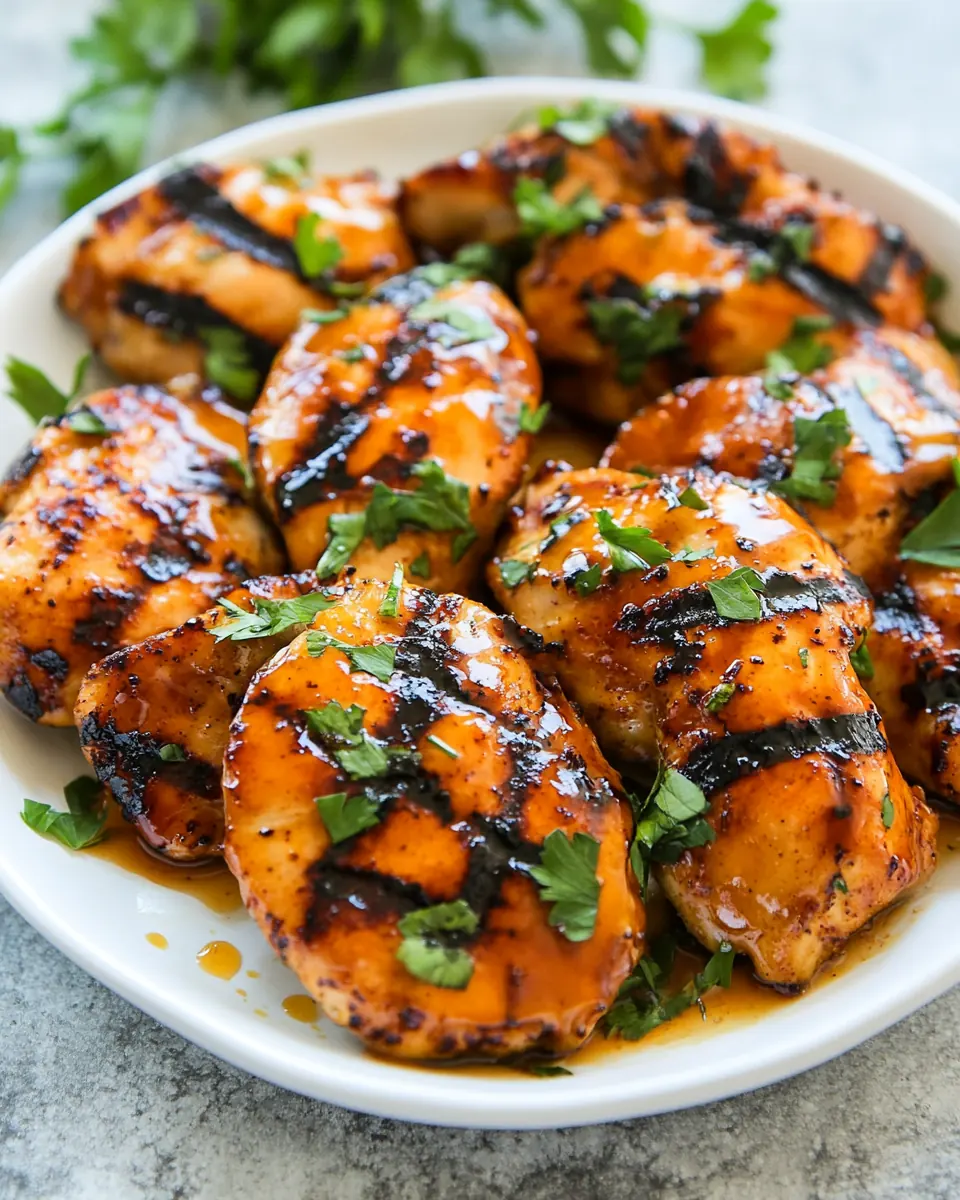
The ingredient list here is deliberate and lean, focused on components that build layers of flavor: acidity, fat, heat, and sweetness. The key players are the citrus elements that brighten, the honey and butter that provide gloss and richness, and the savory boosters like dijon mustard and BBQ sauce that round everything out. Together these items create a marinade and glaze that penetrate and cling, producing a deeply flavored yet approachable grilled chicken.
- 1/2 cup fresh orange juice: Provide bright citrus acidity and moisture to the marinade, balancing fat and sweetness while tenderizing the chicken with natural enzymes and acid.
- 1 tbsp orange zest: Add concentrated citrus aroma and oils to elevate the orange flavor profile, enhancing the overall fragrance and complexity of the marinade.
- 1 1/2 tbsp fresh lemon juice: Contribute sharp, tangy brightness that lifts flavors and helps break down proteins slightly, improving tenderness and adding a subtle acidic contrast.
- 1/4 cup olive oil: Offer a smooth, fruity fat that carries flavors, helps distribute seasonings evenly, and promotes a more supple texture during cooking.
- 2 tbsp hot sauce: Bring a vinegary, spicy kick that cuts through richness and adds depth and heat to the marinade and final glaze.
- 2 tbsp dijon mustard: Deliver a creamy, tangy backbone that emulsifies liquids, contributes sharp mustardy notes, and helps bind the glaze to the chicken.
- 2 garlic cloves, minced: Impart pungent, savory aromatics that deepen the flavor profile, support the citrus and mustard elements, and add subtle warmth when cooked.
- 3 1/2 lbs boneless chicken thighs, trimmed of excess fat: Serve as the primary protein base, providing rich, tender meat that soaks up marinades and yields juicy results when properly grilled.
- 1 tsp chopped parsley, for garnish () (optional): Provide a fresh herbal finish when sprinkled over the cooked chicken, adding color, a mild grassy note, and visual appeal to the plated dish.
- 2 tbsp butter: Add rich, buttery flavor and a silky mouthfeel to the pan sauce or glaze, helping create a glossy, cohesive finish for the chicken.
- 1/4 cup honey: Contribute natural sweetness and sticky texture to the glaze, balancing acidity and heat while promoting caramelization during grilling.
- 1/4 cup fresh orange juice: Augment the marinade with additional citrus brightness and moisture, reinforcing orange flavor and helping maintain juiciness.
- 2 tsp orange zest: Increase concentrated orange aroma and zest-driven citrus oils to boost fragrant top notes and intensify the orange character.
- 1/4 cup BBQ sauce: Introduce smoky-sweet depth and umami to the glaze, lending a barbecue dimension that complements honey and orange flavors.
- 2 tbsp dijon mustard: Repeat emulsifying and tangy mustard notes to reinforce cohesion between sweet, spicy, and acidic components in the glaze.
Instructions for Sticky Honey Orange Grilled Chicken
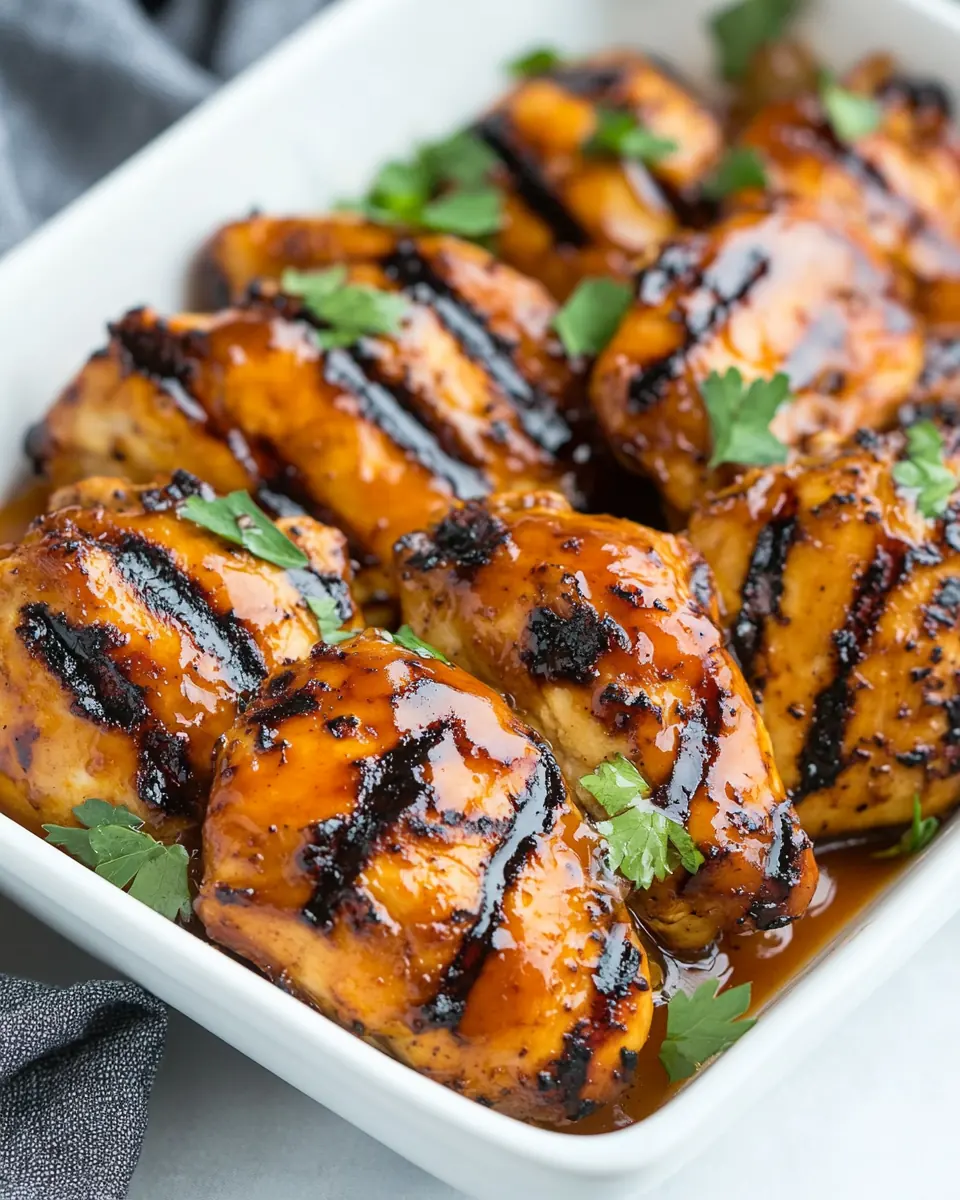
I like to approach the grilling as a series of sensory checkpoints, so you know when the chicken is ready without constantly poking it. The directions below follow the original sequence, expanded with notes on what to watch, why each choice matters, and how to avoid common slip ups so your final result is glossy, charred, and juicy.
- In a medium mixing bowl whisk together orange juice, orange zest, lemon juice, olive oil, hot sauce, dijon mustard and garlic.: The kitchen will fill with a bright citrus and garlicky scent as you whisk, and the vinaigrette like texture is important because it helps the marinade penetrate the surface of the chicken . Whisking fully disperses the dijon mustard so it emulsifies the oil with the juices, yielding a smooth coating. If you skip thorough whisking you can end up with uneven flavor pockets, so take the time to emulsify until the mixture looks cohesive and slightly glossy. A common mistake is using pre warmed or overheated liquids which can blunt the acidity, so keep everything cool before marinating.
- Place chicken thighs in a gallon size resealable bag, pour marinade over chicken then seal bag while pressing out excess air.: As you slide the chicken into the bag the marinade should lightly coat each piece, and the scent will become more concentrated within the sealed bag which helps absorption. Pressing out air allows the marinade to stay in close contact with all surfaces, promoting even flavor distribution. Avoid overfilling the bag so the thighs can lay flat; overcrowding prevents equal coverage and may yield patches of underflavored meat. A typical misstep is skipping the sealing step securely, which can cause leaks and a messy fridge.
- Rub marinade over chicken, transfer to refrigerator and let marinate 1 – 6 hours.: The chicken benefits from at least one hour to let the acid and aromatics work, but not so long that the citrus begins to break down the texture. During this time you'll notice the bag become fragrant and slightly tacky as the marinade adheres. Marinating up to six hours deepens the flavor without making the texture mushy; beyond that can be risky because citrus can denature proteins excessively. A common error is marinating at room temperature, which risks bacterial growth, so always refrigerate while marinating.
- Preheat a grill over medium-high heat to about 400 degrees.: When the grill reaches heat it should feel hot to the touch and you may see faint wisps of smoke; preheating sets up proper searing. A temperature near 400 degrees yields quick caramelization of the glaze while still allowing the interior of the chicken to cook through. If the grill is not hot enough, you will miss that desirable char and the chicken can dry out from prolonged cooking. A frequent mistake is starting to grill before the surface is fully heated, which prevents good sear marks and causes sticking.
- While grill is preheating prepare glaze – in a small saucepan melt butter over medium heat.: The melted butter will begin to sizzle gently and release a nutty aroma, making a rich base for the glaze. Using medium heat ensures the butter melts without burning; browned butter would shift the flavor profile significantly. Monitor the pan closely because dairy can go from melted to browned quickly. A common slip up is turning the heat too high, which scorches the butter and creates bitter notes in the glaze.
- Whisk in honey, orange juice, orange zest, BBQ sauce and dijon mustard and remove from heat. Set aside about 1/3 cup for serving.: Once combined, the glaze should be glossy and pourable, smelling of sweet honey and citrus. Removing it from heat preserves the brightness of the fresh orange zest , and reserving a portion for serving gives you a fresh finishing touch. If you over reduce the glaze it can become too thick and crystallize when cooled, so aim for a syrupy consistency. A typical mistake is using all the glaze during grilling and not keeping a reserved portion for plating, which reduces the impact at service.
- Grill chicken about 4 minutes per side then brush with glaze and grill until cooked through (165 degrees in center) and slightly charred about 2 minutes per side more.: At first you will hear the satisfying sizzle that signals good contact between the chicken and the grill, and the surface will begin to caramelize. After the initial sear, brushing with the glaze introduces sugars that will caramelize quickly, so watch for a deep golden to mahogany color and not outright burning. Use a thermometer to confirm the internal temperature reaches 165 degrees , which ensures safety while preserving juiciness. Overbasting or leaving the chicken on too long after glazing leads to bitter char, so work in short timed bursts and monitor closely.
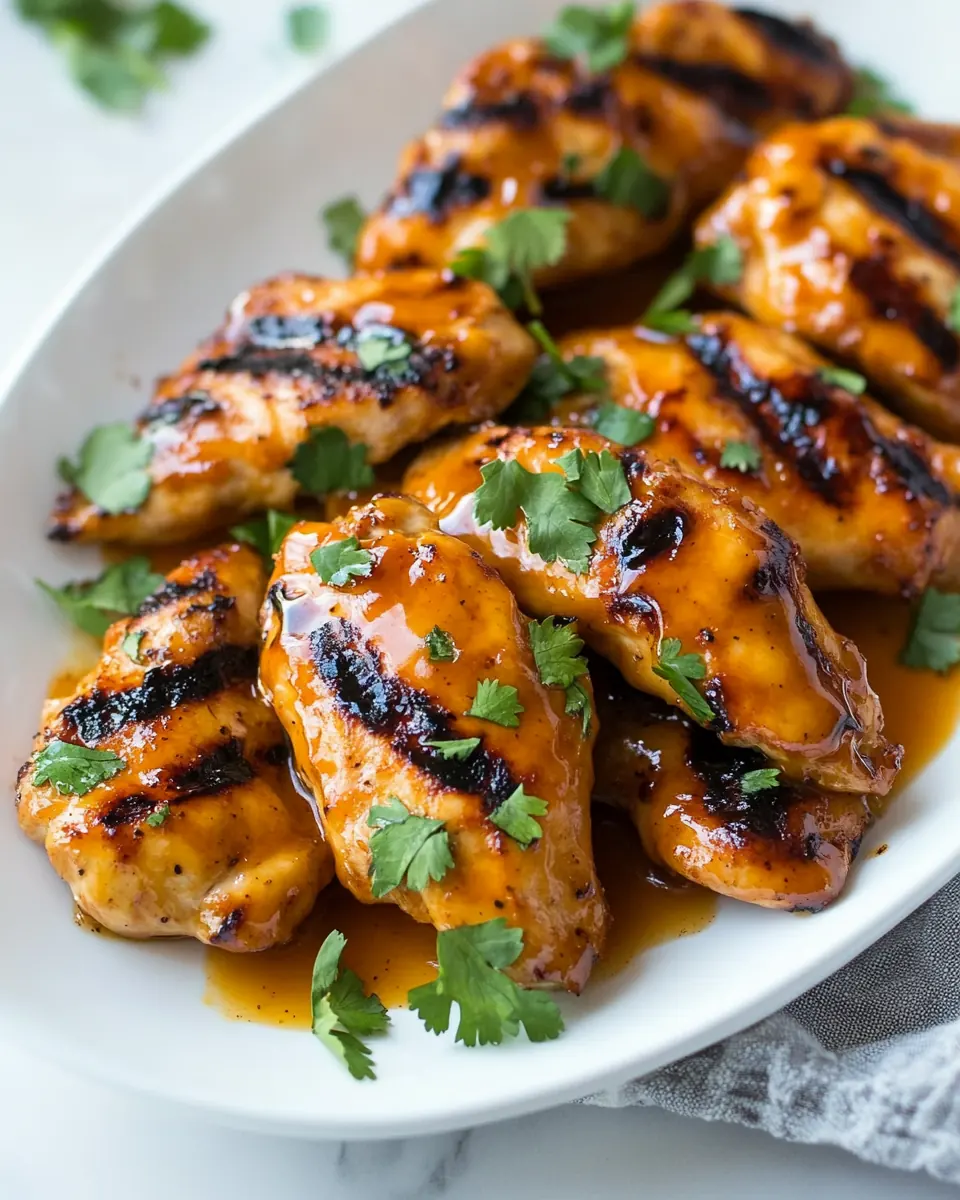
- Serve warm with reserved glaze, garnished with parsley if desired.: When plated the chicken should gleam with the sticky glaze and release a bright citrus aroma as you slice into it, steam rising with a hint of honeyed smoke. Spoon the reserved glaze on the side so each diner can add more if they like, and sprinkle the chopped parsley for a fresh herbal contrast and color. Avoid letting the chicken sit too long after glazing, because the gloss loses its shine and the texture can firm up. A frequent error is skipping the resting step, which can cause the juices to run out when cut, so let the pieces sit briefly before serving.
- Recipe source: adapted slightly from the Neely's: adapted slightly from the Neely's : Knowing the origin is helpful because it points to a tested foundation, and adapting it allowed me to trim and balance ingredients for everyday cooking. Respecting the source helps maintain the recipe integrity while you make adjustments for personal taste. Be careful not to over credit or change core technique without testing, since small tweaks like marinating time or glaze ratio significantly affect outcome.
Substitutions and Tips
This recipe is forgiving, and with a few mindful swaps you can tailor it to what you have on hand without losing the core flavor balance. Below are targeted tips and substitution notes to help you navigate minor ingredient changes while preserving the glossy, citrus forward profile that makes this dish so appealing.
- Use boneless skinless thighs: If you prefer breasts you can substitute, but thighs are more forgiving and stay juicier when grilled, which is why I recommend them for consistent results.
- Swap olive oil cautiously: A neutral oil can replace the olive oil if you want a less pronounced fruitiness; use the same quantity to maintain texture in the marinade.
- Adjust heat level carefully: If the two tablespoons of hot sauce feels too strong, start with one tablespoon and taste the marinade; you can always add more later.
- Keep extra glaze aside: Always set aside about one third cup of glaze for serving, because continued cooking concentrates the sugars and using reserved glaze preserves brightness at table.
- Fresh citrus matters: Use fresh orange juice and orange zest rather than bottled juice for the most vibrant aroma and flavor, it makes a noticeable difference.
- Garnish with herbs: A sprinkle of chopped parsley adds a fresh contrast and bright color that complements the sweet glaze.
What to Pair With Sticky Honey Orange Grilled Chicken
When serving this grilled chicken, I like to think in contrasts and textures to round out the plate. The sticky citrus glaze pairs wonderfully with crisp, fresh sides, and the dish adapts well to casual weeknight dinners or relaxed summer gatherings. Below are pairing ideas, occasion notes, storage suggestions, and seasonal thoughts to help you plan the whole meal.
- Crisp green salad: A bright mixed greens salad tossed with a light vinaigrette offers a refreshing counterpoint to the sticky, savory glaze.
- Grilled vegetables: Vegetables like zucchini, bell peppers, and asparagus grilled alongside the chicken echo the smoky notes and make for an easy one grill meal.
- Steamed rice or pilaf: A simple rice pilaf soaks up the reserved glaze and rounds out the meal for an effortless family dinner.
- Casual gatherings: This recipe is ideal for summer cookouts and potlucks because the glossy presentation feels special yet it scales easily for a crowd.
- Weeknight dinner: With a short active cooking time this is perfect for an easy weeknight dinner when you want big flavor without a lot of fuss.
- Make ahead and storage: Marinate the chicken up to six hours ahead and store the reserved glaze separately in the refrigerator for up to three days; reheat gently before serving.
- Seasonal pairing: In summer I serve this with fresh citrus salads and grilled corn, while in spring I might pair it with light herbed sides to accent the bright orange notes.
FAQ
Conclusion
Sticky Honey Orange Grilled Chicken stands out for its vibrant citrus brightness balanced against a glossy, caramelized honey glaze, producing a dish that is both comforting and celebratory. Give it a try the next time you want a quick meal that looks and tastes like you spent more time than you did. I find it endlessly satisfying to serve because it delivers bold flavor, tender texture, and a show stopping finish that friends and family always ask about.
Sticky Honey Orange Grilled Chicken
Ingredients
Equipment
Method
- In a medium mixing bowl whisk together orange juice, orange zest, lemon juice, olive oil, hot sauce, dijon mustard and garlic.: The kitchen will fill with a bright citrus and garlicky scent as you whisk, and the vinaigrette like texture is important because it helps the marinade penetrate the surface of the chicken . Whisking fully disperses the dijon mustard so it emulsifies the oil with the juices, yielding a smooth coating. If you skip thorough whisking you can end up with uneven flavor pockets, so take the time to emulsify until the mixture looks cohesive and slightly glossy. A common mistake is using pre warmed or overheated liquids which can blunt the acidity, so keep everything cool before marinating.
- Place chicken thighs in a gallon size resealable bag, pour marinade over chicken then seal bag while pressing out excess air.: As you slide the chicken into the bag the marinade should lightly coat each piece, and the scent will become more concentrated within the sealed bag which helps absorption. Pressing out air allows the marinade to stay in close contact with all surfaces, promoting even flavor distribution. Avoid overfilling the bag so the thighs can lay flat; overcrowding prevents equal coverage and may yield patches of underflavored meat. A typical misstep is skipping the sealing step securely, which can cause leaks and a messy fridge.
- Rub marinade over chicken, transfer to refrigerator and let marinate 1 - 6 hours.: The chicken benefits from at least one hour to let the acid and aromatics work, but not so long that the citrus begins to break down the texture. During this time you'll notice the bag become fragrant and slightly tacky as the marinade adheres. Marinating up to six hours deepens the flavor without making the texture mushy; beyond that can be risky because citrus can denature proteins excessively. A common error is marinating at room temperature, which risks bacterial growth, so always refrigerate while marinating.
- Preheat a grill over medium-high heat to about 400 degrees.: When the grill reaches heat it should feel hot to the touch and you may see faint wisps of smoke; preheating sets up proper searing. A temperature near 400 degrees yields quick caramelization of the glaze while still allowing the interior of the chicken to cook through. If the grill is not hot enough, you will miss that desirable char and the chicken can dry out from prolonged cooking. A frequent mistake is starting to grill before the surface is fully heated, which prevents good sear marks and causes sticking.
- While grill is preheating prepare glaze - in a small saucepan melt butter over medium heat.: The melted butter will begin to sizzle gently and release a nutty aroma, making a rich base for the glaze. Using medium heat ensures the butter melts without burning; browned butter would shift the flavor profile significantly. Monitor the pan closely because dairy can go from melted to browned quickly. A common slip up is turning the heat too high, which scorches the butter and creates bitter notes in the glaze.
- Whisk in honey, orange juice, orange zest, BBQ sauce and dijon mustard and remove from heat. Set aside about 1/3 cup for serving.: Once combined, the glaze should be glossy and pourable, smelling of sweet honey and citrus. Removing it from heat preserves the brightness of the fresh orange zest , and reserving a portion for serving gives you a fresh finishing touch. If you over reduce the glaze it can become too thick and crystallize when cooled, so aim for a syrupy consistency. A typical mistake is using all the glaze during grilling and not keeping a reserved portion for plating, which reduces the impact at service.
- Grill chicken about 4 minutes per side then brush with glaze and grill until cooked through (165 degrees in center) and slightly charred about 2 minutes per side more.: At first you will hear the satisfying sizzle that signals good contact between the chicken and the grill, and the surface will begin to caramelize. After the initial sear, brushing with the glaze introduces sugars that will caramelize quickly, so watch for a deep golden to mahogany color and not outright burning. Use a thermometer to confirm the internal temperature reaches 165 degrees , which ensures safety while preserving juiciness. Overbasting or leaving the chicken on too long after glazing leads to bitter char, so work in short timed bursts and monitor closely.
- Serve warm with reserved glaze, garnished with parsley if desired.: When plated the chicken should gleam with the sticky glaze and release a bright citrus aroma as you slice into it, steam rising with a hint of honeyed smoke. Spoon the reserved glaze on the side so each diner can add more if they like, and sprinkle the chopped parsley for a fresh herbal contrast and color. Avoid letting the chicken sit too long after glazing, because the gloss loses its shine and the texture can firm up. A frequent error is skipping the resting step, which can cause the juices to run out when cut, so let the pieces sit briefly before serving.
- Recipe source: adapted slightly from the Neely's: adapted slightly from the Neely's : Knowing the origin is helpful because it points to a tested foundation, and adapting it allowed me to trim and balance ingredients for everyday cooking. Respecting the source helps maintain the recipe integrity while you make adjustments for personal taste. Be careful not to over credit or change core technique without testing, since small tweaks like marinating time or glaze ratio significantly affect outcome.
Notes
- Use boneless skinless thighs: If you prefer breasts you can substitute, but thighs are more forgiving and stay juicier when grilled, which is why I recommend them for consistent results.
- Swap olive oil cautiously: A neutral oil can replace the olive oil if you want a less pronounced fruitiness; use the same quantity to maintain texture in the marinade.
- Adjust heat level carefully: If the two tablespoons of hot sauce feels too strong, start with one tablespoon and taste the marinade; you can always add more later.
- Keep extra glaze aside: Always set aside about one third cup of glaze for serving, because continued cooking concentrates the sugars and using reserved glaze preserves brightness at table.
- Fresh citrus matters: Use fresh orange juice and orange zest rather than bottled juice for the most vibrant aroma and flavor, it makes a noticeable difference.
- Garnish with herbs: A sprinkle of chopped parsley adds a fresh contrast and bright color that complements the sweet glaze.