Vegan Chocolate Ice Cream
Vegan Chocolate Ice Cream is one of those recipes I turn to when I want something rich, cold, and uncomplicated after a long day. The first time I mastered this simple frozen treat I was surprised how the texture felt indulgent despite the ingredient list being so short, and it quickly became a weekend staple in my kitchen.
I remember pulling a chilled bowl from the freezer, scooping out a glossy, velvety spoonful, and thinking how satisfying it was to make something that felt decadent with just a few pantry staples. Over time I learned small tricks that coax bold chocolate flavor and a creamy mouthfeel from plant based ingredients. Those little moments of discovery made me more confident to improvise, and now I love serving this to friends who rarely guess it is dairy free.
Recipe Snapshot
15 mins
15 mins
0 mins
Easy
200 kcal
Vegan
Gluten-Free, Vegan
Desserts
Ice cream maker, Food processor, Blender, Ice cube trays
Why You’ll Love This Vegan Chocolate Ice Cream
Pure, focused flavor
I adore how Vegan Chocolate Ice Cream celebrates deep chocolate without distractions. Because the recipe uses concentrated ingredients like cocoa powder and full fat coconut milk, each bite delivers bold cocoa notes. I often find that sweetness can dilute chocolate, but here the balance is tight, so the chocolate shines. When I want a serious chocolate fix, this is my go to.
Speed and simplicity
One of the biggest reasons I keep making this is how fast it comes together. You only need to whisk a few ingredients for about a minute before churning or freezing. For busy evenings when I want dessert without fuss, this recipe fits the bill. Minimal hands on time means you can chat with guests or tidy up while the mixture sets.
Flexible equipment options
I love that Vegan Chocolate Ice Cream works beautifully whether I use an ice cream maker or a simple blender technique with frozen cubes. If my ice cream maker is busy, I freeze the mixture and blitz it, and it still turns out creamy. That adaptability makes it easy to make whenever the craving strikes.
Diet friendly and crowd pleasing
For people avoiding dairy, this recipe feels generous rather than restrictive. Using nondairy milk keeps things light, and you can choose natural sweeteners for different dietary needs. I often bring it to gatherings because it pleases vegans and omnivores alike, and I trust it will disappear fast.
Room for small tweaks
I appreciate the subtle room for personalization. You can adjust sweetness, swap sweeteners, or try a coconut free version with alternative milk. Those small changes let me tailor the texture and flavor to the season or mood without losing the recipe’s core character.
Ingredients for Vegan Chocolate Ice Cream
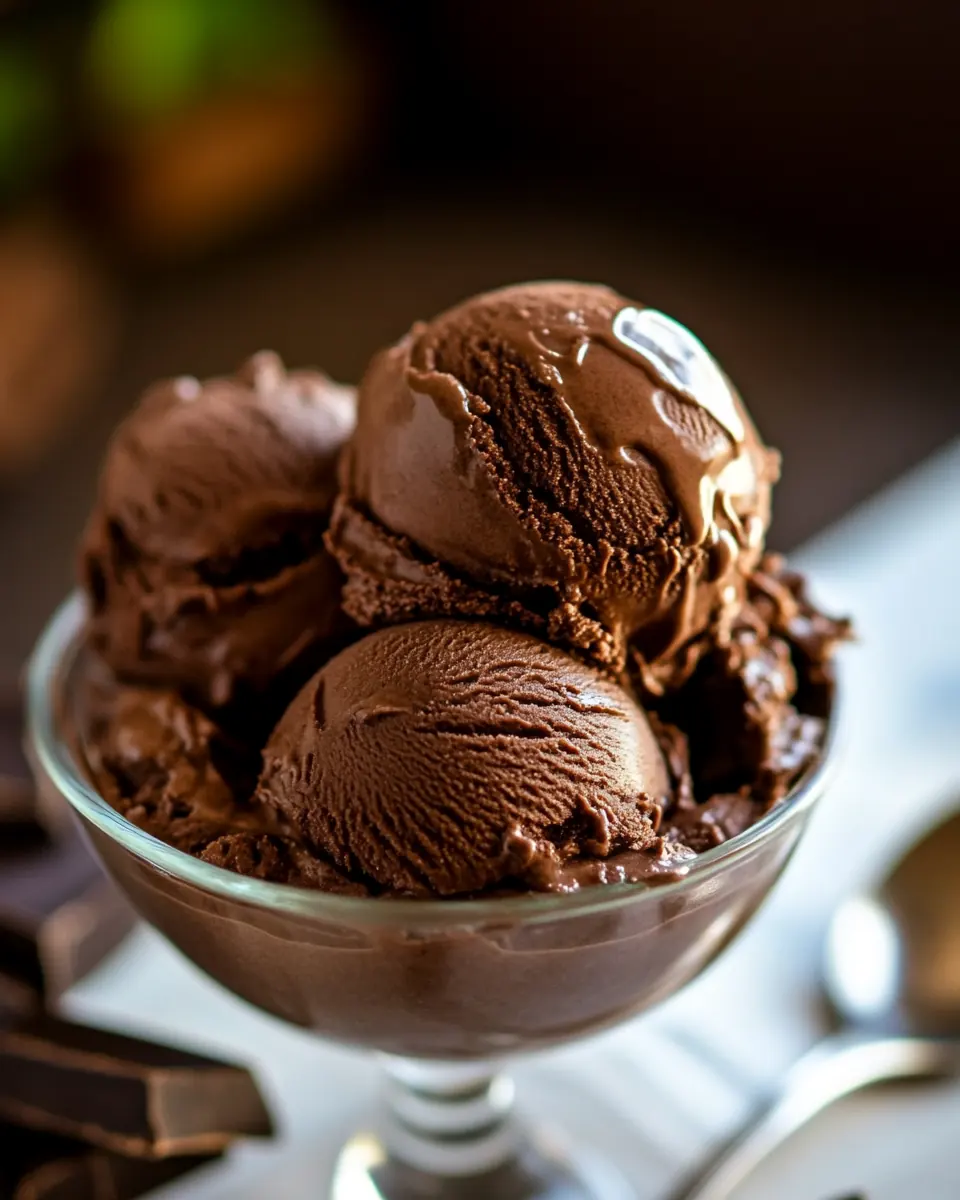
The ingredients for Vegan Chocolate Ice Cream are intentionally short and purposeful. Each element plays a clear role: the full fat coconut milk lends richness and a creamy mouthfeel, the cocoa powder provides concentrated chocolate flavor, and the nondairy milk and sweetener adjust texture and sweetness. Together they form a balanced base that churns into smooth frozen dessert without complicated stabilizers.
- 1 1/2 cups coconut milk (360 g) (Or see coconut free option below): Provide rich, creamy base and tropical flavor while contributing to smooth texture and fat content; use full-fat canned coconut milk for best results and shake well before measuring to incorporate solids and liquids evenly.
- 1/2 cup nondairy milk of choice or additional coconut milk (120 g): Add additional creaminess or reduce coconut flavor if desired; choose any unsweetened nondairy milk (almond, oat, soy) to adjust richness and mouthfeel while maintaining desired consistency.
- 1/4 cup cocoa powder (20 g): Impart deep chocolate flavor and color while balancing sweetness; sift natural or Dutch-processed cocoa powder to prevent lumps and bloom briefly with a small amount of warm liquid for optimal integration into the base.
- 1/2 cups sugar or pure maple syrup, or xylitol for sugar free (100 g): Sweeten and help with scoopability by lowering freezing point; use granulated sugar, pure maple syrup for flavor complexity, or xylitol as a sugar–free alternative and dissolve fully for an even texture.
- 1/8 tsp salt: Enhance overall flavor by balancing sweetness and intensifying chocolate notes; a small pinch of fine salt rounds out tastes and prevents a flat profile in the finished ice cream.
- 1/2 tsp pure vanilla extract () (optional): Round out flavor profile and add aromatic complexity when used; pure vanilla extract elevates chocolate and masks any bitter edges, and can be omitted without affecting structure.
Making This Vegan Chocolate Ice Cream
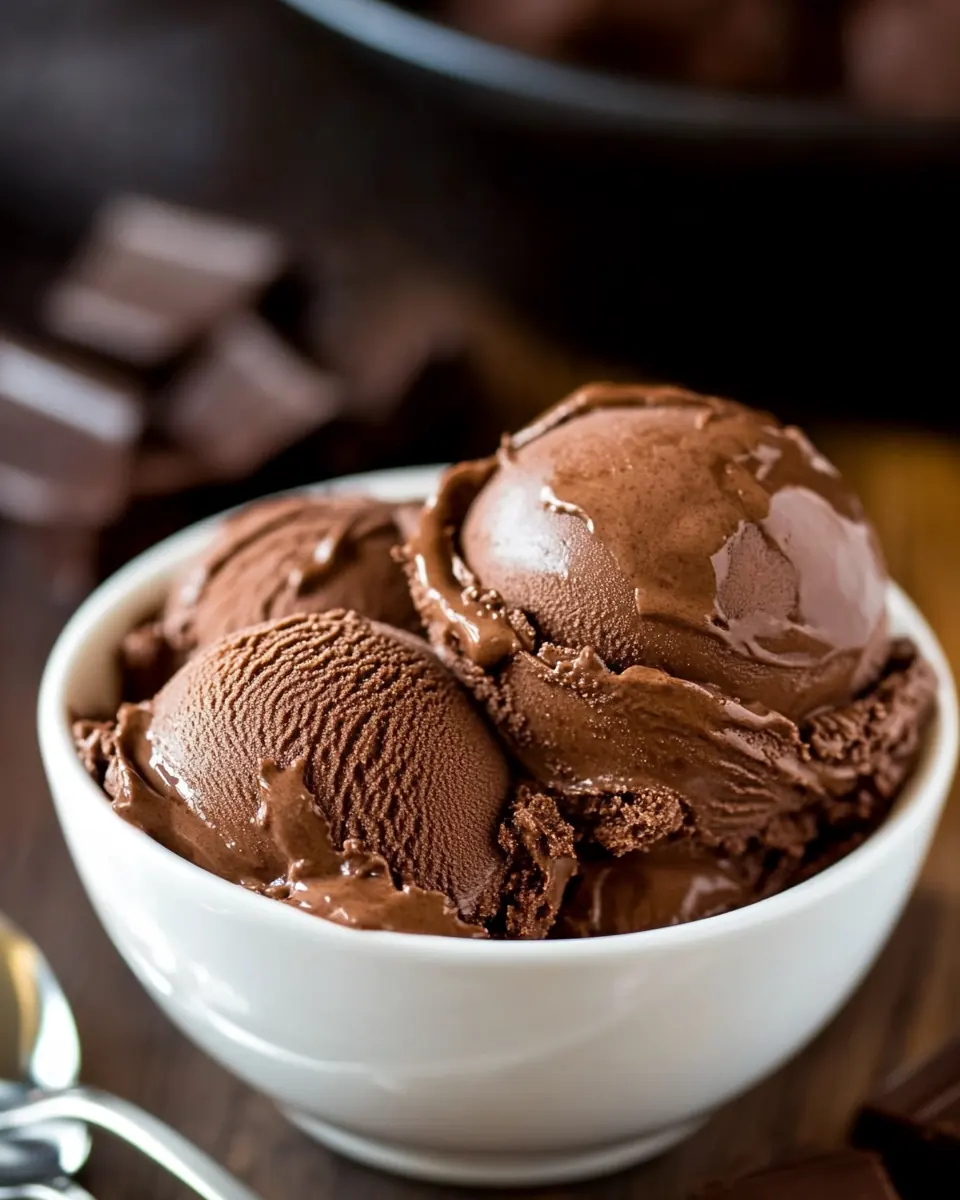
Turning this short ingredient list into creamy ice cream is straightforward, but the small technique points matter. Below I expand each direction into rich, sensory guidance so you can hit the same silky texture I aim for in my kitchen.
- To make vegan chocolate ice cream, first shake the can of coconut milk well. Whisk all ingredients for about a minute, until the cocoa powder dissolves. If you have an ice cream maker, simply pour the mixture into your chilled machine and process according to manufacturer's instructions. Enjoy as soft serve, or freeze the container about fifteen minutes for a firmer ice cream texture. If you do not own an ice cream machine, pour the chocolate mixture into ice cube trays. Freeze, then thaw just enough for a food processor or blender to handle the chocolate ice cubes. Blend until thick and creamy.: You will feel the weight shift when the cream has loosened, and the sound of the liquid moving inside is a quick cue that the solids and liquids are ready to blend. This step matters because the separated cream contains much of the fat that gives the ice cream its silkiness, and if you don’t reincorporate it the mixture can be uneven. A common mistake is pouring from a can with the thick cream stuck to one side, which leads to patches of overly fatty texture and other parts that are thin. If the can is very cold and the cream is solid, I warm it briefly in a bowl of warm water to help everything combine, but don’t make it hot, or you risk losing some of the structure that helps with freezing.
- Whisk all ingredients for about a minute, until the cocoa powder dissolves: As you whisk, watch for the glossy sheen that tells you the cocoa has integrated, and inhale the deep chocolate aroma that becomes more pronounced as the powders hydrate. The action of whisking introduces tiny air bubbles that lighten the mouthfeel, aiding churn performance. If you under whisk, lumps of cocoa powder can persist, creating gritty bits instead of a smooth ribbon of chocolate; over whisking is less risky here but can trap too much air, changing the density. Use a fine mesh sieve to sift the cocoa powder before mixing if you often struggle with clumps, and scrape the bowl to ensure no dry pockets remain.
- If you have an ice cream maker, simply pour the mixture into your chilled machine and process according to manufacturer's instructions: When you pour into a machine that is already cold, you will hear a steady churn and soon notice the mixture thickening and cooling, the sound shifting from liquid swish to a denser, heavier churn. This mechanical agitation is what creates small ice crystals and an airy structure, producing that familiar smooth scoopable texture. Start the machine cold, and follow the recommended processing time to avoid over churning which can lead to a grainy or icy finish. A frequent error is adding a warm base to a machine that has not fully chilled, which stresses the freezer bowl and yields slower set and larger crystals. Stop churning when the ice cream resembles soft serve, because it will firm up in the freezer.
- Enjoy as soft serve, or freeze the container about fifteen minutes for a firmer ice cream texture: The first spoonful has a glossy surface with a texture that yields easily, releasing cocoa scent and creamy mouthfeel. Short additional freezing firms the structure, reducing the melt rate while keeping it easy to scoop. If you leave it too long, the ice cream can become rock hard; plan for about fifteen minutes for a slightly denser scoop, and remember residual heat from your scooping spoon will help shape perfect balls. Avoid returning the container to the freezer repeatedly without covering it, as freezer burn and ice crystal formation will degrade flavor and mouthfeel.
- If you do not own an ice cream machine, pour the chocolate mixture into ice cube trays: Fill the trays evenly so the frozen cubes set uniformly, and you will notice the surface go from shiny to matte as the water in the mix crystallizes. Freezing in small portions speeds the solidifying process, which makes the later blending step easier and creates a smoother final texture because the processor works with many small frozen pieces instead of one large slab. A mistake people make is using oversized molds that take too long to freeze, producing uneven crystals. I tap the tray gently on the counter to remove air pockets before freezing for an even set.
- Freeze, then thaw just enough for a food processor or blender to handle the chocolate ice cubes: When the cubes become workable but still cold, they will rattle slightly in the bowl and feel firm to the touch. This brief thaw softens the edges so the blades can shear them into a creamy mass without overheating the mixture. The key is timing, because if you wait too long the cubes will liquefy and you lose that desirable churned texture; if you try to blitz them rock solid you risk straining your motor. A helpful trick is to let them sit at room temperature for about two minutes before processing and to add a splash of the reserved nondairy milk if the blades struggle.
- Blend until thick and creamy: As the processor works, listen for a change from harsh grinding to a smooth, steady hum, and watch the mixture transform into glossy swirls that cling to the blade. The smell will sharpen, and you will know it is done when the texture resembles soft serve and the surface forms peaks that slowly fold back. This emulsification makes the ice cream feel rich without dairy because the tiny fat droplets coat your palate. Over blending can warm the mixture and make it too thin, so pulse toward the end to maintain body. One common error is blending too long at high speed, which can create a runny consistency that will freeze too hard later.
How to Switch It Up
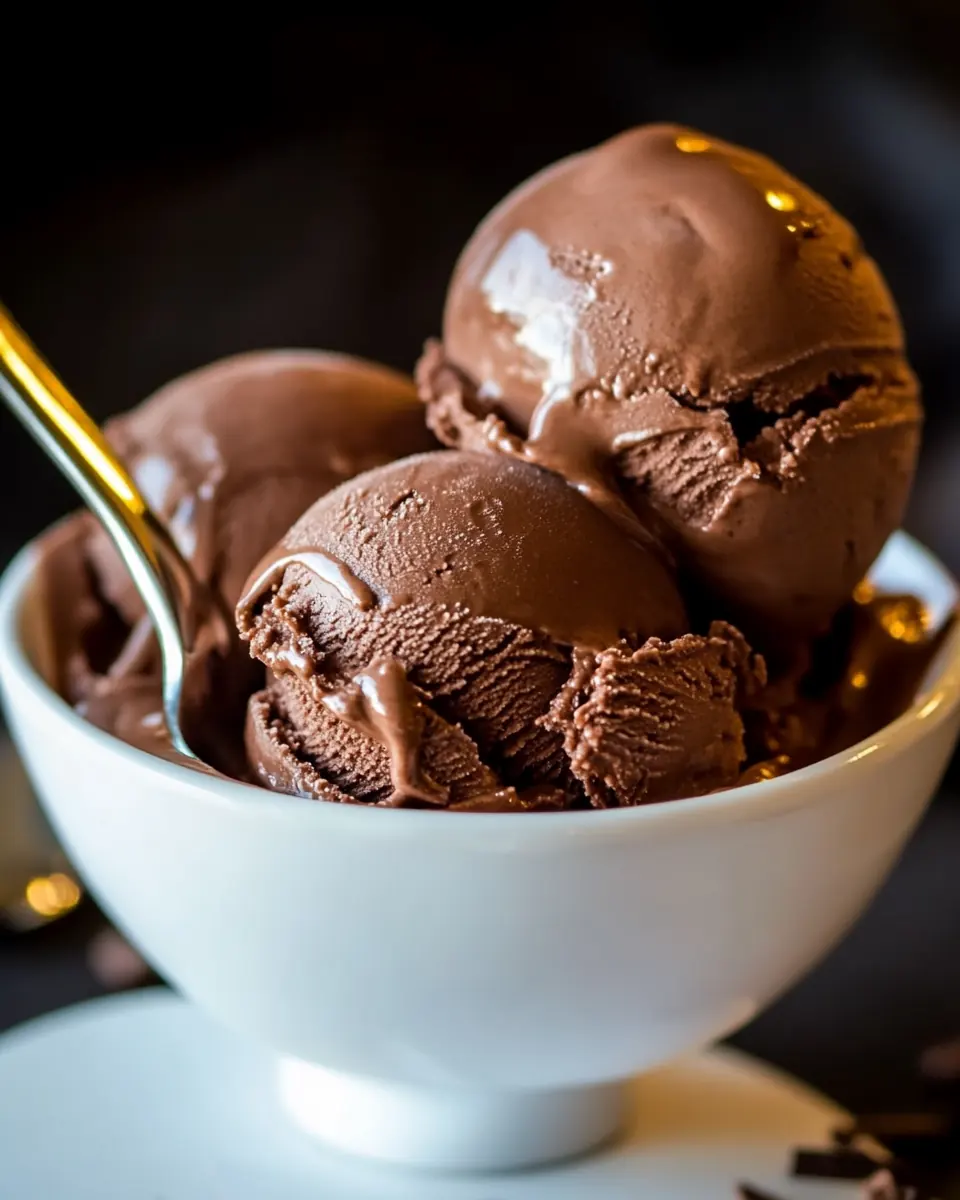
I like experimenting with small swaps to tune texture and flavor without changing the core recipe. Below are practical, creative ideas that keep the spirit of Vegan Chocolate Ice Cream while letting you personalize it for different tastes and needs.
- Try alternative nondairy milks Use oat milk or almond milk as the secondary liquid for a milder coconut presence and a slightly different mouthfeel, which is handy if you prefer a subtler base flavor.
- Maple for warm notes Swap sugar for pure maple syrup to add caramel like undertones that pair beautifully with dark cocoa, just be mindful of the added liquid and whisk thoroughly.
- Sugar free option Use xylitol as listed to keep it low sugar, but taste before freezing since sugar alcohols register differently cold and may require adjustment.
- Coconut free variation Replace the coconut milk with a concentrated oat milk base for those avoiding coconut, making sure to use a creamier branded oat milk to maintain body.
- Boost the chocolate Increase the cocoa powder slightly for a more intense, almost bittersweet profile; balance by adding a touch more sweetener if needed.
- Vanilla nuance Add the optional vanilla for aromatic depth, especially helpful if you use a lighter nondairy milk and want warming top notes.
Great Combinations for Vegan Chocolate Ice Cream
This ice cream is wonderfully versatile, whether you serve it casually or for a special moment. Think about textures and temperatures that play well with a rich, cold scoop, and consider seasonal pairings for maximum impact.
- Sundae style Top scoops with fresh berries for a bright contrast, or drizzle with warmed fruit compote to add acidity that lifts the chocolate.
- Simple pairing Serve alongside warm baked goods, such as a fruit galette or a dairy free brownie, where the hot and cold elements create a delightful tension.
- Portable treats Freeze slightly firmer and sandwich between two cookies to create ice cream sandwiches that travel well to picnics and parties.
- Occasion ideas This is excellent for summer gatherings and casual dessert after weeknight dinners, and it also fits easily into plant based holiday menus as a crowd friendly option.
- Storage tips Keep in an airtight container and press parchment directly on the surface to prevent ice crystals, and let it sit at room temperature for a few minutes before scooping to soften.
- Seasonal twists In cooler months, pair with spiced poached pears for a cozy dessert; in summer, serve with chilled espresso for an affogato style treat without dairy.
FAQ
Conclusion
This recipe’s simplicity and strong chocolate character make it stand out as a go to for easy, dairy free indulgence. Give it a try the next time you want a quick, satisfying dessert that still feels special. With minimal ingredients and flexible methods, it’s a comforting, accessible treat that adapts to your pantry and preferences, and I hope it soon becomes one of your reliable favorites.
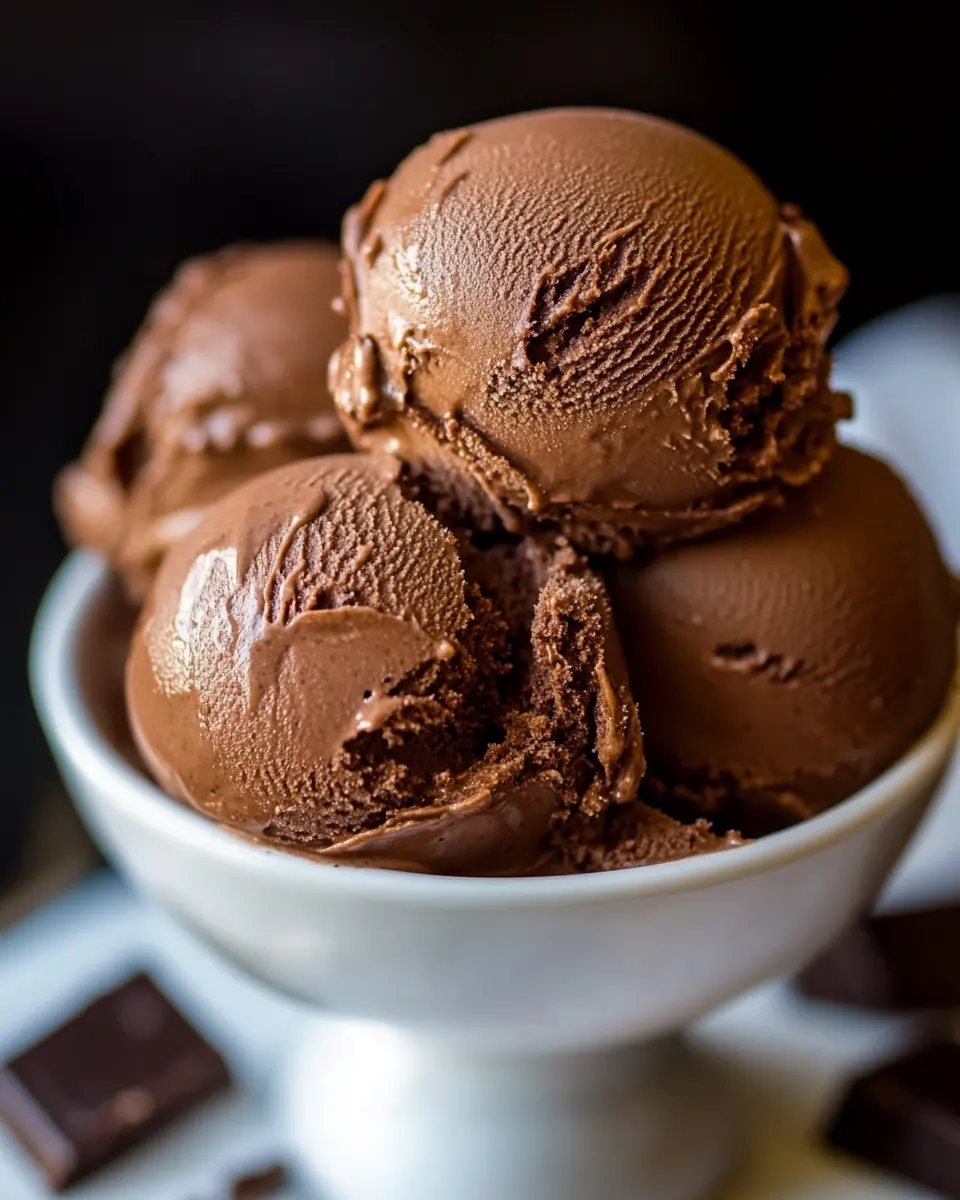
Vegan Chocolate Ice Cream
Ingredients
Equipment
Method
- To make vegan chocolate ice cream, first shake the can of coconut milk well. Whisk all ingredients for about a minute, until the cocoa powder dissolves. If you have an ice cream maker, simply pour the mixture into your chilled machine and process according to manufacturer's instructions. Enjoy as soft serve, or freeze the container about fifteen minutes for a firmer ice cream texture. If you do not own an ice cream machine, pour the chocolate mixture into ice cube trays. Freeze, then thaw just enough for a food processor or blender to handle the chocolate ice cubes. Blend until thick and creamy.: You will feel the weight shift when the cream has loosened, and the sound of the liquid moving inside is a quick cue that the solids and liquids are ready to blend. This step matters because the separated cream contains much of the fat that gives the ice cream its silkiness, and if you don’t reincorporate it the mixture can be uneven. A common mistake is pouring from a can with the thick cream stuck to one side, which leads to patches of overly fatty texture and other parts that are thin. If the can is very cold and the cream is solid, I warm it briefly in a bowl of warm water to help everything combine, but don’t make it hot, or you risk losing some of the structure that helps with freezing.
- Whisk all ingredients for about a minute, until the cocoa powder dissolves: As you whisk, watch for the glossy sheen that tells you the cocoa has integrated, and inhale the deep chocolate aroma that becomes more pronounced as the powders hydrate. The action of whisking introduces tiny air bubbles that lighten the mouthfeel, aiding churn performance. If you under whisk, lumps of cocoa powder can persist, creating gritty bits instead of a smooth ribbon of chocolate; over whisking is less risky here but can trap too much air, changing the density. Use a fine mesh sieve to sift the cocoa powder before mixing if you often struggle with clumps, and scrape the bowl to ensure no dry pockets remain.
- If you have an ice cream maker, simply pour the mixture into your chilled machine and process according to manufacturer's instructions: When you pour into a machine that is already cold, you will hear a steady churn and soon notice the mixture thickening and cooling, the sound shifting from liquid swish to a denser, heavier churn. This mechanical agitation is what creates small ice crystals and an airy structure, producing that familiar smooth scoopable texture. Start the machine cold, and follow the recommended processing time to avoid over churning which can lead to a grainy or icy finish. A frequent error is adding a warm base to a machine that has not fully chilled, which stresses the freezer bowl and yields slower set and larger crystals. Stop churning when the ice cream resembles soft serve, because it will firm up in the freezer.
- Enjoy as soft serve, or freeze the container about fifteen minutes for a firmer ice cream texture: The first spoonful has a glossy surface with a texture that yields easily, releasing cocoa scent and creamy mouthfeel. Short additional freezing firms the structure, reducing the melt rate while keeping it easy to scoop. If you leave it too long, the ice cream can become rock hard; plan for about fifteen minutes for a slightly denser scoop, and remember residual heat from your scooping spoon will help shape perfect balls. Avoid returning the container to the freezer repeatedly without covering it, as freezer burn and ice crystal formation will degrade flavor and mouthfeel.
- If you do not own an ice cream machine, pour the chocolate mixture into ice cube trays: Fill the trays evenly so the frozen cubes set uniformly, and you will notice the surface go from shiny to matte as the water in the mix crystallizes. Freezing in small portions speeds the solidifying process, which makes the later blending step easier and creates a smoother final texture because the processor works with many small frozen pieces instead of one large slab. A mistake people make is using oversized molds that take too long to freeze, producing uneven crystals. I tap the tray gently on the counter to remove air pockets before freezing for an even set.
- Freeze, then thaw just enough for a food processor or blender to handle the chocolate ice cubes: When the cubes become workable but still cold, they will rattle slightly in the bowl and feel firm to the touch. This brief thaw softens the edges so the blades can shear them into a creamy mass without overheating the mixture. The key is timing, because if you wait too long the cubes will liquefy and you lose that desirable churned texture; if you try to blitz them rock solid you risk straining your motor. A helpful trick is to let them sit at room temperature for about two minutes before processing and to add a splash of the reserved nondairy milk if the blades struggle.
- Blend until thick and creamy: As the processor works, listen for a change from harsh grinding to a smooth, steady hum, and watch the mixture transform into glossy swirls that cling to the blade. The smell will sharpen, and you will know it is done when the texture resembles soft serve and the surface forms peaks that slowly fold back. This emulsification makes the ice cream feel rich without dairy because the tiny fat droplets coat your palate. Over blending can warm the mixture and make it too thin, so pulse toward the end to maintain body. One common error is blending too long at high speed, which can create a runny consistency that will freeze too hard later.
Notes
- Try alternative nondairy milks Use oat milk or almond milk as the secondary liquid for a milder coconut presence and a slightly different mouthfeel, which is handy if you prefer a subtler base flavor.
- Maple for warm notes Swap sugar for pure maple syrup to add caramel like undertones that pair beautifully with dark cocoa, just be mindful of the added liquid and whisk thoroughly.
- Sugar free option Use xylitol as listed to keep it low sugar, but taste before freezing since sugar alcohols register differently cold and may require adjustment.
- Coconut free variation Replace the coconut milk with a concentrated oat milk base for those avoiding coconut, making sure to use a creamier branded oat milk to maintain body.
- Boost the chocolate Increase the cocoa powder slightly for a more intense, almost bittersweet profile; balance by adding a touch more sweetener if needed.
- Vanilla nuance Add the optional vanilla for aromatic depth, especially helpful if you use a lighter nondairy milk and want warming top notes.