Marinated Grilled Halibut with Cumin and Lime
Marinated Grilled Halibut with Cumin and Lime was one of those recipes that saved a slow summer evening for me, when the market had the most beautiful firm fish and I wanted something bright, savory, and quick to pull together.
I remember bringing the fish home, the bag warm from the sun, and thinking about simplicity. I wanted the fresh tang of lime to cut through the richness of the flesh, and a whisper of cumin to add earthiness without stealing the show. The first bite, with a squeeze of extra citrus, felt like a tiny celebration of the season.
Family and friends often show up hungry and unpredictable, and this dish became my go to because it is forgiving. I tend to marinade the pieces a bit longer when I’m distracted, but I also learned the hard way not to leave them overnight. The texture of the halibut stays flaky and moist when you treat it with a light hand, and the grill adds a subtle smokiness that makes weeknight dinners feel special.
Recipe Snapshot
30 mins
20 mins
10 mins
Medium
340 kcal
American
Keto, Paleo
Dinner
Grill, Ziploc bag or container, Fine grater or microplane, Fish spatula
Why This Marinated Grilled Halibut with Cumin and Lime Hits Different
Bright, balanced flavors
I adore how Marinated Grilled Halibut with Cumin and Lime balances citrus and spice. The lime lifts the palate while the cumin gives a gentle warmth, so each bite feels lively without being overpowering.
Fast and reliable
I reach for this recipe when I need an easy weeknight dinner that still impresses. With a short marinade and quick grill time, you get a satisfying meal in a flash, which is something I value after a busy day.
Textural contrast
The exterior gets a slight char and the interior stays tender. I love the way the grill marks add both a visual cue and a tiny crispness that contrasts with the delicate flake of the halibut.
Flexible and forgiving
I often swap oils or adjust the marinade intensity depending on what I have. This recipe forgives small timing slips, so even if your schedule changes, you can still deliver excellent results.
Great for gatherings
Serve this when you want to look like you planned something elegant without fuss. It scales easily, and people appreciate the fresh citrus finish, which makes it a versatile choice for casual barbecues or a light dinner party.
Key Ingredients for Marinated Grilled Halibut with Cumin and Lime
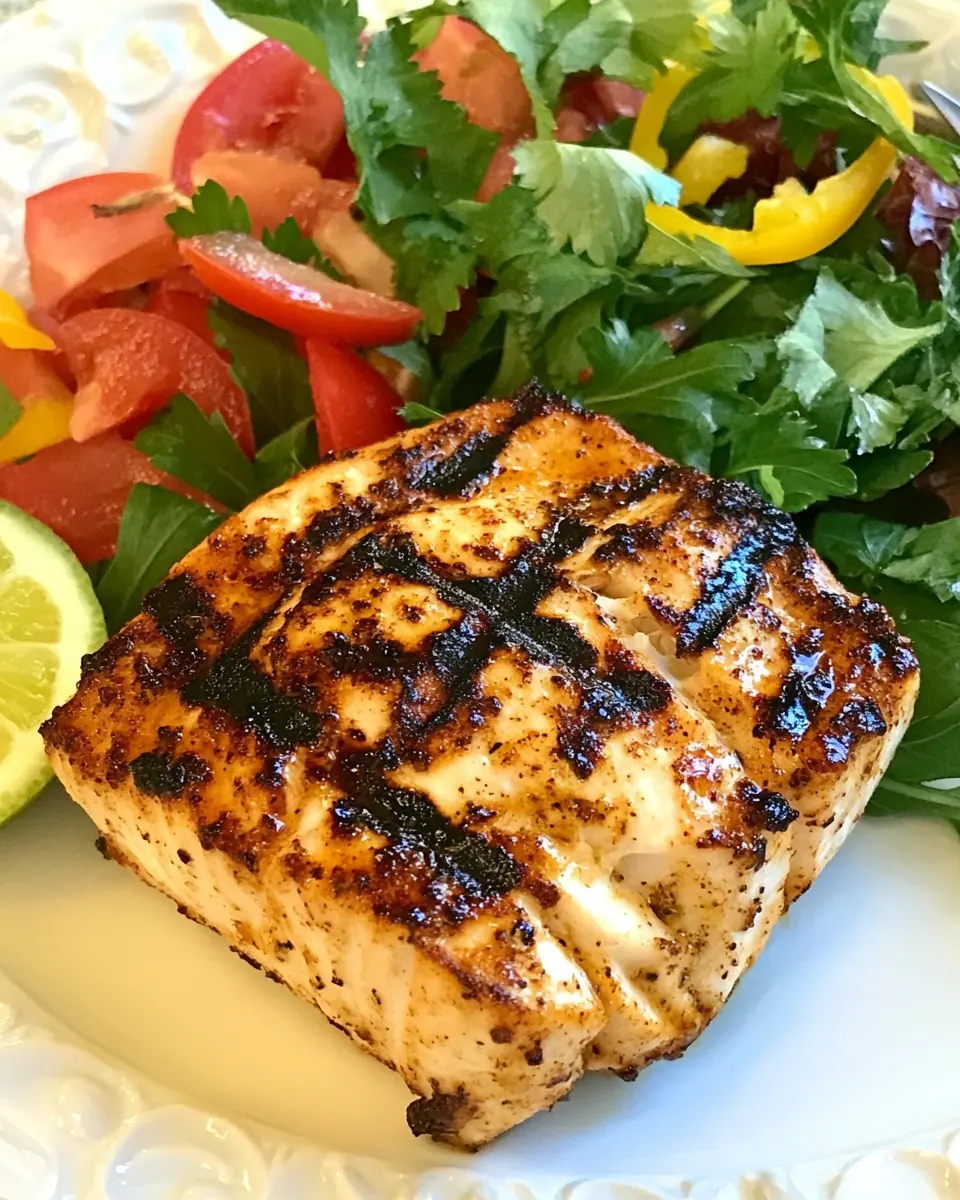
These ingredients are intentionally simple, built to highlight the natural sweetness of the fish while layering bright and warm flavors. The marinade components act as the supporting cast, amplifying the halibut without masking it. Choosing a neutral oil keeps the lime aroma front and center, while a dash of cumin adds depth.
- 4 halibut steaks or fillets (or other firm fish fillets): Firm and meaty, provides the primary protein and texture for the dish; holds up well to marinating and high-heat grilling without falling apart. Absorbs cumin and lime flavors while retaining a flaky, tender interior, making it ideal for a boldly seasoned, citrus-accented preparation.
How to Make Marinated Grilled Halibut with Cumin and Lime
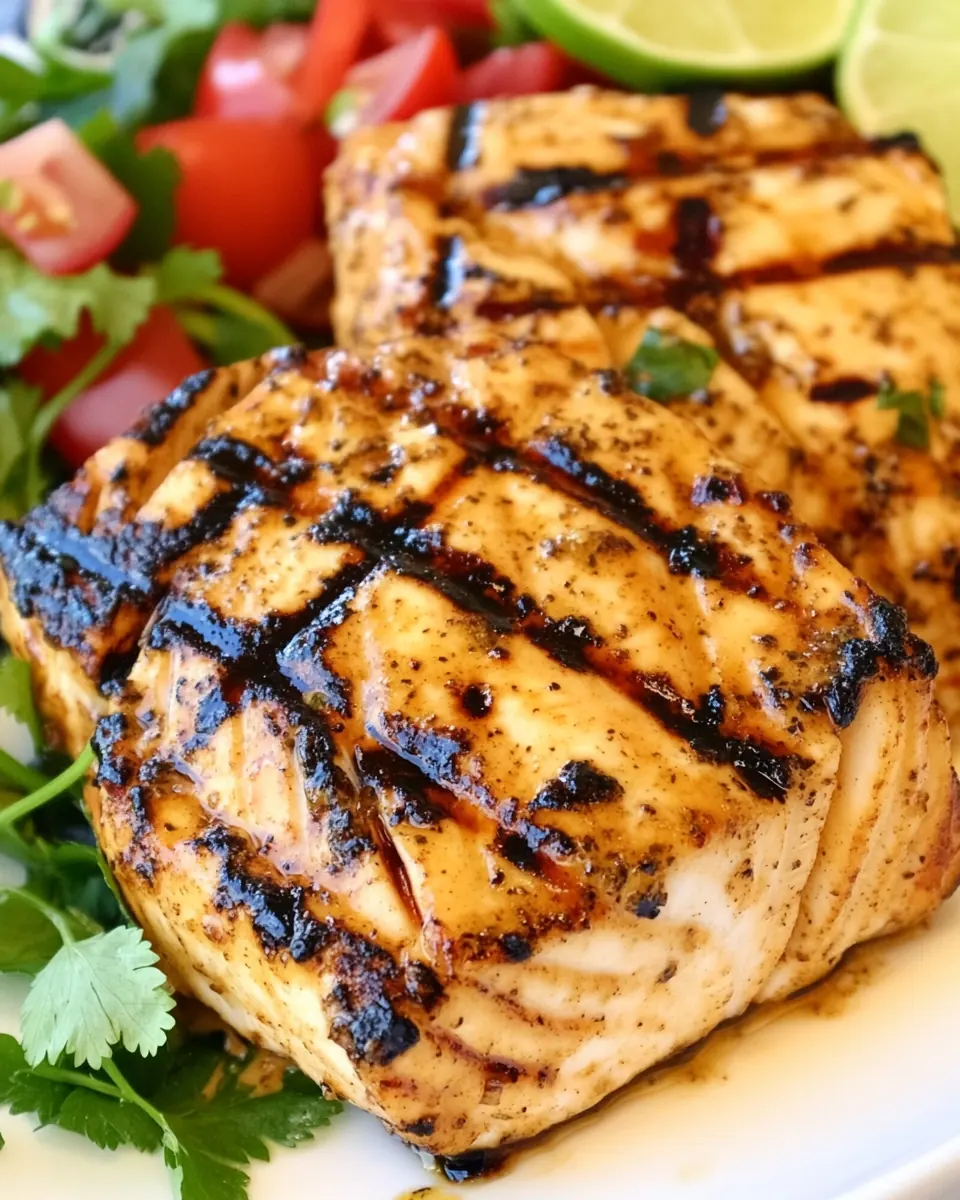
Grilling this dish is about rhythm and attention. The following steps expand each direction into practical, sensory rich guidance so you can grill with confidence. I write these steps the way I teach a friend at my own backyard grill.
- Zest the skin of one small lime. You can use a fine cheese grater to do this if you don't have a microplane grater, but this is one of my favorite kitchen tools.: The aroma when you gently grate the outer green layer of the lime is intensely citrusy, almost floral, and it immediately signals freshness. Use a fine grater or microplane and move the fruit slowly over the blade to avoid the bitter white pith. You will notice tiny oil droplets spraying as the zest releases fragrant oils, and that scent is a reliable cue that the zest is ready. Why this matters: zest carries concentrated flavor that juice alone cannot deliver, giving brightness without extra acidity. Troubleshooting tip: if you accidentally grate into the white pith you'll detect a bitter note, so stop as soon as the green is gone.
- Mix together lime juice, peanut oil (or other neutral-flavored oil), Worcestershire sauce or Gluten-Free Worcestershire Sauce, onion powder, garlic puree, ground cumin, lime zest, and black pepper to make the marinade.: The first inhale of this blend should be layered and vibrant, with the tang of fresh lime and the savory depth of the Worcestershire cutting through the oil's smoothness. Whisk until emulsified, so the spices distribute evenly across the marinade. Sensory guide: the mixture should smell bright and slightly smoky from the cumin , and it should look homogenous, not separated. Why this technique matters: an even marinade ensures every bite of halibut picks up flavor consistently. Common mistake: adding too much oil will drown the citrus notes, so measure carefully.
- Put the fish pieces into a Ziploc bag or a flat plastic container with a tight-fitting lid, pour in the marinade, and let it marinate in the fridge for 2-3 hours (but definitely not longer than that.): As the halibut soaks, you will see the surface take on a glossy sheen, and the flesh will become slightly firmer as the acid begins to work. The refrigeration keeps the texture safe while letting flavors develop. Sensory signs: after an hour the marinade fragrance will be present but subtle, after two to three hours the layers are well integrated. Why this timing matters: overmarinating can make the fish mealy because acid can begin to 'cook' the proteins. Troubleshooting tip: do not exceed three hours, as the texture will suffer.
- Take fish out of the fridge, drain it and discard the marinade, and let the pieces of fish come to room temperature.: Allowing the halibut to warm slightly helps it cook evenly on the grill. You might notice condensation on the fish when first removed from the fridge; pat it dry so the surface sears rather than steams. Sensory cue: when the pieces feel cool but not cold you are ready. Why this matters: room temperature fish gets a better crust and shorter, more controlled cook time. Troubleshooting tip: do not leave at room temperature for too long, aim for about 15 to 30 minutes only.
- Oil the grill or spray with non-stick spray and preheat to high (or only medium-high for a charcoal grill.): Preheating until the grates are very hot ensures immediate searing, which locks in moisture and creates those attractive grill marks. You will hear the quiet hiss when a drop of water hits the grate and evaporates quickly, which is a good indicator the grill is ready. Why this technique matters: a properly heated grill prevents sticking and promotes even caramelization. Troubleshooting tip: if the grates are not clean, the fish will stick, so scrub them first.
- When the fish is room temperature, brush on both sides with peanut oil (or any high-smoke point oil.): Brushing oil right before it hits the grates reduces sticking and helps heat transfer evenly. The oil should shimmer when heated, not smoke aggressively. Sensory detail: the surface will appear glossy and slightly tacky, which helps seasonings adhere. Why this step matters: oil creates a barrier that allows for a clean sear while protecting the delicate flesh. Troubleshooting tip: too much oil can cause flare ups, so brush lightly.
- If you want nice diagonal marks, lay the fish at an angle to the grill grates. Immediately turn the heat to medium-high and let fish cook at least 3 minutes without touching it.: The first contact should be deliberate and confident, and you will hear a soft sizzle as the proteins begin to set and caramelize. After a few minutes the edge will lift slightly when the sear is ready. Visual cue: look for defined lines of color forming where the fish touched the grates. Why this technique matters: angled placement creates attractive presentation and concentrated browning. Troubleshooting tip: moving the fish too soon prevents proper mark formation and may cause sticking.
- Then lift up the edge of the fish and as soon as you see grill marks have formed and fish lifts up without sticking, rotate each piece of fish so it's going the opposite way and cook about 3 more minutes to get criss-cross grill marks.: During this interval the surface undergoes Maillard reactions, developing a savory crust and a deeper aroma. You should hear a steady, gentle sizzle and smell the bright citrus mingling with warm spice. Why this matters: uninterrupted contact yields an even sear and prevents tearing. Troubleshooting tip: lifting to check too often breaks the developing crust and leads to uneven results.
- Then turn the fish over carefully using a Fish Spatula if you have one and cook on the second side until the fish feels firm (but not hard) to the touch. Total cooking time for grilled fish is about 10 minutes per inch of thickness. This was perfectly done in 10 minutes.: The rotation adds visual interest and concentrates crust formation at intersecting points. You will see deeper coloration and a firmer edge. Sensory note: the surface will smell caramelized but not burned. Why this matters: criss cross marks improve texture and presentation. Troubleshooting tip: forceful flipping before the fish releases will tear the flesh.
- Serve the Marinated Grilled Halibut hot, with extra cut limes to squeeze on if desired.: The second side cooks a bit faster because residual heat has penetrated the fillet, so watch closely. Press gently in the center, you want a springy, slightly resistant feel that indicates doneness. Sensory cues: the interior should be opaque and flaky, and the surface should give a soft crackle when touched. Why this matters: checking by touch prevents overcooking which causes dryness. Troubleshooting tip: rely on small presses rather than long probes that can release juices.
- Total cooking time for grilled fish is about 10 minutes per inch of thickness: Use thickness as your guiding rule, not strictly the clock, since grills vary. If your pieces are close to an inch, expect about ten minutes total, but thicker cuts will need more time. Sensory guide: watch for the fish to flake easily with a fork while still feeling moist. Why this rule matters: thickness correlates directly with heat penetration, which is the most reliable predictor of doneness. Troubleshooting tip: guessing by weight instead of thickness often leads to under or overcooked fish.
- Serve the Marinated Grilled Halibut hot, with extra cut limes to squeeze on if desired: Warmth enhances aroma, and a final squeeze of lime brightens flavor and ties the whole dish together. Present on a warm plate and invite guests to add more citrus to taste. Sensory finish: the juices should pop and the surface should carry that light char that complements the tender interior. Why this matters: finishing acids sharpen flavors and make the dish sing. Troubleshooting tip: avoid chilling the fish before serving, as it dulls both aroma and texture.
Recipe Notes about Marinated Grilled Halibut with Cumin and Lime
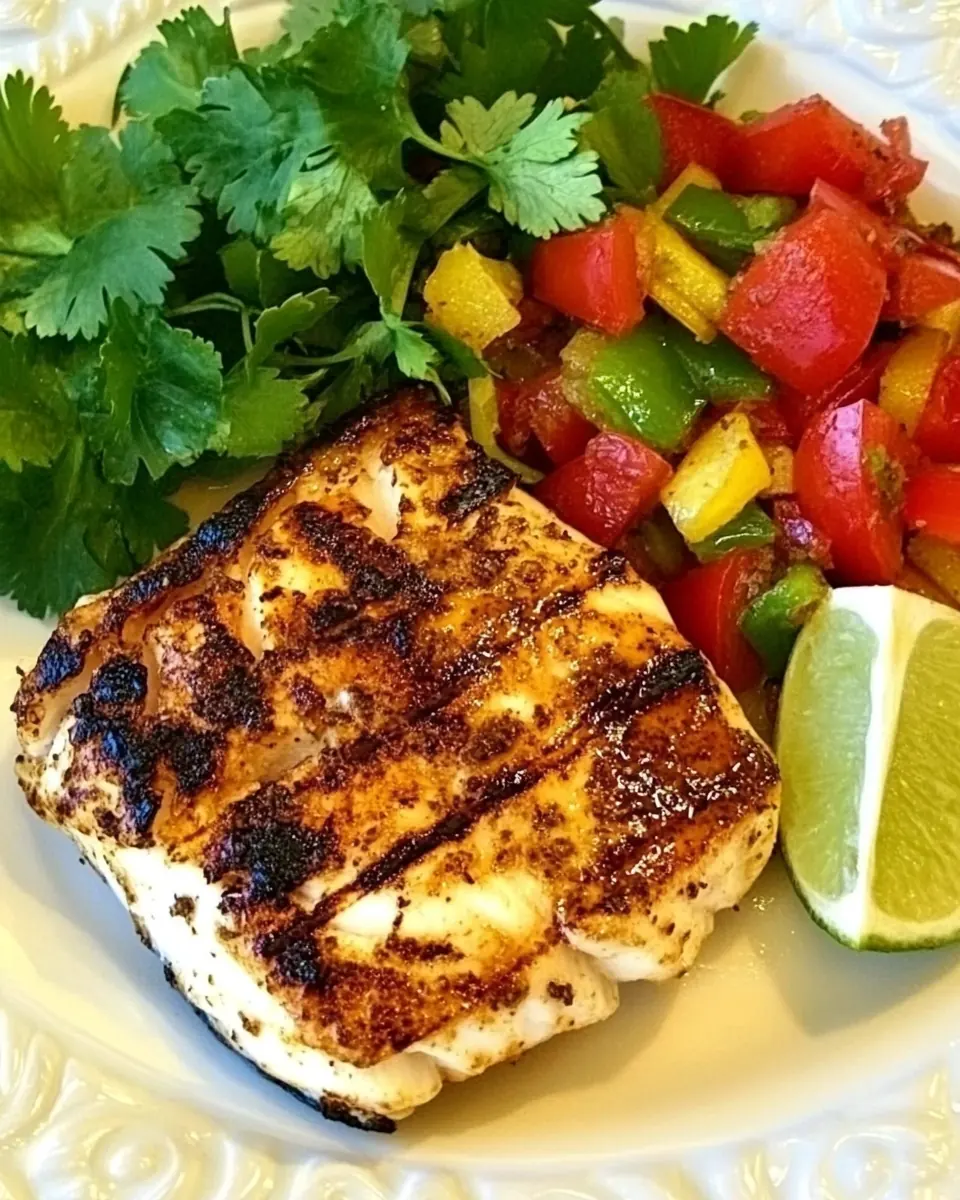
This dish benefits from a few practical touches that elevate the final result. Below are detailed notes and tricks I use every time I grill fish to keep the texture pristine and the flavor vibrant.
- Oil choice matters Choose a neutral, high smoke point oil like peanut or grapeseed. It helps the surface sear without imparting extra flavor, and it prevents smoking at high grill temperatures.
- Use fresh lime juice Freshly squeezed lime juice brightens the marinade in a way bottled juice cannot. It provides cleaner acidity and a fresher aroma that pairs beautifully with the cumin.
- Room temperature before grilling Letting the halibut warm slightly ensures even cooking and reduces the likelihood of undercooked centers while you wait for the exterior to color.
- Clean and oil grates A clean, well oiled grate prevents sticking and creates the best possible sear marks, improving both texture and appearance.
- Rest briefly after cooking Allow the fish to rest for a couple of minutes off the heat. This helps redistribute juices so each bite stays moist and flavorful.
Serving Suggestions
This grilled fish is versatile and presents beautifully for many occasions. Whether it is a casual family dinner or a small outdoor gathering, a few serving choices enhance the experience and keep the meal balanced.
- Serve with extra lime wedges so guests can add brightness to taste, which enhances the aromatic cumin notes.
- Pair with light salads such as a simple green salad or a cucumber and herb salad for contrasting cool textures and refreshing flavors.
- Offer grilled vegetables like zucchini or charred peppers to echo the smoky elements from the grill while keeping the plate colorful.
- For a summery meal present the fish alongside a chilled grain salad or fingerling potatoes dressed in lemon and herbs.
- Storage tip Refrigerate leftovers in an airtight container for up to two days; gently reheat to avoid drying the fish.
- Occasions This recipe suits weeknight dinners, weekend barbecues, and relaxed outdoor events during the summer months.
FAQ
Conclusion
This recipe stands out because it pairs bright citrus with warm spice and a gentle grill char, producing a balanced and satisfying result. Give it a try the next time you want an easy but impressive meal, and invite friends or family over for a casual summer dinner. The technique is forgiving, the flavors are lively, and the presentation is simple yet refined, making it a reliable favorite for many occasions.
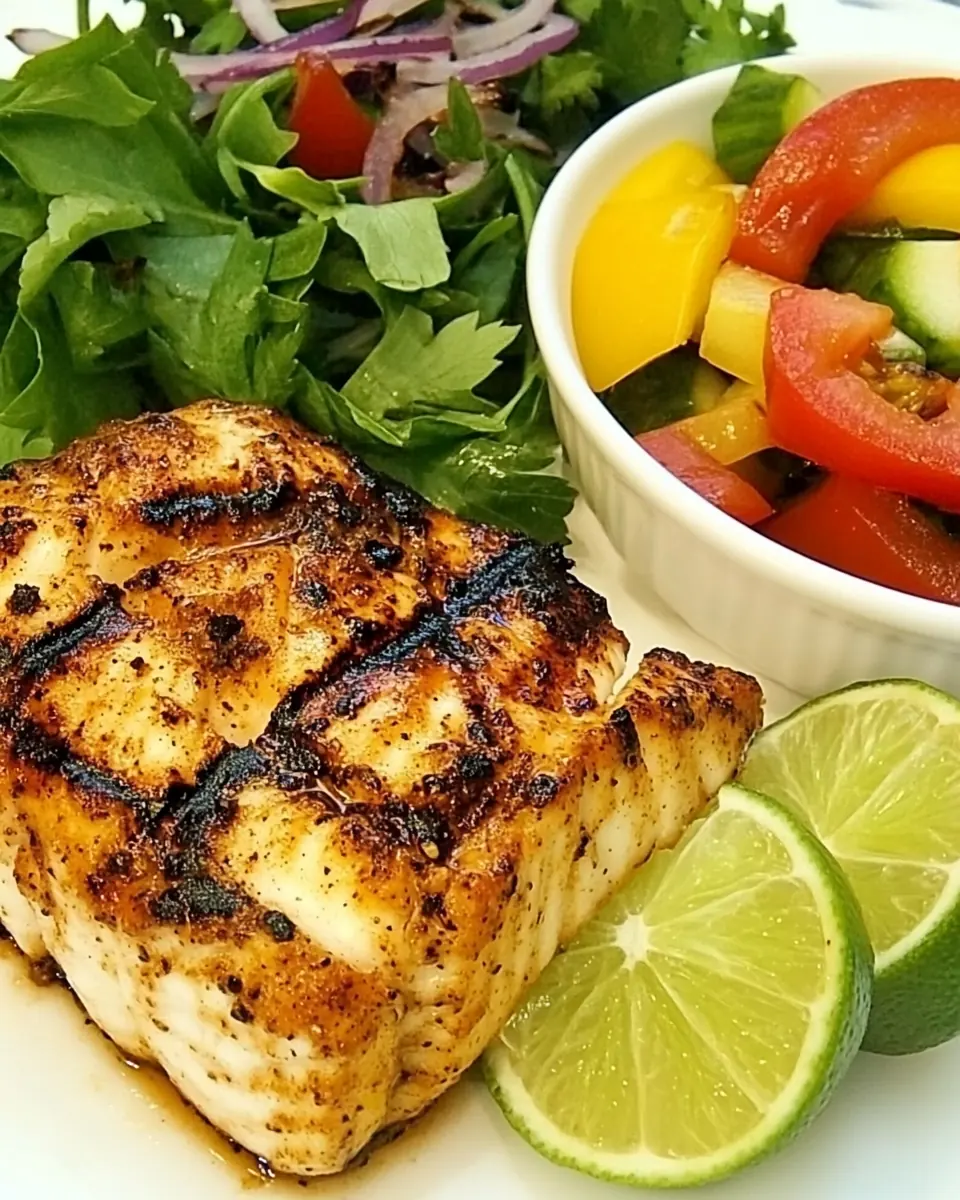
Marinated Grilled Halibut with Cumin and Lime
Ingredients
Equipment
Method
- Zest the skin of one small lime. You can use a fine cheese grater to do this if you don't have a microplane grater, but this is one of my favorite kitchen tools.: The aroma when you gently grate the outer green layer of the lime is intensely citrusy, almost floral, and it immediately signals freshness. Use a fine grater or microplane and move the fruit slowly over the blade to avoid the bitter white pith. You will notice tiny oil droplets spraying as the zest releases fragrant oils, and that scent is a reliable cue that the zest is ready. Why this matters: zest carries concentrated flavor that juice alone cannot deliver, giving brightness without extra acidity. Troubleshooting tip: if you accidentally grate into the white pith you'll detect a bitter note, so stop as soon as the green is gone.
- Mix together lime juice, peanut oil (or other neutral-flavored oil), Worcestershire sauce or Gluten-Free Worcestershire Sauce, onion powder, garlic puree, ground cumin, lime zest, and black pepper to make the marinade.: The first inhale of this blend should be layered and vibrant, with the tang of fresh lime and the savory depth of the Worcestershire cutting through the oil's smoothness. Whisk until emulsified, so the spices distribute evenly across the marinade. Sensory guide: the mixture should smell bright and slightly smoky from the cumin , and it should look homogenous, not separated. Why this technique matters: an even marinade ensures every bite of halibut picks up flavor consistently. Common mistake: adding too much oil will drown the citrus notes, so measure carefully.
- Put the fish pieces into a Ziploc bag or a flat plastic container with a tight-fitting lid, pour in the marinade, and let it marinate in the fridge for 2-3 hours (but definitely not longer than that.): As the halibut soaks, you will see the surface take on a glossy sheen, and the flesh will become slightly firmer as the acid begins to work. The refrigeration keeps the texture safe while letting flavors develop. Sensory signs: after an hour the marinade fragrance will be present but subtle, after two to three hours the layers are well integrated. Why this timing matters: overmarinating can make the fish mealy because acid can begin to 'cook' the proteins. Troubleshooting tip: do not exceed three hours, as the texture will suffer.
- Take fish out of the fridge, drain it and discard the marinade, and let the pieces of fish come to room temperature.: Allowing the halibut to warm slightly helps it cook evenly on the grill. You might notice condensation on the fish when first removed from the fridge; pat it dry so the surface sears rather than steams. Sensory cue: when the pieces feel cool but not cold you are ready. Why this matters: room temperature fish gets a better crust and shorter, more controlled cook time. Troubleshooting tip: do not leave at room temperature for too long, aim for about 15 to 30 minutes only.
- Oil the grill or spray with non-stick spray and preheat to high (or only medium-high for a charcoal grill.): Preheating until the grates are very hot ensures immediate searing, which locks in moisture and creates those attractive grill marks. You will hear the quiet hiss when a drop of water hits the grate and evaporates quickly, which is a good indicator the grill is ready. Why this technique matters: a properly heated grill prevents sticking and promotes even caramelization. Troubleshooting tip: if the grates are not clean, the fish will stick, so scrub them first.
- When the fish is room temperature, brush on both sides with peanut oil (or any high-smoke point oil.): Brushing oil right before it hits the grates reduces sticking and helps heat transfer evenly. The oil should shimmer when heated, not smoke aggressively. Sensory detail: the surface will appear glossy and slightly tacky, which helps seasonings adhere. Why this step matters: oil creates a barrier that allows for a clean sear while protecting the delicate flesh. Troubleshooting tip: too much oil can cause flare ups, so brush lightly.
- If you want nice diagonal marks, lay the fish at an angle to the grill grates. Immediately turn the heat to medium-high and let fish cook at least 3 minutes without touching it.: The first contact should be deliberate and confident, and you will hear a soft sizzle as the proteins begin to set and caramelize. After a few minutes the edge will lift slightly when the sear is ready. Visual cue: look for defined lines of color forming where the fish touched the grates. Why this technique matters: angled placement creates attractive presentation and concentrated browning. Troubleshooting tip: moving the fish too soon prevents proper mark formation and may cause sticking.
- Then lift up the edge of the fish and as soon as you see grill marks have formed and fish lifts up without sticking, rotate each piece of fish so it's going the opposite way and cook about 3 more minutes to get criss-cross grill marks.: During this interval the surface undergoes Maillard reactions, developing a savory crust and a deeper aroma. You should hear a steady, gentle sizzle and smell the bright citrus mingling with warm spice. Why this matters: uninterrupted contact yields an even sear and prevents tearing. Troubleshooting tip: lifting to check too often breaks the developing crust and leads to uneven results.
- Then turn the fish over carefully using a Fish Spatula if you have one and cook on the second side until the fish feels firm (but not hard) to the touch. Total cooking time for grilled fish is about 10 minutes per inch of thickness. This was perfectly done in 10 minutes.: The rotation adds visual interest and concentrates crust formation at intersecting points. You will see deeper coloration and a firmer edge. Sensory note: the surface will smell caramelized but not burned. Why this matters: criss cross marks improve texture and presentation. Troubleshooting tip: forceful flipping before the fish releases will tear the flesh.
- Serve the Marinated Grilled Halibut hot, with extra cut limes to squeeze on if desired.: The second side cooks a bit faster because residual heat has penetrated the fillet, so watch closely. Press gently in the center, you want a springy, slightly resistant feel that indicates doneness. Sensory cues: the interior should be opaque and flaky, and the surface should give a soft crackle when touched. Why this matters: checking by touch prevents overcooking which causes dryness. Troubleshooting tip: rely on small presses rather than long probes that can release juices.
- Total cooking time for grilled fish is about 10 minutes per inch of thickness: Use thickness as your guiding rule, not strictly the clock, since grills vary. If your pieces are close to an inch, expect about ten minutes total, but thicker cuts will need more time. Sensory guide: watch for the fish to flake easily with a fork while still feeling moist. Why this rule matters: thickness correlates directly with heat penetration, which is the most reliable predictor of doneness. Troubleshooting tip: guessing by weight instead of thickness often leads to under or overcooked fish.
- Serve the Marinated Grilled Halibut hot, with extra cut limes to squeeze on if desired: Warmth enhances aroma, and a final squeeze of lime brightens flavor and ties the whole dish together. Present on a warm plate and invite guests to add more citrus to taste. Sensory finish: the juices should pop and the surface should carry that light char that complements the tender interior. Why this matters: finishing acids sharpen flavors and make the dish sing. Troubleshooting tip: avoid chilling the fish before serving, as it dulls both aroma and texture.
Notes
- Oil choice matters Choose a neutral, high smoke point oil like peanut or grapeseed. It helps the surface sear without imparting extra flavor, and it prevents smoking at high grill temperatures.
- Use fresh lime juice Freshly squeezed lime juice brightens the marinade in a way bottled juice cannot. It provides cleaner acidity and a fresher aroma that pairs beautifully with the cumin.
- Room temperature before grilling Letting the halibut warm slightly ensures even cooking and reduces the likelihood of undercooked centers while you wait for the exterior to color.
- Clean and oil grates A clean, well oiled grate prevents sticking and creates the best possible sear marks, improving both texture and appearance.
- Rest briefly after cooking Allow the fish to rest for a couple of minutes off the heat. This helps redistribute juices so each bite stays moist and flavorful.