Stove Top Meatloaf
Stove Top Meatloaf has been a comfort anchor in my kitchen for years, the kind of dinner that turns rushed evenings into warm memories. The first time I made this, I was juggling errands and a toddler who wanted a story at the table, and yet the dish came together with a simplicity that felt like a small miracle. The bright tang of ketchup and the soft, cozy texture of the stuffing mixture reminded me that good food does not need to be complicated to be memorable.
Over time I’ve adjusted timing and technique, learning to trust small sensory cues rather than strict timers. When I press the loaf into the pan I listen for a faint settling sound, and when the top glosses with that sweet glaze I know the aroma will soon fill the house. These little habits made Stove Top Meatloaf a weeknight staple, and I love how leftovers transform into equally satisfying lunches the next day.
Recipe Snapshot
1 hr 12 mins
12 mins
60 mins
Medium
350 kcal
American
Gluten-Free, Low FODMAP
Dinner
Loaf pan, Rimmed baking sheet, Mixing bowls, Measuring cups, Foil
Why Try This Stove Top Meatloaf
Comfort without fuss
I adore Stove Top Meatloaf because it gives you classic, homey flavors without a long ingredient list. I can feel the reassurance of a dinner that comes together quickly, yet tastes like it took hours. The balance of savory ground beef and seasoned stuffing creates a texture that is both tender and slightly springy, which makes each bite satisfying.
Reliable weeknight winner
When my evenings run short, I reach for this recipe. It fits into busy schedules, and I can walk away while it bakes, knowing it will emerge golden and fragrant. The technique is forgiving, so even when I’m distracted I still get a great result.
Family friendly appeal
Kids and adults both gravitate toward the sweet glaze and familiar flavors. I’ve watched picky eaters come around one slice at a time. The dish is flexible for serving — it pairs with a wide range of sides, making it an easy crowd pleaser for casual gatherings.
Textural harmony
The interplay between the moist interior and the slightly sticky topping gives a lovely mouthfeel. The Stove Top stuffing soaks up juices and keeps the loaf from drying out, while the glaze adds a glossy finish that enhances both flavor and appearance.
Hands off but satisfying
I value recipes that require a few focused minutes of prep and then let the oven do the rest. This one rewards patience with rich aromas and a finished loaf that slices cleanly, serving as a straightforward centerpiece for comforting family meals.
What You Need for Stove Top Meatloaf
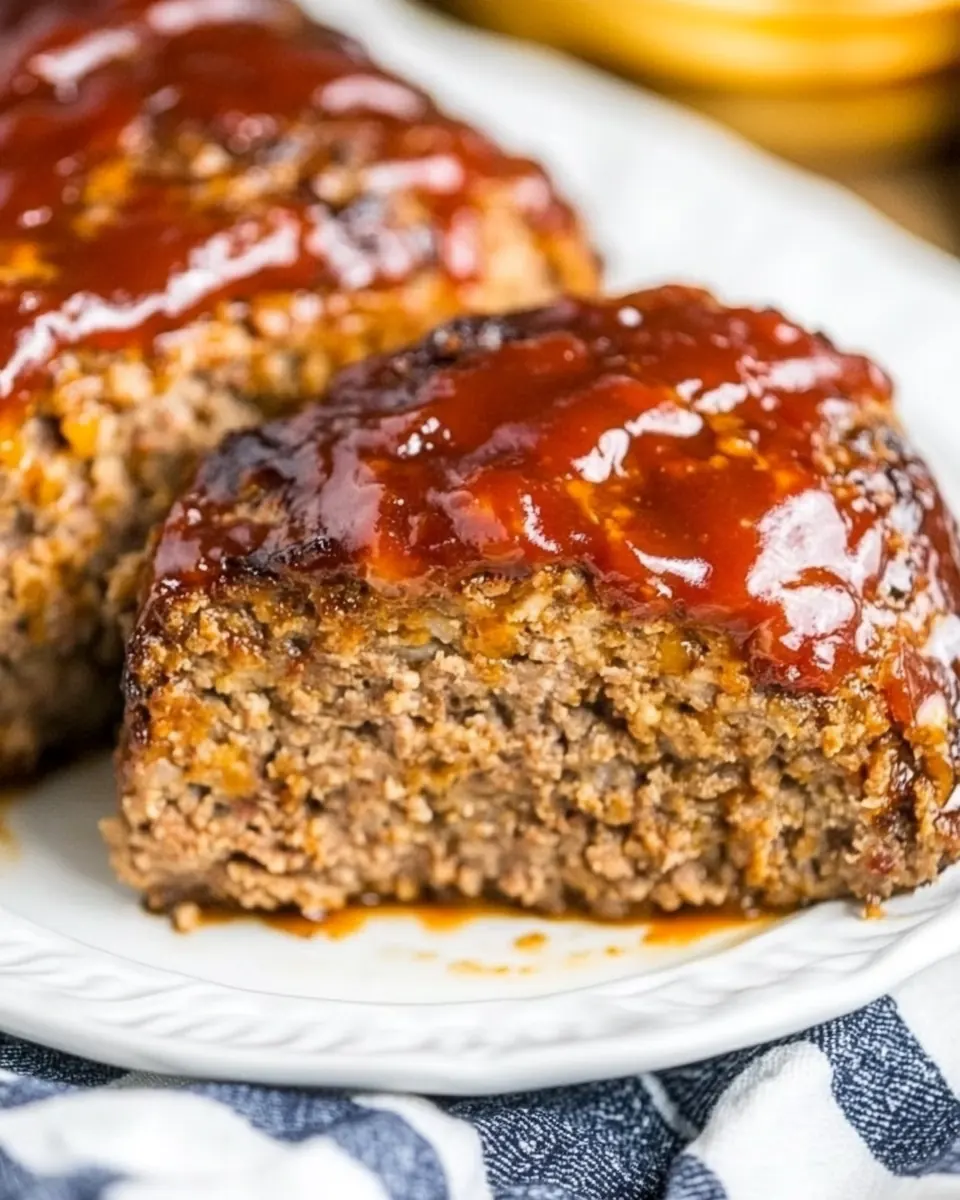
This ingredient list reflects a philosophy of reliable pantry staples elevated by a few key players. The topping ingredients build a sweet tangy glaze that contrasts the savory loaf, while the stuffing and milk create a tender crumb that holds together perfectly. Together these items produce a cozy, well rounded dish that feels both nostalgic and practical.
- 1 cup ketchup: Adds a sweet and tangy glaze that helps bind the topping and keeps the meatloaf moist; spreads easily and caramelizes slightly during baking to create a glossy finish.
- 2 tablespoons packed brown sugar: Provides deep, molasses-like sweetness and helps balance the acidity of other components; packs densely so measure firmly and stir into the glaze until fully dissolved.
- 1 tablespoon yellow mustard: Contributes bright, sharp acidity and a mild heat that cuts through richness; blends smoothly with sweet components to enhance overall flavor complexity.
- 2 teaspoons Worcestershire sauce: Imparts savory umami depth and a subtle salty tang that elevates the meat mixture; a small amount goes a long way toward rounding out flavors.
- 1 teaspoon onion powder: Delivers concentrated onion flavor without added moisture, offering consistent savory notes; mixes evenly into the meat for uniform seasoning.
- 1 box Stove Top stuffing, any flavor: Adds bulk and a seasoned binder that helps hold the meatloaf together while contributing optional herbs and spices from the chosen flavor; absorbs moisture from milk and eggs.
- 1/2 cup milk: Provides moisture that hydrates the stuffing mix and keeps the meatloaf tender; controls texture by adjusting slightly up or down as needed for firmness.
- 2 large eggs, lightly beaten: Acts as a binding agent that helps hold the meatloaf together and contributes richness; beaten eggs incorporate air for a lighter texture when mixed gently.
- 2 pounds ground beef: Serves as the primary protein and base, supplying fat for flavor and juiciness; combines with binders and seasonings to form the loaf and determines overall texture.
How to Assemble Stove Top Meatloaf
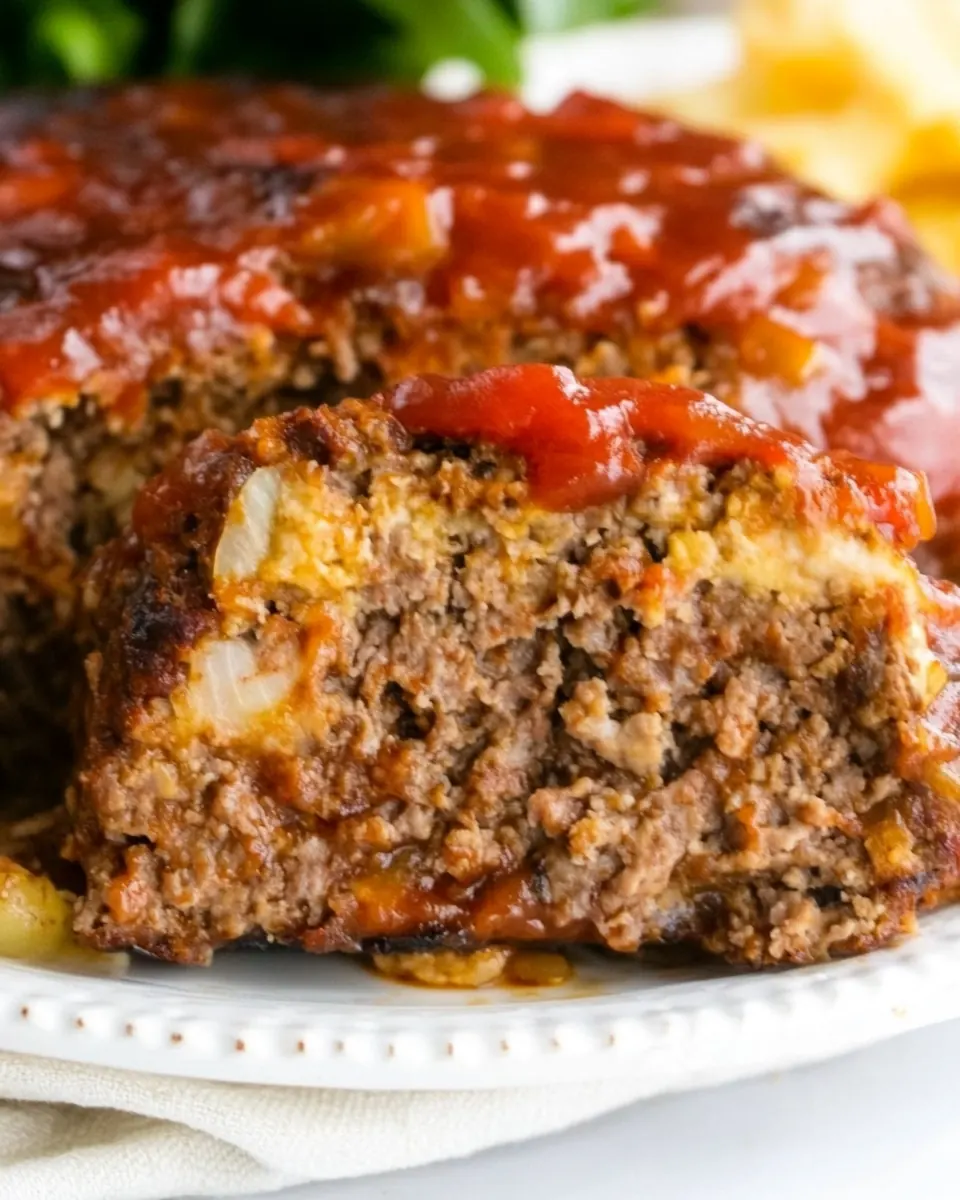
These directions will walk you through assembling and baking the loaf with an emphasis on sensory cues and practical checks. Follow each step and pay attention to aroma and appearance, they are your best indicators. I like to keep a timer handy, but also trust the color and texture changes as the loaf cooks.
- Preheat oven to 350 degrees. Line a 9×5-inch loaf pan with aluminum foil. Spray with cooking spray.: The warm, dry air of a fully preheated oven ensures even baking and proper browning, producing that golden top and cooked through center that you want. You'll notice a gentle, steady heat when you open the oven, and the loaf will develop a stable structure as it bakes. A common mistake is putting the loaf into an oven that is not fully preheated, which can lead to uneven cooking and a dense texture; always wait until the oven reaches the set temperature before sliding the pan in. Use an oven thermometer if your oven runs hot or cool, and line your loaf pan with aluminum foil so cleanup is effortless when juices bubble out.
- Stir together first 5 ingredients in a bowl. Set aside. Place dry Stove Top stuffing in a large bowl. Add milk, eggs, and 1/3 cup of the ketchup mixture. Stir together and let sit a few minutes.: Lining the pan creates a smooth surface for pressing the meat mixture and makes it much easier to lift the loaf out when it's done, preserving slices. The foil reflects some heat and helps the edges cook uniformly, while spraying with cooking spray prevents sticking. If you skip the spray, the loaf can adhere to the foil and tear when you remove it, so be generous with a light coating of spray. Press the foil into the corners cleanly so there are no air pockets under the loaf, which could cause uneven baking.
- Add ground beef to the bowl. Mix until evenly combined.: As you whisk the ketchup , brown sugar , yellow mustard , Worcestershire sauce , and onion powder , you'll smell a bright, caramelized sweetness that hints at the finished glaze. Mixing these flavors ahead allows them to marry and concentrate, producing a balanced topping that will cling to the loaf. A frequent oversight is under-stirring, leaving pockets of dry spice; be thorough so every bite has consistent flavor. Let the mixture rest briefly to thicken slightly and for the aromatics to bloom.
- Transfer mixture to prepared pan, pressing it in evenly. Top with the ketchup mixture.: The dry crumbs are porous and will readily absorb the milk and eggs , so they form the tender backbone of the loaf. When you add liquids, they expand and create a springy matrix that keeps the meat moist. A misstep people make is adding too much liquid at once, which can make the stuffing gummy; measure and add gradually, letting the crumbs hydrate evenly. Allow the mixture to sit a few minutes after combining so the crumbs fully soften.
- Place on a rimmed baking sheet in case any juices overflow. Bake for 55 to 60 minutes.: Pouring the milk , lightly beaten eggs , and a portion of the glaze into the stuffing releases fragrant steam and a slightly yeasty aroma as the crumbs hydrate. This step integrates flavors into the stuffing and prepares the binder to meld with the ground beef . Avoid overmixing here, which can lead to an overly tight texture; combine gently until the mixture is uniform. Letting it rest for a few minutes ensures the crumbs fully absorb the liquids, producing a consistent, tender interior.
- Let cool for 10 to 15 minutes before removing from pan and slicing.: During this pause you will notice the mixture thicken and the aromas deepen, signaling that the stuffing has fully hydrated. This short rest is crucial, because under-hydrated stuffing can leave the loaf dry in the center. A common error is skipping this wait, which reduces cohesion; give it time to bloom so the final texture is soft and even. You'll see the crumbs plump and the mixture hold together when gently pressed.
- Add ground beef to the bowl: When the ground beef meets the hydrated stuffing, the bowl fills with a meaty, savory perfume that promises comfort. Mixing until evenly combined ensures every slice carries the same balance of meat and binder. Be careful not to overwork the meat, as vigorous mixing makes the loaf dense and tough; use gentle folding motions until homogeneous. If the blend seems too wet, brief chilling will firm it, making it easier to shape without compressing it too tightly.
- Mix until evenly combined: As you combine, notice the uniform texture and the way the mixture holds a light shape when pressed; that indicates proper binding. Even incorporation prevents pockets of seasoning or dry stuffing, ensuring predictable results. A typical mistake is leaving streaks of unincorporated glue like sauce or dry crumbs, so inspect the mixture for consistency. If needed, adjust by hand to feel for lumps or dry pockets, smoothing them out for even cooking.
- Transfer mixture to prepared pan pressing it in evenly: Pressing the mixture into the pan helps it bake with a compact, uniform profile, which yields neat slices. You'll feel the mixture settle under your palms and hear a soft compression sound, and the loaf should reach the pan edges without air gaps. Press too hard and the loaf becomes dense; press too lightly and it may crumble when sliced. Aim for even thickness from end to end so the loaf cooks consistently, and smooth the surface to accept the glaze evenly.
- Top with the ketchup mixture: Spoon the reserved glaze across the top and use the back of a spoon to spread a glossy, thin layer that will caramelize into a flavorful crust. The sweet smell of ketchup and brown sugar will lift as it warms in the oven, signaling the loaf is nearing readiness. Avoid a thick, heavy layer which can run off and burn; a moderate coating bakes into a balanced, slightly sticky finish. Save a little glaze for reheating slices if you like an extra shine.
- Place on a rimmed baking sheet: Setting the loaf pan on a rimmed sheet catches any juices that escape, keeping your oven clean and allowing you to easily pull the loaf out without spilling. The gentle sizzle of trapped drips on the hot sheet is normal and indicates the meat is releasing juices as it cooks. Neglecting the sheet risks burning loaf drips onto the oven floor, creating smoke and extra work later. Use a rimmed pan sturdy enough to hold the loaf without warping under heat.
- Bake for 55 to 60 minutes: As it bakes the loaf emits rich, roasted aromas and the glaze will darken and thicken, showing that the sugars are caramelizing. You should see the top set and edges pull slightly away from the foil, a visual cue that it is done. Relying solely on time can be misleading because ovens vary; use a thermometer if uncertain, aiming for an internal temperature of 160 degrees for ground beef . A common problem is overbaking, which dries the loaf, so begin checking toward the lower end of the range.
- Let cool for 10 to 15 minutes: Resting allows the juices to redistribute, and you will notice a decrease in steaming when slicing, leading to cleaner cuts and a moister texture. The loaf firms slightly, making it easier to lift out and slice without crumbling. Cutting too soon causes juices to spill and a loose texture, so patience here improves presentation and mouthfeel. I like to tent the loaf lightly with foil during this rest to maintain warmth while still allowing the surface to set.
Recipe Notes about Stove Top Meatloaf
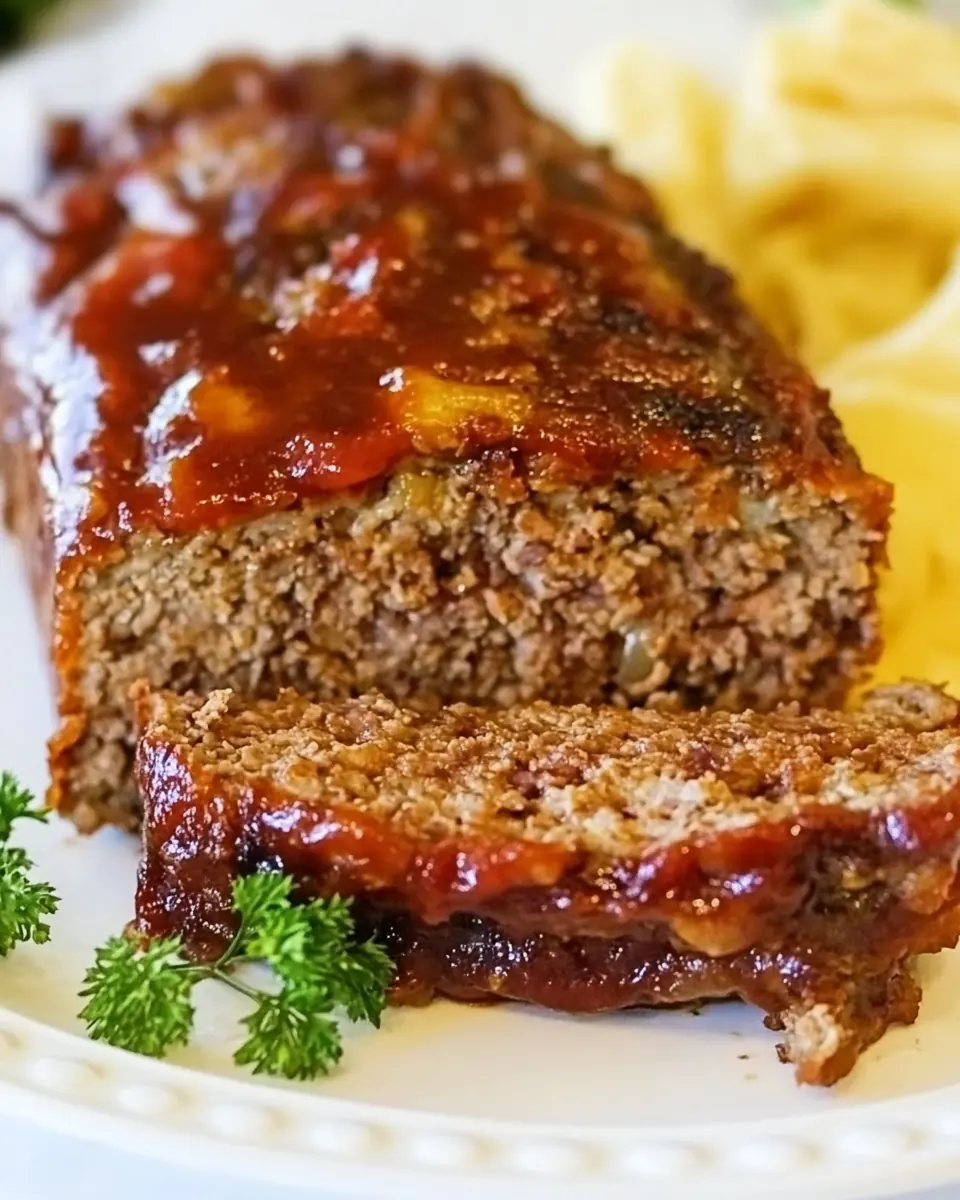
I like to keep notes concise and practical so you can adjust this recipe to your taste and kitchen equipment. Below are reliable tips I use when making Stove Top Meatloaf, each note highlights a small action that yields a better final result.
- Measure the glaze ingredients precisely. The balance of ketchup, brown sugar, and yellow mustard is what gives the top its characteristic sweet tang. If the glaze is too sweet or too sharp, the finished loaf will taste imbalanced, so stick to the amounts and taste the mixture before using it.
- Hydrate the stuffing evenly. Pour the milk gradually and let the crumbs sit a few minutes to fully soften. This prevents gummy or dry pockets in the loaf, producing a consistent, tender interior that slices cleanly.
- Handle the meat gently. Overworking ground beef makes the texture tight and dry. Use folding motions to incorporate ingredients and stop as soon as everything is evenly distributed, your hands are often the best tool for feeling evenness.
- Use a rimmed baking sheet under the pan. It catches overflow and prevents smoke in your oven. This small precaution saves cleanup time and keeps your oven smelling pleasant, especially if the glaze bubbles over during baking.
- Check internal temperature toward the end. Aim for 160 degrees internal for ground beef to be safely cooked yet still juicy. Timings vary by oven and loaf density, so a quick thermometer check prevents overcooking and ensures moist slices.
Side Dish Ideas for Stove Top Meatloaf
This loaf pairs well with a range of sides for weeknight dinners or casual gatherings. Below I outline complementary dishes, serving styles, and storage notes so you can plan the whole meal. Think in terms of texture contrast and temperature balance.
- Creamy mashed potatoes. The silky starch soaks up the glaze and juices beautifully, making each bite comforting. Serve warm and spoon some of the pan juices over the potatoes for extra flavor.
- Steamed green vegetables. Lightly steamed vegetables such as green beans or broccoli add color, crispness, and a bright counterpoint to the rich loaf. Dress them with a squeeze of lemon or a light drizzle of olive oil.
- Simple mixed salad. A crisp salad with a tangy vinaigrette refreshes the palate and keeps the plate from feeling too heavy. Use seasonal greens and a sharp dressing to cut through the richness.
- Roasted root vegetables. Carrots, parsnips, and potatoes develop caramelized edges that echo the loaf’s sweet glaze. Roast at a high temperature until golden for the best texture contrast.
- Occasions and serving suggestions. This dish works for casual family dinners, potlucks, or cozy winter evenings when you want something hearty and familiar. Slice and arrange on a platter for gatherings to make serving easier and more presentable.
- Storage tips. Refrigerate leftovers within two hours in an airtight container, they will keep for three to four days. Reheat gently in a low oven to preserve moisture, and add a touch of extra glaze or broth if the loaf seems dry.
- Seasonal pairings. In winter, pair with roasted squash and warm buttered rolls; in milder months, lighten the plate with a crisp salad and herbed potatoes for a fresher feel.
FAQ
Conclusion
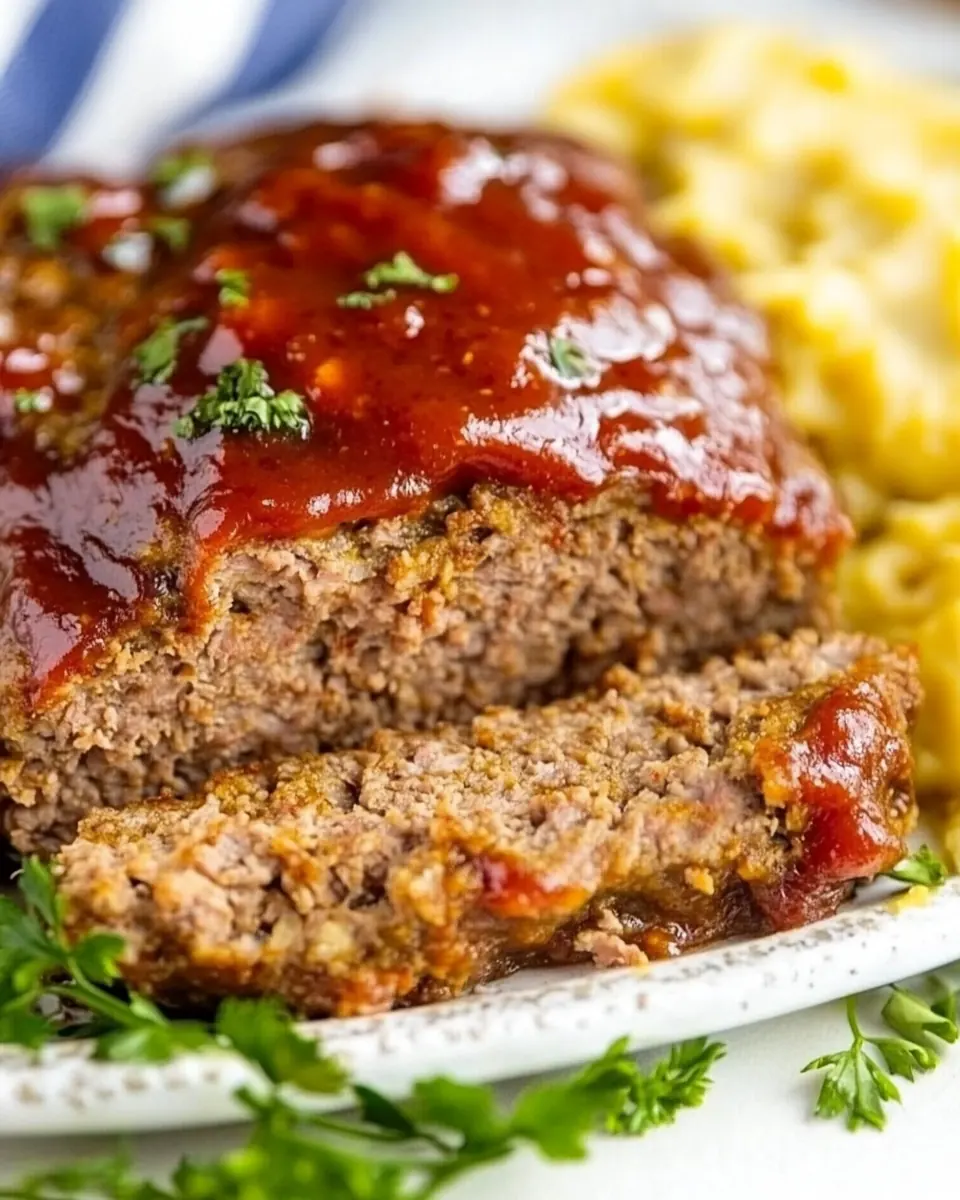
Stove Top Meatloaf stands out for its simple pantry ingredients and reliably comforting results. The combination of seasoned stuffing and a glossy ketchup glaze creates a tender, flavorful loaf that works for busy weeknights and relaxed family dinners alike. I encourage you to give it a try, noticing the aromas and textures as it bakes, and trust the small steps that turn basic ingredients into something warmly familiar. Serve it with a favorite side and enjoy the way a straightforward recipe brings people together.
Stove Top Meatloaf
Ingredients
Equipment
Method
- Preheat oven to 350 degrees. Line a 9×5-inch loaf pan with aluminum foil. Spray with cooking spray.: The warm, dry air of a fully preheated oven ensures even baking and proper browning, producing that golden top and cooked through center that you want. You'll notice a gentle, steady heat when you open the oven, and the loaf will develop a stable structure as it bakes. A common mistake is putting the loaf into an oven that is not fully preheated, which can lead to uneven cooking and a dense texture; always wait until the oven reaches the set temperature before sliding the pan in. Use an oven thermometer if your oven runs hot or cool, and line your loaf pan with aluminum foil so cleanup is effortless when juices bubble out.
- Stir together first 5 ingredients in a bowl. Set aside. Place dry Stove Top stuffing in a large bowl. Add milk, eggs, and 1/3 cup of the ketchup mixture. Stir together and let sit a few minutes.: Lining the pan creates a smooth surface for pressing the meat mixture and makes it much easier to lift the loaf out when it's done, preserving slices. The foil reflects some heat and helps the edges cook uniformly, while spraying with cooking spray prevents sticking. If you skip the spray, the loaf can adhere to the foil and tear when you remove it, so be generous with a light coating of spray. Press the foil into the corners cleanly so there are no air pockets under the loaf, which could cause uneven baking.
- Add ground beef to the bowl. Mix until evenly combined.: As you whisk the ketchup , brown sugar , yellow mustard , Worcestershire sauce , and onion powder , you'll smell a bright, caramelized sweetness that hints at the finished glaze. Mixing these flavors ahead allows them to marry and concentrate, producing a balanced topping that will cling to the loaf. A frequent oversight is under-stirring, leaving pockets of dry spice; be thorough so every bite has consistent flavor. Let the mixture rest briefly to thicken slightly and for the aromatics to bloom.
- Transfer mixture to prepared pan, pressing it in evenly. Top with the ketchup mixture.: The dry crumbs are porous and will readily absorb the milk and eggs , so they form the tender backbone of the loaf. When you add liquids, they expand and create a springy matrix that keeps the meat moist. A misstep people make is adding too much liquid at once, which can make the stuffing gummy; measure and add gradually, letting the crumbs hydrate evenly. Allow the mixture to sit a few minutes after combining so the crumbs fully soften.
- Place on a rimmed baking sheet in case any juices overflow. Bake for 55 to 60 minutes.: Pouring the milk , lightly beaten eggs , and a portion of the glaze into the stuffing releases fragrant steam and a slightly yeasty aroma as the crumbs hydrate. This step integrates flavors into the stuffing and prepares the binder to meld with the ground beef . Avoid overmixing here, which can lead to an overly tight texture; combine gently until the mixture is uniform. Letting it rest for a few minutes ensures the crumbs fully absorb the liquids, producing a consistent, tender interior.
- Let cool for 10 to 15 minutes before removing from pan and slicing.: During this pause you will notice the mixture thicken and the aromas deepen, signaling that the stuffing has fully hydrated. This short rest is crucial, because under-hydrated stuffing can leave the loaf dry in the center. A common error is skipping this wait, which reduces cohesion; give it time to bloom so the final texture is soft and even. You'll see the crumbs plump and the mixture hold together when gently pressed.
- Add ground beef to the bowl: When the ground beef meets the hydrated stuffing, the bowl fills with a meaty, savory perfume that promises comfort. Mixing until evenly combined ensures every slice carries the same balance of meat and binder. Be careful not to overwork the meat, as vigorous mixing makes the loaf dense and tough; use gentle folding motions until homogeneous. If the blend seems too wet, brief chilling will firm it, making it easier to shape without compressing it too tightly.
- Mix until evenly combined: As you combine, notice the uniform texture and the way the mixture holds a light shape when pressed; that indicates proper binding. Even incorporation prevents pockets of seasoning or dry stuffing, ensuring predictable results. A typical mistake is leaving streaks of unincorporated glue like sauce or dry crumbs, so inspect the mixture for consistency. If needed, adjust by hand to feel for lumps or dry pockets, smoothing them out for even cooking.
- Transfer mixture to prepared pan pressing it in evenly: Pressing the mixture into the pan helps it bake with a compact, uniform profile, which yields neat slices. You'll feel the mixture settle under your palms and hear a soft compression sound, and the loaf should reach the pan edges without air gaps. Press too hard and the loaf becomes dense; press too lightly and it may crumble when sliced. Aim for even thickness from end to end so the loaf cooks consistently, and smooth the surface to accept the glaze evenly.
- Top with the ketchup mixture: Spoon the reserved glaze across the top and use the back of a spoon to spread a glossy, thin layer that will caramelize into a flavorful crust. The sweet smell of ketchup and brown sugar will lift as it warms in the oven, signaling the loaf is nearing readiness. Avoid a thick, heavy layer which can run off and burn; a moderate coating bakes into a balanced, slightly sticky finish. Save a little glaze for reheating slices if you like an extra shine.
- Place on a rimmed baking sheet: Setting the loaf pan on a rimmed sheet catches any juices that escape, keeping your oven clean and allowing you to easily pull the loaf out without spilling. The gentle sizzle of trapped drips on the hot sheet is normal and indicates the meat is releasing juices as it cooks. Neglecting the sheet risks burning loaf drips onto the oven floor, creating smoke and extra work later. Use a rimmed pan sturdy enough to hold the loaf without warping under heat.
- Bake for 55 to 60 minutes: As it bakes the loaf emits rich, roasted aromas and the glaze will darken and thicken, showing that the sugars are caramelizing. You should see the top set and edges pull slightly away from the foil, a visual cue that it is done. Relying solely on time can be misleading because ovens vary; use a thermometer if uncertain, aiming for an internal temperature of 160 degrees for ground beef . A common problem is overbaking, which dries the loaf, so begin checking toward the lower end of the range.
- Let cool for 10 to 15 minutes: Resting allows the juices to redistribute, and you will notice a decrease in steaming when slicing, leading to cleaner cuts and a moister texture. The loaf firms slightly, making it easier to lift out and slice without crumbling. Cutting too soon causes juices to spill and a loose texture, so patience here improves presentation and mouthfeel. I like to tent the loaf lightly with foil during this rest to maintain warmth while still allowing the surface to set.
Notes
- Measure the glaze ingredients precisely. The balance of ketchup, brown sugar, and yellow mustard is what gives the top its characteristic sweet tang. If the glaze is too sweet or too sharp, the finished loaf will taste imbalanced, so stick to the amounts and taste the mixture before using it.
- Hydrate the stuffing evenly. Pour the milk gradually and let the crumbs sit a few minutes to fully soften. This prevents gummy or dry pockets in the loaf, producing a consistent, tender interior that slices cleanly.
- Handle the meat gently. Overworking ground beef makes the texture tight and dry. Use folding motions to incorporate ingredients and stop as soon as everything is evenly distributed, your hands are often the best tool for feeling evenness.
- Use a rimmed baking sheet under the pan. It catches overflow and prevents smoke in your oven. This small precaution saves cleanup time and keeps your oven smelling pleasant, especially if the glaze bubbles over during baking.
- Check internal temperature toward the end. Aim for 160 degrees internal for ground beef to be safely cooked yet still juicy. Timings vary by oven and loaf density, so a quick thermometer check prevents overcooking and ensures moist slices.