Protein Cereal Bars
Protein Cereal Bars became my go to when I needed something portable, filling, and honestly a little nostalgic. The first time I made them I was chasing a mid afternoon slump, juggling emails and a growing hunger, and these bars rescued the day. They have that familiar cereal crunch paired with a chewy, slightly sticky binder that makes them feel like a treat, yet they actually sustain me through meetings.
I remember mixing a bowl of Cheerios with a scoop of vanilla protein powder, thinking it would be a lazy experiment. The aroma of warm peanut butter meeting sweet brown rice syrup was such a small comfort. Once pressed into the pan, the mixture set into tidy bars that were delightfully simple to slice and pack. Over time I learned little tricks to keep them from crumbling and to adjust sweetness without losing the satisfying chew.
Friends started asking for the recipe after they tasted the texture and the energy boost. It became a staple for hikes, quick breakfasts, and busy school mornings. I love how versatile the base is, letting you fold in extras or keep it classic. When you want something that feels homemade and just a touch grown up, these bars are the calm in the chaos.
Recipe Snapshot
6 mins
5 mins
1 mins
Easy
200 kcal
American
Gluten-Free, Vegan
Breakfast
Mixing bowl, Measuring cup, 8 x 8 inch tray, Parchment paper, Microwave or small saucepan, Sharp knife
The Appeal of This Protein Cereal Bars
1. Quick and Practical
I love that Protein Cereal Bars come together in minutes, which is a real lifesaver on hectic mornings. Mixing a handful of pantry staples means you can have a nutritious snack without a long ingredient list or complicated steps, and that ease makes it repeatable week after week.
2. Balanced Energy
These bars combine crunchy cereal with protein rich powder and peanut butter, which helps stabilize blood sugar and keeps you full longer than a simple granola bar. I find they bridge the gap between snack and mini meal, which is why I often stash a couple in my bag.
3. Texture Play
The contrast between crisp cereal and the chewy binder of peanut butter and brown rice syrup is so appealing. I enjoy tweaking the press time and chilling method to get either a firmer bar or a slightly softer bite, depending on the season.
4. Customizable Base
Because the template is simple, you can swap protein types or nut butters to suit your pantry or diet. I appreciate that flexibility, since substitutions change the mouthfeel and flavor while keeping the same satisfying structure.
5. Portable and Shareable
These bars are sturdy enough to travel, and I frequently make a batch for car trips or coffees with friends. They slice nicely, making presentation effortless when you want to bring a homemade snack to a gathering.
Essential Ingredients for Protein Cereal Bars
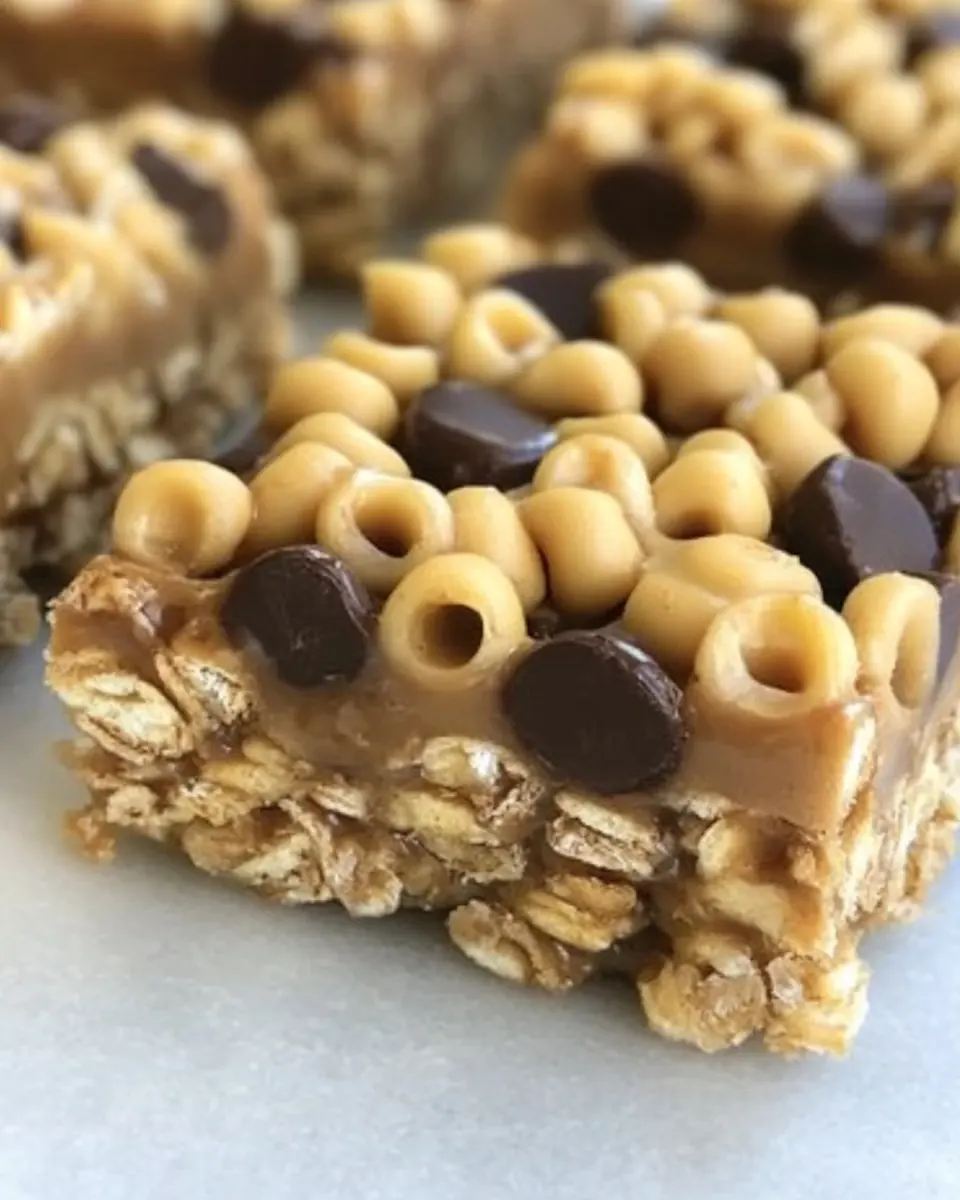
The philosophy here is simple, functional baking that leans on pantry champions. Each ingredient plays a clear role: one brings crunch, one provides protein and body, another lends fat and binding power, and the last adds sweetness and elasticity. Together they create bars that hold up, taste comforting, and travel well. I focus on balance so the bars are neither too hard nor too sticky, and so every bite offers both texture and staying power.
- 2 cups Cheerios or any dry cereal: Provides a crunchy, familiar cereal base that gives bulk and texture to the bars while absorbing binders and flavors; choose whole-grain or plain varieties to control sweetness and nutrition. Offers a neutral backdrop that pairs well with protein and nut butter for kid-friendly or on-the-go snacks.
- 1 1/3 cups vanilla protein powder: Adds concentrated protein and subtle sweetness, helping the bars set and deliver a satiating boost; select a vanilla powder for complementary flavor or another flavor to change the profile. Contributes dry structure, so adjust liquid binders slightly if using a particularly fine or coarse powder.
- 1/2 cup peanut butter or any nut or seed butter: Supplies fat and natural binding properties while contributing creaminess and flavor; smooth or crunchy nut or seed butters work depending on desired texture. Helps hold the cereal and protein together and contributes calories and healthy fats to improve mouthfeel and shelf stability.
- 1/2 cup brown rice syrup can sub for honey or agave, but add 1 extra tablespoon: Acts as the sticky sweetener and primary liquid binder that consolidates dry ingredients into a cohesive bar; brown rice syrup is less sweet and more viscous than honey or agave. Notes that substituting honey or agave requires adjusting quantity (add an extra tablespoon) to compensate for differences in viscosity and sweetness.
Step by Step Guide for Protein Cereal Bars
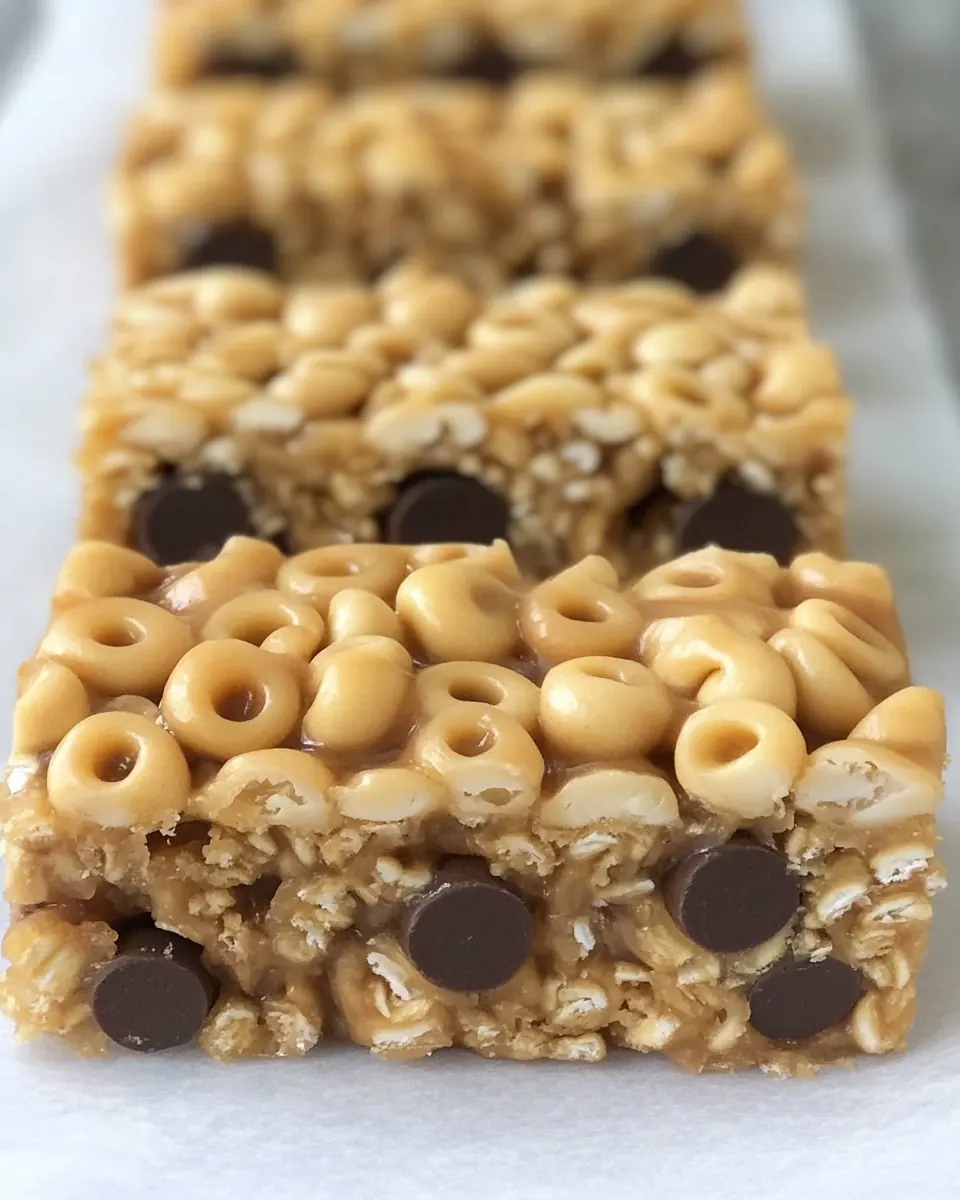
These directions are straightforward, but pay attention to texture cues and timing. I walk you through the sensory signs to watch for so your bars set with the right chew and crunch. Keep your tools ready, and plan a quick chill time to help the bars firm up perfectly.
- Line an 8 x 8-inch tray with parchment paper and set aside.: The surface should feel smooth and the parchment should sit flat without folds, so when you press the mixture it will form a neat rectangle with clean edges. You'll notice the parchment has a slight paper scent and a matte finish, which helps the bars release easily. If the tray is cold, the mixture will cool a touch faster when pressed. Avoid skipping the parchment because direct contact can make removal difficult and may cause sticking, especially around the corners.
- In a large mixing bowl, mix the cereal with protein powder until combined.: You will hear a soft rustle as the handfuls of cereal meet the powder, and the mixture will look uniformly pale and slightly powdery. This step ensures the protein powder distributes evenly so each bite tastes consistent. Use a wide bowl to avoid spilling, and gently fold rather than vigorously stir to keep the cereal intact. A common mistake is overworking this stage, which crushes the cereal and makes the bars dense instead of airy.
- In the microwave or stovetop, melt the nut butter with brown rice syrup and pour the mixture into the protein cereal mix and stir until just combined. Avoid overmixing to prevent crushing the cereal.: As the peanut butter warms, it loosens and turns glossy, and the brown rice syrup flows into it creating a shiny amber ribbon when stirred. Pouring the warm binder over the dry mix releases a nutty, toasty aroma that signals fullness of flavor. Stir gently until you see the cereal coated in a sheen of binder, stopping while some pockets of uncovered cereal remain to avoid sogginess. Overmixing here can crush pieces and cause a gummy final texture, so err on the side of slightly undermixed then press firmly in the tray to finish the job.
- Transfer the cereal bar mixture into the lined baking tray and press firmly into place. Top with chocolate chips if desired and refrigerate for at least 30 minutes to firm up. Alternatively, freeze for 10-15 minutes. Using a sharp knife, slice into bars.: When the mixture is combined, you will feel a tactile difference between a loose, grainy mix and a cohesive mass that holds together when pinched. This caution matters because preserving some crispness gives the bars their character. If you mash too aggressively the bars will compact, losing lift and becoming heavy. If the binder seems too thin, a short rest of a few minutes lets the protein powder absorb moisture and thicken the mix; rushing can lead to bars that do not set well.
- Transfer the cereal bar mixture into the lined baking tray and press firmly into place.: Pressing transforms the loose mixture into a compact slab where crumbs bind to each other; the surface should feel smooth and slightly tacky under your palm. Use a flat-bottomed measuring cup or the back of a spoon to apply even pressure so the bars slice cleanly later. You may hear soft compressing noises and see the mixture settle into the corners. A frequent error is pressing unevenly, which creates thin edges that dry out, so aim for consistent thickness across the tray.
- Top with chocolate chips if desired and refrigerate for at least 30 minutes to firm up.: If you sprinkle chocolate chips , they will cling to the tacky surface and melt slightly if the mixture is warm, creating tiny glossy pockets. Refrigeration chills the binder so the bars hold a clean cut and a satisfying chew, and you will notice the sheen dull as the bars firm. Freezing for a short time speeds this up, but overly long freezing can make the texture too hard. A common oversight is slicing before fully chilled, which causes crumbling and ragged edges.
- Alternatively, freeze for 10 to 15 minutes.: Sliding the tray into the freezer produces a quick, solid set where the binder snaps slightly when cut, offering a firmer bite that some prefer. You will feel the cold bite when pressing and see condensation if moved to room temperature too soon. Thaw briefly before slicing to avoid cracking the bars. Avoid leaving them overnight in the freezer, unless you want an extra hard texture that requires longer thawing.
- Using a sharp knife, slice into bars.: A sharp knife will glide through with a clean sound and minimal pressure, revealing tidy edges and a cross section of cereal pockets held by the binder. Wiping the blade between cuts prevents dragging crumbs and keeps each slice neat. If slices crumble, the bars likely needed more chill time; return them to the fridge briefly and try again. Dull knives or sawing motions are common mistakes that produce ragged bars and lost presentation.
Change It Up
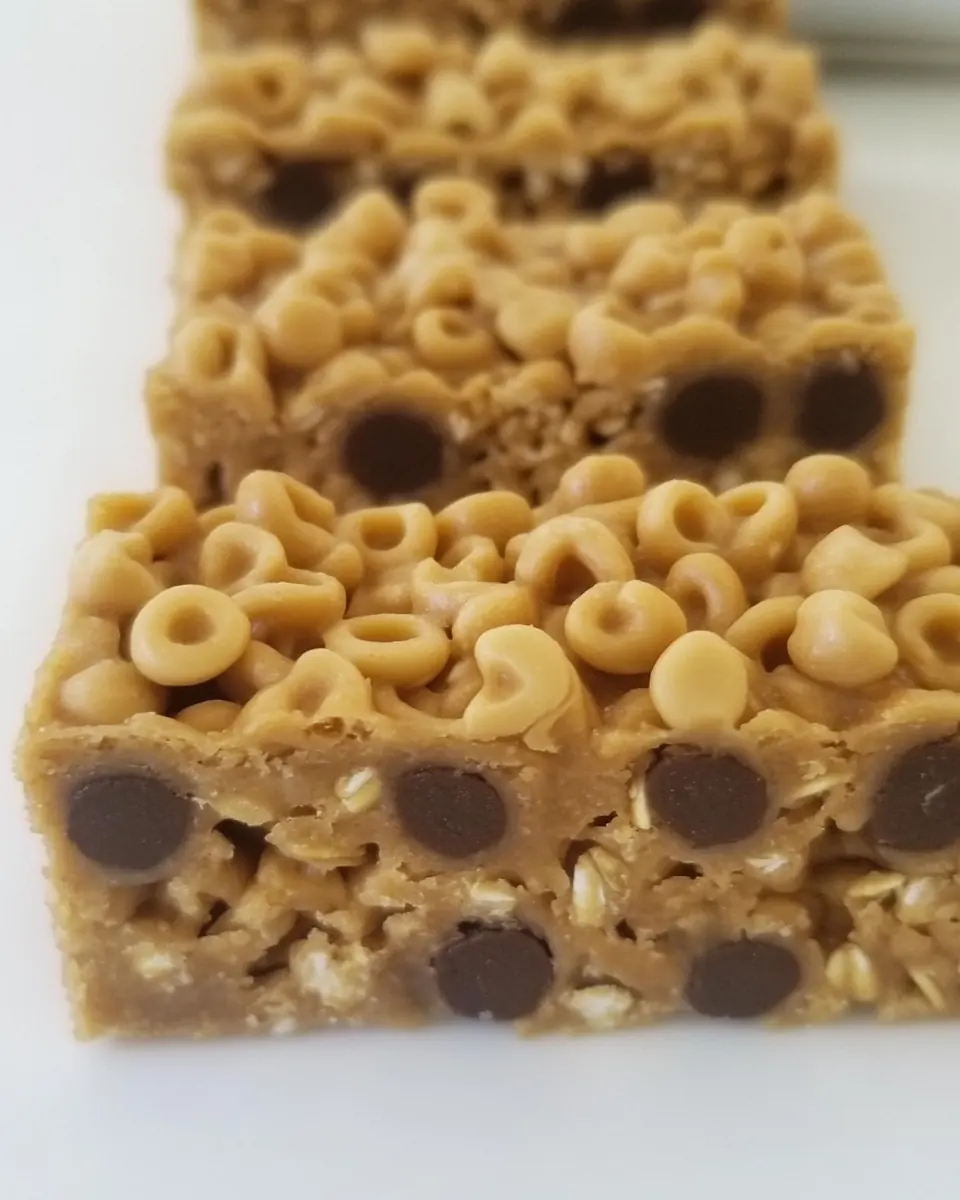
These ideas help you personalize Protein Cereal Bars while keeping the core texture intact. Small swaps can alter flavor, chew, and nutrition, so test one change at a time. Below are practical tips I rely on when adapting the base recipe for different occasions and pantry contents.
- Swap the nut butter: Try almond or sunflower seed butter for a different flavor profile and to accommodate allergies, keeping the same volume so binding remains consistent.
- Protein powder choice: Use casein, brown rice, or pea protein for the best texture results; some formulations like whey can make bars stickier, so I avoid it.
- Sweetness adjustment: If you prefer less sweet bars, reduce the brown rice syrup slightly and taste the mixture before pressing, remembering that chilling dulls perceived sweetness.
- Add-ins caution: If you want extras like seeds or chips, fold them in sparingly to maintain structure, because too many inclusions can prevent proper binding.
- Pressing technique: Use a flat spatula or measuring cup to press evenly and compactly, which reduces air gaps and keeps bars from falling apart.
- Storage method: Store in an airtight container between sheets of parchment at room temperature for a few days, or refrigerate for longer freshness and firmer texture.
Accompaniments for Protein Cereal Bars
These bars pair well with a variety of simple accompaniments and fit multiple meal moments. I like to serve them with a beverage, pack them for outings, or include them in relaxed brunch spreads. Below I list ways to enjoy and store the bars based on occasion and seasonality.
- Breakfast on the go: Pair a bar with a small container of plain yogurt or a piece of fruit for balance and extra freshness for a grab and go morning.
- Post workout snack: Enjoy with a cold beverage and a handful of fresh berries to replenish and refresh after exercise.
- Lunchbox friendly: Wrap bars individually in parchment and tuck into lunchboxes for a tidy, no fuss treat that travels well.
- Office stash: Keep a covered tin at your desk so you have a consistent, filling snack between meetings or long work sessions.
- Storage tips: For short term keep at room temperature in an airtight container, for longer storage refrigerate to preserve firmness, and freeze for extended life, thawing briefly before eating.
- Occasions and seasonality: These are versatile for picnic outings in spring or quick energy on winter hikes, making them a reliable evergreen snack option.
FAQ
Conclusion
These Protein Cereal Bars shine because they balance crunch, sweetness, and protein in a portable, simple package. You can rely on them for quick breakfasts, post workout fuel, or a satisfying snack that travels well. Try making a small batch and tweak one element to match your pantry, then note which texture you prefer for next time. I find they become a dependable staple once you master the warm binder and firm pressing, so give them a go and see how they fit into your week.
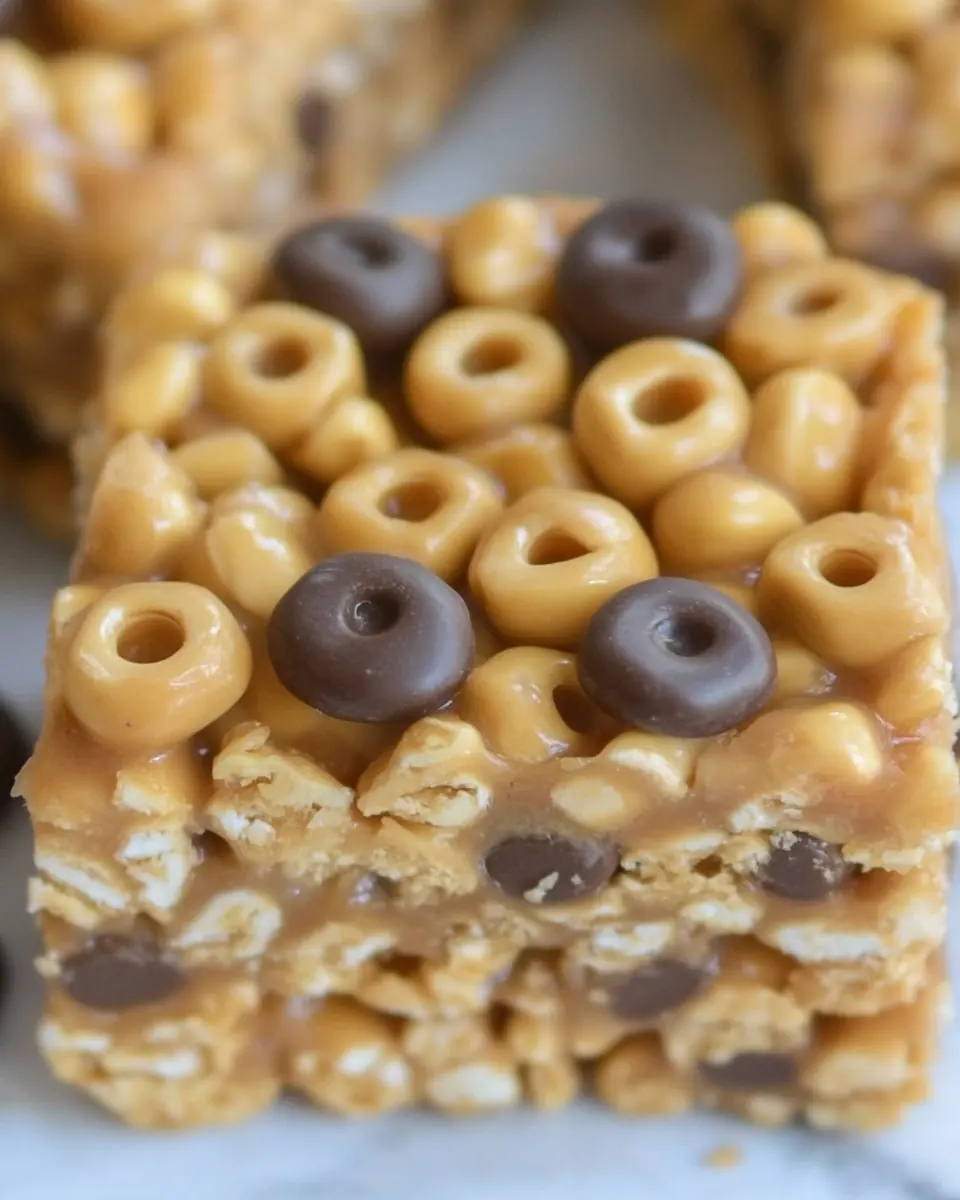
Protein Cereal Bars
Ingredients
Equipment
Method
- Line an 8 x 8-inch tray with parchment paper and set aside.: The surface should feel smooth and the parchment should sit flat without folds, so when you press the mixture it will form a neat rectangle with clean edges. You'll notice the parchment has a slight paper scent and a matte finish, which helps the bars release easily. If the tray is cold, the mixture will cool a touch faster when pressed. Avoid skipping the parchment because direct contact can make removal difficult and may cause sticking, especially around the corners.
- In a large mixing bowl, mix the cereal with protein powder until combined.: You will hear a soft rustle as the handfuls of cereal meet the powder, and the mixture will look uniformly pale and slightly powdery. This step ensures the protein powder distributes evenly so each bite tastes consistent. Use a wide bowl to avoid spilling, and gently fold rather than vigorously stir to keep the cereal intact. A common mistake is overworking this stage, which crushes the cereal and makes the bars dense instead of airy.
- In the microwave or stovetop, melt the nut butter with brown rice syrup and pour the mixture into the protein cereal mix and stir until just combined. Avoid overmixing to prevent crushing the cereal.: As the peanut butter warms, it loosens and turns glossy, and the brown rice syrup flows into it creating a shiny amber ribbon when stirred. Pouring the warm binder over the dry mix releases a nutty, toasty aroma that signals fullness of flavor. Stir gently until you see the cereal coated in a sheen of binder, stopping while some pockets of uncovered cereal remain to avoid sogginess. Overmixing here can crush pieces and cause a gummy final texture, so err on the side of slightly undermixed then press firmly in the tray to finish the job.
- Transfer the cereal bar mixture into the lined baking tray and press firmly into place. Top with chocolate chips if desired and refrigerate for at least 30 minutes to firm up. Alternatively, freeze for 10-15 minutes. Using a sharp knife, slice into bars.: When the mixture is combined, you will feel a tactile difference between a loose, grainy mix and a cohesive mass that holds together when pinched. This caution matters because preserving some crispness gives the bars their character. If you mash too aggressively the bars will compact, losing lift and becoming heavy. If the binder seems too thin, a short rest of a few minutes lets the protein powder absorb moisture and thicken the mix; rushing can lead to bars that do not set well.
- Transfer the cereal bar mixture into the lined baking tray and press firmly into place.: Pressing transforms the loose mixture into a compact slab where crumbs bind to each other; the surface should feel smooth and slightly tacky under your palm. Use a flat-bottomed measuring cup or the back of a spoon to apply even pressure so the bars slice cleanly later. You may hear soft compressing noises and see the mixture settle into the corners. A frequent error is pressing unevenly, which creates thin edges that dry out, so aim for consistent thickness across the tray.
- Top with chocolate chips if desired and refrigerate for at least 30 minutes to firm up.: If you sprinkle chocolate chips , they will cling to the tacky surface and melt slightly if the mixture is warm, creating tiny glossy pockets. Refrigeration chills the binder so the bars hold a clean cut and a satisfying chew, and you will notice the sheen dull as the bars firm. Freezing for a short time speeds this up, but overly long freezing can make the texture too hard. A common oversight is slicing before fully chilled, which causes crumbling and ragged edges.
- Alternatively, freeze for 10 to 15 minutes.: Sliding the tray into the freezer produces a quick, solid set where the binder snaps slightly when cut, offering a firmer bite that some prefer. You will feel the cold bite when pressing and see condensation if moved to room temperature too soon. Thaw briefly before slicing to avoid cracking the bars. Avoid leaving them overnight in the freezer, unless you want an extra hard texture that requires longer thawing.
- Using a sharp knife, slice into bars.: A sharp knife will glide through with a clean sound and minimal pressure, revealing tidy edges and a cross section of cereal pockets held by the binder. Wiping the blade between cuts prevents dragging crumbs and keeps each slice neat. If slices crumble, the bars likely needed more chill time; return them to the fridge briefly and try again. Dull knives or sawing motions are common mistakes that produce ragged bars and lost presentation.
Notes
- Swap the nut butter: Try almond or sunflower seed butter for a different flavor profile and to accommodate allergies, keeping the same volume so binding remains consistent.
- Protein powder choice: Use casein, brown rice, or pea protein for the best texture results; some formulations like whey can make bars stickier, so I avoid it.
- Sweetness adjustment: If you prefer less sweet bars, reduce the brown rice syrup slightly and taste the mixture before pressing, remembering that chilling dulls perceived sweetness.
- Add-ins caution: If you want extras like seeds or chips, fold them in sparingly to maintain structure, because too many inclusions can prevent proper binding.
- Pressing technique: Use a flat spatula or measuring cup to press evenly and compactly, which reduces air gaps and keeps bars from falling apart.
- Storage method: Store in an airtight container between sheets of parchment at room temperature for a few days, or refrigerate for longer freshness and firmer texture.