Lemon Asparagus Pasta
Lemon Asparagus Pasta is one of those meals I reach for when I want something bright, comforting, and quick on a weeknight. The first time I made it I had a bunch of spring market asparagus and a lemon that refused to stay on the counter. I turned on music, boiled a pot of water, and ended up with a bowl that felt light yet indulgent, creamy yet fresh. It became an instant favorite in my household because it never feels heavy, even when you want seconds.
I remember serving Lemon Asparagus Pasta to friends after a long afternoon of gardening. We ate on the back porch, laughing about dirt under our nails, and they kept going back for more. The contrast of warm pasta, tender asparagus, and that zippy lemon made everyone pause between bites. It felt like a small celebration of spring in a skillet, nothing fussy, just honest food that brings people together.
Recipe Snapshot
25 mins
10 mins
15 mins
Easy
450 kcal
Italian
Gluten-Free, Low FODMAP
Dinner
Large pot, Large skillet, Colander, Ladle
The Best Thing About This Lemon Asparagus Pasta
Bright, seasonal flavor that sings
I love how Lemon Asparagus Pasta captures the essence of spring. The citrus cuts through the cream, and the asparagus brings a vegetal sweetness that feels very fresh. It is the kind of dish I cook when I want the ingredients to shine, not hide, and that clarity of flavor is one reason this recipe keeps returning to my rotation.
Speed without compromise
We often need dinner on the table fast, and this recipe delivers in about half an hour. The technique focuses on simple, quick steps that ramp up the flavor without a long wait. I appreciate recipes that respect time but still give a satisfying, rounded plate. This one never feels like a shortcut.
Comforting creaminess, balanced by lemon
The combination of heavy cream and lemon juice creates a silky sauce that clings to the pasta and asparagus. You get that luxurious mouthfeel from the cream, while the lemon keeps every bite lively and clean. That balance is why I reach for this dish when I want comfort without heaviness.
Customizable and forgiving
I find this recipe very forgiving. If your asparagus is thin or thick, you can adjust the cooking time. If you prefer a little heat, the red pepper flakes are easy to dial up. I often tweak little things depending on what I have on hand, and the dish adapts beautifully without losing its identity.
Great for gatherings and weeknights
Because it is quick and scales well, I use Lemon Asparagus Pasta for casual dinners and small gatherings. It pairs well with simple salads and crusty bread, and it looks lovely on the table. Friends always comment on how fresh and satisfying it is, which is a lovely compliment to a humble skillet meal.
Ingredients Required for Lemon Asparagus Pasta
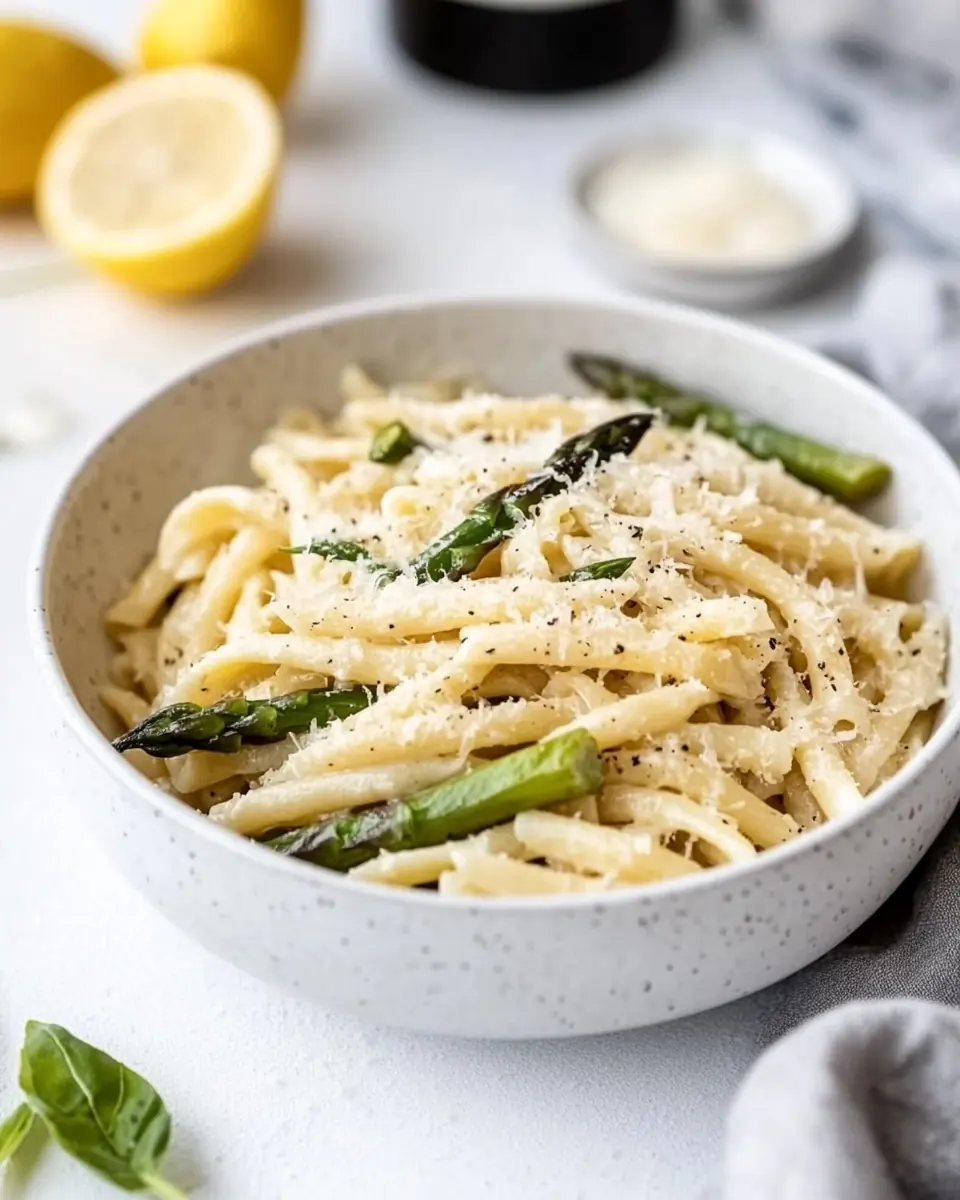
These ingredients are chosen to create a bright, creamy pasta that celebrates spring produce. The recipe combines the starch of the pasta with the vegetal snap of asparagus, a touch of fat from butter and olive oil, and creamy richness from heavy cream. Acid from lemon and umami from Parmesan cheese lift the dish so every bite feels balanced and satisfying.
- 1 pound dry pasta (1 box) choose your favorite!: Boil to al dente following package instructions and provide the base starch that carries the sauce and flavors throughout the dish; drain reserving some pasta water to adjust sauce consistency and help emulsify the cream and lemon into a silky coating.
- 1 tablespoon unsalted butter (1/8 stick): Melt gently to add a rich, slightly sweet fat that helps cook garlic and build a smooth, velvety mouthfeel in the sauce; use with olive oil to prevent burning and balance flavor while enriching the pasta.
- 1 tablespoon olive oil: Heat briefly to sauté garlic and provide a fruity, slightly peppery oil that brightens the overall dish; combine with butter to create a balanced fat profile and help deglaze the pan if needed.
- 1 pound asparagus stalks sliced into thirds: Cut into thirds and sauté or steam until tender-crisp to deliver a fresh, vegetal crunch and bright green color that contrasts the creamy sauce; incorporate asparagus tips and stalks for texture and seasonal flavor.
- 3 cloves garlic minced: Mince finely and cook briefly to release aromatic pungency that infuses the fat base, creating depth and savoriness in the sauce; avoid browning to keep garlic mellow and prevent bitterness.
- 1/2 cup heavy cream: Whisk in over low heat to create a luxurious, creamy body that binds lemon and seasonings to the pasta while adding indulgent richness; temper if necessary to prevent curdling when acid is introduced.
- 1 lemon juiced: Juice and strain to provide vibrant acidity that brightens and balances the cream, cuts through fat, and adds a citrusy lift to the dish; add gradually and taste to achieve the desired tang.
- 1/2 teaspoon crushed red pepper flakes: Crush lightly and sprinkle to introduce gentle heat and a subtle smoky spice that enhances complexity without overpowering; adjust amount to control spiciness to personal preference.
- 1/2 teaspoon kosher salt: Measure and add to season the components, drawing out flavors of garlic and asparagus while ensuring balanced taste; taste and adjust during cooking, keeping in mind residual salt from cheese.
- 1/2 teaspoon ground black pepper: Grind fresh to season and provide aromatic warmth and slight bite that rounds out the flavor profile; sprinkle as needed and taste incrementally to avoid over-peppery finish.
- Freshly grated Parmesan cheese: Grate freshly to add savory umami and salty depth that melts slightly into the warm pasta, enhancing richness and providing a classic finishing touch; serve extra at the table for topping.
- Fresh parsley: Chop finely and sprinkle as a bright, herbaceous garnish that adds color and a fresh, slightly peppery counterpoint to the creamy sauce; fold in sparingly to retain vibrancy.
- Lemon wedges: Wedge and serve alongside to offer additional acidity and a fresh citrus squeeze for diners who want more brightness; present on the side so guests can control lemon intensity.
Preparation Steps for Lemon Asparagus Pasta
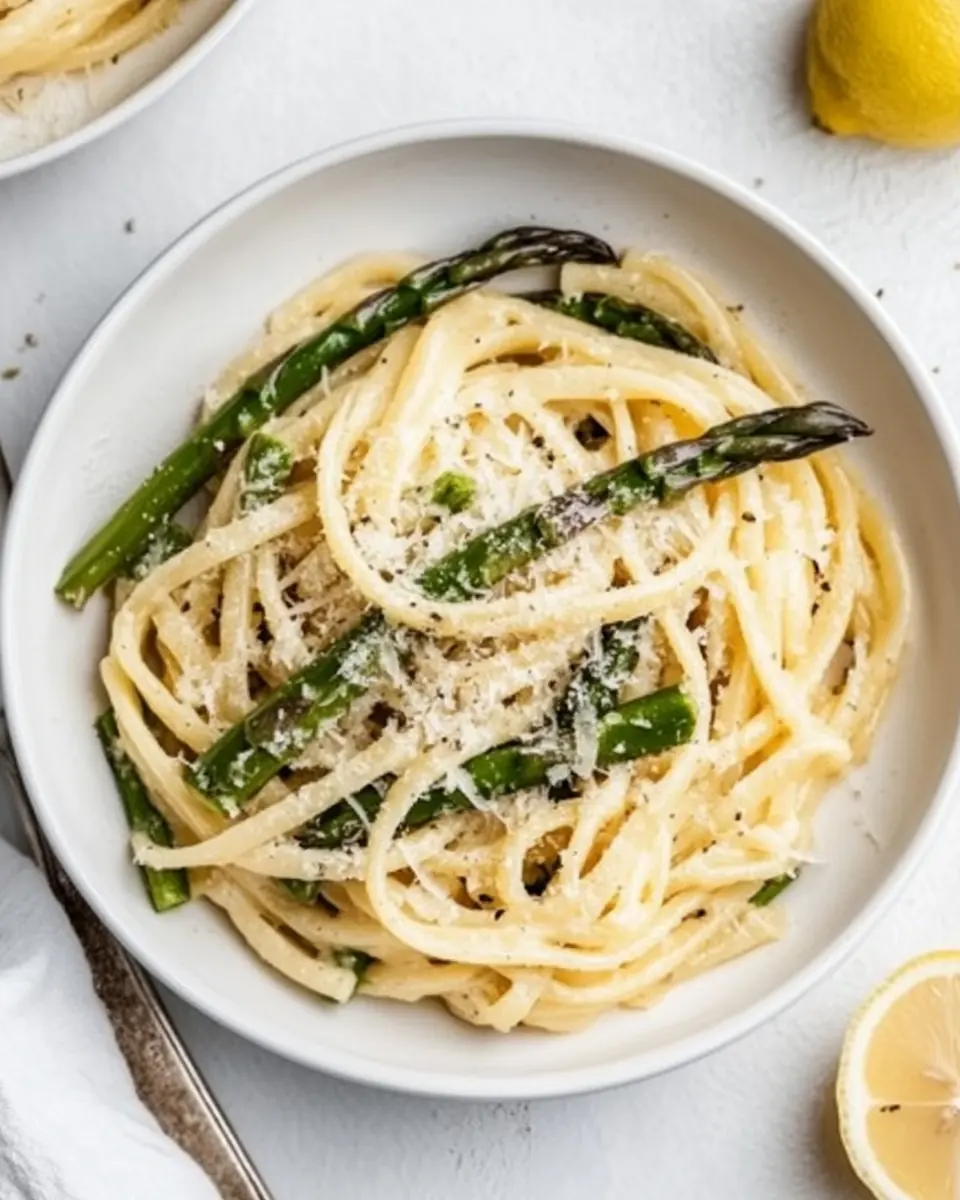
This recipe moves quickly, so have your ingredients prepped and within reach. I like to measure the heavy cream, juice the lemon, and slice the asparagus before turning on the heat, that way everything flows smoothly once the water boils.
- Boil 6 cups of water in a large pot set over high heat and salt generously. Add the pasta and cook according to the package until al dente.: The moment you hear that vigorous rolling boil, you will smell the saline steam, and that is your cue to add the pasta . The bubbling water should splash and sing as the dried noodles hit the pot, releasing a faint wheat aroma. Salting the water well seasons the pasta from the inside out, so it should taste slightly salty when you pull a piece to test. Cook until al dente so the noodles retain a slight chew, about the lower end of the package time. Overcooking results in limp, starchy strands that will swell further when mixed with sauce. A common mistake is adding oil to the water, which prevents sauce from clinging later.
- While the pasta cooks, heat the butter and olive oil together in a large skillet set over medium-high heat. Add the asparagus and garlic. Stir and cook until the asparagus starts to soften, about 3 minutes.: As the butter melts and the olive oil warms, you will smell a toasty, rich note in the pan; that is the flavor building. When you add the asparagus , listen for a light sizzle as moisture hits the hot fat. Stirring keeps things moving and encourages even browning, and after a few minutes the tips will brighten and become tender but still snap when bitten. Add the minced garlic once the asparagus has softened slightly so the garlic cooks without burning and turning bitter. A typical slip here is cranking the heat too high, causing the garlic to scorch, which will add an unpleasant acrid taste.
- Pour in one cup of the pasta water. Add the heavy cream, lemon juice, red pepper flakes, salt, and pepper and let it cook down until the pasta is ready.: When you ladle in the reserved starchy water, the surface will swirl with a cloudy sheen; that starch is the secret to a cohesive sauce. The heavy cream will mingle with the water and thicken slightly as it simmers, giving you a glossy coating. The first bright pop of lemon will cut through the richness, and the red pepper flakes provide background warmth. As the mixture reduces, inhale the melding aromas, they are a good gauge of readiness. Watch for too vigorous a boil, because overreduction can concentrate salt and cause separation. A common issue is adding cold cream straight from the fridge, which can shock the sauce; allow it to warm briefly in the pan so it incorporates smoothly.
- Drain the pasta and add it to the skillet. Toss to combine and sprinkle with Parmesan cheese. Serve with fresh parsley and lemon wedges.: Once you drain the pasta , it should glisten and carry a hint of starch, ideal for tossing into the skillet. As you fold the noodles into the sauce, you will notice the strands pick up the creamy coating and the aroma of Parmesan cheese melting into the mixture. Toss firmly so the sauce emulsifies and clings to each piece, and add a splash more reserved pasta water if you need a silkier texture. Finish with chopped parsley for brightness and offer lemon wedges so diners can add extra acidity. Be careful not to let the finished pasta sit too long in the warm pan, or the sauce will thicken excessively and become gummy; serve promptly for best texture.
Tips and Tricks about Lemon Asparagus Pasta
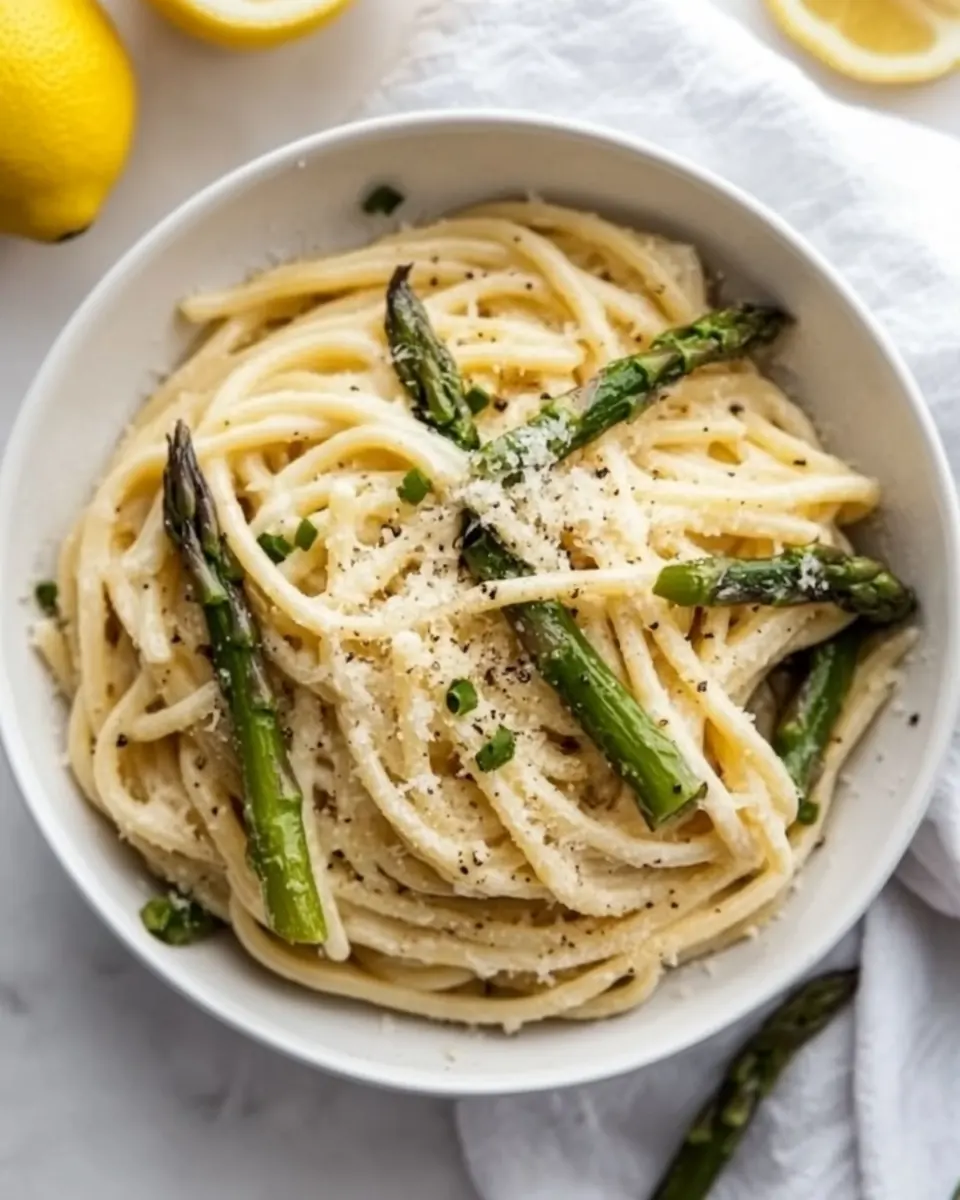
This dish benefits from small gestures that elevate texture and flavor. Below are detailed tips to help you nail the balance between creamy sauce and bright lemon notes, and to troubleshoot common pitfalls so each batch turns out reliably delicious.
- Reserve pasta water: Always save at least one cup of the starchy cooking water before draining because it is essential for turning the sauce glossy and cohesive. The starch acts as a binder, allowing the heavy cream and Parmesan cheese to cling to the pasta rather than pooling. If you skip this, the sauce may feel too thin or separate on the plate. Use the water gradually to reach the desired silkiness.
- Cook pasta al dente: Timing is everything, so aim for the firm but tender stage so the pasta holds up when mixed with the sauce. Overcooked noodles become soft and lose texture, making the dish feel mushy. Remember the pasta will finish cooking slightly after you toss it into the warm sauce, so a touch underdone when you drain is ideal.
- Control garlic timing: Add the minced garlic after the asparagus has started to soften to avoid burning, which yields a bitter flavor. Garlic cooks rapidly and goes from fragrant to acrid in a moment, so keep the heat moderate and stir continually. If you scorch the garlic, remove it and start that step again for the best flavor.
- Adjust lemon to taste: Fresh lemon juice is bright and variable, so add it in increments and taste as you go. Too much acid can dominate the sauce, while too little leaves the cream feeling heavy. Offer wedges at the table so guests can personalize their brightness.
- Use fresh Parmesan: Freshly grated Parmesan cheese melts into the sauce more smoothly than pregrated kinds, contributing a nutty, savory character that boosts umami. Pregrated cheese can be powdery and may not integrate as well. Keep some extra for finishing at the table.
Serving Suggestions
Light, bright, and versatile, this pasta works for weeknight dinners and relaxed gatherings alike. Below are thoughtful ways to present the dish, pairings, and storage tips to keep leftovers tasting great.
- Family dinner: Serve the Lemon Asparagus Pasta in a large shallow bowl so everyone can help themselves, finish with a scattering of Parmesan cheese and parsley for color and flavor.
- Casual lunch: Plate smaller portions with a crisp green salad on the side; the acidity in the salad will echo the lemon in the pasta and refresh the palate.
- Spring brunch: Offer lemon wedges alongside for extra brightness and set out a bowl of extra grated Parmesan cheese so guests can top to taste.
- Storage tip: Refrigerate leftovers in an airtight container for up to three days. Gently reheat with a splash of water or reserved pasta water to restore creaminess, stirring over low heat to avoid breaking the sauce.
- Make ahead: You can roast the asparagus earlier and keep it chilled, then finish the sauce and toss with freshly cooked pasta when ready to serve for a very quick turnaround.
- Occasions: Ideal for spring dinners, casual entertaining, or when you want an approachable, elegant plate with minimal fuss.
FAQ
Conclusion
This Lemon Asparagus Pasta stands out because it balances creamy richness with bright lemon and fresh asparagus for a light yet satisfying meal. Give it a try on a busy evening when you want something quick but special, or serve it to guests for an easy spring dinner. The simple steps and few ingredients make it approachable, and small adjustments like extra lemon or freshly grated Parmesan let you personalize every plate. Enjoy the fresh flavors and effortless comfort this recipe brings.
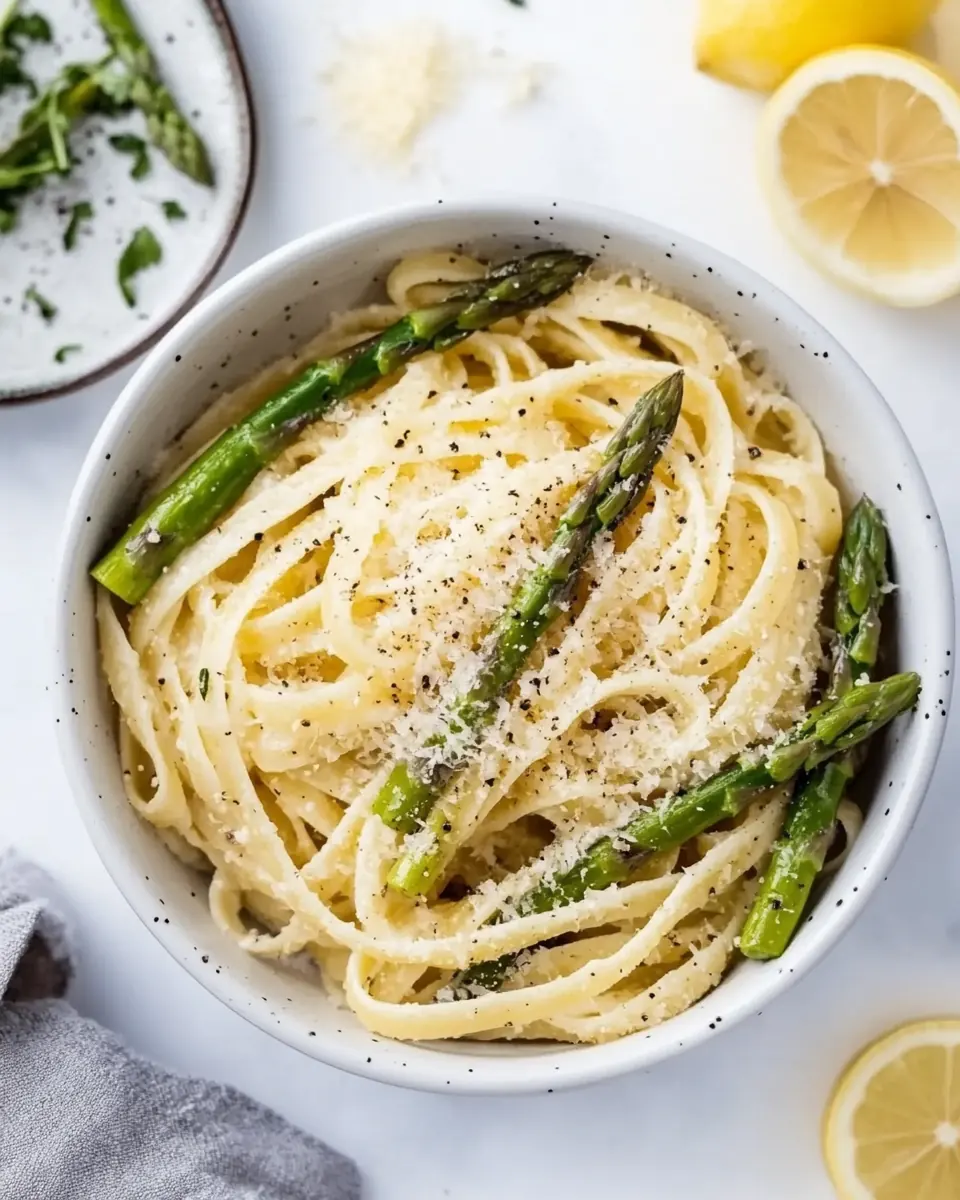
Lemon Asparagus Pasta
Ingredients
Equipment
Method
- Boil 6 cups of water in a large pot set over high heat and salt generously. Add the pasta and cook according to the package until al dente.: The moment you hear that vigorous rolling boil, you will smell the saline steam, and that is your cue to add the pasta . The bubbling water should splash and sing as the dried noodles hit the pot, releasing a faint wheat aroma. Salting the water well seasons the pasta from the inside out, so it should taste slightly salty when you pull a piece to test. Cook until al dente so the noodles retain a slight chew, about the lower end of the package time. Overcooking results in limp, starchy strands that will swell further when mixed with sauce. A common mistake is adding oil to the water, which prevents sauce from clinging later.
- While the pasta cooks, heat the butter and olive oil together in a large skillet set over medium-high heat. Add the asparagus and garlic. Stir and cook until the asparagus starts to soften, about 3 minutes.: As the butter melts and the olive oil warms, you will smell a toasty, rich note in the pan; that is the flavor building. When you add the asparagus , listen for a light sizzle as moisture hits the hot fat. Stirring keeps things moving and encourages even browning, and after a few minutes the tips will brighten and become tender but still snap when bitten. Add the minced garlic once the asparagus has softened slightly so the garlic cooks without burning and turning bitter. A typical slip here is cranking the heat too high, causing the garlic to scorch, which will add an unpleasant acrid taste.
- Pour in one cup of the pasta water. Add the heavy cream, lemon juice, red pepper flakes, salt, and pepper and let it cook down until the pasta is ready.: When you ladle in the reserved starchy water, the surface will swirl with a cloudy sheen; that starch is the secret to a cohesive sauce. The heavy cream will mingle with the water and thicken slightly as it simmers, giving you a glossy coating. The first bright pop of lemon will cut through the richness, and the red pepper flakes provide background warmth. As the mixture reduces, inhale the melding aromas, they are a good gauge of readiness. Watch for too vigorous a boil, because overreduction can concentrate salt and cause separation. A common issue is adding cold cream straight from the fridge, which can shock the sauce; allow it to warm briefly in the pan so it incorporates smoothly.
- Drain the pasta and add it to the skillet. Toss to combine and sprinkle with Parmesan cheese. Serve with fresh parsley and lemon wedges.: Once you drain the pasta , it should glisten and carry a hint of starch, ideal for tossing into the skillet. As you fold the noodles into the sauce, you will notice the strands pick up the creamy coating and the aroma of Parmesan cheese melting into the mixture. Toss firmly so the sauce emulsifies and clings to each piece, and add a splash more reserved pasta water if you need a silkier texture. Finish with chopped parsley for brightness and offer lemon wedges so diners can add extra acidity. Be careful not to let the finished pasta sit too long in the warm pan, or the sauce will thicken excessively and become gummy; serve promptly for best texture.
Notes
- Reserve pasta water: Always save at least one cup of the starchy cooking water before draining because it is essential for turning the sauce glossy and cohesive. The starch acts as a binder, allowing the heavy cream and Parmesan cheese to cling to the pasta rather than pooling. If you skip this, the sauce may feel too thin or separate on the plate. Use the water gradually to reach the desired silkiness.
- Cook pasta al dente: Timing is everything, so aim for the firm but tender stage so the pasta holds up when mixed with the sauce. Overcooked noodles become soft and lose texture, making the dish feel mushy. Remember the pasta will finish cooking slightly after you toss it into the warm sauce, so a touch underdone when you drain is ideal.
- Control garlic timing: Add the minced garlic after the asparagus has started to soften to avoid burning, which yields a bitter flavor. Garlic cooks rapidly and goes from fragrant to acrid in a moment, so keep the heat moderate and stir continually. If you scorch the garlic, remove it and start that step again for the best flavor.
- Adjust lemon to taste: Fresh lemon juice is bright and variable, so add it in increments and taste as you go. Too much acid can dominate the sauce, while too little leaves the cream feeling heavy. Offer wedges at the table so guests can personalize their brightness.
- Use fresh Parmesan: Freshly grated Parmesan cheese melts into the sauce more smoothly than pregrated kinds, contributing a nutty, savory character that boosts umami. Pregrated cheese can be powdery and may not integrate as well. Keep some extra for finishing at the table.