Small Batch Orange Muffins
Small Batch Orange Muffins started as a quiet Sunday experiment when I only needed a couple of sweet bites and not a full dozen. I remember pulling a single orange from the fruit bowl and thinking, why not make just enough to satisfy a craving, while still savoring the process. The bright citrus aroma filled my kitchen as I zested and juiced, and the tiny batter came together in moments. I love how the tang of orange juice and the warmth of butter mingle without fuss, resulting in a tender crumb that feels indulgent yet light.
There is something charming about making a small batch, it forces care and attention. I find myself more deliberate with every fold and stir, noticing the batter’s sheen, the tiny bubbles that promise soft centers, and the first caramelized patches at the muffin tops. These Small Batch Orange Muffins are proof that you do not need scale or ceremony to make something memorable. The glaze is simple, a whisper of powdered sugar and extra orange juice, brushed over warm muffins so it melts into the nooks and creates a glossy finish.
Recipe Snapshot
25 mins
10 mins
15 mins
Easy
150 kcal
American
Gluten-Free, Low FODMAP
Breakfast
Muffin pan, Mixing bowls, Citrus juicer, Whisk, Measuring cups
The Appeal of This Small Batch Orange Muffins
They are perfectly portioned
I love that these Small Batch Orange Muffins yield just five, so there is no fretting over leftovers. When I crave fresh baked goods, I do not want the pressure of giving half away. This recipe lets me enjoy hot muffins straight from the oven, and share a couple without waste.
Bright citrus flavor without fuss
Because the recipe uses both orange zest and orange juice, you get layered citrus notes. Zest carries aromatic oils that lift the batter, while the juice gives a clean, juicy tang. I find the combination keeps each bite lively and not cloying.
Speed meets simplicity
From whisking to oven in minutes, these muffins are ideal when you want a fast bake. The method relies on quick mixing and a short bake at higher heat first, which creates a domed top and a tender interior. I often turn to this recipe when an unexpected guest is coming over.
Flexible finishing touch
The glaze is forgiving, so you can make it thicker for a snowy coat or thin it to drizzle. I like a thin gloss that soaks slightly into the top, giving a sweet, bright counterpoint to the buttery crumb. It transforms simple muffins into a little celebration.
Reliable texture
These muffins consistently bake up with a soft, fine crumb, thanks to measured all purpose flour and a gentle mix. I avoid over mixing, and that restraint makes all the difference. If you follow the technique, you will be rewarded with moist centers and tender edges.
What to Buy for Small Batch Orange Muffins
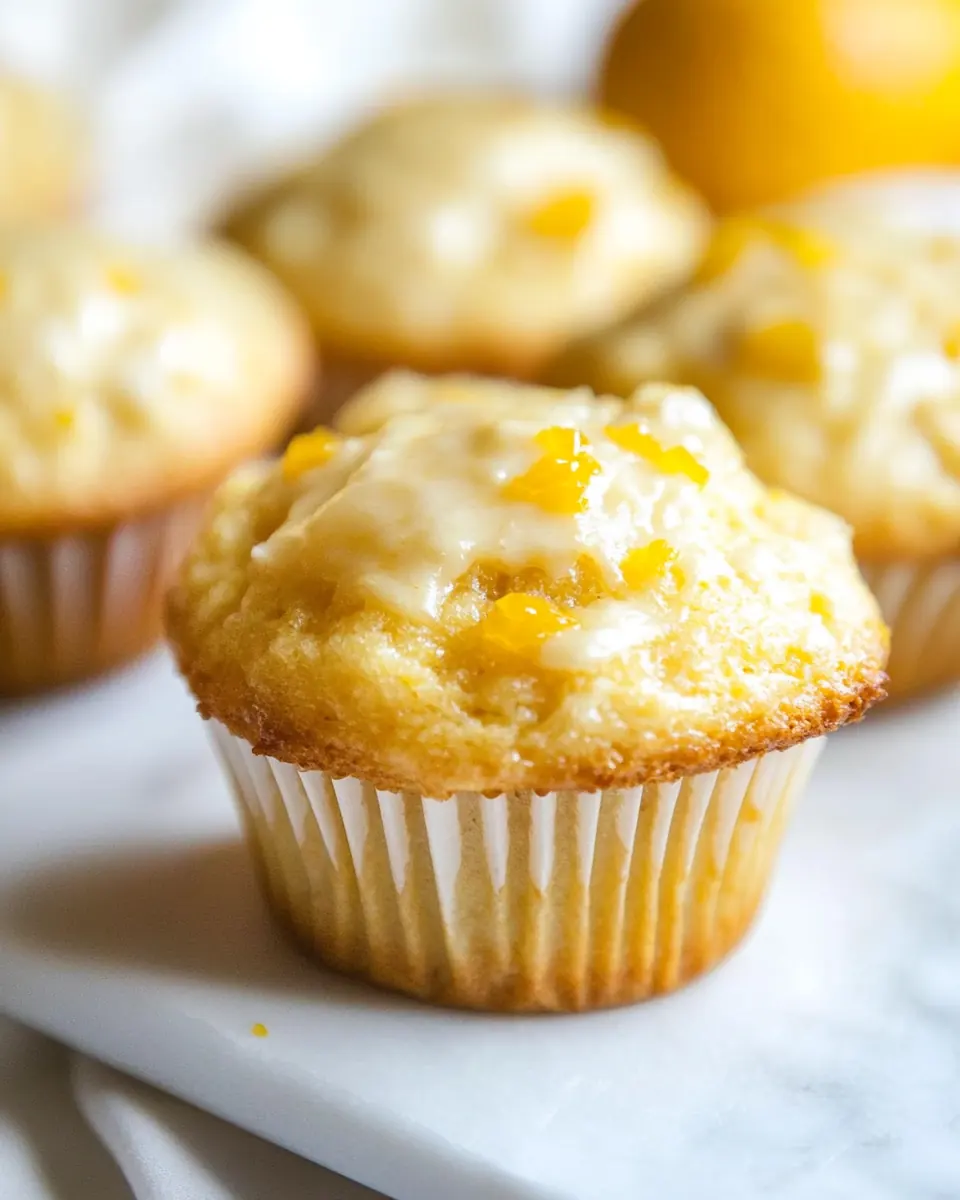
The ingredients here are straightforward, chosen to highlight bright citrus and a tender crumb. The key players are the citrus elements, the leavening that gives lift, and a little dairy and fat to keep the muffins moist. I prefer measuring flour carefully, whether by weight or with the spoon and sweep method, so the texture stays light. Each ingredient has a role, from structure to flavor and balance.
- Citrus juicer: Used to extract fresh citrus juice efficiently, helping separate juice from pulp and seeds for a cleaner final product. Provides control over amount of juice produced and improves extraction from small citrus like oranges used in recipes.
- 3/4 cup + 2 tablespoons (105 g) all-purpose flour measured by weight or the spoon and sweep method: Measured precisely by weight or the spoon-and-sweep method to ensure correct flour volume for proper muffin structure and texture. Contributes the bulk of dry ingredients and provides gluten which affects chewiness and crumb.
- 1 teaspoon baking powder: Leavening agent that creates lift by producing carbon dioxide when heated, resulting in light, tender muffins. Balances with acidic components in the batter to promote even rising and fine crumb.
- 1/8 teaspoons salt: Enhances flavor and balances sweetness while slightly strengthening gluten network to improve dough structure. Improves overall taste profile and supports chemical leaveners for consistent results.
- 4 tablespoons (2 oz) unsalted butter melted and slightly cooled: Adds richness, moisture, and tenderizes the crumb when melted and cooled before incorporation into the batter. Contributes a subtle buttery flavor and aids in browning during baking.
- 1/4 cup (50 g) granulated sugar: Provides sweetness and helps with moisture retention and tender crumb development in the muffins. Assists in browning and contributes to the overall flavor balance.
- 1/4 cup milk: Adds liquid to hydrate dry ingredients and dissolve sugar, affecting batter consistency and final crumb. Influences moisture level and helps activate leavening agents for proper rise.
- 2 tablespoons orange juice: Delivers bright citrus flavor and acidity to complement orange zest, contributing both aroma and subtle tang. Reacts with leavening when acidic components are present and enhances overall flavor complexity.
- 2 tablespoons sour cream: Contributes tanginess and richness while adding moisture and slight acidity to tenderize the crumb. Helps create a moist, tender texture and complements citrus flavors in the batter.
- 1 large egg white: Provides structure and protein that helps set the crumb while using only the white reduces fat for a lighter texture. Helps trap air when mixed, contributing to lift and a delicate crumb.
- 1 1/2 teaspoons orange zest very lightly packed: Adds concentrated citrus oil and aroma to enhance the muffin's fragrance and taste without adding moisture. Intensifies orange flavor and pairs with juice for layered citrus notes.
- 1/3 cup (40 g) powdered sugar sifted if lumpy: Used to create a sweet glaze or drizzle, dissolving smoothly to coat or finish baked muffins for added sweetness. Helps adhere any zest or garnish and provides a glossy finish when mixed to desired consistency.
- 2 to 3 teaspoons orange juice: Adds additional citrus flavor and acidity to the glaze or batter, brightening overall taste and balancing sweetness. Can be adjusted to achieve desired glaze consistency and tang.
- 1/2 teaspoon orange zest very lightly packed: Provides a final burst of citrus aroma and flavor to the glaze or topping, intensifying the orange profile. Offers a concentrated, fragrant finish that complements the muffin's interior.
Step by Step Instructions for Small Batch Orange Muffins
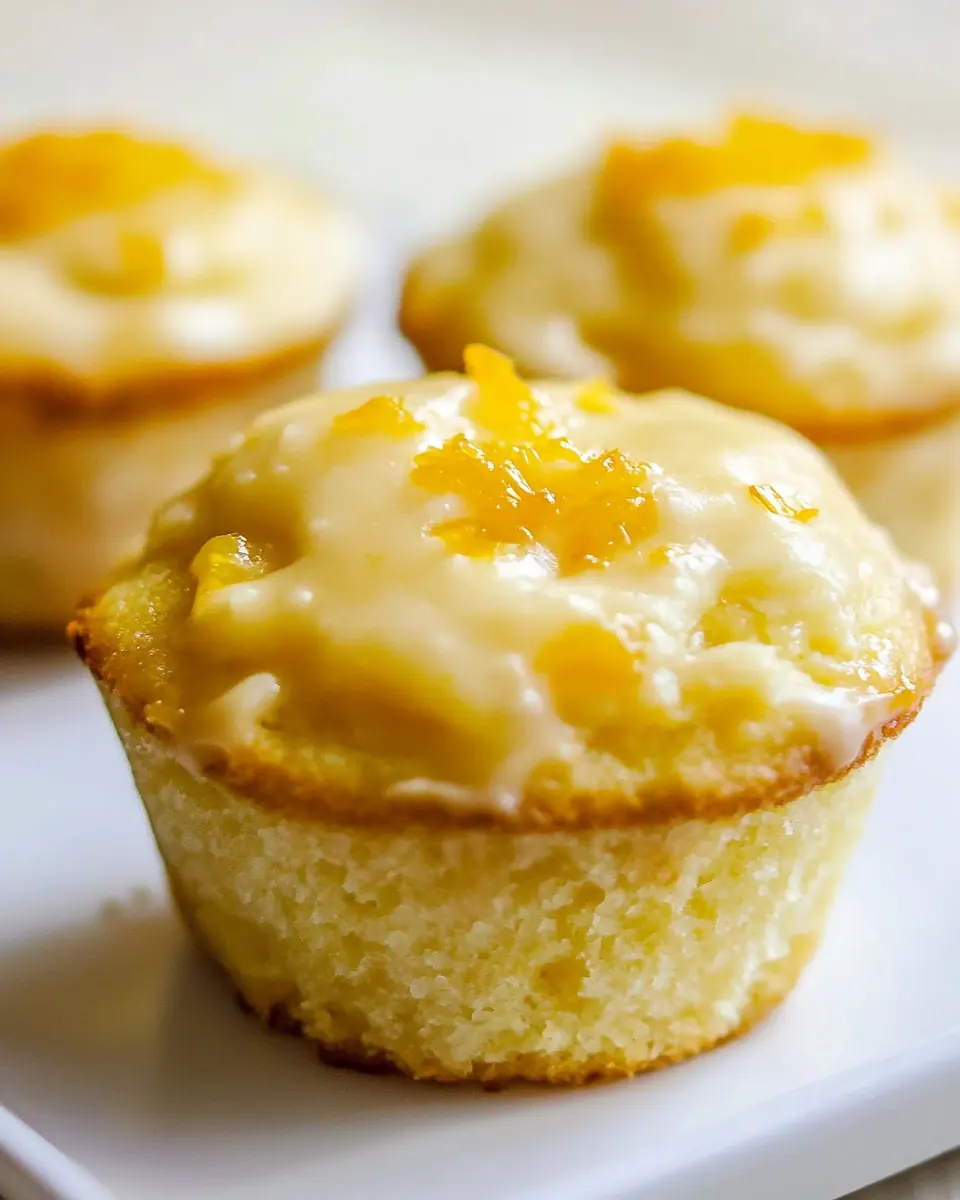
These directions are straightforward, and I like to keep the rhythm moving so the batter is fresh when it hits the oven. Read each step before you begin so you are not scrambling mid process. I always premeasure ingredients to make the flow smooth and reduce the chance of over mixing.
- Preheat your oven to 425°F and line your muffin pan with 5 paper liners.: You will notice a warm, comforting scent as the oven comes to temperature, which readies the metal for rapid initial rise. This high starting heat helps form a golden domed top quickly, locking moisture inside. Make sure the liners are snug and the pan is clean, because uneven heat can cause lopsided rise. A common mistake is not preheating long enough, which prevents the rapid lift and yields flatter muffins.
- In a small bowl, whisk together flour, baking powder, and salt. Set aside.: As you whisk the dry ingredients, you will see the baking powder and salt distribute evenly through the all purpose flour , creating a uniform pale mixture. This step ensures each spoonful of batter has consistent leavening, which impacts even rise and texture. If you skip this, pockets of leavener can create uneven craters in the crumb. Avoid over working; a few gentle whisks are all you need.
- In a medium bowl, combine butter, sugar, milk, orange juice, sour cream, egg white, and orange zest, and whisk until smooth. Add flour mixture and stir until just combined. Do not over mix!: When you whisk the wet ingredients, the mixture should become glossy and slightly thickened, the butter fully incorporated so no oily streaks remain. Adding the dry mix in and folding gently keeps the batter tender, as over mixing develops gluten and leads to dense muffins. Watch for a few streaks of flour disappearing, then stop. A frequent error is vigorous stirring which makes the crumb tight and chewy.
- Divide batter between 5 prepared muffin cups and bake at 425°F for 8 minutes. Turn the temperature down to 350°F and bake for an additional 5 to 7 minutes, until a toothpick inserted into the center of the muffins comes out with just a few dry crumbs. Allow muffins to cool in the baking pan until cool enough to handle before transferring to a cooling rack and glazing.: Spoon the batter so each cup is evenly filled; you should hear the quiet thunk as batter hits the pan. The intense heat in these first minutes pushes the batter upward, forming a peaked top and setting the exterior. You will see pale tops turn golden at the edges and a fragrance of butter and citrus will rise. Underfilling leads to small, flat muffins, while overfilling can spill and create uneven baking.
- In a small bowl, whisk together powdered sugar, 2 teaspoons of the orange juice, and orange zest until glaze is smooth. Add up to 1 teaspoon more of orange juice if mixture is too thick to drizzle and spoon glaze over the warm muffins. Allow glaze to set for 10 to 15 minutes and enjoy!: Lowering the oven temperature completes cooking gently so the centers set without over browning. During this second phase, listen for the quiet crackles of hot air and look for an even golden color. Test with a toothpick near the center, not the edge, to avoid a false dry reading. Baking too long at this stage will dry the crumb, so check early if your oven runs hot.
- Allow muffins to cool in the baking pan until cool enough to handle before transferring to a cooling rack and glazing.: Cooling in the pan for a short time helps the structure finish setting, and transferring too soon can make tops fall. Once the muffins are warm rather than hot, move them to a rack so air circulates and bottoms do not steam. If you rush to glaze very hot muffins, the glaze may melt off and pool. A common misstep is leaving muffins in the pan too long, which traps steam and soggifies the base.
- In a small bowl, whisk together powdered sugar, 2 teaspoons of the orange juice, and orange zest until glaze is smooth.: The powdered sugar dissolves into a silky glaze when mixed with orange juice , releasing a bright syrupy scent and a glossy sheen. Start with the lower amount of juice, then add a little more if needed to achieve a ribbon that drips slowly from your spoon. An overly thin glaze will run right off, while too thick will clump; adjust carefully. Not sifting powdered sugar can leave tiny lumps that never dissolve.
- Add up to 1 teaspoon more of orange juice if mixture is too thick to drizzle and spoon glaze over the warm muffins.: When you thin the glaze, do so drop by drop, watching how it coats the spoon in a viscous ribbon before you apply it to the warm tops. Glazing while warm allows the glaze to melt into crevices and give a glossy finish that sets slightly as it cools. Be careful to avoid making the glaze so thin it pools heavily at the muffin base. One error is adding all the juice at once, which can quickly create a runny glaze that will not set properly.
- Allow glaze to set for 10 to 15 minutes and enjoy!: As the glaze rests, it loses tackiness and firms to a delicate sheen, giving a pleasant contrast to the soft crumb. During this time the room fills with citrus sweetness and the tops become lightly crisp where the glaze has dried. If you store them immediately while the glaze is wet, it will smear, so patience pays off. A common oversight is stacking muffins before the glaze sets, which ruins the finish.
Making Adjustments
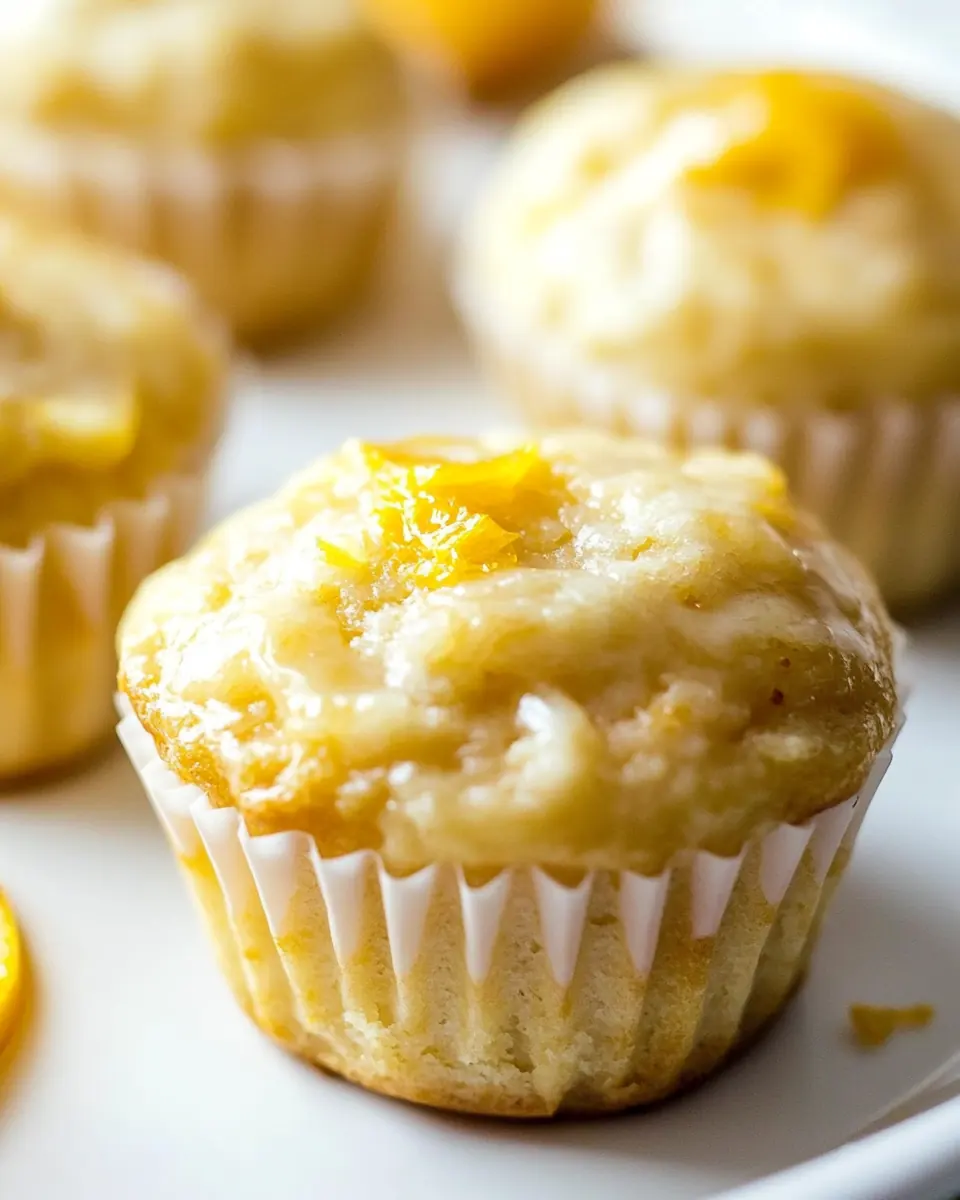
These short notes will help you adapt the recipe if you want different textures or flavors. Small changes go a long way with small batch bakes, so I recommend testing one tweak at a time. Below are expanded tips you can apply confidently.
- Adjusting sweetness: If you prefer less sweetness, reduce the granulated sugar by one to two tablespoons, then taste the warm muffin and glaze balance; do not remove all sugar or texture will suffer.
- Using alternative dairy: If you need a swap, choose a similarly thick dairy for the sour cream, such as full fat yogurt, and expect a slightly tangier finish and minor difference in crumb moisture.
- Modifying glaze consistency: Add juice in small increments to the powdered sugar until you reach a thin drizzle, remembering that warmth will further thin the glaze on contact.
- Baking time adjustments: If your oven runs hot, reduce the initial 425°F stage by one to two minutes and watch for golden color rather than relying only on time.
- Scaling the recipe: To double or halve, maintain the same ratios and be mindful that pan size and oven behavior may change baking time slightly, so check earlier.
What to Serve Alongside Small Batch Orange Muffins
These muffins pair well with simple accompaniments that complement the citrus notes without overshadowing them. Keep sides light and textural to balance the soft crumb. Below are ideas for occasions, pairings, and storage, presented as useful options you can mix and match.
- Morning coffee or tea: A bright cup of coffee or a fragrant tea complements the citrus, making these muffins a lovely weekend breakfast choice.
- Brunch spread: Include these muffins on a brunch table alongside fresh fruit, yogurt, and a small cheese board for contrast in textures and flavors.
- Afternoon snack: Pack one muffin with a piece of fruit for a quick, portable treat that satisfies without weighing you down.
- Special occasions: These are sweet and pretty enough for small gatherings or holiday breakfasts, served warm with extra glaze on the side for drizzling.
- Storage tips: Store unglazed muffins in an airtight container at room temperature overnight; if you glaze ahead, refrigeration will make the glaze syrupy, so glaze just before serving.
- Seasonal pairing: In spring, pair with fresh berries and a citrus salad to echo the orange notes and keep the overall meal light and bright.
FAQ
Conclusion
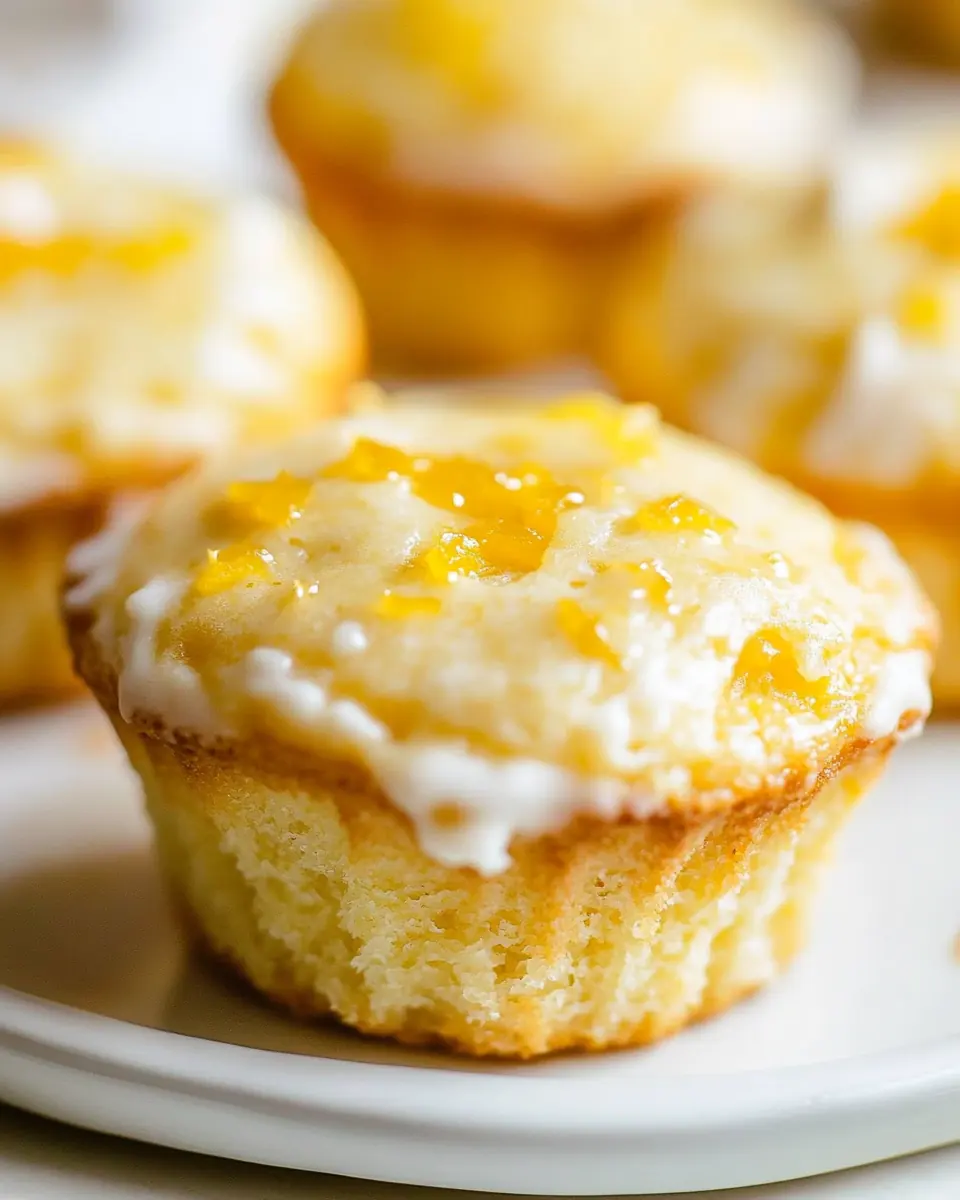
What makes these muffins special is their bright citrus character and small batch approach that yields fresh baked results without leftovers. Try them when you want warm, lightly glazed treats for a cozy morning or a quick, shareable snack. The texture is tender, the glaze adds a glossy finish, and the aroma is irresistibly uplifting. Give this recipe a go the next time you want something simple yet special, and enjoy the small pleasures of fresh baking.
Small Batch Orange Muffins
Ingredients
Equipment
Method
- Preheat your oven to 425°F and line your muffin pan with 5 paper liners.: You will notice a warm, comforting scent as the oven comes to temperature, which readies the metal for rapid initial rise. This high starting heat helps form a golden domed top quickly, locking moisture inside. Make sure the liners are snug and the pan is clean, because uneven heat can cause lopsided rise. A common mistake is not preheating long enough, which prevents the rapid lift and yields flatter muffins.
- In a small bowl, whisk together flour, baking powder, and salt. Set aside.: As you whisk the dry ingredients, you will see the baking powder and salt distribute evenly through the all purpose flour , creating a uniform pale mixture. This step ensures each spoonful of batter has consistent leavening, which impacts even rise and texture. If you skip this, pockets of leavener can create uneven craters in the crumb. Avoid over working; a few gentle whisks are all you need.
- In a medium bowl, combine butter, sugar, milk, orange juice, sour cream, egg white, and orange zest, and whisk until smooth. Add flour mixture and stir until just combined. Do not over mix!: When you whisk the wet ingredients, the mixture should become glossy and slightly thickened, the butter fully incorporated so no oily streaks remain. Adding the dry mix in and folding gently keeps the batter tender, as over mixing develops gluten and leads to dense muffins. Watch for a few streaks of flour disappearing, then stop. A frequent error is vigorous stirring which makes the crumb tight and chewy.
- Divide batter between 5 prepared muffin cups and bake at 425°F for 8 minutes. Turn the temperature down to 350°F and bake for an additional 5 to 7 minutes, until a toothpick inserted into the center of the muffins comes out with just a few dry crumbs. Allow muffins to cool in the baking pan until cool enough to handle before transferring to a cooling rack and glazing.: Spoon the batter so each cup is evenly filled; you should hear the quiet thunk as batter hits the pan. The intense heat in these first minutes pushes the batter upward, forming a peaked top and setting the exterior. You will see pale tops turn golden at the edges and a fragrance of butter and citrus will rise. Underfilling leads to small, flat muffins, while overfilling can spill and create uneven baking.
- In a small bowl, whisk together powdered sugar, 2 teaspoons of the orange juice, and orange zest until glaze is smooth. Add up to 1 teaspoon more of orange juice if mixture is too thick to drizzle and spoon glaze over the warm muffins. Allow glaze to set for 10 to 15 minutes and enjoy!: Lowering the oven temperature completes cooking gently so the centers set without over browning. During this second phase, listen for the quiet crackles of hot air and look for an even golden color. Test with a toothpick near the center, not the edge, to avoid a false dry reading. Baking too long at this stage will dry the crumb, so check early if your oven runs hot.
- Allow muffins to cool in the baking pan until cool enough to handle before transferring to a cooling rack and glazing.: Cooling in the pan for a short time helps the structure finish setting, and transferring too soon can make tops fall. Once the muffins are warm rather than hot, move them to a rack so air circulates and bottoms do not steam. If you rush to glaze very hot muffins, the glaze may melt off and pool. A common misstep is leaving muffins in the pan too long, which traps steam and soggifies the base.
- In a small bowl, whisk together powdered sugar, 2 teaspoons of the orange juice, and orange zest until glaze is smooth.: The powdered sugar dissolves into a silky glaze when mixed with orange juice , releasing a bright syrupy scent and a glossy sheen. Start with the lower amount of juice, then add a little more if needed to achieve a ribbon that drips slowly from your spoon. An overly thin glaze will run right off, while too thick will clump; adjust carefully. Not sifting powdered sugar can leave tiny lumps that never dissolve.
- Add up to 1 teaspoon more of orange juice if mixture is too thick to drizzle and spoon glaze over the warm muffins.: When you thin the glaze, do so drop by drop, watching how it coats the spoon in a viscous ribbon before you apply it to the warm tops. Glazing while warm allows the glaze to melt into crevices and give a glossy finish that sets slightly as it cools. Be careful to avoid making the glaze so thin it pools heavily at the muffin base. One error is adding all the juice at once, which can quickly create a runny glaze that will not set properly.
- Allow glaze to set for 10 to 15 minutes and enjoy!: As the glaze rests, it loses tackiness and firms to a delicate sheen, giving a pleasant contrast to the soft crumb. During this time the room fills with citrus sweetness and the tops become lightly crisp where the glaze has dried. If you store them immediately while the glaze is wet, it will smear, so patience pays off. A common oversight is stacking muffins before the glaze sets, which ruins the finish.
Notes
- Adjusting sweetness: If you prefer less sweetness, reduce the granulated sugar by one to two tablespoons, then taste the warm muffin and glaze balance; do not remove all sugar or texture will suffer.
- Using alternative dairy: If you need a swap, choose a similarly thick dairy for the sour cream, such as full fat yogurt, and expect a slightly tangier finish and minor difference in crumb moisture.
- Modifying glaze consistency: Add juice in small increments to the powdered sugar until you reach a thin drizzle, remembering that warmth will further thin the glaze on contact.
- Baking time adjustments: If your oven runs hot, reduce the initial 425°F stage by one to two minutes and watch for golden color rather than relying only on time.
- Scaling the recipe: To double or halve, maintain the same ratios and be mindful that pan size and oven behavior may change baking time slightly, so check earlier.