Italian Tomato Bruschetta
Italian Tomato Bruschetta is the kind of simple, honest food that makes me smile every time I slice into a fresh baguette and smell the first hint of toasted bread and garlic. I remember the first summer I made this at a small family gathering, juggling a cutting board, a skillet, and a bowl of sun warmed tomatoes while everyone hovered, impatient for the first bite. That evening taught me that great food does not need fuss, just good ingredients and a little attention.
I like to make a mental checklist before I begin: ripe tomatoes, fragrant fresh basil, and a crisp loaf of baguette. There is a rhythm to assembling bruschetta that I find comforting. Toasting the baguette brings out a toasty aroma that pairs perfectly with the bright, acidic pop of the tomatoes. The olive oil ties everything together, coating each ingredient so every bite is lush without feeling heavy.
Recipe Snapshot
27 mins
15 mins
12 mins
Medium
150 kcal
Italian
Vegan, Gluten-Free
Appetizers
Non stick skillet, Cutting board, Sharp knife, Mixing bowl, Sieve
What’s Great About This Italian Tomato Bruschetta
Bright, Fresh Flavor That Celebrates Summer
I adore how Italian Tomato Bruschetta channels the essence of summer into one bite. The contrast of warm toasted baguette against cool, juicy tomatoes makes each mouthful sing. I often say that this recipe captures a season, because the ingredients are at their peak in warm months, and that vibrancy is exactly why I reach for this dish when guests arrive.
Speed Without Sacrifice
One reason I keep this recipe in heavy rotation is speed, it comes together quickly yet delivers on texture and depth. From prepping to plating you get satisfying layers of crunch, herb fragrance from fresh basil, and a silky finish from olive oil. When friends are short on time but want something impressive, this is my go to.
Minimal Ingredients, Maximum Impact
I love recipes that respect each component, and Italian Tomato Bruschetta does exactly that. There are no unnecessary bells or whistles, just a handful of pantry friendly items that harmonize. The simplicity makes it accessible for cooks at any level, and yet there is room to make it feel special by sourcing ripe tomatoes and good quality olive oil.
Versatile for Many Occasions
I use this bruschetta for casual lunches, elegant appetizers, and everything between. It scales easily if I have a crowd, and it looks beautiful arranged on a platter. Because it feels light yet substantial, I often serve it during long summer evenings when people graze and chat.
Comforting Rituals and Easy Hosting
There is a comforting ritual to preparing this dish that I cherish. Toasting the baguette, warming the garlic in oil, and tossing the chopped tomatoes with herbs is therapeutic. As a host I appreciate how this dish lets me spend more time with guests and less time stuck in the kitchen, while still presenting something that tastes thoughtfully prepared.
Everything You Need for Italian Tomato Bruschetta

These ingredients are deliberately simple, each playing a key role in building layers of flavor and texture. The toasted baguette supplies crunch, the raw chopped tomatoes add freshness and juiciness, and the combination of olive oil, garlic, and herbs ties it all together. When you balance acid, salt, and fat, the result is a bright, satisfying starter that showcases ripe produce.
- 1 fresh baguette: Provide a crisp, sturdy base for slicing and toasting; a fresh baguette offers a crunchy exterior and soft interior that soaks up olive oil and tomato juices. Slice into diagonal pieces, brush with oil, and toast until golden-brown to create classic bruschetta crostini. Serve immediately so the bread remains pleasantly crisp under the tomato topping.
- 9 tablespoons olive oil: Coat and infuse the bread and tomatoes with rich, fruity flavor; olive oil ties the ingredients together and adds a silky mouthfeel. Use extra-virgin olive oil for the best aroma and lightly brush on the baguette before toasting, plus drizzle over assembled bruschetta for gloss and depth. Adjust the amount to taste so the topping is moist but not soggy.
- 6 garlic cloves: Impart a sharp, pungent aroma and bright savory bite when rubbed on toasted bread or mixed into the tomato topping; crushed garlic elevates flavor complexity. Remove the paper skin and finely mince or smash cloves to release their oils, adding sparingly to avoid overpowering the basil and tomatoes. Allow crushed garlic to mellow slightly in olive oil for a more integrated taste.
- 2 cups medium-diced fresh tomatoes: Contribute fresh, juicy sweetness and vibrant acidity; medium–diced fresh tomatoes form the core of the bruschetta topping and provide texture contrast with the bread. Choose ripe, firm tomatoes and drain excess seeds or liquid if needed to prevent soggy crostini, combining the dice with oil, garlic, basil, and oregano. Season and let rest briefly so flavors meld before spooning onto the toasted baguette slices.
- 2 tablespoons finely minced fresh basil: Add bright, aromatic herbaceousness and a fresh, slightly peppery note when finely minced; fresh basil complements tomatoes beautifully in this topping. Remove stems and finely chiffonade or mince leaves to release essential oils without bruising, folding them into the tomato mixture at the end to preserve fragrance. Use sparingly to maintain balance among garlic, oil, and oregano.
- 2 teaspoons dry oregano: Introduce warm, earthy Mediterranean flavor and a subtle piney aroma; dry oregano amplifies the classic Italian seasoning profile. Sprinkle evenly into the tomato-basil mixture and taste as it melds with olive oil and garlic, rehydrating slightly from the dressing. Use measured amounts to avoid overpowering the delicate fresh herbs and tomatoes.
- coarse salt to taste: Enhance and balance overall taste by bringing out sweetness and cutting richness; coarse salt seasons the topping and can be adjusted to preference. Sprinkle judiciously over the tomato mixture and taste before serving, remembering that coarse crystals provide bursts of salinity and texture. Apply just enough to lift flavors without making the bruschetta overly salty.
How to Make Italian Tomato Bruschetta
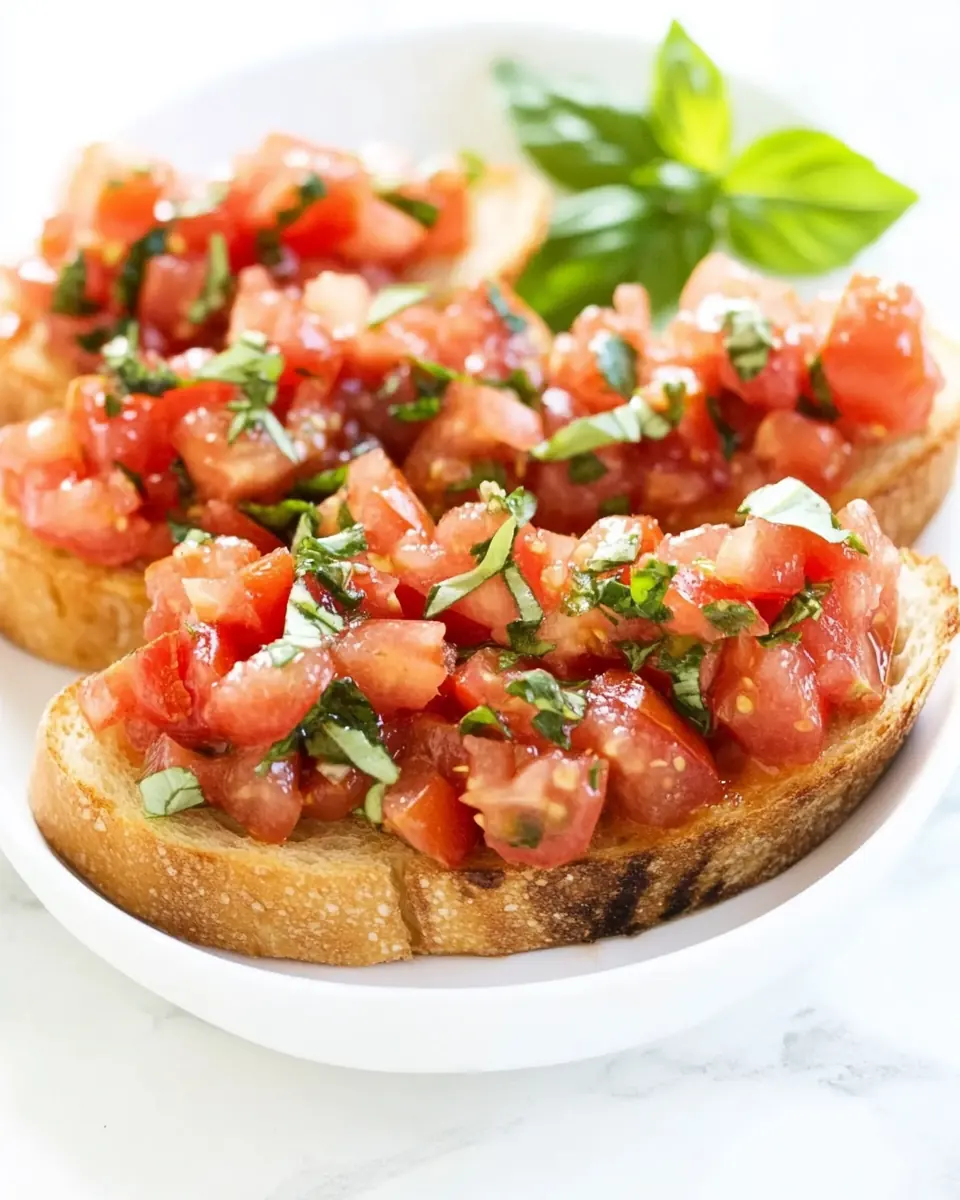
Below I walk you through each step with a focus on sensory cues and reasons behind the technique. Follow along slowly the first time, paying attention to smells, sounds, and visual signs so you get consistent results.
- Cut the baguette on a bias to create 1/2” thick slices.: The scent of fresh bread is comforting, and when you slice the baguette on the bias you expose a larger surface for toasting which crisps to a perfect golden edge. As you cut, listen for the slight crush of crust giving way, and check that the slices feel sturdy enough to hold the tomato topping without bending. A common mistake is cutting slices too thin, which makes them fragile and prone to sogginess; aim for even thickness so they brown uniformly.
- Next, heat 3 tablespoons of olive oil with 3 garlic cloves in a large 10” non-stick skillet over low to medium heat for about 2 minutes.: At this stage, the olive oil will shimmer gently and the garlic will release a fragrant perfume, not a harsh bite. Keep the temperature low to coax out sweet, mellow flavors from the garlic without browning it, which would turn bitter. Watch for tiny bubbles at the edge of the oil as your cue that it is warm enough. If the oil smokes, reduce the heat immediately, because overheating will ruin the subtle garlic aroma you're aiming for.
- Add in the slices of bread and cook for 2 to 3 minutes per side or until golden brown on each side. Repeat the process with the remaining slices of bread. You will need to add 3 more tablespoons of oil and 3 new garlic cloves. Season the bread with salt and pepper, remove them, and set them to the side.: As the bread sizzles in the pan you will hear a lively crackle and see edges take on a deep golden hue. That sound signals moisture escaping and the crust crisping. Flip when the underside shows even browning, and be patient so each side develops a toasted structure that resists sogginess from the topping. A typical pitfall is crowding the pan, which causes steaming rather than toasting, so work in batches for consistent results.
- Medium dice the tomatoes and add them to a medium-sized bowl.: The sweet aroma of freshly cut tomatoes should be bright and slightly acidic, a sign of ripeness. Dice them into uniform pieces so the topping distributes evenly on each toast slice. If the pieces are inconsistent, you can end up with bites that are all juice and none of the satisfying tomato texture. Use a sharp knife to preserve the tomato flesh and avoid crushing it.
- Add in the fresh chopped basil.: When you add the finely minced basil , its aroma will lift the whole bowl with a sweet, green fragrance. Stir it gently so the leaves remain vibrant rather than bruised, which can darken their color and mute the aroma. One common error is adding the basil too early and letting heat wilt it; add it just before serving to keep the flavor lively.
- Sprinkle in the oregano.: The dry oregano will offer an earthy, slightly bitter counterpoint that deepens the tomato flavor. Sprinkle it evenly to avoid concentrated pockets that can overpower a bite. Because it is dried, give it a moment with the olive oil to rehydrate slightly and integrate into the mixture. A mistake people make is adding too much, which throws off the balance, so measure carefully.
- Season with salt and pour in the olive oil.: As you add the olive oil , notice how the tomatoes gleam and the mixture takes on a silky sheen. Salt will awaken the natural sweetness and balance acidity, so season gradually and taste. The right amount of salt should make the flavors pop without tasting overtly salty. Avoid oversalting, which is hard to reverse once it penetrates the tomatoes.
- Mix the ingredients together until combined. Be sure to taste it and see if the seasonings need to be adjusted.: Stirring brings the aromas together and gives you a chance to notice texture, adjusting for acidity or salt. The tomato pieces should remain distinct and slightly juicy, coated in oil and flecked with herbs. If the mixture tastes flat, a small pinch of additional salt or a touch more olive oil can help; conversely, if it is too oily, drain a little of the excess liquid. A typical mistake is under tasting, which can leave the final dish bland.
- Place about 2 tablespoons of the tomato relish onto each toasted baguette slice. Repeat the process until all the tomatoes and toast have been used. Serve on a plate or platter.: When you spoon the relish onto the warm toast, the contrast between hot crisp bread and cool tomato is delightful. Arrange the slices neatly on a platter and watch how the colors pop, the red of the tomatoes against the golden toast. If the topping is very juicy, spoon gently to avoid dripping; serving on a shallow plate with a slight lip helps contain any stray juices. A common oversight is overloading each slice which can cause the toast to become soggy quickly, so modest portions keep the texture balanced.
Ways to Customize

This dish is naturally flexible, and small tweaks can shift the flavor profile without complicating the technique. Below are thoughtful, practical ways I like to personalize the recipe while keeping the focus on fresh ingredients and clear textures.
- Grill the bread: Instead of pan toasting, grill the baguette slices over medium heat for added smoky char, which deepens the taste without masking the tomatoes.
- Extra garlic infusion: If you love aromatic depth, increase the amount of infused olive oil used for brushing the toast, but keep some plain to avoid overpowering the relish.
- Tomato draining: If your tomatoes are very juicy, let them sit in a sieve for a few minutes to drain excess liquid so the toast stays crisp longer.
- Herb swap: If you cannot find fresh basil, a small pinch of dried oregano or a few leaves of fresh parsley can offer a different but pleasant herbal note.
- Olive oil quality: Use the best tasting olive oil you can source, because its flavor is front and center in the finished dish.
How to Serve Italian Tomato Bruschetta
Italian Tomato Bruschetta works wonderfully as an appetizer or light centerpiece for many occasions. Serve it on a platter for casual gatherings or arrange it on a board for a more elegant presentation. It plays well at lunchtime, as part of a dinner spread, or during festive seasonal meals when fresh produce shines.
- Serve on a platter: Arrange the topped slices in neat rows for easy grabbing, ensuring each piece has about 2 tablespoons of relish to keep textures balanced.
- Pairing suggestions: Offer simple sides like a leafy salad or marinated vegetables to complement the bright, fresh flavors without overwhelming them.
- Occasions: This is ideal for summer lunches, light dinners, potlucks, or Ramadan if served at Iftar when fresh, light dishes are appreciated.
- Storage tips: Keep the tomato relish refrigerated in an airtight container for up to 3 days, but store the toasted baguette separately at room temperature to preserve crispness.
- Plating: Use a shallow platter with a slight lip to catch any juices, and garnish with a few torn basil leaves for a fresh finish.
- Serving temperature: Serve the toast warm and the tomato relish cool or at room temperature to create a pleasing contrast in every bite.
- Scaling: To serve a crowd, multiply the ingredients proportionally and prepare the relish in a large bowl while toasting bread in batches before assembling.
FAQ
Conclusion
What makes this recipe special is its ability to deliver bright, satisfying flavor with minimal effort and ingredients. I hope you give this version of Italian Tomato Bruschetta a try, because it rewards attention to simple techniques with delicious results that guests always enjoy. Take your time with the toasting and tasting steps, and you will find the balance of crunchy bread, fragrant garlic infused oil, and fresh tomato relish is reliably delightful. Share it with friends, savor the textures, and let the fresh ingredients do the work.
Italian Tomato Bruschetta
Ingredients
Equipment
Method
- Cut the baguette on a bias to create 1/2” thick slices.: The scent of fresh bread is comforting, and when you slice the baguette on the bias you expose a larger surface for toasting which crisps to a perfect golden edge. As you cut, listen for the slight crush of crust giving way, and check that the slices feel sturdy enough to hold the tomato topping without bending. A common mistake is cutting slices too thin, which makes them fragile and prone to sogginess; aim for even thickness so they brown uniformly.
- Next, heat 3 tablespoons of olive oil with 3 garlic cloves in a large 10” non-stick skillet over low to medium heat for about 2 minutes.: At this stage, the olive oil will shimmer gently and the garlic will release a fragrant perfume, not a harsh bite. Keep the temperature low to coax out sweet, mellow flavors from the garlic without browning it, which would turn bitter. Watch for tiny bubbles at the edge of the oil as your cue that it is warm enough. If the oil smokes, reduce the heat immediately, because overheating will ruin the subtle garlic aroma you're aiming for.
- Add in the slices of bread and cook for 2 to 3 minutes per side or until golden brown on each side. Repeat the process with the remaining slices of bread. You will need to add 3 more tablespoons of oil and 3 new garlic cloves. Season the bread with salt and pepper, remove them, and set them to the side.: As the bread sizzles in the pan you will hear a lively crackle and see edges take on a deep golden hue. That sound signals moisture escaping and the crust crisping. Flip when the underside shows even browning, and be patient so each side develops a toasted structure that resists sogginess from the topping. A typical pitfall is crowding the pan, which causes steaming rather than toasting, so work in batches for consistent results.
- Medium dice the tomatoes and add them to a medium-sized bowl.: The sweet aroma of freshly cut tomatoes should be bright and slightly acidic, a sign of ripeness. Dice them into uniform pieces so the topping distributes evenly on each toast slice. If the pieces are inconsistent, you can end up with bites that are all juice and none of the satisfying tomato texture. Use a sharp knife to preserve the tomato flesh and avoid crushing it.
- Add in the fresh chopped basil.: When you add the finely minced basil , its aroma will lift the whole bowl with a sweet, green fragrance. Stir it gently so the leaves remain vibrant rather than bruised, which can darken their color and mute the aroma. One common error is adding the basil too early and letting heat wilt it; add it just before serving to keep the flavor lively.
- Sprinkle in the oregano.: The dry oregano will offer an earthy, slightly bitter counterpoint that deepens the tomato flavor. Sprinkle it evenly to avoid concentrated pockets that can overpower a bite. Because it is dried, give it a moment with the olive oil to rehydrate slightly and integrate into the mixture. A mistake people make is adding too much, which throws off the balance, so measure carefully.
- Season with salt and pour in the olive oil.: As you add the olive oil , notice how the tomatoes gleam and the mixture takes on a silky sheen. Salt will awaken the natural sweetness and balance acidity, so season gradually and taste. The right amount of salt should make the flavors pop without tasting overtly salty. Avoid oversalting, which is hard to reverse once it penetrates the tomatoes.
- Mix the ingredients together until combined. Be sure to taste it and see if the seasonings need to be adjusted.: Stirring brings the aromas together and gives you a chance to notice texture, adjusting for acidity or salt. The tomato pieces should remain distinct and slightly juicy, coated in oil and flecked with herbs. If the mixture tastes flat, a small pinch of additional salt or a touch more olive oil can help; conversely, if it is too oily, drain a little of the excess liquid. A typical mistake is under tasting, which can leave the final dish bland.
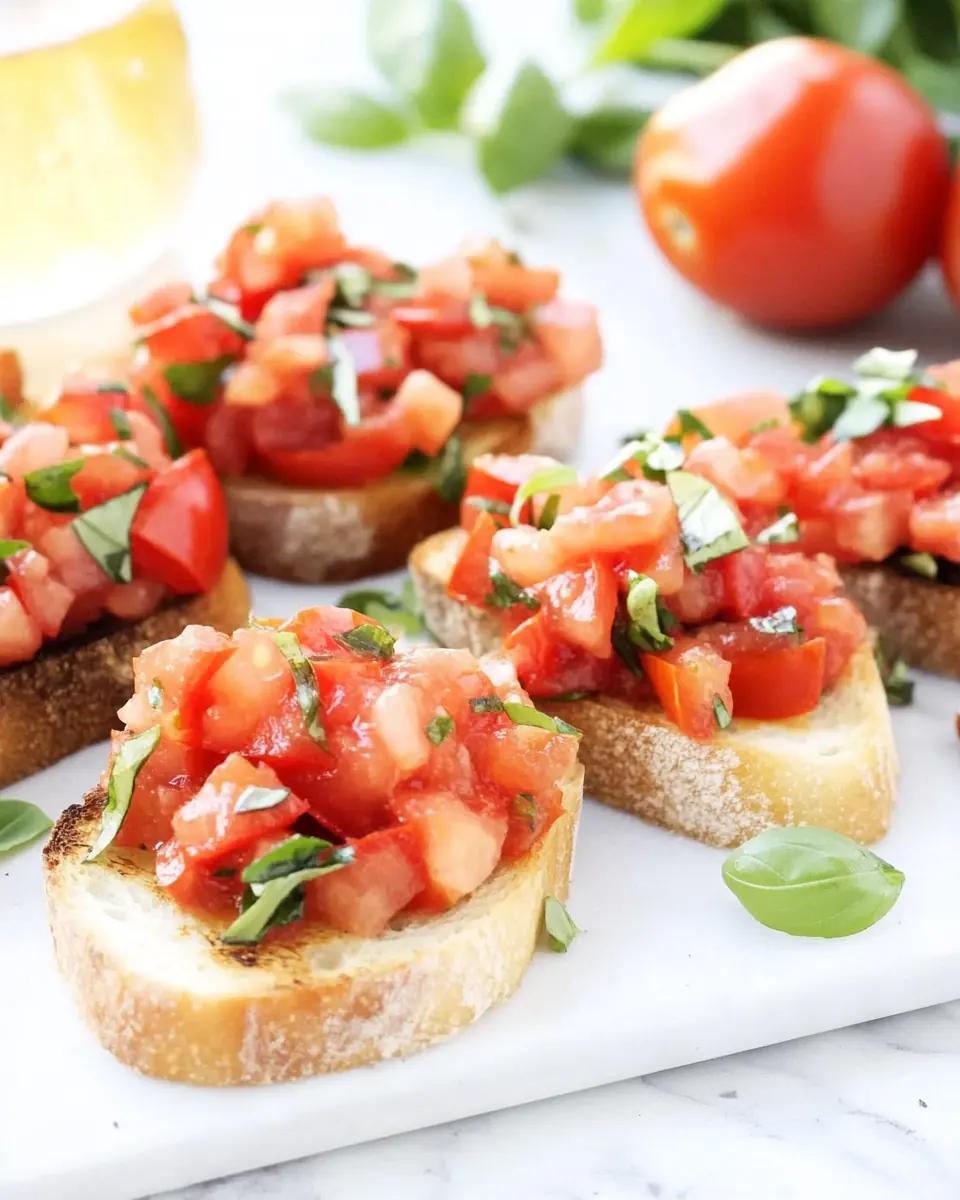
- Place about 2 tablespoons of the tomato relish onto each toasted baguette slice. Repeat the process until all the tomatoes and toast have been used. Serve on a plate or platter.: When you spoon the relish onto the warm toast, the contrast between hot crisp bread and cool tomato is delightful. Arrange the slices neatly on a platter and watch how the colors pop, the red of the tomatoes against the golden toast. If the topping is very juicy, spoon gently to avoid dripping; serving on a shallow plate with a slight lip helps contain any stray juices. A common oversight is overloading each slice which can cause the toast to become soggy quickly, so modest portions keep the texture balanced.
Notes
- Grill the bread: Instead of pan toasting, grill the baguette slices over medium heat for added smoky char, which deepens the taste without masking the tomatoes.
- Extra garlic infusion: If you love aromatic depth, increase the amount of infused olive oil used for brushing the toast, but keep some plain to avoid overpowering the relish.
- Tomato draining: If your tomatoes are very juicy, let them sit in a sieve for a few minutes to drain excess liquid so the toast stays crisp longer.
- Herb swap: If you cannot find fresh basil, a small pinch of dried oregano or a few leaves of fresh parsley can offer a different but pleasant herbal note.
- Olive oil quality: Use the best tasting olive oil you can source, because its flavor is front and center in the finished dish.