Sugar Cream Pie
Sugar Cream Pie has been one of those comforting recipes I chase back to childhood kitchens and late autumn gatherings, where warmth and a hint of nostalgia hang in the air. The first time I made this pie on my own, it felt like stepping into a well worn story, the kind told across generations with a wooden spoon and gentle coaxing. I remember the soft crackle when the crust met the heat, and how the filling smelled like warm cream and cinnamon as it bubbled quietly under the broiler.
Over the years I have tweaked tiny things, like how much granulated sugar to sprinkle on top, and whether to use heavy whipping cream or a slightly leaner milk blend for the filling. Each change taught me something new about balance, texture, and the way simple ingredients can feel luxurious. When I bring this out at a holiday table, people lean in just a little closer, drawn by the caramelized top and the silky custard beneath.
Recipe Snapshot
1 hr 30 mins
40 mins
50 mins
Medium
350 kcal
American
Gluten-Free, Low FODMAP
Desserts
9-inch pie pan, Oven, Mixing bowls, Pastry cutter, Rolling pin, Whisk, Saucepan, Parchment paper
Why Try This Sugar Cream Pie
Comfortingly Simple Ingredients
I love that Sugar Cream Pie leans on pantry staples, yet delivers a dessert that feels indulgent. Using all-purpose flour, granulated sugar, and heavy whipping cream gives you a straightforward flavor profile that says home without fuss. If you are the sort who appreciates honest baking, this recipe rewards you for paying attention to technique rather than hunting for exotic items.
Texture That Feels Like a Hug
The contrast between the tender, flaky crust and the luxuriously smooth filling is what keeps me coming back. The custard sets just enough to slice neatly, but remains creamy on the palate. I often catch myself closing my eyes the first time I taste it, savoring the melt in the mouth feeling and the warm cinnamon finish.
Pure, Nostalgic Flavor
This pie is nostalgic without being cloying. The toasted, slightly crunchy cinnamon and sugar topping adds depth and a hint of caramel, while the filling tastes of rich milk and vanilla. That straightforward sweetness is why I recommend it at family gatherings, it feels like a return to simpler times yet still delights modern palates.
Hands On But Rewarding
I appreciate recipes that let you be involved and see progress. Making the crust by hand, feeling the dough come together with cold water, and watching the filling thicken on the stove are satisfying moments. Those tactile steps make the pie taste like something you cared to create, not just buy, and guests can feel that difference.
Versatile for Many Occasions
Sugar Cream Pie fits holiday tables, casual weekend desserts, or a special after dinner treat. It travels well to potlucks and keeps nicely in the fridge for days, making it practical as well as delicious. I often bring it to autumn gatherings, and it consistently becomes the dessert people ask about the next time.
Shopping List for Sugar Cream Pie
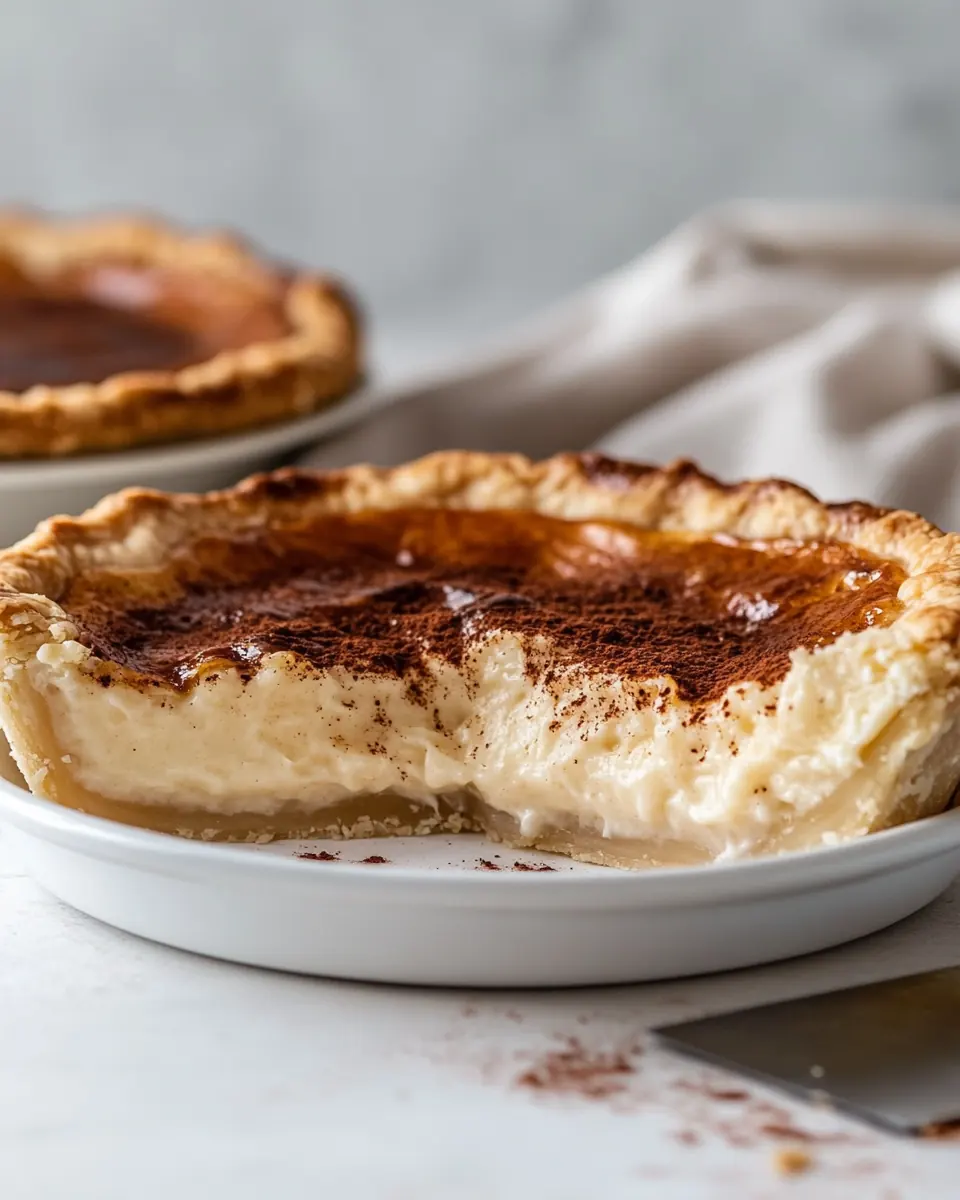
These ingredients form a classic, comforting whole. The key players are the tender crust, built from all-purpose flour and shortening, and the rich custard filling made from heavy whipping cream and whole milk. Small additions like cornstarch and vanilla extract or paste give the filling its silkiness and depth, while the cinnamon and extra sugar on top provide that irresistible caramelized finish.
- 1 1/4 cup all-purpose flour: Combine to form the base of the pastry dough, providing structure and gluten development when mixed with fats and liquid; sifts easily to remove lumps for a tender crust. Use measured amounts to ensure proper dough consistency and avoid toughness from overworking.
- 1/4 teaspoons salt: Enhance dough flavor and balance sweetness while strengthening gluten slightly; dissolve into the dry ingredients to distribute evenly. Keep quantity small to prevent interfering with rising or texture.
- 1/3 cups shortening: Cut into the flour to create flaky layers and tender texture by coating flour particles to limit gluten formation; chill shortening to maintain distinct pockets that produce a crisp crust. Use proper cutting technique to ensure even distribution and crumbly result.
- 4 5 tablespoons cold water: Add gradually to hydrate the flour and bind dough components, controlling consistency to achieve a cohesive but not sticky pastry; use cold water to keep fats solid and promote flakiness. Adjust amount slightly to produce a dough that holds together without excess moisture.
- 4 tablespoons cornstarch: Thicken the pie filling by gelatinizing when heated with liquids, producing a smooth, stable custard-like texture without using eggs. Whisk thoroughly into cold liquids to prevent lumps and ensure even cooking during simmering.
- 2/3 cup granulated sugar: Sweeten the filling with clean, crystalline sweetness and help balance the richness of cream and butter; dissolve into the starch mixture to create uniform sweetness. Measure carefully to achieve desired sweetness without overpowering delicate flavors.
- 1/4 teaspoons salt: Season the crust and filling lightly to enhance overall flavor and balance sweetness; include with dry ingredients to distribute evenly and avoid salt pockets. Use measured small amounts to complement other ingredients without salinity.
- 1/4 cup unsalted butter melted: Enrich and add a silky mouthfeel to the filling when melted, contributing a rich, buttery flavor that melds with sugars; stir into warm mixtures to incorporate fully. Use unsalted butter to better control salt level in the final pie.
- 1 1/2 cup heavy whipping cream: Provide body, richness, and a creamy texture to the custard filling through high fat content, contributing to smoothness and stability when combined with milk and starch. Heat gently with other liquids to avoid scalding and ensure even thickening.
- 1 cup whole milk: Lighten and extend the filling while balancing richness with a milky backdrop; combines with cream to adjust final fat percentage and mouthfeel. Warm slightly before incorporating to promote smooth blending with other heated components.
- 1 1/2 tablespoon vanilla extract or paste: Impart deep, aromatic vanilla flavor and enhance perceived sweetness and complexity; add near the end of cooking to preserve volatile flavor compounds. Use extract or paste according to intensity preference to achieve desired vanilla note.
- 3 tablespoons salted butter melted: Create a glossy finish and add buttery richness to the topping or surface when melted, contributing flavor contrast and sheen. Brush onto warm surfaces or swirl into the filling for a smooth, indulgent texture.
- 1/3 cup granulated sugar: Provide additional sweetness for a caramelized topping or swirl, melting and browning to develop flavor and a slight crunch when baked or broiled briefly. Sprinkle or fold in as directed to control sweetness intensity and texture contrast.
- 1 1/2 teaspoons ground cinnamon: Add warm, aromatic spice to the topping or filling, elevating the overall flavor profile with subtle heat and fragrance; pairs well with sugar for a classic cinnamon–sugar finish. Use measured amounts to avoid overpowering the pie's delicate custard.
Directions for Sugar Cream Pie
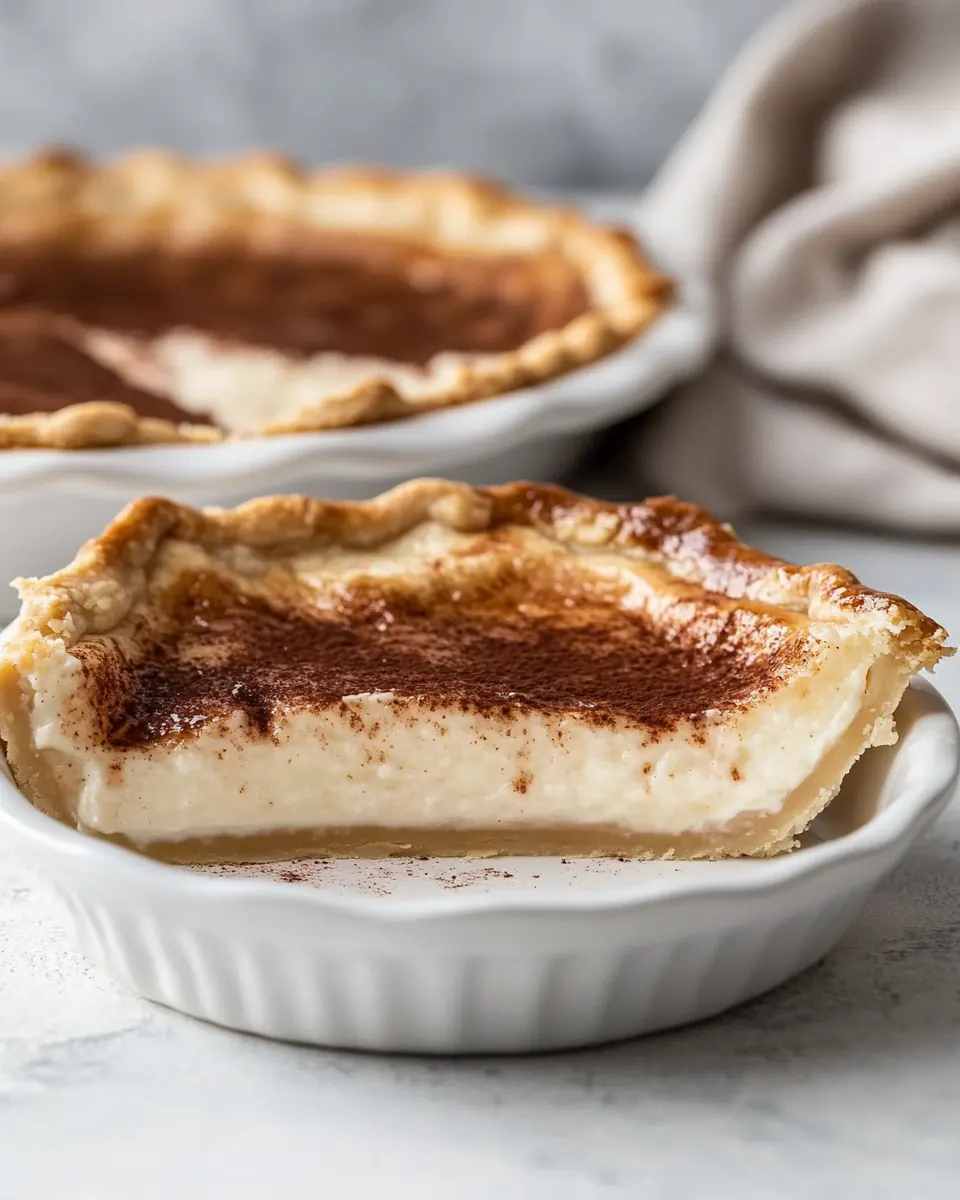
These directions bring the components together step by step, and you will notice how small techniques make a big difference. Keep a sense of rhythm while you work, and pay close attention to visual and sensory cues. Pull up a chair, put on some music, and enjoy the process as much as the result.
- Preheat the oven to 375 degrees Fahrenheit and set aside a 9-inch pie pan.: As the oven warms, you will hear a low hum and feel a steady rise in kitchen warmth, which primes the environment for baking. Preheating ensures the crust starts to set immediately, creating a flakier base. A common mistake is not waiting long enough for the oven to reach temperature, which can lead to a soggy bottom, so always use an oven thermometer if yours runs cool or hot. Visually, you want the oven light to show consistent heating, and the time spent now saves you from uneven results later.
- Add 1 1/4 cup all-purpose flour and 1/4 teaspoon salt to a large bowl and whisk to combine. Use a pastry cutter to cut in 1/3 cup shortening until it is the size of small peas.: The dry mixture should look uniform and slightly dusty after whisking, and when you cut in the shortening , you will notice pea sized bits dispersed throughout. Those little lumps melt during baking and create those coveted flaky pockets. If you overwork the dough here, it can develop too much gluten and become tough, so stop once the pieces are pea sized. Touch is important you want a cool, crumbly texture before adding any liquid.
- Add 4-5 tablespoons cold water to the flour and stir with a fork until it begins to come together. Add a tablespoon or two of additional water until a dough forms. Press the dough into a ball.: You will feel the dough shift from crumbly to slightly cohesive as the cold water is incorporated. The key sensory cue is tackiness without wetness, and the dough should hold together when pressed but not be sticky. Using water that is too warm can make the fat smear, which ruins flakiness, so keep everything cold. A frequent slip up is adding too much water too quickly, so go slowly and test by squeezing the dough in your hand.
- Roll the dough out on a lightly floured surface until it forms a circle that's 2-3 inches wider than your pie pan.: The dough should glide under the rolling pin with gentle pressure, showing a slightly floured sheen on the surface. Aim for even thickness, and rotate the dough occasionally to avoid sticking. If the dough starts to tear or becomes elastic, let it rest in the fridge for a few minutes to relax the gluten. Using too much force at this stage makes the crust chewy rather than tender.
- Roll the dough onto the rolling pin and then unroll it over the pie pan. Press the crust into the pan and crimp the edges as desired. Prick the bottom of the crust several times with a fork.: When positioned in the pan the crust should sit snugly, hugging the sides without gaps. Crimping adds both style and a small seal that helps prevent shrinkage. Pricking the bottom prevents large air pockets from forming while blind baking. A common error is not trimming excess dough, which can burn at the edges, so tidy up before the oven. The visual cue is a smooth even surface after pricking.
- Place a sheet of parchment in the bottom of the crust and add pie weights or unbaked beans until the bottom of the crust is filled. Bake for 10-12 minutes before removing the parchment paper and the pie weights or beans and bake for another 7-8 minutes until the bottom of the crust is beginning to brown. Reduce the oven to 325 degrees Fahrenheit when the pie crust comes out.: The crust will steam under the weights which keeps it from puffing, and you will hear a faint crackling as the surface sets. After removing the weights the exposed surface should look dry and pale at first, then take on a subtle golden tone during the second bake. Browning signals that the base is losing excess moisture, which helps prevent a soggy filling. If you skip the second bake, the bottom may remain underdone, so resist the urge to shortcut. Adjusting the oven down to 325 degrees prevents the filling from overbrowning once added.
- While the crust is baking, whisk 4 tablespoons cornstarch, 2/3 cup granulated sugar, and 1/4 teaspoon salt before adding 1/4 cup unsalted butter, 1 1/2 cup heavy whipping cream, and 1 cup whole milk. Cook over medium heat while whisking constantly until the mixture starts to thicken, about 6-7 minutes. Once thickened to a thin pudding-like consistency, turn off the heat and whisk in the 1 1/2 tablespoon vanilla extract or paste.: As the filling heats you will notice a transformation from a thin milky liquid to a glossy, slightly thickened custard that coats the whisk. The aroma grows richer, buttery and slightly sweet, and the whisking prevents lumps while activating the cornstarch . If the heat is too high it can scorch the dairy, leaving an off aroma, so keep it at medium and stir continuously. The look you want is a smooth, silky ribbon when the whisk is lifted, which indicates proper thickening.
- Pour the filling into the crust once it’s finished par-baking.: When pouring, the filling should flow like thick cream and settle evenly in the crust, filling the pan without overflowing. You may hear faint settling sounds as air leaves and the custard finds its level. Allow the filling surface to smooth naturally; avoid jostling the pan which can create bubbles. A common mistake is pouring while the filling is still too hot, which can cause the crust to soften excessively, so let it cool briefly if needed.
- Carefully brush 3 tablespoons salted butter melted over the top of the filling and sprinkle evenly with 1/3 cup granulated sugar and 1 1/2 teaspoons ground cinnamon.: Brushing the surface with melted salted butter creates a glossy bed for the sugar to adhere to, and the sugar plus ground cinnamon will crisp under heat. The aroma of toasted spice will begin to emerge even before baking further. Make sure the sugar is spread uniformly for even caramelization, and avoid over brushing which can wash away the sugar. The visual cue is a uniformly sugared surface ready to bubble and brown.
- Bake at 325 degrees Fahrenheit for 30 minutes before turning on the broiler and broiling for just about 1 minute or until the cinnamon topping starts bubbling.: During this bake the filling will set gently, losing its watery sheen and becoming faintly jiggle free at the center. When you turn on the broiler, watch closely the sugar melting and the cinnamon releasing aromatic oils that create tiny bubbles and toasted spots. Broil for only about a minute because sugar can go from glossy to burnt very quickly, and smell is your best alarm for doneness. A common error is walking away during broiling, which risks a burnt top.
- Remove from the oven and let the pie cool to room temperature before chilling in the refrigerator for at least 4 hours before serving.: Cooling allows the custard to lock into a sliceable texture while the flavors meld and the topping firms. You will notice steam subside and the pie holding shape better as it cools. Chilling overnight deepens the flavor and makes slicing cleaner. Cutting too soon yields a runny filling, so patience here really rewards you with neat slices and balanced texture.
Recipe Notes about Sugar Cream Pie
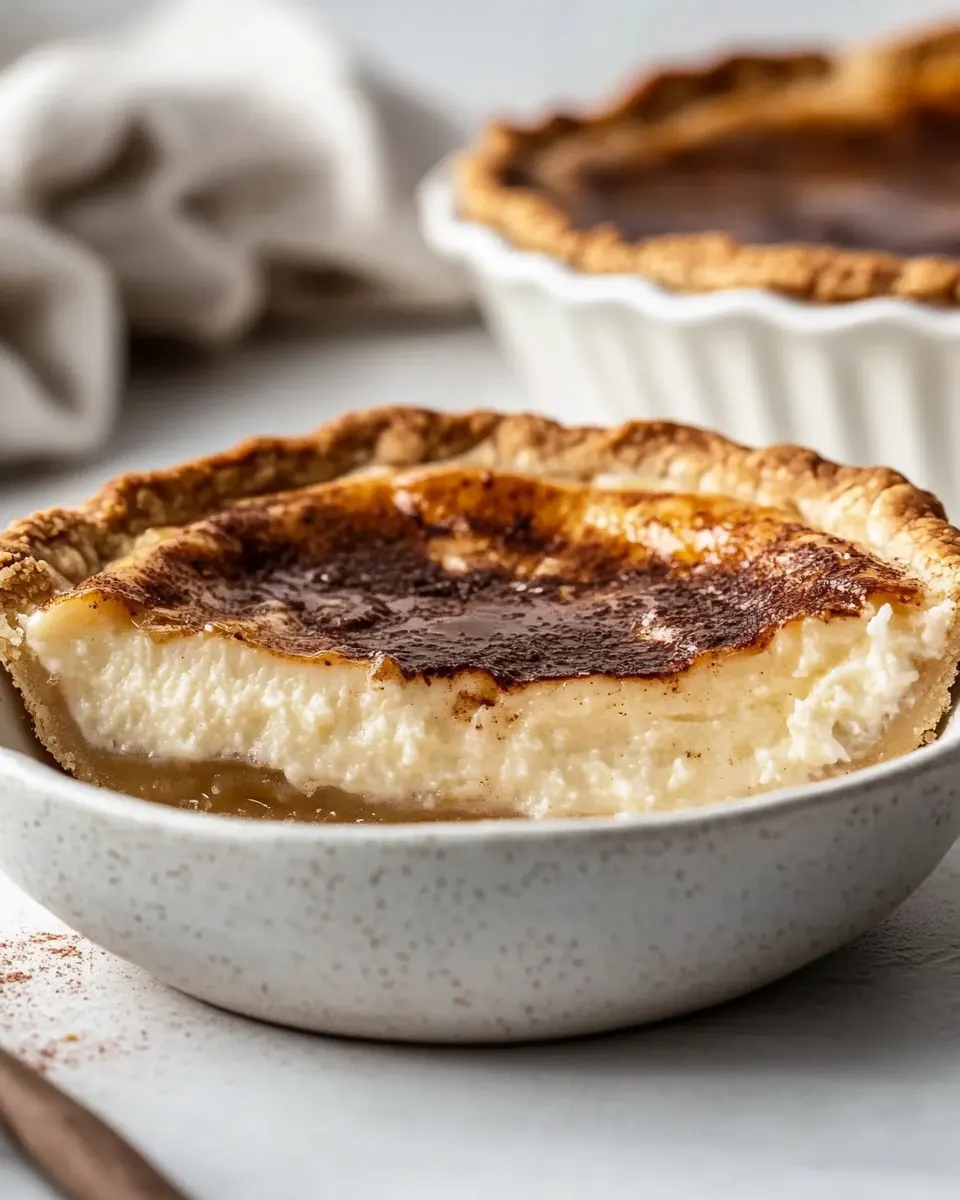
This pie benefits from patience and attention to simple details. Below are practical notes that grew out of multiple bakes, designed to help you get consistent results and to understand the reasons behind each technique.
- Keep ingredients cold for a flaky crust When you cut the shortening into the all-purpose flour, the fat should remain in small pieces that will create pockets during baking. Cold ingredients produce steam pockets that make the crust flaky.
- Add cold water slowly The dough only needs enough water to hold together. Adding a tablespoon at a time prevents a sticky dough and ensures tenderness. Overworking the dough will make it tough, so handle it gently.
- Whisk dry ingredients thoroughly Mixing the cornstarch, granulated sugar, and salt before adding liquids helps avoid lumps and ensures even thickening, producing that smooth custard texture.
- Monitor the filling during cooking Keep the heat at medium and whisk constantly to prevent scorching. The filling should thicken to a pudding like consistency, which indicates the cornstarch has activated properly.
- Evenly sprinkle topping Brush the filling lightly with melted salted butter so the granulated sugar and ground cinnamon adhere evenly and caramelize under the broiler for a uniform, crisp finish.
Great Combinations for Sugar Cream Pie
This pie pairs beautifully with simple accompaniments and suits a range of occasions from cozy family dinners to holiday dessert tables. Below are thoughtful serving ideas, storage tips, and seasonal suggestions to help you present the pie in a way that complements its creamy texture and sweet, spiced topping.
- Serve slightly chilled Let the pie come to room temperature then chill for several hours so it slices cleanly and the flavors meld. This helps the custard hold its shape and improves presentation.
- Bring to fall gatherings This pie is perfect for autumn and Thanksgiving tables, where its warm cinnamon finish and creamy filling echo seasonal flavors. Place it alongside roasted mains for a cozy finish to the meal.
- Pair with coffee or tea A rich cup of coffee or a spiced tea complements the sweet, creamy notes and helps balance the richness. Offer small cups so the dessert remains the center of attention.
- Store in the refrigerator Keep the pie covered and refrigerated for up to four days. Chilling helps maintain the custard texture and prevents the topping from becoming overly sticky.
- Transport with care Place the pie on a flat surface and chill solid before travel. A firm filling is less likely to jiggle and crack, making for safer transport to potlucks or family gatherings.
- Decorate sparingly If you want a finishing touch add a light dusting of extra ground cinnamon right before serving, but avoid heavy toppings that mask the delicate filling.
FAQ
Conclusion
Sugar Cream Pie stands out because it turns a handful of humble pantry ingredients into a luxuriously creamy, warmly spiced dessert. Its simple crust and silky filling offer nostalgic comfort and modern appeal, making it a welcome addition to holiday tables and quiet weeknight treats alike. I encourage you to give this recipe a try, taking your time with the crust and the stovetop thickening step. With patience and attention to the cues described, you will be rewarded with a pie that slices cleanly, tastes rich, and becomes a recipe people ask for again.
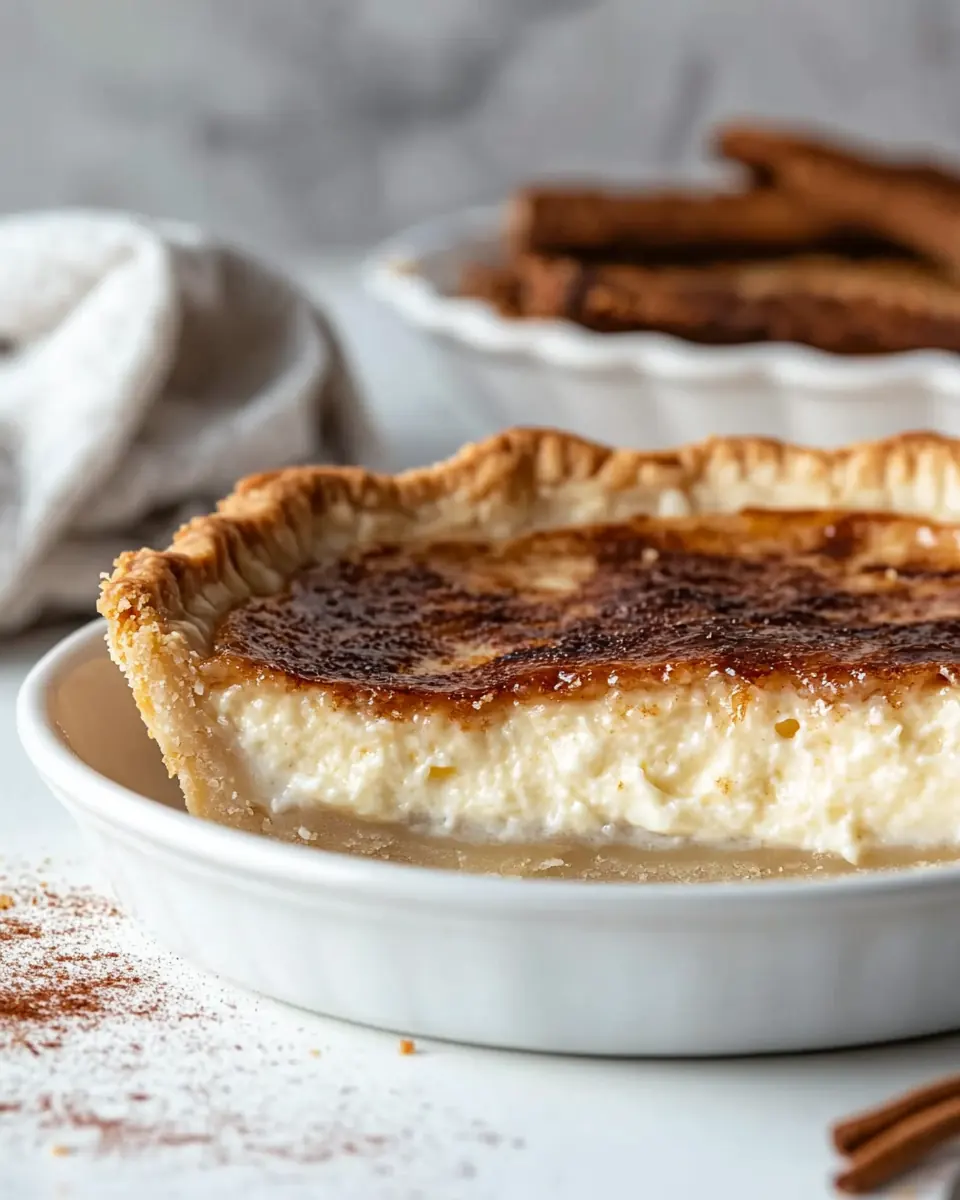
Sugar Cream Pie
Ingredients
Equipment
Method
- Preheat the oven to 375 degrees Fahrenheit and set aside a 9-inch pie pan.: As the oven warms, you will hear a low hum and feel a steady rise in kitchen warmth, which primes the environment for baking. Preheating ensures the crust starts to set immediately, creating a flakier base. A common mistake is not waiting long enough for the oven to reach temperature, which can lead to a soggy bottom, so always use an oven thermometer if yours runs cool or hot. Visually, you want the oven light to show consistent heating, and the time spent now saves you from uneven results later.
- Add 1 1/4 cup all-purpose flour and 1/4 teaspoon salt to a large bowl and whisk to combine. Use a pastry cutter to cut in 1/3 cup shortening until it is the size of small peas.: The dry mixture should look uniform and slightly dusty after whisking, and when you cut in the shortening , you will notice pea sized bits dispersed throughout. Those little lumps melt during baking and create those coveted flaky pockets. If you overwork the dough here, it can develop too much gluten and become tough, so stop once the pieces are pea sized. Touch is important you want a cool, crumbly texture before adding any liquid.
- Add 4-5 tablespoons cold water to the flour and stir with a fork until it begins to come together. Add a tablespoon or two of additional water until a dough forms. Press the dough into a ball.: You will feel the dough shift from crumbly to slightly cohesive as the cold water is incorporated. The key sensory cue is tackiness without wetness, and the dough should hold together when pressed but not be sticky. Using water that is too warm can make the fat smear, which ruins flakiness, so keep everything cold. A frequent slip up is adding too much water too quickly, so go slowly and test by squeezing the dough in your hand.
- Roll the dough out on a lightly floured surface until it forms a circle that's 2-3 inches wider than your pie pan.: The dough should glide under the rolling pin with gentle pressure, showing a slightly floured sheen on the surface. Aim for even thickness, and rotate the dough occasionally to avoid sticking. If the dough starts to tear or becomes elastic, let it rest in the fridge for a few minutes to relax the gluten. Using too much force at this stage makes the crust chewy rather than tender.
- Roll the dough onto the rolling pin and then unroll it over the pie pan. Press the crust into the pan and crimp the edges as desired. Prick the bottom of the crust several times with a fork.: When positioned in the pan the crust should sit snugly, hugging the sides without gaps. Crimping adds both style and a small seal that helps prevent shrinkage. Pricking the bottom prevents large air pockets from forming while blind baking. A common error is not trimming excess dough, which can burn at the edges, so tidy up before the oven. The visual cue is a smooth even surface after pricking.
- Place a sheet of parchment in the bottom of the crust and add pie weights or unbaked beans until the bottom of the crust is filled. Bake for 10-12 minutes before removing the parchment paper and the pie weights or beans and bake for another 7-8 minutes until the bottom of the crust is beginning to brown. Reduce the oven to 325 degrees Fahrenheit when the pie crust comes out.: The crust will steam under the weights which keeps it from puffing, and you will hear a faint crackling as the surface sets. After removing the weights the exposed surface should look dry and pale at first, then take on a subtle golden tone during the second bake. Browning signals that the base is losing excess moisture, which helps prevent a soggy filling. If you skip the second bake, the bottom may remain underdone, so resist the urge to shortcut. Adjusting the oven down to 325 degrees prevents the filling from overbrowning once added.
- While the crust is baking, whisk 4 tablespoons cornstarch, 2/3 cup granulated sugar, and 1/4 teaspoon salt before adding 1/4 cup unsalted butter, 1 1/2 cup heavy whipping cream, and 1 cup whole milk. Cook over medium heat while whisking constantly until the mixture starts to thicken, about 6-7 minutes. Once thickened to a thin pudding-like consistency, turn off the heat and whisk in the 1 1/2 tablespoon vanilla extract or paste.: As the filling heats you will notice a transformation from a thin milky liquid to a glossy, slightly thickened custard that coats the whisk. The aroma grows richer, buttery and slightly sweet, and the whisking prevents lumps while activating the cornstarch . If the heat is too high it can scorch the dairy, leaving an off aroma, so keep it at medium and stir continuously. The look you want is a smooth, silky ribbon when the whisk is lifted, which indicates proper thickening.
- Pour the filling into the crust once it’s finished par-baking.: When pouring, the filling should flow like thick cream and settle evenly in the crust, filling the pan without overflowing. You may hear faint settling sounds as air leaves and the custard finds its level. Allow the filling surface to smooth naturally; avoid jostling the pan which can create bubbles. A common mistake is pouring while the filling is still too hot, which can cause the crust to soften excessively, so let it cool briefly if needed.
- Carefully brush 3 tablespoons salted butter melted over the top of the filling and sprinkle evenly with 1/3 cup granulated sugar and 1 1/2 teaspoons ground cinnamon.: Brushing the surface with melted salted butter creates a glossy bed for the sugar to adhere to, and the sugar plus ground cinnamon will crisp under heat. The aroma of toasted spice will begin to emerge even before baking further. Make sure the sugar is spread uniformly for even caramelization, and avoid over brushing which can wash away the sugar. The visual cue is a uniformly sugared surface ready to bubble and brown.
- Bake at 325 degrees Fahrenheit for 30 minutes before turning on the broiler and broiling for just about 1 minute or until the cinnamon topping starts bubbling.: During this bake the filling will set gently, losing its watery sheen and becoming faintly jiggle free at the center. When you turn on the broiler, watch closely the sugar melting and the cinnamon releasing aromatic oils that create tiny bubbles and toasted spots. Broil for only about a minute because sugar can go from glossy to burnt very quickly, and smell is your best alarm for doneness. A common error is walking away during broiling, which risks a burnt top.
- Remove from the oven and let the pie cool to room temperature before chilling in the refrigerator for at least 4 hours before serving.: Cooling allows the custard to lock into a sliceable texture while the flavors meld and the topping firms. You will notice steam subside and the pie holding shape better as it cools. Chilling overnight deepens the flavor and makes slicing cleaner. Cutting too soon yields a runny filling, so patience here really rewards you with neat slices and balanced texture.
Notes
- Keep ingredients cold for a flaky crust When you cut the shortening into the all-purpose flour, the fat should remain in small pieces that will create pockets during baking. Cold ingredients produce steam pockets that make the crust flaky.
- Add cold water slowly The dough only needs enough water to hold together. Adding a tablespoon at a time prevents a sticky dough and ensures tenderness. Overworking the dough will make it tough, so handle it gently.
- Whisk dry ingredients thoroughly Mixing the cornstarch, granulated sugar, and salt before adding liquids helps avoid lumps and ensures even thickening, producing that smooth custard texture.
- Monitor the filling during cooking Keep the heat at medium and whisk constantly to prevent scorching. The filling should thicken to a pudding like consistency, which indicates the cornstarch has activated properly.
- Evenly sprinkle topping Brush the filling lightly with melted salted butter so the granulated sugar and ground cinnamon adhere evenly and caramelize under the broiler for a uniform, crisp finish.