Peanut Butter Oatmeal Cookie Dough Truffles
Peanut Butter Oatmeal Cookie Dough Truffles started as a late night craving rescue for me, a tiny plate of childhood comfort that felt grown up and a little bit indulgent all at once. I remember standing at my kitchen counter with a tin of peanut butter, a bag of old fashioned oats, and the urge to make something that was both nostalgic and unexpectedly elegant. I wanted bites that reminded me of cookie dough but were safe to eat straight from the bowl, and the result became our go to for holiday plates and surprise guests.
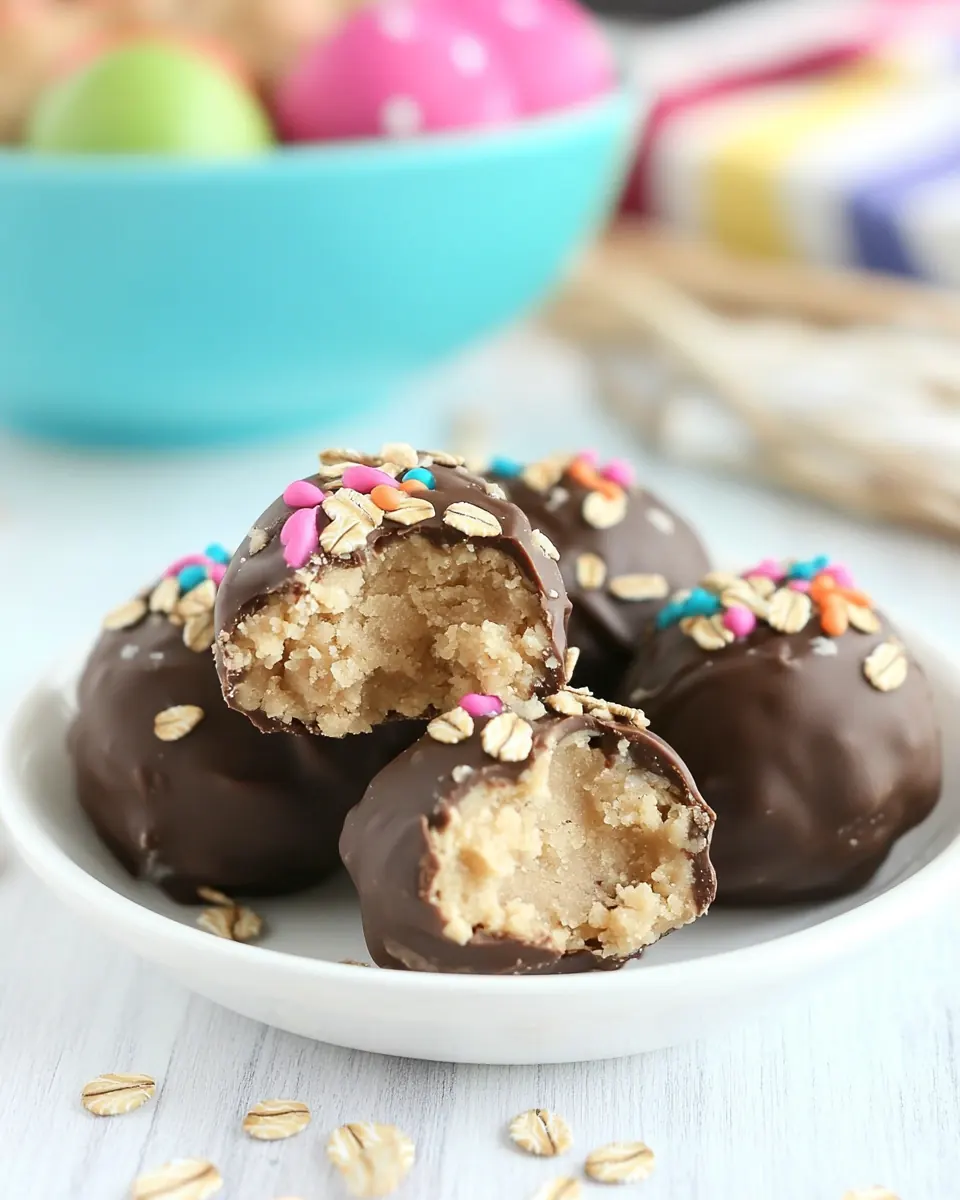
Over time I learned how the textures play together, and how a simple coating of melted chocolate turns rustic little dough balls into showstopping truffles. I’ll never forget my partner’s face the first time they bit into one, the warm nuttiness of the peanut butter giving way to chewy oats and a crackly chocolate shell. That combination convinced me these deserve a permanent spot in my recipe rotation.
Recipe Snapshot
60 mins
30 mins
30 mins
Medium
120 kcal
American
Gluten-Free, Vegan
Desserts
Stand mixer, Paddle attachment, Measuring cups, Cookie sheet, Wax paper, Mixing spoon, Microwave safe bowl or double boiler
What We Adore About This Peanut Butter Oatmeal Cookie Dough Truffles
Unexpectedly simple and satisfying
I love that Peanut Butter Oatmeal Cookie Dough Truffles are straightforward yet feel luxurious. With just a few pantry staples you get a treat that tastes like bakeries but takes a fraction of the effort, so I reach for them when I want maximum impact without fuss.
Textural harmony
The chew of old fashioned oats paired with creamy peanut butter creates a sturdy, satisfying interior that contrasts beautifully with a crisp chocolate coating. That contrast is what keeps me coming back, bite after bite.
Kid friendly and party ready
These truffles are a hit with kids and adults alike. I often bring a batch to gatherings because they travel well, hold up at room temperature for hours, and are easy to dress up with sprinkles or extra coconut to match any occasion.
Flexible and forgiving
One of the reasons I rely on this recipe is how forgiving it is. If your dough is slightly crumbly, a minute of extra mixing or a splash of water or more peanut butter brings it back. That adaptability makes it beginner friendly, and I always feel confident handing the mixing bowl to friends who want to help.
Make ahead magic
I often prepare the dough a day ahead and chill it, which deepens the flavors and makes shaping faster. The chocolate coating can be done just before guests arrive, keeping the truffles fresh and glossy. That timing trick has saved many of my entertaining nights.
Peanut Butter Oatmeal Cookie Dough Truffles Shopping List
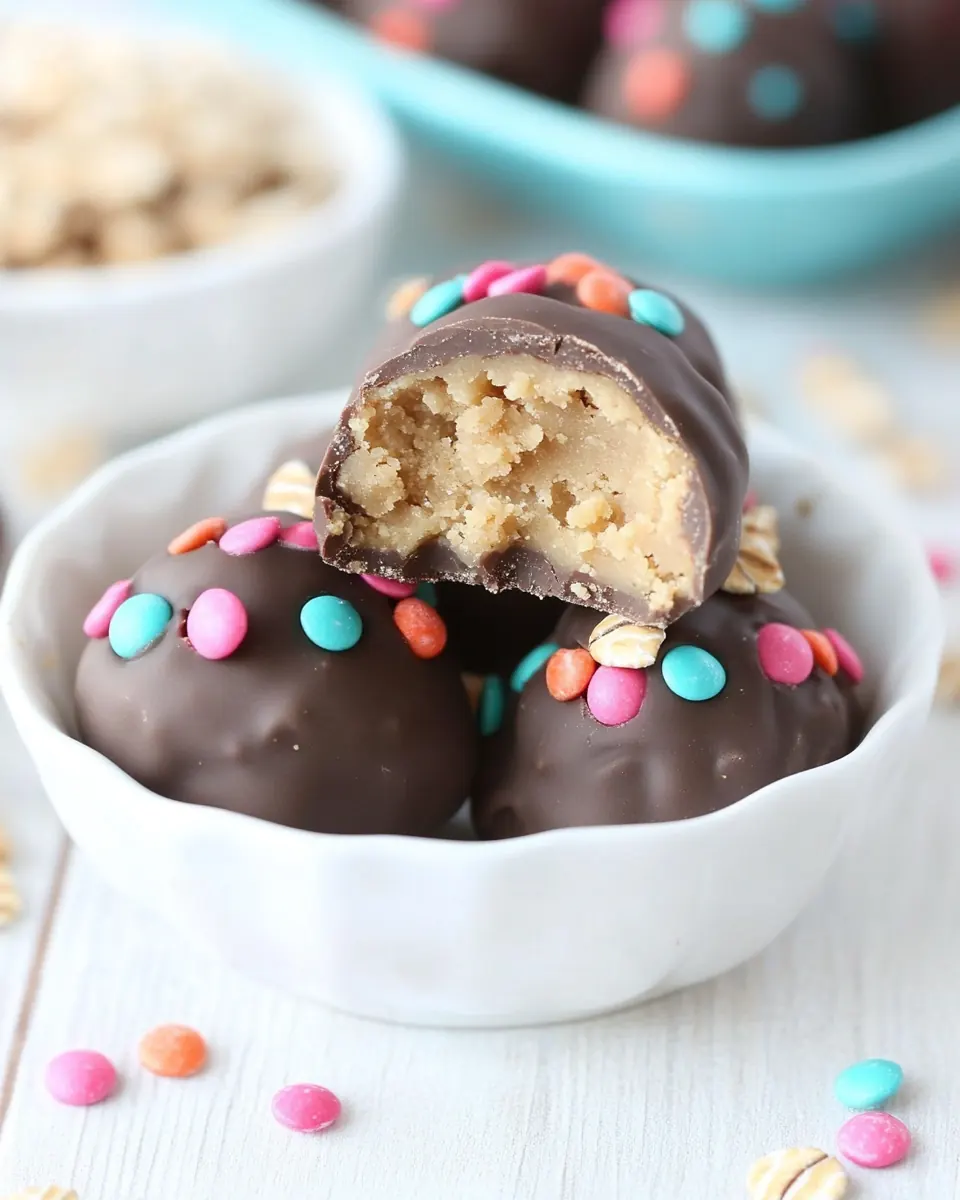
I treat these ingredients as a small orchestra where each player has an obvious role. The peanut butter provides fat and flavor, the brown sugar brings sweetness and chew, and the old fashioned oats offer body and texture. The chocolate gives a satisfying snap and contrast, while coconut and sprinkles are finishing touches that personalize the truffles.
- 1 cup peanut butter: Provide creaminess and act as the primary binder, giving the truffles a rich, nutty flavor and smooth texture that helps hold the mixture together when chilled.
- 3/4 cup brown sugar: Add moist sweetness and a deep caramel-like flavor, helping to balance the peanut butter while contributing structure and slight chewiness to the dough.
- 1 teaspoon vanilla: Impart warm, sweet aromatic notes and enhance overall flavor depth; stir into the mixture to brighten and round out the sweetness.
- 1 cup old fashioned oats quick oats would be fine too: Introduce hearty texture and a pleasant chew, absorbing some moisture to firm up the dough while contributing wholesome oat flavor and rustic bite.
- 1/2 cup shredded sweetened coconut: Contribute subtle tropical sweetness and chewy texture, adding contrast to the oats while boosting mouthfeel and visual interest in each bite.
- 10 ounces chocolate Candiquik or almond bark: Provide a glossy, firm chocolate coating that sets around the truffles; melt down to dip the shaped dough balls for a sweet, crisp exterior.
- Additional coconut or sprinkles for topping (optional): Offer a finishing touch that adds extra texture and visual appeal; sprinkle over the coated truffles to enhance presentation and mouthfeel.
Step by Step Instructions for Peanut Butter Oatmeal Cookie Dough Truffles
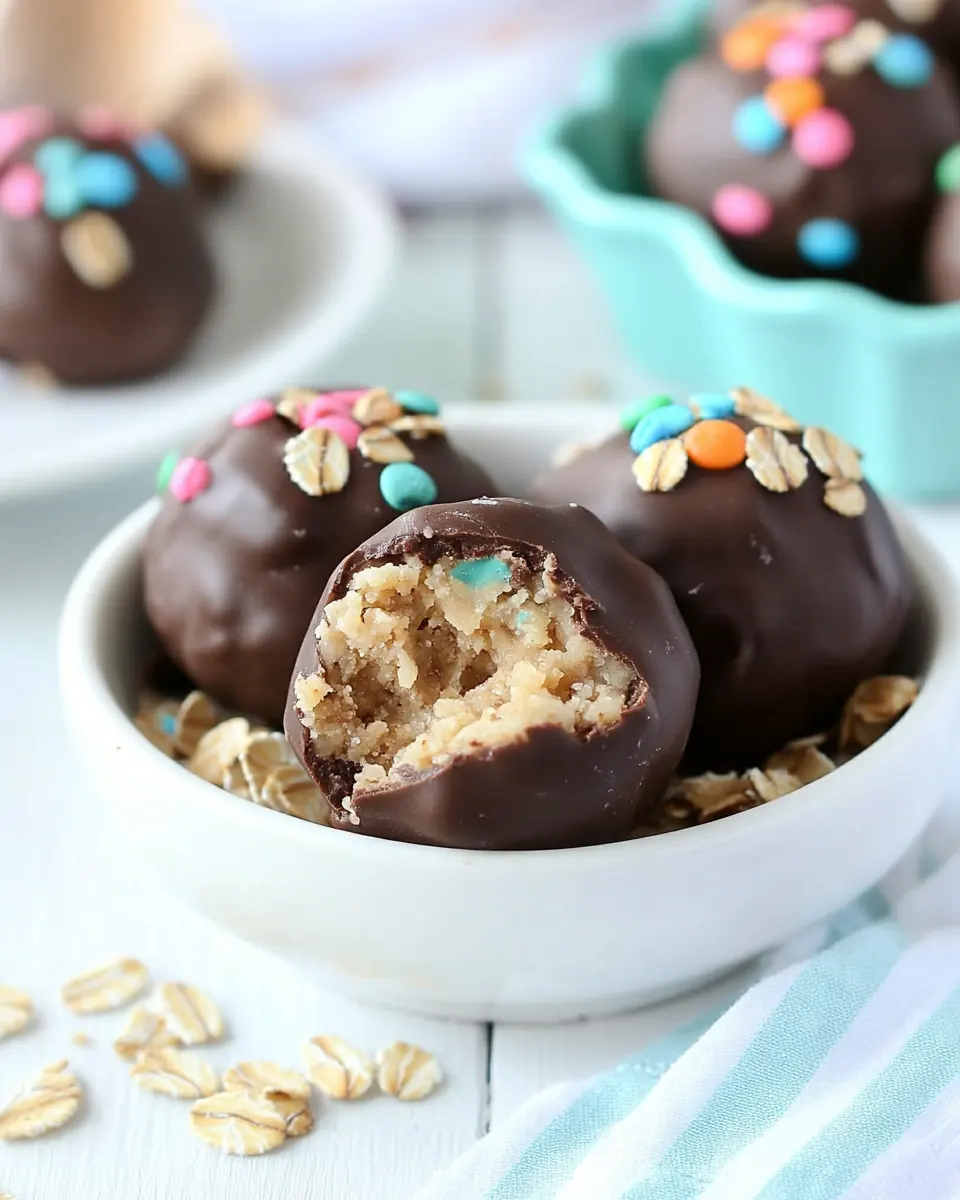
These directions are straightforward, but I like to walk you through them the way I do in my kitchen, with sensory cues and small troubleshooting notes so you can get consistent results. Read each step fully and prepare your workspace, because once you start, the process flows quickly.
- Add peanut butter and brown sugar to a stand mixer fitted with the paddle attachment. (You can also use a hand mixer!) Beat until incorporated, about 1 minute.: When you begin, you will smell the nutty, roasted aroma of the peanut butter as the machine works it with the brown sugar , creating a glossy, slightly grainy mass. The sound is a gentle mixing hum, not loud or clunky, and within about a minute the mixture should look cohesive and slightly shiny. This step is critical because it dissolves the sugar into the fat, producing a uniformly sweet base, so take the full minute to let the mixer do its job. A common mistake is under mixing which leaves pockets of dry sugar, so stop and scrape the bowl if you still see granules. If the mixture seems too stiff, let the mixer run an extra 15 to 30 seconds to warm the fats and make it more pliable.
- Add vanilla, oats, and coconut and mix until the dough comes together.: As you add the vanilla , the aroma will brighten and become more rounded, and when the old fashioned oats and shredded sweetened coconut enter the bowl the texture shifts from glossy to a thicker, more textured dough. Visually, you will see individual oat flakes incorporated, giving the dough a rustic look. Mixing until the dough holds together ensures the truffles will shape cleanly and not fall apart after chilling, which is why you want a cohesive, slightly tacky feel in the final mass. Avoid over mixing at high speed because the oats can break down and you will lose that pleasant chew. If the dough seems dry, add a scant teaspoon of water or a touch more peanut butter , but do so sparingly.
- Scoop 2 tablespoon sized balls onto a cookie sheet covered with wax paper. Roll into balls. Chill for 30 minutes.: When you portion the dough, the tactile feel should be pliant and slightly tacky but not sticky. Use a measuring scoop or a spoon to keep the truffles uniform, which helps with even chilling and consistent visual appeal. Rolling the balls in your palms should feel smooth, with the oats still providing structure, and the dough will release easily from your hands if they are slightly cool. Place them spaced apart on the wax paper so they do not touch while chilling, otherwise the chocolate step will be awkward. A typical pitfall here is packing the balls too tightly which makes them dense; aim for gentle compression so the interior stays tender.
- Melt candy according to package directions. Dip each truffle in the chocolate and tap off the excess. Place back onto the wax paper lined cookie sheet and top with sprinkles or extra coconut, if desired.: Rolling transforms the dough from a rough mound into a polished sphere, and you will notice the surface becomes smoother as it warms from your hands. The sound is subtle, just the soft friction of your palms, and visually the balls should be uniform, each with a slightly glossy sheen from the peanut butter . Proper rolling evens out the center, which helps the chocolate coating adhere consistently. If a ball cracks while rolling, press it gently to mend the surface; cracks usually heal with a light smoothing motion. Avoid overworking the dough since that can make the texture compacted and less pleasant.
- Chill for 30 minutes: During chilling the dough firms up and becomes easier to dip, and you will notice the aroma mellow slightly as the fats solidify. The cool, almost tactile firmness allows the balls to hold shape when immersed in warm chocolate . This rest is essential, because dipping warm or soft balls often leads to misshapen truffles and chocolate that slides off. A frequent mistake is skipping this step, which results in melted centers and messy coatings, so be patient and use the chill time as a breather to prepare your dipping station.
- Melt candy according to package directions: When melting your chocolate or Candiquik , follow the package for temperature guidance so you get a smooth, glossy consistency without seizing. If you use a microwave, heat in short bursts and stir often, listening for a subtle quiet bubbling at the edges which signals it is nearly ready. The smell should be rich and chocolate forward, and the texture should be silky when stirred. Overheating can scorch the chocolate and make it grainy, so avoid sustained high heat; if it thickens too much, a teaspoon of neutral oil can restore fluidity.
- Dip each truffle in the chocolate and tap off the excess: As you dip, the sound is a soft splash and the visual cue is a full, even coating that envelopes the truffle. Tapping off the excess is important to avoid thick, clumpy shells and to achieve a neat finish. Use a fork or dipping tool and a gentle tap on the edge of the bowl until only a thin, even layer clings. If your coating is too thin and streaky, the chocolate may be under-tempered or too cool; warm it slightly and stir to unify the texture. Conversely, if the coating is too thick, it will set heavy and hide the truffle shape, so thin it gently as needed.
- Place back onto the wax paper lined cookie sheet and top with sprinkles or extra coconut, if desired: Once coated, the truffles should rest on the wax paper and you will hear a faint settling silence as the chocolate sets. The toppings adhere immediately to the warm coating, and they provide a pop of color and texture. If you want a glossy finish, allow the chocolate to set at room temperature for a shiny appearance; refrigeration will set faster but can dull the sheen. A common misstep is overcrowding the tray which can cause the truffles to stick together, so give each piece a bit of breathing room.
Variations to Try
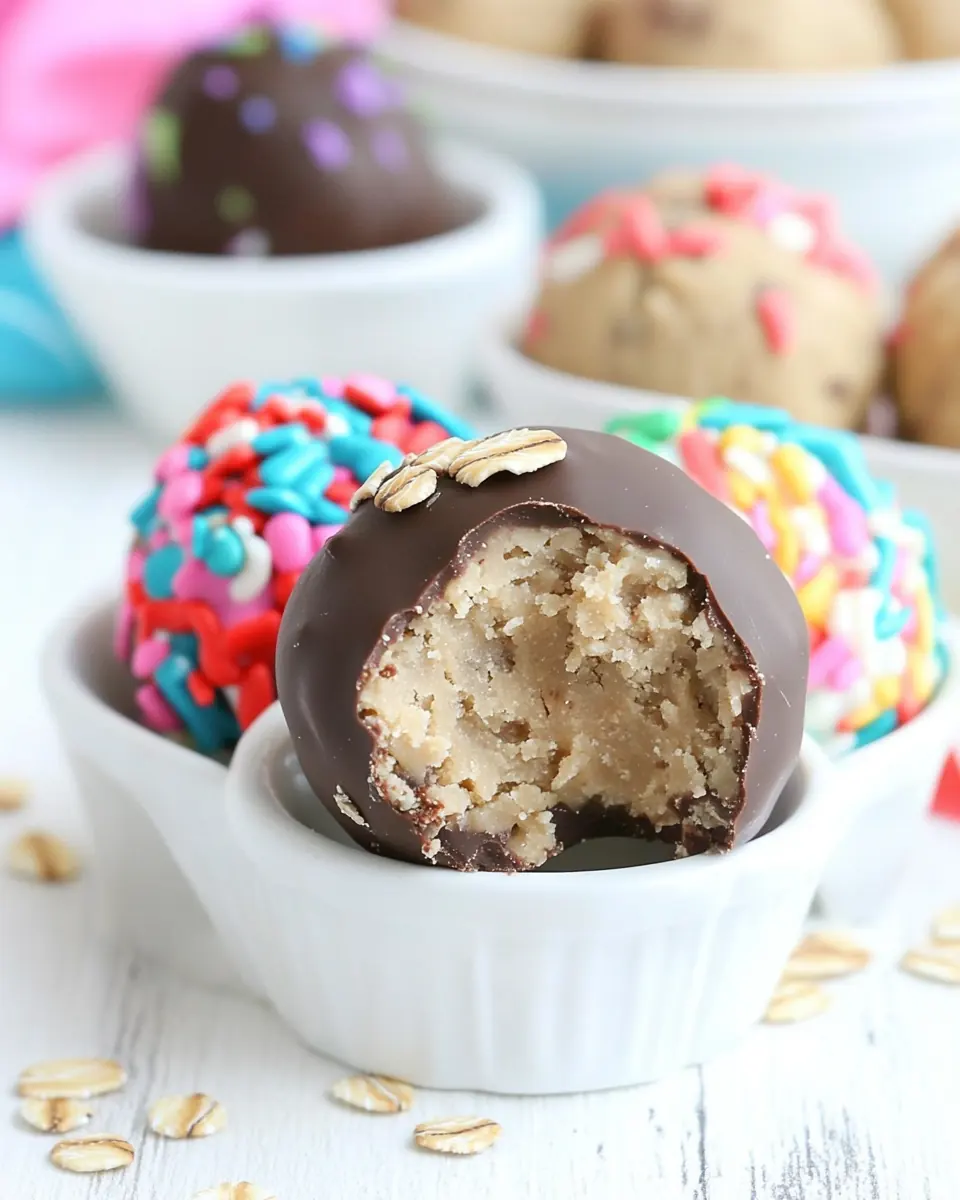
I like to experiment with finishes and minor swaps to keep these truffles interesting. Below are ideas that have worked well in my kitchen, all respectful of the original ingredient list and easy to adapt. Each tip starts with a practical phrase to help you decide which path to take.
- Coating swaps Use the recommended chocolate or Candiquik for the cleanest shells, but you can also temper a higher quality baking chocolate for an ultra glossy finish and firmer snap.
- Texture boost Fold in extra shredded sweetened coconut for more chew and a tropical note, adding up to a tablespoon if you want a pronounced coconut presence.
- Decorative touches Press a few sprinkles into the coating while warm for festive colors, or dust with a fine layer of extra coconut for a snowy look.
- Make ahead Prepare the dough and shape the balls up to two days in advance, storing them covered in the refrigerator until ready to dip, which saves time on the day you plan to serve.
- Kid friendly assembly Let children roll the dough and choose toppings, supervising the dipping, so they get hands on time without handling hot chocolate.
Accompaniments for Peanut Butter Oatmeal Cookie Dough Truffles
These truffles are versatile little treats that work well in many serving scenarios. They are perfect for dessert tables, afternoon snack plates, or as a sweet addition to a coffee service. Below are thoughtful ways to present them and occasions where they shine.
- Casual coffee break Serve a small plate of truffles with strong brewed coffee or espresso so the bitterness balances the sweetness, making each bite feel more refined.
- Party platter Arrange truffles on a decorative tray with a variety of toppers, like extra coconut and sprinkles, allowing guests to pick to their preference on arrival.
- Gift idea Place a dozen in a small box lined with wax paper for a thoughtful homemade gift that travels well for potlucks or neighborly treats.
- Seasonal pairing These work well year round, whether you need a winter holiday sweet or a summer picnic nibble, because the ingredients are pantry staples and the truffles keep at room temperature for hours.
- Storage tips Keep truffles in an airtight container at room temperature for up to three days, or refrigerate for up to two weeks; bring to room temperature before serving for best texture.
- Occasion match Great for birthdays, bake sales, or as a simple dessert after casual dinners when you want something sweet but not fussy.
FAQ
Conclusion
These Peanut Butter Oatmeal Cookie Dough Truffles are special because they bring together simple pantry staples into a nostalgic, sophisticated bite. The balance of creamy peanut butter, chewy oats, and a crisp chocolate shell makes them irresistible and easy to share. I hope you give them a try, whether you need a quick treat for unexpected guests or want to add something homemade to a dessert spread. They are forgiving, fast, and repeatedly deliver big flavor for little effort.
Peanut Butter Oatmeal Cookie Dough Truffles
Ingredients
Equipment
Method
- Add peanut butter and brown sugar to a stand mixer fitted with the paddle attachment. (You can also use a hand mixer!) Beat until incorporated, about 1 minute.: When you begin, you will smell the nutty, roasted aroma of the peanut butter as the machine works it with the brown sugar , creating a glossy, slightly grainy mass. The sound is a gentle mixing hum, not loud or clunky, and within about a minute the mixture should look cohesive and slightly shiny. This step is critical because it dissolves the sugar into the fat, producing a uniformly sweet base, so take the full minute to let the mixer do its job. A common mistake is under mixing which leaves pockets of dry sugar, so stop and scrape the bowl if you still see granules. If the mixture seems too stiff, let the mixer run an extra 15 to 30 seconds to warm the fats and make it more pliable.
- Add vanilla, oats, and coconut and mix until the dough comes together.: As you add the vanilla , the aroma will brighten and become more rounded, and when the old fashioned oats and shredded sweetened coconut enter the bowl the texture shifts from glossy to a thicker, more textured dough. Visually, you will see individual oat flakes incorporated, giving the dough a rustic look. Mixing until the dough holds together ensures the truffles will shape cleanly and not fall apart after chilling, which is why you want a cohesive, slightly tacky feel in the final mass. Avoid over mixing at high speed because the oats can break down and you will lose that pleasant chew. If the dough seems dry, add a scant teaspoon of water or a touch more peanut butter , but do so sparingly.
- Scoop 2 tablespoon sized balls onto a cookie sheet covered with wax paper. Roll into balls. Chill for 30 minutes.: When you portion the dough, the tactile feel should be pliant and slightly tacky but not sticky. Use a measuring scoop or a spoon to keep the truffles uniform, which helps with even chilling and consistent visual appeal. Rolling the balls in your palms should feel smooth, with the oats still providing structure, and the dough will release easily from your hands if they are slightly cool. Place them spaced apart on the wax paper so they do not touch while chilling, otherwise the chocolate step will be awkward. A typical pitfall here is packing the balls too tightly which makes them dense; aim for gentle compression so the interior stays tender.
- Melt candy according to package directions. Dip each truffle in the chocolate and tap off the excess. Place back onto the wax paper lined cookie sheet and top with sprinkles or extra coconut, if desired.: Rolling transforms the dough from a rough mound into a polished sphere, and you will notice the surface becomes smoother as it warms from your hands. The sound is subtle, just the soft friction of your palms, and visually the balls should be uniform, each with a slightly glossy sheen from the peanut butter . Proper rolling evens out the center, which helps the chocolate coating adhere consistently. If a ball cracks while rolling, press it gently to mend the surface; cracks usually heal with a light smoothing motion. Avoid overworking the dough since that can make the texture compacted and less pleasant.
- Chill for 30 minutes: During chilling the dough firms up and becomes easier to dip, and you will notice the aroma mellow slightly as the fats solidify. The cool, almost tactile firmness allows the balls to hold shape when immersed in warm chocolate . This rest is essential, because dipping warm or soft balls often leads to misshapen truffles and chocolate that slides off. A frequent mistake is skipping this step, which results in melted centers and messy coatings, so be patient and use the chill time as a breather to prepare your dipping station.
- Melt candy according to package directions: When melting your chocolate or Candiquik , follow the package for temperature guidance so you get a smooth, glossy consistency without seizing. If you use a microwave, heat in short bursts and stir often, listening for a subtle quiet bubbling at the edges which signals it is nearly ready. The smell should be rich and chocolate forward, and the texture should be silky when stirred. Overheating can scorch the chocolate and make it grainy, so avoid sustained high heat; if it thickens too much, a teaspoon of neutral oil can restore fluidity.
- Dip each truffle in the chocolate and tap off the excess: As you dip, the sound is a soft splash and the visual cue is a full, even coating that envelopes the truffle. Tapping off the excess is important to avoid thick, clumpy shells and to achieve a neat finish. Use a fork or dipping tool and a gentle tap on the edge of the bowl until only a thin, even layer clings. If your coating is too thin and streaky, the chocolate may be under-tempered or too cool; warm it slightly and stir to unify the texture. Conversely, if the coating is too thick, it will set heavy and hide the truffle shape, so thin it gently as needed.
- Place back onto the wax paper lined cookie sheet and top with sprinkles or extra coconut, if desired: Once coated, the truffles should rest on the wax paper and you will hear a faint settling silence as the chocolate sets. The toppings adhere immediately to the warm coating, and they provide a pop of color and texture. If you want a glossy finish, allow the chocolate to set at room temperature for a shiny appearance; refrigeration will set faster but can dull the sheen. A common misstep is overcrowding the tray which can cause the truffles to stick together, so give each piece a bit of breathing room.
Notes
- Coating swaps Use the recommended chocolate or Candiquik for the cleanest shells, but you can also temper a higher quality baking chocolate for an ultra glossy finish and firmer snap.
- Texture boost Fold in extra shredded sweetened coconut for more chew and a tropical note, adding up to a tablespoon if you want a pronounced coconut presence.
- Decorative touches Press a few sprinkles into the coating while warm for festive colors, or dust with a fine layer of extra coconut for a snowy look.
- Make ahead Prepare the dough and shape the balls up to two days in advance, storing them covered in the refrigerator until ready to dip, which saves time on the day you plan to serve.
- Kid friendly assembly Let children roll the dough and choose toppings, supervising the dipping, so they get hands on time without handling hot chocolate.