Power Greens Egg Skillet
Power Greens Egg Skillet is one of those recipes I reach for when the week has been full and I still want something bright, nourishing, and fast on the table. The first time I made it I was running late for a meeting, and yet the colors and smell convinced me to slow down for a moment. I remember the way the red bell pepper softened and the aroma of olive oil warmed the kitchen, making the whole apartment feel like breakfast without the fuss.
Over the years I have adjusted this skillet a little at a time, keeping the core idea intact: quick cooking, bold texture, and simple, satisfying seasonings. The combination of wilted Power Greens Mix with the soft curds of the eggs felt like the best kind of comfort food that still takes care of you. I love that it reheats well, so I often make a double batch and tuck portions away for busy mornings. It’s become my weekday secret when I want something that feels homemade but does not demand hours of stirring.
Recipe Snapshot
25 mins
10 mins
15 mins
Medium
350 kcal
American
Keto, Gluten-Free
Breakfast
Large non stick skillet
What We Adore About This Power Greens Egg Skillet
Speed without sacrifice
I adore how Power Greens Egg Skillet cooks up in about twenty five minutes, giving you a real meal without a marathon in the kitchen. The quick cooking keeps the Power Greens Mix bright and the eggs tender, so you get texture and flavor fast. I often rely on this when I need an easy weeknight dinner that still feels thoughtfully prepared.
Vibrant, balanced flavors
The red bell pepper and red onion lend sweetness and a mild bite, while the dried basil and Spike Seasoning bring herbal depth and a hint of savory complexity. I find this balance keeps each mouthful interesting, and the melted Mozzarella Cheese or Monterey Jack Cheese ties everything together with creamy, gooey comfort. When I serve it, guests always comment on how fresh it tastes, even though it is so straightforward.
Nutrient dense and flexible
This skillet is a small wonder nutritionally, packing iron and vitamins from the Power Greens Mix and high quality protein from the eggs. I like that you can scale it up for a brunch crowd or down for a solo breakfast. The structure is forgiving, so swapping seasonings or adding a pinch of heat changes the mood without breaking the recipe.
Minimal cleanup
One skillet, minimal dishes, big payoff. I love using a good non stick pan for this because cleanup is a breeze, which means I actually make it on hectic days. The method keeps the vegetables from turning to mush, and the eggs cook evenly across the pan so you avoid patchy doneness.
Comfort that feels fresh
There is a cozy, homey element to the melted cheese and soft eggs, yet the greens and peppers keep things lively. I reach for this when I want food that soothes without weighing me down. It’s become a trustworthy go to when I want something approachable but memorable.
What Goes Into Power Greens Egg Skillet
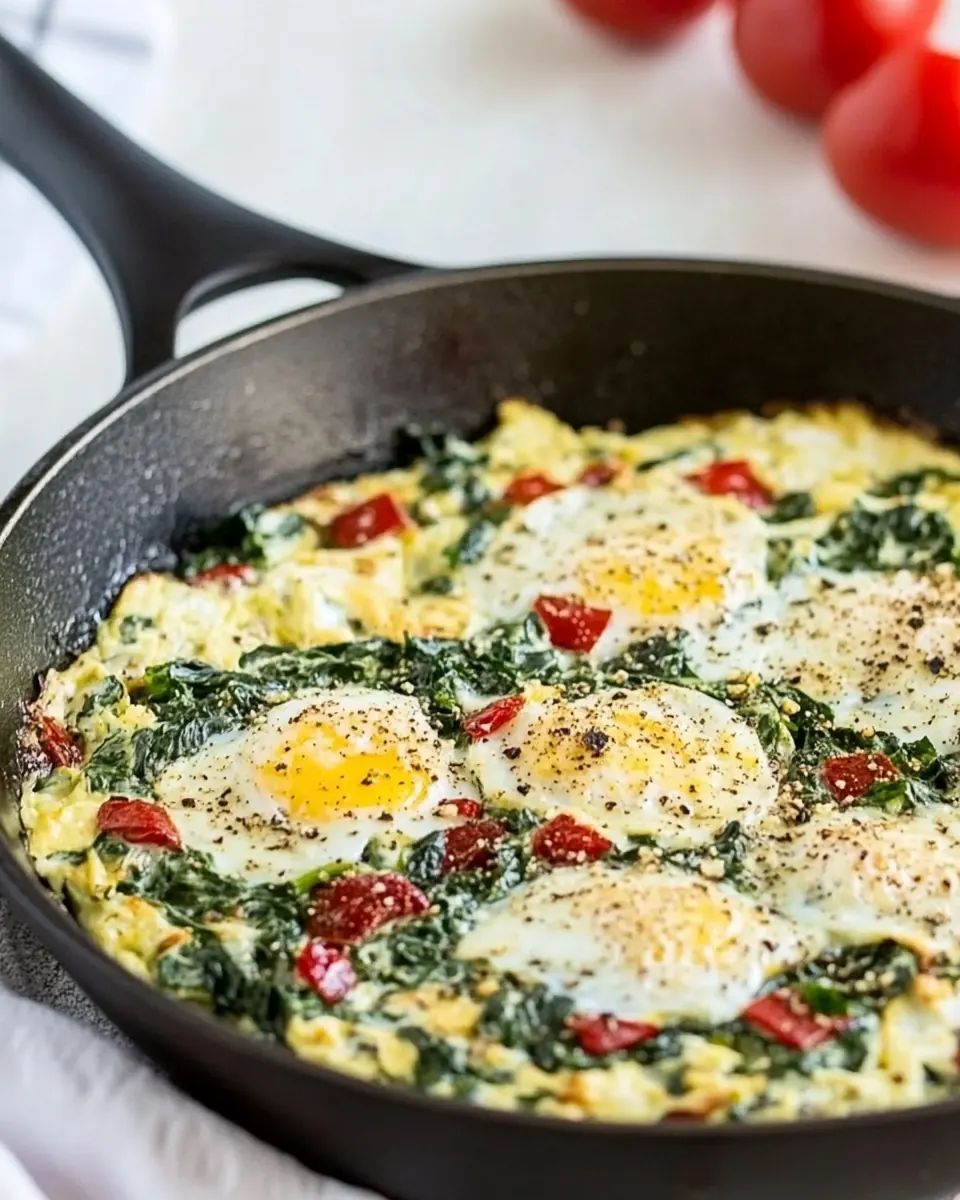
These ingredients work together to create a balance of texture, color, and flavor. The key players are the crisp sweet red bell pepper, the aromatic bite from the red onion, the iron rich Power Greens Mix, and the creamy binder of the eggs and Mozzarella Cheese or Monterey Jack Cheese. The dried basil and Spike Seasoning lift the whole dish, while olive oil carries the flavors and helps the vegetables cook without drying out.
- 1 large red bell pepper: Provides sweet, crisp texture and bright color when diced; softens when sautéed and melds with other vegetables to add freshness and mild sweetness to the skillet.
- 1/2 large red onion: Adds sharp, slightly sweet bite and aromatic depth when sliced; caramelizes lightly when cooked and complements the pepper's sweetness while building savory foundation flavors.
- 1 T olive oil: Coats the pan and helps sauté vegetables without sticking; imparts a mild fruity olive flavor and aids in heat transfer for even cooking.
- 2 tsp . dried basil: Infuses a warm, slightly sweet herbal note throughout the dish; rehydrates during cooking to release concentrated basil flavor that complements eggs and cheese.
- 1 tsp . Spike Seasoning (or use any all-purpose seasoning that's good with eggs): Seasones the mixture with balanced savory, salty, and aromatic notes; enhances the overall flavor profile and brings additional umami and spice that pairs well with eggs.
- 1 5 oz. pkg. Power Greens Mix: Contributes a tender, leafy green base with varied textures and nutrients; wilts down quickly to integrate with eggs while adding color and a mild, slightly bitter green flavor.
- 12 large eggs: Forms the protein-rich base of the skillet and provides structure; whisked or cracked, eggs set around the vegetables and cheese to create a cohesive, filling dish.
- 1 1/2 cup grated Mozzarella Cheese or Monterey Jack Cheese: Adds creamy, melty richness and a mild salty tang when sprinkled over eggs; melts to bind ingredients, create a golden top, and contribute gooey texture.
How to Make Power Greens Egg Skillet
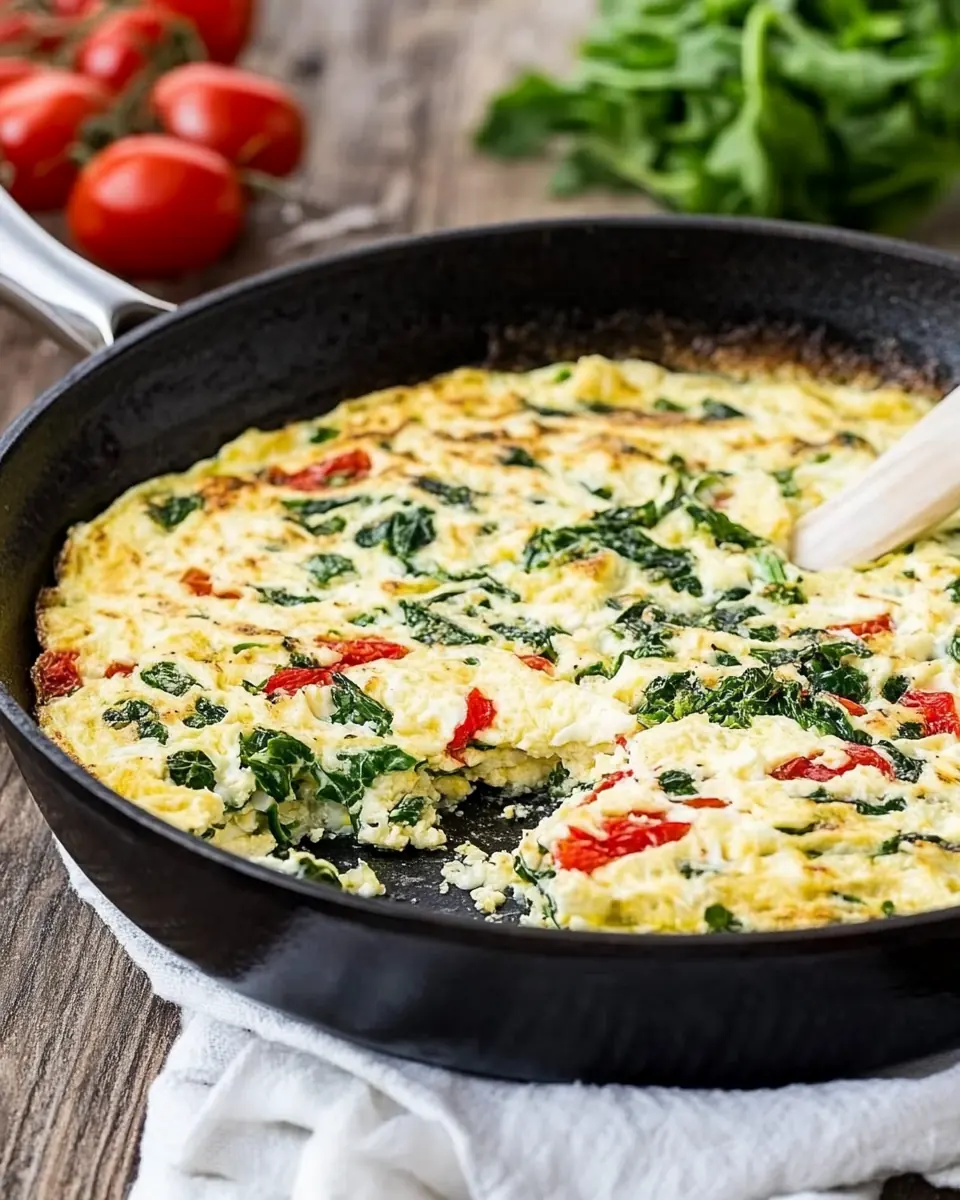
These directions are approachable and forgiving, but small techniques change everything. Take your time with the initial sauté so the vegetables develop sweetness, and pay attention when the eggs begin to set so you get the creaminess you want. I like to keep the heat moderate and stir gently to achieve soft curds and even cooking.
- Chop the red bell pepper and the red onion into pieces that are quite small.: The aroma of freshly cut red bell pepper and red onion is bright and sharp, which signals freshness. Finely chopping ensures the vegetables soften quickly and distribute evenly through the eggs, giving consistent texture in every bite. A common error is leaving chunks too large, which creates cold spots where the vegetables remain undercooked and interrupt the silky mouthfeel of the eggs. When cutting, take a few extra seconds to make the pieces uniform, and you will notice even cooking and a prettier finished skillet.
- Select a large non-stick skillet for this recipe if you have one so that cleaning the pan won't be so difficult. Heat the olive oil and then cook the red pepper and red onion over medium heat until they're barely starting to soften, about 3 minutes. While veggies cook, coarsely chop the power greens.: When the olive oil heats and the red pepper and red onion hit the pan you should hear a gentle sizzle, not a furious hiss. This moderate sound shows the heat is right to soften without browning aggressively. Using a roomy pan gives the vegetables space to warm and for moisture to evaporate, which keeps them from steaming and getting soggy. A typical mistake is crowding the pan, which results in limp vegetables and longer cook times, so choose a skillet that lets everything spread out nicely.
- When red peppers and onions are barely softened, season with dried basil and Spike Seasoning (or another seasoning blend that's good with eggs) and cook about 2 minutes more.: You will notice the edges of the red pepper becoming translucent and the red onion losing its raw bite, releasing a sweet, savory scent. This brief cooking step concentrates flavors while preserving a slight crunch for contrast with the eggs. If you skip this and add greens too early, the onions may not reach that tender sweet state, making the final texture uneven. Keep an eye on the pan and stir occasionally so nothing sticks or browns prematurely.
- Add the Power Greens to the skillet and stir the greens into the hot veggies to let them wilt for a few minutes.: Freshly chopped Power Greens Mix has an earthy, green fragrance that intensifies when it hits heat. Coarse chopping helps the greens wilt quickly and evenly, producing tender ribbons rather than large leaves that may clump. A trap I see often is adding whole leaves, which can fold and steam instead of wilting, leaving pockets of undercooked greens in the skillet.
- Beat the eggs until yolks and whites are well-combined.: The moment you add the dried basil and Spike Seasoning , the pan releases a fragrant note as the dried herb rehydrates and the seasoning warms. This short toast time helps the flavors bloom and cling to the vegetables. Avoid adding too much at once, because potent blends can mask the natural sweetness of the pepper and onion. Taste as you go if possible, and adjust in small increments.
- Pour eggs over the wilted greens and veggies mixture and reduce the heat to medium low. Cook the eggs for 3-4 minutes, stirring a few times, until eggs are starting to look set.: As the Power Greens Mix meets the warm pan, you will see it quickly lose volume and turn glossy, releasing steam and a fresh vegetal scent. This wilting step preserves bright color and prevents the greens from overcooking into a mushy mass. A common misstep is crowding the pan with too many greens at once, which causes steaming rather than gentle wilting. Work in a single layer if needed, and give the leaves time to relax into the mixture.
- When eggs are barely starting to set, add 1 cup of the Monterey Jack cheese and stir to combine with the eggs.: The sound and look of beaten eggs is silky and uniform, with no visible streaks of white or yellow. Well mixed eggs cook more consistently and form tender curds rather than separated textures. Overbeating can incorporate too much air, which may create overly fluffy or rubbery eggs, while underbeating gives pockets of unevenly cooked egg. Aim for smooth, uniform color for the best results.
- Cook eggs about 3-4 minutes more, or until they're done to your liking. Top eggs with the rest of the Monterey Jack cheese and serve hot!: When the eggs hit the warm skillet you will hear a gentle hiss and see the edges start to set almost immediately, forming delicate curds. Reducing to medium low prevents the eggs from seizing up and becoming dry, allowing them to thicken gradually and remain creamy. A typical mistake is keeping the heat too high, which yields a tough texture and browned edges. Gentle heat is the key to tender eggs.
- Cook the eggs for 3 to 4 minutes, stirring a few times, until eggs are starting to look set: During these minutes the eggs should form soft curds, with glossy, slightly runny areas still visible. You will smell a gentle savory warmth and see the color change from glossy wet to more opaque. Stirring a few times encourages even cooking, but over stirring breaks the curds into tiny pieces and removes creaminess, so be moderate and patient. If the eggs look dry, the heat is too high or you have cooked too long.
- When eggs are barely starting to set, add 1 cup of the Monterey Jack cheese and stir to combine with the eggs: The introduction of the Mozzarella Cheese or Monterey Jack Cheese melts into soft ribbons and pockets, creating a smooth, gooey texture that binds the vegetables and eggs. You will see strands of cheese pulling as you stir, and the aroma will become richer. A misstep is adding all the cheese too early, which can make the mixture greasy. Adding partway through gives internal pockets of melted cheese without over saturating the pan.
- Cook eggs about 3 to 4 minutes more, or until they're done to your liking: In this final interval the eggs finish setting and the cheese melds into the curds, giving a luscious, cohesive texture. Listen for a quiet bubbling and watch for the eggs to lose most of their gloss while still retaining slight moisture if you like them tender. Overcooking past this point yields dry, crumbly eggs, so remove from heat just before you think they are fully done, as carryover heat will continue to set them.
- Top eggs with the rest of the Monterey Jack cheese and serve hot: The final shower of Mozzarella Cheese or Monterey Jack Cheese on top melts from residual heat producing a melty crown that looks and tastes irresistible. Serving hot ensures the cheese is gooey and the eggs retain their soft texture. A common oversight is waiting too long to serve, which leads to congealed cheese and a loss of the fresh, silky mouthfeel that makes this skillet special.
Make It Your Own
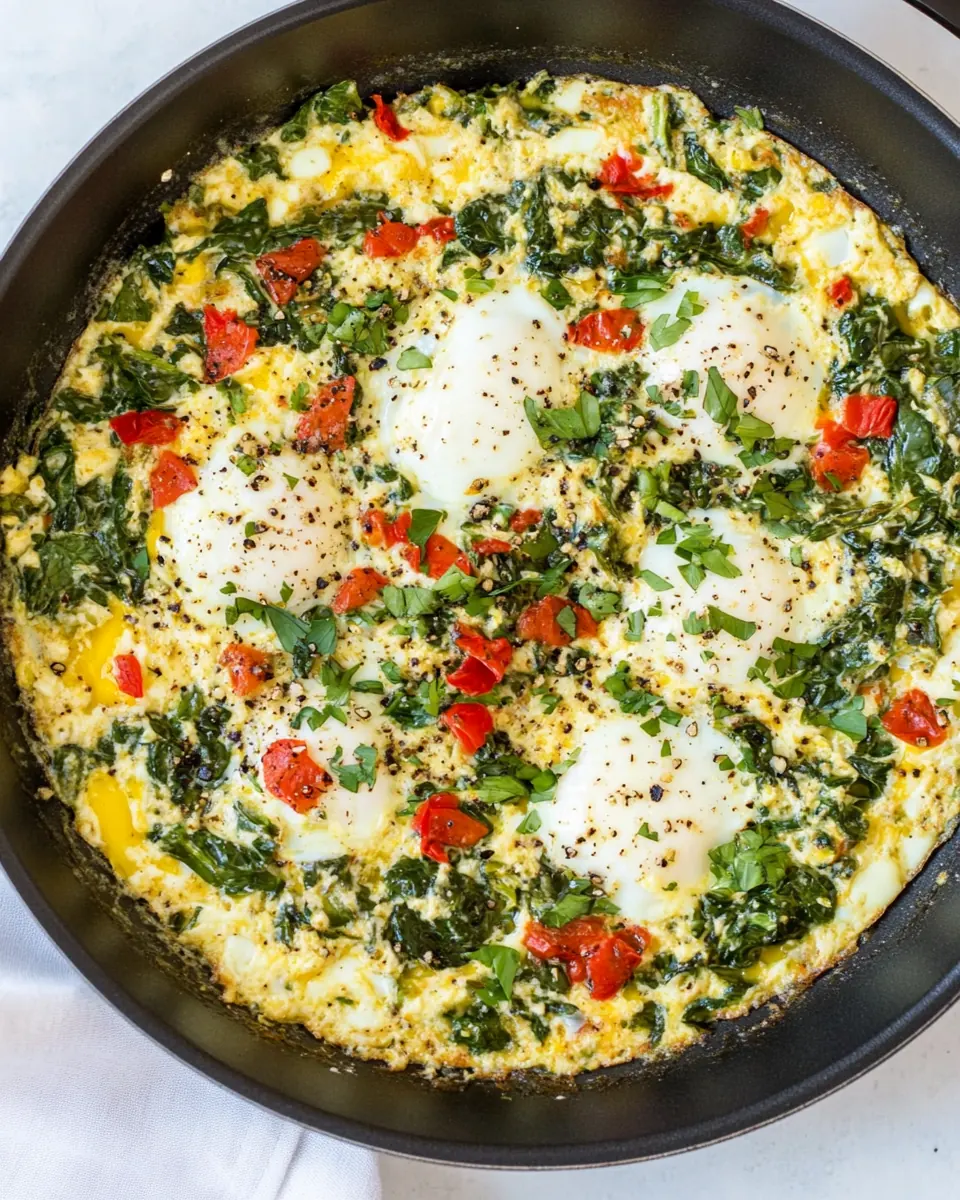
I love small tweaks that personalize this skillet. The structure is forgiving, so you can play with seasoning levels, cheese types, and portion sizes without losing what makes it feel like home. Below are focused, practical tips to help you customize and improve the final dish.
- Toast your seasonings: Briefly warming the dried basil and Spike Seasoning with the vegetables helps the flavors bloom, giving you a deeper aroma and more integrated taste.
- Control moisture: If your Power Greens Mix seems wet, give it a quick pat with a towel before adding, to prevent watery eggs and ensure the skillet sets properly.
- Cheese timing matters: Adding one cup of cheese while eggs are setting creates creamy pockets, then topping with the remainder gives a melty finish, offering both internal creaminess and an attractive top layer.
- Even chopping: Make the red bell pepper and red onion pieces similar in size so they soften uniformly, avoiding undercooked bites and textural surprises.
- Pan choice: A large non stick skillet is ideal because it prevents sticking and makes cleanup easier, which means you are more likely to make this on a weekday.
- Rest briefly before serving: Let the skillet sit off heat for a minute so the eggs finish setting gently and the cheese settles into pockets for the best texture.
How to Enjoy Power Greens Egg Skillet
This skillet is flexible enough to be a centerpiece or part of a larger spread. It works for casual breakfasts, hearty brunches, or light dinners. Here are several ways to serve and enjoy it, with detailed pairings and storage notes to keep it useful across seasons and occasions.
- For breakfast: Serve a generous scoop alongside warm toast or folded into a tortilla for a handheld meal, offering a satisfying start to the day.
- For brunch gatherings: Place the skillet in the center of the table with small plates and let guests help themselves, pairing it with fresh fruit and a simple grain side.
- Weeknight dinner: Pair a portion with a crisp salad and a grain like quinoa for a balanced plate that feels both light and filling.
- Ramadan and seasonal meals: This is a gentle, nourishing option for suhoor or iftar, as it provides sustained energy and comfort without heaviness.
- Storage tips: Refrigerate leftovers in an airtight container for up to three days, and reheat gently in a skillet over low heat to preserve moisture and texture.
- Occasion pairing: The skillet is great for casual weekends, brunches with friends, or anytime you want a simple, wholesome dish that still looks attractive on the table.
FAQ
Conclusion
Power Greens Egg Skillet stands out because it brings together quick cooking, vibrant vegetables, and creamy eggs for a meal that feels both wholesome and indulgent. It is approachable, adaptable, and perfect for busy mornings or relaxed dinners when you want something nourishing without fuss. Give it a try this week, and notice how small techniques like gentle heat and well timed cheese addition elevate a simple skillet to something memorable. When you come back to it, tinker with seasonings or portion sizes and make it your own.
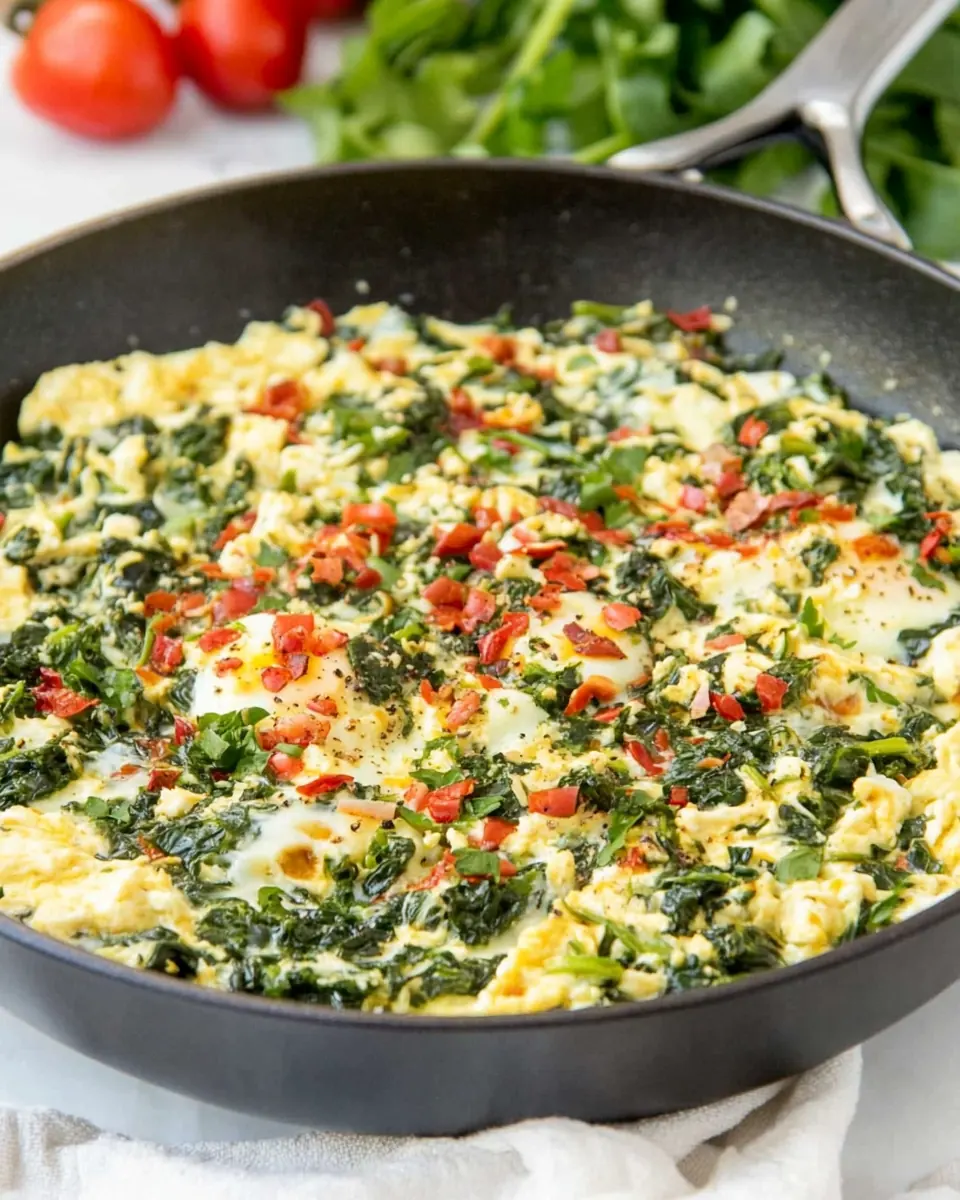
Power Greens Egg Skillet
Ingredients
Equipment
Method
- Chop the red bell pepper and the red onion into pieces that are quite small.: The aroma of freshly cut red bell pepper and red onion is bright and sharp, which signals freshness. Finely chopping ensures the vegetables soften quickly and distribute evenly through the eggs, giving consistent texture in every bite. A common error is leaving chunks too large, which creates cold spots where the vegetables remain undercooked and interrupt the silky mouthfeel of the eggs. When cutting, take a few extra seconds to make the pieces uniform, and you will notice even cooking and a prettier finished skillet.
- Select a large non-stick skillet for this recipe if you have one so that cleaning the pan won't be so difficult. Heat the olive oil and then cook the red pepper and red onion over medium heat until they're barely starting to soften, about 3 minutes. While veggies cook, coarsely chop the power greens.: When the olive oil heats and the red pepper and red onion hit the pan you should hear a gentle sizzle, not a furious hiss. This moderate sound shows the heat is right to soften without browning aggressively. Using a roomy pan gives the vegetables space to warm and for moisture to evaporate, which keeps them from steaming and getting soggy. A typical mistake is crowding the pan, which results in limp vegetables and longer cook times, so choose a skillet that lets everything spread out nicely.
- When red peppers and onions are barely softened, season with dried basil and Spike Seasoning (or another seasoning blend that's good with eggs) and cook about 2 minutes more.: You will notice the edges of the red pepper becoming translucent and the red onion losing its raw bite, releasing a sweet, savory scent. This brief cooking step concentrates flavors while preserving a slight crunch for contrast with the eggs. If you skip this and add greens too early, the onions may not reach that tender sweet state, making the final texture uneven. Keep an eye on the pan and stir occasionally so nothing sticks or browns prematurely.
- Add the Power Greens to the skillet and stir the greens into the hot veggies to let them wilt for a few minutes.: Freshly chopped Power Greens Mix has an earthy, green fragrance that intensifies when it hits heat. Coarse chopping helps the greens wilt quickly and evenly, producing tender ribbons rather than large leaves that may clump. A trap I see often is adding whole leaves, which can fold and steam instead of wilting, leaving pockets of undercooked greens in the skillet.
- Beat the eggs until yolks and whites are well-combined.: The moment you add the dried basil and Spike Seasoning , the pan releases a fragrant note as the dried herb rehydrates and the seasoning warms. This short toast time helps the flavors bloom and cling to the vegetables. Avoid adding too much at once, because potent blends can mask the natural sweetness of the pepper and onion. Taste as you go if possible, and adjust in small increments.
- Pour eggs over the wilted greens and veggies mixture and reduce the heat to medium low. Cook the eggs for 3-4 minutes, stirring a few times, until eggs are starting to look set.: As the Power Greens Mix meets the warm pan, you will see it quickly lose volume and turn glossy, releasing steam and a fresh vegetal scent. This wilting step preserves bright color and prevents the greens from overcooking into a mushy mass. A common misstep is crowding the pan with too many greens at once, which causes steaming rather than gentle wilting. Work in a single layer if needed, and give the leaves time to relax into the mixture.
- When eggs are barely starting to set, add 1 cup of the Monterey Jack cheese and stir to combine with the eggs.: The sound and look of beaten eggs is silky and uniform, with no visible streaks of white or yellow. Well mixed eggs cook more consistently and form tender curds rather than separated textures. Overbeating can incorporate too much air, which may create overly fluffy or rubbery eggs, while underbeating gives pockets of unevenly cooked egg. Aim for smooth, uniform color for the best results.
- Cook eggs about 3-4 minutes more, or until they're done to your liking. Top eggs with the rest of the Monterey Jack cheese and serve hot!: When the eggs hit the warm skillet you will hear a gentle hiss and see the edges start to set almost immediately, forming delicate curds. Reducing to medium low prevents the eggs from seizing up and becoming dry, allowing them to thicken gradually and remain creamy. A typical mistake is keeping the heat too high, which yields a tough texture and browned edges. Gentle heat is the key to tender eggs.
- Cook the eggs for 3 to 4 minutes, stirring a few times, until eggs are starting to look set: During these minutes the eggs should form soft curds, with glossy, slightly runny areas still visible. You will smell a gentle savory warmth and see the color change from glossy wet to more opaque. Stirring a few times encourages even cooking, but over stirring breaks the curds into tiny pieces and removes creaminess, so be moderate and patient. If the eggs look dry, the heat is too high or you have cooked too long.
- When eggs are barely starting to set, add 1 cup of the Monterey Jack cheese and stir to combine with the eggs: The introduction of the Mozzarella Cheese or Monterey Jack Cheese melts into soft ribbons and pockets, creating a smooth, gooey texture that binds the vegetables and eggs. You will see strands of cheese pulling as you stir, and the aroma will become richer. A misstep is adding all the cheese too early, which can make the mixture greasy. Adding partway through gives internal pockets of melted cheese without over saturating the pan.
- Cook eggs about 3 to 4 minutes more, or until they're done to your liking: In this final interval the eggs finish setting and the cheese melds into the curds, giving a luscious, cohesive texture. Listen for a quiet bubbling and watch for the eggs to lose most of their gloss while still retaining slight moisture if you like them tender. Overcooking past this point yields dry, crumbly eggs, so remove from heat just before you think they are fully done, as carryover heat will continue to set them.
- Top eggs with the rest of the Monterey Jack cheese and serve hot: The final shower of Mozzarella Cheese or Monterey Jack Cheese on top melts from residual heat producing a melty crown that looks and tastes irresistible. Serving hot ensures the cheese is gooey and the eggs retain their soft texture. A common oversight is waiting too long to serve, which leads to congealed cheese and a loss of the fresh, silky mouthfeel that makes this skillet special.
Notes
- Toast your seasonings: Briefly warming the dried basil and Spike Seasoning with the vegetables helps the flavors bloom, giving you a deeper aroma and more integrated taste.
- Control moisture: If your Power Greens Mix seems wet, give it a quick pat with a towel before adding, to prevent watery eggs and ensure the skillet sets properly.
- Cheese timing matters: Adding one cup of cheese while eggs are setting creates creamy pockets, then topping with the remainder gives a melty finish, offering both internal creaminess and an attractive top layer.
- Even chopping: Make the red bell pepper and red onion pieces similar in size so they soften uniformly, avoiding undercooked bites and textural surprises.
- Pan choice: A large non stick skillet is ideal because it prevents sticking and makes cleanup easier, which means you are more likely to make this on a weekday.
- Rest briefly before serving: Let the skillet sit off heat for a minute so the eggs finish setting gently and the cheese settles into pockets for the best texture.