Lemon Herb Butter Shrimp
Lemon Herb Butter Shrimp arrived in my life on a humid summer evening when I needed something fast, bright, and utterly satisfying. I had a small pile of frozen shrimp and a lemon wilting on the counter, and I remember thinking that a few fresh herbs and a good knob of butter would turn those humble ingredients into something I would happily eat for dinner every week. The first bite reminded me why simple seafood done well feels like a tiny celebration.
That night I learned how little it takes to make shrimp sing. The combination of hot oil meeting cold shrimp, the quick sear that gives a slight char, and the aromatic swirl of melted butter scented with thyme, oregano, and parsley became one of my go to tricks. I like to keep the tails on because they look pretty on the plate and give an extra hint of seafood nostalgia.
Over time I experimented with heat levels and herb mixes, and I keep coming back to this balance: bright lemon, fragrant herbs, and buttery richness. It is a meal that feels elevated without being fussy, which is why I reach for it when I want to impress guests or just treat myself after a long day. The texture, when done right, is snappy and tender, not rubbery, and the sauce clinging to each piece is pure comfort.
Recipe Snapshot
15 mins
10 mins
5 mins
Easy
320 kcal
American
Keto, Gluten-Free
Dinner
Skillet, Paper towels, Microwave safe bowl
What You’ll Enjoy About This Lemon Herb Butter Shrimp
Quick to Make
I love that Lemon Herb Butter Shrimp is a true weeknight hero. From freezer to plate in minutes, it lets me spend less time over the stove and more time enjoying company, and the speed does not mean sacrificing flavor.
Bright and Balanced Flavors
The interplay of lemon juice with warm butter and fresh herbs creates a layered profile that is tart, rich, and herbaceous all at once. I often find myself adjusting the herb mix slightly to match what is in season, and those small swaps keep the dish exciting.
Impressive Presentation
Even when served on a simple plate, the shrimp look elegant with tails on and a glossy herb butter coating. I love how a rustic skillet presentation makes it feel special without fuss, and guests always ask for the recipe.
Versatile and Adaptable
This recipe is forgiving. I sometimes swap herbs depending on what is available, and the method scales easily whether I am cooking for two or for a small gathering. I appreciate recipes that are flexible yet reliable, and this one fits that bill.
Comforting Yet Light
There is a comforting richness from the butter, but the bright lemon and aromatic herbs keep the dish feeling light. For nights when I want something satisfying but not heavy, this hits the sweet spot.
Ingredients to Make Lemon Herb Butter Shrimp
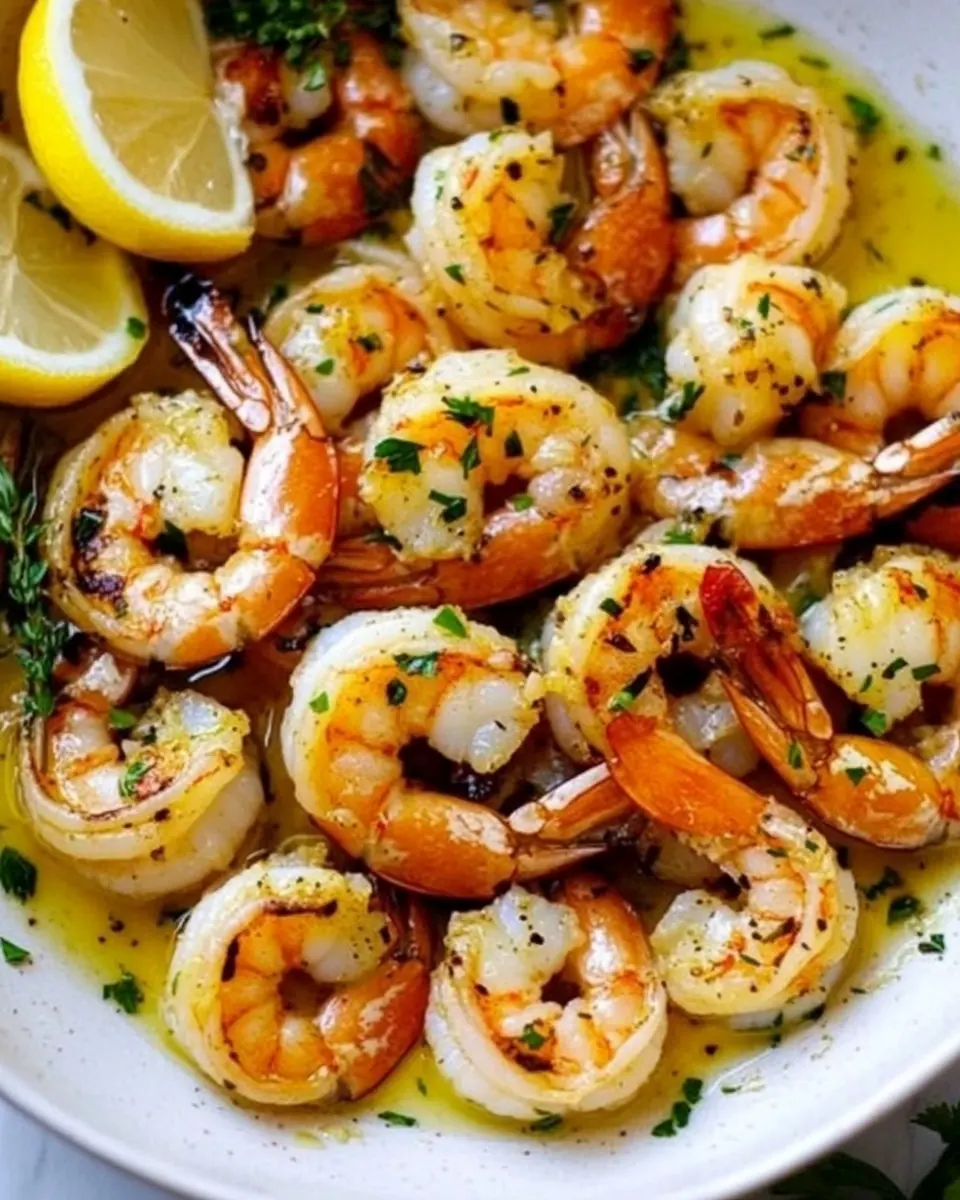
These ingredients work together on the principle of contrast. The star is the shrimp, whose natural sweetness pairs beautifully with the richness of butter and the brightness of lemon juice. The herbs are small but mighty, adding aromatic lift, while a touch of salt, ground black pepper, and cayenne pepper sharpen and season each bite. A little olive oil helps achieve a hot sear, locking in texture and building flavor.
I value ingredients that pull double duty, and here each item does exactly that: seasoning, flavor, or texture. Treat the herbs as supporting leads, the citrus as the bright note, and the butter as the hug that ties everything together.
- 1 lb (500 g) shrimp, shelled and deveined, tail-on: Add savory brininess and tender texture to the dish while providing the main source of protein; peel and devein shrimp for clean flavor and leave tail-on for presentation and easier handling when eating. Cook briefly over high heat to maintain juiciness and prevent rubbery texture, absorbing the lemon herb butter for bright, savory notes.
- 1/2 teaspoons salt: Season for balance and to enhance overall flavors; salt brings out natural sweetness in the shrimp and complements the butter and herbs when used sparingly. Sprinkle evenly and adjust to taste after cooking to avoid over-salting delicate seafood.
- 3 dashes ground black pepper: Provide mild heat and aromatic warmth to the dish; ground black pepper brightens and deepens the savory profile without overwhelming the herbs. Add during cooking to meld with butter and lemon, then taste and adjust for a balanced finish.
- 3 dashes cayenne pepper: Introduce a sharper, lingering heat that contrasts with the rich butter and citrus; cayenne pepper adds a subtle kick that elevates the shrimp without masking delicate flavors. Use a few dashes to control spiciness and keep the focus on herbs and lemon.
- 3 tablespoons unsalted butter, melted: Impart richness, silky mouthfeel, and a luxurious base for the herbs and lemon to cling to; melted unsalted butter allows control over sodium while delivering a creamy, indulgent coating for the shrimp. Combine with olive oil to raise smoke point slightly and infuse with herbs for a cohesive sauce.
- 1/2 tablespoon chopped thyme: Contribute earthy, slightly floral notes and a subtle woodsy aroma that pairs well with lemon and butter; chopped thyme disperses tiny bursts of flavor throughout the dish. Add near the end of cooking to preserve its delicate fragrance.
- 1/2 tablespoon chopped oregano: Bring robust, slightly bitter, and peppery undertones that complement the other herbs and seafood; chopped oregano adds Mediterranean depth and savory complexity. Incorporate with butter to release its oils and create a harmonious herb blend.
- 1/2 tablespoon chopped Italian parsley: Add fresh, bright, and slightly peppery greenery that lightens the dish and provides color contrast; chopped Italian parsley refreshes the palate and ties together the lemon and butter elements. Stir in at the end for maximum freshness and visual appeal.
- 1 tablespoon lemon juice: Provide bright acidity and citrusy aroma that cuts through the richness of butter and accentuates the shrimp's sweetness; lemon juice adds lift and a clean finish to the sauce. Squeeze in toward the end of cooking and adjust to taste for optimal balance.
- 1 tablespoon olive oil: Help increase the smoke point and add fruity, slightly peppery flavor while thinning the butter for a smoother sauce; olive oil blends with melted butter to coat shrimp evenly. Use at the start of cooking to prevent butter from burning and to carry the herb flavors.
Preparation Steps for Lemon Herb Butter Shrimp
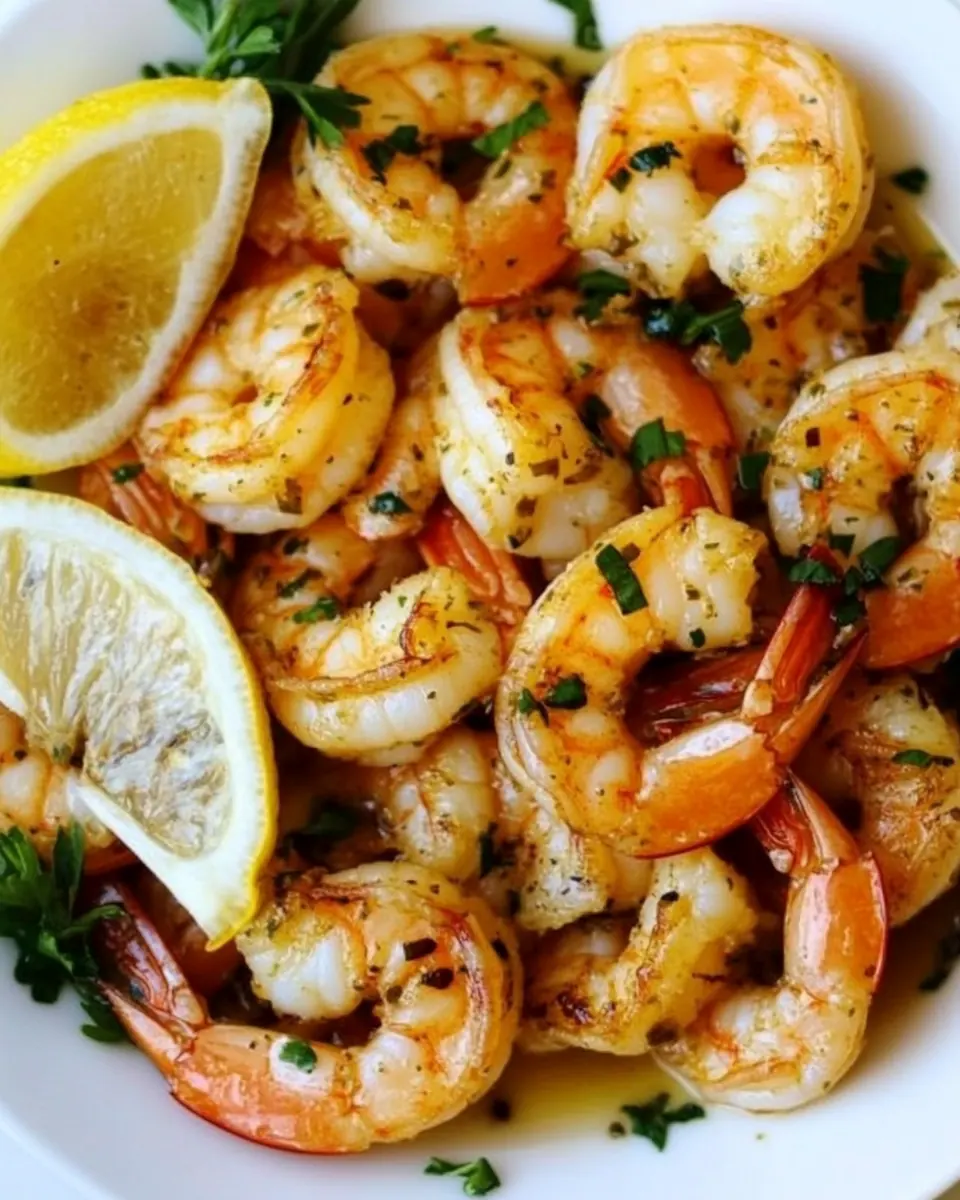
I like to approach cooking this dish with calm focus, assembling flavors first and then using high heat to finish. The steps are short but precise, and paying attention to sensory cues will make all the difference in achieving tender, flavorful shrimp.
- Defrost the shrimp, then rinse with cold water and pat them very dry with paper towels. Season the shrimp with salt, pepper, and cayenne pepper. Set aside.: You will notice a faint briny aroma as you rinse the shrimp , and patting them very dry is crucial to getting a proper sear. Excess moisture will steam the shrimp instead of allowing the surface to caramelize, so press gently with paper towels until no beads of water remain. If they feel at all slimy, rinse again and dry. A common mistake is skipping the drying step, which makes the shrimp turn rubbery rather than tender, so resist the urge to rush.
- Melt the butter in the microwave for about 30 seconds. Add the thyme, oregano, parsley, and lemon juice to the melted butter. Stir to combine well and set aside.: As you sprinkle the seasoning, inhale the immediate lift from the cracked black pepper and the citrus like heat from the cayenne pepper . Seasoning at this stage ensures the flavors cling to the surface and penetrate slightly during the quick cook. Distribute the seasoning evenly with your fingers so every shrimp gets coated. Avoid over seasoning, which can mask the delicate sweetness of the shrimp .
- Heat a skillet (preferably cast iron) over high heat. Once the skillet is heated, add the olive oil and swirl it to coat the bottom evenly. Add the shrimp and cook without stirring for about 1–2 minutes on each side until they are cooked through. Pour in the lemon herb butter and let it sizzle for a moment. Turn off the heat and serve immediately.: The melted butter will smell toasty and rich, and heating it just enough prevents it from splattering when it hits the hot pan. Microwave in short bursts to avoid browning unless you want a nutty flavor. Let it sit briefly so the foam settles before adding herbs. A mistake here is overheating and burning the butter, which gives an off taste, so watch carefully.
- Add the thyme oregano parsley and lemon juice to the melted butter: Once combined, the aroma will turn herbal and bright, with the citrus lifting the butter. Stirring helps the essential oils from the herbs infuse the fat, creating a silky sauce. Use fresh chopped herbs for a lively fragrance; dried herbs will be more subdued. Avoid overmixing if the butter is too hot, which can wilt the herbs excessively and mute their flavor.
- Stir to combine well and set aside: As the mixture rests, the flavors meld and amplify. You should be able to smell thyme, oregano and parsley marrying with the lemon juice , creating a fragrant compound butter. Setting it aside prevents the herbs from cooking too quickly when added to the hot pan later, preserving their brightness. Do not leave the butter exposed to very high heat for long, which can separate it and change the texture.
- Heat a skillet preferably cast iron over high heat: When the skillet is properly hot you will see a faint shimmer on the surface, and tapping a drop of water will produce a fast sizzle. A heavy skillet retains heat and gives an even sear, encouraging that appealing slight char on the shrimp . Preheating thoroughly prevents the shrimp from releasing juices and steaming. A common error is using too low a heat, which yields floppy, pale shrimp rather than a crisped exterior.
- Once the skillet is heated add the olive oil and swirl it to coat the bottom evenly: The olive oil should form a glossy layer and start to shimmer. Swirling ensures the entire cooking surface is lubricated so the shrimp cooks uniformly. You'll smell a gentle nuttiness from the heated oil, and this step helps prevent sticking and promotes browning. Avoid letting the oil smoke, which indicates it is too hot and can impart a bitter taste.
- Add the shrimp and cook without stirring for about 1 to 2 minutes on each side until they are cooked through: When the shrimp hits the pan you will hear a sharp sizzle, and the edges will begin to turn opaque with a faint golden sear. Cooking without agitation allows a crust to form, locking in juices. Flip once halfway through to finish the other side; over flipping prevents proper browning. Be mindful that shrimp cook very quickly, and overcooking makes them tight and chewy rather than tender and snappy.
- Pour in the lemon herb butter and let it sizzle for a moment: When the warm herb butter meets the hot skillet it will produce a lively sizzle and fragrant steam. Spoon the sauce over the shrimp to glaze them, watching the liquids reduce slightly to cling to each piece. The scent will be bright and buttery with herb notes. Avoid leaving the pan on high so long that the butter separates or the herbs brown excessively, which can turn the flavor bitter.
- Turn off the heat and serve immediately: The residual heat will finish the cooking gently, and the glossy coating will cling to the shrimp . Serve right away to enjoy the ideal texture and aroma. If you let the dish sit too long, the sauce will cool and thicken, losing that silky sheen, so plating quickly preserves the best sensory experience.
Tips for Success
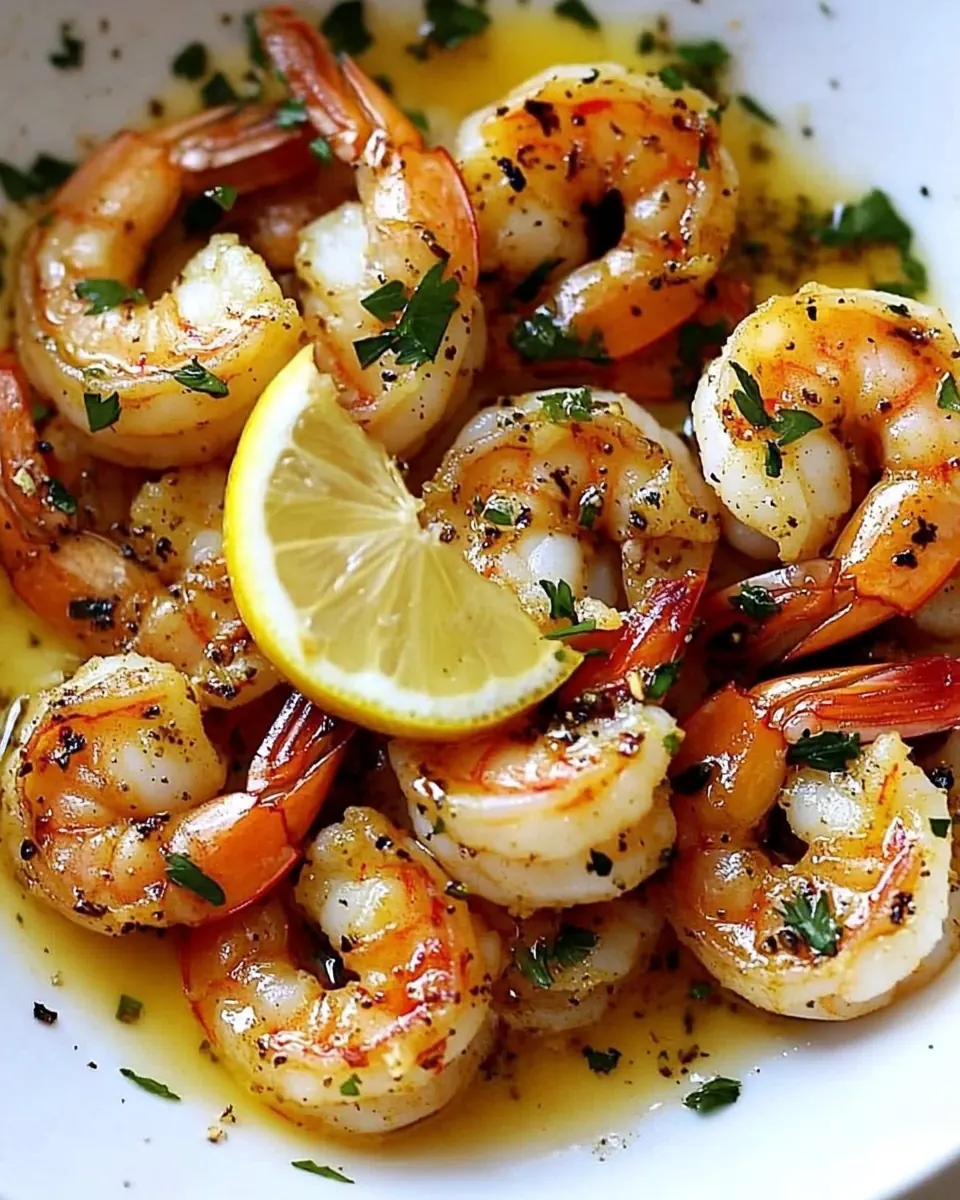
I like to organize the mise en place before turning on the stove. Small details like drying the shrimp and prepping the herb butter make the cooking flow smooth. Below are expanded tips drawn from experience that will help you get perfect results every time.
- Dry thoroughly: Patting the shrimp completely dry ensures a clean sear and prevents steaming, which keeps the texture snappy rather than rubbery.
- Even seasoning: Apply the salt, black pepper, and cayenne pepper evenly by tossing gently so each shrimp cooks with balanced flavor and no salty hotspots.
- Hot skillet: Preheat the skillet until it shimmers before adding oil to achieve immediate sizzle and a golden crust that locks in juices.
- Short cook time: Keep the cook time brief and monitor visual cues like opacity and firming; overcooking leads to tough shrimp.
- Fresh herbs: Use fresh chopped herbs whenever possible for the brightest flavor and aroma; add them to the melted butter off direct heat to preserve freshness.
- Control heat: If the butter starts to brown too quickly, reduce the heat to prevent bitterness and allow the flavors to meld gently.
- Serve immediately: The glossy herb butter is at its best right away, so plate and serve while warm to enjoy optimal texture and shine.
What to Serve With Lemon Herb Butter Shrimp
This dish pairs wonderfully with simple, complementary sides that let the shrimp stand out. I often choose quick grains or crisp salads that echo the bright herb and lemon notes. Think light, textural contrasts that keep the meal balanced and inviting.
- Steamed rice or herbed couscous: A neutral grain soaks up the lemon herb butter, providing a comforting base that highlights the shrimp.
- Light green salad: A crisp salad with a simple vinaigrette adds freshness and a pleasant crunch to offset the buttery shrimp.
- Crusty bread: Warm bread is perfect for mopping up the sauce, making every last drop count and turning it into a satisfying meal.
- Roasted vegetables: Seasonal roasted vegetables add earthiness and texture, pairing well with the herbaceous notes of the dish.
- Occasions: Serve this for a relaxed weeknight dinner, an intimate weekend meal, or during summer gatherings when fresh herbs are abundant.
- Storage tips: Refrigerate leftovers in an airtight container for up to two days, and reheat gently to avoid overcooking the shrimp.
- Seasonal pairings: In summer, emphasize bright salads and chilled sides; in cooler months, lean into warm grains and roasted root vegetables for comfort.
FAQ
Conclusion
What makes this recipe special is the way simple ingredients come together to create bright, buttery, herb infused shrimp that feel both elegant and comforting. I encourage you to try Lemon Herb Butter Shrimp the next time you want a quick, impressive meal that tastes like more effort than it takes. It is approachable, flexible, and reliably delicious, so serve it up and enjoy the small ritual of savoring every lemon kissed, buttery bite.
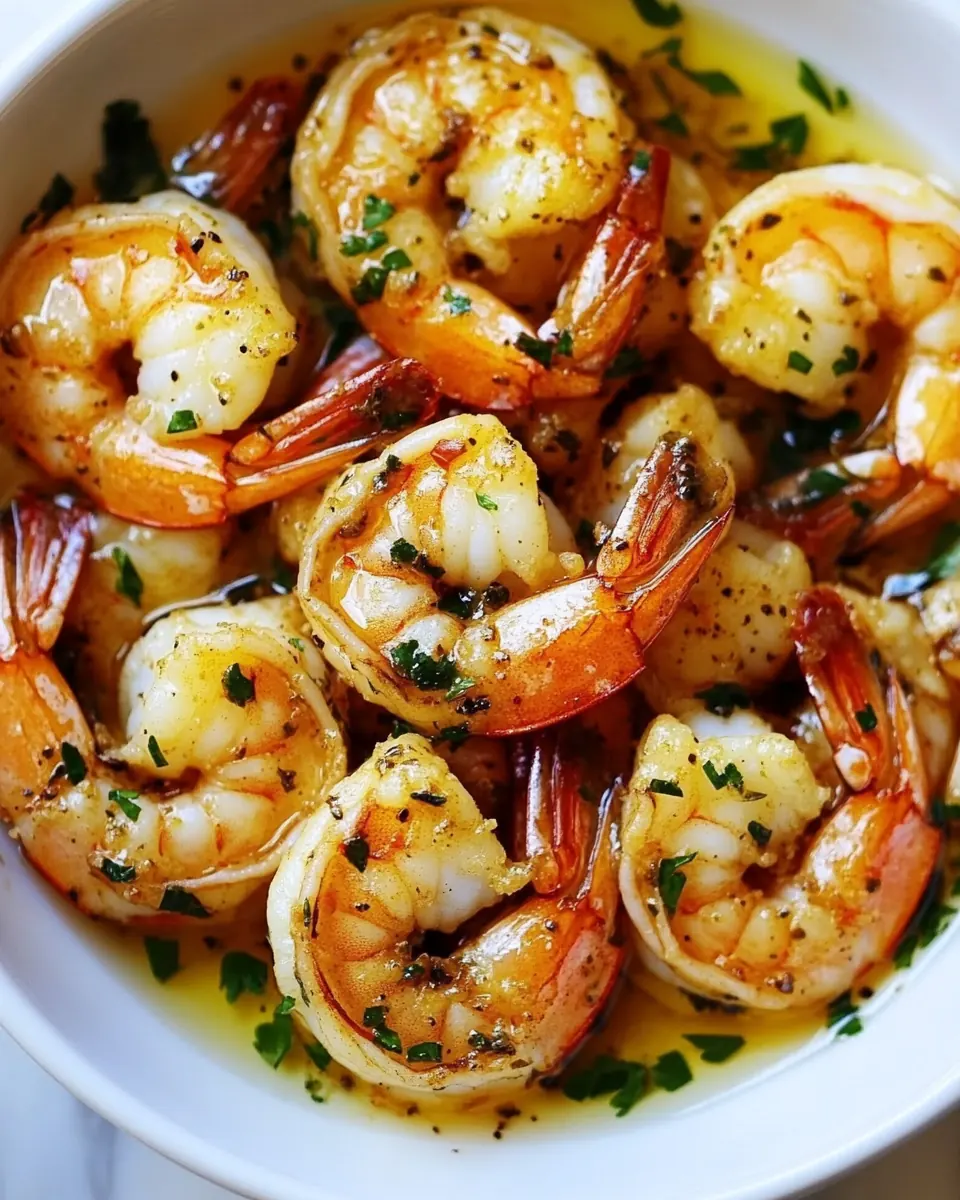
Lemon Herb Butter Shrimp
Ingredients
Equipment
Method
- Defrost the shrimp, then rinse with cold water and pat them very dry with paper towels. Season the shrimp with salt, pepper, and cayenne pepper. Set aside.: You will notice a faint briny aroma as you rinse the shrimp , and patting them very dry is crucial to getting a proper sear. Excess moisture will steam the shrimp instead of allowing the surface to caramelize, so press gently with paper towels until no beads of water remain. If they feel at all slimy, rinse again and dry. A common mistake is skipping the drying step, which makes the shrimp turn rubbery rather than tender, so resist the urge to rush.
- Melt the butter in the microwave for about 30 seconds. Add the thyme, oregano, parsley, and lemon juice to the melted butter. Stir to combine well and set aside.: As you sprinkle the seasoning, inhale the immediate lift from the cracked black pepper and the citrus like heat from the cayenne pepper . Seasoning at this stage ensures the flavors cling to the surface and penetrate slightly during the quick cook. Distribute the seasoning evenly with your fingers so every shrimp gets coated. Avoid over seasoning, which can mask the delicate sweetness of the shrimp .
- Heat a skillet (preferably cast iron) over high heat. Once the skillet is heated, add the olive oil and swirl it to coat the bottom evenly. Add the shrimp and cook without stirring for about 1–2 minutes on each side until they are cooked through. Pour in the lemon herb butter and let it sizzle for a moment. Turn off the heat and serve immediately.: The melted butter will smell toasty and rich, and heating it just enough prevents it from splattering when it hits the hot pan. Microwave in short bursts to avoid browning unless you want a nutty flavor. Let it sit briefly so the foam settles before adding herbs. A mistake here is overheating and burning the butter, which gives an off taste, so watch carefully.
- Add the thyme oregano parsley and lemon juice to the melted butter: Once combined, the aroma will turn herbal and bright, with the citrus lifting the butter. Stirring helps the essential oils from the herbs infuse the fat, creating a silky sauce. Use fresh chopped herbs for a lively fragrance; dried herbs will be more subdued. Avoid overmixing if the butter is too hot, which can wilt the herbs excessively and mute their flavor.
- Stir to combine well and set aside: As the mixture rests, the flavors meld and amplify. You should be able to smell thyme, oregano and parsley marrying with the lemon juice , creating a fragrant compound butter. Setting it aside prevents the herbs from cooking too quickly when added to the hot pan later, preserving their brightness. Do not leave the butter exposed to very high heat for long, which can separate it and change the texture.
- Heat a skillet preferably cast iron over high heat: When the skillet is properly hot you will see a faint shimmer on the surface, and tapping a drop of water will produce a fast sizzle. A heavy skillet retains heat and gives an even sear, encouraging that appealing slight char on the shrimp . Preheating thoroughly prevents the shrimp from releasing juices and steaming. A common error is using too low a heat, which yields floppy, pale shrimp rather than a crisped exterior.
- Once the skillet is heated add the olive oil and swirl it to coat the bottom evenly: The olive oil should form a glossy layer and start to shimmer. Swirling ensures the entire cooking surface is lubricated so the shrimp cooks uniformly. You'll smell a gentle nuttiness from the heated oil, and this step helps prevent sticking and promotes browning. Avoid letting the oil smoke, which indicates it is too hot and can impart a bitter taste.
- Add the shrimp and cook without stirring for about 1 to 2 minutes on each side until they are cooked through: When the shrimp hits the pan you will hear a sharp sizzle, and the edges will begin to turn opaque with a faint golden sear. Cooking without agitation allows a crust to form, locking in juices. Flip once halfway through to finish the other side; over flipping prevents proper browning. Be mindful that shrimp cook very quickly, and overcooking makes them tight and chewy rather than tender and snappy.
- Pour in the lemon herb butter and let it sizzle for a moment: When the warm herb butter meets the hot skillet it will produce a lively sizzle and fragrant steam. Spoon the sauce over the shrimp to glaze them, watching the liquids reduce slightly to cling to each piece. The scent will be bright and buttery with herb notes. Avoid leaving the pan on high so long that the butter separates or the herbs brown excessively, which can turn the flavor bitter.
- Turn off the heat and serve immediately: The residual heat will finish the cooking gently, and the glossy coating will cling to the shrimp . Serve right away to enjoy the ideal texture and aroma. If you let the dish sit too long, the sauce will cool and thicken, losing that silky sheen, so plating quickly preserves the best sensory experience.
Notes
- Dry thoroughly: Patting the shrimp completely dry ensures a clean sear and prevents steaming, which keeps the texture snappy rather than rubbery.
- Even seasoning: Apply the salt, black pepper, and cayenne pepper evenly by tossing gently so each shrimp cooks with balanced flavor and no salty hotspots.
- Hot skillet: Preheat the skillet until it shimmers before adding oil to achieve immediate sizzle and a golden crust that locks in juices.
- Short cook time: Keep the cook time brief and monitor visual cues like opacity and firming; overcooking leads to tough shrimp.
- Fresh herbs: Use fresh chopped herbs whenever possible for the brightest flavor and aroma; add them to the melted butter off direct heat to preserve freshness.
- Control heat: If the butter starts to brown too quickly, reduce the heat to prevent bitterness and allow the flavors to meld gently.
- Serve immediately: The glossy herb butter is at its best right away, so plate and serve while warm to enjoy optimal texture and shine.