White Bean Soup
White Bean Soup has been my kitchen hug on chilly nights, the kind of bowl I reach for when I want comfort that feels honest and nourishing.
I first learned this version on a snowed in evening when the power flickered and I kept the stove on just to feel the kitchen warm. The aroma of onion and garlic sizzling in olive oil filled the house, and as the barley puffed and the white beans softened, the whole thing turned into a stew that made the night feel safer. I remember stirring slowly, tasting for salt, and laughing at how simple ingredients made something so soulful.
Over time I adapted the recipe, adding mushrooms for an earthiness that plays against the bright tomatoes, and tossing in a handful of kale near the end so it stays tender but vivid. I love finishing a bowl with a spoonful of basil pesto and a light shower of Parmesan, where the creamy, herbal notes lift the whole pot. It is the kind of soup that travels well the next day, and that always tastes like home.
Recipe Snapshot
1 hr 10 mins
10 mins
60 mins
Medium
220 kcal
American
Vegan, Gluten-Free
Soups
Medium stock pan, Wooden spoon, Ladle
What We Adore About This White Bean Soup
Hearty, but not heavy
I adore how White Bean Soup manages to feel substantial without weighing you down. The combination of barley and white beans provides that comforting chew and creamy body, while the broth keeps it light. I serve it when I want a filling meal that still lets you move freely after eating, which is perfect for busy weeknights or relaxed weekend lunches.
Layered savory flavors
This soup sings because of technique, not fuss. Sautéing onion, mushrooms, and garlic builds a caramelized base full of umami, then the tomatoes introduce brightness that balances the earthy notes. I find that these layers make every spoonful interesting rather than monotone, and they showcase how humble pantry items can taste luxurious.
Comforting and adaptable
I love recipes that bend to what you have, and White Bean Soup is one of those. You can switch the pesto type, use canned or cooked beans, or toss in extra vegetables without losing the soul of the dish. That adaptability means I can make it for a crowd or a solo dinner, and it always delivers warmth and satisfaction.
Nutritious crowd pleaser
This soup is a quiet powerhouse. Between the fiber rich white beans, the whole grain of barley, and the vitamins in kale and tomatoes, you get a balanced bowl that fills you up in a wholesome way. I often recommend it to friends who want something both nourishing and forgiving to prepare.
Lovely finishing touches
Small garnishes make a big difference. A spoonful of pesto and a sprinkle of Parmesan transform the soup from simple to special, adding creaminess and herbal lift. I delight in those last-minute additions because they let each cook imprint their personality on the bowl.
Ingredient List for White Bean Soup
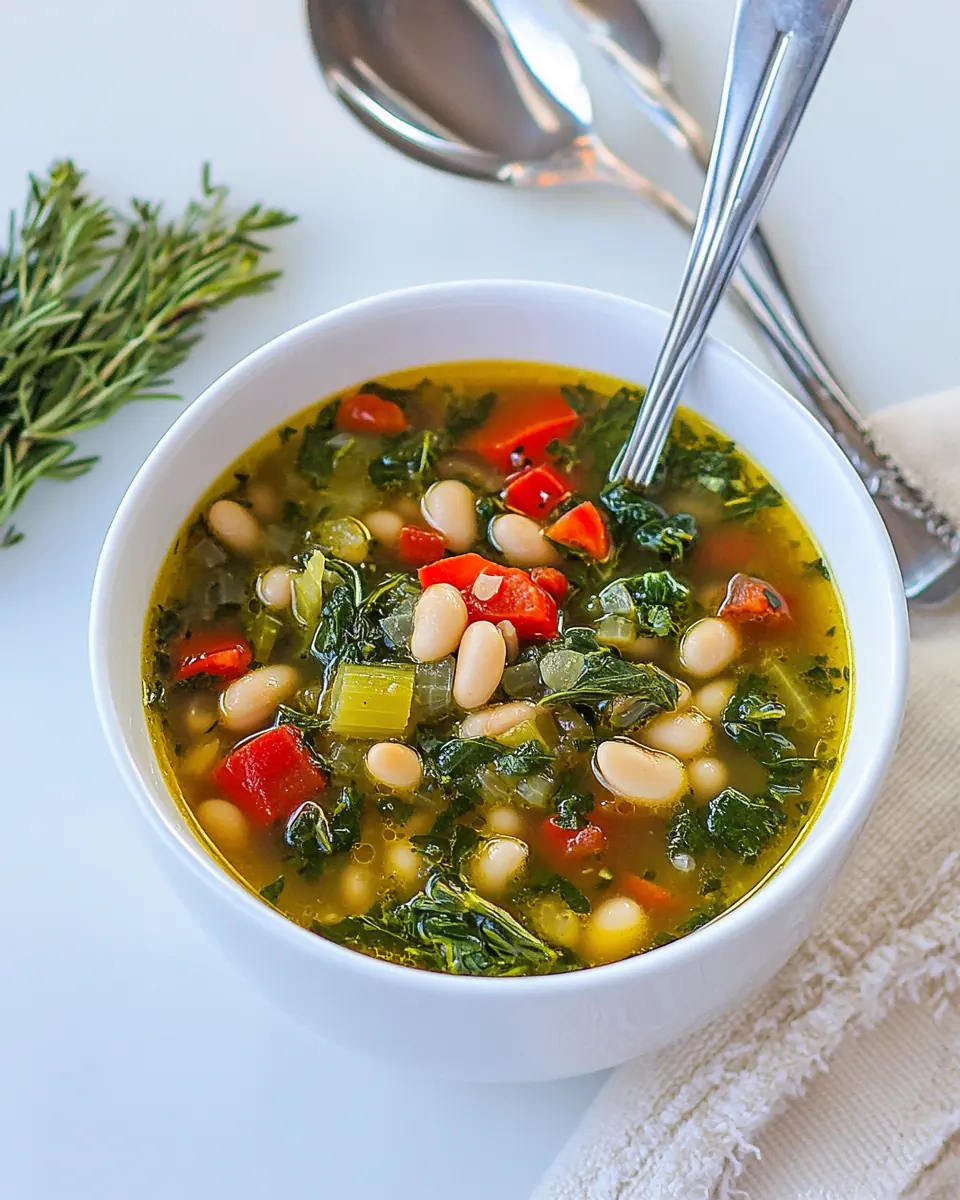
These ingredients form a clear, flavorful ecosystem. The key players are the white beans and barley, which provide texture and substance, while the sautéed onion, garlic, and mushrooms create a savory base. The tomatoes and broth add acidity and volume, and finishing touches like pesto and Parmesan bring brightness and richness.
- 1 tbsp olive oil: Sauté lightly in olive oil to release flavor and create a savory base for the soup; provides healthy fats and a subtle fruitiness that rounds out other ingredients.
- 1 cup onion finely diced: Sweat gently until translucent to add natural sweetness and depth; finely dicing ensures even distribution and quicker cooking to meld with other flavors.
- 3 garlic cloves minced: Mince finely to infuse the broth with aromatic pungency and a warm, savory note; garlic helps build complexity and balances the sweetness of onions and tomatoes.
- 1 cup mushrooms chopped: Cook until softened to contribute earthy umami and textural contrast; chopping into small pieces allows mushrooms to blend with beans and barley without overpowering the soup.
- 5 cups broth or stock, veggie or any: Simmer as the liquid foundation to hydrate barley and combine flavors; choosing vegetable or other stocks determines overall saltiness and depth of the final soup.
- 1 cup barley: Simmer thoroughly to swell and thicken the soup while adding a chewy, nutty texture; barley absorbs flavors and provides sustained heartiness and body.
- 2 cups tomatoes chopped: Add chopped for acidity and bright tomato flavor that balances beans and greens; fresh tomatoes contribute moisture and a touch of natural sweetness.
- 2 cups white beans canned, rinsed and drained: Stir in rinsed and drained to supply creamy protein and fiber; canned white beans bring smoothness and make the soup filling and nutritious.
- 2 cups kale leaves, stems removed: Tear or chop leaves and cook until tender to add vibrant color, mild bitterness, and extra nutrients; removing stems improves mouthfeel and prevents toughness.
- 1 tsp salt pink Himalayan: Season sparingly to enhance and bring out other flavors without overwhelming; pink Himalayan salt adds mineral notes and helps balance acidity and sweetness.
- 2 teaspoons black pepper: Grind or sprinkle to contribute warm, sharp heat and aromatic complexity; black pepper brightens the soup and complements herbs and garlic.
- 1 tbsp oregano dried: Sprinkle dried to impart a concentrated herbal Mediterranean flavor; oregano adds savory depth that pairs well with tomatoes and beans.
- 2 tbsp basil pesto or kale pesto: Stir in to deliver concentrated basil flavor and richness; pesto adds herby, cheesy notes and a silky texture that boosts overall umami.
- 1/4 cup Parmesan vegan or not: Grate or sprinkle over serving to add salty, nutty richness and a finishing savory boost; Parmesan (including vegan alternatives) enhances mouthfeel and flavor depth.
Recipe Directions for White Bean Soup
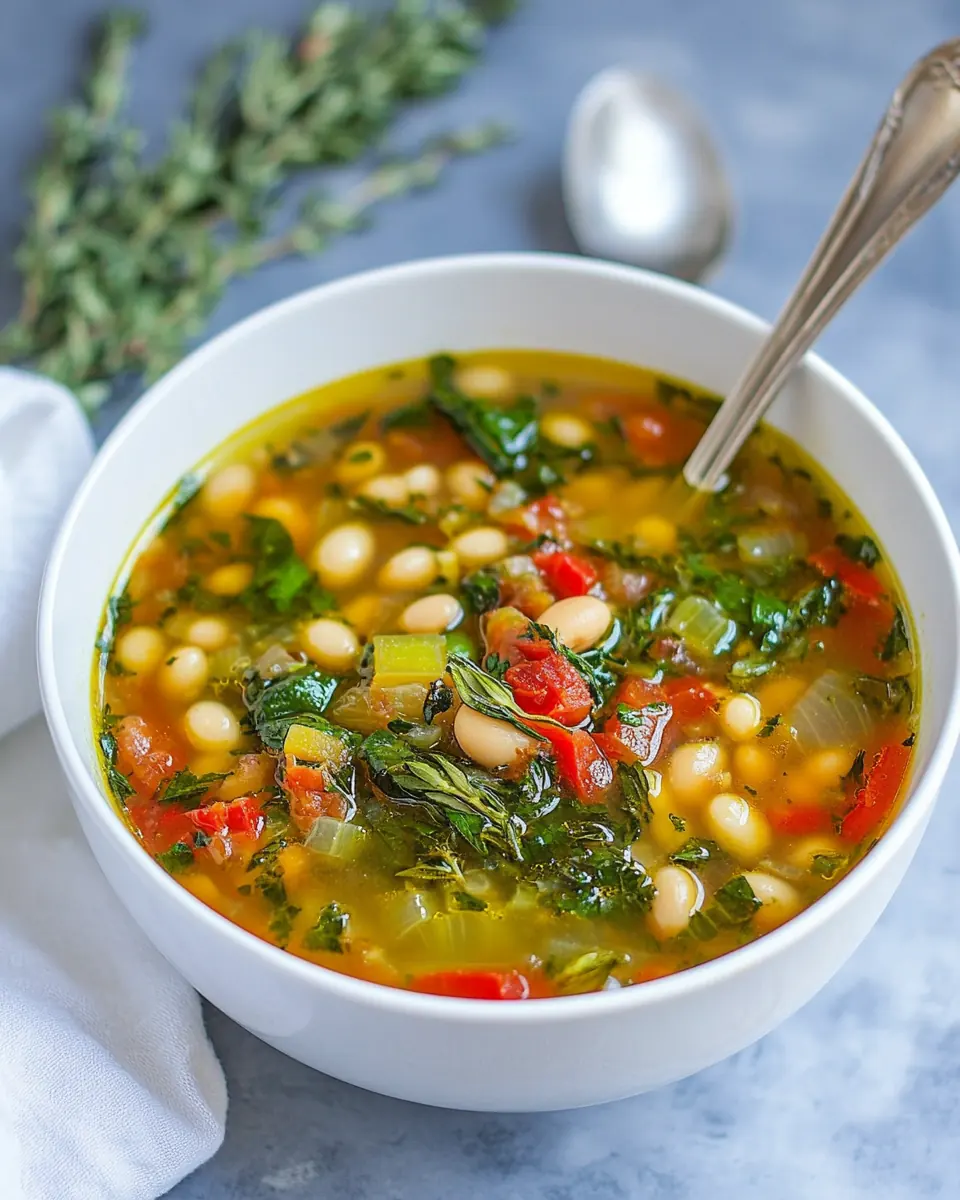
This is a forgiving, slow simmer soup that rewards gentle attention. I like to move through each stage with a spoon in hand, tasting and watching textures change. Keep your burner at a steady setting, and you will notice the aroma evolves as the pot cooks. Below I expand each direction into detailed steps so you can follow along confidently.
- In a medium stock pan, sauté the onion in olive oil for 8 minutes until soft and golden. Add in the mushrooms and garlic and sauté for an extra 5 minutes. Add the broth and barley and bring the mixture to a boil. Cover the pot and let it cook for 30 minutes. Then add in the remaining ingredients and boil for another 30 minutes over low heat. Serve the soup with some pesto and Parmesan cheese if needed.: As you heat the olive oil on medium, you will hear a faint sizzle when the diced onion first hits the pan, which signals the start of caramelization. The smell will shift from sharp to sweet as the natural sugars in the onion slowly brown, and visually you will see translucence followed by golden edges. This step is essential because it creates a flavor foundation that the rest of the soup rides on, adding complexity and depth. Stir every minute to prevent sticking and to encourage even color. If the pan gets too hot and the onion browns too fast, lower the heat to avoid burning, which would introduce bitterness. A common mistake is rushing this step, leaving the onion undercooked and raw tasting, so be patient and take the full time to reach that soft golden stage.
- In a medium stock pan, sauté the onion in olive oil for 8 minutes until soft and golden.: When you add the chopped mushrooms , they will release a cloud of moisture and make a distinct hissing sound; let them sit briefly to brown before stirring to build concentrated savory notes. After a couple minutes, add the minced garlic , and you will smell a fragrant pop as its oils bloom in the hot pan. The mixture should appear glossy and slightly reduced, with the mushrooms softened and lightly caramelized. This interplay of textures—soft mushrooms and aromatic garlic —deepens the soup's flavor. Keep the heat moderate and avoid letting the garlic scorch, because burnt garlic turns bitter quickly. A typical pitfall here is adding the garlic too early, which leads to an acrid taste, so time it after the mushrooms have had a moment to color.
- Add in the mushrooms and garlic and sauté for an extra 5 minutes.: Pour in the measured broth and stir in the barley , which will sink and begin to plump as it absorbs liquid. As the pot approaches a boil, you will see steam rise and small bubbles forming at the edges before it reaches a full rolling boil. This aggressive heat jump helps the barley begin releasing starch, which gives the soup gentle body. Swirl the pot to deglaze any fond at the bottom, lifting up concentrated bits of flavor. If the broth foams or spills, reduce heat slightly; a controlled boil is better than a violent one. Avoid walking away at this crucial moment so the foam and rise do not create a mess or lead to uneven cooking.
- Add the broth and barley and bring the mixture to a boil. Cover the pot and let it cook for 30 minutes.: With the lid on, the pot will settle into a steady simmer, and you will notice a softer, warming aroma as the ingredients harmonize. The barley needs this time to tenderize, swelling and becoming pleasantly chewy while thickening the broth. Lift the lid once halfway through to stir gently, checking the texture and making sure nothing sticks to the bottom. The visual cue you want is plump barley and a broth that looks slightly more substantial, not cloudy or thin. A common mistake is keeping the lid on too tightly and not stirring, which can cause uneven cooking or sticking; a brief stir every 10 to 12 minutes keeps things even.
- Then add in the remaining ingredients and boil for another 30 minutes over low heat.: When you add the remaining elements like chopped tomatoes , rinsed white beans , kale , dried oregano , and seasonings, you'll see the pot regain gentle motion as it returns to a simmer. The tomatoes will begin to break down, releasing bright acidity that balances the deep savory base, while the white beans will warm through and start to soften further. Simmering on low for this period allows flavors to meld without overcooking the leafy kale , which you want tender but not mushy. Watch for the barley and beans to reach a tender, cohesive texture, and taste for seasoning as the final step approaches. Avoid boiling too vigorously, because that can shred the kale and make the broth cloudy; aim for a steady, low simmer instead.
- Serve the soup with some pesto and Parmesan cheese if needed.: As you ladle the soup, notice the steam carrying herbal and savory notes, and take in the contrast between the silky broth and the tender grains and beans. A spoonful of basil pesto stirred into an individual bowl brightens the entire experience, while a sprinkle of Parmesan adds a salty, creamy finish. Visually, the green of the pesto and the light dusting of cheese create an appealing contrast, and texturally they add silk and richness. Add these toppings just before serving to preserve their fresh qualities. A mistake to avoid is mixing all the pesto into the whole pot too early, which dulls its vibrant color and aroma; finish at the table instead for the best effect.
Substitutions and Tips
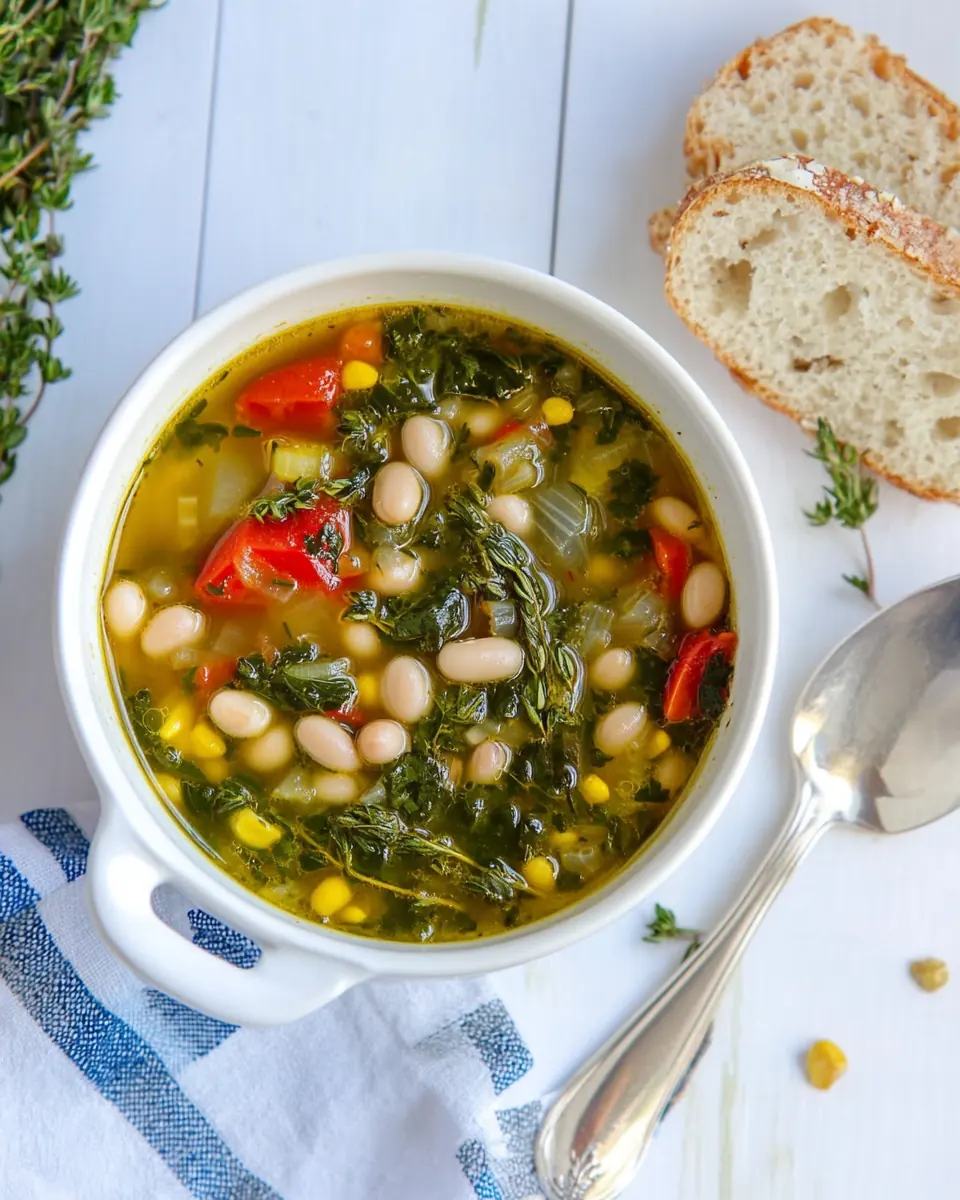
I like to keep a few practical tips at hand so this soup turns out well every time. Below are expanded, actionable items that I refer to when cooking.
- Oil choice Use olive oil for its flavor, but keep the heat moderate to avoid burning its delicate notes.
- Bean options Canned white beans are convenient, rinse them well to control sodium and texture.
- Grain swap If you do not have barley, you can use other chewy grains, but adjust the cooking time because each grain absorbs liquid differently.
- Herb timing Add dried oregano early so it rehydrates and blends, while the pesto should be added at serving for brightness.
- Cheese finish Sprinkle Parmesan at the table to maintain its texture and to let guests control richness.
- Kale handling Remove the stems from kale and tear the leaves into bite size pieces so they cook evenly and avoid fibrous bites.
Serving Ideas for White Bean Soup
This soup is versatile enough to suit many settings, and how you serve it can elevate the meal. Below I outline ideas, pairings, and storage notes to make the most of each pot.
- Weeknight dinner Serve a generous bowl of White Bean Soup with crusty bread for dipping, making it a warm and quick family meal.
- Casual lunch Offer the soup with a simple green side salad for a lighter midday option that still feels satisfying.
- Ramadan or gatherings This soup works well to break a fast because it is nourishing and gentle on the stomach, especially when finished with a touch of pesto for vibrancy.
- Make ahead and storage Store in the refrigerator for up to a week, and freeze portions for longer keeping; reheat gently to avoid overcooking the barley and kale.
- Seasonal pairings In winter, serve with roasted root vegetables; in spring, pair with bright citrusy sides to contrast the soup’s earthiness.
- Presentation Ladle into warmed bowls and finish each with a dollop of basil pesto and a light shower of Parmesan to make the dish look and taste restaurant level.
FAQ
Conclusion
White Bean Soup stands out because it balances creamy legumes, chewy barley, and bright herbal finishes into a bowl that feels both nourishing and sophisticated. I encourage you to try it on a chilly evening when you want something that warms from the inside out, and to play with the pesto and cheese finishes to make it your own. It is forgiving, great for leftovers, and suits simple family dinners or quiet solo meals where comfort matters most.
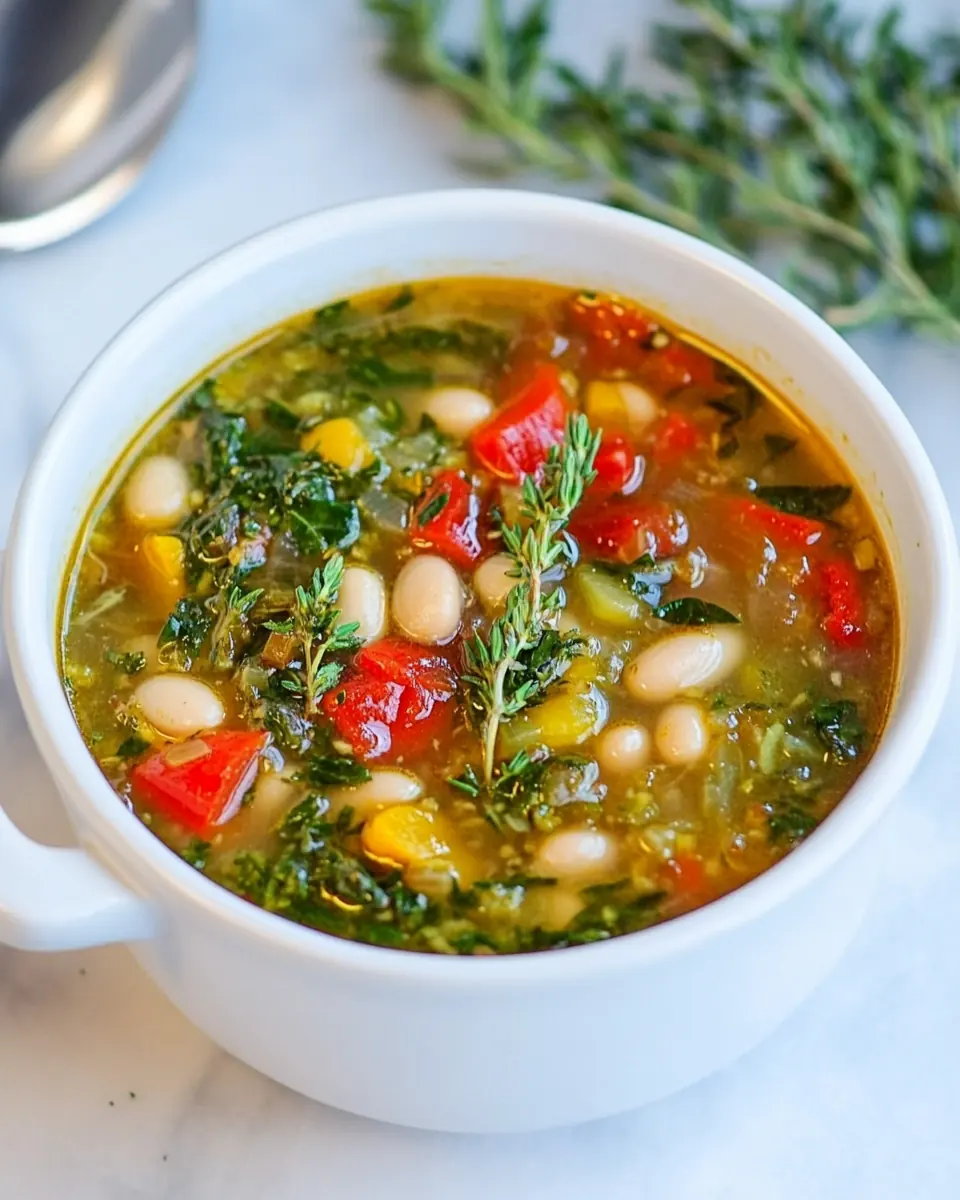
White Bean Soup
Ingredients
Equipment
Method
- In a medium stock pan, sauté the onion in olive oil for 8 minutes until soft and golden. Add in the mushrooms and garlic and sauté for an extra 5 minutes. Add the broth and barley and bring the mixture to a boil. Cover the pot and let it cook for 30 minutes. Then add in the remaining ingredients and boil for another 30 minutes over low heat. Serve the soup with some pesto and Parmesan cheese if needed.: As you heat the olive oil on medium, you will hear a faint sizzle when the diced onion first hits the pan, which signals the start of caramelization. The smell will shift from sharp to sweet as the natural sugars in the onion slowly brown, and visually you will see translucence followed by golden edges. This step is essential because it creates a flavor foundation that the rest of the soup rides on, adding complexity and depth. Stir every minute to prevent sticking and to encourage even color. If the pan gets too hot and the onion browns too fast, lower the heat to avoid burning, which would introduce bitterness. A common mistake is rushing this step, leaving the onion undercooked and raw tasting, so be patient and take the full time to reach that soft golden stage.
- In a medium stock pan, sauté the onion in olive oil for 8 minutes until soft and golden.: When you add the chopped mushrooms , they will release a cloud of moisture and make a distinct hissing sound; let them sit briefly to brown before stirring to build concentrated savory notes. After a couple minutes, add the minced garlic , and you will smell a fragrant pop as its oils bloom in the hot pan. The mixture should appear glossy and slightly reduced, with the mushrooms softened and lightly caramelized. This interplay of textures—soft mushrooms and aromatic garlic —deepens the soup's flavor. Keep the heat moderate and avoid letting the garlic scorch, because burnt garlic turns bitter quickly. A typical pitfall here is adding the garlic too early, which leads to an acrid taste, so time it after the mushrooms have had a moment to color.
- Add in the mushrooms and garlic and sauté for an extra 5 minutes.: Pour in the measured broth and stir in the barley , which will sink and begin to plump as it absorbs liquid. As the pot approaches a boil, you will see steam rise and small bubbles forming at the edges before it reaches a full rolling boil. This aggressive heat jump helps the barley begin releasing starch, which gives the soup gentle body. Swirl the pot to deglaze any fond at the bottom, lifting up concentrated bits of flavor. If the broth foams or spills, reduce heat slightly; a controlled boil is better than a violent one. Avoid walking away at this crucial moment so the foam and rise do not create a mess or lead to uneven cooking.
- Add the broth and barley and bring the mixture to a boil. Cover the pot and let it cook for 30 minutes.: With the lid on, the pot will settle into a steady simmer, and you will notice a softer, warming aroma as the ingredients harmonize. The barley needs this time to tenderize, swelling and becoming pleasantly chewy while thickening the broth. Lift the lid once halfway through to stir gently, checking the texture and making sure nothing sticks to the bottom. The visual cue you want is plump barley and a broth that looks slightly more substantial, not cloudy or thin. A common mistake is keeping the lid on too tightly and not stirring, which can cause uneven cooking or sticking; a brief stir every 10 to 12 minutes keeps things even.
- Then add in the remaining ingredients and boil for another 30 minutes over low heat.: When you add the remaining elements like chopped tomatoes , rinsed white beans , kale , dried oregano , and seasonings, you'll see the pot regain gentle motion as it returns to a simmer. The tomatoes will begin to break down, releasing bright acidity that balances the deep savory base, while the white beans will warm through and start to soften further. Simmering on low for this period allows flavors to meld without overcooking the leafy kale , which you want tender but not mushy. Watch for the barley and beans to reach a tender, cohesive texture, and taste for seasoning as the final step approaches. Avoid boiling too vigorously, because that can shred the kale and make the broth cloudy; aim for a steady, low simmer instead.
- Serve the soup with some pesto and Parmesan cheese if needed.: As you ladle the soup, notice the steam carrying herbal and savory notes, and take in the contrast between the silky broth and the tender grains and beans. A spoonful of basil pesto stirred into an individual bowl brightens the entire experience, while a sprinkle of Parmesan adds a salty, creamy finish. Visually, the green of the pesto and the light dusting of cheese create an appealing contrast, and texturally they add silk and richness. Add these toppings just before serving to preserve their fresh qualities. A mistake to avoid is mixing all the pesto into the whole pot too early, which dulls its vibrant color and aroma; finish at the table instead for the best effect.
Notes
- Oil choice Use olive oil for its flavor, but keep the heat moderate to avoid burning its delicate notes.
- Bean options Canned white beans are convenient, rinse them well to control sodium and texture.
- Grain swap If you do not have barley, you can use other chewy grains, but adjust the cooking time because each grain absorbs liquid differently.
- Herb timing Add dried oregano early so it rehydrates and blends, while the pesto should be added at serving for brightness.
- Cheese finish Sprinkle Parmesan at the table to maintain its texture and to let guests control richness.
- Kale handling Remove the stems from kale and tear the leaves into bite size pieces so they cook evenly and avoid fibrous bites.