Thin and Chewy Spiced Oatmeal Cookies with Brown Butter Icing
Thin and Chewy Spiced Oatmeal Cookies with Brown Butter Icing started showing up in my baking rotation the autumn I wanted something both cozy and crisp at the edges, chewy in the center. I remember pulling a tray from the oven as rain tapped the windows, the kitchen smelling like roasted oats, warm cinnamon, and a whisper of cardamom. That first batch taught me how small technique shifts, like pulsing half the oats and browning the butter for the icing, turn an ordinary cookie into a refined treat I reach for again and again.
One semester I brought a tin to a study group and watched how quickly the cookies vanished. A student, who rarely ate sweets, told me the texture was perfect, thin at the edge yet tender inside, and asked for the recipe. That moment hooked me more than compliments did, because it proved that thoughtful ingredients and patient steps can win over skeptics. Over time I tweaked the spice balance and the icing ratio until I could reproduce the look and snap I loved, every time.
These cookies have become my go to when I want something that feels homemade but a little grown up, something you can bring to a potluck or set beside coffee for a slow weekend morning. When I make them, I think about contrasts, like a crisp perimeter and a gooey center, and how the brown butter icing adds a toffee like note that rounds the spice. I like to let the dough rest briefly if I have time, but rushed afternoons still yield excellent results thanks to solid technique.
Recipe Snapshot
45 mins
15 mins
30 mins
Medium
150 kcal
American
Gluten-Free, Low FODMAP
Desserts
Oven, Baking sheet, Parchment paper, Food processor, Large bowl, Small saucepan, Whisk, Ice cream scoop
What You’ll Enjoy About This Thin and Chewy Spiced Oatmeal Cookies with Brown Butter Icing
Texture that surprises
I love how these Thin and Chewy Spiced Oatmeal Cookies with Brown Butter Icing manage to be both delicate and substantial. The method of pulsing half the oats gives a subtle crumb contrast, so you get pockets of chew surrounded by a thin, crisp edge. I often listen for that faint crackle when they cool, it tells me they baked just right.
Layered spice profile
The blend of cinnamon, cardamom, and freshly grated nutmeg makes the flavor complex without overpowering the oats. I usually start with the listed amounts and then nudge the cardamom if I want a warmer, almost floral lift. The spices work together to make the cookie feel seasonal and comforting.
Brown butter icing for depth
Browning the butter for the icing is a small step that yields a huge payoff. It adds toasted, caramelized notes that complement the brown sugar in the dough. I find it elevates the cookie from everyday to memorable, and it pairs beautifully with the spices.
Reliable, forgiving dough
This dough is forgiving. Even when I scoop and bake without chilling, the cookies spread into thin, chewy rounds rather than a flat mess. If you do chill the dough, they keep a bit more height. That flexibility makes these cookies great for last minute baking or planned treats for guests.
Great for sharing and gifting
I often package these up for neighbors, and they travel well because of their texture. The thin edges stay crisp while the centers remain tender, so even after a day they still feel fresh. That balance is why I keep this recipe in my regular rotation.
Ingredients to Make Thin and Chewy Spiced Oatmeal Cookies with Brown Butter Icing
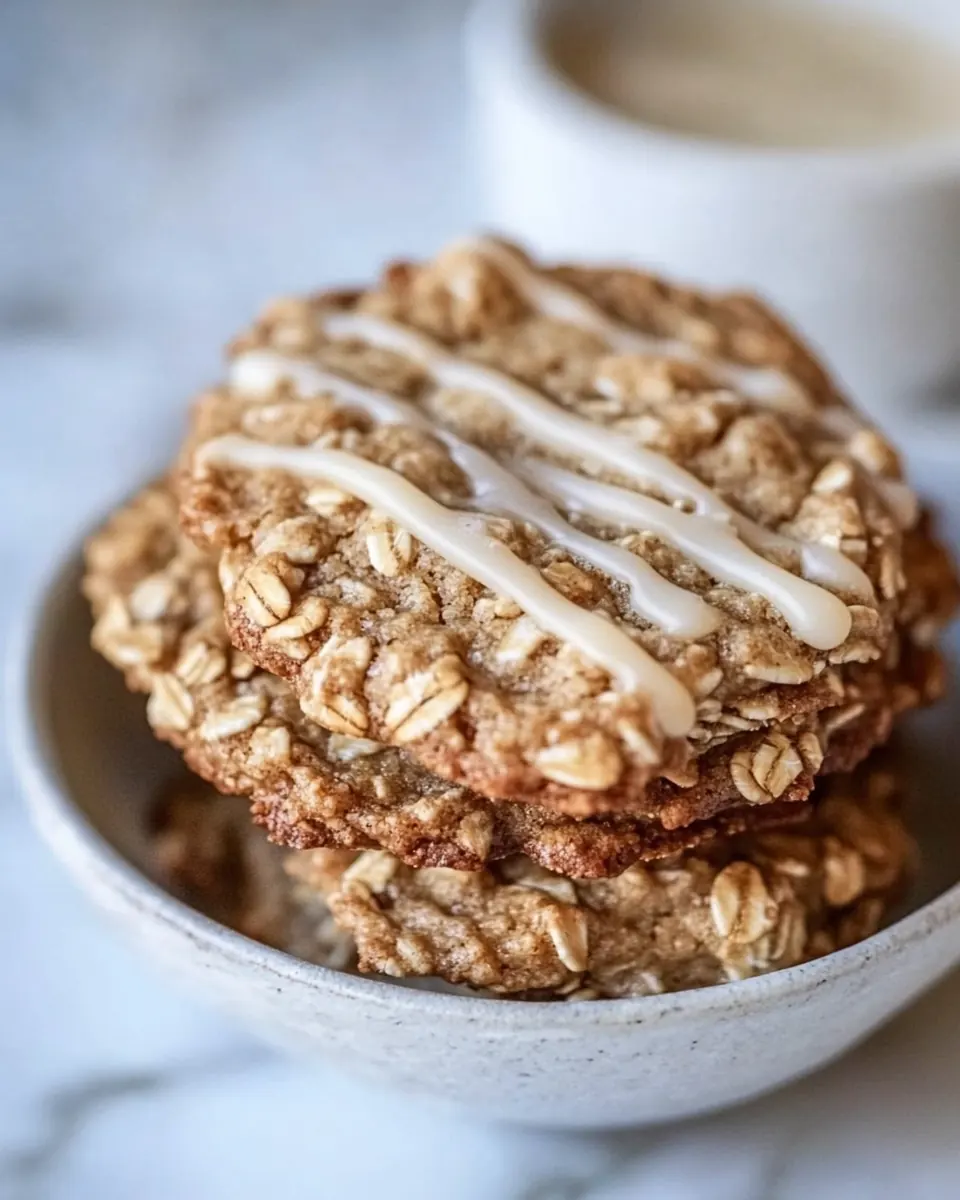
These ingredients are chosen to deliver texture, spice, and a glossy, nutty icing. The combination of rolled oats and all purpose flour gives structure while allowing chewiness. Brown sugar brings moisture and a deeper flavor than white sugar, while the warming spices and browned butter icing add aromatic complexity. Each component plays a clear role in balancing crisp edges with a tender middle.
- 2 cups old-fashioned rolled oats: Provides hearty texture and chewiness while contributing whole-grain flavor; helps absorb wet ingredients and creates structure in the cookie batter. Toasts slightly during baking for a nutty aroma and enhances overall mouthfeel. Works with flour and butter to balance crisp edges and a tender interior.
- 1 cup all-purpose flour: Adds gluten for structure and tenderness, helping cookies hold together without becoming too dense. Provides a neutral backdrop that allows spices and oats to shine. Balances moisture from the butter and eggs to create a thin, chewy crumb.
- 1/2 teaspoons baking soda: Leavens gently to give slight lift and prevent overly dense cookies; helps create small, even air pockets for a tender bite. Cuts through heaviness from oats and brown sugar so cookies stay thin rather than cakey. Reacts with acids in the dough to influence texture and spread.
- 1/2 teaspoon cinnamon: Warms the flavor profile, giving aromatic sweetness and depth that complements the oats and brown sugar. Blends with other spices to create a balanced spiced cookie character. Adds subtle color and warmth to the finished biscuit.
- 1/4 teaspoon cardamom: Contributes floral, citrusy warmth and complexity that brightens the spice blend without overpowering. Enhances the overall aromatic profile and pairs well with cinnamon and nutmeg. Use sparingly to avoid dominating the delicate oat flavor.
- 1/4 teaspoon freshly grated nutmeg: Gives warm, slightly sweet nutty notes and a freshly aromatic hit when grated; intensifies the spiced character of the cookies. Adds complexity and a subtle richness that complements brown butter flavors. Best used freshly grated for maximum aroma.
- 1/4 teaspoons salt: Balances and enhances sweetness while strengthening gluten networks slightly; controls fermentation and flavor. Ensures other flavors pop and helps maintain the proper chemical balance in the dough. Keeps the overall taste balanced and prevents flatness.
- 1 1/2 sticks, 12 tablespoons unsalted butter, melted and cooled: Adds rich fat and flavor, providing moisture and promoting spread for thin, chewy cookies; browning and cooling develops deeper, nutty notes. Melted then cooled butter helps integrate with sugars and oats for uniform texture. Contributes to tender crumb and slight crisping at the edges.
- 1 1/2 cups loosely packed brown sugar: Supplies deep, molasses-like sweetness and moisture that contributes to chewiness and caramelized edges. Adds flavor complexity and helps cookies stay soft in the center while crisping outside. Works with butter to encourage spreading and rich mouthfeel.
- 1 egg + 1 egg yolk, at room temperature: Binds ingredients, contributes moisture, and adds richness for a tender, chewy interior; extra yolk increases fat and chewiness. Helps emulsify the dough for even texture and spread during baking. Brings structure and lift while maintaining thinness.
- 2 teaspoons vanilla extract: Adds aromatic sweetness and enhances other flavors, rounding out the cookie's profile with floral-vanilla notes. Helps mask any eggy odors and brings a familiar dessert aroma. Works in small amounts to complement brown butter and spices.
- 1/4 cup unsalted butter: Provides fat for the brown butter icing, contributing to a smooth, rich mouthfeel when melted and combined. Helps carry flavor and create a glossy finish on the icing. Balances powdered sugar to produce a pourable glaze.
- 1/2 to 3/4 cup powdered sugar: Sweetens and thickens the icing, creating a smooth, pipeable glaze consistency while delivering a clean, sweet finish. Adjusts to taste and desired thickness, allowing the icing to set with a delicate crust. Dissolves easily into melted butter for a silky texture.
- 1/2 teaspoon vanilla extract: Adds subtle vanilla aroma to the icing, enhancing overall flavor and rounding out sweetness. Compliments brown butter notes and deepens the final taste of the glaze. Use sparingly to avoid overpowering the delicate spice and oat flavors.
- 1 1/2 tablespoons milk: Thins the icing to a pourable consistency while adding slight richness and helping the glaze set with a glossy sheen. Adjusts the thickness of the glaze for drizzle or dip applications. Small amounts ensure a smooth, spreadable finish without thinning flavor.
How to Prepare Thin and Chewy Spiced Oatmeal Cookies with Brown Butter Icing
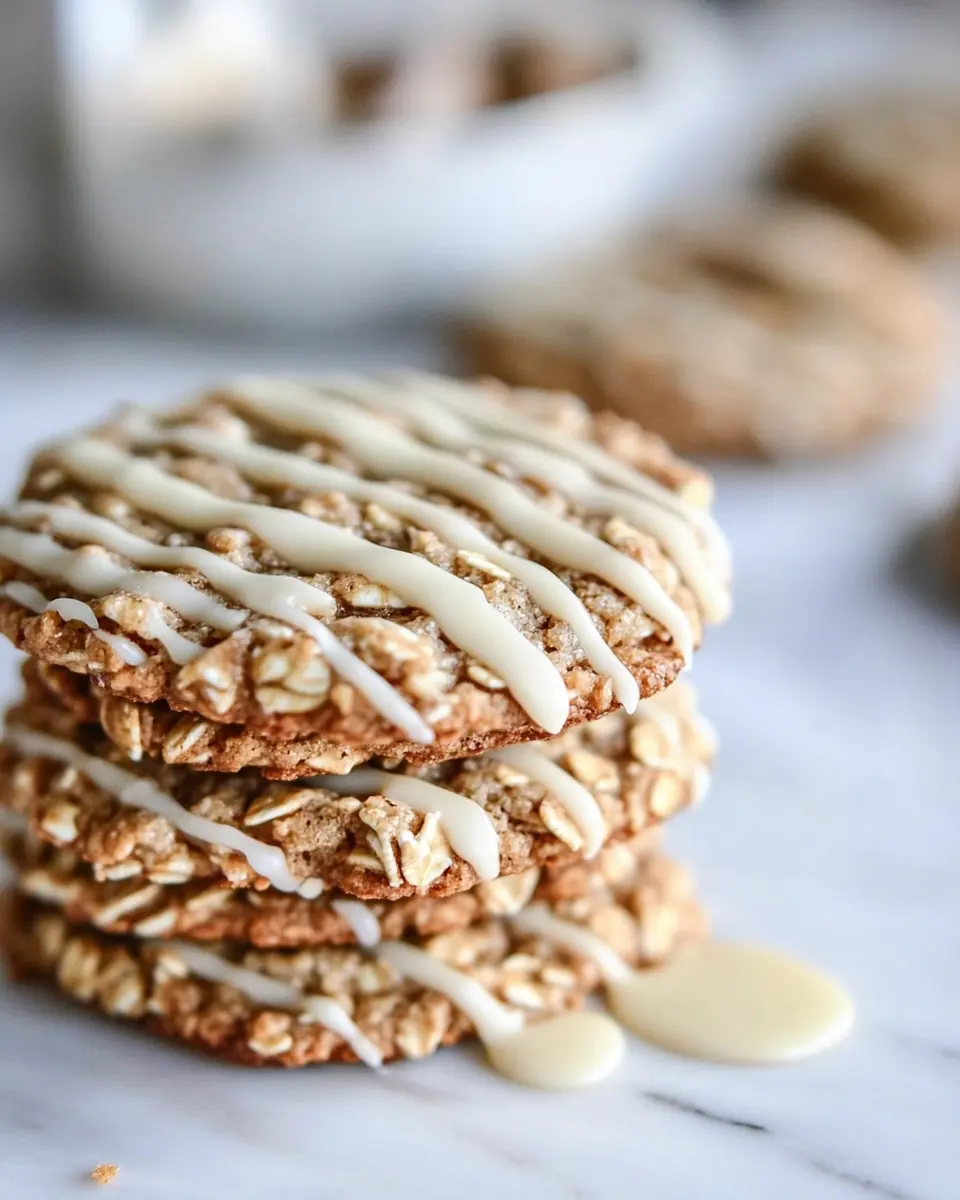
These directions are written to help you achieve the ideal thin edges and chewy center, while guiding the brown butter process for a deeply flavored icing. Read through the steps, gather your ingredients, and I promise the aroma alone will make you smile. I like to prep my tools and line pans first so the bake goes smoothly.
- Preheat the oven to 350 degrees F. Line a baking sheet (or 2) with parchment paper.: Right away you will notice a small ritual moment, the oven warming and the scent of clean heat. Preheating ensures even baking so the cookies spread predictably, and parchment prevents sticking while promoting crisp edges. A common mistake is skipping parchment, which can cause uneven bottoms and difficulty removing baked cookies. If your oven runs hot, use an oven thermometer to check that it truly reaches 350 degrees F .
- Place half of the oats in a food processor and pulse until the oats are chopped up, some flour-like, but some pieces remaining. In a bowl, combine all of the oats, flour, baking soda, cinnamon, cardamom, nutmeg and salt. Whisk together.: As you pulse the oats , listen for a change from a soft rustle to a slightly more granular sound, indicating small bits form. This textural variety keeps some chew while allowing the cookies to bind. Whisking the dry mix distributes the baking soda and spices evenly, avoiding bitter spots. A common error is over processing the oats into a powder, which removes the desirable chew, so stop when you still see tiny flake pieces.
- In a large bowl, whisk together the melted butter and brown sugar until smooth. Whisk in the egg and egg yolk, then the vanilla, until smooth and combined. Take a large spoon and stir in the dry ingredients, mixing until a dough forms.: When you combine the melted butter with brown sugar , you'll notice the sugar loosening and the mixture becoming glossy, which signals good integration. Adding the egg and yolk next emulsifies the mixture for a cohesive dough. Stirring the dry ingredients in by hand preserves the texture from the pulsed oats . Avoid over mixing after adding the flour, which can develop excess gluten and yield a tougher cookie.
- Scoop the dough out using an ice cream scoop (you want about 2 tablespoons of dough) and place on the parchment paper 2 inches apart. I put 6 on a baking sheet – because they will spread! Bake for 12 to 14 minutes, or until golden on the edges and thin and chewy. Remove and let cool completely.: As the cookies bake, you'll see the centers set while the edges take on a golden hue, a sign they're done. They should still be soft to the touch in the center, and a tiny jiggle will firm as they cool. Overbaking dries them out, so err on the side of slightly underdone if you prefer chew. A frequent mistake is placing too many scoops on a tray, which makes them merge; give space for spread.
- Heat a small saucepan over medium-low heat and add butter. Whisk constantly until melted, then continue to whisk as bubbles form, the butter begins to foam, and eventually brown bits appear in the bottom of the pan. This will take about 5-6 minutes total. As soon as the brown bits appear, remove from heat. I always stir for an additional 30 seconds or so. Let cool for 10 minutes.: Browning butter is sensory rich, with the butter shifting from grassy to nutty, and you will smell a toasted aroma as the milk solids brown. Visual cues include foaming followed by small brown specks at the bottom. Removing from heat promptly prevents burning and preserves that toffee like nuance. A common pitfall is walking away and letting the butter burn, producing bitterness; constant attention and a gentle whisk are key.
- Note: if you refrigerate this dough for an hour or so before baking, they won’t be QUITE as thin!: if you refrigerate this dough for an hour or so before baking, they won’t be QUITE as thin! : Chilling the dough firms up the butter , so when baked the cookies spread less and keep more height. I sometimes chill a portion if I want a chunkier cookie for variety. The trade off is a slightly denser interior; for the signature thin chew, bake straight away. Avoid freezing the dough without adjusting bake time, as frozen centers may not cook through.
- In a large bowl combine brown butter, vanilla extract and powdered sugar. Whisk until the mixture comes together then add in 1 tablespoon of milk, continuing to mix. I always stir my glazes for a good 3-4 minutes so they really come together. If it still doesn’t appear glaze-like, add in milk 1/2 tablespoon at a time and mix again. Don’t worry if it becomes too liquidy – just add a tiny bit of powdered sugar until you get the desired consistency. Drizzle the glaze over the cooled cookies.: Right after the browned butter cools slightly, combining it with powdered sugar yields a glossy, aromatic glaze that clings to the cookie tops. The smell at this stage is warm and caramel forward; when you add a splash of milk , the texture smooths out for drizzling. If the glaze becomes too thin, incrementally thickening with more powdered sugar prevents run off. A mistake people make is glazing warm cookies; wait until they cool to keep the glaze from soaking in and disappearing.
Recipe Notes about Thin and Chewy Spiced Oatmeal Cookies with Brown Butter Icing
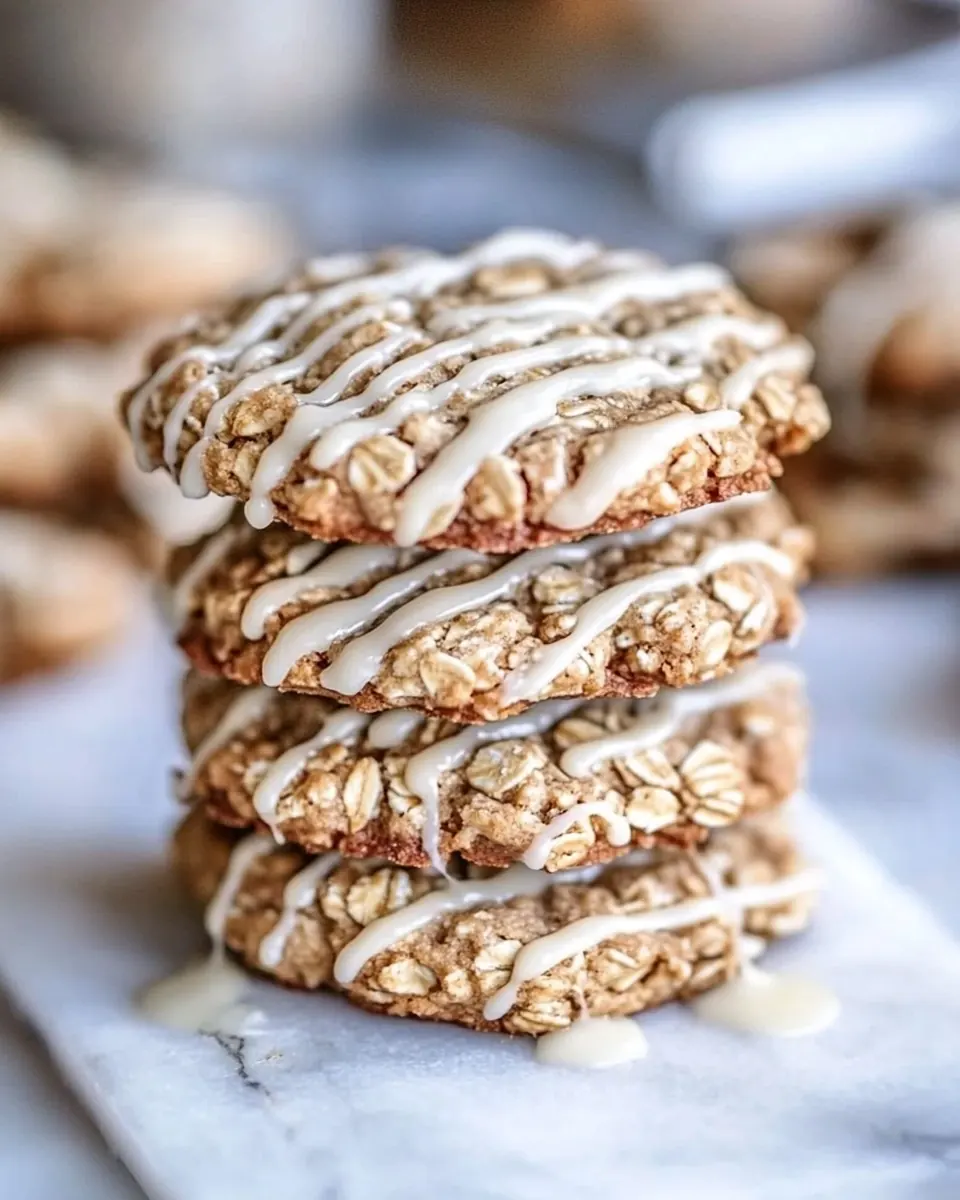
These notes expand on small adjustments and troubleshooting for consistently great results. Read them before you begin to avoid common pitfalls and to get ideas for presentation and timing. I keep these points handy when I bake multiple batches.
- Measure carefully: Use spoons and cups accurately, especially for flour and powdered sugar, as small variances change texture and glaze thickness.
- Butter temperature matters: Melt the butter for the dough and let it cool slightly so you do not cook the egg when mixing; for the glaze, brown the butter slowly to develop flavor without burning.
- Adjust glaze thickness: Start with 1 1/2 tablespoons of milk and add more in 1/2 tablespoon increments if needed, or thicken with small additions of powdered sugar.
- Even scoops equal even bake: Use a small ice cream scoop for uniform cookies so they spread and finish at the same time.
- Store properly: Keep cookies in an airtight container at room temperature; place parchment between layers to protect the icing finish.
What Goes Well With This Thin and Chewy Spiced Oatmeal Cookies with Brown Butter Icing
These cookies pair well with warm beverages, seasonal gatherings, and casual gifting. I often serve them alongside coffee for a brunch, or pack them in a tin for a neighbor visit. They fit into cozy occasions and make an elegant sweet bite at a tea service.
- Coffee or tea pairing: A milky coffee or spiced tea complements the cinnamon and cardamom notes and balances the icing sweetness.
- Brunch or breakfast: Offer these cookies with fruit and yogurt for a relaxed brunch where they serve as an indulgent treat.
- Holiday baking: The warm spices make them perfect for fall gatherings and festive cookie exchanges.
- Gifting: Arrange in a tin with parchment for a thoughtful homemade gift, especially during cooler months.
- Storage tips: Store at room temperature in an airtight container for up to 4 days, or freeze unglazed cookies for up to 1 month then glaze after thawing.
FAQ
Conclusion
These Thin and Chewy Spiced Oatmeal Cookies with Brown Butter Icing stand out because they balance crisp edges with tender chew and a deep, toasty icing that highlights the warm spices. Try them when you want a cookie that feels both rustic and refined, perfect for sharing or savoring with a warm drink. I hope you enjoy the process of pulsing oats, browning butter, and watching the magic happen in your oven; the aroma and texture make the effort worthwhile, and they are reliable enough to become a favorite in your baking rotation.
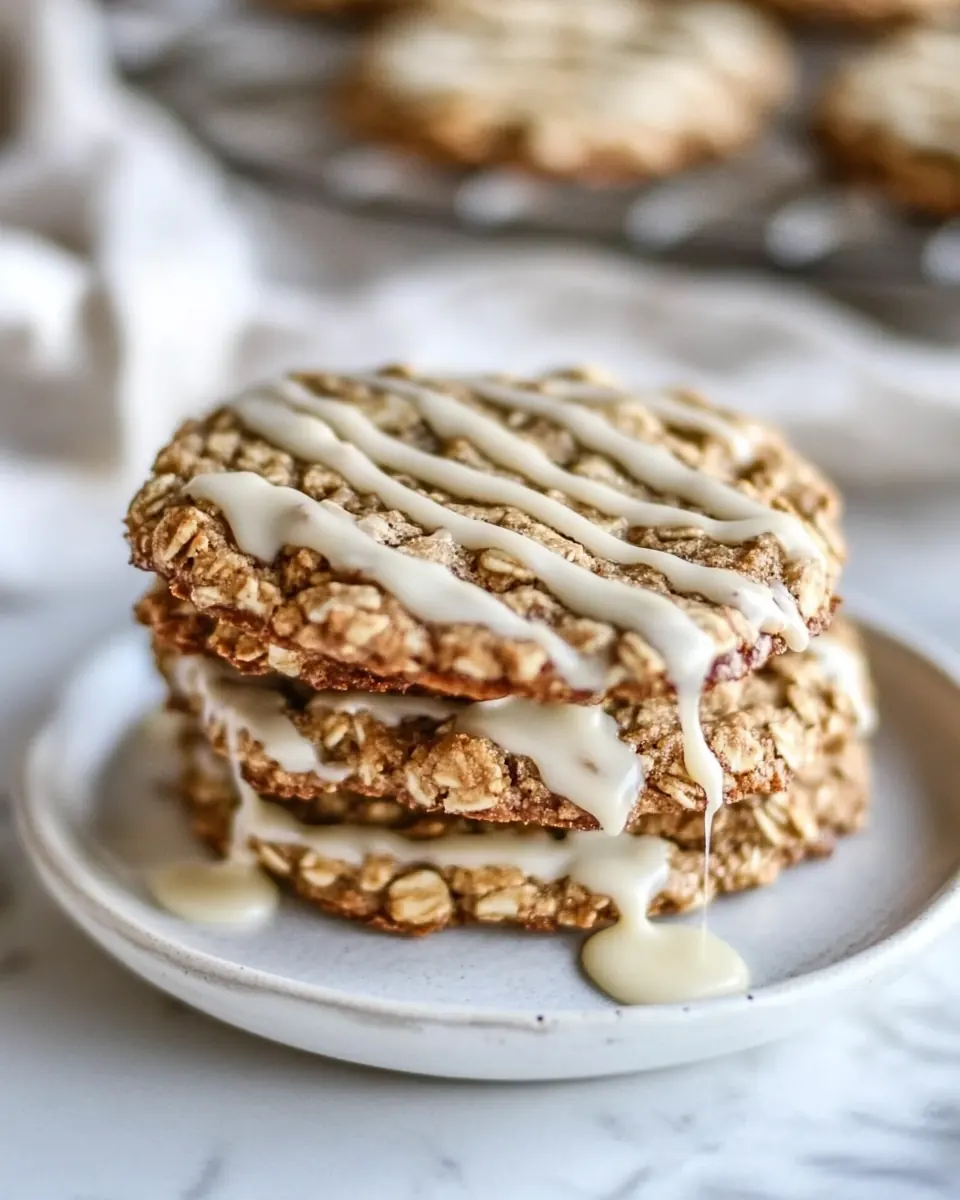
Thin and Chewy Spiced Oatmeal Cookies with Brown Butter Icing
Ingredients
Equipment
Method
- Preheat the oven to 350 degrees F. Line a baking sheet (or 2) with parchment paper.: Right away you will notice a small ritual moment, the oven warming and the scent of clean heat. Preheating ensures even baking so the cookies spread predictably, and parchment prevents sticking while promoting crisp edges. A common mistake is skipping parchment, which can cause uneven bottoms and difficulty removing baked cookies. If your oven runs hot, use an oven thermometer to check that it truly reaches 350 degrees F .
- Place half of the oats in a food processor and pulse until the oats are chopped up, some flour-like, but some pieces remaining. In a bowl, combine all of the oats, flour, baking soda, cinnamon, cardamom, nutmeg and salt. Whisk together.: As you pulse the oats , listen for a change from a soft rustle to a slightly more granular sound, indicating small bits form. This textural variety keeps some chew while allowing the cookies to bind. Whisking the dry mix distributes the baking soda and spices evenly, avoiding bitter spots. A common error is over processing the oats into a powder, which removes the desirable chew, so stop when you still see tiny flake pieces.
- In a large bowl, whisk together the melted butter and brown sugar until smooth. Whisk in the egg and egg yolk, then the vanilla, until smooth and combined. Take a large spoon and stir in the dry ingredients, mixing until a dough forms.: When you combine the melted butter with brown sugar , you'll notice the sugar loosening and the mixture becoming glossy, which signals good integration. Adding the egg and yolk next emulsifies the mixture for a cohesive dough. Stirring the dry ingredients in by hand preserves the texture from the pulsed oats . Avoid over mixing after adding the flour, which can develop excess gluten and yield a tougher cookie.
- Scoop the dough out using an ice cream scoop (you want about 2 tablespoons of dough) and place on the parchment paper 2 inches apart. I put 6 on a baking sheet – because they will spread! Bake for 12 to 14 minutes, or until golden on the edges and thin and chewy. Remove and let cool completely.: As the cookies bake, you'll see the centers set while the edges take on a golden hue, a sign they're done. They should still be soft to the touch in the center, and a tiny jiggle will firm as they cool. Overbaking dries them out, so err on the side of slightly underdone if you prefer chew. A frequent mistake is placing too many scoops on a tray, which makes them merge; give space for spread.
- Heat a small saucepan over medium-low heat and add butter. Whisk constantly until melted, then continue to whisk as bubbles form, the butter begins to foam, and eventually brown bits appear in the bottom of the pan. This will take about 5-6 minutes total. As soon as the brown bits appear, remove from heat. I always stir for an additional 30 seconds or so. Let cool for 10 minutes.: Browning butter is sensory rich, with the butter shifting from grassy to nutty, and you will smell a toasted aroma as the milk solids brown. Visual cues include foaming followed by small brown specks at the bottom. Removing from heat promptly prevents burning and preserves that toffee like nuance. A common pitfall is walking away and letting the butter burn, producing bitterness; constant attention and a gentle whisk are key.
- Note: if you refrigerate this dough for an hour or so before baking, they won’t be QUITE as thin!: if you refrigerate this dough for an hour or so before baking, they won’t be QUITE as thin! : Chilling the dough firms up the butter , so when baked the cookies spread less and keep more height. I sometimes chill a portion if I want a chunkier cookie for variety. The trade off is a slightly denser interior; for the signature thin chew, bake straight away. Avoid freezing the dough without adjusting bake time, as frozen centers may not cook through.
- In a large bowl combine brown butter, vanilla extract and powdered sugar. Whisk until the mixture comes together then add in 1 tablespoon of milk, continuing to mix. I always stir my glazes for a good 3-4 minutes so they really come together. If it still doesn’t appear glaze-like, add in milk 1/2 tablespoon at a time and mix again. Don’t worry if it becomes too liquidy – just add a tiny bit of powdered sugar until you get the desired consistency. Drizzle the glaze over the cooled cookies.: Right after the browned butter cools slightly, combining it with powdered sugar yields a glossy, aromatic glaze that clings to the cookie tops. The smell at this stage is warm and caramel forward; when you add a splash of milk , the texture smooths out for drizzling. If the glaze becomes too thin, incrementally thickening with more powdered sugar prevents run off. A mistake people make is glazing warm cookies; wait until they cool to keep the glaze from soaking in and disappearing.
Notes
- Measure carefully: Use spoons and cups accurately, especially for flour and powdered sugar, as small variances change texture and glaze thickness.
- Butter temperature matters: Melt the butter for the dough and let it cool slightly so you do not cook the egg when mixing; for the glaze, brown the butter slowly to develop flavor without burning.
- Adjust glaze thickness: Start with 1 1/2 tablespoons of milk and add more in 1/2 tablespoon increments if needed, or thicken with small additions of powdered sugar.
- Even scoops equal even bake: Use a small ice cream scoop for uniform cookies so they spread and finish at the same time.
- Store properly: Keep cookies in an airtight container at room temperature; place parchment between layers to protect the icing finish.