Lentil Curry Recipe
Lentil Curry Recipe is the kind of dish I reach for when I want something warm, nourishing, and genuinely comforting after a long day. The first time I made this, I was chasing a memory of a small neighborhood cafe that served a bowl so fragrant it paused conversation at our table. I wanted to recreate that gentle layer of spices, the silk of coconut, and the humble, earthy body of lentils that make every spoonful stick to your ribs in the best way.
Over the years I have adjusted the balance between aromatics and spice, learning that patience with the sauté and a little sugar to tame the tomatoes turns this into something everyone asks for seconds of. I remember stirring a simmering pot while rain tapped on the window, the kitchen filled with a curry perfume that felt like a cozy blanket. That evening convinced me this version of Lentil Curry Recipe belongs in regular rotation, especially when you want a meal that feels special without fuss.
Recipe Snapshot
1 hr 5 mins
25 mins
40 mins
Medium
350 kcal
Indian
Gluten-Free, Vegan
Dinner
Large pot
Why This Lentil Curry Recipe Is So Good
Comforting and Satisfying
I love how Lentil Curry Recipe lands on the palate with a warm, rounded mouthfeel, thanks to the union of lentils and coconut milk. The texture is hearty yet creamy, so this feels like an indulgence that is also wholesome. I often serve it when I want guests to leave feeling full and cared for.
Layered Flavors from Simple Steps
We build depth by browning the onion and carrot, then blooming the spice mix in heat. That short period of focused cooking transforms the aroma and makes the spices sing, which is why I never rush it. You can taste the difference in every spoonful.
Vegetarian and Versatile
This recipe is naturally vegetarian and plays well with dietary needs. Using a vegetarian broth keeps the profile clean, yet you still get that savory backbone. I appreciate recipes that adapt easily to what I have on hand, and this one does just that.
Easy Weeknight Winner
Even with layers of flavor, the method is straightforward. After a little prep, the pot mostly simmers itself into perfection, which makes this an ideal choice for a busy evening when you want a nourishing, flavorful dinner without babysitting the stove.
Bright Finish
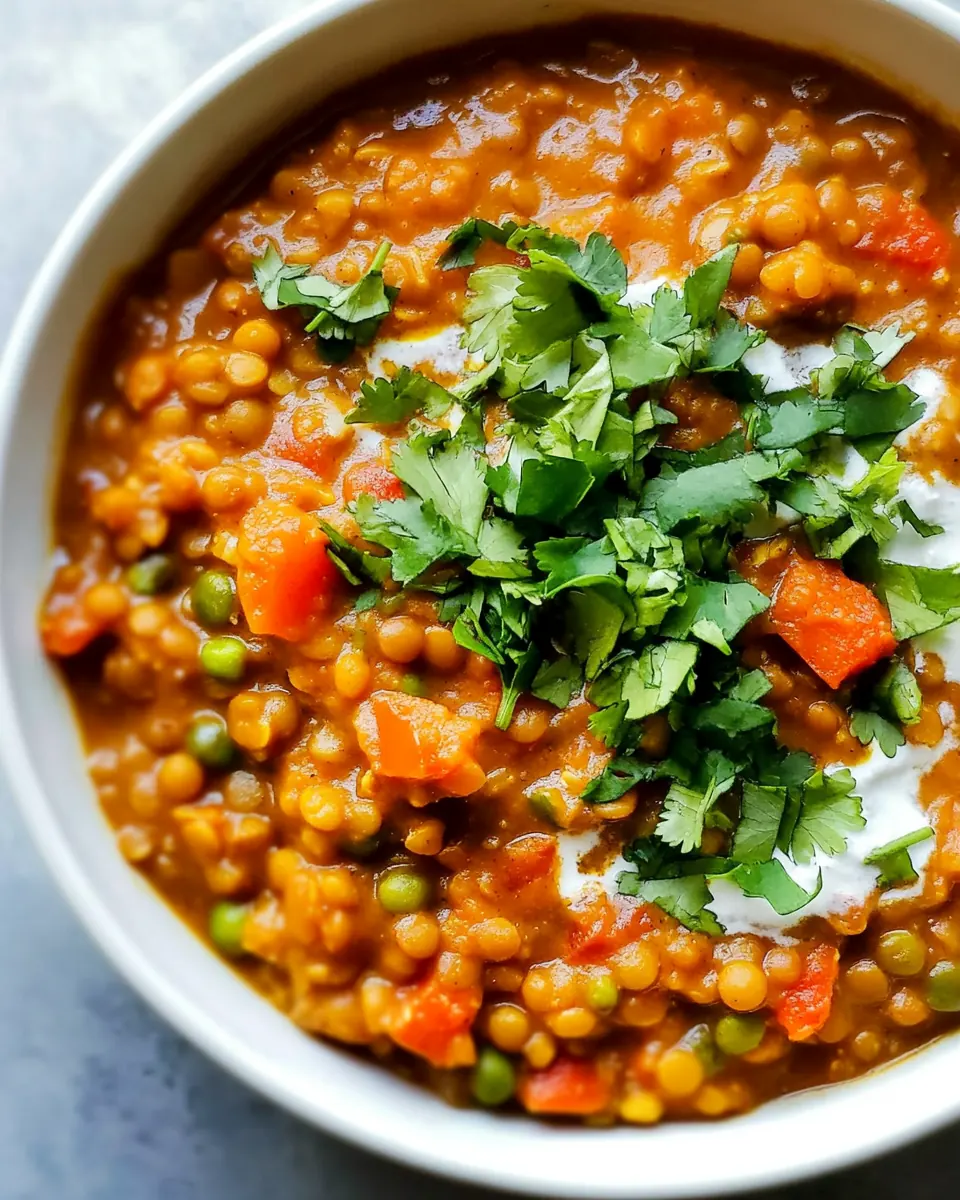
I always finish with chopped cilantro and a squeeze of lemon when available. The brightness lifts the rich curry and ties the flavors together, and that final touch is what keeps me coming back to Lentil Curry Recipe time and again.
What You Need for Lentil Curry Recipe
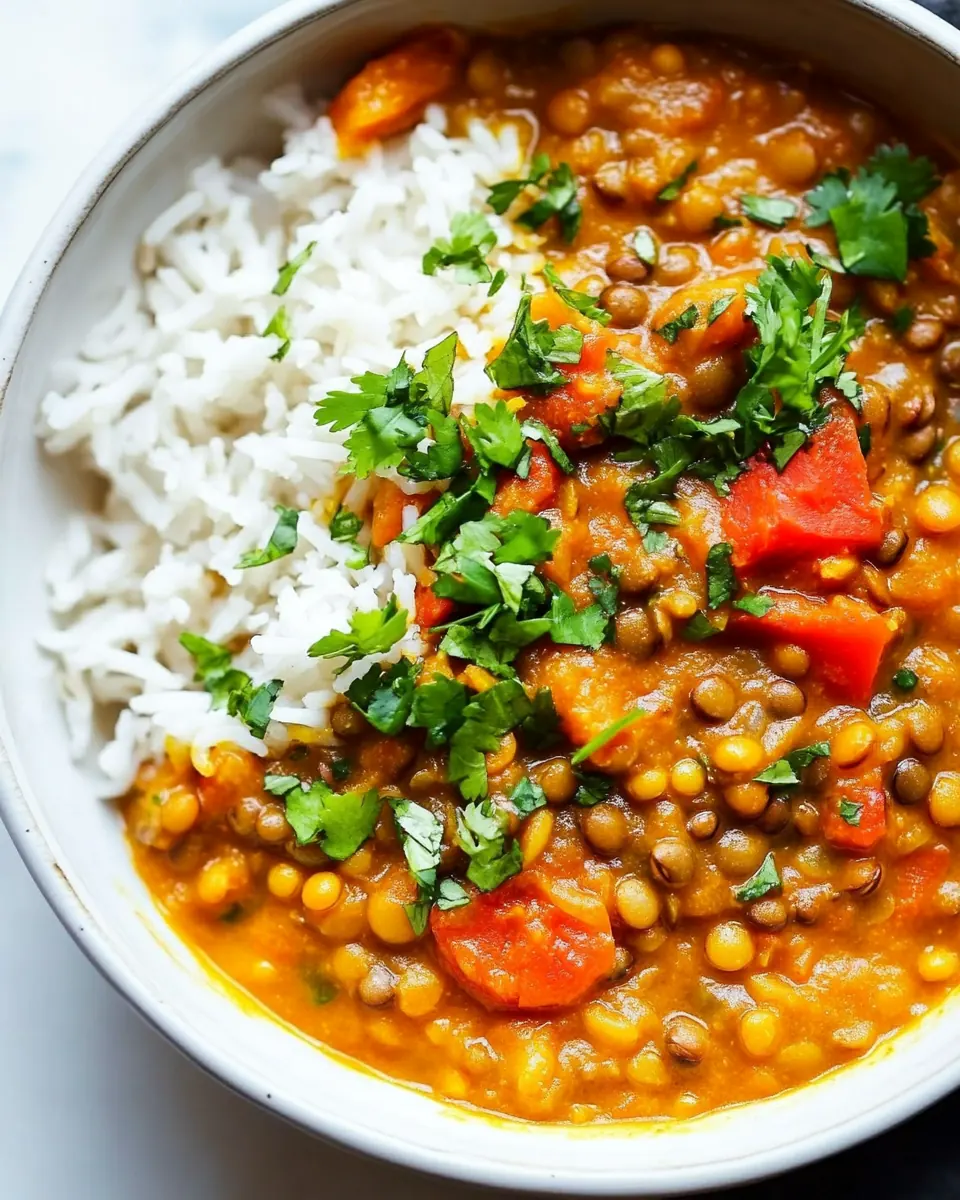
These ingredients are chosen to create a balance between savory depth, aromatic lift, and creamy texture. The key players are the lentils for body, the pot of spices for character, and the coconut milk for silkiness. Each element has a clear role and they all support one another to form a cohesive curry that is both satisfying and nuanced.
- 3 tablespoons unsalted butter or melted coconut oil: Melted and used to sauté aromatics and bloom spices, providing a rich mouthfeel and helping to carry fat-soluble flavors throughout the curry; choose unsalted butter for control of seasoning or coconut oil for a vegan, subtly sweet coconut note. Helps build the flavor base at the start of cooking and contributes to a silky finish in the sauce. Adjust the amount slightly if using a nonstick pan or if reducing overall fat for dietary needs.
- 1 1/2 cups finely diced yellow onion 1 small onion; 1/2 large onion: Finely diced and cooked until translucent to add natural sweetness, texture, and depth to the curry base; small dice ensures even cooking and integration with other aromatic vegetables. Releases sugars that balance the acidity of tomatoes and bitterness of some spices. Use the suggested small-to-large onion conversion to match the volume called for.
- 1 cup finely diced carrot 1 large carrot: Finely diced and sautéed with onions to contribute sweetness, body, and a pleasant bite to the curry; carrot also adds color and a mild earthiness that complements lentils. Small pieces soften during simmering so they meld into the finished sauce without remaining firm. Can be adjusted in size or quantity if a different vegetable profile is desired.
- 1 tablespoon finely minced garlic 3 cloves: Finely minced and added early in cooking to impart bright, pungent aromatics and savory depth; garlic fragments quickly release flavor that enhances umami and melds with spices. Helps balance sweetness from vegetables and coconut milk while contributing to overall aroma. Mince finely to avoid large bites of raw garlic in the finished dish.
- 1 1/2 tablespoon finely minced ginger 1-inch piece: Finely minced and introduced with garlic to add warm, zesty, slightly peppery notes that brighten the curry; ginger aids digestion and pairs well with coconut and curry spices. Small uniform pieces ensure even flavor distribution and effective flavor release during sautéing. Use the measurement guide to match fresh ginger intensity.
- 2 tablespoons red curry paste I use Thai Kitchen, which is vegetarian and mild: Added to provide concentrated chili, savory, and slightly sweet curry flavor while anchoring the dish in Thai-style red curry notes; choosing a vegetarian brand keeps the recipe plant-based. Stirred in early to allow the paste to bloom in fat and fully release its complex aromas. Adjust quantity for preferred heat level and flavor intensity.
- 1 tablespoon yellow curry powder see note 1: Sprinkled in to impart warm, slightly bitter, and aromatic curry complexity typical of Indian-style blends; yellow curry powder enhances color and overall curry identity. Added with other ground spices to create layered spice flavor that infuses lentils and sauce. Note that blends vary by brand, so taste and adjust if necessary.
- 1 1/2 teaspoon garam masala: Measured and used to introduce warm, sweet-spiced, and slightly floral notes that deepen the curry’s spice profile; garam masala adds finishing complexity and pairs well with turmeric and coriander. Added during cooking to meld with other spices and enrich aroma. Use as stated for a balanced Indian-inspired spice character.
- 1 1/2 teaspoon paprika: Sprinkled in to contribute mild smoky sweetness and color, enhancing the visual appeal and adding a gentle warmth to the curry’s spice blend. Works with other spices to build a rounded, layered flavor profile without overpowering the dish. Adjust slightly if a smokier or milder profile is desired.
- 1 1/2 teaspoon ground coriander: Ground and incorporated to provide a citrusy, floral warmth that brightens and complements cumin and coriander in the spice mix; coriander adds subtle earthiness to the curry. Blended with other ground spices to create depth in both aroma and taste. Freshly ground coriander will be more vibrant if available.
- 1 teaspoon ground cumin: Added to contribute warm, slightly nutty, and earthy undertones that bolster the overall spice blend and pair well with lentils and tomatoes. Cumin helps ground the brighter spices and supports savory richness in the sauce. Toast lightly before grinding if using whole seeds for increased aroma.
- 3/4 teaspoon ground turmeric: Sprinkled in to lend a warm, mildly bitter, and golden color while offering earthy, slightly peppery notes that are characteristic of many curries. Turmeric also contributes antioxidant properties and a bright hue to the finished dish. Use measured amount to avoid an overly bitter or medicinal taste.
- Salt and pepper: Used to season the curry to taste, enhancing and balancing all other flavors; salt brings out natural sweetness of vegetables and depth of spices while pepper adds mild heat and complexity. Added gradually and adjusted at the end to account for broth, canned tomatoes, and other salty components. Consider dietary sodium needs when seasoning.
- 1 (14.5-ounce) can fire-roasted crushed tomatoes: Poured in to add bright acidity, subtle smokiness from the fire-roasting, and a tomatoey body that balances the richness of coconut milk and spices; crushed texture helps thicken the sauce while contributing savory flavor. Adds depth and tang to the curry base and pairs well with sugar to round acidity. Can be substituted with plain crushed tomatoes if needed, though flavor will differ.
- 1 teaspoon granulated sugar: Sprinkled in to temper the acidity of tomatoes and harmonize the overall flavor profile by adding a touch of sweetness; granulated sugar helps round sharp tomato notes and mellow spices. Added sparingly and adjusted to taste during simmering. Can be omitted or reduced for lower-sugar preferences.
- 1 cup uncooked lentils green or brown, see note 2: Rinsed and measured before cooking to serve as the primary protein and texture in the curry; green or brown lentils hold shape after simmering and absorb flavors from the sauce. Provides plant-based protein, fiber, and body, thickening the curry as they cook. Adjust cooking time based on lentil type and desired firmness.
- 1 (14.5-ounce) can coconut milk lite or regular: Shaken or stirred into the curry to contribute creamy richness and tropical coconut flavor while creating a velvety sauce that coats the lentils; use lite or regular depending on desired calorie and fat content. Adds a gentle sweetness that balances spices and acidity. Stir gently to avoid separation and simmer just enough to heat through.
- 3 cups vegetable broth or stock; use vegetarian broth or stock to keep this vegetarian/vegan: Poured as the cooking liquid to cook lentils and thin the sauce while adding savory, umami-rich background flavor; vegetable broth keeps the dish vegetarian or vegan and supplements seasoning. Adjust amount to reach desired consistency and add more if needed during simmering. Choose low-sodium broth to better control salt level.
- 1/3 cup finely chopped cilantro: Finely chopped and stirred in at the end to add fresh, herbaceous brightness and a pop of color that complements the curry’s spices; cilantro brightens flavor and adds a citrus-like note. Used as a garnish or folded through just before serving to preserve fresh aroma. Omit or substitute for parsley if cilantro is not preferred.
- 1 lemon (optional): Squeezed as an optional finishing acid to add bright citrus lift and cut through the richness of coconut milk and spices; lemon juice brightens flavors and balances the dish. Added at the table or just before serving for maximum freshness and vibrancy. Use sparingly to avoid overpowering delicate spice balance.
- Cooked basmati rice , see note 3 (optional): Served warm alongside the curry as an optional starch to soak up sauce and provide a fragrant, fluffy base; cooked basmati rice complements the spices and textures of the lentil curry. Offers a neutral, aromatic vehicle for portions of curry and balances richness. Prepare according to package instructions for best texture.
Step by Step Guide for Lentil Curry Recipe
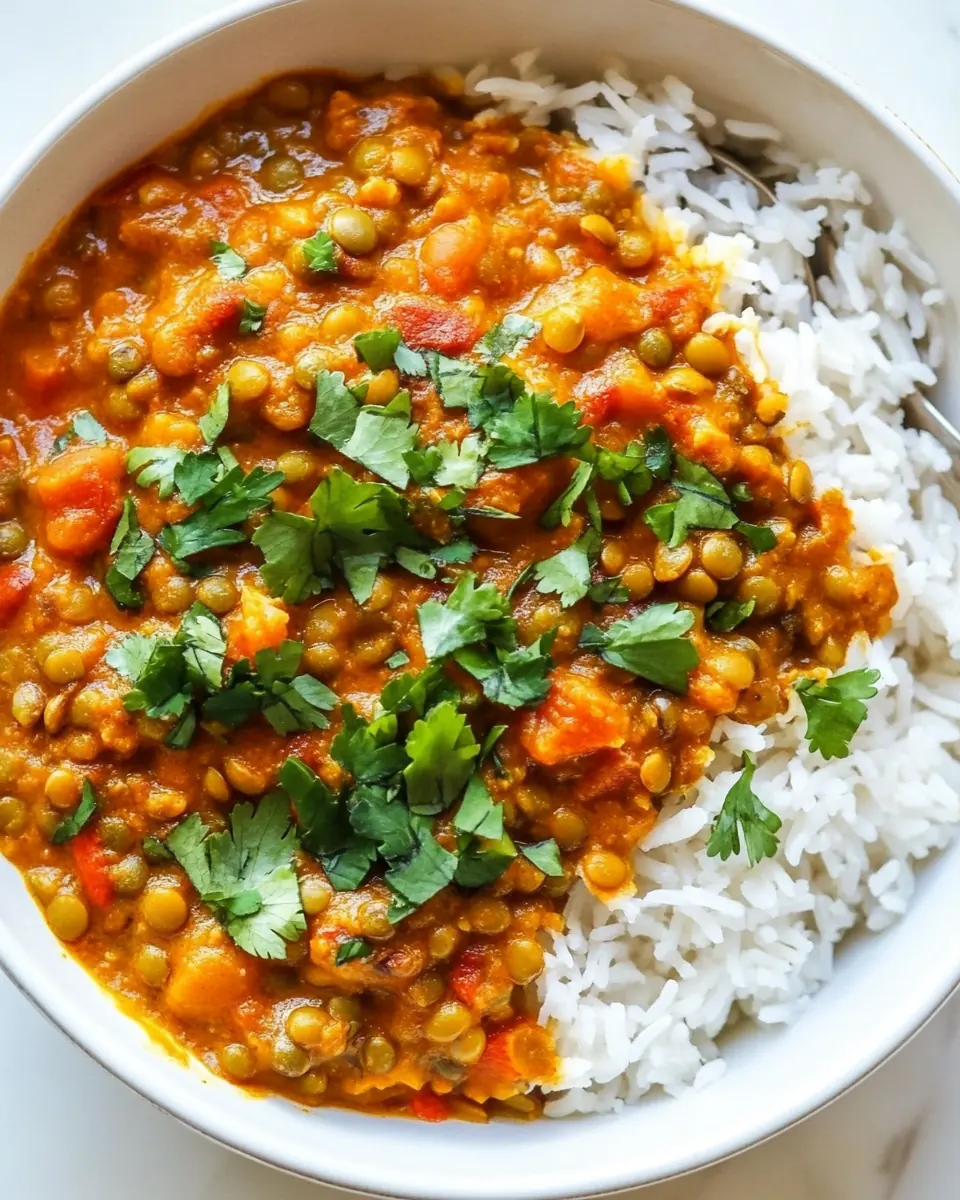
I like to walk through this recipe in a few calm stages, so nothing feels rushed. The steps move from prep to a gentle simmer, and then to a short finish where flavors marry. Read each note carefully because small cues like sizzling sounds or visual changes will tell you when to move on.
- Measure the lentils and pick over to remove debris or shriveled lentils, then thoroughly rinse with water. Add to a bowl, cover them in room-temperature water and let soak for 15–20 minutes. Prep the veggies: finely dice the onion and carrot; finely mince the garlic cloves and ginger.: When you start here you will notice the sound of running water and the visual clarity of rinsed lentils as the cloudy water clears, which is your cue that they are clean. Soaking softens them slightly and shortens the eventual simmer, which helps them cook evenly and produce a creamier finish. While the lentils rest, prepping the onion , carrot , garlic , and ginger saves time later and means you can add everything in rhythm without pausing. A common mistake is skimping on the pick over step and later finding a tiny stone, so spread the lentils on a plate and inspect them under good light.
- Add the butter or oil to a large pot. Heat to medium and once butter is melted or oil is shimmering, add the diced onion, garlic, and ginger. Cook and stir for 3–4 minutes. Add diced carrot. Cook, stirring occasionally, for another 6–8 minutes or until everything is golden. Nothing should be overly browning or burning; if so, turn down heat. While everything is cooking, measure out the spices.: As you heat the butter or coconut oil , watch for that shimmer or melted foam which tells you the fat is ready. The pan will release soft sizzles once the onion hits the surface and you will smell a gentle sweetness as it softens. Adding the garlic and ginger early perfumes the oil, creating an aromatic base. The carrot will add texture and sweetness, and you should see a light golden gloss on the vegetables when they are ready, not deep browning. If the pan shows dark bits quickly, lower the heat to avoid bitterness. Measuring spices while the veggies cook keeps everything flowing smoothly so you can add them without delay.
- Add the red curry paste, yellow curry powder, garam masala, paprika, ground coriander, cumin, and turmeric. Season with salt and pepper; I add 1 and 1/4 teaspoon salt and 1/2 teaspoon pepper. Increase heat to high, stir constantly, and cook for 1–2 minutes or until very fragrant. Add the tomatoes and reduce heat to medium. Stir and cook for 1 minute, scraping the bottom of the pot to release any browned bits. Add in sugar.: When you introduce the spice blend and red curry paste to the hot oil the fragrance should bloom; inhale a warm, complex perfume of toasted spice and chili. Stir constantly so the spices bloom evenly and do not char, which could create a bitter edge. Adding the crushed tomatoes loosens the mixture and the act of scraping the pot loosens any caramelized fond that carries flavor into the sauce. The pinch of sugar softens tomato acidity and smooths the overall profile. A frequent error is rushing this step, which prevents the spices from developing fully, so give it the brief high heat attention it needs.
- Thoroughly drain the lentils. Add to the pot along with the coconut milk and chicken or vegetable broth/stock. Bring to a boil, then reduce to a gentle simmer. Cover with a lid and cook for 30 minutes, stirring every 8–10 minutes. Remove the lid and simmer another 5–8 minutes or until curry is thick and creamy and lentils are completely tender. If the mixture thickens too much, add a splash of broth or stock, and if it’s too thin (or lentils aren’t tender yet), increase the heat a bit and simmer without the lid.: Adding the drained lentils with the coconut milk and vegetable broth transforms the pot into a slow simmering stew. Bring it up to a rolling boil to ensure even heat distribution, then lower to a gentle simmer where soft bubbling indicates steady cooking. You should smell a melding of spices and coconut as the pot reduces, and the surface will show small soft bubbles rather than aggressive rolling. Stirring every so often prevents sticking and helps you monitor thickness, which is essential because lentils can go from tender to mushy quickly. If the curry becomes very thick before the lentils are done a little extra broth rescues the texture, while if it is too thin, uncovered simmering concentrates the flavors. A common misstep is not watching the simmer closely and overcooking the lentils until they lose all texture, so check for a tender but intact bite.
- Add in finely chopped cilantro, and if desired, stir in the zest and juice of a lemon. Taste and adjust any seasonings; flavors should sing, so add extra salt, pepper, or lemon juice if needed. Serve over cooked basmati rice if desired (see note 2) and enjoy hot.: The final addition of chopped cilantro and an optional squeeze of lemon brightens the whole dish, cutting through the richness and highlighting the spices. At this stage you will notice a lively citrus brightness and fresh herb aroma that lifts the curry. Taste carefully and adjust seasoning, because simmering can concentrate flavors and you may need a touch more salt or a squeeze of lemon to balance. Serving over hot basmati rice allows the grains to soak up the curry, creating the ideal ratio of sauce to starch. One common mistake is adding too much acid at once, so add lemon gradually until you reach the balance you love.
Tips and Variations
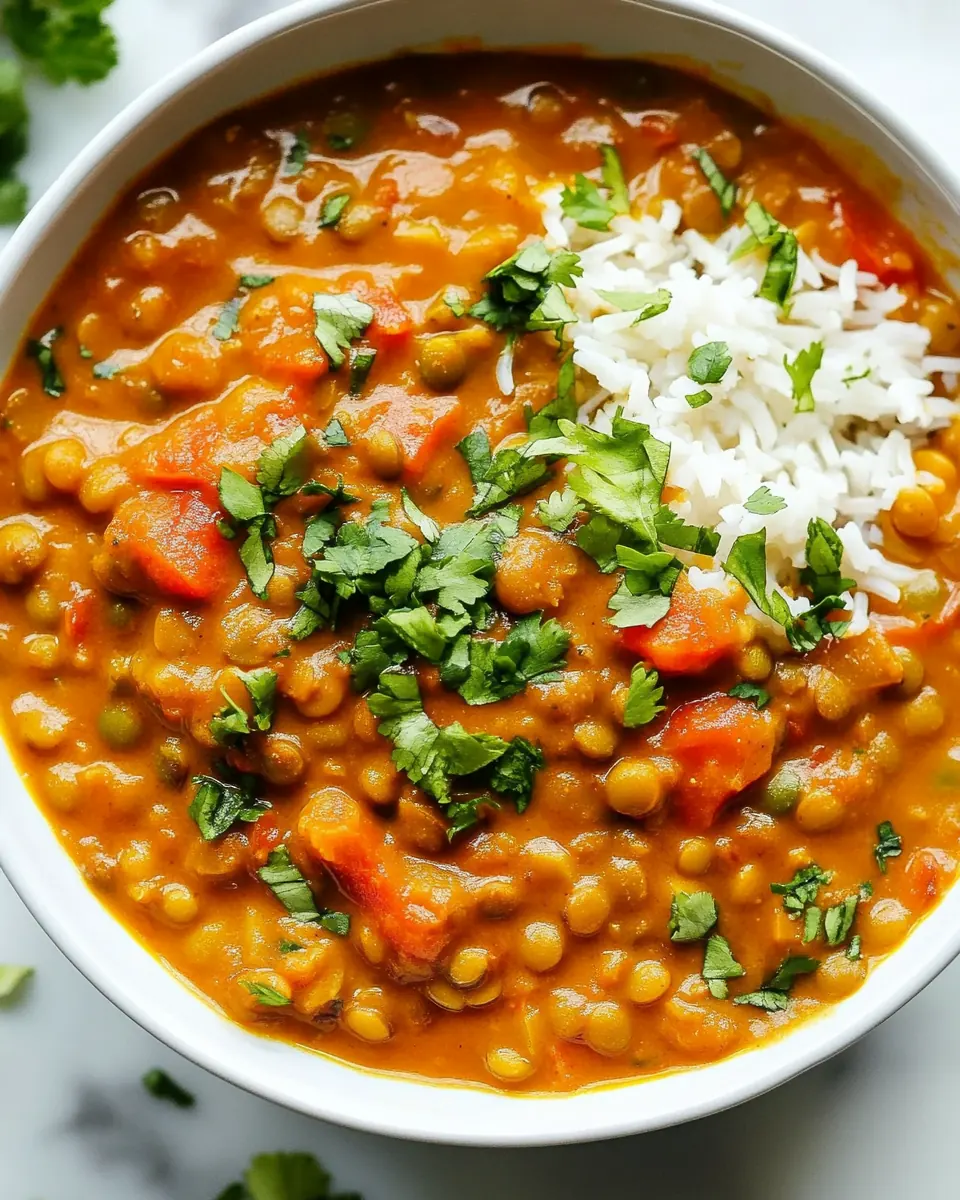
This section collects practical tweaks and serving ideas I rely on. Each tip starts with a bold phrase to help you scan quickly. These suggestions expand the recipe without changing its soul, and they reflect small choices that make a big difference in the final bowl.
- Choose your fat intentionally Use unsalted butter for richness or melted coconut oil to keep the dish fully plant based, both help carry the spice aromatics and alter mouthfeel in subtle ways.
- Soak the lentils briefly A short soak reduces cooking time and helps achieve a creamier texture while still preserving some body in the lentils.
- Measure spices ahead Assemble your spice measures before you start to keep the cooking flow smooth and prevent overcooking the aromatics while you hunt for ingredients.
- Adjust coconut richness Use full fat coconut milk for a lusher sauce or lite coconut milk to reduce calories while retaining the characteristic coconut aroma.
- Balance acidity with sugar A teaspoon of granulated sugar can soften very acidic canned tomatoes and help meld the spice notes.
- Finish with fresh herbs and lemon A handful of chopped cilantro and a squeeze of lemon brightens the bowl and prevents the dish from tasting flat after simmering.
- Keep left overs saucy Store curry with a splash of broth to prevent it from solidifying in the fridge and reheat gently on the stove to revive the texture.
What to Serve With Lentil Curry Recipe
I prefer serving choices that complement the curry s creamy texture and layered spices. Below are ideas that suit different occasions and presentation styles, all written so you can mix and match depending on the meal.
- Basmati rice Fluffy cooked basmati rice soaks up the curry sauce and is the traditional, comforting pairing for a weeknight bowl.
- Simple salad A crisp green salad with light dressing adds contrast in texture and temperature, making the meal feel balanced and refreshing.
- Flatbreads Warm flatbreads make a friendly, hands on accompaniment that lets you scoop the curry and savor each bite with aromatic bread.
- Occasion suggestions Serve this for family dinner, a relaxed gathering, or during colder months when the warming spices feel especially welcome.
- Storage tips Cool completely, then refrigerate for up to four days, or freeze portions for up to three months; reheat gently and stir in a splash of broth if needed to loosen the texture.
- Seasonal pairings In winter emphasize the warming spices and serve with roasted seasonal vegetables to round out the plate.
FAQ
Conclusion
This Lentil Curry Recipe stands out because of its cozy, layered spices, creamy coconut finish, and the satisfying bite and body of tender lentils. It s a meal that comforts and nourishes, making it perfect for chilly evenings or whenever you crave something soulful and hearty. Try it for dinner this week, and you might find it becomes a new staple in your rotation because it s easy to prepare, reheats beautifully, and adapts to what you have on hand.
Lentil Curry Recipe
Ingredients
Equipment
Method
- Measure the lentils and pick over to remove debris or shriveled lentils, then thoroughly rinse with water. Add to a bowl, cover them in room-temperature water and let soak for 15–20 minutes. Prep the veggies: finely dice the onion and carrot; finely mince the garlic cloves and ginger.: When you start here you will notice the sound of running water and the visual clarity of rinsed lentils as the cloudy water clears, which is your cue that they are clean. Soaking softens them slightly and shortens the eventual simmer, which helps them cook evenly and produce a creamier finish. While the lentils rest, prepping the onion , carrot , garlic , and ginger saves time later and means you can add everything in rhythm without pausing. A common mistake is skimping on the pick over step and later finding a tiny stone, so spread the lentils on a plate and inspect them under good light.
- Add the butter or oil to a large pot. Heat to medium and once butter is melted or oil is shimmering, add the diced onion, garlic, and ginger. Cook and stir for 3–4 minutes. Add diced carrot. Cook, stirring occasionally, for another 6–8 minutes or until everything is golden. Nothing should be overly browning or burning; if so, turn down heat. While everything is cooking, measure out the spices.: As you heat the butter or coconut oil , watch for that shimmer or melted foam which tells you the fat is ready. The pan will release soft sizzles once the onion hits the surface and you will smell a gentle sweetness as it softens. Adding the garlic and ginger early perfumes the oil, creating an aromatic base. The carrot will add texture and sweetness, and you should see a light golden gloss on the vegetables when they are ready, not deep browning. If the pan shows dark bits quickly, lower the heat to avoid bitterness. Measuring spices while the veggies cook keeps everything flowing smoothly so you can add them without delay.
- Add the red curry paste, yellow curry powder, garam masala, paprika, ground coriander, cumin, and turmeric. Season with salt and pepper; I add 1 and 1/4 teaspoon salt and 1/2 teaspoon pepper. Increase heat to high, stir constantly, and cook for 1–2 minutes or until very fragrant. Add the tomatoes and reduce heat to medium. Stir and cook for 1 minute, scraping the bottom of the pot to release any browned bits. Add in sugar.: When you introduce the spice blend and red curry paste to the hot oil the fragrance should bloom; inhale a warm, complex perfume of toasted spice and chili. Stir constantly so the spices bloom evenly and do not char, which could create a bitter edge. Adding the crushed tomatoes loosens the mixture and the act of scraping the pot loosens any caramelized fond that carries flavor into the sauce. The pinch of sugar softens tomato acidity and smooths the overall profile. A frequent error is rushing this step, which prevents the spices from developing fully, so give it the brief high heat attention it needs.
- Thoroughly drain the lentils. Add to the pot along with the coconut milk and chicken or vegetable broth/stock. Bring to a boil, then reduce to a gentle simmer. Cover with a lid and cook for 30 minutes, stirring every 8–10 minutes. Remove the lid and simmer another 5–8 minutes or until curry is thick and creamy and lentils are completely tender. If the mixture thickens too much, add a splash of broth or stock, and if it’s too thin (or lentils aren’t tender yet), increase the heat a bit and simmer without the lid.: Adding the drained lentils with the coconut milk and vegetable broth transforms the pot into a slow simmering stew. Bring it up to a rolling boil to ensure even heat distribution, then lower to a gentle simmer where soft bubbling indicates steady cooking. You should smell a melding of spices and coconut as the pot reduces, and the surface will show small soft bubbles rather than aggressive rolling. Stirring every so often prevents sticking and helps you monitor thickness, which is essential because lentils can go from tender to mushy quickly. If the curry becomes very thick before the lentils are done a little extra broth rescues the texture, while if it is too thin, uncovered simmering concentrates the flavors. A common misstep is not watching the simmer closely and overcooking the lentils until they lose all texture, so check for a tender but intact bite.
- Add in finely chopped cilantro, and if desired, stir in the zest and juice of a lemon. Taste and adjust any seasonings; flavors should sing, so add extra salt, pepper, or lemon juice if needed. Serve over cooked basmati rice if desired (see note 2) and enjoy hot.: The final addition of chopped cilantro and an optional squeeze of lemon brightens the whole dish, cutting through the richness and highlighting the spices. At this stage you will notice a lively citrus brightness and fresh herb aroma that lifts the curry. Taste carefully and adjust seasoning, because simmering can concentrate flavors and you may need a touch more salt or a squeeze of lemon to balance. Serving over hot basmati rice allows the grains to soak up the curry, creating the ideal ratio of sauce to starch. One common mistake is adding too much acid at once, so add lemon gradually until you reach the balance you love.
Notes
- Choose your fat intentionally Use unsalted butter for richness or melted coconut oil to keep the dish fully plant based, both help carry the spice aromatics and alter mouthfeel in subtle ways.
- Soak the lentils briefly A short soak reduces cooking time and helps achieve a creamier texture while still preserving some body in the lentils.
- Measure spices ahead Assemble your spice measures before you start to keep the cooking flow smooth and prevent overcooking the aromatics while you hunt for ingredients.
- Adjust coconut richness Use full fat coconut milk for a lusher sauce or lite coconut milk to reduce calories while retaining the characteristic coconut aroma.
- Balance acidity with sugar A teaspoon of granulated sugar can soften very acidic canned tomatoes and help meld the spice notes.
- Finish with fresh herbs and lemon A handful of chopped cilantro and a squeeze of lemon brightens the bowl and prevents the dish from tasting flat after simmering.
- Keep left overs saucy Store curry with a splash of broth to prevent it from solidifying in the fridge and reheat gently on the stove to revive the texture.