Mashed Potatoes
Mashed Potatoes have been my cozy kitchen go to on chilly evenings when I want something that tastes like a warm hug.
One winter afternoon, I found myself stirring a pot while my neighborhood smelled of wet leaves and wood smoke, and the simple ritual of peeler to potato to simmer felt grounding. I remember the first time I learned to make Mashed Potatoes from my grandmother, who insisted on a gentle hand and a little patience, and that memory still guides me whenever I reach for a potato and a knob of butter.
There have been moments when I served Mashed Potatoes at last minute gatherings, scooping them into a waiting bowl as guests arrived, and they always disappear first. Over the years I refined the balance of creamy, tangy, and salty elements so the texture is pillowy but not gluey, and the flavor sings with only a few quality ingredients. I like to chat with friends while mashing, and that relaxed rhythm seems to make the dish taste even better.
Recipe Snapshot
45 mins
30 mins
15 mins
Medium
250 kcal
American
Gluten-Free, Low FODMAP
Side Dishes
potato masher
Why We Love This Mashed Potatoes
Comforting Texture
I love how Mashed Potatoes deliver a rich, velvety mouthfeel that feels luxurious without being fussy. When I press my fork into a spoonful, the gentle resistance then the creamy collapse is very satisfying. The combination of Russet or Yukon Gold potatoes with cream cheese and sour cream creates a balance between fluff and silk that I chase every time I cook.
Simple Pantry Stars
These potatoes rely on everyday items, so I can pull them together quickly whether I am planning a dinner or rescuing a weeknight. The ingredient list reads like a friendly checklist: butter, milk, a little salt, and pepper. I appreciate recipes that respect humble ingredients and coax the best from each one.
Flexible for Any Table
I often adapt the dish for different occasions, and the base recipe stays reliable. For a family dinner, I make a bigger batch and keep it warm in the oven. For a smaller meal, I halve the quantities and still get the same creamy result. It is the kind of recipe that supports improvisation, yet rewards careful technique.
Speed Without Sacrifice
While it feels indulgent, this method moves quickly. The steps are straightforward, so I can have hearty results in under an hour. That makes Mashed Potatoes perfect for busy nights when I want something more comforting than takeout but without a lot of fuss.
Kid Friendly and Crowd Pleasing
Every time I serve these, someone asks for seconds. Kids love the smooth texture and adults appreciate the creamy richness. It is a comforting bridge between generations, and I enjoy watching it bring people together around the table.
What to Gather for Mashed Potatoes
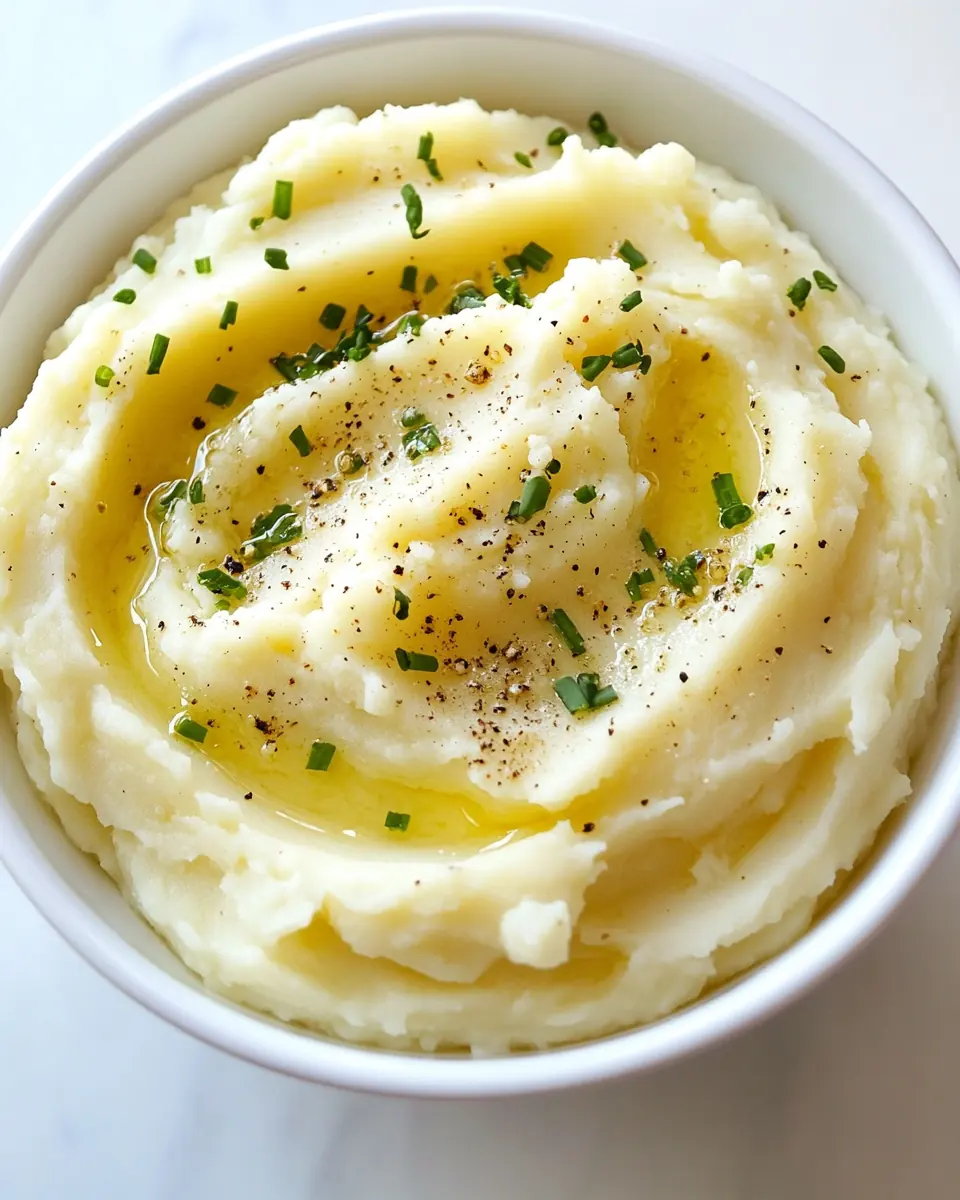
The philosophy behind these ingredients is all about balance and texture. Starchy Russet or Yukon Gold potatoes provide the foundation for a fluffy, absorbent base. The dairy components, including butter, milk, cream cheese, and sour cream, introduce fat and tang, which coat the starch and produce that coveted silky mouthfeel. Garlic and salt are the small but mighty players that lift the flavors, while pepper adds the finishing contrast.
- 5 lbs Russet or Yukon Gold potatoes, peeled and cubed into 1.5 inch pieces: Provide hearty, starchy base that becomes fluffy when boiled and mashed; peeled and cubed pieces ensure even cooking and a creamy texture when mixed with dairy and fats. Choose Russet for fluffier mash or Yukon Gold for naturally buttery flavor and smooth consistency. Properly drained cubes prevent watery potatoes and help absorb butter and cream evenly.
- 4 cloves garlic, minced: Add a pungent, aromatic note that mellows and sweetens when cooked; minced form distributes flavor uniformly throughout the potatoes. Sautéing briefly in butter or warming with milk infuses the mash without overpowering other components. Garlic balances richness and enhances overall savory depth.
- 1/2 cups salted butter: Contribute rich, salty fat that creates a smooth, luxurious mouthfeel when melted into hot potatoes; measured for balanced richness without overwhelming. Salted butter brings both moisture and flavor, helping to bind air into the mash for lightness. Warm the butter slightly before mixing to ensure even incorporation.
- 1/2 cup whole milk: Provide creamy liquid to loosen and smooth the potatoes while adding mild dairy richness; whole milk contributes body and prevents a gluey texture if added gradually. Warm milk combines better with hot potatoes, allowing controlled consistency adjustments. Adjust amount for desired creaminess.
- 1 teaspoon fine salt, more to taste: Season and enhance overall flavor, helping to bring out the natural taste of potatoes and other ingredients; fine salt dissolves quickly for even seasoning. Start with the listed amount and taste, adding more if needed after mixing in dairy and cheese. Proper seasoning prevents a bland result.
- 8 ounces cream cheese, room temperature: Introduce tangy, creamy richness that increases overall body and silkiness; room temperature cream cheese blends smoothly without lumps. Adds slight acidity which brightens the dish and complements butter and sour cream. Softening beforehand ensures easy incorporation.
- 1/2 cups sour cream: Provide tangy creaminess and smooth texture that lightens and balances richness; measured amount contributes mild acidity and moisture to the mash. Cold or room–temperature sour cream can be folded in for varied texture, with gradual addition to achieve desired consistency. Adds a subtle tang that complements garlic and cheese.
- pepper to taste: Add bright, finishing seasoning that rounds and balances flavors; freshly ground pepper provides subtle heat and complexity to the finished mash. Sprinkle to taste after seasoning with salt to avoid overpowering the delicate dairy notes. Helps lift the overall flavor profile.
Instructions for Mashed Potatoes
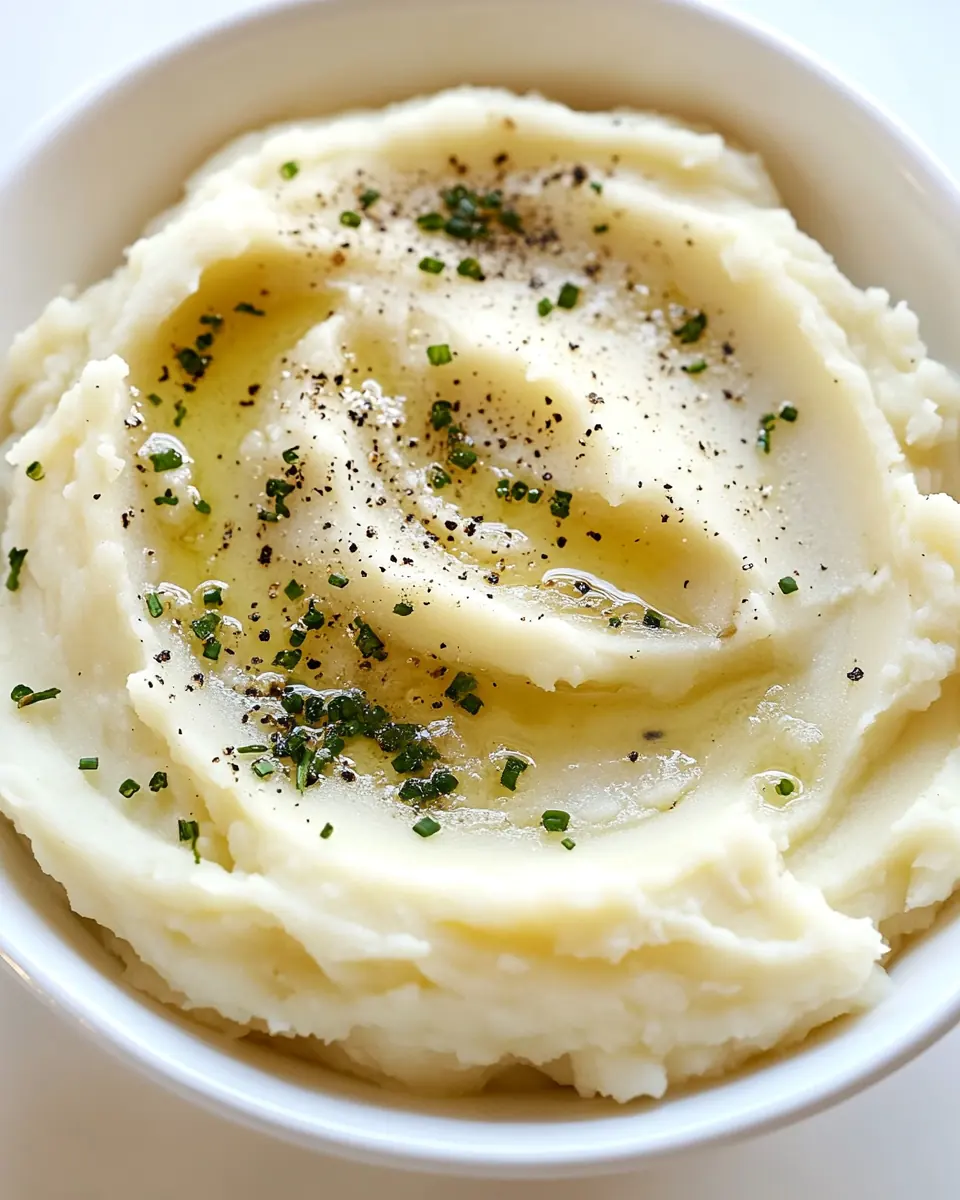
These directions follow a friendly, hands on approach that prioritizes texture and timing. Take your time with each phase and focus on the sensory cues, since those will tell you when everything is just right. Keep tools and ingredients warm so the potatoes stay fluffy, and be mindful of common pitfalls like overmixing.
- In a large pot, add the cubed potatoes, garlic, and add cold water to cover the potatoes and 1-inch above the potatoes.: The water should start cold so the potatoes heat evenly from the inside out, which yields a tender center without a mealy exterior. As the pot warms, you will hear the faint whisper of small bubbles before a steady simmer, and the garlic will begin to release a subtle aroma into the water. If you use hot water, the exterior will cook much faster than the interior, leading to uneven doneness. A common mistake is overcrowding the pot, which lengthens cooking time and increases the chance of uneven cooking; arrange the potatoes so they sit in one layer as much as possible.
- Add about 1 Tablespoon of salt to the pot and bring the water to a boil. Boil potatoes about 10-15 minutes or until potatoes are fork tender.: Salting the cooking water seasons the potatoes through and helps the starches gel properly. Listen for the water to reach a rolling boil, then reduce to a steady boil. You'll know they are ready when a fork glides into a chunk with minimal resistance and the edges begin to fray slightly. Overcooking can make them waterlogged, while undercooking leaves hard centers. If your fork meets resistance, continue cooking and test again every few minutes.
- Drain potatoes and add back to the pot. Turn the heat to low and heat the potatoes for 1-2 minutes to get the excess moisture out.: After draining, returning the potatoes to the warm pot helps evaporate surface moisture so the mash will be more absorbent and not watery. You will notice a faint sizzling and the steam will rise, indicating moisture is leaving. Keep the heat low so you do not brown the potatoes. A common pitfall is leaving them wet; skipping this evaporating step often results in thin, gluey mashed potatoes.
- While potatoes are cooking, prepare the butter mixture. In small saucepan or microwave-safe bowl, heat the butter, milk, and 1 teaspoon salt until warm and the butter is melted. Do not overheat or the milk will scald. Set aside.: Warming the dairy melds the fats and allows them to be absorbed smoothly into the potato starch. You should see the butter fully melted and the milk steaming but not boiling, and you will smell a toasty dairy note. Scalded milk gives off a slightly burned scent and can alter the final flavor, so keep the heat gentle. If you forget to warm the liquids and add them cold, the mash cools and may develop a gummy texture.
- Add the potatoes to a large bowl or stand mixer (or just mash them in the pot they cooked in). Mash the potatoes with a potato masher, potato ricer, or hand mixer being careful not to overmix or they will get gummy.: As you begin mashing, you will hear soft crushing sounds and see the potatoes transform from chunk to fluffy mass. A potato ricer creates the lightest texture with minimal effort, while a masher gives more control. If you use a mixer, pulse gently to avoid overworking the starches. Overmixing introduces too much air and activates the starch into a gluey consistency. Watch for a consistency that holds shape but still yields easily under pressure.
- Add the warm butter mixture and fold in. Fold in the cream cheese and sour cream. Add more salt and pepper to taste. Feel free to add more milk if you want the potatoes thinner. Serve warm with pats of butter on top and chives if desired.: Once you fold in the warm dairy, the potatoes will shine and the texture will smooth out, releasing a comforting aroma of butter and garlic. The cream cheese will add a velvety richness and the sour cream a bright, tangy lift. Folding gently preserves the fluffy structure while ensuring even distribution of fat. If you add too much liquid at once you may overshoot the texture, so take it gradually. Serve while warm; cooled mashed potatoes tend to firm up and lose that just made creaminess.
How to Switch It Up
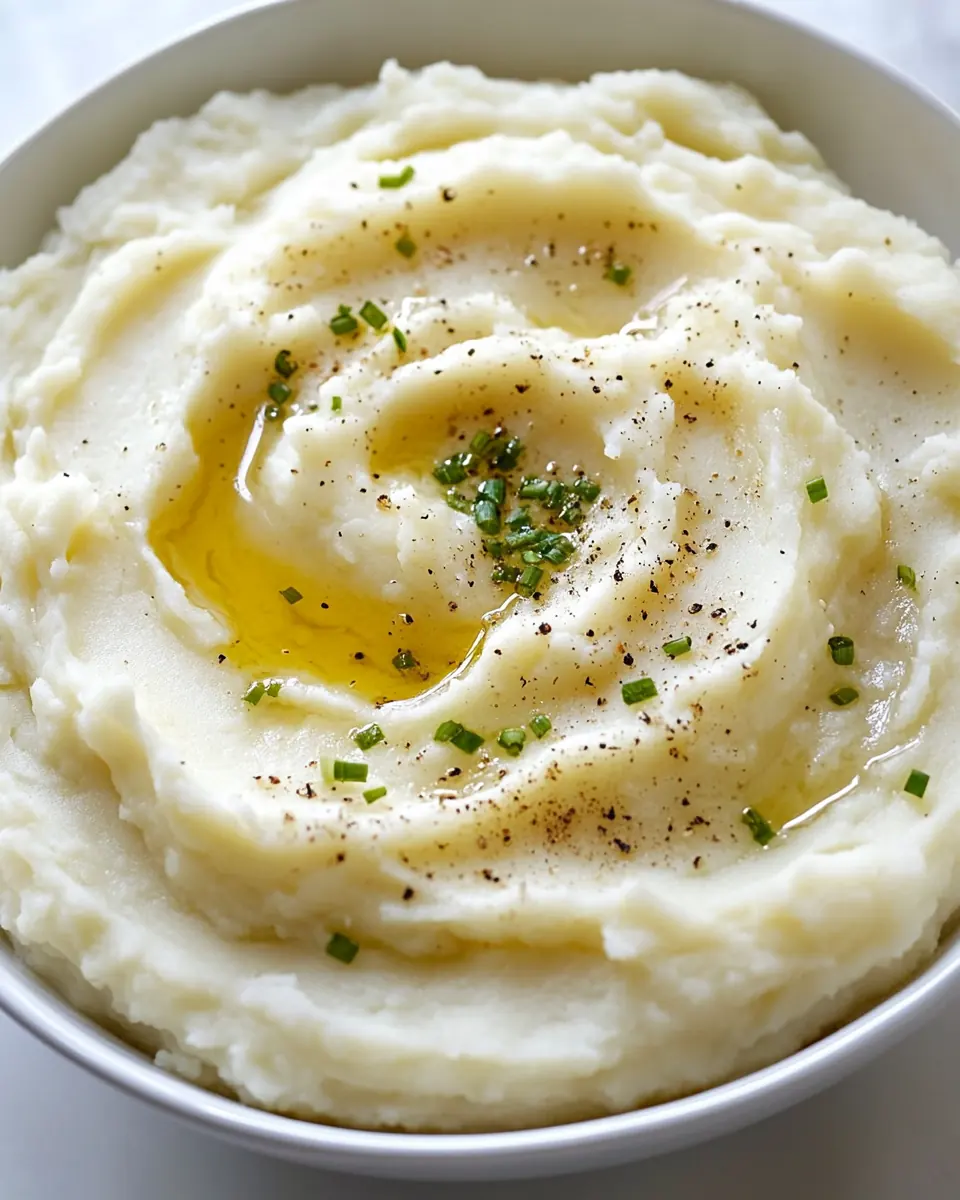
I like to think of variations as small experiments that highlight different textures and flavors without changing the soul of the dish. Below are practical, tested ideas you can use to tweak the recipe while keeping the technique intact.
- Swap potato types Try Yukon Golds for a naturally buttery finish or Russets for an ultra fluffy result, adjusting cooking time for size.
- Adjust creaminess Gradually add extra milk or a splash of reserved cooking water to loosen the mash if it becomes too stiff.
- Garlic intensity Roast the garlic beforehand for a milder sweeter note, or keep it raw and minced for a sharper presence.
- Make ahead Transfer to a greased dish and refrigerate, then reheat covered at 350°F until warmed through to preserve texture and moisture.
- Butter finish Serve with pats of cold butter on top so each spoonful gains a glossy, melting top note as it warms.
- Texture control Use a ricer for a silkier outcome, or a masher for a more rustic, chunky feel depending on preference.
Serving Options for Mashed Potatoes
Mashed potatoes pair beautifully across occasions and styles, and they can be dressed up or down depending on who is at the table. Below are detailed serving ideas that cover sides, storage, and occasion pairing.
- Classic dinner pairing Serve warm alongside roasted vegetables and a hearty protein for a familiar family style dinner that feels complete.
- Holiday centerpiece For large gatherings, keep the mash in a warmed casserole dish and offer chives and extra butter so guests can customize their portions.
- Weeknight comfort Pair with a simple green salad and a bowl of soup for an easy weeknight meal that still feels nourishing and filling.
- Make ahead and reheat Transfer to a greased 9×13 baking dish, chill, then reheat covered at 350°F until warmed through to maintain moisture and texture.
- Storage tips Store cooled mashed potatoes in an airtight container for up to two days in the refrigerator; reheat gently to avoid drying out.
- Seasonal variations In colder months, serve with a pat of melting butter and a sprinkle of cracked pepper for extra comfort, while in milder seasons, top with fresh herbs for brightness.
- Portion guidance For gatherings, estimate about a half cup to three quarters cup per person, adjusting based on whether it is a main side or one of many.
FAQ
Conclusion
What makes this Mashed Potatoes recipe special is its attention to texture and simple, honest flavors that come together to create a luxurious, comforting side. I encourage you to give it a try, using room temperature dairy and gentle handling to achieve that perfect silky mouthfeel. Whether you are feeding a crowd or making a quiet family dinner, these potatoes are forgiving, adaptable, and reliable, and they reward a little patience with a dish that feels like home.
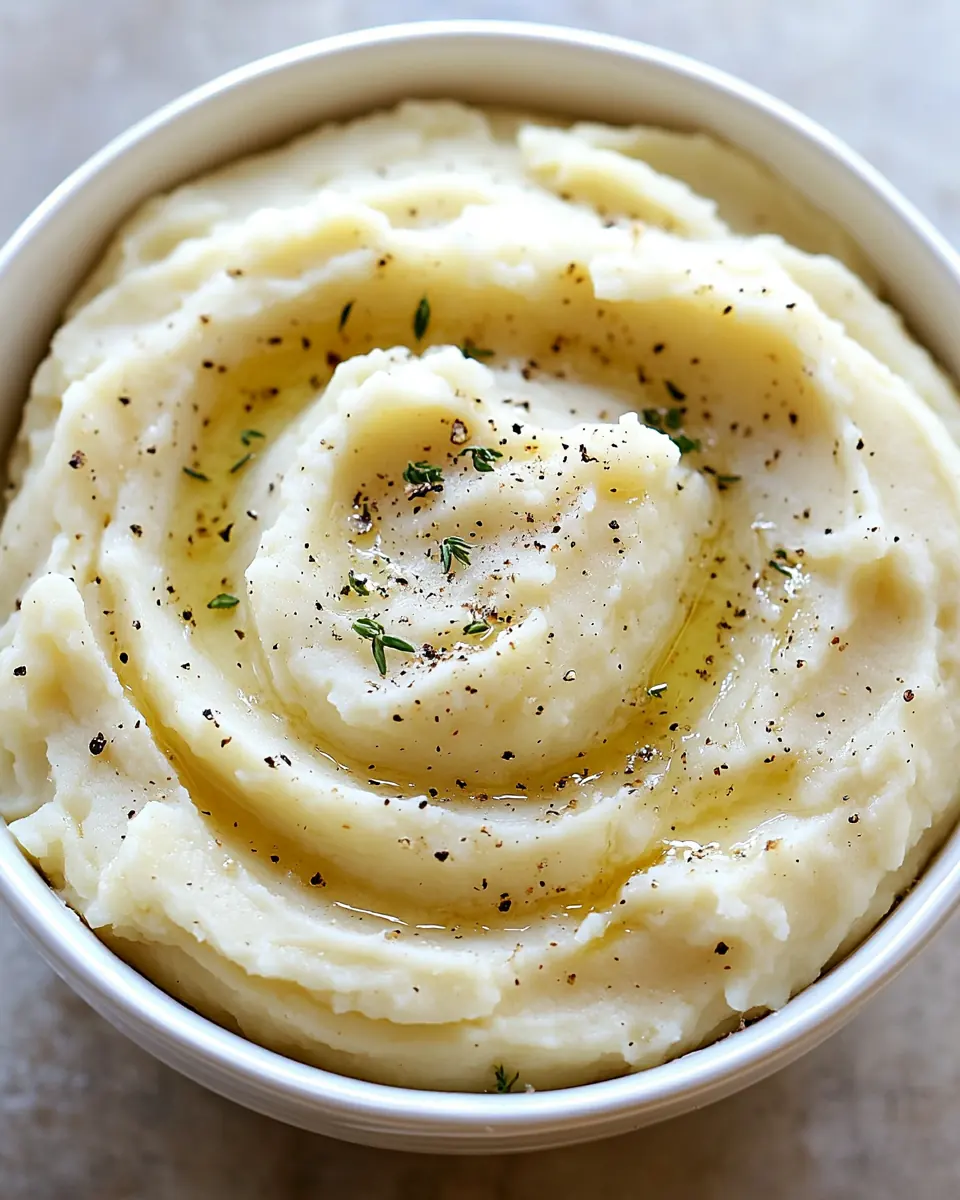
Mashed Potatoes
Ingredients
Equipment
Method
- In a large pot, add the cubed potatoes, garlic, and add cold water to cover the potatoes and 1-inch above the potatoes.: The water should start cold so the potatoes heat evenly from the inside out, which yields a tender center without a mealy exterior. As the pot warms, you will hear the faint whisper of small bubbles before a steady simmer, and the garlic will begin to release a subtle aroma into the water. If you use hot water, the exterior will cook much faster than the interior, leading to uneven doneness. A common mistake is overcrowding the pot, which lengthens cooking time and increases the chance of uneven cooking; arrange the potatoes so they sit in one layer as much as possible.
- Add about 1 Tablespoon of salt to the pot and bring the water to a boil. Boil potatoes about 10-15 minutes or until potatoes are fork tender.: Salting the cooking water seasons the potatoes through and helps the starches gel properly. Listen for the water to reach a rolling boil, then reduce to a steady boil. You'll know they are ready when a fork glides into a chunk with minimal resistance and the edges begin to fray slightly. Overcooking can make them waterlogged, while undercooking leaves hard centers. If your fork meets resistance, continue cooking and test again every few minutes.
- Drain potatoes and add back to the pot. Turn the heat to low and heat the potatoes for 1-2 minutes to get the excess moisture out.: After draining, returning the potatoes to the warm pot helps evaporate surface moisture so the mash will be more absorbent and not watery. You will notice a faint sizzling and the steam will rise, indicating moisture is leaving. Keep the heat low so you do not brown the potatoes. A common pitfall is leaving them wet; skipping this evaporating step often results in thin, gluey mashed potatoes.
- While potatoes are cooking, prepare the butter mixture. In small saucepan or microwave-safe bowl, heat the butter, milk, and 1 teaspoon salt until warm and the butter is melted. Do not overheat or the milk will scald. Set aside.: Warming the dairy melds the fats and allows them to be absorbed smoothly into the potato starch. You should see the butter fully melted and the milk steaming but not boiling, and you will smell a toasty dairy note. Scalded milk gives off a slightly burned scent and can alter the final flavor, so keep the heat gentle. If you forget to warm the liquids and add them cold, the mash cools and may develop a gummy texture.
- Add the potatoes to a large bowl or stand mixer (or just mash them in the pot they cooked in). Mash the potatoes with a potato masher, potato ricer, or hand mixer being careful not to overmix or they will get gummy.: As you begin mashing, you will hear soft crushing sounds and see the potatoes transform from chunk to fluffy mass. A potato ricer creates the lightest texture with minimal effort, while a masher gives more control. If you use a mixer, pulse gently to avoid overworking the starches. Overmixing introduces too much air and activates the starch into a gluey consistency. Watch for a consistency that holds shape but still yields easily under pressure.
- Add the warm butter mixture and fold in. Fold in the cream cheese and sour cream. Add more salt and pepper to taste. Feel free to add more milk if you want the potatoes thinner. Serve warm with pats of butter on top and chives if desired.: Once you fold in the warm dairy, the potatoes will shine and the texture will smooth out, releasing a comforting aroma of butter and garlic. The cream cheese will add a velvety richness and the sour cream a bright, tangy lift. Folding gently preserves the fluffy structure while ensuring even distribution of fat. If you add too much liquid at once you may overshoot the texture, so take it gradually. Serve while warm; cooled mashed potatoes tend to firm up and lose that just made creaminess.
Notes
- Swap potato types Try Yukon Golds for a naturally buttery finish or Russets for an ultra fluffy result, adjusting cooking time for size.
- Adjust creaminess Gradually add extra milk or a splash of reserved cooking water to loosen the mash if it becomes too stiff.
- Garlic intensity Roast the garlic beforehand for a milder sweeter note, or keep it raw and minced for a sharper presence.
- Make ahead Transfer to a greased dish and refrigerate, then reheat covered at 350°F until warmed through to preserve texture and moisture.
- Butter finish Serve with pats of cold butter on top so each spoonful gains a glossy, melting top note as it warms.
- Texture control Use a ricer for a silkier outcome, or a masher for a more rustic, chunky feel depending on preference.