Sauteed Onions
Sauteed Onions are one of those humble pantry heroes I turn to when I want to lift a simple meal into something memorable.
I remember the first time I learned to truly caramelize an onion rather than just soften it, standing over my grandmother’s stove as she coaxed sweetness out of a pile of sliced onions. The kitchen filled with a sweet, savory aroma that felt like a warm invitation, and I kept stealing little tastes as she stirred. Ever since, I reach for onions when I want comfort on a plate, whether topping a weeknight bowl of grains or folding into an omelet for a lazy weekend breakfast.
There is a quiet satisfaction in watching thin rings of onions go from crisp and sharp to soft and golden, each stir unlocking more complexity. I like how a few simple ingredients, led by the onion itself, can transform into something that tastes indulgent without being fussy. When I make Sauteed Onions I focus on patience and attention, two inexpensive tools that reward you with deep flavor.
Over the years I have adapted the technique to fit busy nights, choosing a skillet I trust and keeping my eyes on the pan so nothing burns. I love to use these onions as a mood setter for a meal, because they announce themselves with scent long before the first bite. If you enjoy simple cooking that relies on technique rather than dozens of ingredients, you will find making Sauteed Onions surprisingly rewarding and versatile.
Recipe Snapshot
20 mins
5 mins
15 mins
Easy
150 kcal
American
Vegan, Gluten-Free
Side Dishes
Large skillet, Knife, Cutting board, Spatula
Why This Sauteed Onions Works
Versatility on the Plate
I adore how Sauteed Onions can play so many roles. They elevate onions from a supporting player to a starring element, pairing with proteins, grains, and vegetables. You can fold them into sandwiches, scatter them over salads, or nestle them beside a main course, and they will always add a warm, savory note.
Deep Flavor from Few Ingredients
What makes me recommend this recipe is its economy of flavor. With just olive oil, a little salt, and a touch of black pepper, the natural sugars in the onions bloom. I love that you do not need fancy pantry items to get a rich, almost sweet result.
Easy Technique, Big Payoff
I often tell friends that patience is the key, not technique. The method is forgiving, and you learn quickly how to read the pan. I find that the more you listen for the sizzle and watch for the color, the more consistent your results will be.
Quick to Make, Easy to Store
I appreciate that Sauteed Onions take little active time yet yield a topping you can store and reuse. Make a batch and you have a ready-made flavor booster for several meals, which is a small time investment that pays dividends all week.
Comforting Aroma and Texture
The aroma is one of my favorite parts. The smell signals home cooking, and the texture contrast between soft, golden onions and a crisp element on the plate is deeply satisfying. I often rely on these onions to impart both a savory scent and a silky mouthfeel.
What Goes Into Sauteed Onions
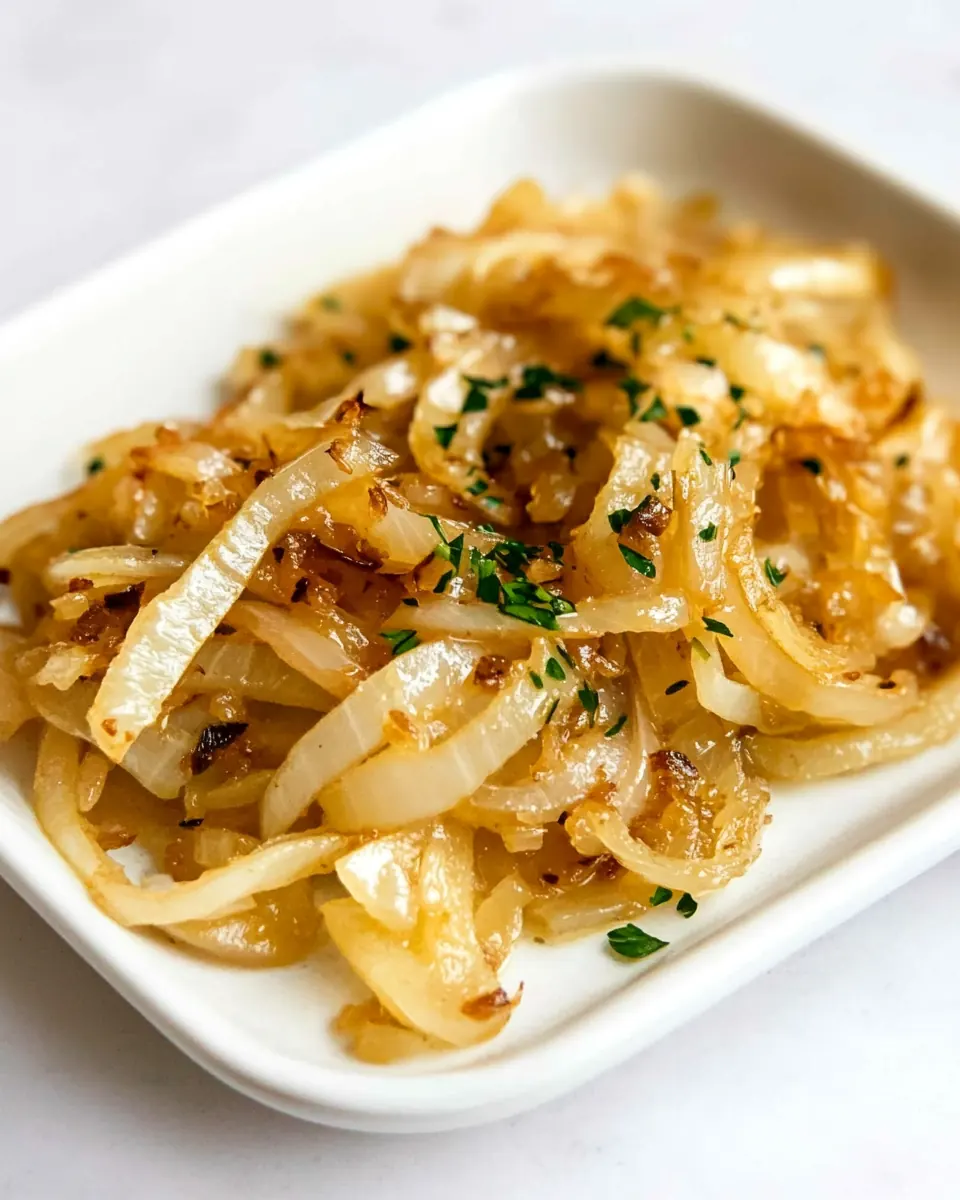
I approach these ingredients like a simple orchestra. The onions are the soloist, and the olive oil is the conductor that helps coax sweetness and tenderness. A small amount of salt seasons and helps draw out moisture, while a pinch of black pepper adds a gentle counterpoint.
- 3 medium yellow onions: Slice thinly and sweat over medium heat to develop sweetness and soften texture; stir periodically to ensure even browning and prevent sticking. Use as the aromatic foundation for dishes or as a caramelized topping to add depth and savory-sweet flavor.
- 2 tablespoons olive oil: Heat gently to coat onions and aid in even cooking; choose extra-virgin or regular olive oil based on desired flavor intensity. Use enough to prevent sticking while allowing gradual browning and to carry fat-soluble flavors throughout the dish.
- 1/2 teaspoon kosher salt: Season early to help draw out moisture and enhance natural sweetness; adjust amount to taste and account for any salty components added later. Dissolve into the cooking juices to amplify overall savory balance without overpowering delicate caramelization.
- 1/4 teaspoon black pepper: Add near the end to provide a subtle heat and aroma; freshly ground yields the brightest flavor. Sprinkle and taste-adjust after cooking to maintain a balanced peppery finish that complements the sweet onions.
Step by Step Guide for Sauteed Onions
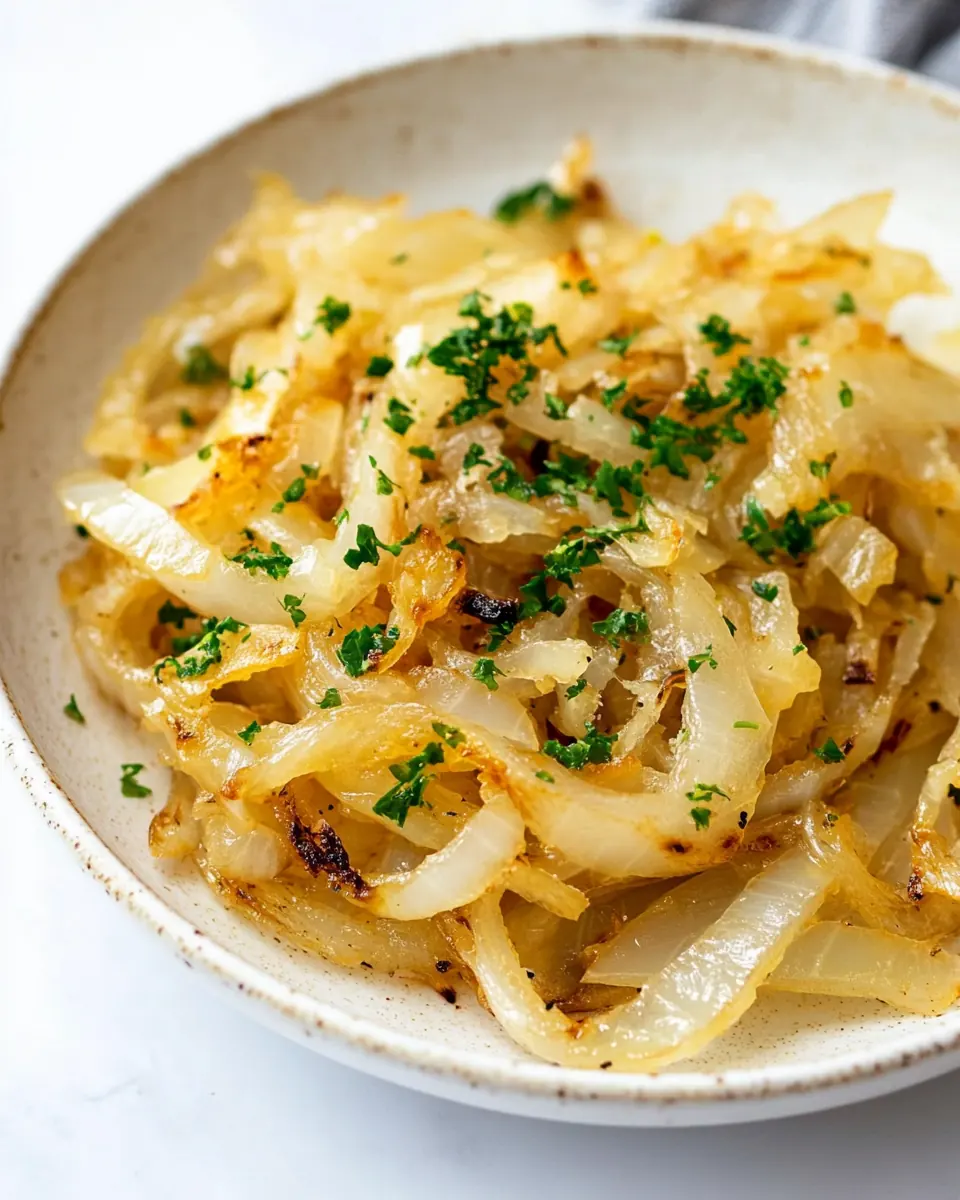
These steps are straightforward, but I like to narrate them with sensory cues so you know what to watch for. Follow the flow, pay attention to the pan, and you will get golden, tender onions that taste far richer than the few minutes they require to prepare.
- Peel and thinly slice the onions.: The first thing you will notice is the sharp, stinging scent as you peel and slice the onions . Thin, even slices ensure uniform cooking and predictable caramelization, so take a little time to make the slices consistent. As you cut, the sound is a clean, crisp whisper, and the layers separate easily. If slices are uneven, you will end up with some pieces that are raw while others are overdone. A common misstep is slicing too thick, which prolongs cooking and can prevent proper browning.
- Heat olive oil in a large skillet over medium heat until shimmering.: When the olive oil warms, it will move across the pan in a smooth, glossy sheet and start to shimmer, releasing a faint, fruity scent. This shimmer is your visual cue that the pan is ready, it ensures a gentle, even transfer of heat to the onions . If the oil smokes, the heat is too high and the oil will taste bitter, so lower the temperature. Another error is using too little oil, which can cause sticking and uneven browning.
- Add the onions to the skillet, sprinkle with salt and pepper, and cook, stirring occasionally, until onions are golden and soft, about 15 minutes.: Once the onions hit the oil, they will sizzle softly and begin to wilt, releasing a sweet, savory steam that fills the kitchen. Stirring occasionally allows the exposed surfaces to brown to a warm golden color while preventing burning. Listen for a steady, moderate sizzle and watch for translucence turning to gold, then to deeper amber on some edges. The smell will change from pungent to sweet and nutty as sugars caramelize. If you stir constantly you will slow browning, while leaving them untouched for too long can create scorched bits. One typical issue is rushing the process with high heat, which produces a bitter char instead of a sweet caramelized flavor.
Expert Tips about Sauteed Onions
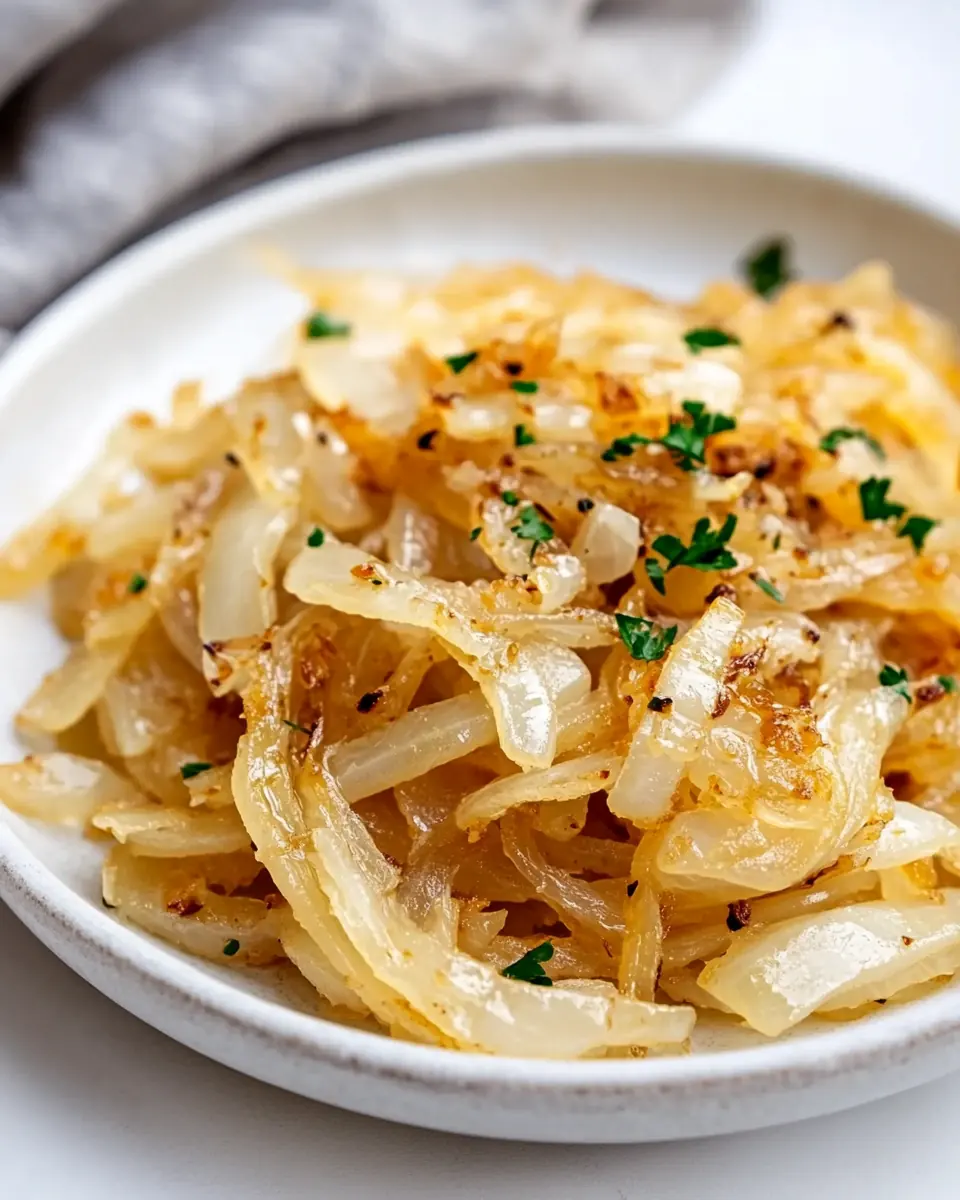
Here are practical pointers I rely on every time I make Sauteed Onions. They help you get consistent color and flavor and make the whole process less intimidating.
- Give the pan space When the onions have room they brown evenly, avoid overcrowding by using a larger skillet or cooking in batches.
- Watch the heat Keep the stove at medium so the olive oil shimmers but does not smoke, which keeps flavors clean and prevents bitterness.
- Stir with purpose Stir occasionally to promote even browning, indiscriminate stirring can cool the pan and slow caramelization.
- Adjust seasoning late Taste toward the end and correct with a pinch more salt or a grind of black pepper so the seasoning is balanced after cooking concentrates flavors.
- Make ahead Cook a double batch and refrigerate portions to top bowls and sandwiches quickly, reheating gently to restore the silky texture.
Accompaniments for Sauteed Onions
Sauteed Onions are a flexible complement, and I like to plan serving ideas around texture and temperature contrasts. Below are several ways to present and use them across meals and occasions.
- On grains and bowls Serve warm sauteed onions over rice or quinoa for a simple weeknight meal, they add a savory, slightly sweet element that ties other components together.
- Sandwich topping Pile sauteed onions on toasted bread or wraps for lunch, they bring moisture and umami to every bite and pair well with grilled vegetables or cheese if included in your plate.
- Breakfast addition Fold the warm onions into eggs or scatter them over avocado toast for a morning boost of flavor and silky texture.
- Storage and reheating Keep cooled sauteed onions in an airtight container for up to four days, reheat gently in a skillet to revive their softness and flavor before serving.
- Seasonal pairings In cooler months I use these onions to add depth to roasted root vegetables, and in warmer months they are great with fresh herbs and light proteins for bright contrasts.
FAQ
Conclusion
Sauteed Onions are special because they turn a single humble ingredient into a flavor multiplier that lifts any dish. Try them and you will notice how a simple pan of golden slices adds sweetness, aroma, and silky texture to bowls, sandwiches, and breakfasts. Give it a go on a busy night or as prep for the week, and enjoy how such an easy technique can change the mood of your meals.
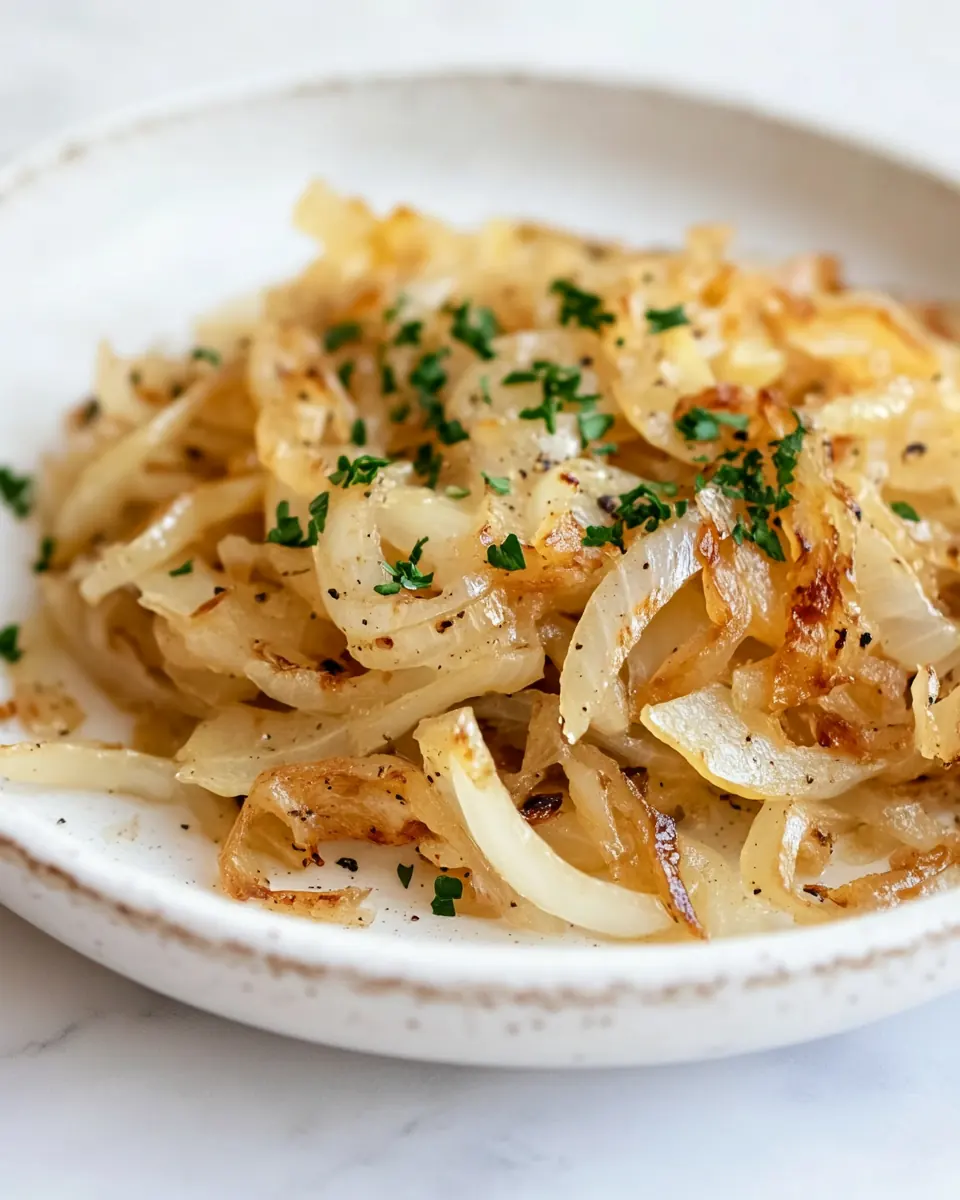
Sauteed Onions
Ingredients
Equipment
Method
- Peel and thinly slice the onions.: The first thing you will notice is the sharp, stinging scent as you peel and slice the onions . Thin, even slices ensure uniform cooking and predictable caramelization, so take a little time to make the slices consistent. As you cut, the sound is a clean, crisp whisper, and the layers separate easily. If slices are uneven, you will end up with some pieces that are raw while others are overdone. A common misstep is slicing too thick, which prolongs cooking and can prevent proper browning.
- Heat olive oil in a large skillet over medium heat until shimmering.: When the olive oil warms, it will move across the pan in a smooth, glossy sheet and start to shimmer, releasing a faint, fruity scent. This shimmer is your visual cue that the pan is ready, it ensures a gentle, even transfer of heat to the onions . If the oil smokes, the heat is too high and the oil will taste bitter, so lower the temperature. Another error is using too little oil, which can cause sticking and uneven browning.
- Add the onions to the skillet, sprinkle with salt and pepper, and cook, stirring occasionally, until onions are golden and soft, about 15 minutes.: Once the onions hit the oil, they will sizzle softly and begin to wilt, releasing a sweet, savory steam that fills the kitchen. Stirring occasionally allows the exposed surfaces to brown to a warm golden color while preventing burning. Listen for a steady, moderate sizzle and watch for translucence turning to gold, then to deeper amber on some edges. The smell will change from pungent to sweet and nutty as sugars caramelize. If you stir constantly you will slow browning, while leaving them untouched for too long can create scorched bits. One typical issue is rushing the process with high heat, which produces a bitter char instead of a sweet caramelized flavor.
Notes
- Give the pan space When the onions have room they brown evenly, avoid overcrowding by using a larger skillet or cooking in batches.
- Watch the heat Keep the stove at medium so the olive oil shimmers but does not smoke, which keeps flavors clean and prevents bitterness.
- Stir with purpose Stir occasionally to promote even browning, indiscriminate stirring can cool the pan and slow caramelization.
- Adjust seasoning late Taste toward the end and correct with a pinch more salt or a grind of black pepper so the seasoning is balanced after cooking concentrates flavors.
- Make ahead Cook a double batch and refrigerate portions to top bowls and sandwiches quickly, reheating gently to restore the silky texture.