Shaved Steak
Shaved Steak is one of those quick, satisfying meals I turn to when I want big flavor without a lot of fuss.
I still remember the first time I cooked this dish after picking up a bag of pre shaved beef at the market, already picturing bright green asparagus and scallions sizzling in the pan. That evening felt like a small celebration of speed and taste, with the kitchen filling up with the sharp perfume of ginger and garlic while the steak browned at the edges. I loved how the tender ribbons of beef soaked up a glossy sauce that clung to each strand, making every bite feel indulgent yet simple.
Over the years I have tweaked the balance of salty and sweet, learning when to hold back a splash of soy sauce and when a little extra brown sugar makes the sauce sing. I often cook this when friends drop by unexpectedly, because it comes together fast and still feels special. Serving it straight from the pan keeps the textures bright, the asparagus snappy and the scallions slightly softened, creating a harmony between crisp veg and silky meat. If you are short on time but crave something satisfying, this recipe will become a go to.
Recipe Snapshot
20 mins
10 mins
10 mins
Easy
350 kcal
American
Gluten-Free, Paleo
Dinner
Skillet, Mixing bowl, Tongs
What You’ll Enjoy About This Shaved Steak
Speedy prep that does not sacrifice flavor
I love that Shaved Steak takes minutes to get on the table, but still tastes like you put in effort. Because the beef is shaved thin, heat penetrates immediately, giving you fast browning without overcooking. That quick caramelization adds a savory edge that makes every forkful feel substantial.
Bright vegetable contrast
The inclusion of asparagus and green onions offers a fresh counterpoint to the rich beef. I appreciate how the green vegetables keep the dish lively, adding crunch and a hint of vegetal sweetness that balances the umami of the marinade. When I want a colorful plate, these are my go to players.
Versatile sauce that adapts
The sauce, built from soy sauce, ginger, garlic, and brown sugar, is a small list with a big payoff. It is both savory and slightly sweet, which means you can nudge it toward saltier or sweeter easily. I often reserve part of the marinade to pour in later, which helps thicken the sauce and intensify the flavor without needing extra steps.
Minimal equipment, maximum impact
This recipe needs only a skillet and a bowl, so cleanup is simple. I love recipes where the pan picks up flavor from earlier steps, because that boost of fond becomes part of the sauce. It feels efficient, and I always appreciate saving time on both cooking and washing up.
Great for weeknights and gatherings
Because it cooks fast and pleases most palates, I often make Shaved Steak for casual dinners or as part of a larger spread. The components scale easily, and it pairs well with rice or noodles when you want to stretch it for a crowd. For me, that balance of ease and crowd friendly flavor is the recipe’s strongest selling point.
Key Ingredients for Shaved Steak
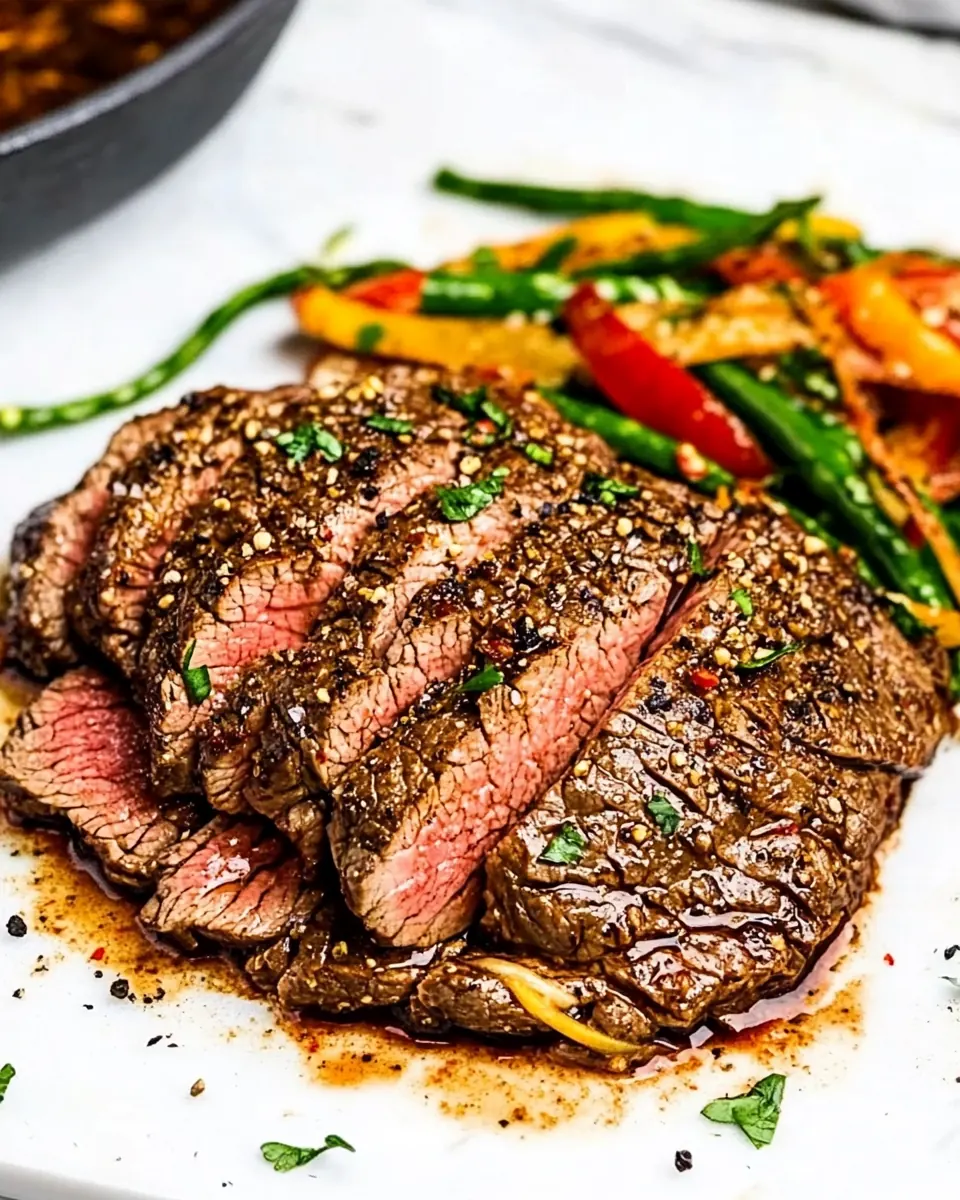
The philosophy behind these ingredients centers on contrast and efficiency. Each item plays a distinct role: the thinly sliced beef provides immediate tenderness and caramelized savory notes, the aromatics like ginger and garlic layer in sharpness, and the sauce ingredients build a glossy, clingy finish. Vegetables such as asparagus and green onions keep the bite bright and texturally interesting. Together they create a balanced, quick stir fry that feels composed yet effortless.
- 1 pounds shaved steak: Provide tender, thinly sliced beef that cooks quickly and absorbs marinades, delivering the savory backbone and meaty texture of the dish. Use shaved steak for quick searing to achieve caramelized edges while keeping the interior juicy. Slice against the grain if not pre-sliced to maximize tenderness. Marinate briefly to infuse flavor without over-softening the meat.
- 1 tablespoon cornstarch: Thicken sauces and help the marinade adhere to the meat and vegetables by creating a glossy coating. Mix with a small amount of liquid before adding to prevent clumps and ensure even distribution. Use as a binding agent during cooking to slightly tenderize and stabilize pan sauces. Add toward the end of marinating or right before cooking for optimal performance.
- 1/4 cup low sodium soy sauce: Add deep umami and saltiness while providing a savory base that balances sweet and aromatic components. Use low sodium soy sauce to control overall salt levels while still contributing color and fermented complexity. Combine with other seasonings to create a cohesive marinade that penetrates the shaved steak quickly. Adjust quantity to taste to avoid overpowering delicate aromatics.
- 1 tablespoon ginger freshly grated: Introduce bright, warming heat and aromatic freshness that cuts through the richness of the beef and oil. Grate fresh ginger to release essential oils and fibers that infuse the marinade and cooking liquid. Use sparingly to avoid dominating other flavors, and add during marinating or early in cooking to mellow slightly. Pair with garlic and soy to build a classic savory-ginger profile.
- 3 cloves garlic minced: Provide pungent, savory depth and aromatic complexity that complements ginger and soy in the marinade. Mince garlic finely so it distributes evenly and releases its oils during cooking for a fragrant crust on the steak. Add during marinating or when oil is hot to bloom its flavors without burning. Balance with sugar and soy to round out sharpness.
- 1/2 teaspoons salt: Enhance seasoning subtly to elevate overall flavor without making the dish overly salty. Use measured small amounts to complement soy sauce and other salty components, ensuring taste balance. Dissolve into the marinade or sprinkle lightly during cooking to season both meat and vegetables evenly. Taste toward the end of cooking and adjust sparingly.
- 1/4 teaspoon pepper: Introduce mild heat and aromatic background to lift flavors and balance sweetness and salt. Use ground black pepper for a subtle bite that works well with ginger and garlic. Add to the marinade and during cooking to distribute its peppery note uniformly. Grind fresh if possible to maximize aromatic impact.
- 2 tablespoons brown sugar: Contribute balanced sweetness to counteract soy and acidic notes while aiding in caramelization during searing. Use brown sugar for its molasses content, which adds depth of flavor and color to the sauce and browned meat. Dissolve into the marinade so it helps create a sticky glaze when cooked. Adjust amount for desired sweetness and caramel development.
- 2 tablespoons olive oil: Provide a medium-high smoke point for searing shaved steak quickly and developing a golden crust. Use olive oil to transfer heat evenly and to help bloom aromatics like garlic and ginger without overpowering them. Add to the pan before the steak and vegetables to prevent sticking and encourage browning. Choose a light or refined olive oil for higher heat tolerance.
- 1 bunch asparagus trimmed and chopped: Offer crisp-tender vegetal contrast and a fresh green component that pairs well with savory beef. Trim and chop asparagus to uniform pieces so they cook evenly and quickly alongside the shaved steak. Add toward the end of cooking to maintain bright color and slight crunch, allowing natural sweetness to develop. Season lightly so it complements the savory-sweet sauce without overshadowing it.
- 4 green onions sliced into 1-inch pieces: Add a mild oniony bite and fresh herb-like finish while contributing texture and visual appeal. Slice green onions into 1-inch pieces to provide both white and green segments for layered flavor and quick cooking. Stir in near the end of cooking or use raw as a garnish to preserve freshness and crispness. Use both whites and greens to maximize aromatic contribution.
Cooking Instructions for Shaved Steak
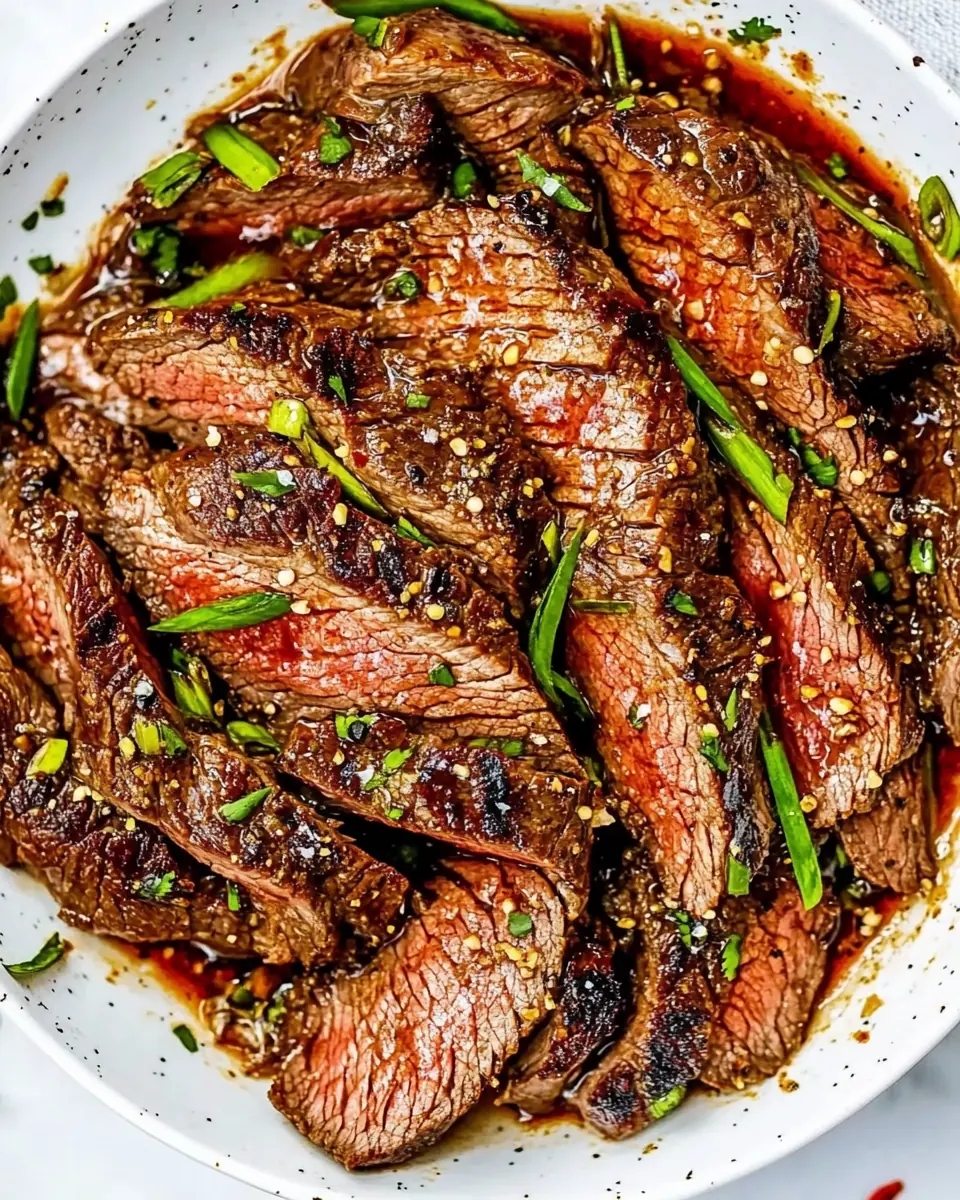
These steps are conversational and meant to guide you through the pan to plate process with confidence. I walk you through sensory cues and small adjustments so the result is tender, glossy, and balanced. Keep your pan hot and your attention nearby for best results.
- Toss thinly sliced steak with cornstarch and let it sit for 10 minutes.: The moment you toss the steak with cornstarch , you should notice the meat takes on a slightly drier, silky feel that helps it brown faster when it hits the pan. While it rests, you might smell a faint powdery scent turning subtle as the cornstarch adheres. This step helps create a glossy coating and protects the meat from steaming, promoting a savory crust. A common mistake is to skip the rest time; if you do, the cornstarch will fall away in the pan and you will miss out on the velvety sauce texture.
- Mix soy sauce, ginger, garlic, salt, pepper, and brown sugar in a bowl for the marinade. Coat the steak with half of the marinade.: As you whisk the soy sauce , grated ginger , minced garlic , salt , pepper , and brown sugar , inhale the bright, spicy aroma from the ginger and the roasted, sweet perfume from the sugar dissolving into the liquid. This mixture brings sweet savory balance and will both season and glaze the meat. I usually taste a little to adjust the sugar or salt, because that small tweak determines if the final sauce leans sweeter or saltier. Avoid adding too much salt at this stage since the soy sauce already contributes sodium.
- Sear the steak in olive oil for 2-3 minutes per side until browned. Set aside.: Coating the steak with only half the marinade ensures the pieces pick up immediate seasoning while leaving a reserved portion for finishing the dish, which helps thicken the sauce later. At this point you may notice the meat becoming glossy and slightly darker as it absorbs flavors. Let it sit briefly so surfaces become evenly coated. Do not oversoak the meat, since very thin slices can become overly salty or soggy if left too long.
- Stir-fry asparagus and green onions in the same pan for 2-3 minutes.: When the olive oil shimmers and the pan is very hot, place the steak in a single layer; you should hear an immediate sizzling that signals proper searing. As the meat cooks, watch for edges to deepen in color and tiny browned bits to form on the pan surface. Those brown bits, or fond, are flavor gold for the sauce. Flip after the surface is nicely browned, aiming for slightly crisped edges while keeping the interior tender. A common pitfall is overcrowding the pan, which causes steaming rather than searing and prevents that desirable caramelization.
- Add the cooked steak back to the pan and pour in the reserved marinade. Stir everything together and cook for 1-2 minutes until the sauce thickens slightly.: Once the steak has a golden crust, transfer it to a plate to rest briefly and preserve juices. While it rests, the meat will relax and stay tender rather than losing moisture on the cutting board or in the pan. The pan will also retain the fond, which is essential for building the sauce when you add vegetables. Avoid leaving the steak on a hot surface too long, as residual heat can overcook the thin slices quickly.
- Remove from the heat and serve immediately.: In the same hot pan, add a splash more olive oil if needed and toss in the asparagus and green onions . You should hear bright sizzling and see the vegetables begin to blister at contact points, while colors intensify to a vibrant green. Stir constantly so they cook evenly but remain crisp tender. This brief high heat preserves texture and prevents mushiness. A common error is cooking too slowly, which leads to limp, over softened vegetables.
- Add the cooked steak back to the pan and pour in the reserved marinade: When you return the steak to the pan and add the reserved marinade, expect a lively sizzle as the liquid hits the hot surface and begins to reduce. The aroma of ginger and garlic becomes more pronounced as the sauce thickens and clings to the meat and vegetables. Stir immediately to incorporate the fond, which dissolves into the sauce, enhancing depth. If the sauce does not thicken, raise the heat slightly and let moisture evaporate, stirring to avoid burning. A common mistake here is adding too much liquid at once, which dilutes flavor and prevents proper glaze formation.
- Stir everything together and cook for 1 to 2 minutes until the sauce thickens slightly: In this final stage you will notice the sauce transform from loose and glossy to a heavier, clingy coating that highlights each ingredient. Keep stirring and watch for a gentle bubbling that signals the sauce is reducing. The pan should emit a rich, savory steam, and the meat should feel hot through without becoming dry. This concentrated moment finishes the flavors and texture. Avoid overcooking beyond this short window, since the thin steak can toughen rapidly once fully heated through.
- Remove from the heat and serve immediately: Pulling the pan off the heat preserves the bright color of the vegetables and the tenderness of the steak . Serve straight away so the sauce remains glossy and the textures are at their best. I prefer plating directly from the skillet to keep the juices intact. A typical mistake is letting the dish sit too long before serving, which makes the sauce congeal and the vegetables lose their snap.
Tips for Success
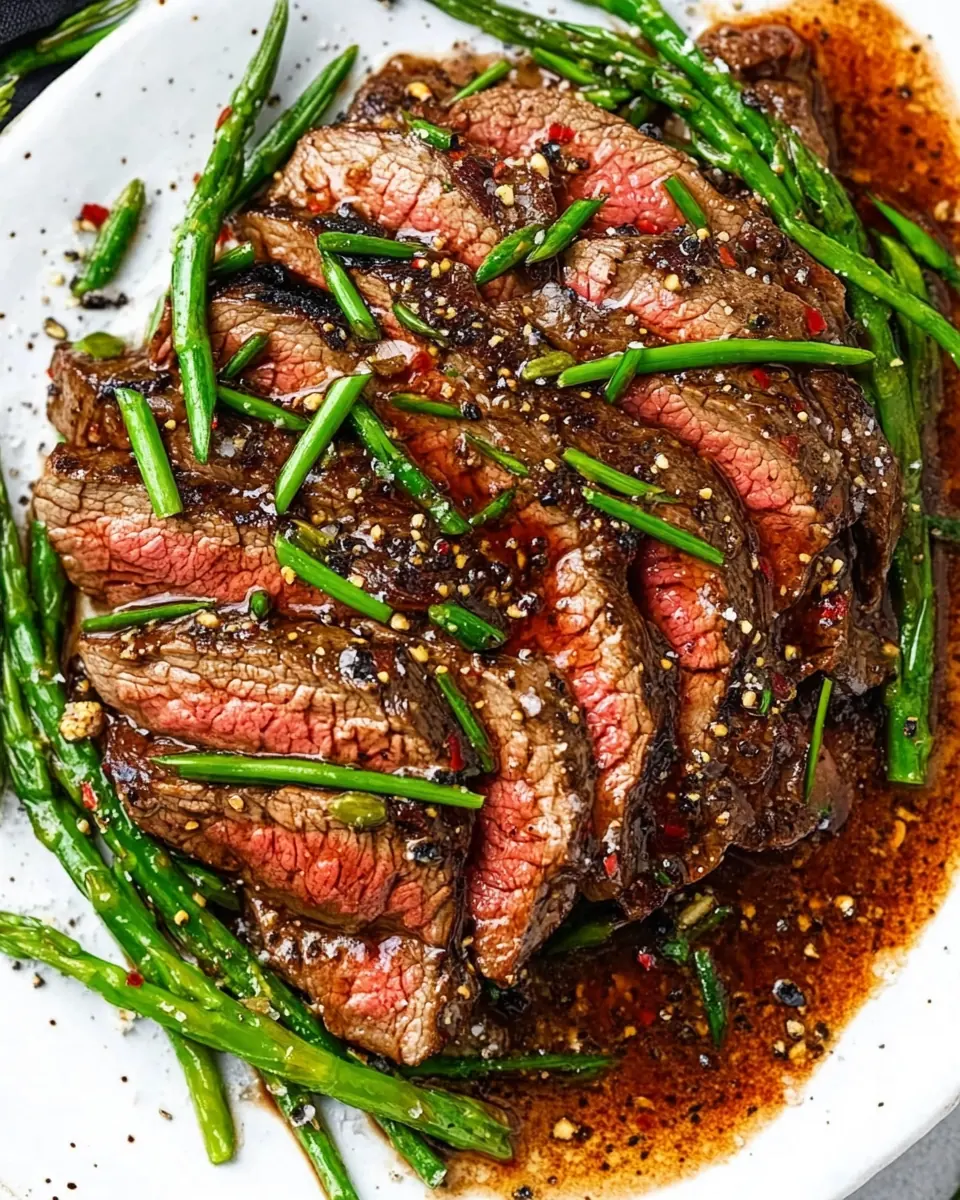
These tips pull from experience and the little adjustments that turn a good stir fry into a great one. I write them so you can make confident choices about timing, seasoning, and presentation. Use them to adapt the recipe to your kitchen and palate.
- Choose the right cut: Prefer flat iron, filet mignon, or sirloin for tenderness and flavor; these cuts slice well for quick searing.
- Pat the meat dry: Removing surface moisture before tossing with cornstarch helps the steak brown more efficiently and prevents steaming.
- Warm the marinade: Let the reserved marinade sit at room temperature briefly so it melds when added to the hot pan and reduces evenly.
- Use a roomy pan: A large skillet or wok prevents crowding and ensures quick evaporation and proper searing for each piece of steak.
- Adjust sweetness to taste: If you prefer a less sweet glaze, reduce the brown sugar slightly and balance with a touch more soy sauce if needed.
What to Serve Alongside Shaved Steak
This dish pairs effortlessly with simple starches and can be dressed up for special occasions. Below I describe serving ideas, storage pointers, and occasions where Shaved Steak shines.
- Steamed rice: A classic option, white or brown steamed rice soaks up the sauce and makes the meal hearty for dinner or busy weeknights.
- Spicy noodles: Toss the cooked stir fry with hot sesame noodles for a heartier presentation that works well for a shared dinner.
- Cauliflower fried rice: For a lower carb approach, serve the stir fry over cauliflower fried rice to keep the textures bright and the meal satisfying.
- Family dinners: This recipe scales well, making it suitable for casual family dinners where quick cooking and big flavor are priorities.
- Storage tips: Cool leftovers completely before sealing in airtight containers; reheating gently in a pan keeps the asparagus and steak from overcooking.
- Seasonal pairing: In spring, the fresh asparagus highlights seasonal produce and makes the dish feel timely for lighter menus and bright plates.
FAQ
Conclusion
What makes this recipe special is how quickly it delivers big, balanced flavor with minimal fuss. The combination of tender shaved meat, bright vegetables, and a glossy soy ginger sauce creates a satisfying meal that feels both fresh and indulgent. I encourage you to give it a try on a busy evening when you want something fast but gratifying. Serve it straight from the pan for best texture, and enjoy the way simple ingredients come together to make an impressive dish.
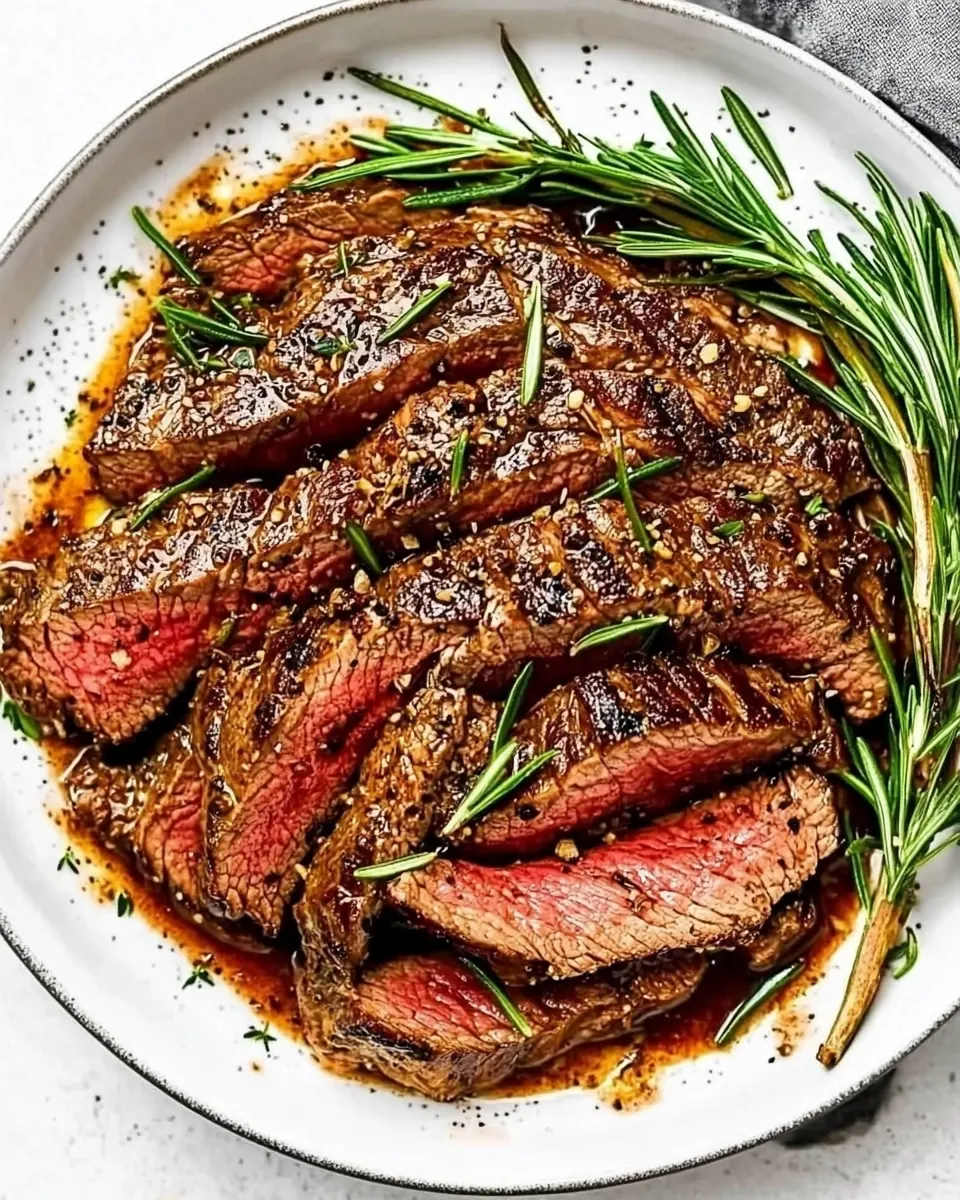
Shaved Steak
Ingredients
Equipment
Method
- Toss thinly sliced steak with cornstarch and let it sit for 10 minutes.: The moment you toss the steak with cornstarch , you should notice the meat takes on a slightly drier, silky feel that helps it brown faster when it hits the pan. While it rests, you might smell a faint powdery scent turning subtle as the cornstarch adheres. This step helps create a glossy coating and protects the meat from steaming, promoting a savory crust. A common mistake is to skip the rest time; if you do, the cornstarch will fall away in the pan and you will miss out on the velvety sauce texture.
- Mix soy sauce, ginger, garlic, salt, pepper, and brown sugar in a bowl for the marinade. Coat the steak with half of the marinade.: As you whisk the soy sauce , grated ginger , minced garlic , salt , pepper , and brown sugar , inhale the bright, spicy aroma from the ginger and the roasted, sweet perfume from the sugar dissolving into the liquid. This mixture brings sweet savory balance and will both season and glaze the meat. I usually taste a little to adjust the sugar or salt, because that small tweak determines if the final sauce leans sweeter or saltier. Avoid adding too much salt at this stage since the soy sauce already contributes sodium.
- Sear the steak in olive oil for 2-3 minutes per side until browned. Set aside.: Coating the steak with only half the marinade ensures the pieces pick up immediate seasoning while leaving a reserved portion for finishing the dish, which helps thicken the sauce later. At this point you may notice the meat becoming glossy and slightly darker as it absorbs flavors. Let it sit briefly so surfaces become evenly coated. Do not oversoak the meat, since very thin slices can become overly salty or soggy if left too long.
- Stir-fry asparagus and green onions in the same pan for 2-3 minutes.: When the olive oil shimmers and the pan is very hot, place the steak in a single layer; you should hear an immediate sizzling that signals proper searing. As the meat cooks, watch for edges to deepen in color and tiny browned bits to form on the pan surface. Those brown bits, or fond, are flavor gold for the sauce. Flip after the surface is nicely browned, aiming for slightly crisped edges while keeping the interior tender. A common pitfall is overcrowding the pan, which causes steaming rather than searing and prevents that desirable caramelization.
- Add the cooked steak back to the pan and pour in the reserved marinade. Stir everything together and cook for 1-2 minutes until the sauce thickens slightly.: Once the steak has a golden crust, transfer it to a plate to rest briefly and preserve juices. While it rests, the meat will relax and stay tender rather than losing moisture on the cutting board or in the pan. The pan will also retain the fond, which is essential for building the sauce when you add vegetables. Avoid leaving the steak on a hot surface too long, as residual heat can overcook the thin slices quickly.
- Remove from the heat and serve immediately.: In the same hot pan, add a splash more olive oil if needed and toss in the asparagus and green onions . You should hear bright sizzling and see the vegetables begin to blister at contact points, while colors intensify to a vibrant green. Stir constantly so they cook evenly but remain crisp tender. This brief high heat preserves texture and prevents mushiness. A common error is cooking too slowly, which leads to limp, over softened vegetables.
- Add the cooked steak back to the pan and pour in the reserved marinade: When you return the steak to the pan and add the reserved marinade, expect a lively sizzle as the liquid hits the hot surface and begins to reduce. The aroma of ginger and garlic becomes more pronounced as the sauce thickens and clings to the meat and vegetables. Stir immediately to incorporate the fond, which dissolves into the sauce, enhancing depth. If the sauce does not thicken, raise the heat slightly and let moisture evaporate, stirring to avoid burning. A common mistake here is adding too much liquid at once, which dilutes flavor and prevents proper glaze formation.
- Stir everything together and cook for 1 to 2 minutes until the sauce thickens slightly: In this final stage you will notice the sauce transform from loose and glossy to a heavier, clingy coating that highlights each ingredient. Keep stirring and watch for a gentle bubbling that signals the sauce is reducing. The pan should emit a rich, savory steam, and the meat should feel hot through without becoming dry. This concentrated moment finishes the flavors and texture. Avoid overcooking beyond this short window, since the thin steak can toughen rapidly once fully heated through.
- Remove from the heat and serve immediately: Pulling the pan off the heat preserves the bright color of the vegetables and the tenderness of the steak . Serve straight away so the sauce remains glossy and the textures are at their best. I prefer plating directly from the skillet to keep the juices intact. A typical mistake is letting the dish sit too long before serving, which makes the sauce congeal and the vegetables lose their snap.
Notes
- Choose the right cut: Prefer flat iron, filet mignon, or sirloin for tenderness and flavor; these cuts slice well for quick searing.
- Pat the meat dry: Removing surface moisture before tossing with cornstarch helps the steak brown more efficiently and prevents steaming.
- Warm the marinade: Let the reserved marinade sit at room temperature briefly so it melds when added to the hot pan and reduces evenly.
- Use a roomy pan: A large skillet or wok prevents crowding and ensures quick evaporation and proper searing for each piece of steak.
- Adjust sweetness to taste: If you prefer a less sweet glaze, reduce the brown sugar slightly and balance with a touch more soy sauce if needed.